
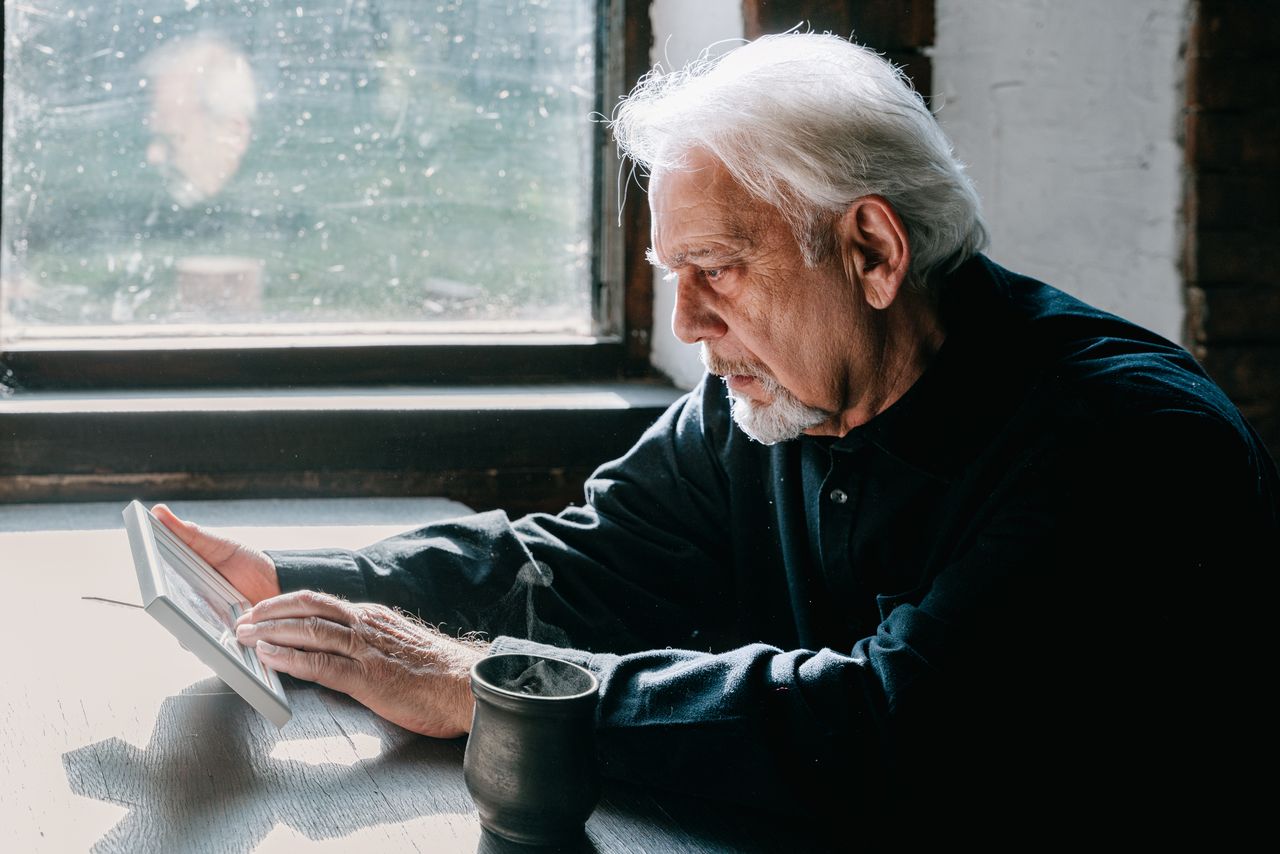
After losing someone important, many people find themselves still talking to that person.
They may speak out loud while alone, share thoughts silently, ask for guidance during difficult moments, tell them about important life events, or simply say their name when remembering them.
For some, this happens naturally. For others, it may feel unexpected or difficult to explain.
Why do people continue having conversations with someone who is no longer physically present?
The answer lies in one of the deepest aspects of human attachment: the emotional bond created with someone we love does not simply disappear after death. Instead, it changes form.
Talking to someone who has passed away is not necessarily about believing they are physically present. Often, it is a way of maintaining connection, expressing love, processing emotions, and continuing a relationship that has moved from physical presence to emotional presence.
This is known as the psychology of continuing bonds—the understanding that grief does not always mean completely letting go, but learning how to carry a relationship forward in a different way.
Human relationships are built through communication.
We speak to the people we love because conversation creates closeness. Through words, we share experiences, seek comfort, ask questions, and express emotions.
When someone dies, the relationship does not disappear simply because physical interaction ends.
The mind still carries:
memories of conversations
familiar expressions
shared experiences
emotional patterns
the feeling of knowing that person deeply
Because of this, many people naturally continue communicating.
The relationship changes, but the connection remains.

For many years, grief was often described as a process of “letting go” and moving forward.
However, modern understanding of grief recognizes that many people maintain an ongoing emotional relationship with those they have lost.
This continuing bond may appear through:
talking to the person
remembering their advice
imagining what they would say
keeping their belongings
continuing traditions they created
sharing their stories
The bond does not mean refusing to accept the loss.
It reflects the human ability to adapt to absence while preserving love.
People continue these conversations for many different reasons.
For some, it is a way to express feelings that were never fully spoken.
They may say:
“I wish you could see this.”
“I miss you.”
“I hope you would be proud.”
“I still need your advice.”
These conversations create a private emotional space where grief, gratitude, love, and memories can exist together.
They allow people to continue expressing what the relationship meant.

Many people speak to deceased loved ones because that person represented safety, understanding, or acceptance.
They may have been:
someone who always listened
someone who offered guidance
someone who provided emotional support
someone who understood them without explanation
Continuing a conversation can recreate a sense of emotional closeness.
The person may no longer answer physically, but the relationship still influences thoughts, choices, and feelings.
The human brain is shaped by relationships.
When someone becomes an important part of our life, their voice, reactions, habits, and personality become deeply stored in memory.
This is why people may instinctively think:
“What would they say if they were here?”
The answer often comes naturally because the relationship created an internal understanding of that person.
The mind continues carrying the relationship, even after physical separation.
There is a meaningful difference between speaking about a person and speaking directly to them.
Talking about someone often preserves their story.
Talking to someone maintains a sense of relationship.
When people speak directly to someone who has passed away, they are often continuing the emotional language they shared during life.
It reflects intimacy.
It reflects familiarity.
It reflects the ongoing place that person still holds within their world.

Grief contains emotions that are often difficult to organize.
People may experience:
sadness
anger
regret
gratitude
longing
confusion
Speaking to someone who has passed away can become a way of giving those emotions somewhere to go.
It transforms silent feelings into expression.
It creates space for emotions that may not have another place to exist.
Many people continue speaking to loved ones because some things were left unsaid.
Loss can leave behind:
unanswered questions
words that were never expressed
apologies never shared
gratitude that was never spoken
emotions that still need recognition
Continuing conversations can help create emotional meaning around these unfinished moments.
The past does not change, but the person finds a way to acknowledge what remains.
One of the most common forms of continuing connection is asking a loved one for advice.
People may think:
“What would they do?”
“What would they tell me?”
“What would they think of this moment?”
This happens because relationships shape who we become.
The values, lessons, and perspectives shared by someone continue influencing decisions long after they are gone.
Their guidance becomes part of the person we carry within ourselves.
Talking to someone who has passed away often becomes part of personal rituals.
These may include:
visiting a memorial place
holding a meaningful object
looking at photographs
lighting a candle
remembering important dates
Ritual creates intentional moments of connection.
It gives remembrance a place within everyday life.

Many grieving people describe moments where they feel the presence of someone who has died.
This may happen through:
dreams
memories
familiar sensations
meaningful moments
personal reflection
These experiences are deeply individual.
For many people, they provide comfort and reassurance.
They represent the continuing emotional impact of a relationship.
A common misunderstanding is that continuing to speak to someone means a person has not accepted the loss.
But remembering and accepting can exist together.
A person can understand that someone has died while still:
talking to them internally
keeping traditions alive
seeking imagined guidance
feeling emotionally connected
Maintaining a bond does not mean refusing reality.
It means allowing love to continue in a different form.
Physical objects often become part of these conversations.
A memorial object, photograph, piece of clothing, or personal belonging can create a bridge between memory and the present.
People may speak while:
holding an object
looking at a photograph
visiting a meaningful space
Objects provide something tangible connected to an invisible relationship.

Continuing bonds are not only personal—they often become part of family identity.
Families keep people present by:
sharing stories
repeating their sayings
preparing their favorite meals
continuing their traditions
Talking about someone keeps their influence alive.
Their life becomes part of the family story that continues.

Certain moments often make people want to speak to someone they lost.
These may include:
birthdays
weddings
births
achievements
major decisions
difficult moments
People often wish they could share these experiences.
These moments reveal how deeply relationships continue beyond physical presence.
The way people talk to someone who has passed away often evolves.
Early grief may focus on:
pain
missing them
disbelief
wishing they were still present
Later, conversations may become:
expressions of gratitude
moments of reflection
sharing achievements
remembering lessons
The relationship adapts as the person learns how to live with the loss.
Across cultures, maintaining connection with ancestors and loved ones has existed for centuries.
Practices include:
remembrance ceremonies
ancestor traditions
memorial days
symbolic offerings
family storytelling
These traditions show that communication with those who have died is not unusual.
It is a deeply human expression of love and memory.

One of the simplest forms of continuing connection is saying someone’s name.
After loss, people sometimes avoid mentioning the person because it feels painful.
But saying their name can also be an act of love.
A name carries:
identity
history
personality
meaning
When a name continues to be spoken, a person remains part of the family story.
The relationship with someone who has passed away is not only kept by those who knew them.
It can also be passed forward.
Through:
stories
photographs
objects
traditions
future generations can understand someone they never personally met.
Memory becomes a bridge between generations.

Talking to loved ones who have passed away is one of the many ways humans maintain connection after loss.
These conversations are not only about the past. They are about the relationship between memory, love, identity, and the ongoing influence someone leaves behind.
A person may no longer be physically present, but their voice, values, and impact remain part of everyday life.
The psychology of continuing bonds shows that grief is not only about absence.
It is also about learning how love continues.
Because when someone has truly mattered, the relationship does not disappear.
It changes form.

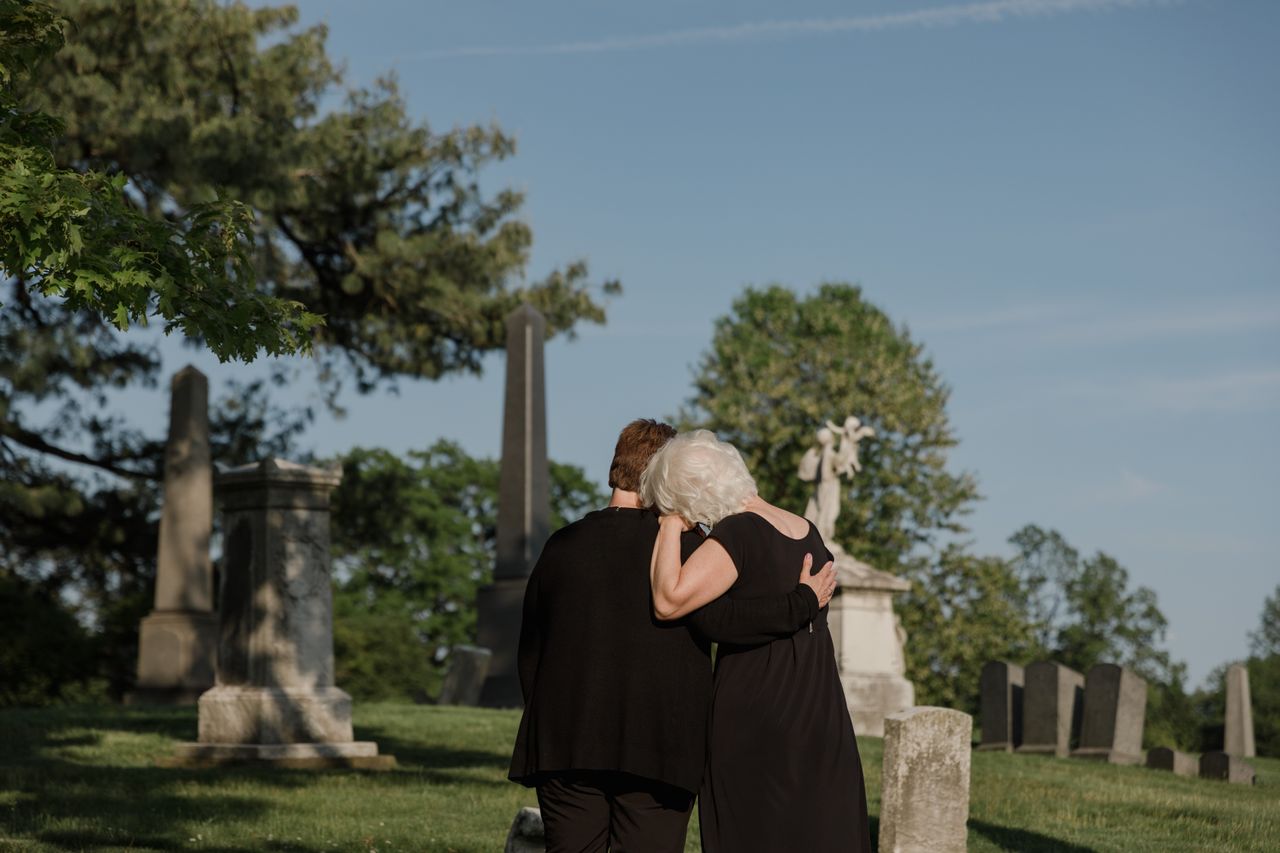
Ways to Honour a Loved One Without Visiting a Cemetery
Honouring a loved one doesn't have to be limited to visiting a cemetery. Discover meaningful and heartfelt ways to celebrate their life through personal traditions, living memorials, keepsakes, charitable acts and beautiful remembrance ideas that keep their memory alive every day.
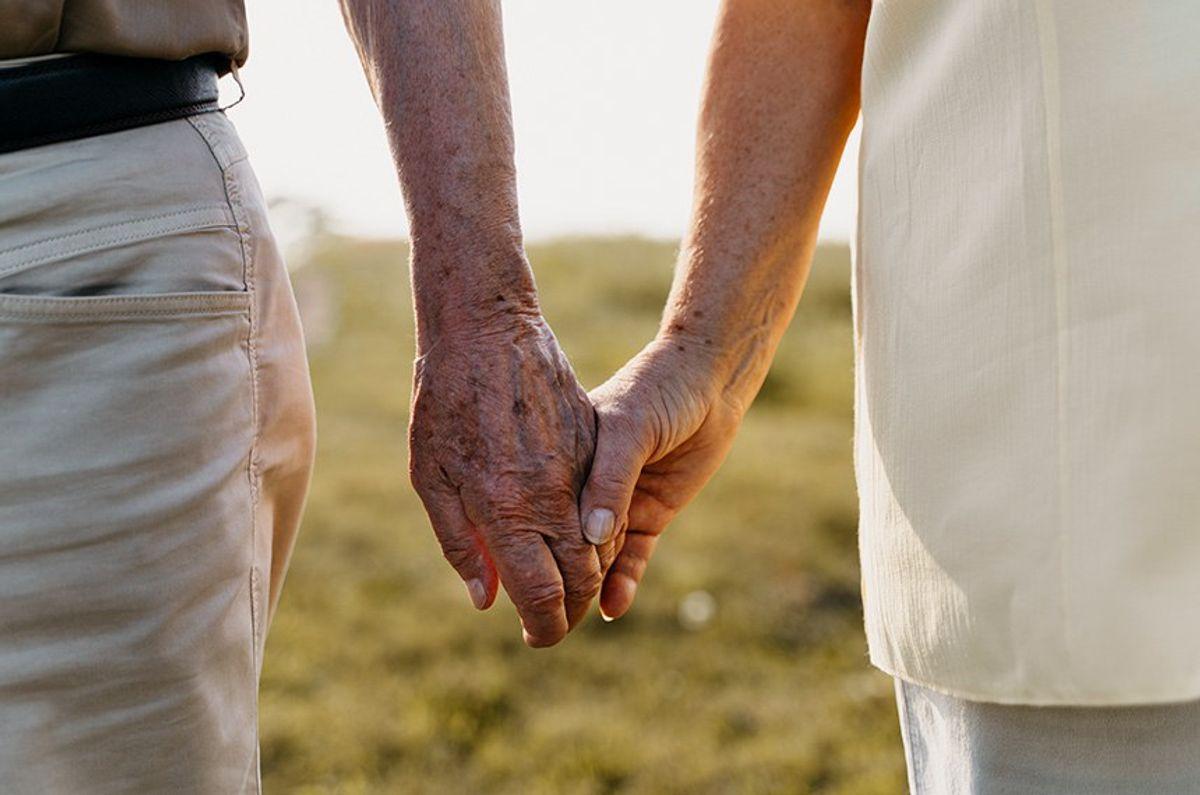
The Emotional Weight of “Lasts”: The Last Conversation, Last Hug, Last Goodbye
The last conversation, last hug, and last goodbye are some of the most emotionally powerful experiences a person can carry. These final moments transform ordinary interactions into lifelong memories, revealing the depth of love, connection, grief, and human attachment. This article explores why we remember final moments so vividly, how they shape the way we process loss, and why appreciating everyday connections matters before they become memories.
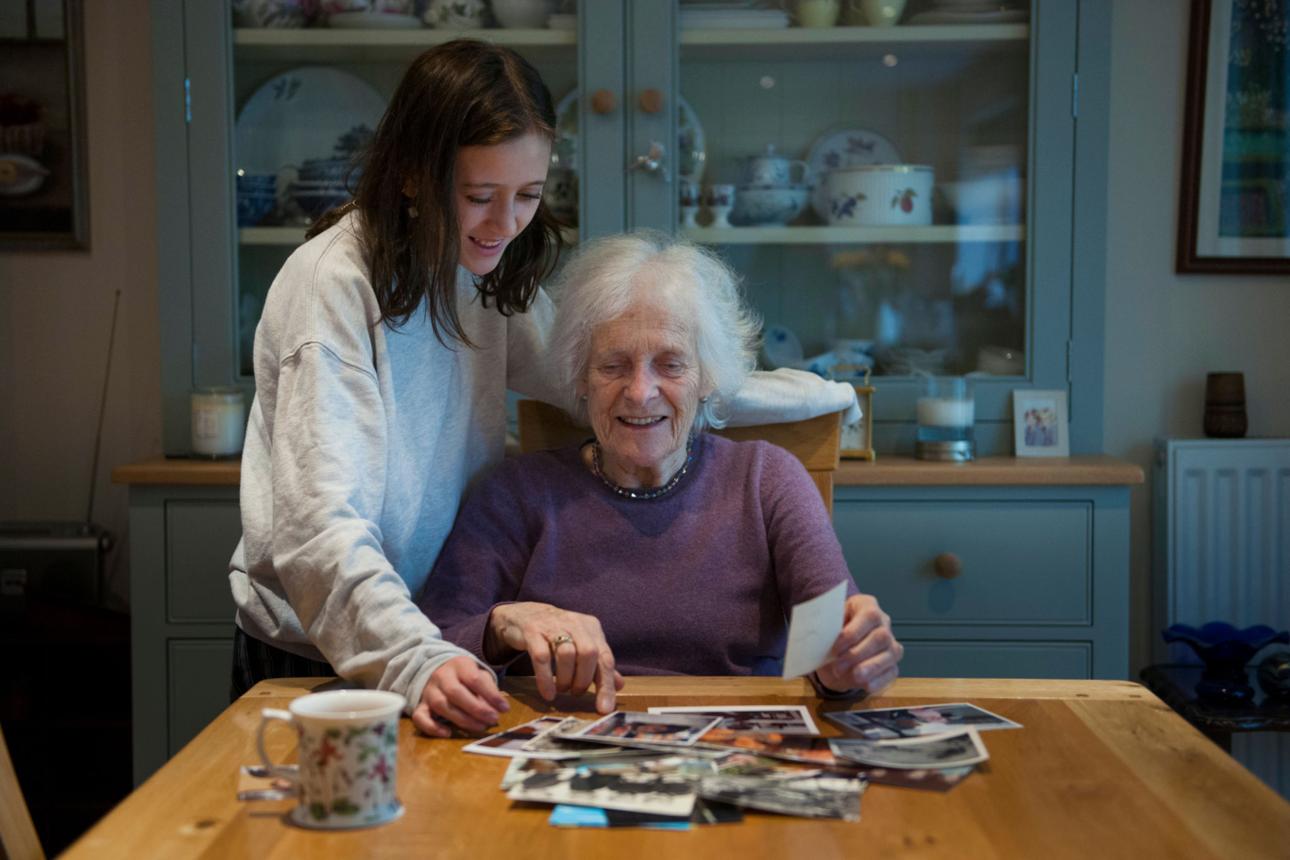
The First Holiday Without Someone: Why It Feels So Different
The first holiday after losing someone we love can feel completely different from any celebration before it. The traditions remain, the decorations appear, and families gather together, but the absence of one important person changes everything. This article explores why holidays intensify grief, how memories are triggered through traditions and senses, and how families learn to honour loved ones while creating new ways to remember.

Discover why everyday sounds can become powerful reminders of the people we love. From familiar voices and favourite songs to simple household noises, sound has the ability to preserve memories, awaken emotions, and maintain a connection with those who are no longer physically present.
After losing someone we love, ordinary belongings can become some of the most meaningful reminders of their life. A favourite sweater, handwritten note, piece of jewellery, or family recipe can carry memories, emotions, and a sense of connection that goes far beyond the object itself. This article explores why we keep the things left behind, the psychology behind emotional attachment to personal belongings, and how these objects help us preserve love, identity, and family stories after loss.




Udostępnij:
How Families Create New Traditions After Loss: The Evolution of Remembrance Rituals
Initive Guide to the Cremation Process: Ethics, Science, and Memorialization