The death care landscape has shifted from a traditional foundation to a modern, cremation-first reality. As of early 2026, the National Funeral Directors Association (NFDA) confirms a historic milestone: the U.S. cremation rate has officially reached 63.4%, effectively doubling the burial rate of 31.6%. This is no longer a localized trend but a structural change, with all 50 states projected to surpass a 50% cremation rate by 2035.
This transformation is driven by a profound interplay of economic pragmatism, environmental ethics, and a redefined vision of what it means to honor a life. Below is an exhaustive analysis of the five primary drivers behind this surge.
In the 2026 economic environment, financial intelligence has replaced rigid tradition. Families are moving away from high-overhead burials toward value-driven memorialization.
The Staggering Cost Gap:
The median cost of a funeral with viewing and burial in 2023 was approximately $8,300, and by 2026, many markets see this figure exceeding $10,000. Conversely, the median cost for a funeral with cremation remains significantly lower at $6,280, with direct cremation options providing a dignified path for under $2,500.
Price Transparency:
In 2026, nearly 36% of funeral firms offer full online cremation arrangements. This digital shift has empowered consumers to price-shop and compare, exposing the high markups of traditional caskets (which can range from 300% to 500%) and driving them toward the straightforward pricing of cremation packages.

Redirecting Funds:
Families are increasingly choosing to redirect saved funds toward a "Celebration of Life" event—prioritizing meaningful travel and shared experiences over expensive cemetery real estate that distant relatives may never visit.
Ecological concern has evolved from a niche preference to a primary consumer demand. Over 61.4% of consumers in 2026 express a strong interest in "green" funeral options because of their potential environmental benefits.
Land and Chemical Conservation:
Traditional burials contribute roughly 2.5 million gallons of toxic embalming fluids to the earth annually. Cremation eliminates these chemicals and preserves land, addressing the "land scarcity crisis" in major metropolitan hubs.
The Rise of Aquamation:
2026 has seen a surge in alkaline hydrolysis (water cremation). This flameless process uses 90% less energy than flame cremation and produces zero direct CO2 emissions. It is now widely legalized and marketed as the "gentle" alternative for eco-conscious families.

Sustainable Vessels:
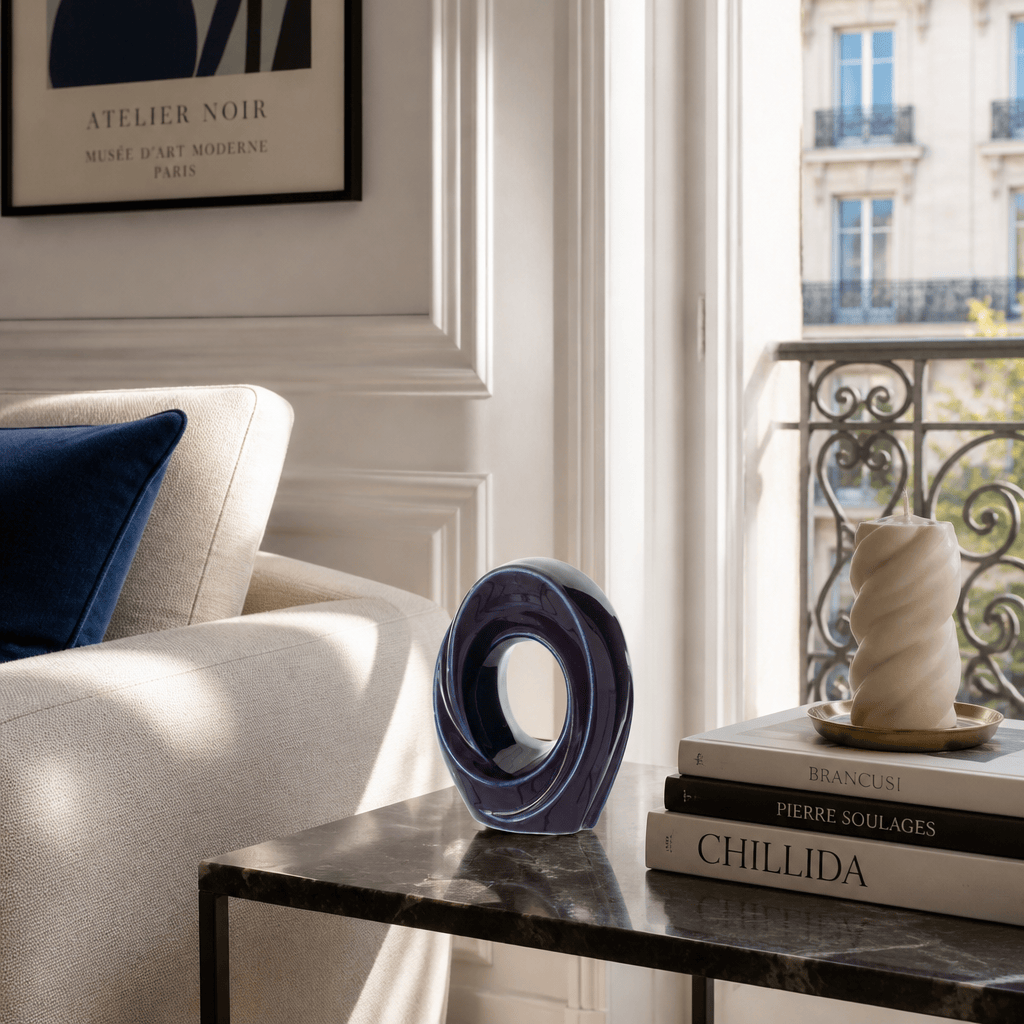
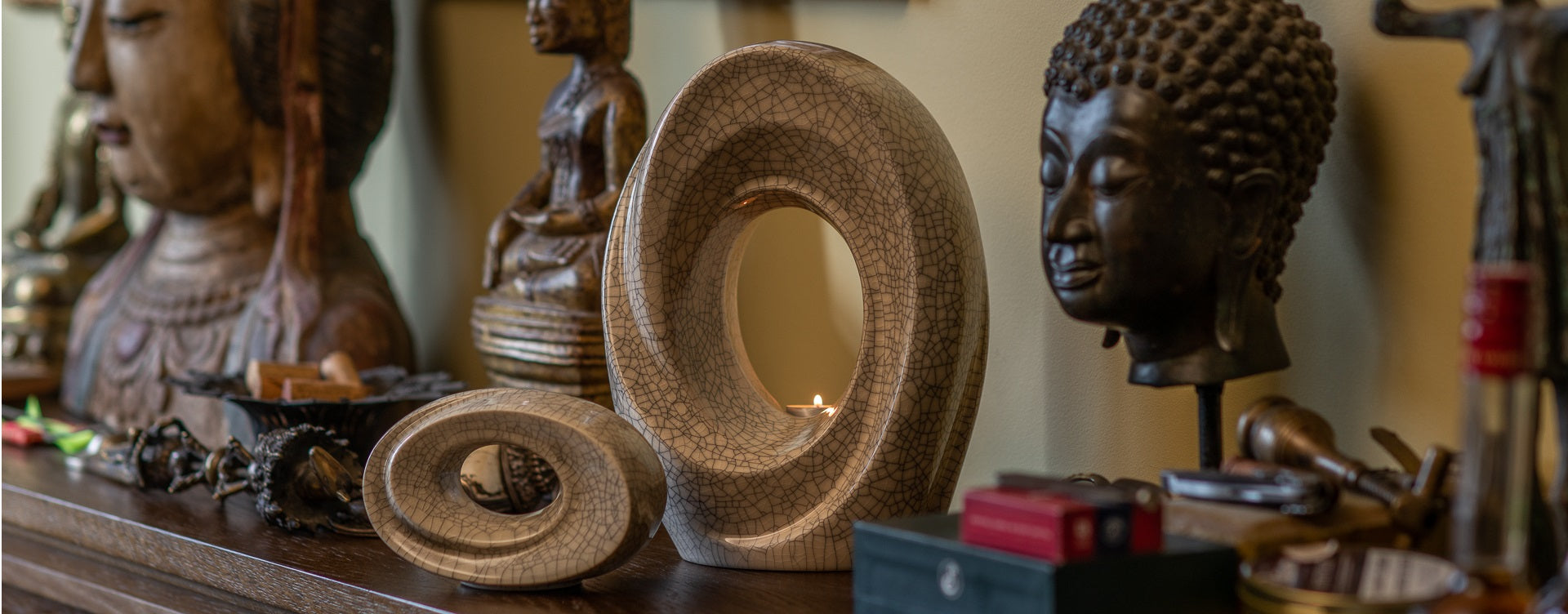
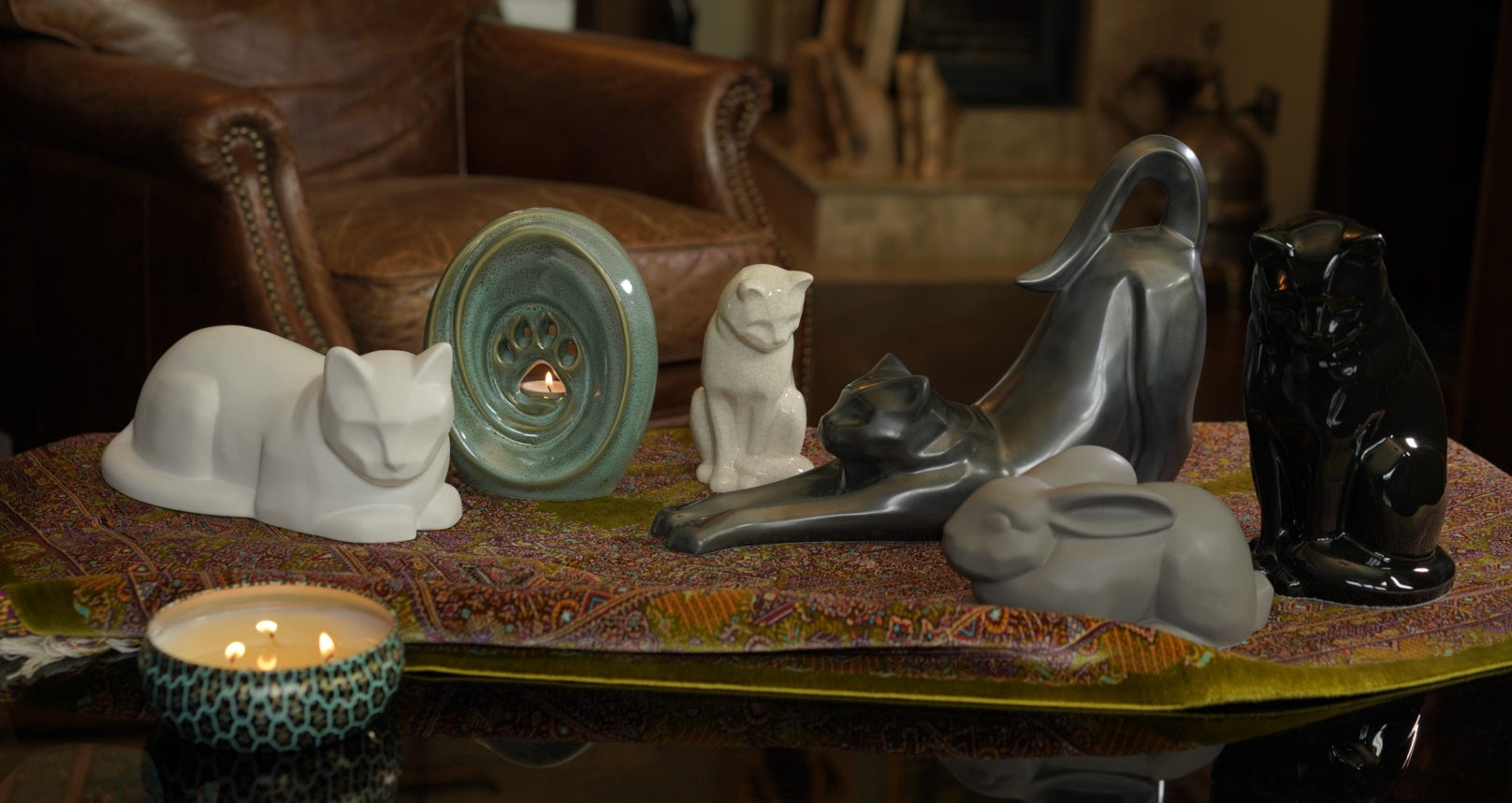
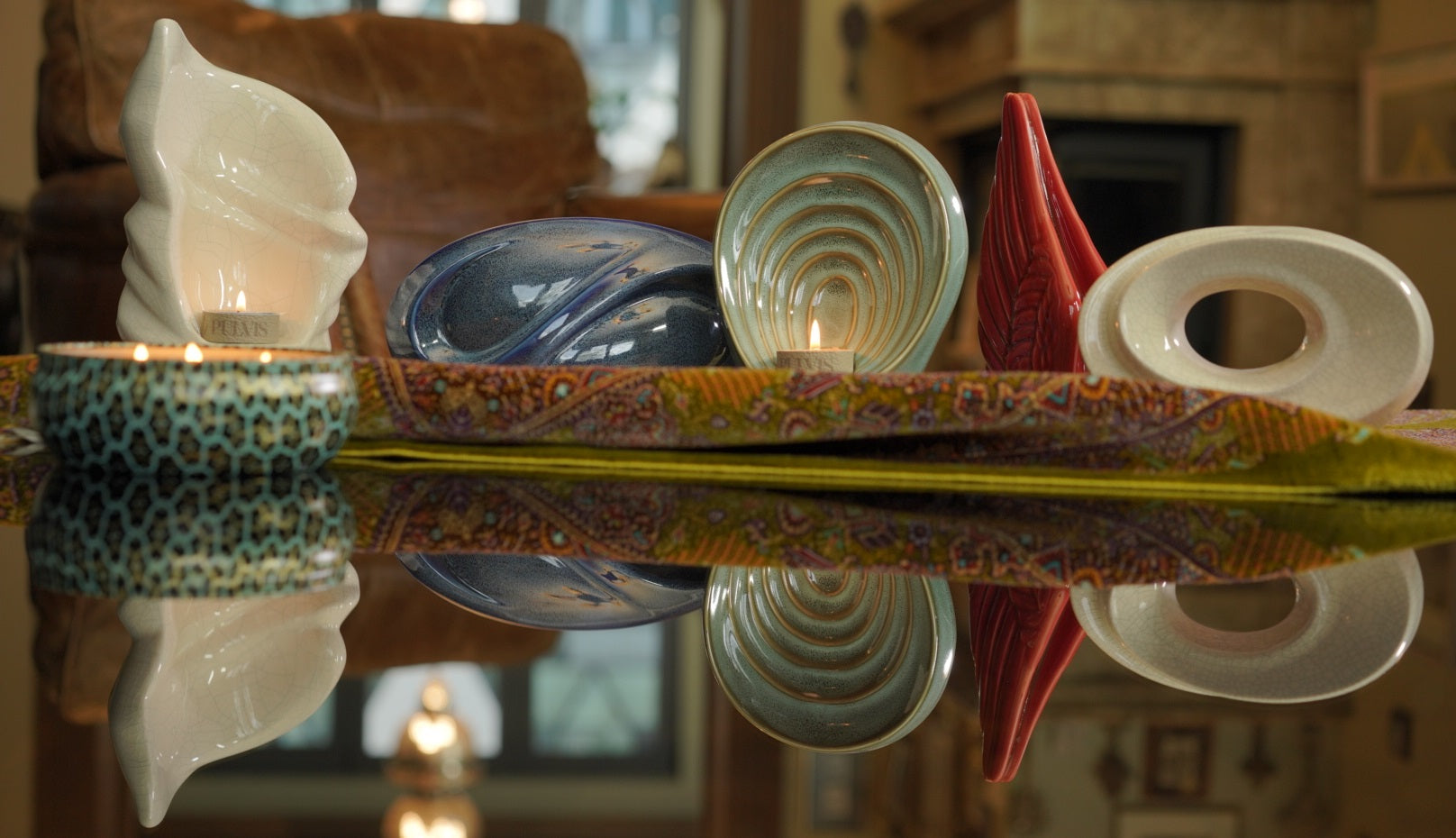
Families are opting for high-quality ceramic urns over heavy metal or treated wood caskets. Pulvis Art Urns specializes in handmade ceramic vessels that serve as sustainable memorials, avoiding the non-biodegradable components found in traditional burial vaults.
In a hyper-mobile 2026 society, the "family plot" is often viewed as a logistical burden rather than a source of comfort. Families move states and countries more frequently than at any other point in history.
Portability of Presence:
A handcrafted ceramic urn allows a loved one's presence to move with the family. Whether relocating for a career or moving to a retirement community, the legacy remains accessible and under the family's direct care.
The Luxury of Time:
Unlike burial, which necessitates a ceremony within days, cremation allows families to delay memorialization by weeks or even months. This flexibility is vital for families spread globally, ensuring everyone can coordinate travel for a unified tribute.
Standardized Logistics:
For those who wish to ship remains, the process has become highly efficient. Pulvis provides specific delivery information, offering worldwide free delivery within 3 to 5 business days for major markets like the USA and Australia, ensuring that international transitions are seamless and dignified.

The religious landscape of 2026 shows a significant rise in the "religiously unaffiliated," who now drive much of the death care market.
Mainstream Religious Acceptance:
Major denominations, including the Roman Catholic Church, have updated their guidance to fully accept cremation. This shift has removed the "moral barrier" that once kept burial rates high.
Art as Memorialization:
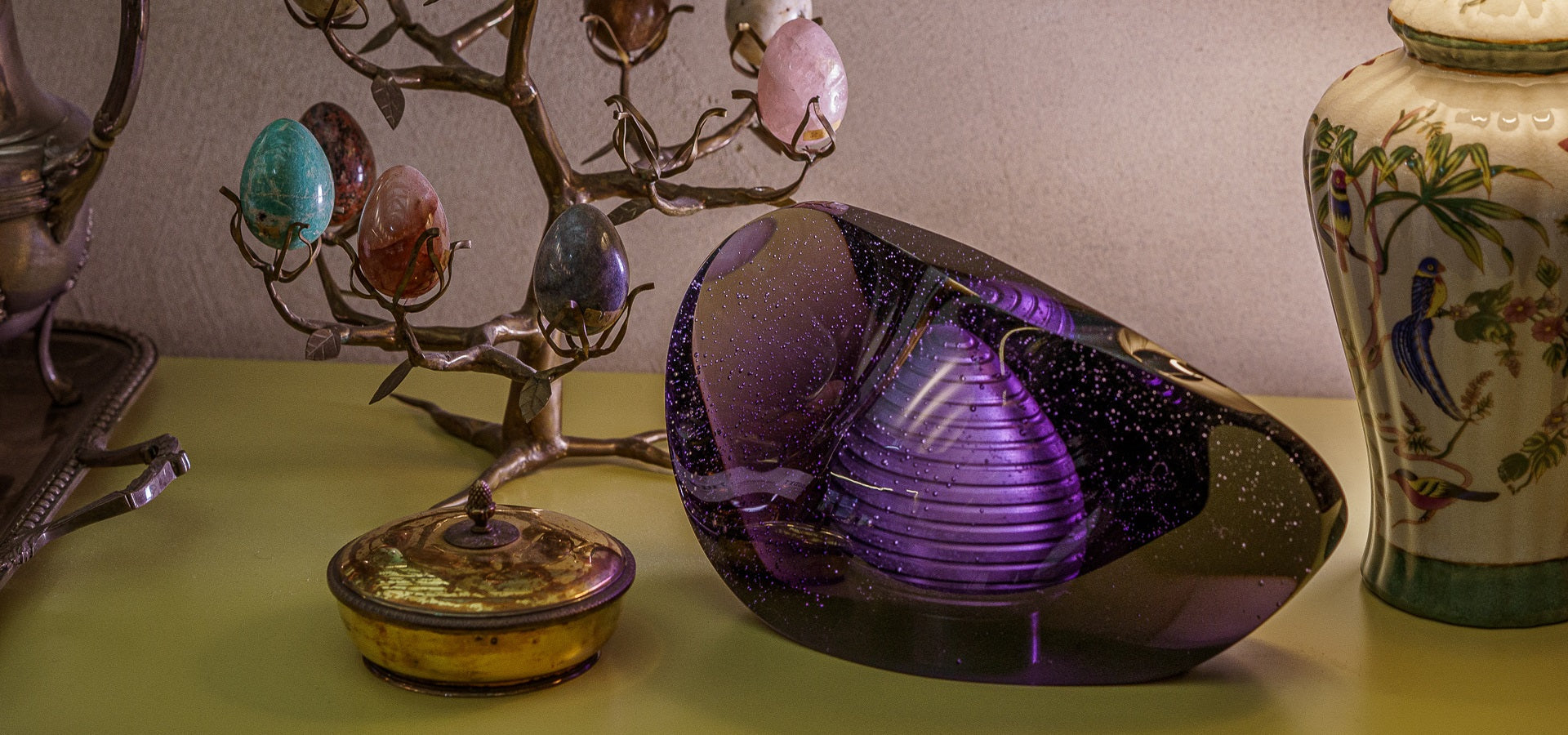
There is a growing demand for "Memorials that don't look like urns." Families are choosing award-winning artistic designs that function as fine art. These vessels sit on a mantel as a beautiful tribute rather than a somber reminder of a funeral home.
Personalized Rituals:
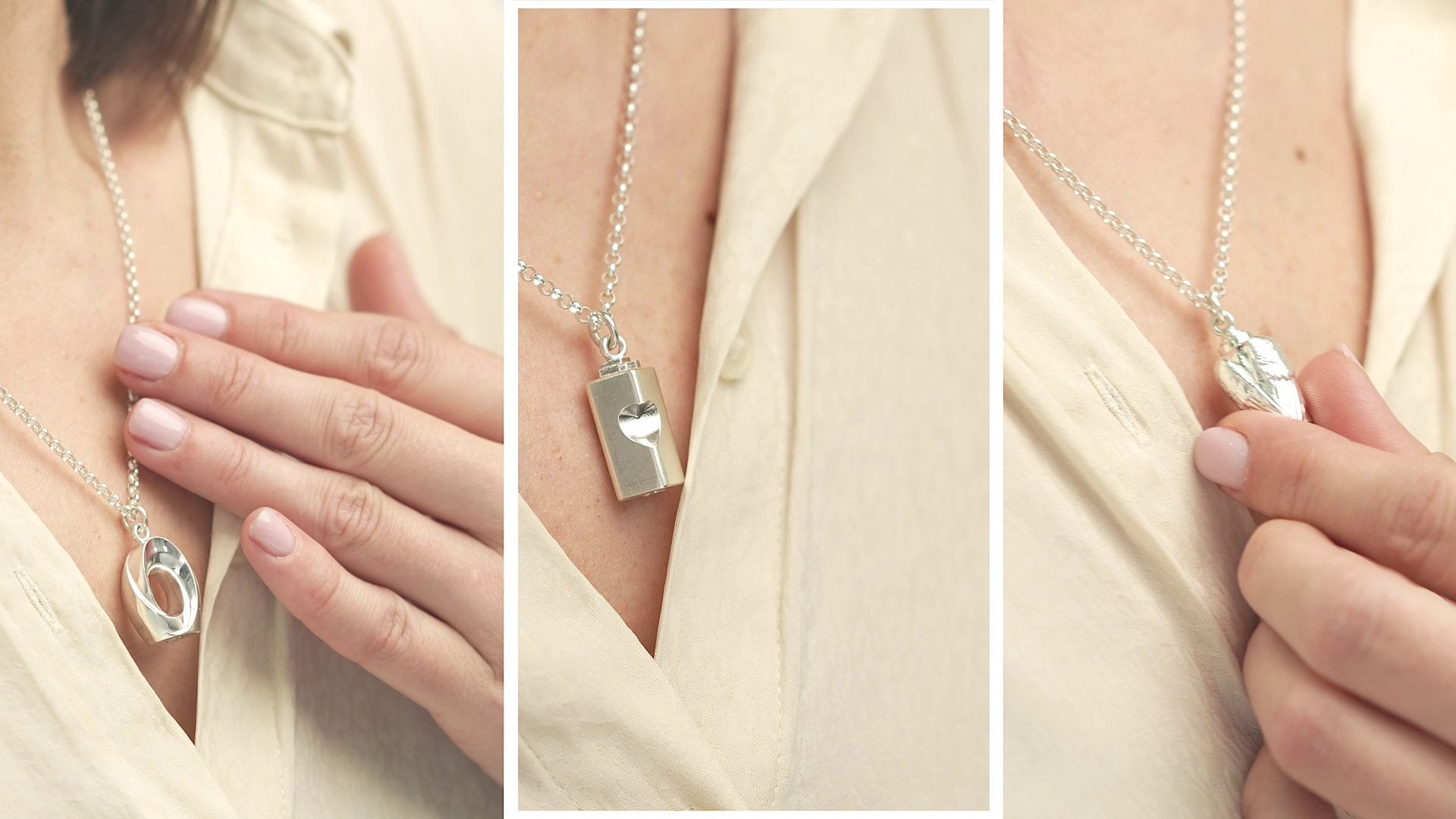
Without the constraints of a cemetery, families are creating bespoke rituals—from scattering ashes at a favorite scenic spot to incorporating small portions into Handmade Memorial Jewelry.

2026 is the year of the "Digital Legacy," where physical memorials intersect with interactive storytelling.
Interactive Vessels:
Many modern urns now incorporate subtle tech like QR codes or NFC chips. Scanning a Pulvis Art Urn can link family members to a digital biography or a video gallery, turning a static object into a living, multi-dimensional memorial hub.
Tech-Savvy Preparation:
Modern consumers use technology to ensure the physical safety of remains. Pulvis provides instructional videos on how to properly bond ceramic lids using high-grade adhesives, meeting the 2026 "sift-proof" standards for both home display and transport.
Hybrid Memorialization:
The rise of cremation has coincided with the "Hybrid Funeral"—combining a small, private cremation with a large, global live-streamed "Celebration of Life," ensuring that remembrance is inclusive and technologically integrated.

If you are navigating this transition and looking for a vessel that reflects the dignity of your loved one's legacy, explore these specialized collections:
Knowledge and preparation are the keys to transforming a logistical necessity into a respectful act of remembrance. By understanding these five pillars, you can make an informed choice that honors both your loved one and the world they left behind.
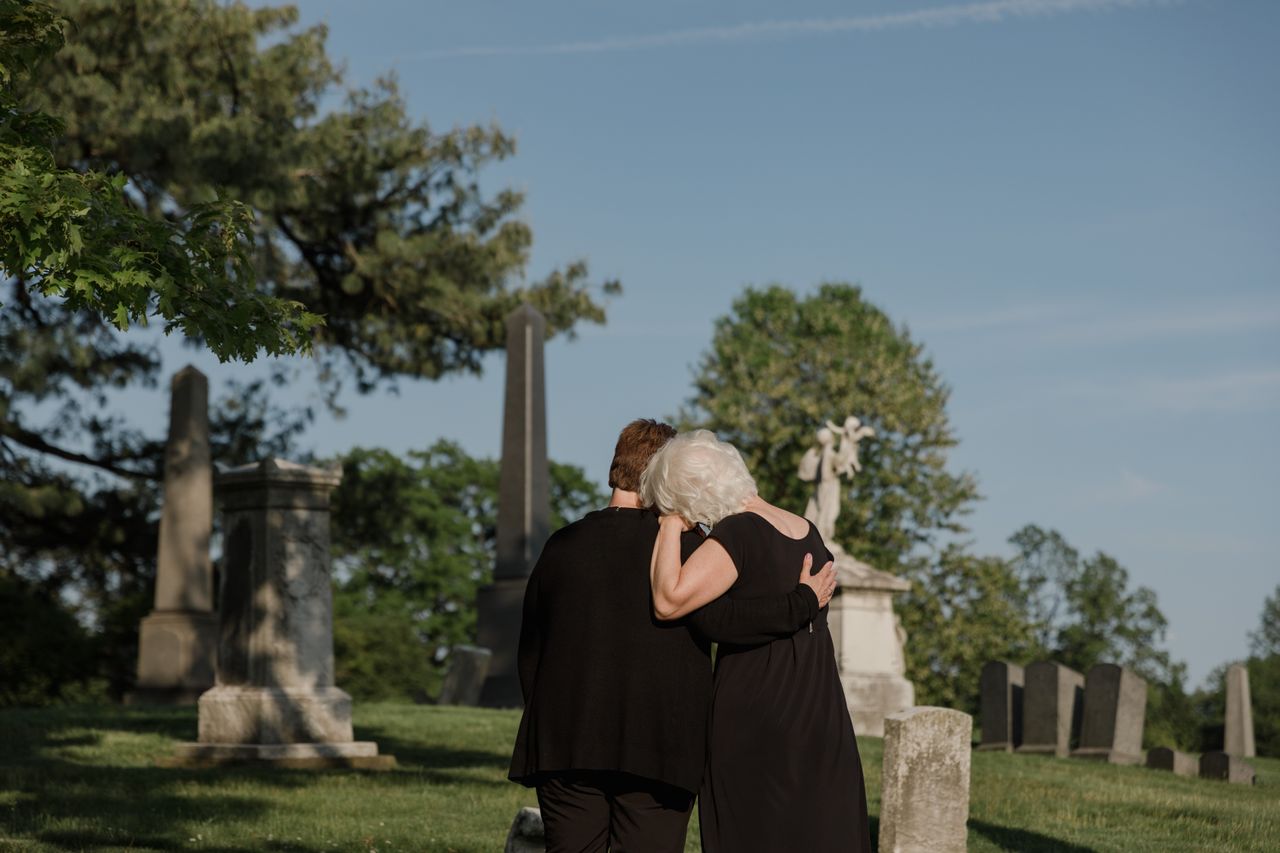
Ways to Honour a Loved One Without Visiting a Cemetery
Honouring a loved one doesn't have to be limited to visiting a cemetery. Discover meaningful and heartfelt ways to celebrate their life through personal traditions, living memorials, keepsakes, charitable acts and beautiful remembrance ideas that keep their memory alive every day.
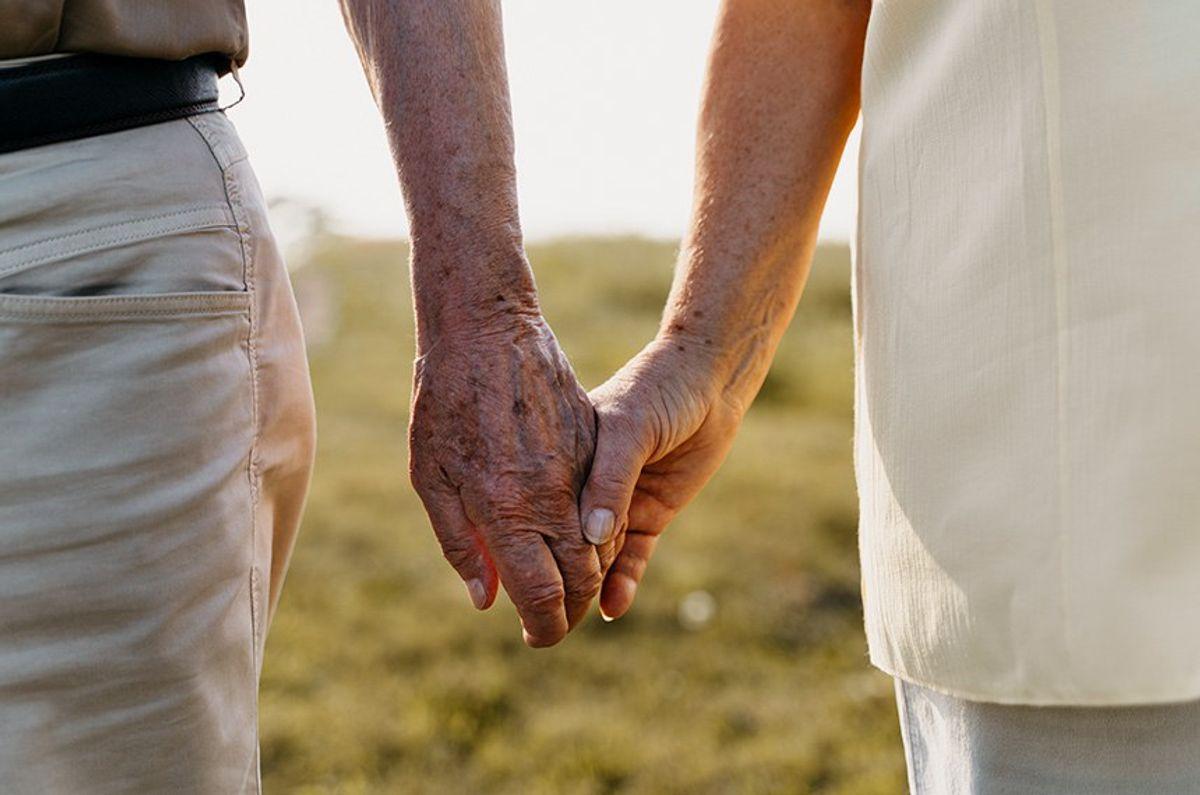
The Emotional Weight of “Lasts”: The Last Conversation, Last Hug, Last Goodbye
The last conversation, last hug, and last goodbye are some of the most emotionally powerful experiences a person can carry. These final moments transform ordinary interactions into lifelong memories, revealing the depth of love, connection, grief, and human attachment. This article explores why we remember final moments so vividly, how they shape the way we process loss, and why appreciating everyday connections matters before they become memories.
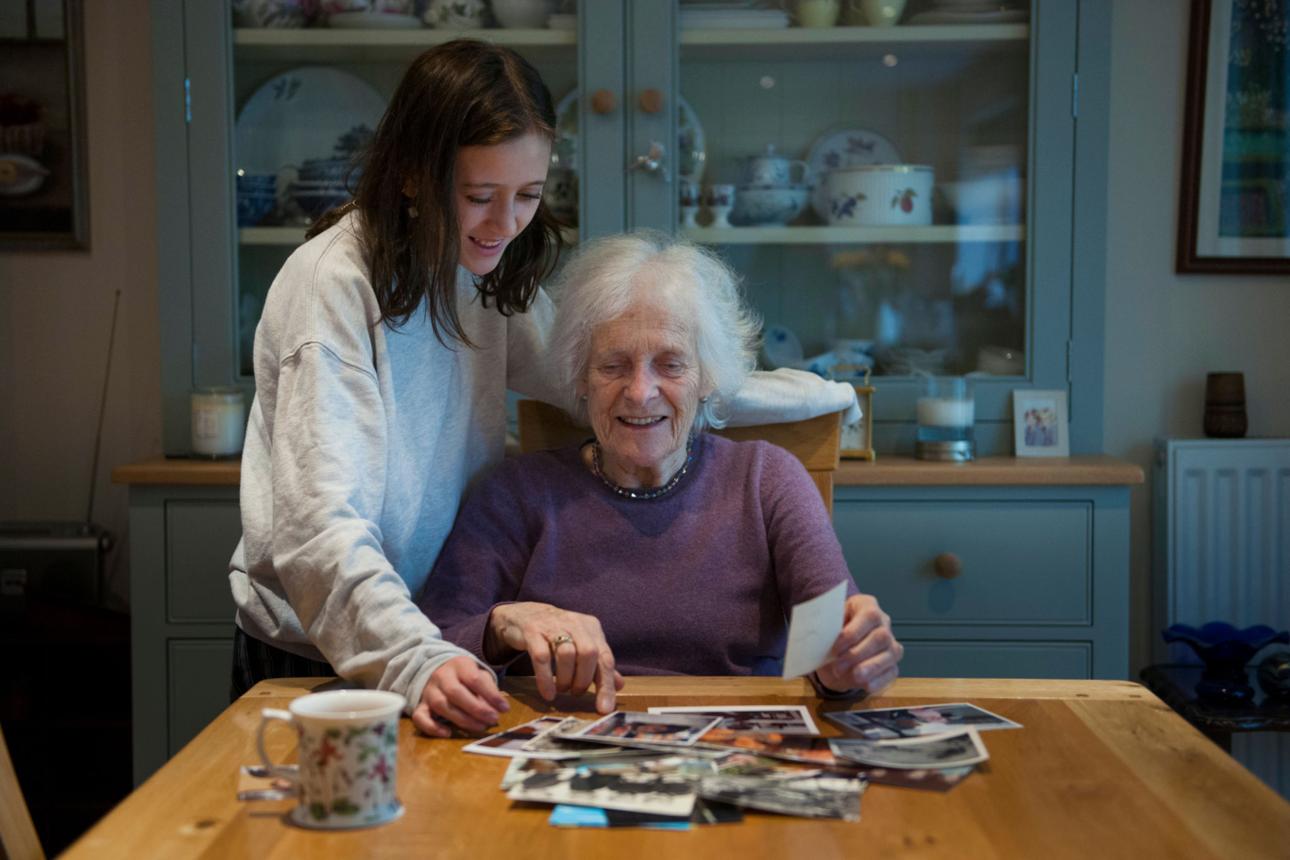
The First Holiday Without Someone: Why It Feels So Different
The first holiday after losing someone we love can feel completely different from any celebration before it. The traditions remain, the decorations appear, and families gather together, but the absence of one important person changes everything. This article explores why holidays intensify grief, how memories are triggered through traditions and senses, and how families learn to honour loved ones while creating new ways to remember.
Discover why everyday sounds can become powerful reminders of the people we love. From familiar voices and favourite songs to simple household noises, sound has the ability to preserve memories, awaken emotions, and maintain a connection with those who are no longer physically present.
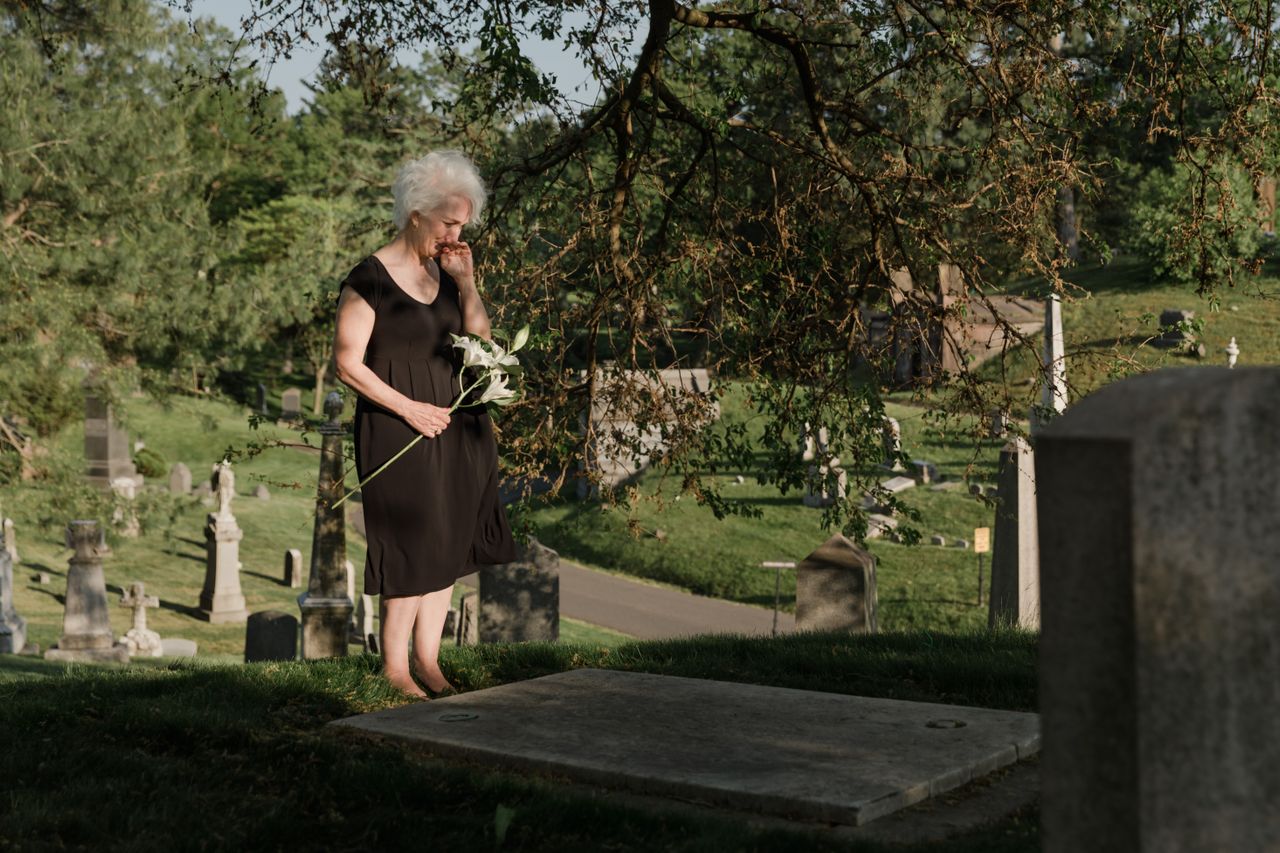
After losing someone we love, ordinary belongings can become some of the most meaningful reminders of their life. A favourite sweater, handwritten note, piece of jewellery, or family recipe can carry memories, emotions, and a sense of connection that goes far beyond the object itself. This article explores why we keep the things left behind, the psychology behind emotional attachment to personal belongings, and how these objects help us preserve love, identity, and family stories after loss.
Udostępnij:
Personalized Dog Urns Creating a One of a Kind Tribute
Comparing Memorial Urns for Human Ashes and Pet Urns: Key Differences