

The angel of death, who in some legends is called Samael and with whom it is said even Moses had to struggle, is language. Language announces death-what else does it do? But precisely this announcement makes it so difficult for us to die. From time immemorial, for the entire duration of man's history, humanity has struggled with this angel, trying to wrench from him the secret he restricts himself to announcing. But from his childish hands one can wrench only the announcement he had in any case come to bring. The angel is not at fault for this, and only those who understand the innocence of language likewise grasp the true sense of the announcement and may, in the event, learn to die.
G. Agamben
In this third short essay, dedicated to Giorgio Agamben, the thought of the Italian philosopher is directed towards humanity’s never-ending confrontation with finitude or more precisely – towards humanity’s own consciousness of mortality, this unbearable knowledge that is one’s constant shadowy companion in the adventure of life. Here this intolerable thought is caught in the figure of the angel of death, which not only signifies the theme as heavy-laden with religious pathos and symbolism but also reveals the central tension in Agamben’s essay – namely that between language and finitude.
For angel means message in Greek thus giving away the essay’s insistence on the idea that death is intolerable as a thought for it is something that cannot be expressed in words, i.e., something that cannot be rationalized, represented, thought within an understandable framework. In other words, finitude for Agamben signifies a threshold of thought, an existential event that cannot be conceptualized. A border where language fails in its ability to shed light on what lays within the realm of the unknown.
___________________________-
Read more from this blog:
___________________________
However, it is exactly this impossibility to represent finitude, to name it properly, to normalize it, that manifests the duty of philosophy. It is a duty of endurance which means a constant attempt to think about death, to try and find words for an experience without image or contours that can guide one’s mind through darkness
It is here that the piercing poetic quality of this short prose-piece reaches its full potential. By exposing the cathartic relationship between language and death which, as said, is a relationship between the ability to become conscious of experience (to know, to name) and the encounter with what renders knowledge, language incapable of consoling, the Italian philosopher not only expresses the fragile human situation exquisitely, but also lays bare the denial and aggression which too often with the thought of finitude. And it is exactly this attitude - this lure of self-pity, the all-too-human temptation for experiencing death as punishment, as an undeserved suffering, that Agamben tries to overcome with his gentle, albeit complex and solemn, prose-piece.
However, his existential decision is not an easy one. “The Idea of Death” doesn’t rely on a shallow consolation, an attempt to evoke life’s many bright sides and thus send a message of superfluous positivity. Agamben’s wager is a wager of enduring one’s limits of will, of courage, of language. But this is not an endurance marked by the idea of gaining something in return. It is a silent endurance, a mute resilience that at first can seem like a kind of abdication in front of the unbearable. However, it is quite the contrary.
Agamben’s silent endurance, brilliantly conveyed in the phrase those who understand the innocence of language, that is its failure in front of death, its muteness at the threshold of understanding, is a powerful affirmation of the life, dedicated to being just and to being concerned for life itself no matter how hard, intolerable, and violent even life can be. Thus, for Agamben to learn how to die is a lesson in humility, a lesson in care for what cannot be named, of understood but only endured in gentle silence.
Author: Yakim Petrov

------------------
Our Affiliate Program is now available. at https://www.pulvisurns.com/pages/affiliate-program-by-pulvis-art-urns

Ways to Honour a Loved One Without Visiting a Cemetery
Honouring a loved one doesn't have to be limited to visiting a cemetery. Discover meaningful and heartfelt ways to celebrate their life through personal traditions, living memorials, keepsakes, charitable acts and beautiful remembrance ideas that keep their memory alive every day.

The Emotional Weight of “Lasts”: The Last Conversation, Last Hug, Last Goodbye
The last conversation, last hug, and last goodbye are some of the most emotionally powerful experiences a person can carry. These final moments transform ordinary interactions into lifelong memories, revealing the depth of love, connection, grief, and human attachment. This article explores why we remember final moments so vividly, how they shape the way we process loss, and why appreciating everyday connections matters before they become memories.
The First Holiday Without Someone: Why It Feels So Different
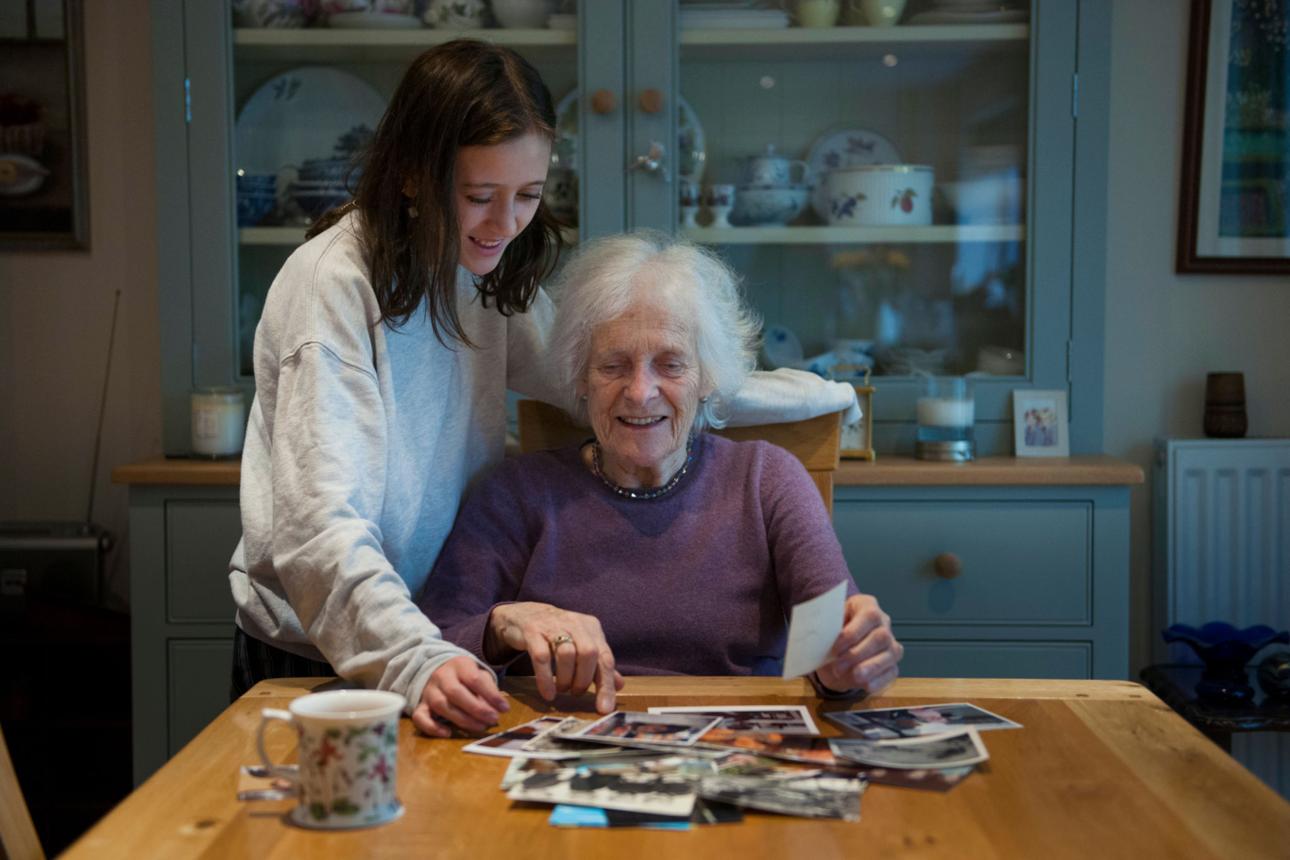
The first holiday after losing someone we love can feel completely different from any celebration before it. The traditions remain, the decorations appear, and families gather together, but the absence of one important person changes everything. This article explores why holidays intensify grief, how memories are triggered through traditions and senses, and how families learn to honour loved ones while creating new ways to remember.

Discover why everyday sounds can become powerful reminders of the people we love. From familiar voices and favourite songs to simple household noises, sound has the ability to preserve memories, awaken emotions, and maintain a connection with those who are no longer physically present.
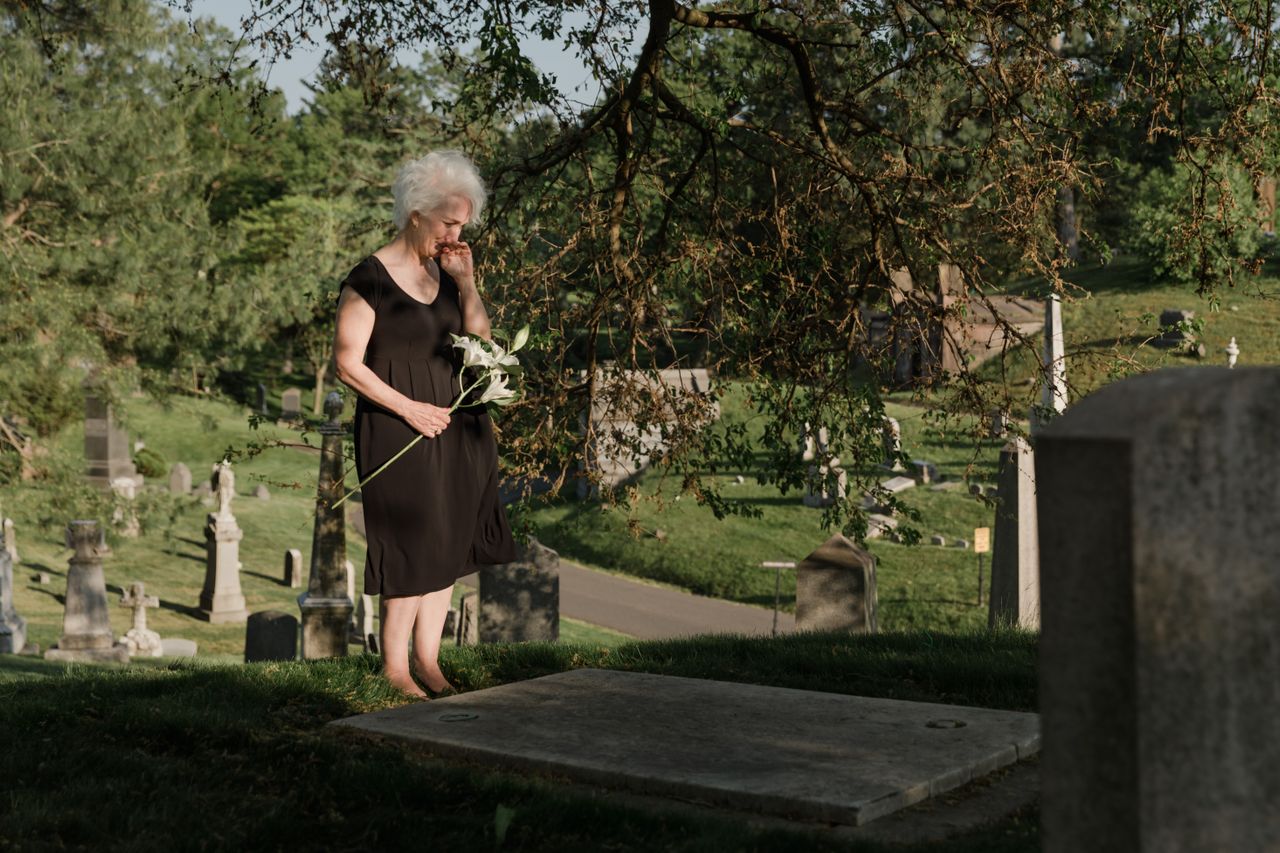
After losing someone we love, ordinary belongings can become some of the most meaningful reminders of their life. A favourite sweater, handwritten note, piece of jewellery, or family recipe can carry memories, emotions, and a sense of connection that goes far beyond the object itself. This article explores why we keep the things left behind, the psychology behind emotional attachment to personal belongings, and how these objects help us preserve love, identity, and family stories after loss.





Share:
Adventure
On Mourning