

If Eros and adventure are often intimately entwined, this is not because love gives meaning and legitimacy to adventure, but, on the contrary, because only a life that has the form of adventure can truly find love.
G. Agamben, Adventure
In the last blog entry we explored Giorgio Agamben’s paradoxical ideas about love, remoteness and the unassailable alterity of the people we hold nearest and dearest. Now we turn our attention to the ways in which one may gently challenge this innate distance that both binds and separates two souls who’ve found meaning and tenderness in each other's presence.
To do this we will continue probing Agamben’s delicately sophisticated way of thinking and in particular his erudite and poetically refined meditations on the connection between adventure and love. Because, after all, isn’t daily life just an endless and sometimes perilous journey towards a person who’s also struggling and hoping in his own right to approach us and some day arrive at the very center of our being?
In a short book dealing with the history, meaning and significance of the word “adventure”, the Italian philosopher spends a whole chapter revealing how the concept is intimately tied-up with amorous longing and the passionate pursuit of a love that both transcends and deepens our everyday lives. Agamben provocatively challenges the reader to imagine that adventure isn’t actually something extraordinary, that is to say, an event that brings one face to face with some surprising, incredible or even bizarre set of circumstances. On the contrary, he attempts to articulate the adventurous potential of the mundane and the banal, that is to say, of our waking struggle to find meaning and garner from it the strength to continue laboring in love for ourselves and others.
It is in this sense that Agamen challenges our sometimes all too romantic and naive presuppositions about the nature of Eros and the ways we expect it to manifest in our lives. Erotic love is all too often thought of as carefree, exciting and extraordinary. Thus it tends to be carelessly utilized as a means of breaking away from the monotony and banal recurrence of everyday life. It’s an attempt to break away from all responsibility and restraint in the name of an amorous escapade. But as Agamben points out this oftentimes thoughtless act doesn’t give legitimacy and meaning to adventure. On the contrary, turning our backs on the precarious odyssey of our day-to-day experiences, our toils and joys, our fears and hopes, is actually a betrayal of adventure in the name of something transient and illusory.
Erotic love for Agamben is not the means to an end, but the end itself. It’s something to be perpetually achieved and earned – an endless overcoming of the distance between me and the person I adore and actively care for. That’s why erotic love presupposes a commitment, a readiness to bear the burden of responsibility for the adventure at hand, the journey of the life that we have already been given as a gift we are meant to cherish, cultivate and share with others.
So in essence “a life that has the form of adventure” is one that is able to appreciate, accommodate and preserve the silent miracle of the mundane in all of its subdued glory. Only such a quiet yet bold existence can shelter true love, because love is an endless and laborious journey which paradoxically always takes us back home, to the place where we started – the center of the other’s being.
Author: Yakim Petrov

------------------
Our Affiliate Program is now available. at https://www.pulvisurns.com/pages/affiliate-program-by-pulvis-art-urns

Ways to Honour a Loved One Without Visiting a Cemetery
Honouring a loved one doesn't have to be limited to visiting a cemetery. Discover meaningful and heartfelt ways to celebrate their life through personal traditions, living memorials, keepsakes, charitable acts and beautiful remembrance ideas that keep their memory alive every day.

The Emotional Weight of “Lasts”: The Last Conversation, Last Hug, Last Goodbye
The last conversation, last hug, and last goodbye are some of the most emotionally powerful experiences a person can carry. These final moments transform ordinary interactions into lifelong memories, revealing the depth of love, connection, grief, and human attachment. This article explores why we remember final moments so vividly, how they shape the way we process loss, and why appreciating everyday connections matters before they become memories.

The First Holiday Without Someone: Why It Feels So Different
The first holiday after losing someone we love can feel completely different from any celebration before it. The traditions remain, the decorations appear, and families gather together, but the absence of one important person changes everything. This article explores why holidays intensify grief, how memories are triggered through traditions and senses, and how families learn to honour loved ones while creating new ways to remember.

Discover why everyday sounds can become powerful reminders of the people we love. From familiar voices and favourite songs to simple household noises, sound has the ability to preserve memories, awaken emotions, and maintain a connection with those who are no longer physically present.
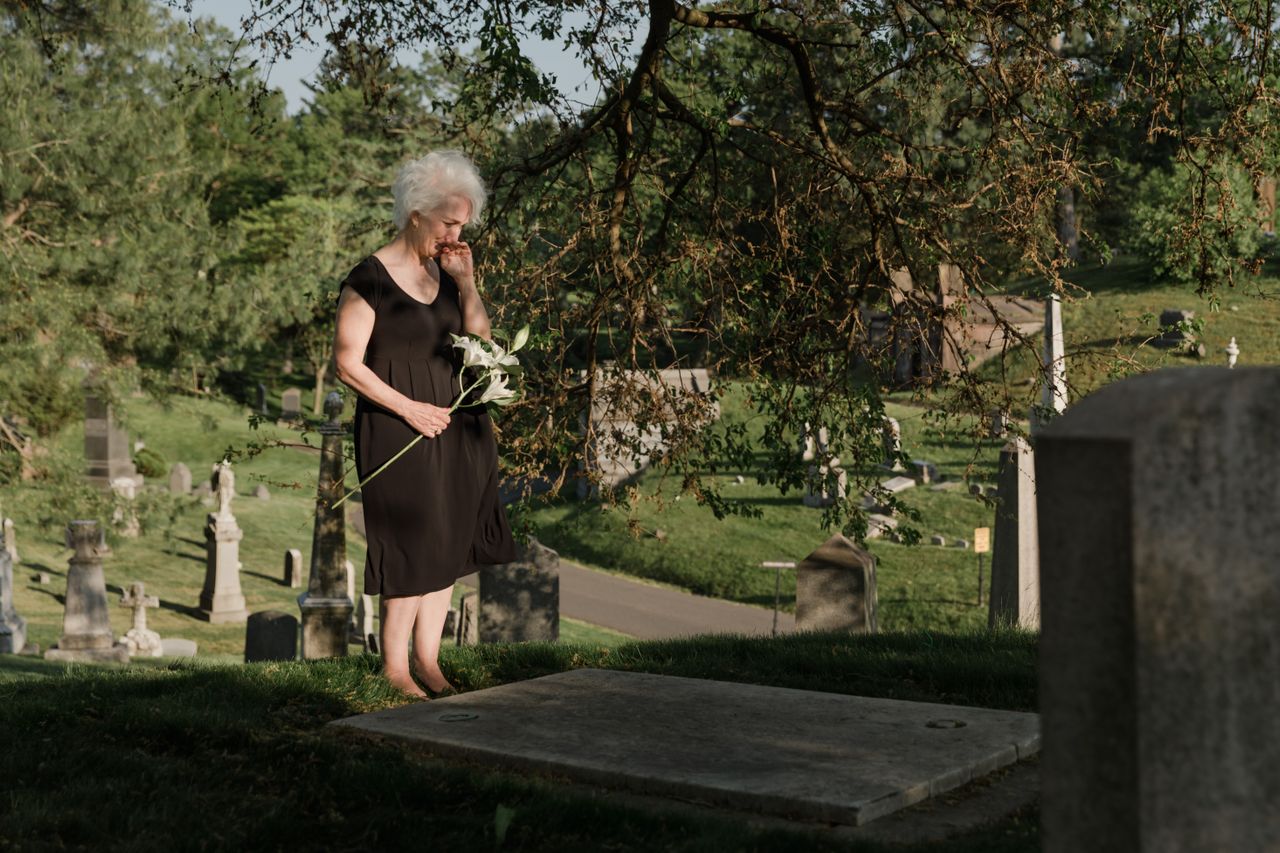
After losing someone we love, ordinary belongings can become some of the most meaningful reminders of their life. A favourite sweater, handwritten note, piece of jewellery, or family recipe can carry memories, emotions, and a sense of connection that goes far beyond the object itself. This article explores why we keep the things left behind, the psychology behind emotional attachment to personal belongings, and how these objects help us preserve love, identity, and family stories after loss.





Share:
On Love
The Idea of Death