

The death is an inevitable part of life, and as humans, we have been trying to make sense of it for centuries. From the ancient civilization building elaborate tombs and pyramids to modern-day-traditions such as funerals and cremations, our relationship with death has evolved over the times. One such modern tradition that has gained popularity in recent years is the use of art urns to remember loved ones who have passed away. Among the various art urns available in the market, Pulvis Art Urns stand out due to their unique and personal nature.
The iconic Pulvis memorials are designed to bring peace and serenity. In our work we capture the intensity of spirit, the strength that comes after pain and loss. Our artisan pieces are symbolic, discreet and meaningful and they are what is needed to honor the memory of a loved one. Our philosophy is that the art is the essence in everything we do, and we are looking for the inspirations in the philosophy, art, literature etc.
In the thoughts of Albert Einstein and Oscar Wilde about death, we found inspirations for the creation of few pieces urns that celebrate life while acknowledging the inevitability of death. Let’s share with you about the survival mechanism of the greatest world’s minds, who negotiated the emotional landscape of grief and death.

Oscar Wilde and Albert Einstein were two influential figures of their time, each known for their unique thoughts on life, art and science. Despite their different areas of expertise, both Wilde and Einstein reflected on the topic of death in their works, offering their own insights into the nature of mortality.
Oscar Wilde, known for his wit, satire and literary style, stated that “Death must be so beautiful. To lie in the soft brown earth, with the grasses waving above one’s head, and listen to silence. To have no yesterday, and no tomorrow. To forget time, to forget life, to be at peace”. Wilde’s thoughts about death are some of the most provoking and timeless words in the world of literature. His novel “The Picture of Dorian Gray” explores the theme of death, as well as the relationship between beauty, youth and mortality. The protagonist, Dorian Grey, sells his soul for eternal youth, and his painting that bears the marks of his sins becomes a haunting reminder of his mortality.

One of Wild’s encouraging thought is that “One can survive everything but death”. Isn’t it positive that we can survive pain and any problem? And death could be some kind of relief? Could you guess which were the last words of this poet of graceful distinctions? Something witty as Wilde could say. He was lying in a fleapit hotel on the left bank of the Seine, looked at the surroundings and said: “My wallpaper and I are fighting a duel to the death. One or the other of us has to go.”

Once Albert Einstein wrote that “Our death is not an end if we can live on in our children and the younger generation. For they are us; our bodies are only wilted leaves on the tree of life”. When his lovely Italian friend Michele Besso died, Einstein wrote a letter to Michelle’s sister: “Michele has left this strange world a little before me. This means nothing. People like us, who believe in physics, know that the distinction made between past, present, and future is nothing more than a persistent, stubborn illusion”. Is the death an illusion? When it comes to the mysteries of our universe and human life, the biggest mystery that many are curious, but also clueless about, is death.
Are we sure that, for the death, there is no past or future? According to the scientist Robert Lanza’s study, if space and time aren’t linear, then death can’t exist in any real sense either. When it comes to these ideas, they are usually known on an intuitive level. Maybe we give so much weight to our rational, objective left brained mind that we lose sight of a world that exists right alongside it. Can we choose how to say goodbye to life?
Can we choose when to leave? Maybe if Einstein’s dreams came true: “I want to go when I want. It is tasteless to prolong life artificially; I have done my share, it is time to go. I will do it elegantly”. Einstein also believed in the concept of an afterlife, although not in a traditional religious sense. He believed that our energy or essence continues to exist after death, in the same way, that energy can’t be destroyed or created in the physical world. “Energy can’t be created or destroyed:it can only be changed from one form to another”. Einstein believed that our energy or consciousness, like energy in the physical world, transforms into something else after death, rather than simply disappearing.
Author: Ana Jovanovic
------------------
Our Affiliate Program is now available. at https://www.pulvisurns.com/pages/affiliate-program-by-pulvis-art-urns
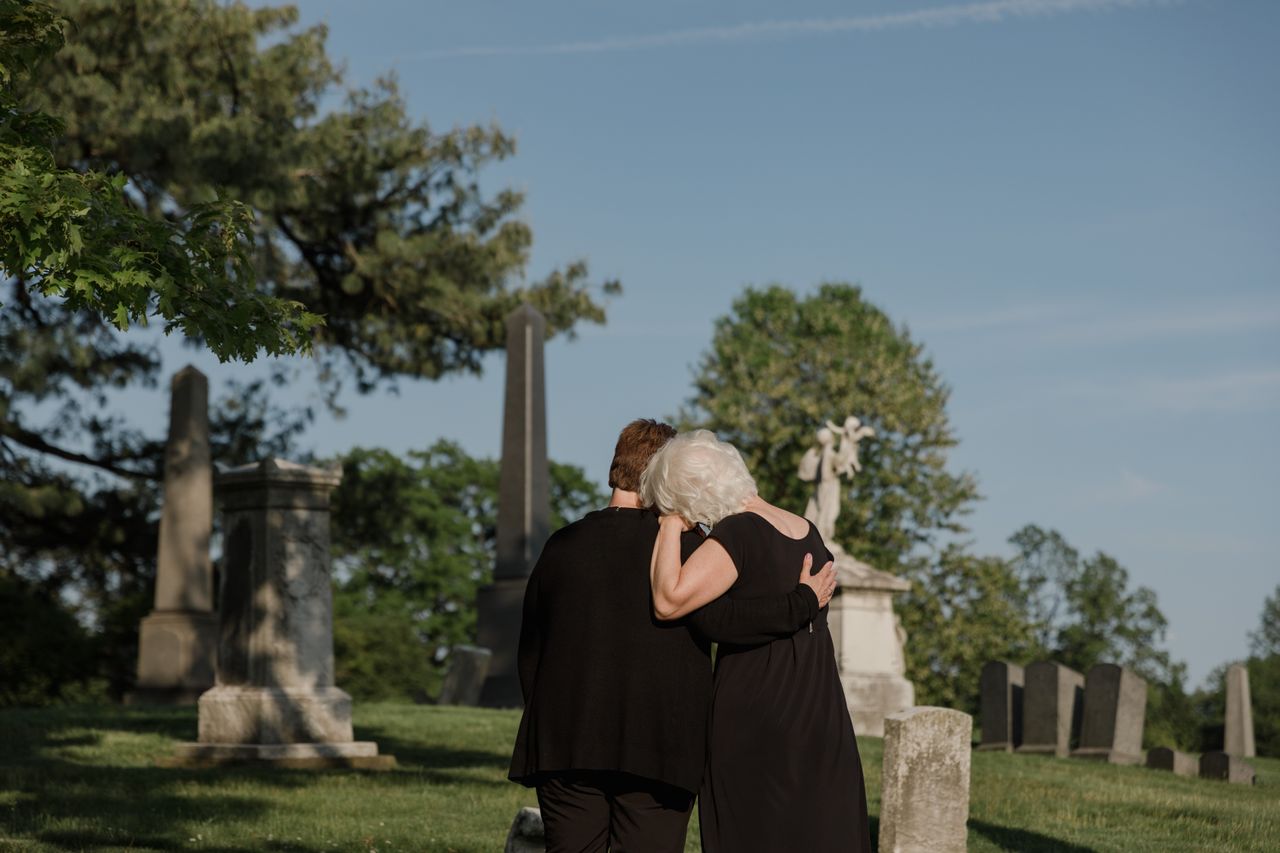
Ways to Honour a Loved One Without Visiting a Cemetery
Honouring a loved one doesn't have to be limited to visiting a cemetery. Discover meaningful and heartfelt ways to celebrate their life through personal traditions, living memorials, keepsakes, charitable acts and beautiful remembrance ideas that keep their memory alive every day.

The Emotional Weight of “Lasts”: The Last Conversation, Last Hug, Last Goodbye
The last conversation, last hug, and last goodbye are some of the most emotionally powerful experiences a person can carry. These final moments transform ordinary interactions into lifelong memories, revealing the depth of love, connection, grief, and human attachment. This article explores why we remember final moments so vividly, how they shape the way we process loss, and why appreciating everyday connections matters before they become memories.
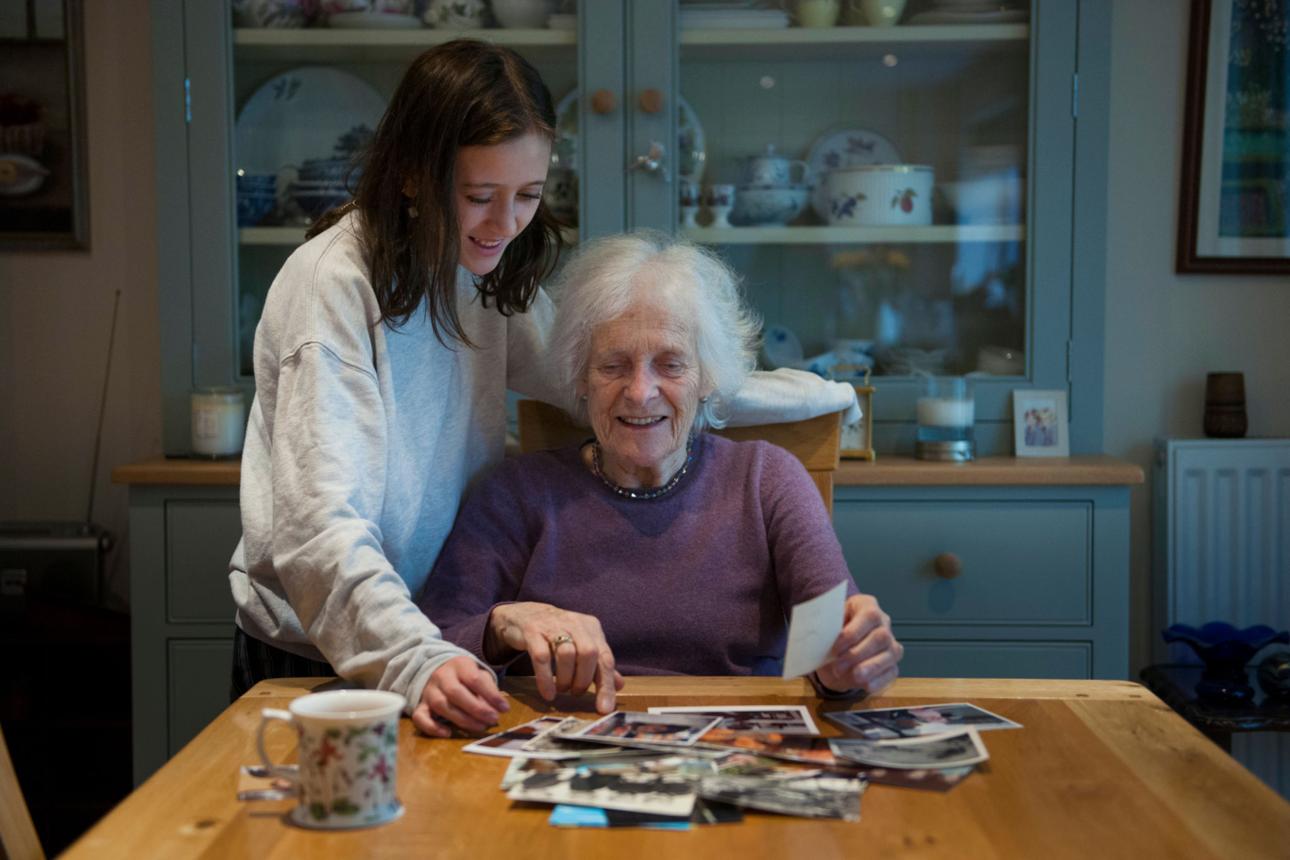
The First Holiday Without Someone: Why It Feels So Different
The first holiday after losing someone we love can feel completely different from any celebration before it. The traditions remain, the decorations appear, and families gather together, but the absence of one important person changes everything. This article explores why holidays intensify grief, how memories are triggered through traditions and senses, and how families learn to honour loved ones while creating new ways to remember.

Discover why everyday sounds can become powerful reminders of the people we love. From familiar voices and favourite songs to simple household noises, sound has the ability to preserve memories, awaken emotions, and maintain a connection with those who are no longer physically present.
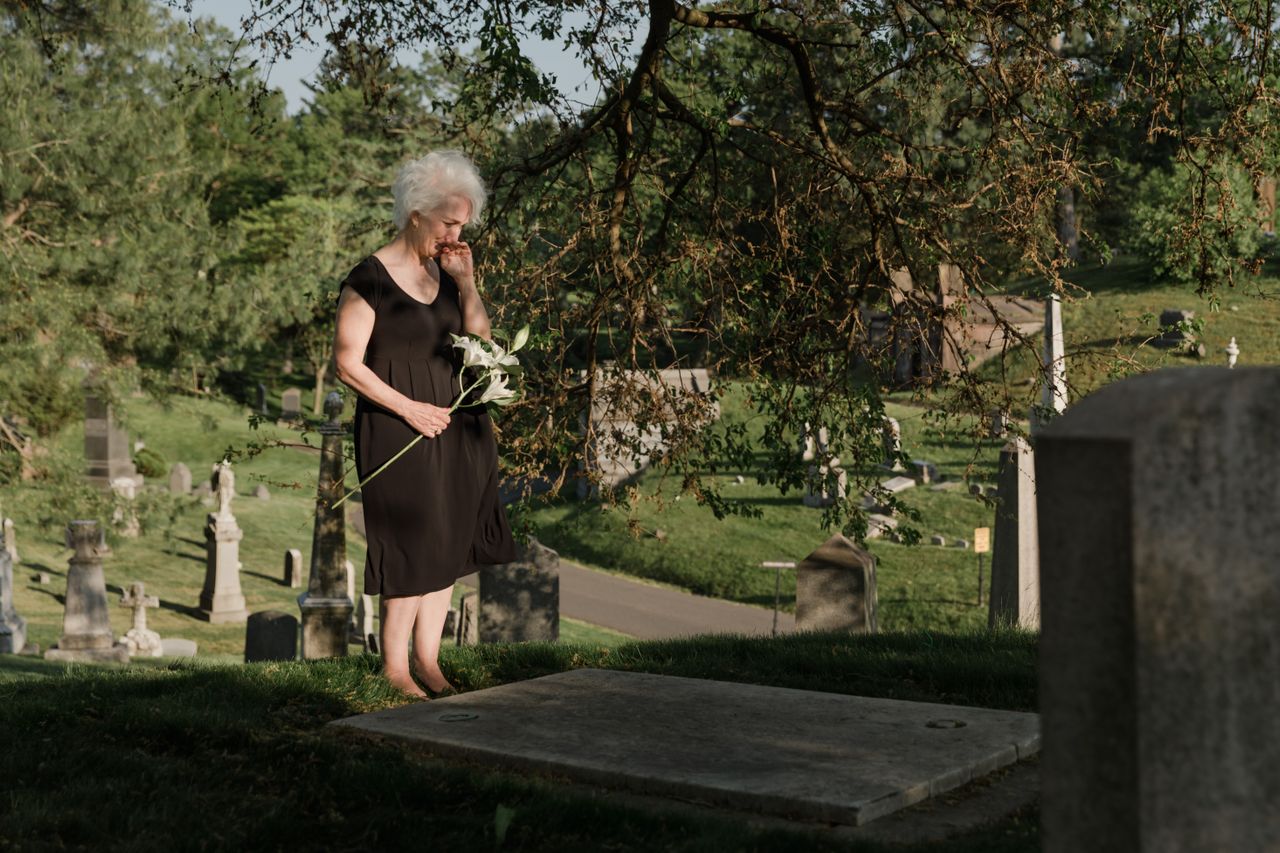
After losing someone we love, ordinary belongings can become some of the most meaningful reminders of their life. A favourite sweater, handwritten note, piece of jewellery, or family recipe can carry memories, emotions, and a sense of connection that goes far beyond the object itself. This article explores why we keep the things left behind, the psychology behind emotional attachment to personal belongings, and how these objects help us preserve love, identity, and family stories after loss.
Share:
On Mourning
Philosophers About Death