

Death is an inevitable reality of human existence that has perplexed philosophers for centuries. Philosophy is an unique intellectual discipline in which we look death in the eye, we understand eternal death in the process we call life. In his book “The Book of Dead Philosophers”, Simon Critchley explores the different perspectives that philosophers shared about death throughout history.
His hypothesis is that philosophy is ars moriendi, the art of dying. In learning how to die, we learn how to live. It’s a kind of threat that extends throughout the book and begins with Socrates, continues with Socratic, with Cicero and Montaigne.
The idea for Critchley’s The Book of Dead Philosophers was sparked by a line from Michel de Montaigne: ‘If I were a maker of books, I would make a register, with comments, of various deaths: he who should teach men to die, would teach them to live.’ Critchley characterizes philosophy’s main task as an act of preparation, a position indebted to Cicero’s comment that: “To philosophize is to learn how to die.”
His book is a cruel and deep but sometimes funny, which the author takes us to the metaphysical necropolis. Critchley argues that death is what gives our lives urgency and purpose, as it forces us to confront our own mortality and consider what is truly important in life.
Another important theme in the book is the idea that death is not something to be feared: “I am hugely attracted to the idea of life as a mistake, as a kind of natural error for which we try and find some metaphysical assurance or consolation. This is the core of Schopenhauer’s dark comic genius”. Can we go to our or someone’s death freely and without fear? Even Wittgenstein says that the idea of living forever will not solve any of the crucial problems.

One of three introductory essays in the book makes the claim that “You will die laughing” - a promise that is fortunately unfulfilled. The strange thing is that a philosopher should not only obey the art of dying, but that a philosopher should be cheerful in the face of death. What it means?
For instance, Epicurus knew that the fear of death makes us unhappy, because we are constantly afraid of death, and we are constantly worried about what will happen after death. The philosopher had a kind of philosophical therapy in which he tried to remove the fear of death by removing the longing for immortality and accepting mortal attitudes. It is an accurate and correct knowledge of nature, a natural process, and we can achieve a kind of tranquility or peace called ataraxia (in Greek) in the face of death.
“I am terrified of death. I am absolutely mortal and I fear death. That's why I wrote this book. I wrote this book to discover what philosophers have said about death over the centuries and millennia, but also to confront the fear. Did it help? I think it did it. I am still afraid of death, but I think more about the possibilities when I think about it. That's a good thing, I offered the book to people, I presented them with richer thoughts about these questions of life and death” - says Simon Critchley.
Author:
Ana Jovanovic
------------------
Our Affiliate Program is now available. at https://www.pulvisurns.com/pages/affiliate-program-by-pulvis-art-urns
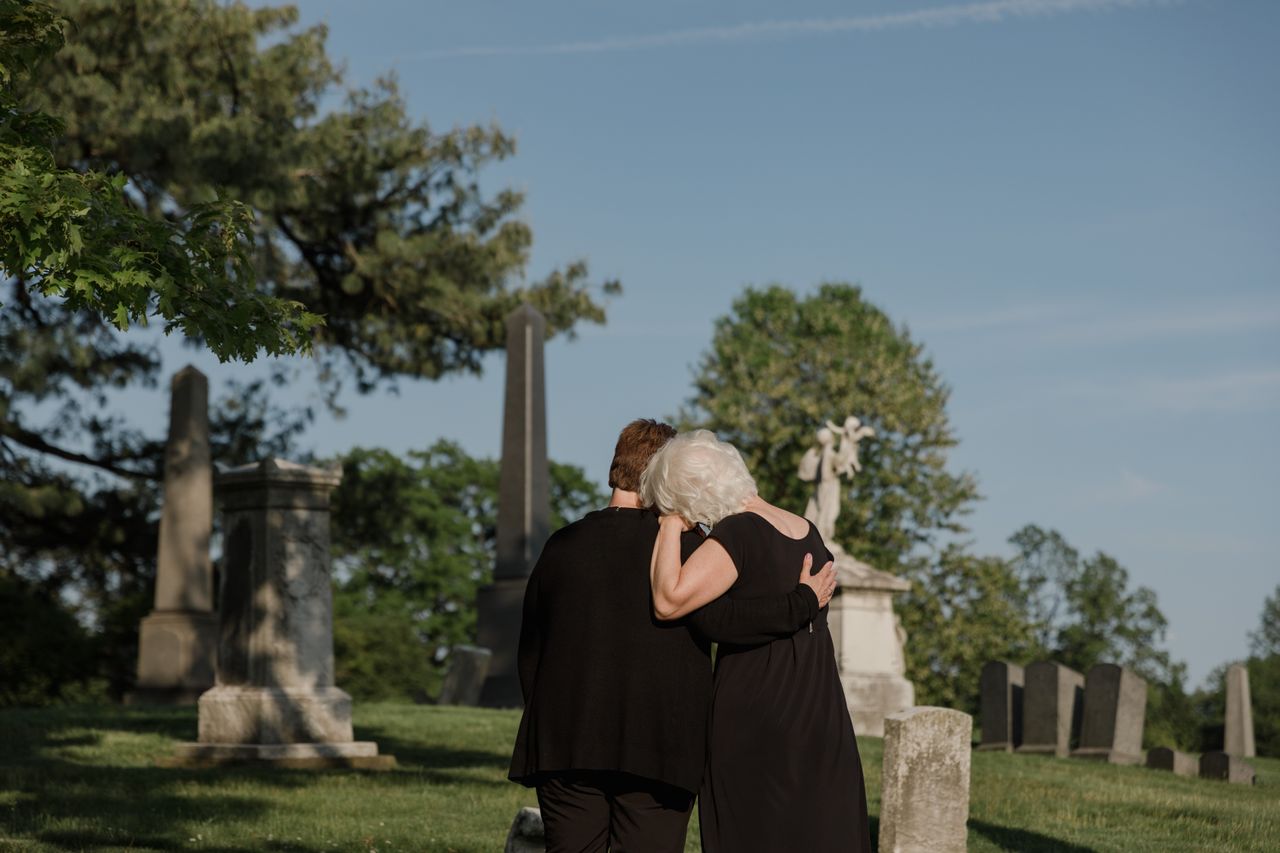
Ways to Honour a Loved One Without Visiting a Cemetery
Honouring a loved one doesn't have to be limited to visiting a cemetery. Discover meaningful and heartfelt ways to celebrate their life through personal traditions, living memorials, keepsakes, charitable acts and beautiful remembrance ideas that keep their memory alive every day.

The Emotional Weight of “Lasts”: The Last Conversation, Last Hug, Last Goodbye
The last conversation, last hug, and last goodbye are some of the most emotionally powerful experiences a person can carry. These final moments transform ordinary interactions into lifelong memories, revealing the depth of love, connection, grief, and human attachment. This article explores why we remember final moments so vividly, how they shape the way we process loss, and why appreciating everyday connections matters before they become memories.
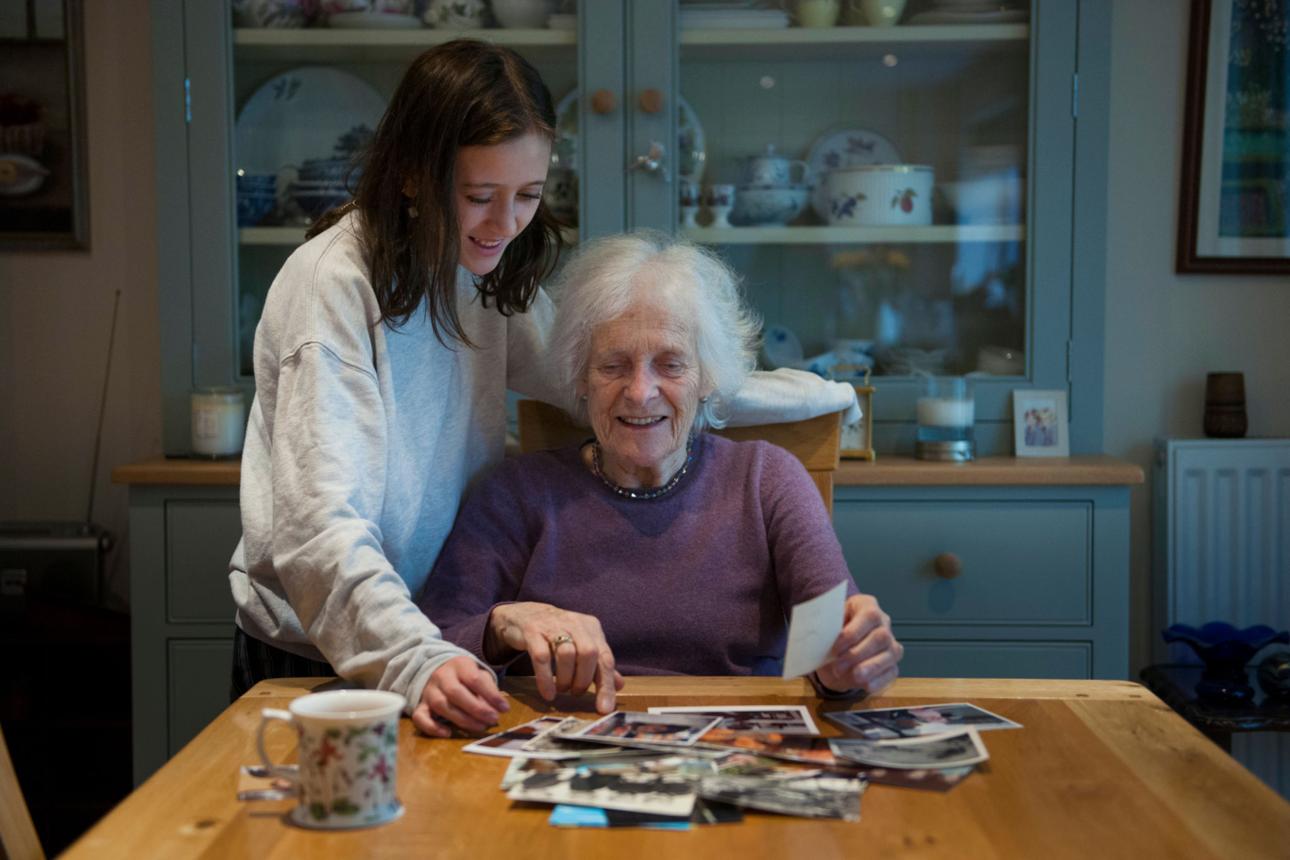
The First Holiday Without Someone: Why It Feels So Different
The first holiday after losing someone we love can feel completely different from any celebration before it. The traditions remain, the decorations appear, and families gather together, but the absence of one important person changes everything. This article explores why holidays intensify grief, how memories are triggered through traditions and senses, and how families learn to honour loved ones while creating new ways to remember.

Discover why everyday sounds can become powerful reminders of the people we love. From familiar voices and favourite songs to simple household noises, sound has the ability to preserve memories, awaken emotions, and maintain a connection with those who are no longer physically present.
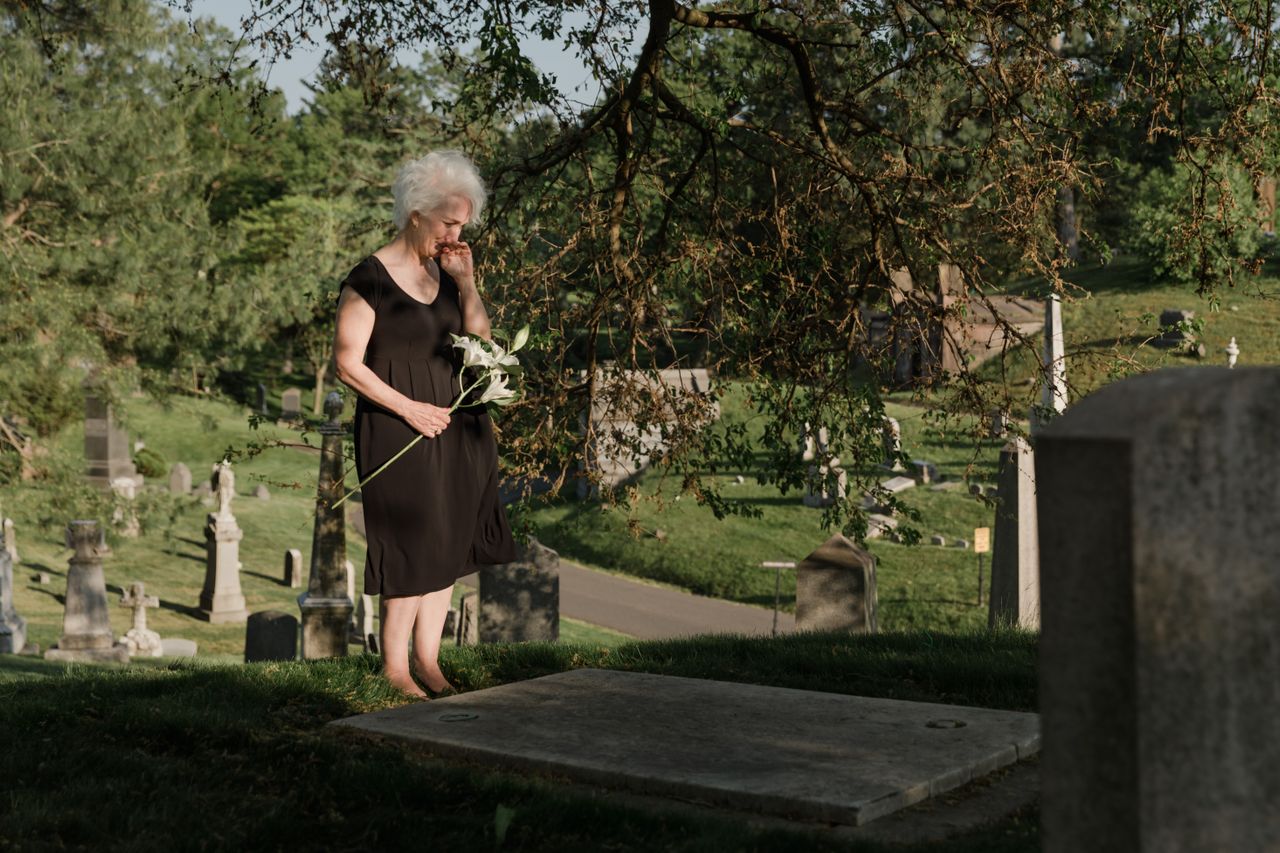
After losing someone we love, ordinary belongings can become some of the most meaningful reminders of their life. A favourite sweater, handwritten note, piece of jewellery, or family recipe can carry memories, emotions, and a sense of connection that goes far beyond the object itself. This article explores why we keep the things left behind, the psychology behind emotional attachment to personal belongings, and how these objects help us preserve love, identity, and family stories after loss.



Share:
“Our body are only wilted leaves on the tree of life” - Albert Einstein