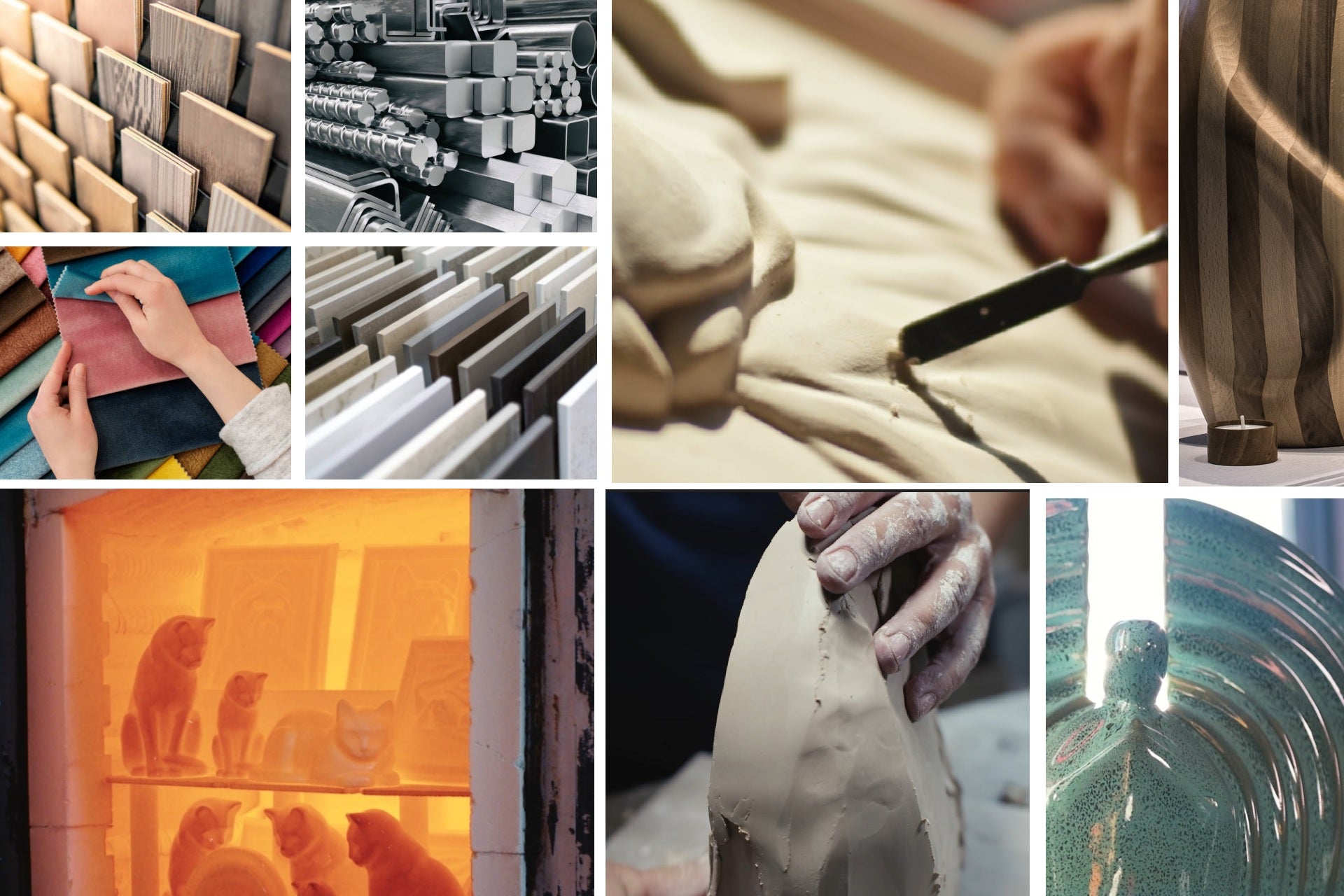
Modern cremation urns are designed to be a safe and beautiful way to keep ashes close – and to preserve the memory of your loved one. While most focus is placed on the artistic qualities of the urn – color, shape, form – it’s important to understand the practicality that goes into the best cremation urn designs.
Once you understand how urn materials can make a difference in protecting cremains, you’ll be in a better position to choose the best artisan urn for your loved one.

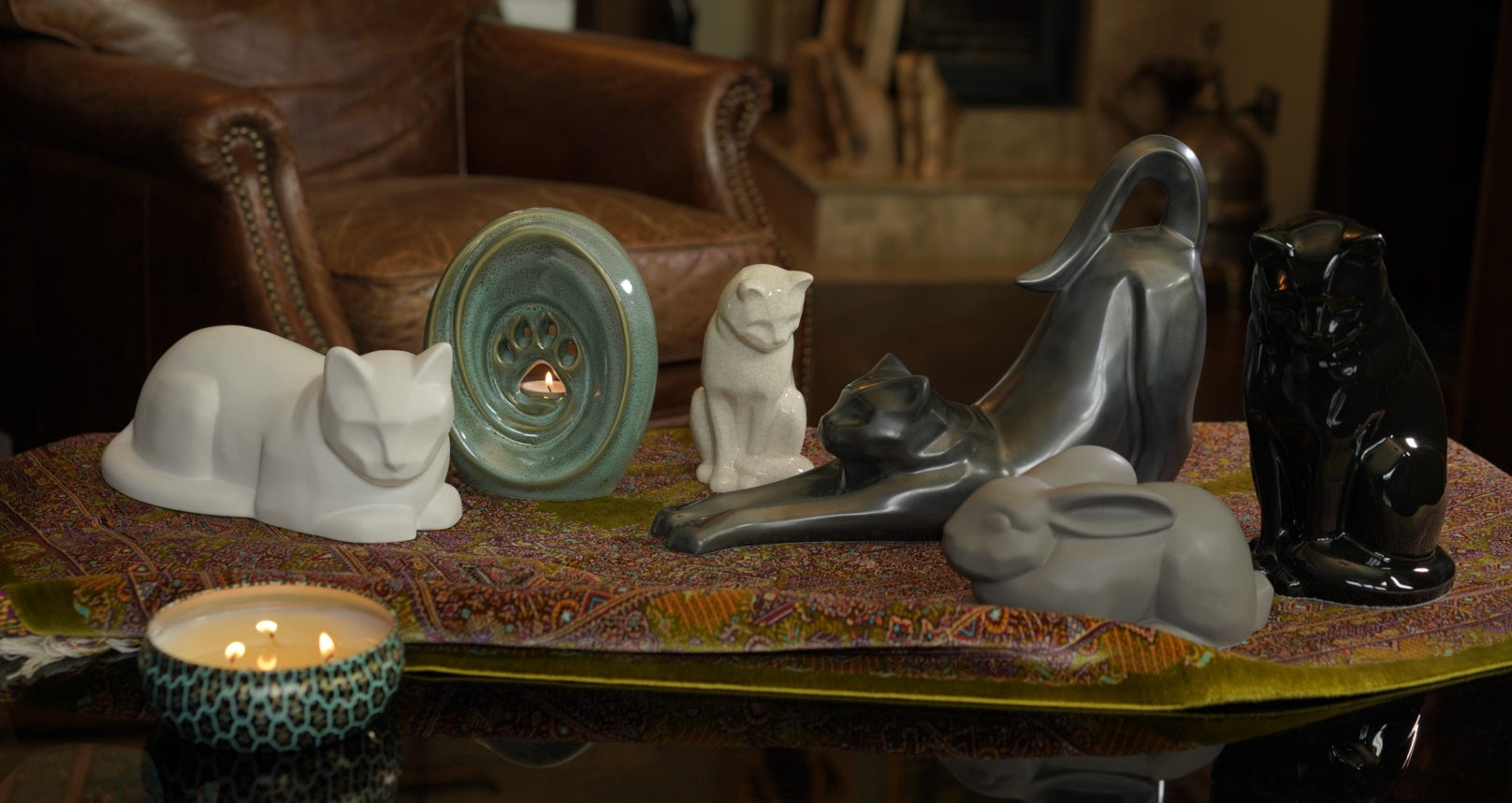
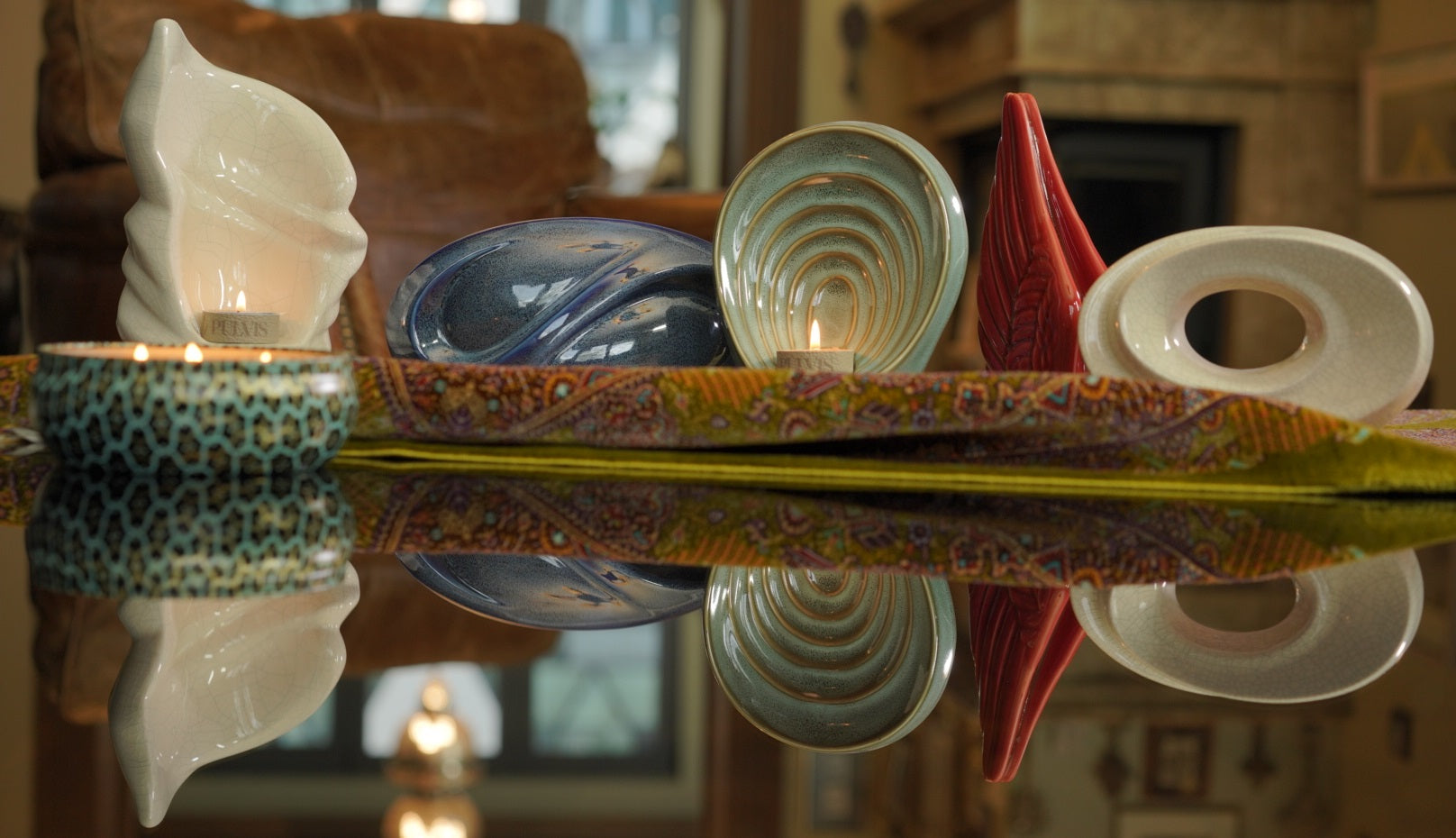
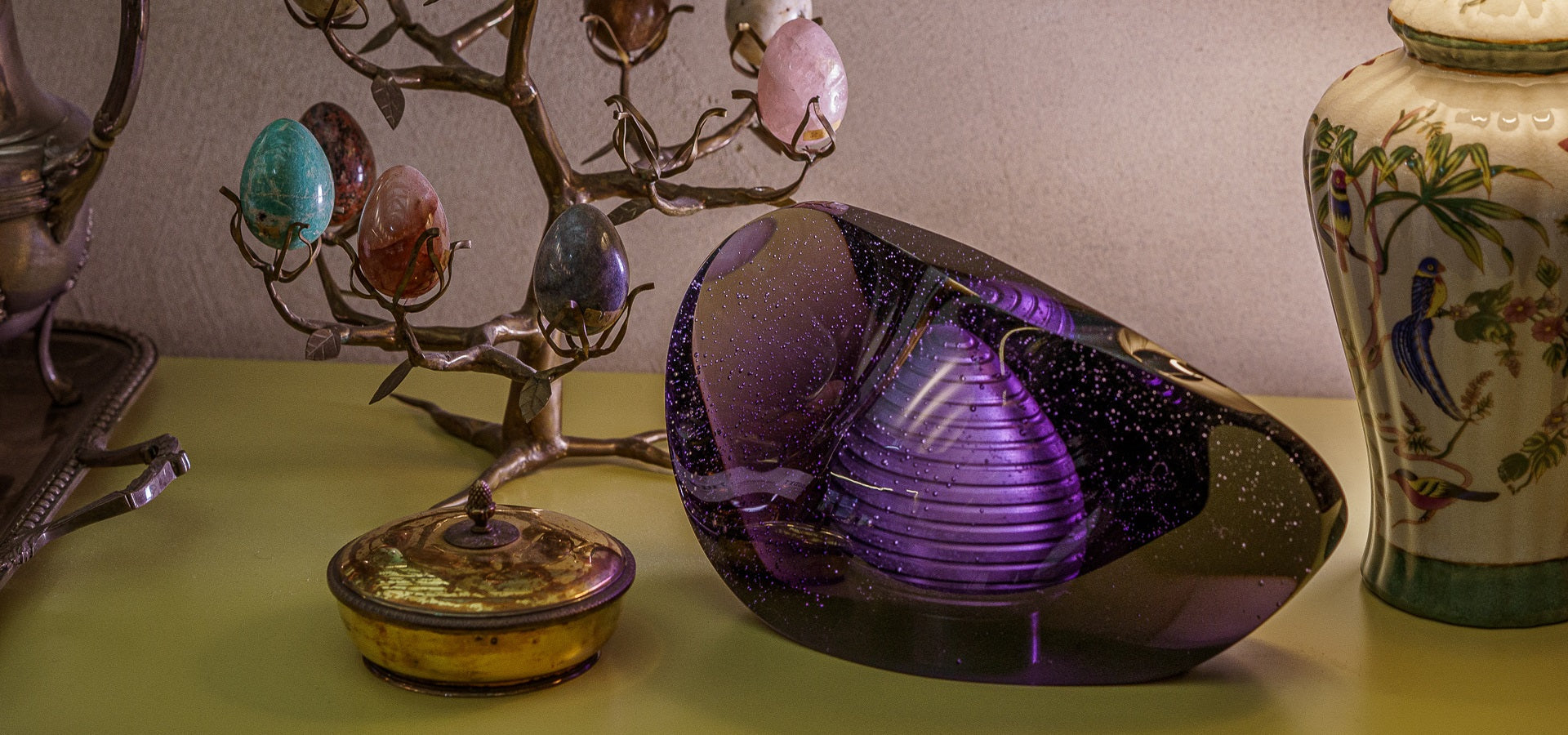
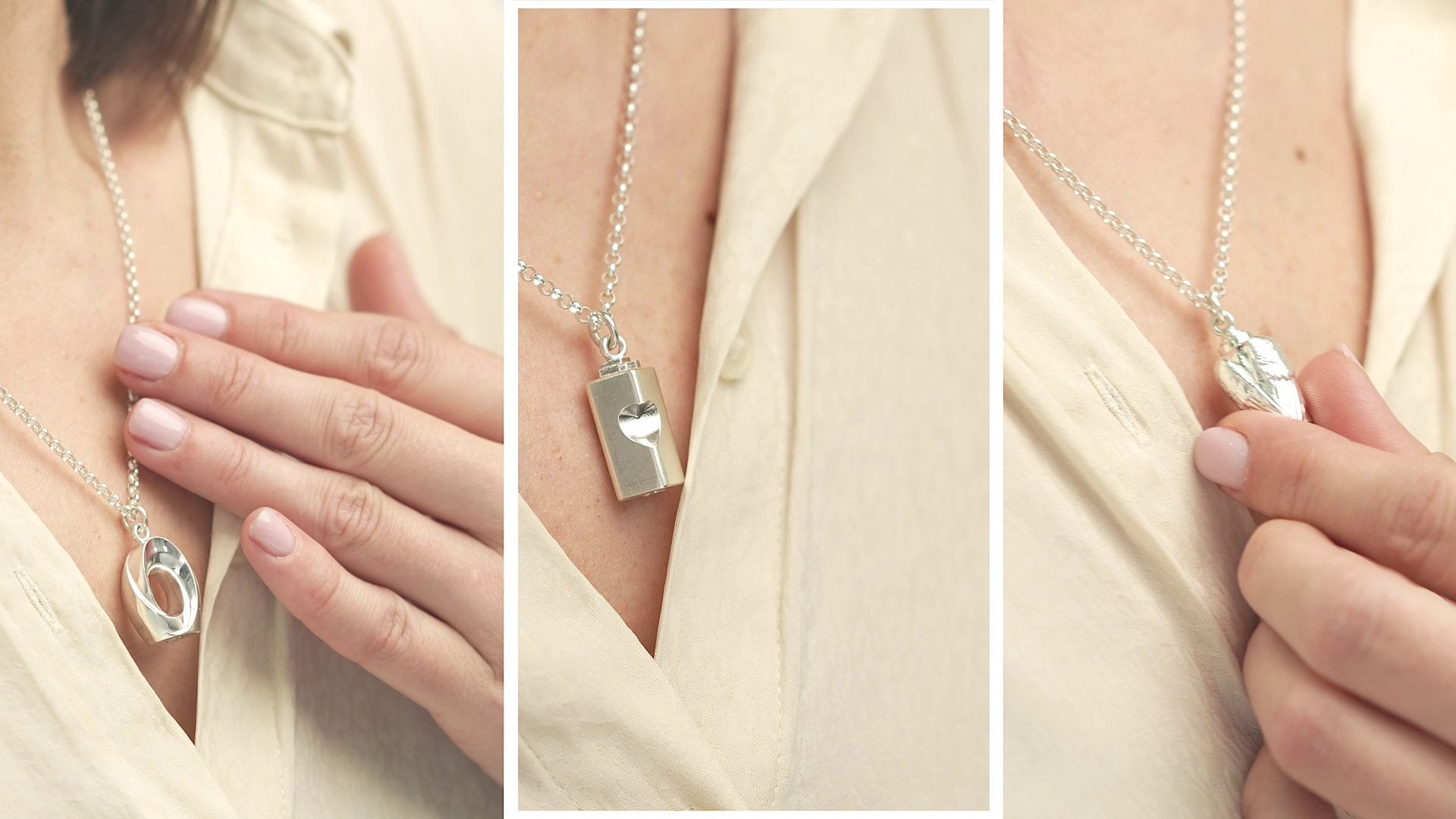
Sure, the exterior design is important. Color, style, shape – all of these things play a role in finding a cremation urn that reflects the memory of your loved one best. There may be a certain color or style that just ‘feels right’ and fits their personality. Artisan urns are popular because they provide a variety of unique styles, making it easier to find a cremation urn that truly feels personalized and special.
But the material strength and composition of the urn is also something to consider. Is the urn stable? Does it have a shape that can easily topple? If it topples, is it likely to break? If it breaks, are the ashes likely to scatter and get lost? Accidents happen, and though we don’t like to think about a cremation urn falling or shattering, it’s best to anticipate these things in advance so you can choose an urn that will actually protect and preserve the purity of the cremains.

Ceramic urns are a great choice for aesthetics. Ceramics allow artists to create stunning designs with beautiful finishes in a variety of colorful sheens. Ceramic urns may be more appealing to you than wooden box urns and other keepsakes for ashes. However, ceramic urns can also be more fragile.
This is where the inner coating can save the day. An inner coating provides an additional layer of protection that essentially separates the cremains from the ceramic vessel. This is important because cremated remains often have a very fine, sandy appearance – which can be mistaken for dust, debris, ceramic shards, and urn chips.

In other words, when an unlined ceramic urn gets bumped and shatters, the tiny bits and pieces of broken pottery can get mixed up with the ashes themselves, making it almost impossible to sort. An inner lining provides a layer to separate the two – preserving the integrity of the cremains and helping you sort out the ashes in case of an accident. Whether a ceramic urn has an inner coating can literally be ‘make or break’ for protecting the integrity of cremains.
Wooden urns can be durable depending on various factors such as the type of wood used, the construction techniques, and the care they receive. Different types of wood have varying levels of durability. Hardwoods like oak,mahogany, and walnut are generally more durable than softwoods like pine or cedar. Hardwoods are less prone to warping, cracking, and damage from moisture.
The construction of the wooden urn plays a significant role in its durability. Well-constructed urns with sturdy joints and secure fastenings are likely to last longer. High-quality craftsmanship ensures the structural integrity of the urn.
The application of finishes and protective coatings can enhance the durability of wooden cremation urns. These coatings can help protect the wood from moisture, UV rays, and other environmental factors that may cause damage over time.
The team at Pulvis understood the significance of having an inner coating years before other urn manufacturers did. That’s why they invented the INNER COATING® by Pulvis Art Urns. This protective element is a thin, white, rubber-like layer that’s applied to the inner side of the urn. Its sole purpose is to protect the cremains in case of an accident.
Pulvis art urns are designed with exceptional attention to detail – which is why they have strong design features and a beautiful selection. The INNER COATING® is discreet; it doesn’t distract from the stunning exterior design. It simply provides that essential peace of mind so you know that your loved one’s ashes are protected – just in case a tumble takes place.
Join us in helping families honor the memory of their loved ones and pets through art!
Our Affiliate Program is now available at https://www.pulvisurns.com/pages/affiliate-program-by-pulvis-art-urns
Ways to Honour a Loved One Without Visiting a Cemetery
Honouring a loved one doesn't have to be limited to visiting a cemetery. Discover meaningful and heartfelt ways to celebrate their life through personal traditions, living memorials, keepsakes, charitable acts and beautiful remembrance ideas that keep their memory alive every day.
The Emotional Weight of “Lasts”: The Last Conversation, Last Hug, Last Goodbye
The last conversation, last hug, and last goodbye are some of the most emotionally powerful experiences a person can carry. These final moments transform ordinary interactions into lifelong memories, revealing the depth of love, connection, grief, and human attachment. This article explores why we remember final moments so vividly, how they shape the way we process loss, and why appreciating everyday connections matters before they become memories.
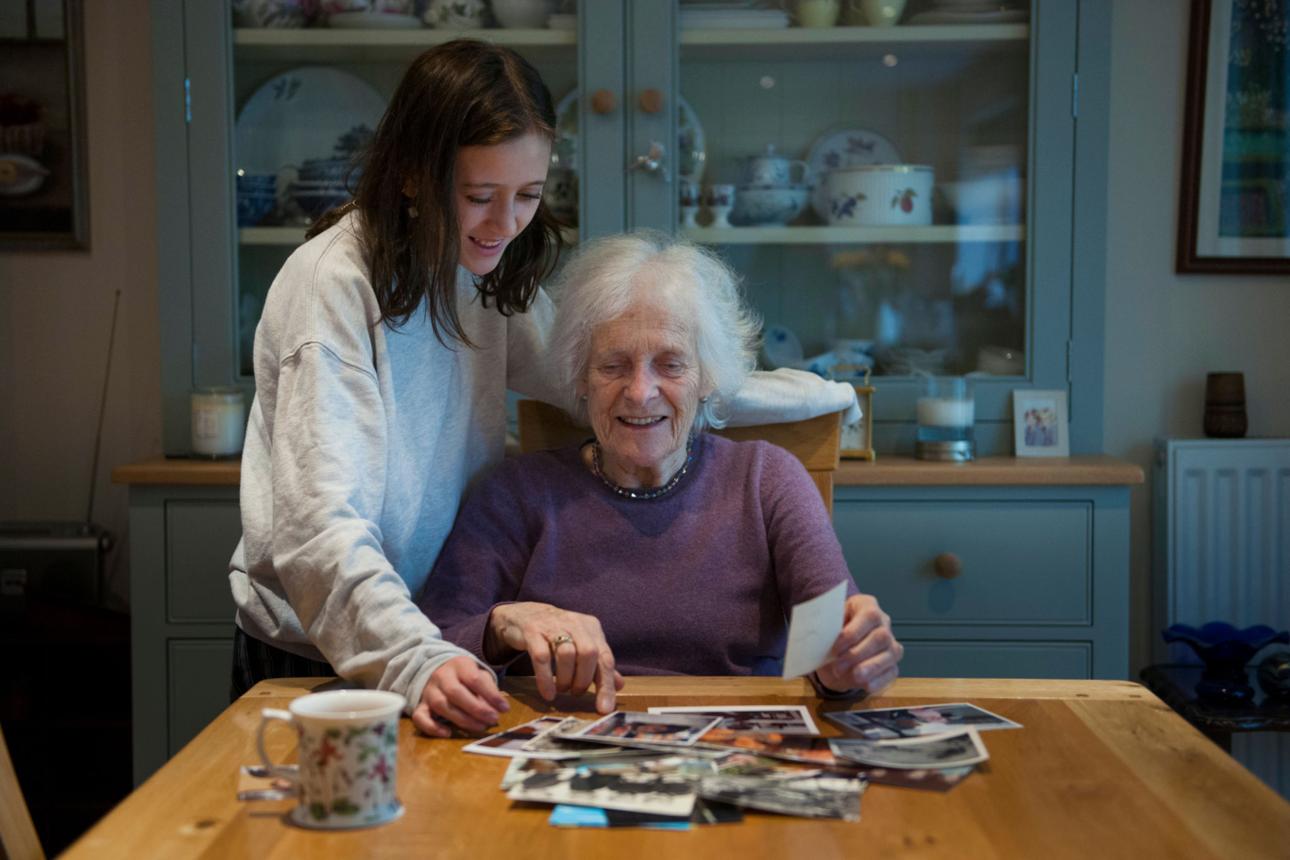
The First Holiday Without Someone: Why It Feels So Different
The first holiday after losing someone we love can feel completely different from any celebration before it. The traditions remain, the decorations appear, and families gather together, but the absence of one important person changes everything. This article explores why holidays intensify grief, how memories are triggered through traditions and senses, and how families learn to honour loved ones while creating new ways to remember.
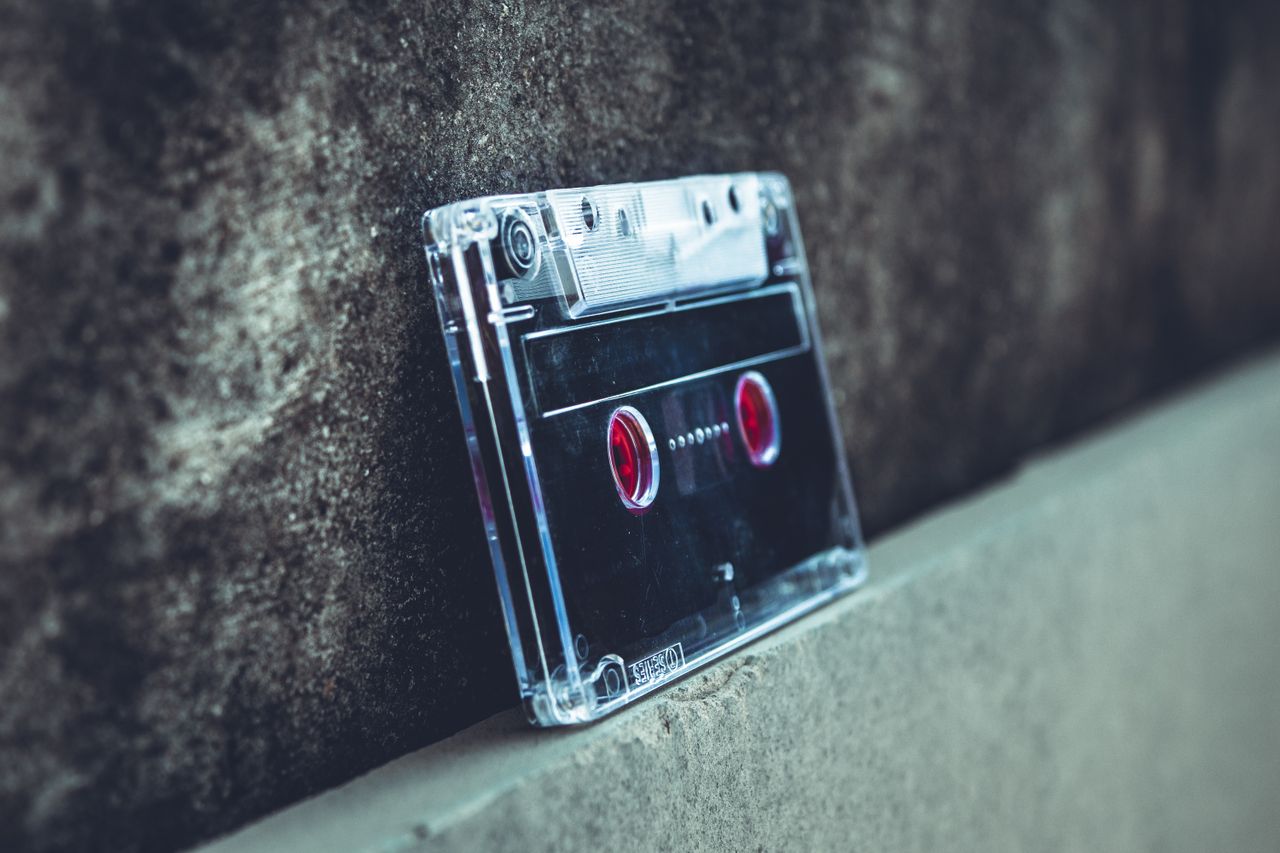
Discover why everyday sounds can become powerful reminders of the people we love. From familiar voices and favourite songs to simple household noises, sound has the ability to preserve memories, awaken emotions, and maintain a connection with those who are no longer physically present.
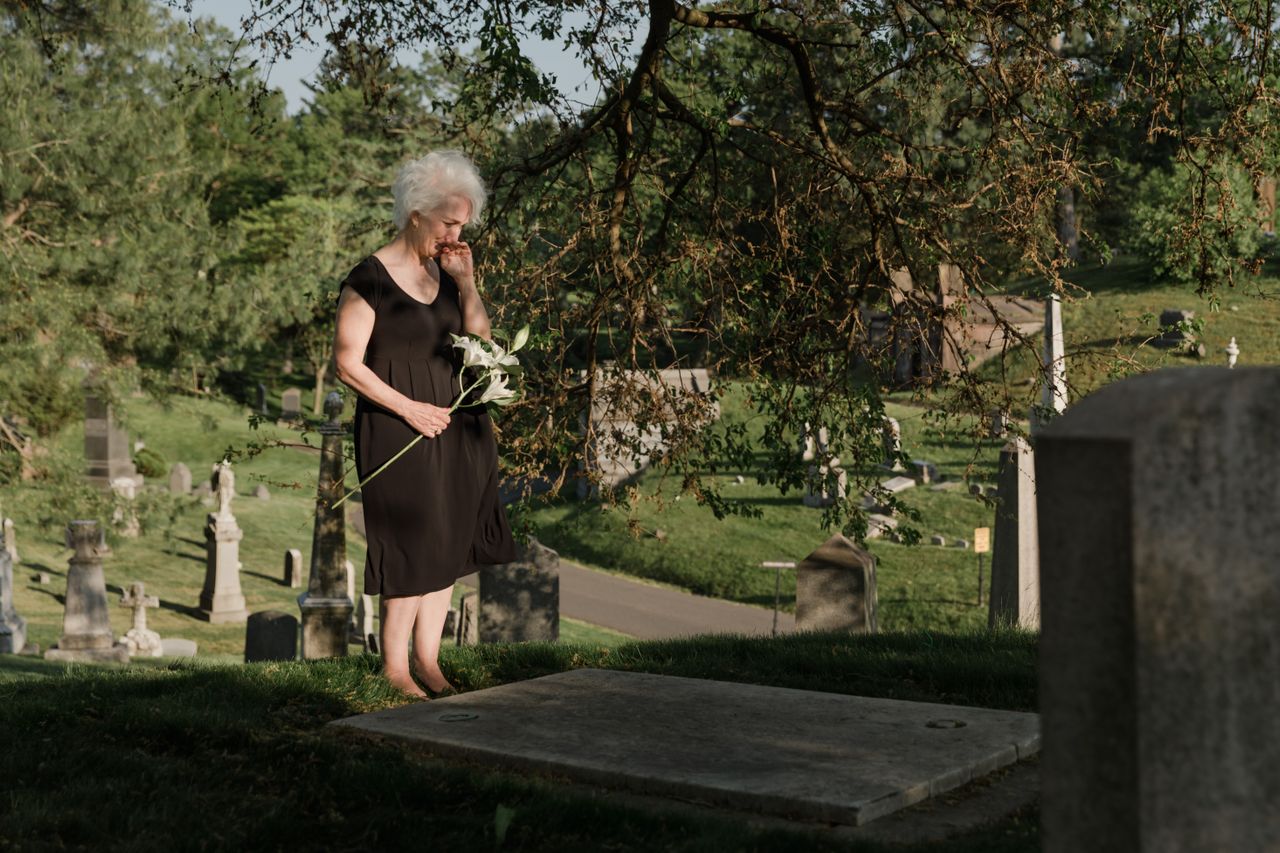
After losing someone we love, ordinary belongings can become some of the most meaningful reminders of their life. A favourite sweater, handwritten note, piece of jewellery, or family recipe can carry memories, emotions, and a sense of connection that goes far beyond the object itself. This article explores why we keep the things left behind, the psychology behind emotional attachment to personal belongings, and how these objects help us preserve love, identity, and family stories after loss.
Share:
Cremation Urns: Traditional vs. Contemporary Styles
Wooden Urns: Sustainable Alternatives for the Environmentally Conscious