
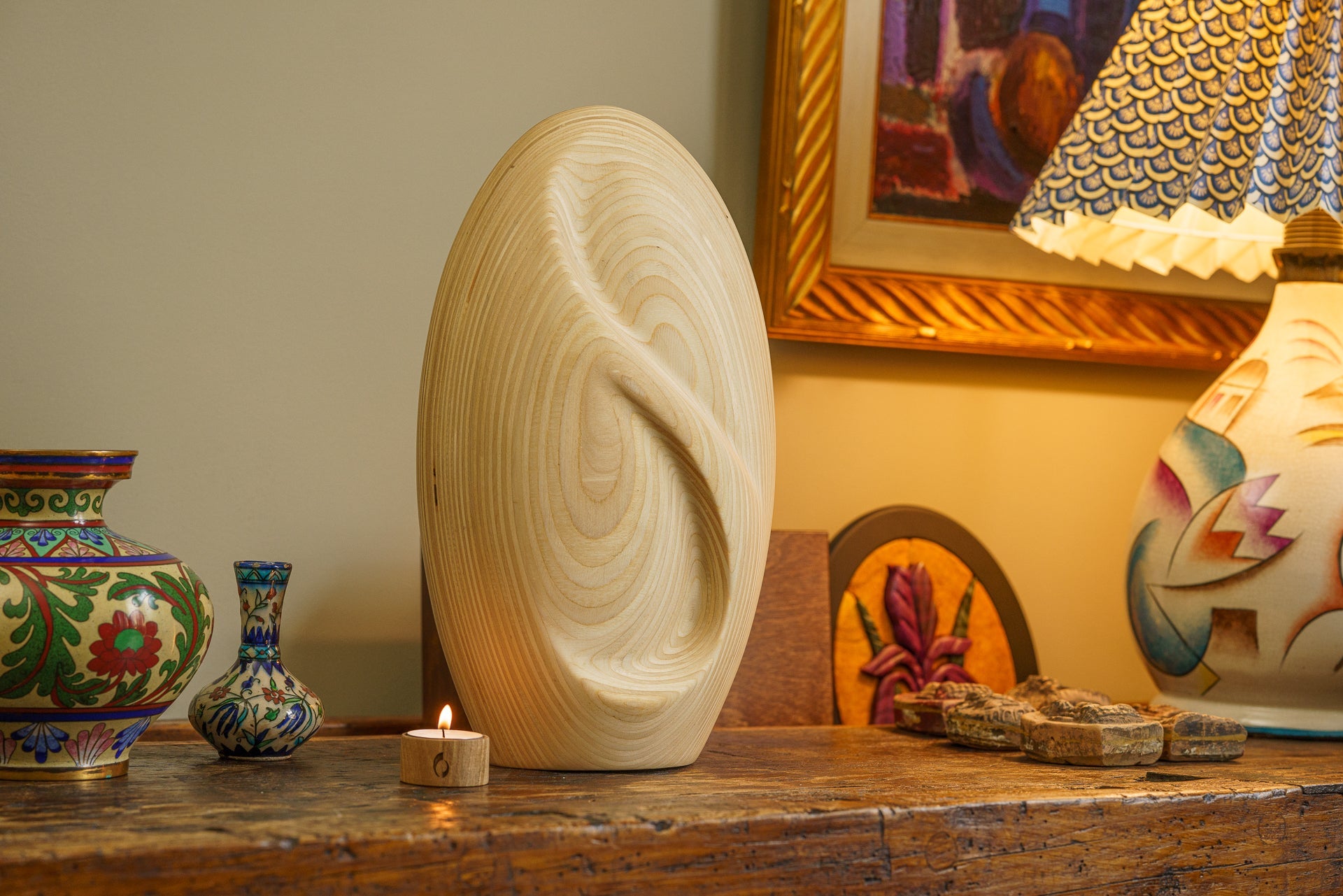
Ceramic urns are usually the first image to come to mind when picturing an urn for ashes, but there are other options available. Wooden urns are a great choice for those who are looking for a more sustainable vessel made from natural resources.
Before your dismiss wood urns as old-fashioned or boring, take a look at some of the gorgeous compositions available, using handcrafted techniques, modern forms, and sustainable materials. You’ll be impressed!

Wood has been used to craft everyday items and luxury pieces for centuries. Easy to work with and endless in possibilities, natural wood urns are always one-of-a-kind, simply because of the unique composition of the material.
Wood grain is similar to a thumbprint – it’s always unique. This yields a singularity to wood urns that can’t be claimed with other materials. Every wood urn is distinct, with a precise color and grain composition that gives it character. Designers then take those distinct qualities and craft them into something absolutely striking – and fitting for memorializing your loved one.
Walnut wood, derived from the walnut tree genus Juglans, encompasses several species, with American black walnut (Juglans nigra) and European walnut (Juglans regia) being the most common. Here are some specifics about walnut wood:
Color and Appearance: Walnut wood typically features a rich, dark brown color, sometimes with purplish or reddish undertones. It's known for its beautiful grain patterns, which can vary from straight to wavy or curly. The heartwood (inner part of the tree) is darker than the sapwood (outer layer).
Density and Hardness: Walnut wood is moderately hard and dense, ranking higher on the Janka hardness scale compared to some other domestic hardwoods. It's durable and resists warping and decay, making it suitable for various applications.
Workability: Walnut wood is prized by woodworkers for its excellent workability. It machines well, allowing for clean cuts, shaping, and carving. It also holds screws and nails firmly and finishes beautifully, whether stained or left natural.
Natural wood has a warmth to it that can feel nostalgic, comforting, and timeless. The allure of wood has lasted through the ages, making it a particularly symbolic material for crafting into a cremation urn. Wood urns express a beauty that transcends time – just like the memory and legacy of your loved one.
Wooden urns are also desirable because of their eco-friendly qualities. Wood is a natural resource that is renewable when harvested sustainably, making it a great choice for people who are conscious of their carbon footprint.
Not only is this approach better for the environment, but it also captures the symbolic nature of coming to terms with mortality. We come from the earth, and we return to the earth – it’s a beautiful thought to consider after losing a loved one and going through the grieving process.

Just because it’s a raw material doesn’t mean that it has a simple or subdued design! On the contrary, raw wood can be crafted into beautiful cremation urns through a number of skilled artisanal techniques.
Pulvis’ art urns showcase a variety of different styles available with wood, including smooth looped shapes that show off the exceptional beauty and intricacy of natural wood grain. Two-tone designs that combine rich brown colors in dynamic stripes and checkers offer a contemporary spin on this traditional material.
Plywood, walnut, beech – Pulvis works with a variety of renewable wood types to create gorgeous handmade cremation urns with sustainability in mind. It’s a simple material with stunning results!
Considering their natural composition, wood urns are surprisingly easy to care for! A soft, dry cloth can effectively clean the surface of wood urns and help them maintain their appearance. Furniture polish or wood cleaner can also be used sparingly to give the cremation urn extra brilliance.
Even though this natural material is biodegradable, wood urns can last for ages under the proper care. To help preserve the natural beauty of a wood urn, it should be kept indoors only. Protecting the cremation urn from water, humidity, and direct sunlight can also help preserve its original beauty and unique color quality. Thus, a living room or bedroom may be a better place for a wood urn than a bathroom, kitchen or sunroom.
Timeless in character and sustainable in composition, wood urns are an excellent choice to consider.

------------------
Our Affiliate Program is now available. at https://www.pulvisurns.com/pages/affiliate-program-by-pulvis-art-urns
Ways to Honour a Loved One Without Visiting a Cemetery
Honouring a loved one doesn't have to be limited to visiting a cemetery. Discover meaningful and heartfelt ways to celebrate their life through personal traditions, living memorials, keepsakes, charitable acts and beautiful remembrance ideas that keep their memory alive every day.
The Emotional Weight of “Lasts”: The Last Conversation, Last Hug, Last Goodbye
The last conversation, last hug, and last goodbye are some of the most emotionally powerful experiences a person can carry. These final moments transform ordinary interactions into lifelong memories, revealing the depth of love, connection, grief, and human attachment. This article explores why we remember final moments so vividly, how they shape the way we process loss, and why appreciating everyday connections matters before they become memories.
The First Holiday Without Someone: Why It Feels So Different
The first holiday after losing someone we love can feel completely different from any celebration before it. The traditions remain, the decorations appear, and families gather together, but the absence of one important person changes everything. This article explores why holidays intensify grief, how memories are triggered through traditions and senses, and how families learn to honour loved ones while creating new ways to remember.
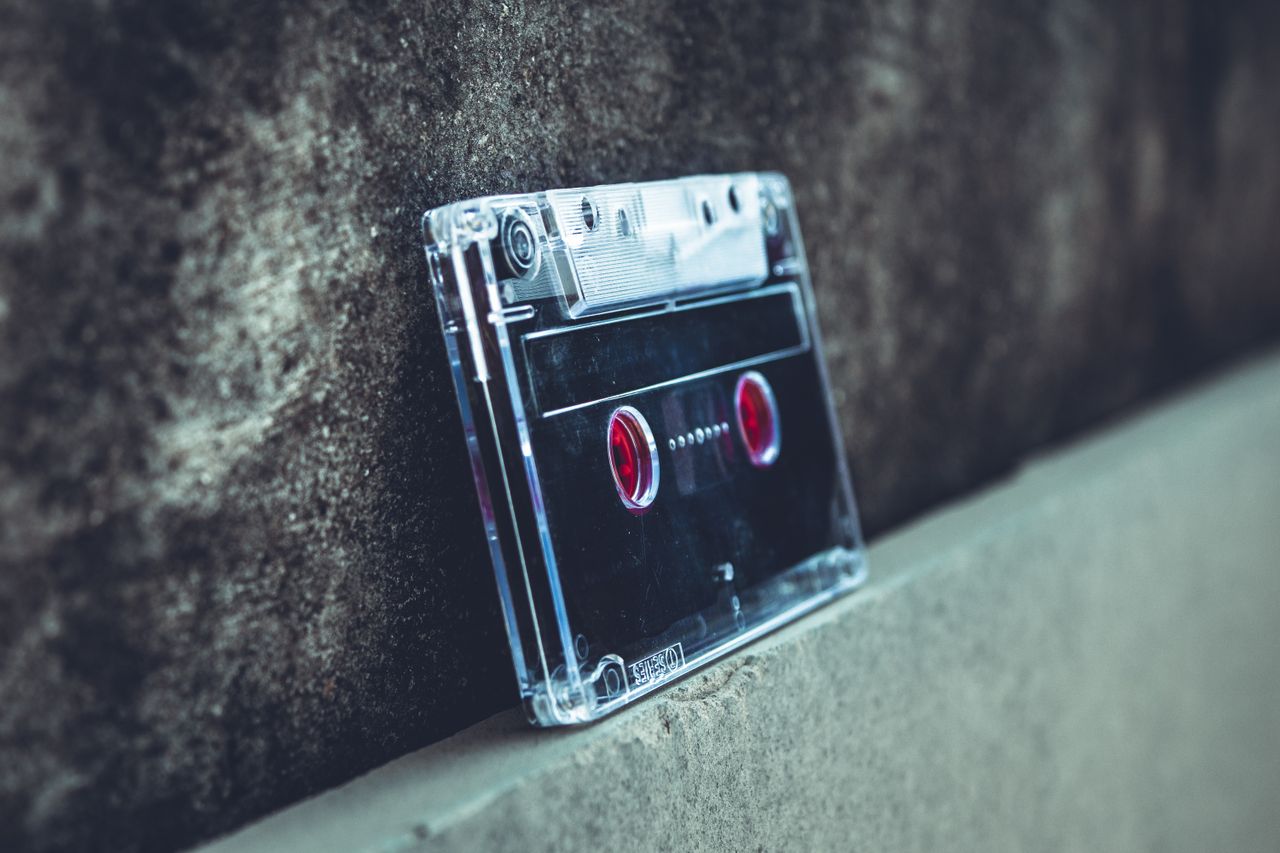
Discover why everyday sounds can become powerful reminders of the people we love. From familiar voices and favourite songs to simple household noises, sound has the ability to preserve memories, awaken emotions, and maintain a connection with those who are no longer physically present.
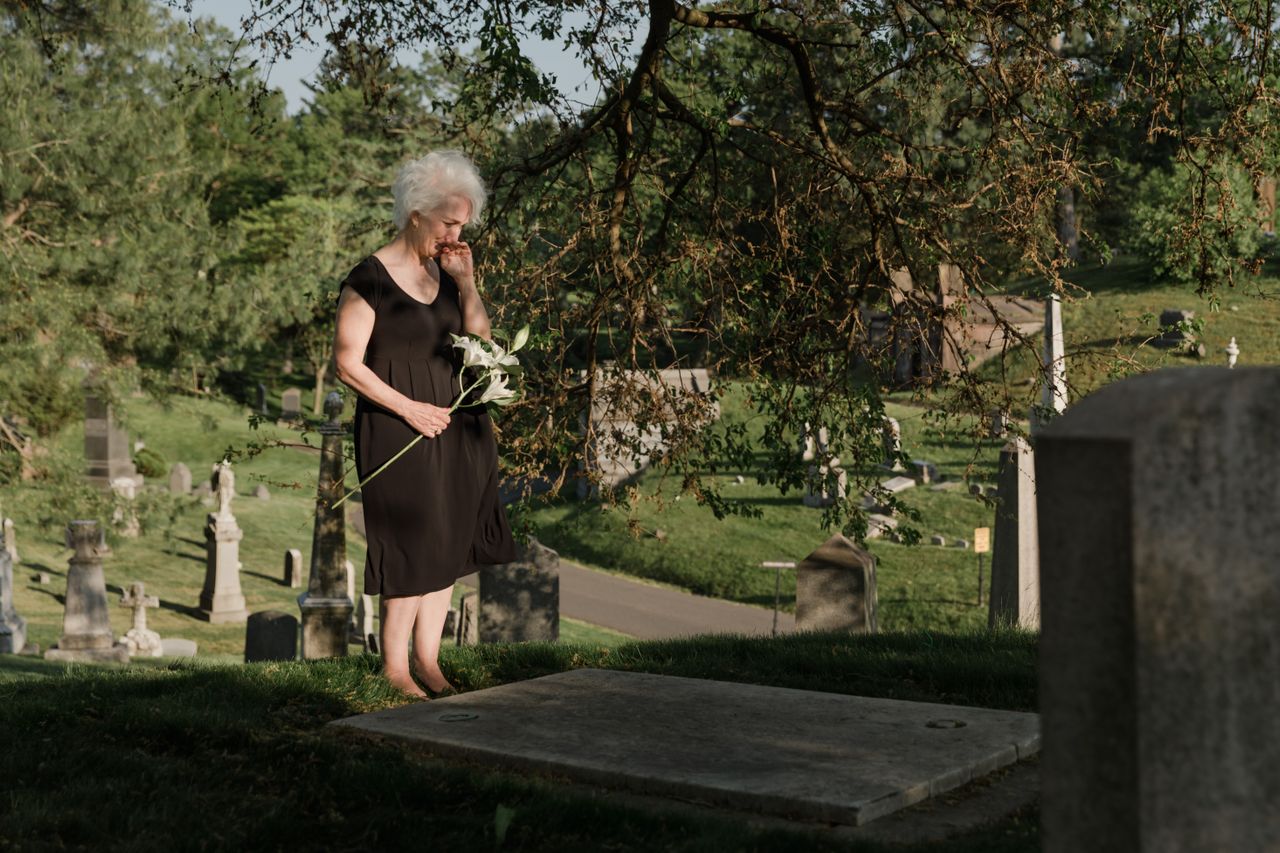
After losing someone we love, ordinary belongings can become some of the most meaningful reminders of their life. A favourite sweater, handwritten note, piece of jewellery, or family recipe can carry memories, emotions, and a sense of connection that goes far beyond the object itself. This article explores why we keep the things left behind, the psychology behind emotional attachment to personal belongings, and how these objects help us preserve love, identity, and family stories after loss.
Share:
Preserving Ashes: Understanding Different Materials Used in Cremation Urns
Exploring Unique Cremation Urn Designs: Finding a Personalized Tribute