
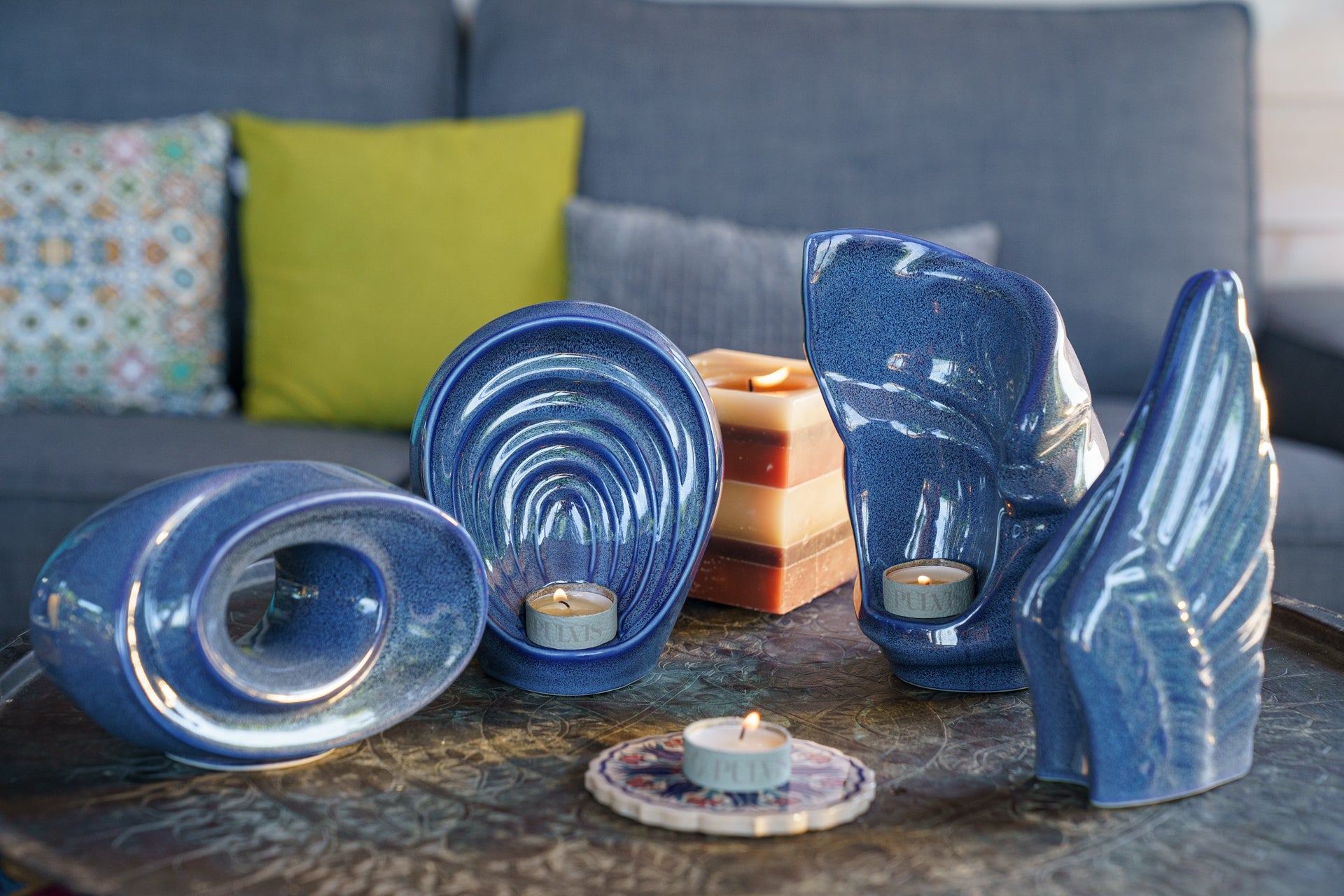
Dividing ashes into multiple ceramic urns is a wonderful solution for larger families, family members separated by distance, and those who have different ideas about how to honor a loved one after they’re gone.
Though many people assume that cremated ashes are supposed to stay in one single urn, it’s actually a very common process to divvy up the ashes. In fact, it can even be part of someone’s final wishes!
Thinking about getting multiple cremation urns for ashes so that more than one person can honor their loved one? Read on for some sound advice on this popular choice.
Did you know that many religious communities are okay with dividing cremation ashes into multiple urns? Though some religious traditions – like Judaism and Catholicism – are still warming up to the idea of cremation overall, there are not many specific rules when it comes to what to do with the ashes or how to keep them in a memorial.

This means that dividing ashes to keep them in multiple urns is not taboo or looked down upon; it is simply a personal choice. And a practical one, at that!
Where to hold a memorial, who to invite, what to do with the ashes – there are so many decisions involved with end-of-life ceremonies. In many families, it’s not uncommon for the surviving family members to quarrel over what they think is best – especially if there isn’t a will and testament to follow.

Dividing the ashes amongst multiple keepsake urns and distributing them to the closest family members is a great solution that can avoid conflict and tension. After all, this isn’t the time to be arguing over the plan – rather, this is a time for grieving, healing, and revisiting fond memories of family.
What happens if the surviving family members live in different cities? Choosing only one person to keep the ashes often feels unfair. Dividing the ashes into multiple ceramic urns or getting unique keepsakes for ashes is a great way to help several family members grieve for their loved one without feeling isolated or left out.
Though we don’t like to think about it, we must acknowledge that accidents do happen. Having multiple keepsake urns for ashes kept in different places can be the saving grace when one urn takes a tumble.

Even if you don’t plan on distributing the cremation urns among multiple households, having an urn in 2 or 3 different rooms of the house can provide the peace of mind that you’ll have something to hold onto in case an accident happens to one of the urns.
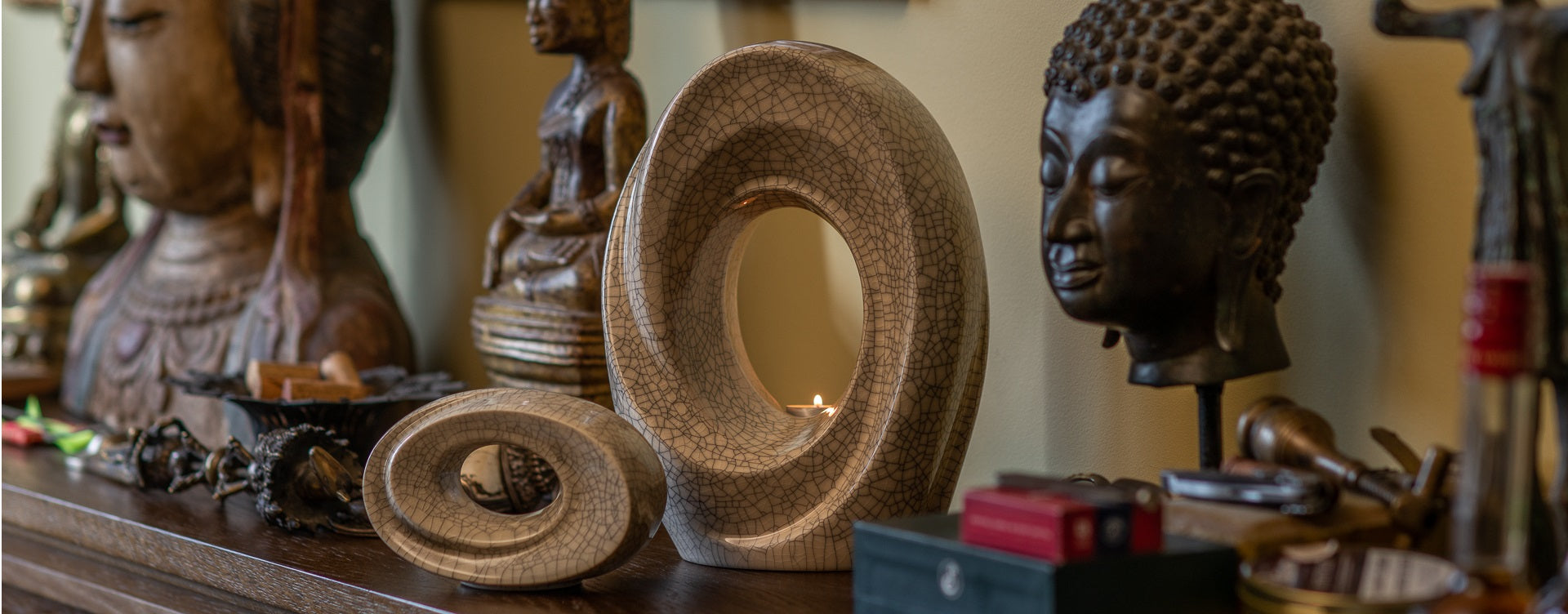
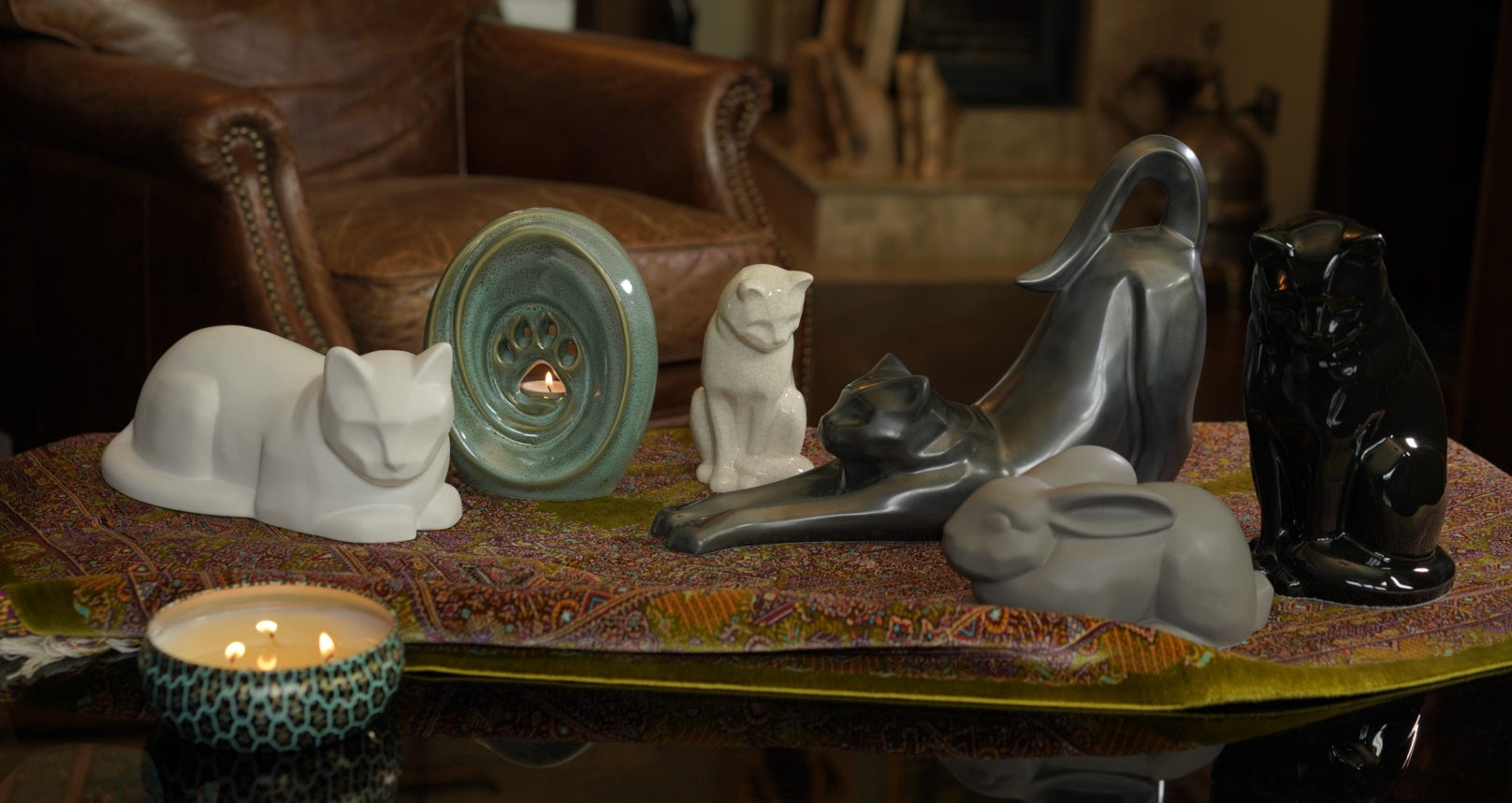
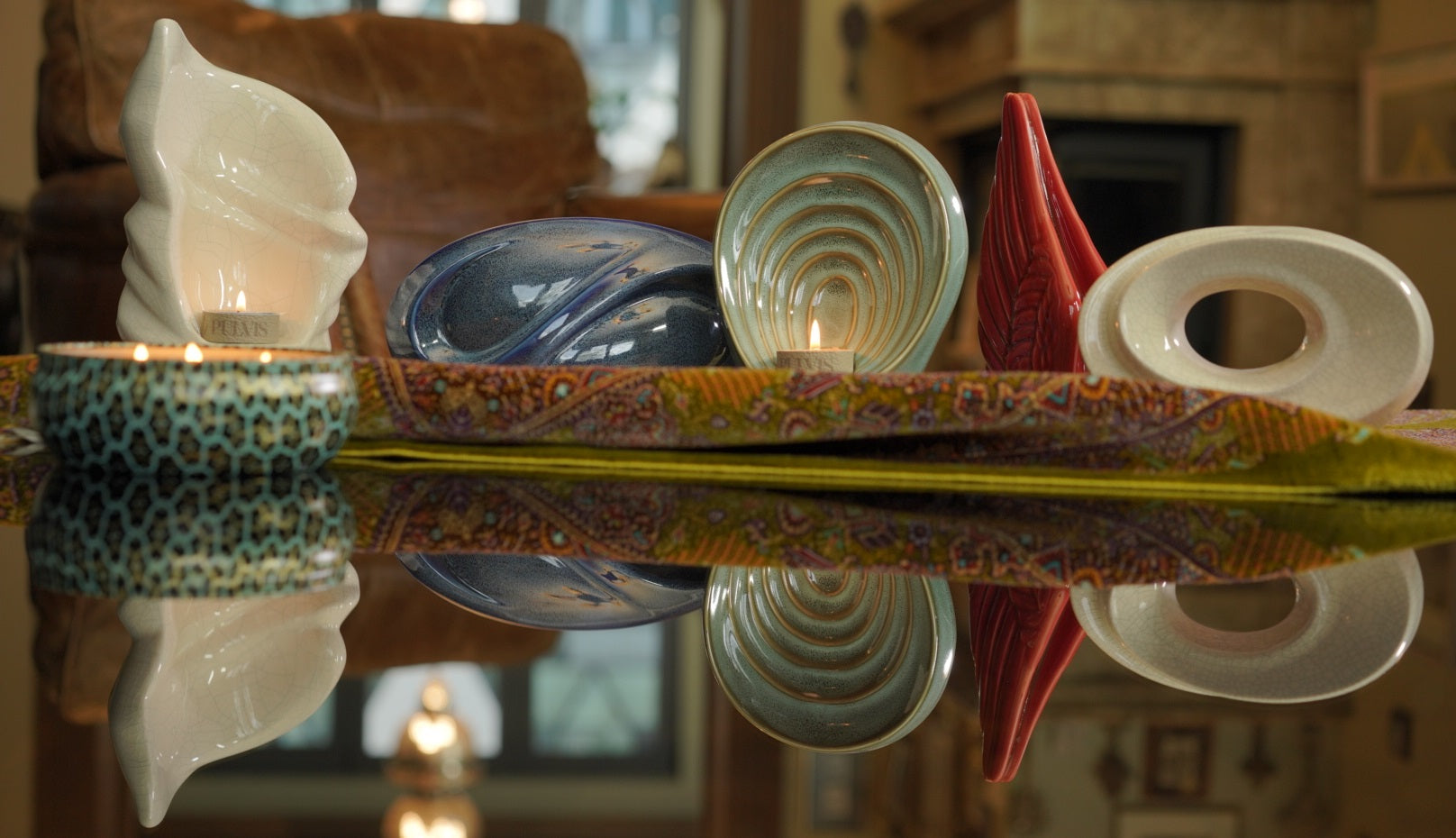
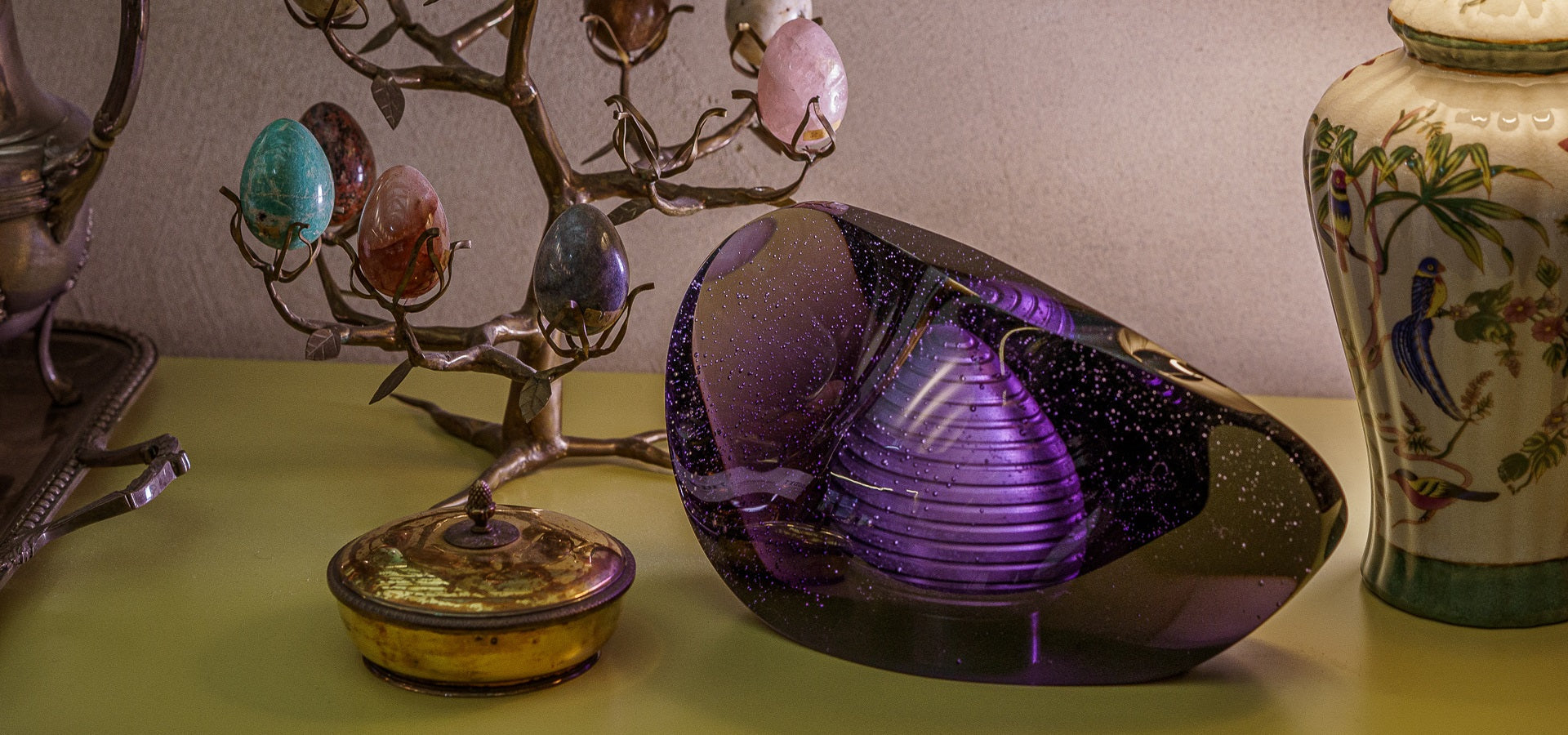
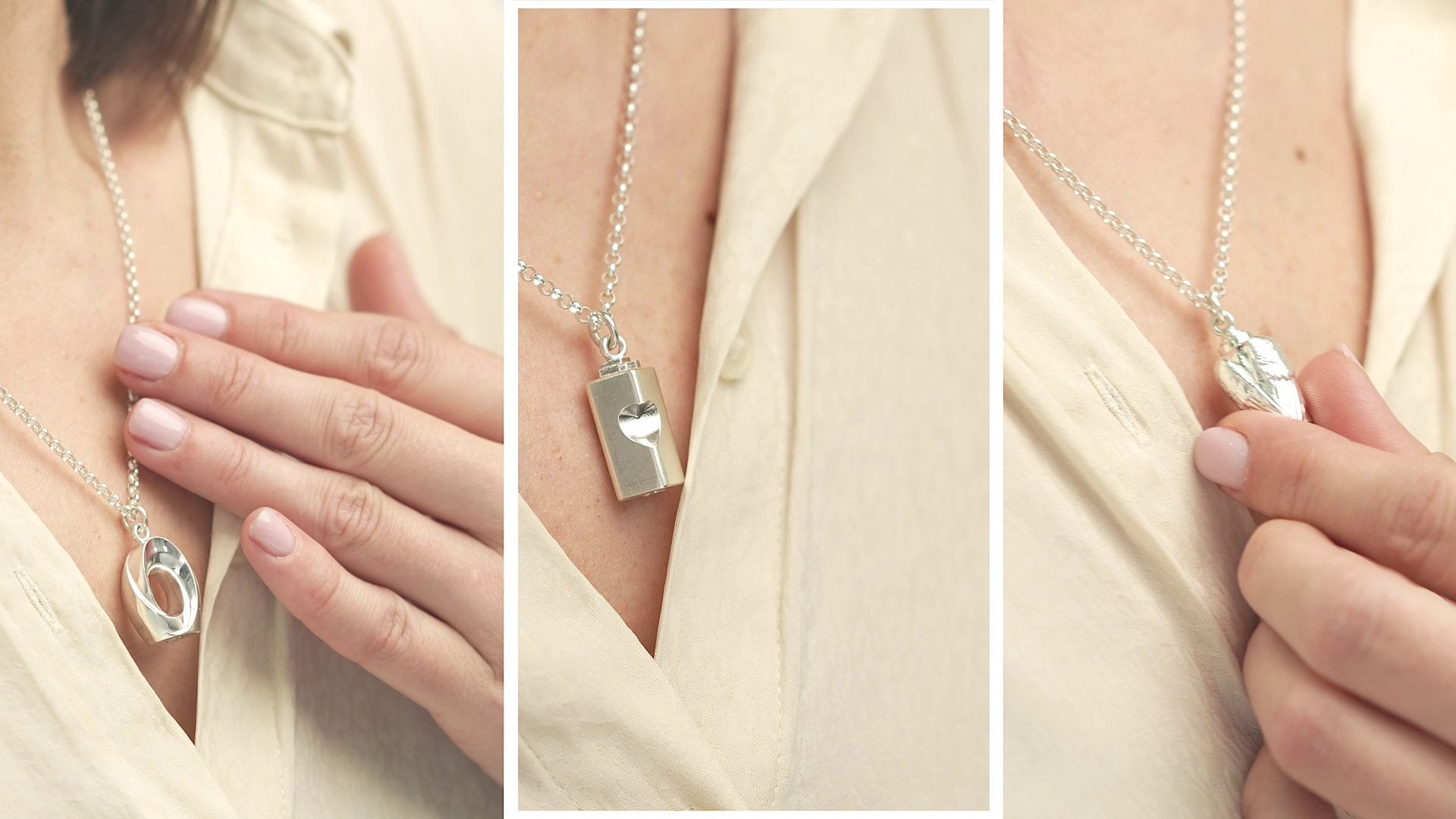
Another advantage of getting multiple urns is that you can be more creative and flexible in your selections. Take a look at handcrafted urns, artisan urns, modern urns with candles, and other unique designs. You can also choose from smaller urns to save some of the ashes while spreading the remaining ashes in a special place, like a park or lake.
Dividing ashes amongst several cremation keepsake urns has lots of practical advantages. But above all, it helps individuals grieve and find peace the way they need to – and that’s essential during any loss.
------------------
Our Affiliate Program is now available. at https://www.pulvisurns.com/pages/affiliate-program-by-pulvis-art-urns
Ways to Honour a Loved One Without Visiting a Cemetery
Honouring a loved one doesn't have to be limited to visiting a cemetery. Discover meaningful and heartfelt ways to celebrate their life through personal traditions, living memorials, keepsakes, charitable acts and beautiful remembrance ideas that keep their memory alive every day.
The Emotional Weight of “Lasts”: The Last Conversation, Last Hug, Last Goodbye
The last conversation, last hug, and last goodbye are some of the most emotionally powerful experiences a person can carry. These final moments transform ordinary interactions into lifelong memories, revealing the depth of love, connection, grief, and human attachment. This article explores why we remember final moments so vividly, how they shape the way we process loss, and why appreciating everyday connections matters before they become memories.
The First Holiday Without Someone: Why It Feels So Different
The first holiday after losing someone we love can feel completely different from any celebration before it. The traditions remain, the decorations appear, and families gather together, but the absence of one important person changes everything. This article explores why holidays intensify grief, how memories are triggered through traditions and senses, and how families learn to honour loved ones while creating new ways to remember.
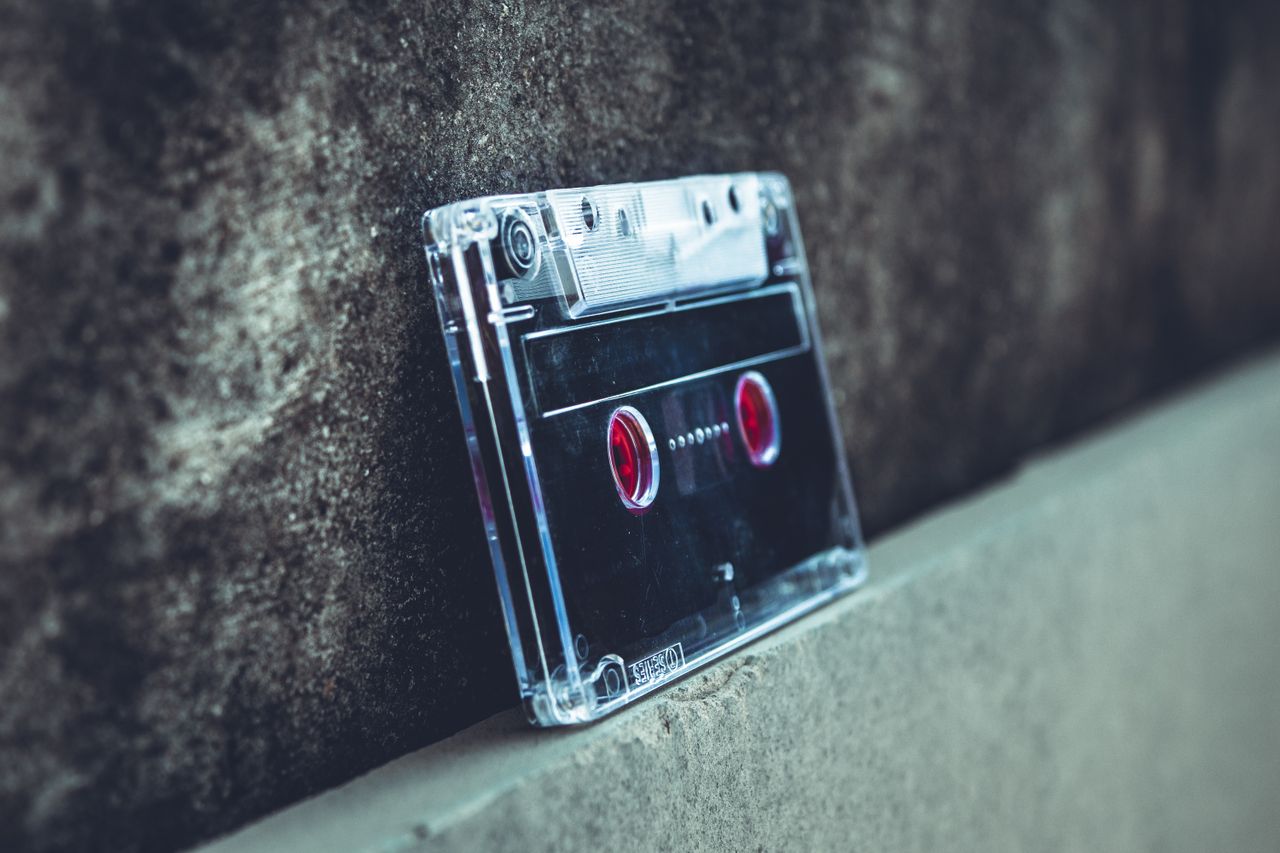
Discover why everyday sounds can become powerful reminders of the people we love. From familiar voices and favourite songs to simple household noises, sound has the ability to preserve memories, awaken emotions, and maintain a connection with those who are no longer physically present.
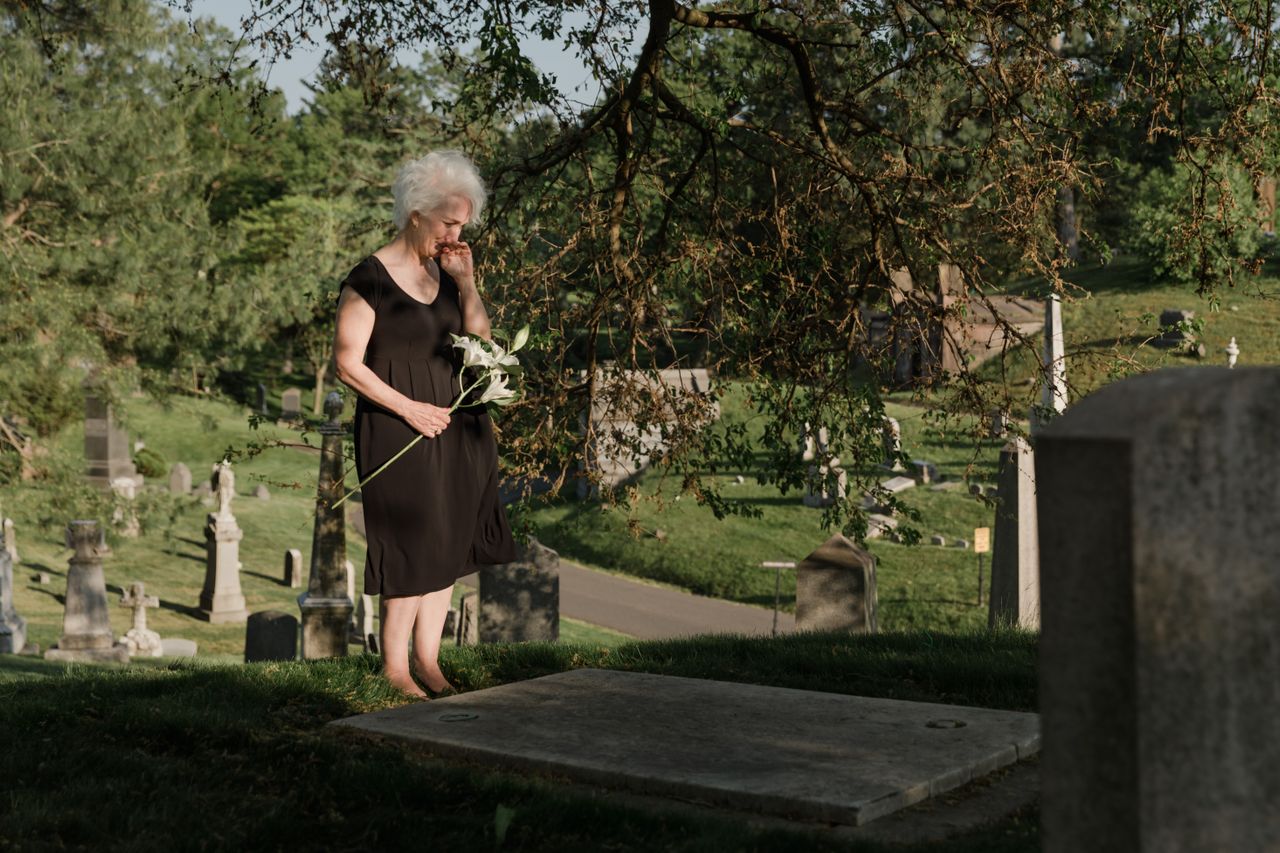
After losing someone we love, ordinary belongings can become some of the most meaningful reminders of their life. A favourite sweater, handwritten note, piece of jewellery, or family recipe can carry memories, emotions, and a sense of connection that goes far beyond the object itself. This article explores why we keep the things left behind, the psychology behind emotional attachment to personal belongings, and how these objects help us preserve love, identity, and family stories after loss.
Share:
Can Catholics Be Cremated?
Japanese Funeral Traditions: The Cremation Ceremony