
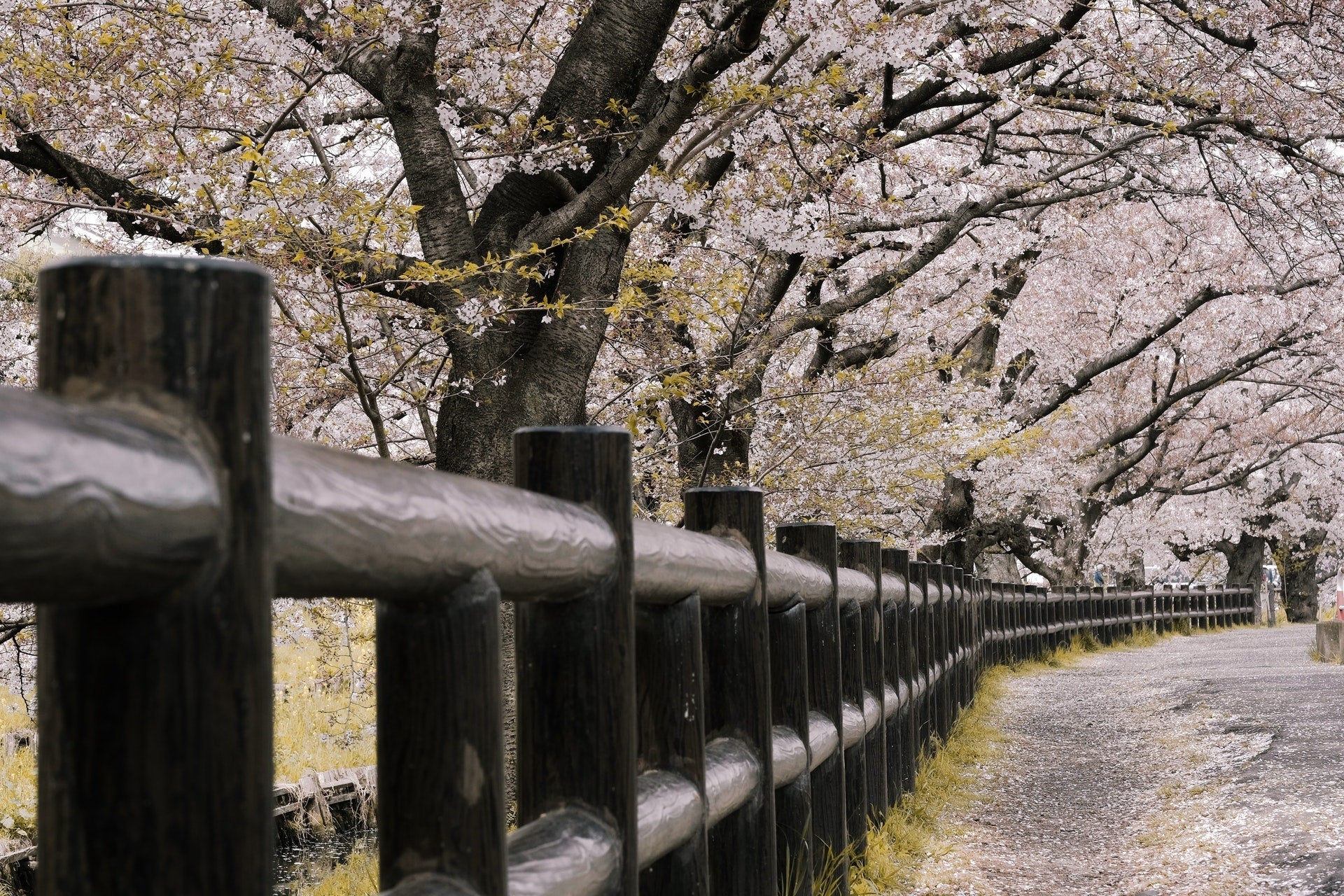
Have you ever wondered what cremation ceremonies are like around the world? Cremation is a tradition that can be found in many cultures, each infused with rich meaning and symbolism stemming from local belief systems.
Blending Shinto beliefs, Buddhism, and classical Eastern Philosophy, the Japanese have a beautiful practice of honoring deceased loved ones with a ceremonious cremation practice known as kotsuage, which consists of close family members performing a unique ritual with the cremated remains. Let’s learn about this special cremation tradition found in Japan.
Japanese funeral traditions are influenced by the Shinto religion – an ancient belief system and set of rituals native to the island of Japan – and Buddhism – a popular eastern religion that began in India before eventually spreading throughout Japan.

Over the years, these two belief systems merged and blended in a beautiful way that is unique to Japan. Today, funeral services in Japan often include elements of both Shinto and Buddhist beliefs, which can be seen in the kotsuage rituals, decorations, cremation urns for ashes, gatherings, and throughout many other aspects of Japanese funeral practices.
Kotsuage is a very specific aspect of the Japanese funeral process, and it relates directly to the cremation component of the funeral. It usually takes place after a number of other rituals, such as the wake, visitation, public gatherings, and feast.

So, what happens during Japanese kotsuage?
According to Buddhist teachings, cremation is a way to free the spirit from the body, allowing the loved one to transition into the next phase of their existence in another world.
Chopsticks usually consist of unmatched pairs, meaning two different types of wood. This symbolizes the separation between the world of the dead and the world of the living.
Picking out certain bones may be seen as gathering luck, strength, wisdom, or healing. This practice is reserved for close family members only. The cremation process turns the body into a mix of ash and small bones.

In western cremations, it’s common for the professionals at the crematorium to remove bones from the remains and hand over only the cremation ashes to the family; in Japan, bones are left in the remains intentionally so that they can be carefully collected and gathered in a cremation urn during kotsuage. Family members, wearing special gloves or using chopsticks, pick up the bones and transfer them to a designated urn. Once the bone-picking ceremony concludes, the urn containing the remains is typically placed in a family grave or a Buddhist temple's columbarium. The grave or columbarium is often part of a larger cemetery or memorial park. Some families may also choose to keep the urn at home or scatter the ashes in a significant location, such as the sea or a sacred site.
It’s common for Japanese families to split up the cremated remains into several urns for ashes, allowing family members to set up their own private shrines at home.
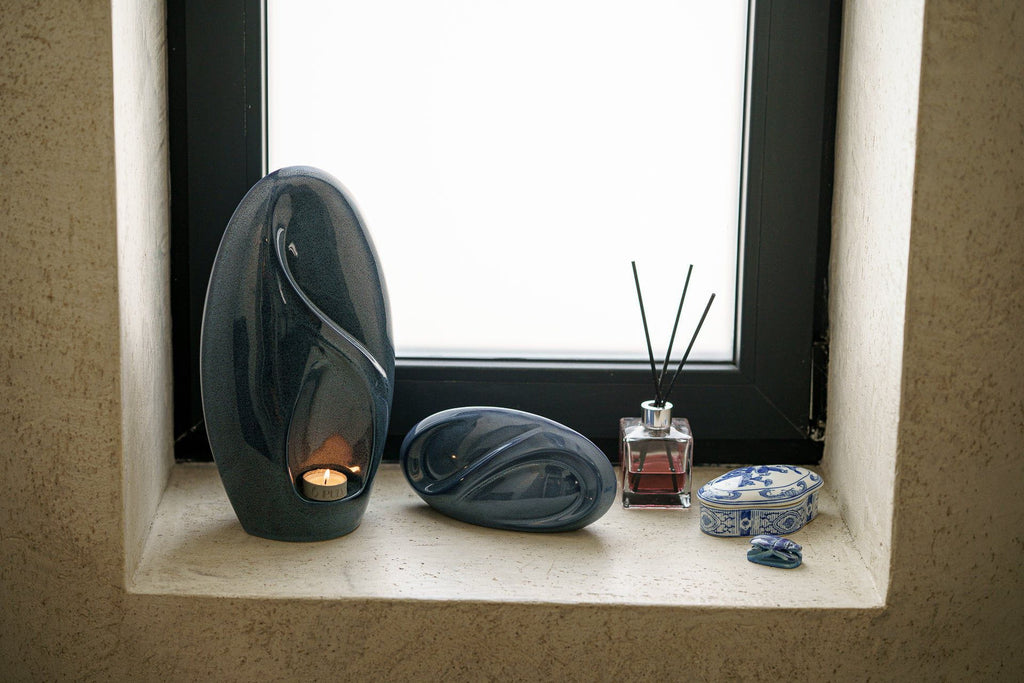
Cremation Urns are Transferred to a Cemetery.
Buddhist tradition shows special significance to the number 49, making the 50th day standard for transferring the urns to the family plot at a cemetery.
Kotsuage is a meaningful ceremony for many Japanese families. It’s important to remember that every family has different traditions, beliefs, and preferences, meaning not all kotsuage cremation ceremonies may look exactly the same.
After the funeral and cremation, a mourning period follows. This period allows family and close friends to grieve and honor the memory of the deceased. Traditional mourning practices include wearing black clothing, refraining from certain activities or celebrations, and participating in memorial services on specific anniversaries of the death.
Some families may include portraits, incense, shrines, and other meaningful tokens as part of their funeral services. Rituals can also vary from region to region, offering an abundance of beautiful ways to honor deceased loved ones in Japan.
It's important to note that while cremation is the most common method of handling the deceased's remains in Japan, there are variations in practices based on religious beliefs, regional customs, and personal preferences.
As a compliment for reading our blog article, you can use the coupon READER10 at checkout for 10% discount for your order.
Join us in helping families honor the memory of their loved ones and pets through art!
Our Affiliate Program is now available at https://www.pulvisurns.com/pages/affiliate-program-by-pulvis-art-urns
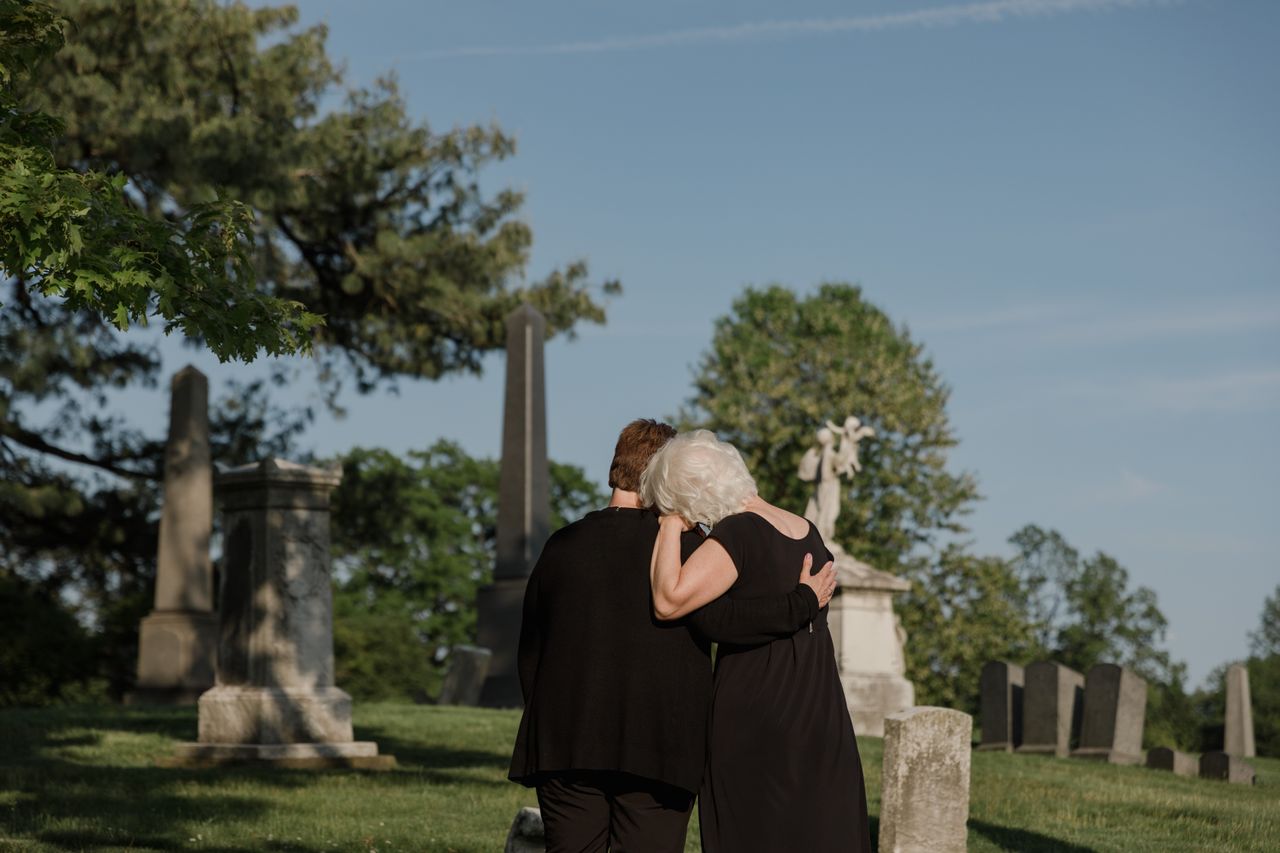
Ways to Honour a Loved One Without Visiting a Cemetery
Honouring a loved one doesn't have to be limited to visiting a cemetery. Discover meaningful and heartfelt ways to celebrate their life through personal traditions, living memorials, keepsakes, charitable acts and beautiful remembrance ideas that keep their memory alive every day.
The Emotional Weight of “Lasts”: The Last Conversation, Last Hug, Last Goodbye
The last conversation, last hug, and last goodbye are some of the most emotionally powerful experiences a person can carry. These final moments transform ordinary interactions into lifelong memories, revealing the depth of love, connection, grief, and human attachment. This article explores why we remember final moments so vividly, how they shape the way we process loss, and why appreciating everyday connections matters before they become memories.
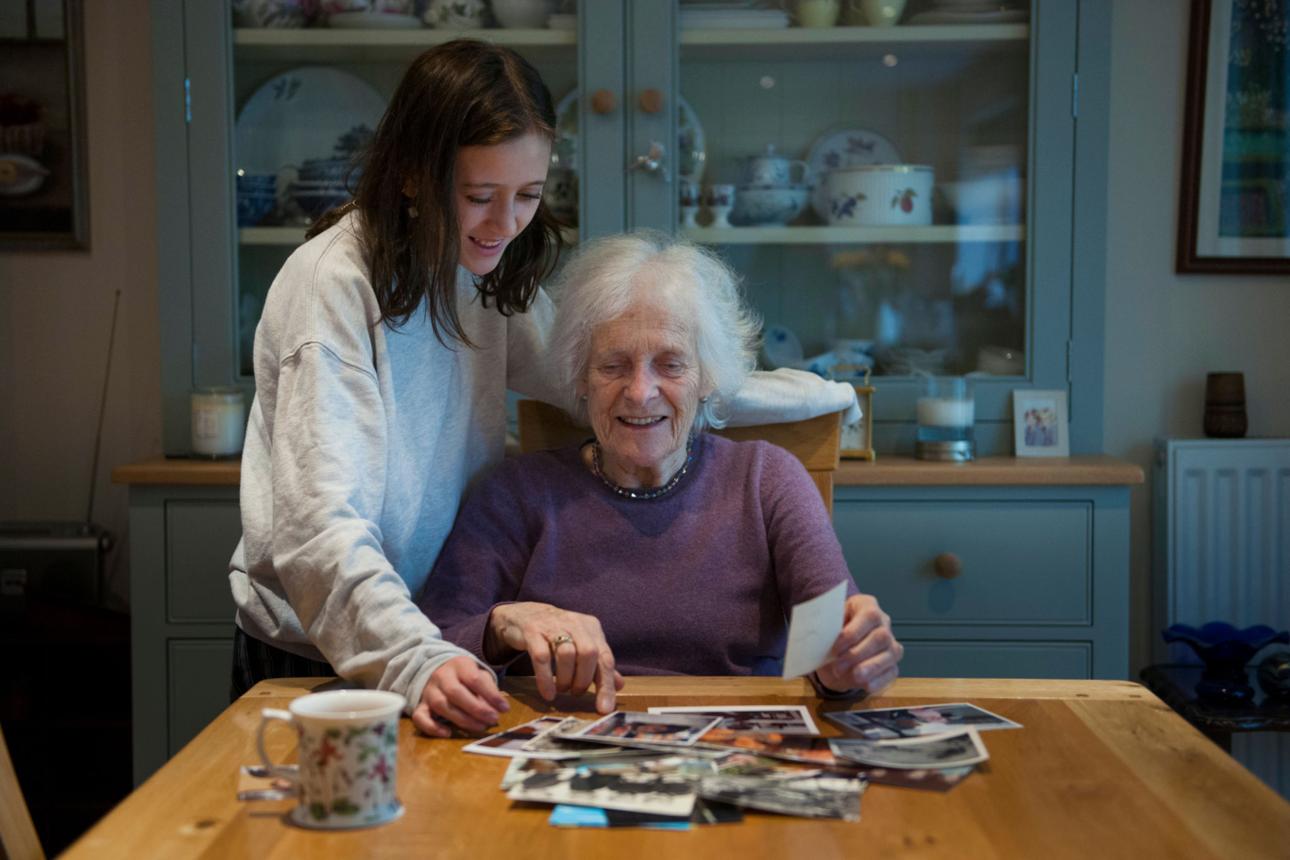
The First Holiday Without Someone: Why It Feels So Different
The first holiday after losing someone we love can feel completely different from any celebration before it. The traditions remain, the decorations appear, and families gather together, but the absence of one important person changes everything. This article explores why holidays intensify grief, how memories are triggered through traditions and senses, and how families learn to honour loved ones while creating new ways to remember.
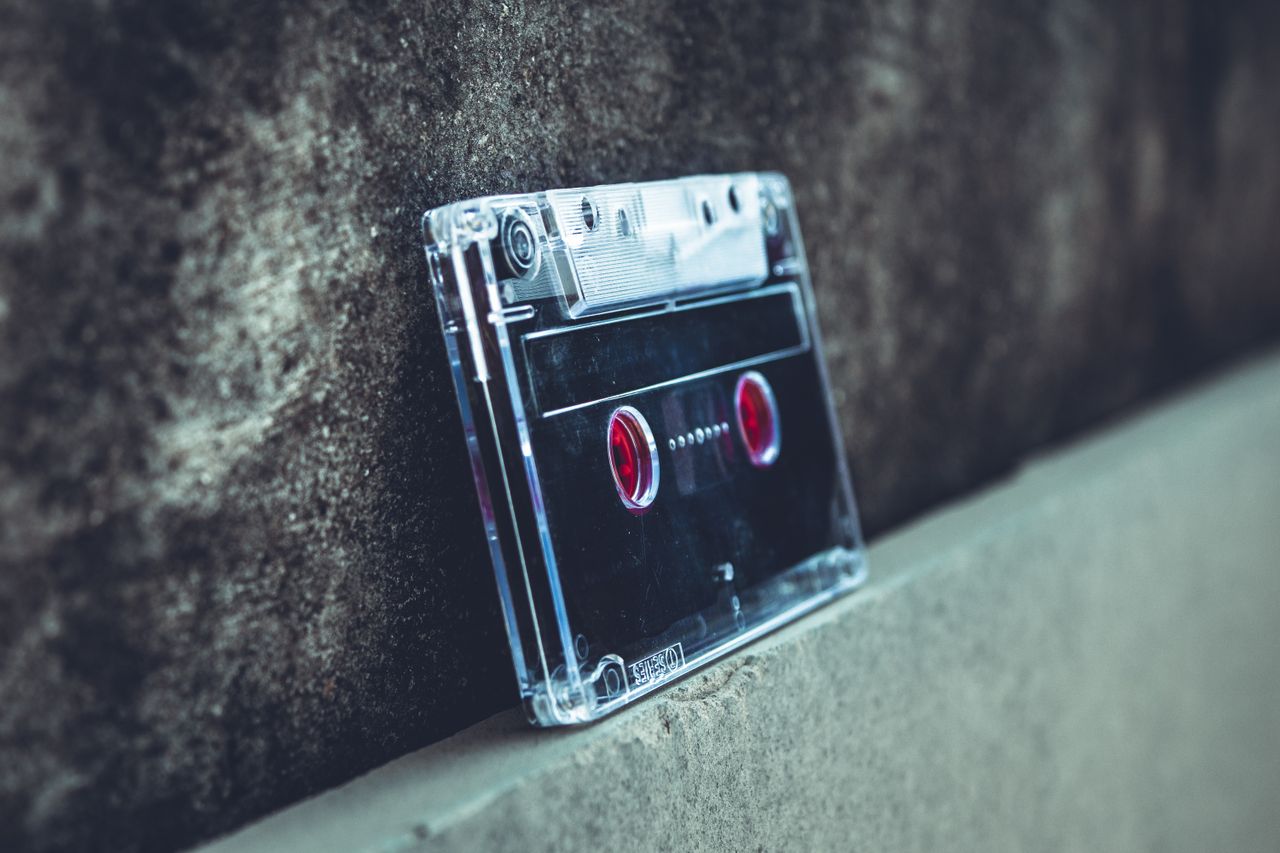
Discover why everyday sounds can become powerful reminders of the people we love. From familiar voices and favourite songs to simple household noises, sound has the ability to preserve memories, awaken emotions, and maintain a connection with those who are no longer physically present.
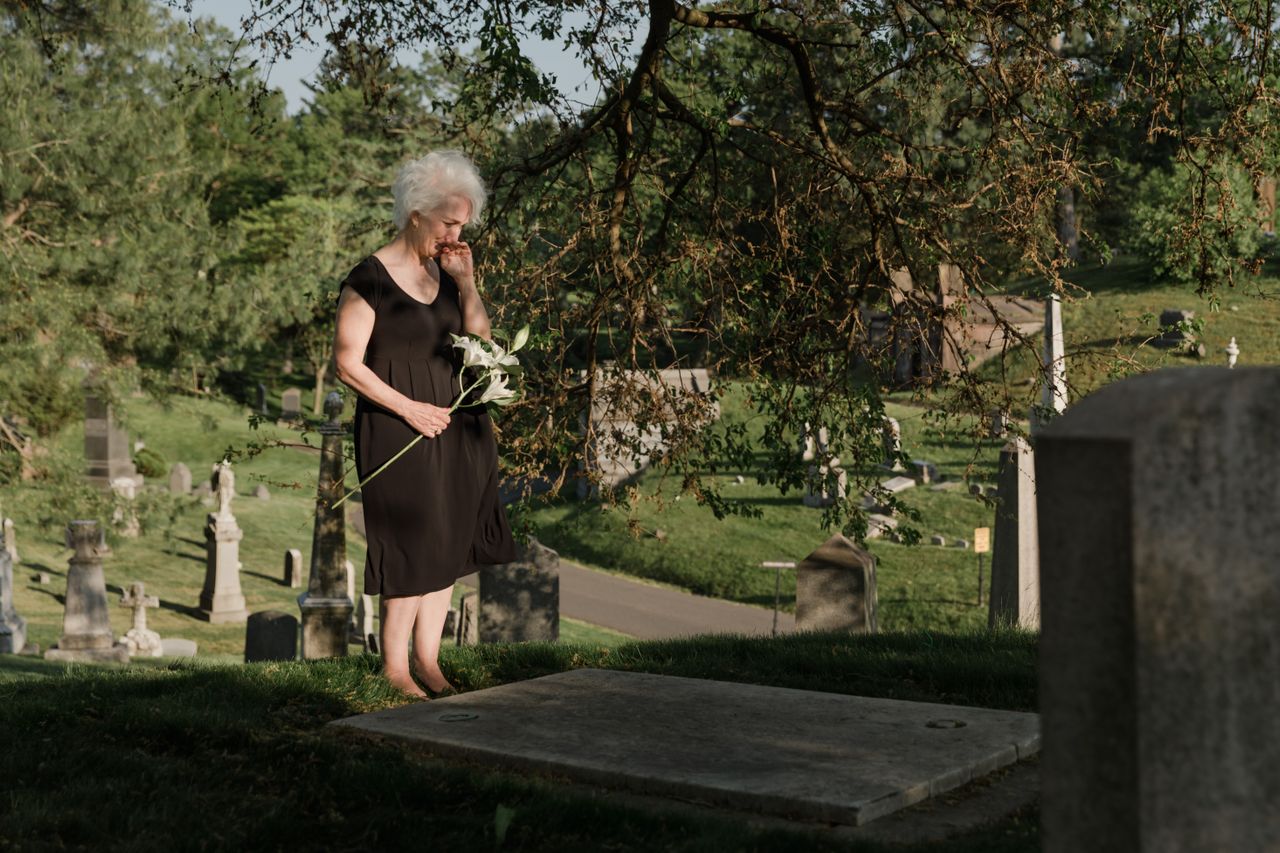
After losing someone we love, ordinary belongings can become some of the most meaningful reminders of their life. A favourite sweater, handwritten note, piece of jewellery, or family recipe can carry memories, emotions, and a sense of connection that goes far beyond the object itself. This article explores why we keep the things left behind, the psychology behind emotional attachment to personal belongings, and how these objects help us preserve love, identity, and family stories after loss.
Share:
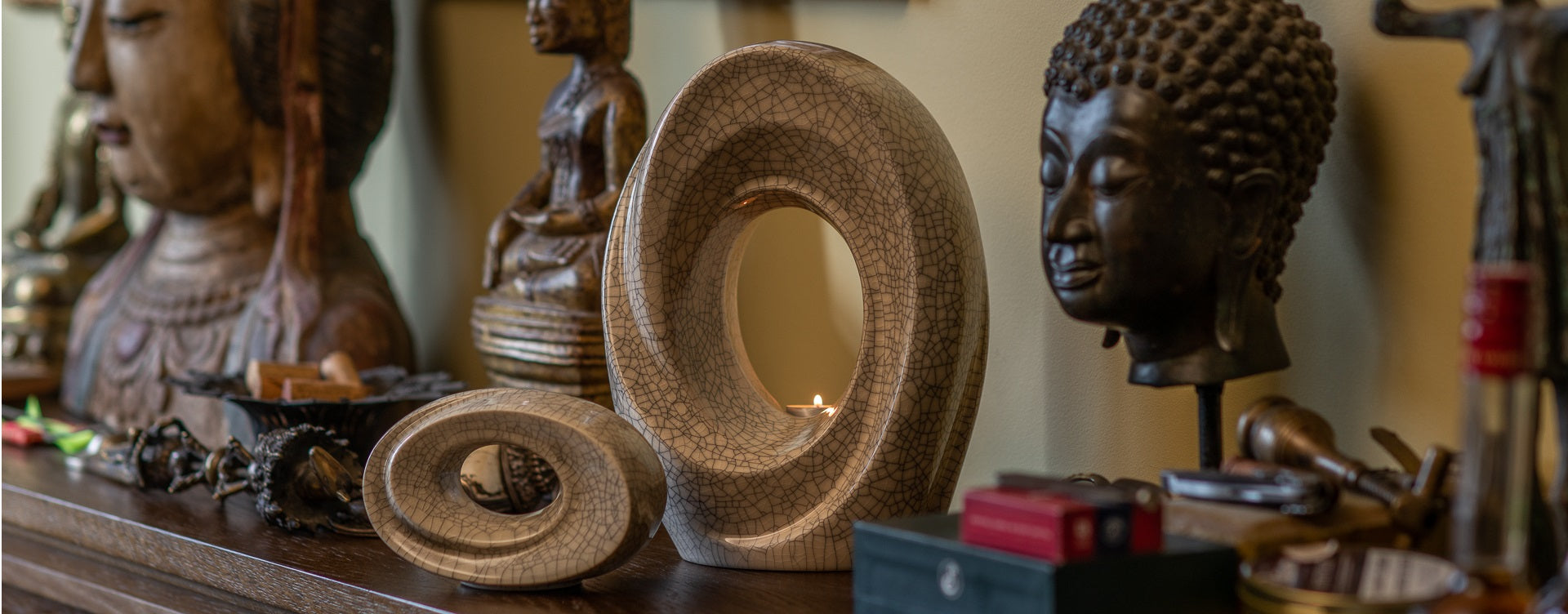
Multiple Urns for Sharing Ashes with Family
Pulvis Art Urns at VTU Uitvaart Vakbeurs 2022 Expo