
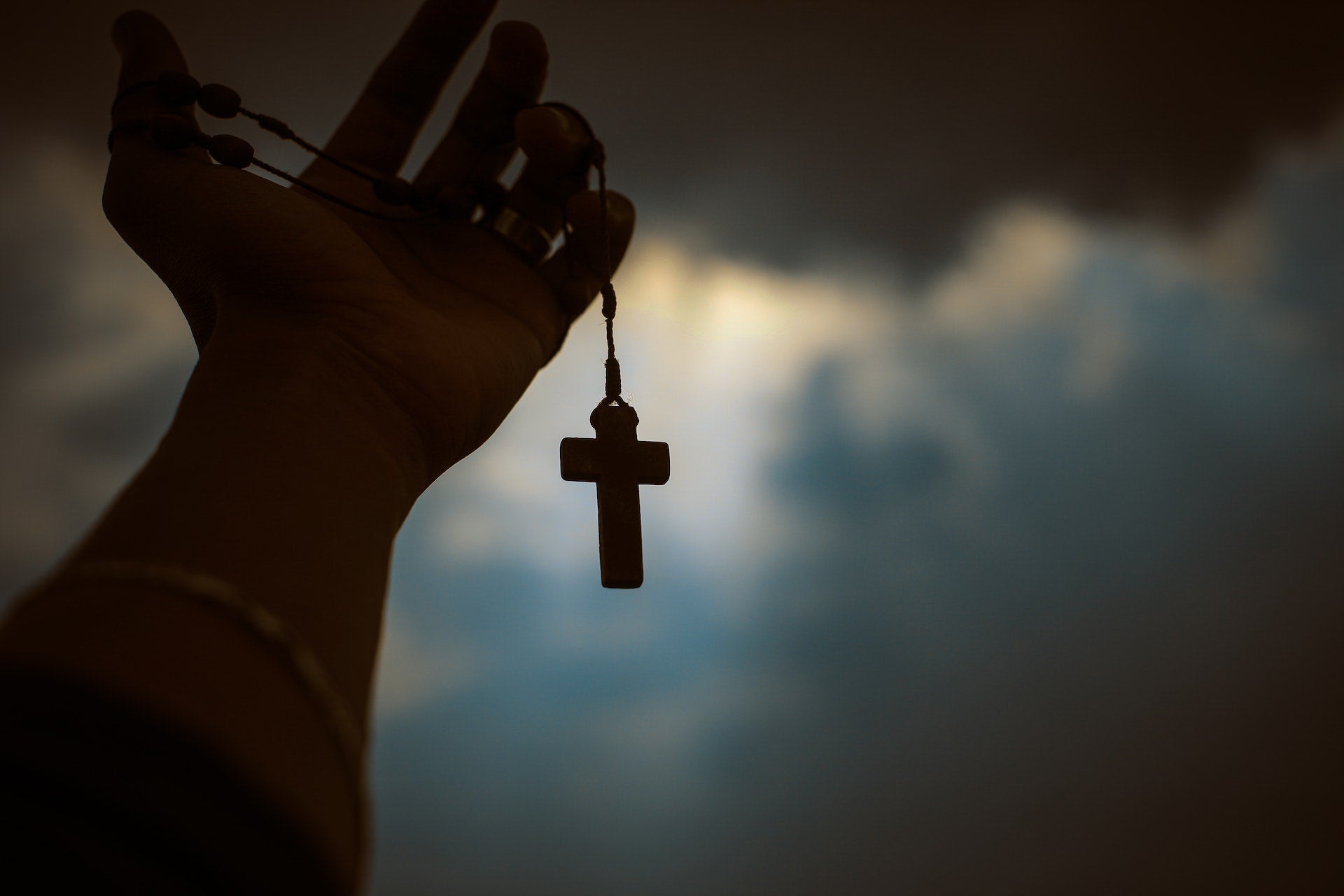
Organized religions often have strict rules that are designed to help people make appropriate decisions according to their faith. Catholicism is no different, and for many years the Catholic Church had a very strict view on cremation. However, times have changed – and with it, so has the Church.
Whether you’re preparing your own will and testament or you’re in the position of making arrangements for a loved one, it’s best to clear the air about Catholicism and cremation. Having clarity on the Church’s history and current teachings can help you make plans with confidence and feel free to choose what seems right for your family.

Cremation is a scientific process that can be carried out regardless of a person’s beliefs or values. Thus, local laws usually deem cremation as legal or not – no matter the religion of the deceased individual.
With that said, many religious people consider the rules of their faith as holding more weight than local laws. So, even in places where cremation is fully accepted and commonplace (from a legal standpoint), those with a Catholic background may falter when deciding if this process is right for their family.
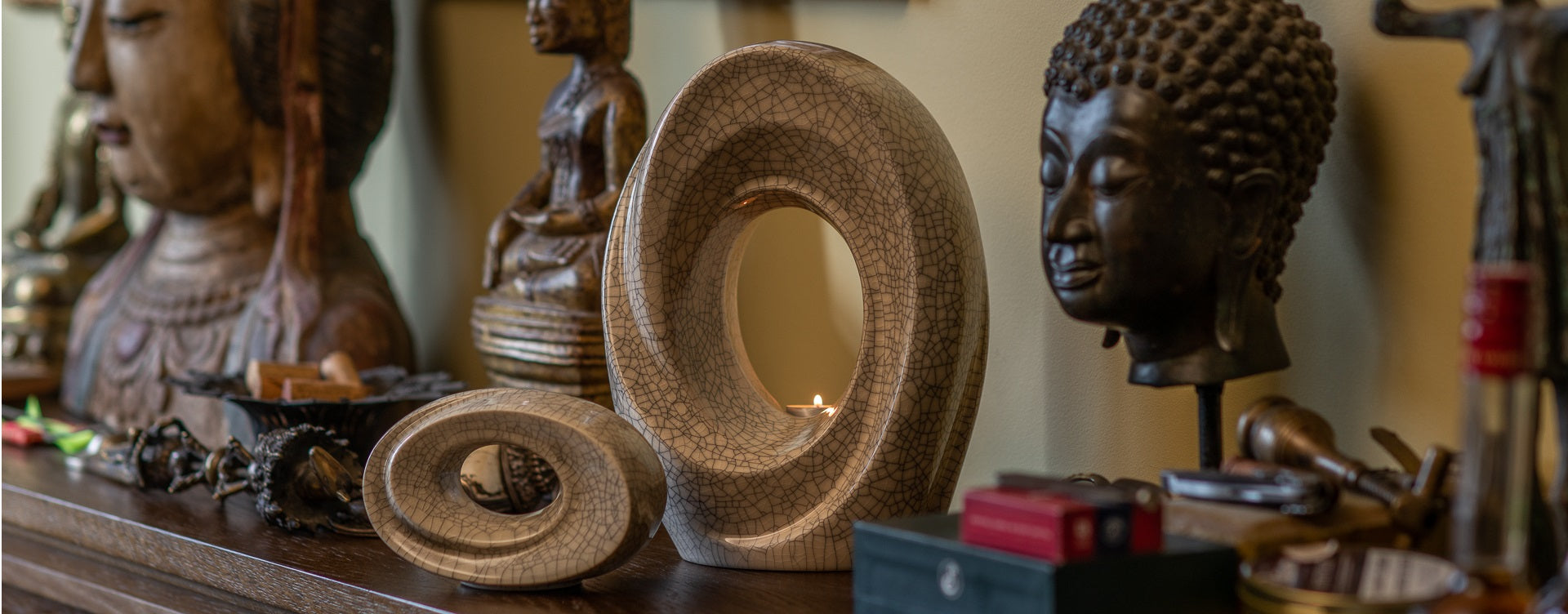
Hinduism, Buddhism, and many other spiritual communities have embraced the practice of cremation and keeping cremation urns at home for centuries. Religion is very closely linked with culture, which is why different views on cremation have emerged throughout different societies.
The Catholic faith teaches that all people will be reunited when Jesus returns. Because the body is considered to be “made in God’s image,” it is to be treated appropriately – even after death. This means proper funeral rites and a peaceful burial are extremely important to Catholics.
For this reason, the Catholic Church originally opposed cremation, believing that it would conflict with God’s plan to resurrect and rejoin believers one day.
The Catholic Church has been around for a very long time, so it’s no stranger to cultural, political, and societal change. Because the world around us is constantly changing, the Catholic Church has become accustomed to adapting some of its teachings to better serve people in modern times.
Though cremation was originally prohibited, the Catholic Church decided to permit cremation in 1963, lifting the staunch rule forbidding the practice. This decision really reflected an awareness of changing trends and needs within the Catholic community worldwide. As cremation practices started gaining in popularity, the Church needed to adapt.

With that said, the taboo of choosing cremation remains in many Catholic communities throughout the world. In some regions, time is still needed before Catholics feel completely free to choose cremation without disapproval from other members of their faith.
Though the Catholic Church no longer forbids cremation, it doesn’t exactly encourage it either. Nor does it encourage scattering ashes, showing a clear preference for keeping urns at home. This puts people in a very tricky spot, considering that cremation continues to gain popularity and provides a plethora of advantages – both personal and environmentally.

In the modern era, many people consider cremation a practical, affordable, and respectful way to honor a deceased loved one. For Catholics, it remains a matter of personal choice.
------------------
Our Affiliate Program is now available. at https://www.pulvisurns.com/pages/affiliate-program-by-pulvis-art-urns
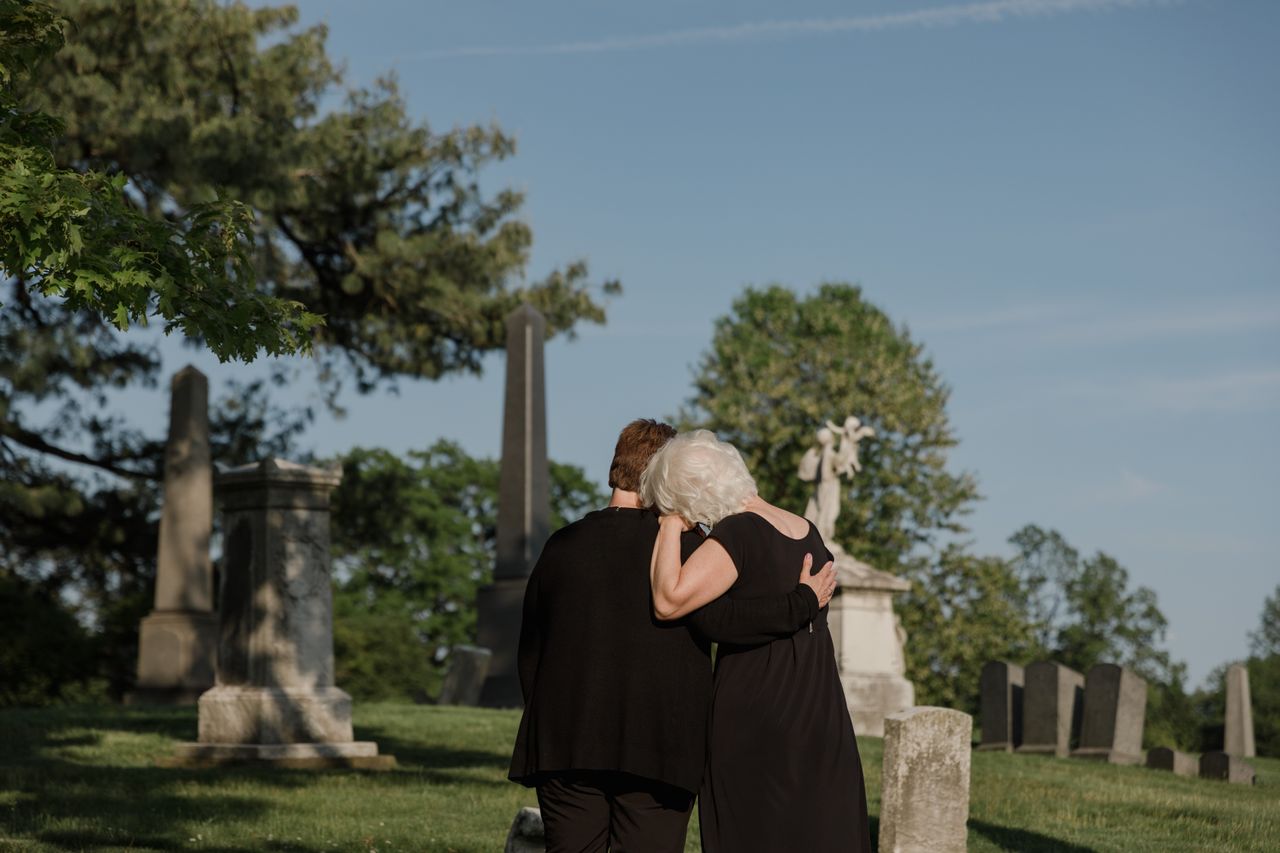
Ways to Honour a Loved One Without Visiting a Cemetery
Honouring a loved one doesn't have to be limited to visiting a cemetery. Discover meaningful and heartfelt ways to celebrate their life through personal traditions, living memorials, keepsakes, charitable acts and beautiful remembrance ideas that keep their memory alive every day.
The Emotional Weight of “Lasts”: The Last Conversation, Last Hug, Last Goodbye
The last conversation, last hug, and last goodbye are some of the most emotionally powerful experiences a person can carry. These final moments transform ordinary interactions into lifelong memories, revealing the depth of love, connection, grief, and human attachment. This article explores why we remember final moments so vividly, how they shape the way we process loss, and why appreciating everyday connections matters before they become memories.
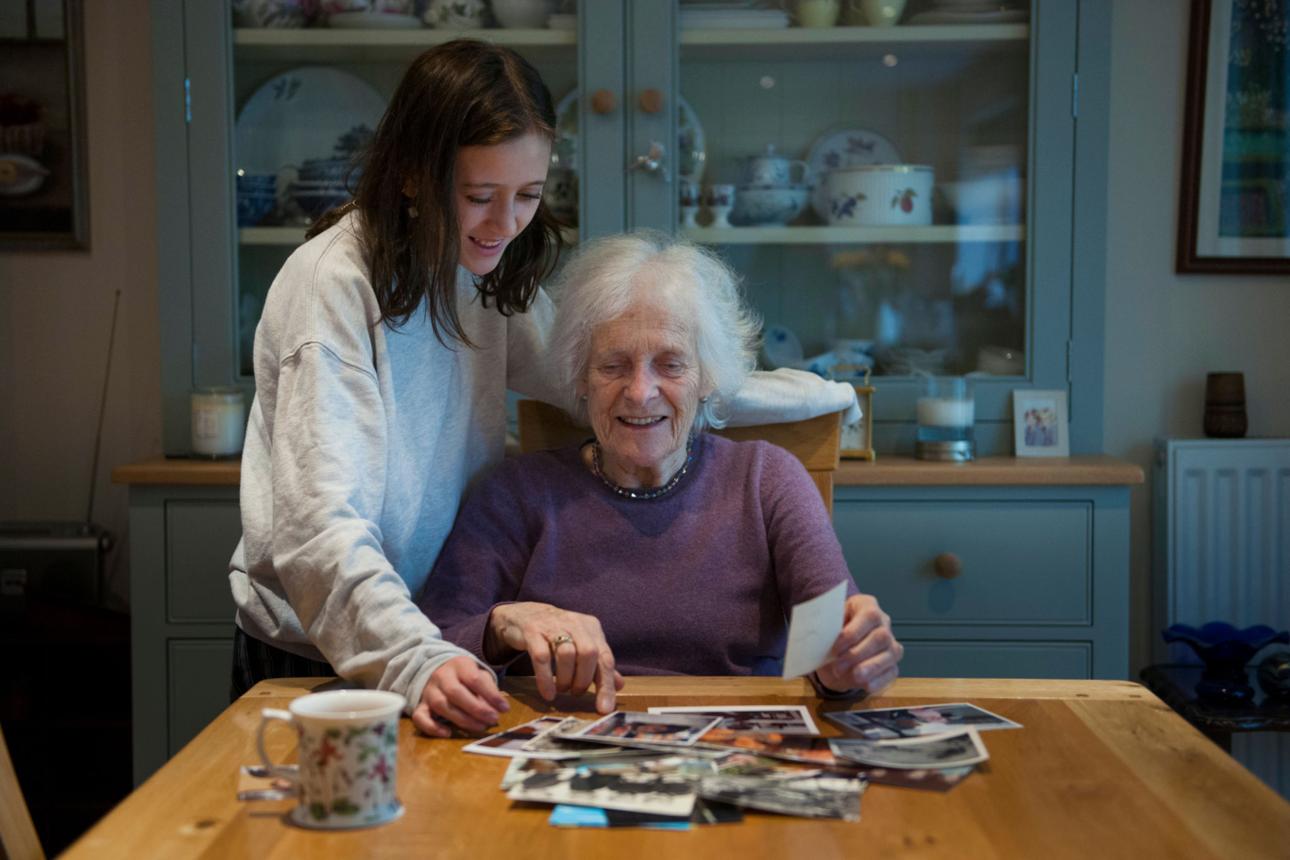
The First Holiday Without Someone: Why It Feels So Different
The first holiday after losing someone we love can feel completely different from any celebration before it. The traditions remain, the decorations appear, and families gather together, but the absence of one important person changes everything. This article explores why holidays intensify grief, how memories are triggered through traditions and senses, and how families learn to honour loved ones while creating new ways to remember.

Discover why everyday sounds can become powerful reminders of the people we love. From familiar voices and favourite songs to simple household noises, sound has the ability to preserve memories, awaken emotions, and maintain a connection with those who are no longer physically present.
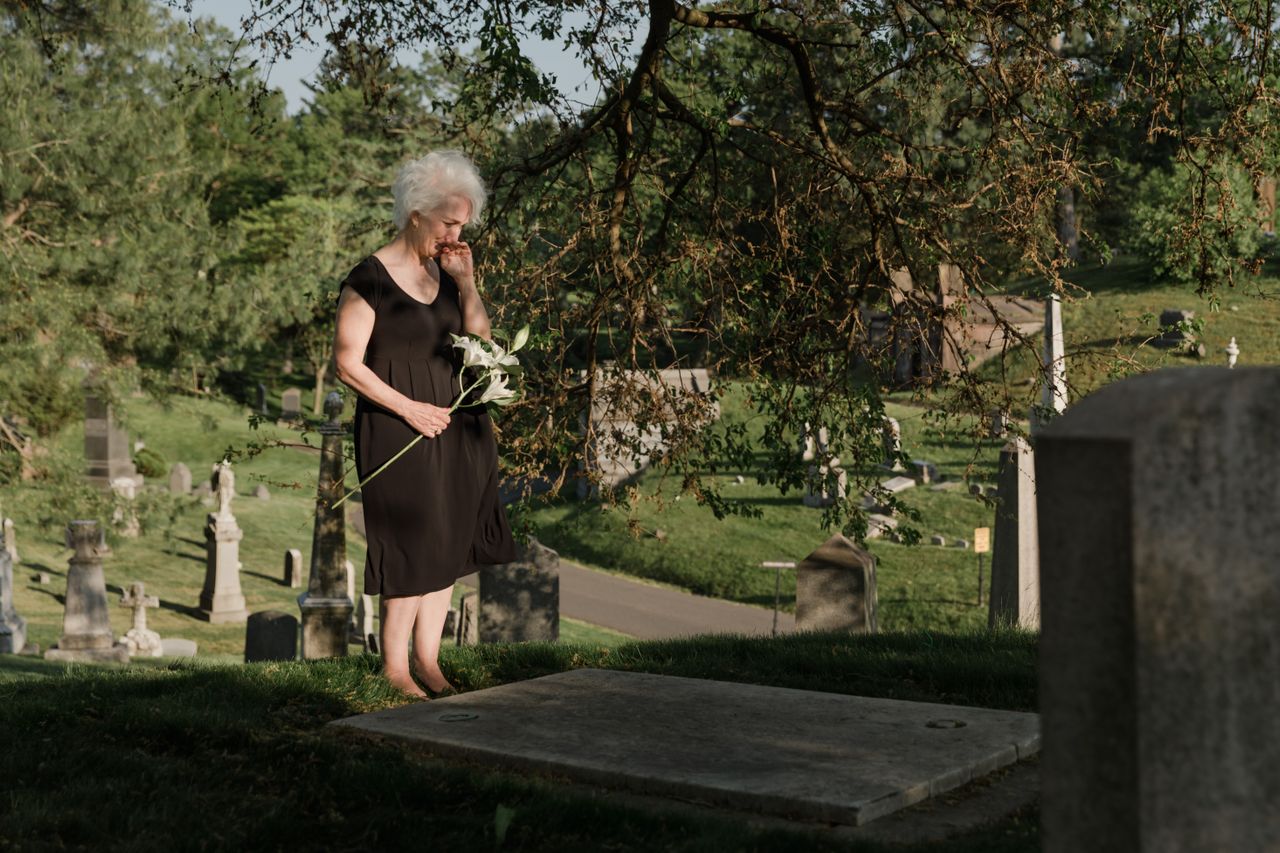
After losing someone we love, ordinary belongings can become some of the most meaningful reminders of their life. A favourite sweater, handwritten note, piece of jewellery, or family recipe can carry memories, emotions, and a sense of connection that goes far beyond the object itself. This article explores why we keep the things left behind, the psychology behind emotional attachment to personal belongings, and how these objects help us preserve love, identity, and family stories after loss.
Share:
Pet Cremation – How Much Does it Cost?
Multiple Urns for Sharing Ashes with Family