

Contacting the funeral home, shopping for cremation urns, organizing family gatherings – there’s a lot to do when a loved one dies. For most folks, it may be the first time they’re handling all these important decisions!
Having some guidance can make a big difference and help relieve stress during the process. This article provides step-by-step instructions on how to write an obituary so you have one less thing to worry about.
Before you get ahead of yourself, it’s important to recognize that an obituary is not the same thing as a eulogy. While a eulogy is typically a short speech presented in person at a funeral service or memorial gathering, an obituary is a written piece that may appear online or in a newspaper.
Because eulogies are presented in person, they are often very emotional speeches that capture the spirit of the deceased by recapping funny or motivational stories and private memories that illustrate their personality. Eulogies tend to focus on the individual relationship and bond that was formed between the deceased and the speaker, and they tend to have a much less formal tone than obituaries, as they highlight very personal memories.
The main purpose of an obituary is to let people know that the individual has died and inform readers of any funeral arrangements that may take place. An obituary is intended to share information with people who may not be aware that the individual was ill or may not have been in contact with the family recently – like old friends, coworkers, or neighbors. For this reason, it’s important to share a variety of informative details from the deceased person’s life so that people who may have known the individual years ago will recall them and become aware of the recent news.

Writing an obituary can be tricky because it needs to be specific in certain details – but not too specific in other details of the person’s life. Here’s a blueprint for writing a classic obituary.
Step 1 – Death Announcement. Include the person’s full name, place/date of birth, place/date of death, and age at the time of death. No need to include the cause of death unless you’d like to.
Step 2 – Service Info. Include the type of service that will be held (church service, visitation, celebration of life), time and place, funeral parlor, and whether it is open to the public to attend. This helps people know what to wear and the type of behavior expected. For example, a casual celebration of life held at a public park is likely to be a very different than a funeral held in a traditional place of worship.

Step 3 – Brief Biography. List a few of the person’s greatest achievements or unique experiences in their life. This may include special hobbies, contributions to the community, or educational/career milestones they were proud of.
Step 4 – Family & Close Friends. An obituary usually lists the immediate family members and very close friends that are still living, as well as close family members who have passed.
Step 5 – Personal Touch. Some families choose to close an obituary with a popular saying, short poem, or qualifying detail that represents the deceased’s personality. Another option is to request donations to go towards a particular cause that the deceased was fond of, in lieu of flowers.

Every obituary is slightly different, and you’ll likely have some wiggle room to make it unique. Some platforms may allow you to include a photograph of the deceased to be pictured alongside the obituary. But keep in mind that printed papers often charge by the word or have a word limit, so brevity is key.
Once you have the obituary written, you can then focus on the other details that are important – like arranging the service, finding the right cremation urn, and gathering friends and family.
------------------
Our Affiliate Program is now available. at https://www.pulvisurns.com/pages/affiliate-program-by-pulvis-art-urns
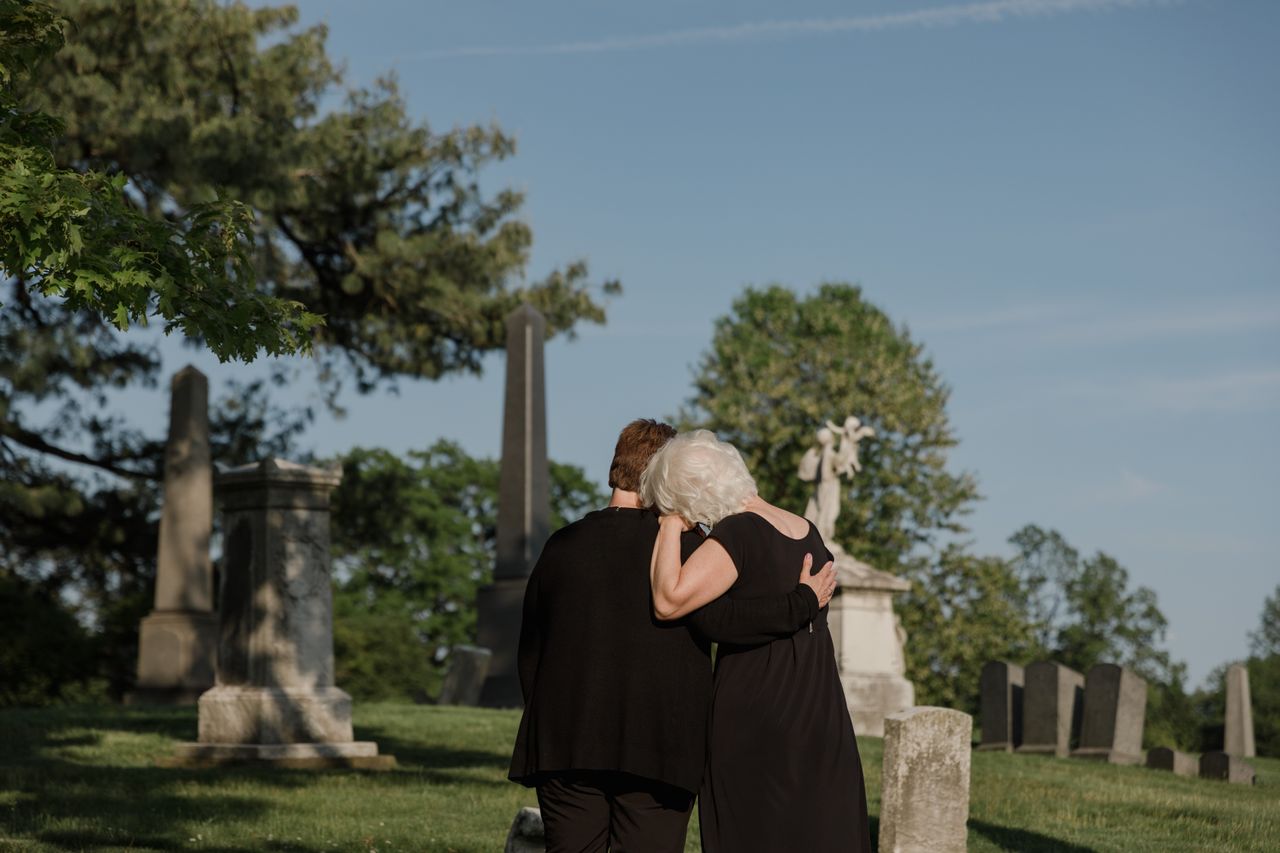
Ways to Honour a Loved One Without Visiting a Cemetery
Honouring a loved one doesn't have to be limited to visiting a cemetery. Discover meaningful and heartfelt ways to celebrate their life through personal traditions, living memorials, keepsakes, charitable acts and beautiful remembrance ideas that keep their memory alive every day.

The Emotional Weight of “Lasts”: The Last Conversation, Last Hug, Last Goodbye
The last conversation, last hug, and last goodbye are some of the most emotionally powerful experiences a person can carry. These final moments transform ordinary interactions into lifelong memories, revealing the depth of love, connection, grief, and human attachment. This article explores why we remember final moments so vividly, how they shape the way we process loss, and why appreciating everyday connections matters before they become memories.
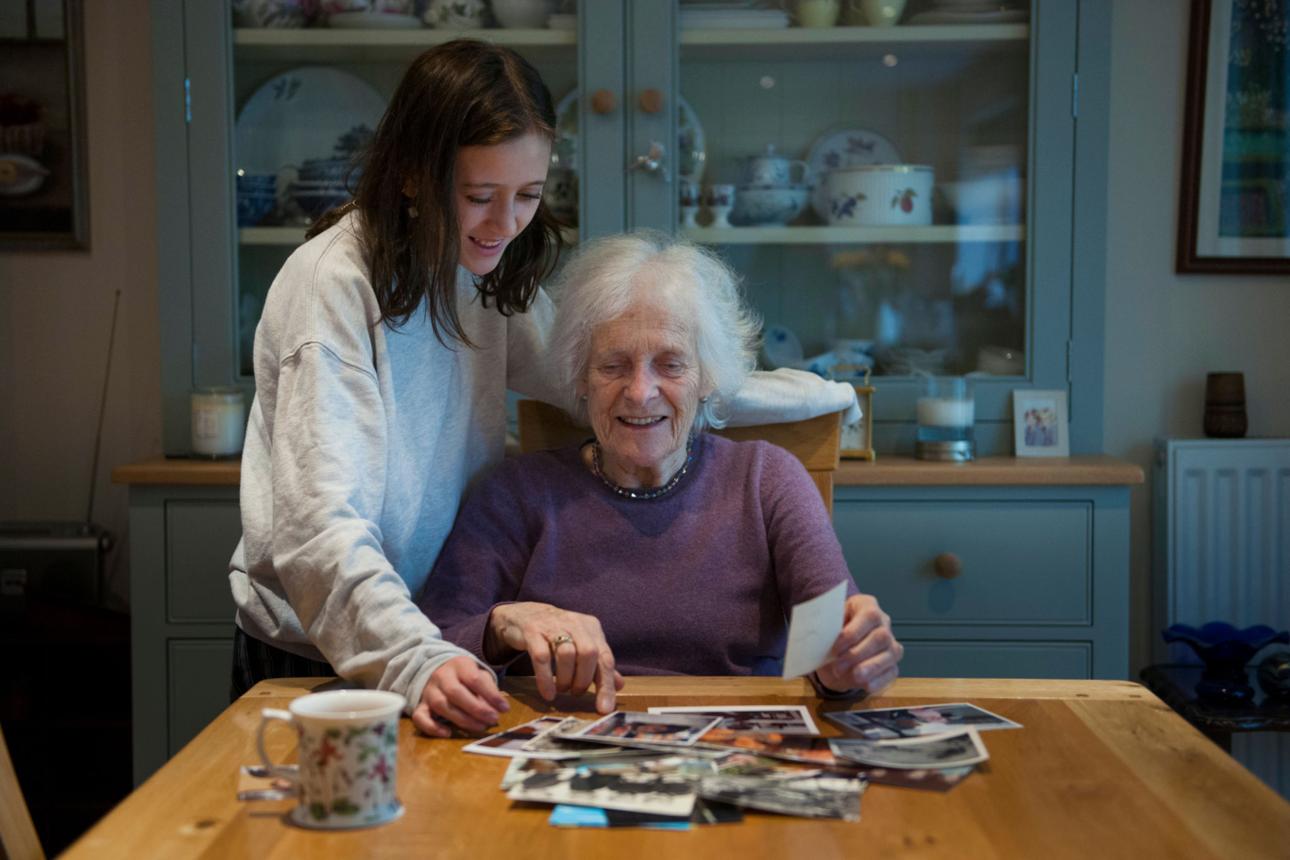
The First Holiday Without Someone: Why It Feels So Different
The first holiday after losing someone we love can feel completely different from any celebration before it. The traditions remain, the decorations appear, and families gather together, but the absence of one important person changes everything. This article explores why holidays intensify grief, how memories are triggered through traditions and senses, and how families learn to honour loved ones while creating new ways to remember.

Discover why everyday sounds can become powerful reminders of the people we love. From familiar voices and favourite songs to simple household noises, sound has the ability to preserve memories, awaken emotions, and maintain a connection with those who are no longer physically present.
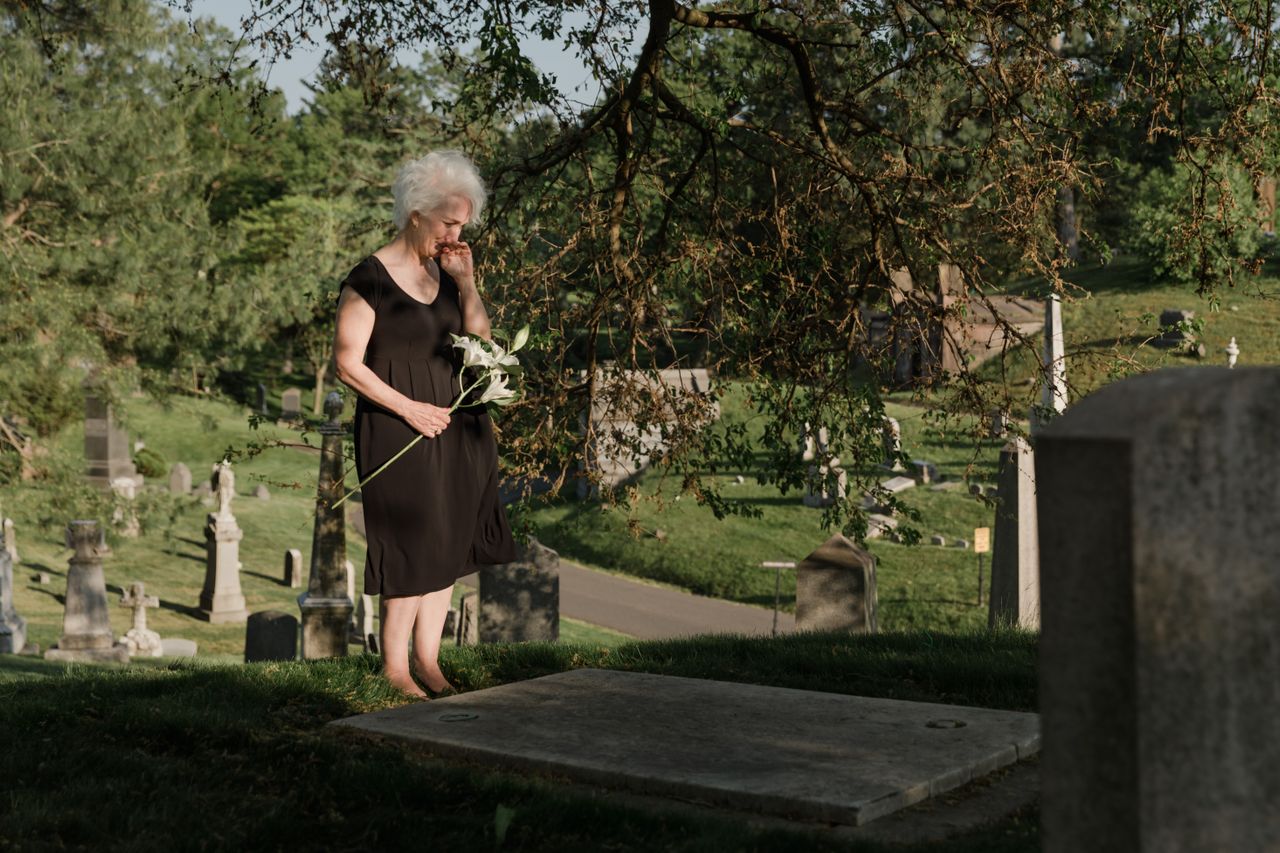
After losing someone we love, ordinary belongings can become some of the most meaningful reminders of their life. A favourite sweater, handwritten note, piece of jewellery, or family recipe can carry memories, emotions, and a sense of connection that goes far beyond the object itself. This article explores why we keep the things left behind, the psychology behind emotional attachment to personal belongings, and how these objects help us preserve love, identity, and family stories after loss.





Share:
5 Ways to Take Care of Yourself While Grieving
Cremation Urns: Traditional vs. Contemporary Styles