

The grieving process is different for everyone. For most, the loss of a loved one can feel like the whole world has been thrown off its axis – routines change, it’s hard to focus, and overwhelming sadness sets in. While there are many resources for working through grief, one aspect that often gets lost in the shuffle is self-care.
Follow these 5 tips for maintaining self-care during the grieving process – you just might find that caring for yourself can actually help you find peace and adapt to the new normal.

It’s normal to indulge in extra sweets or comfort foods when grieving. On the other hand, some people experience a total loss of appetite. Whether you find yourself with cravings or not, it’s best to maintain a healthy meal plan (breakfast, lunch, dinner) while grieving to ensure your body is getting sufficient nutrients.
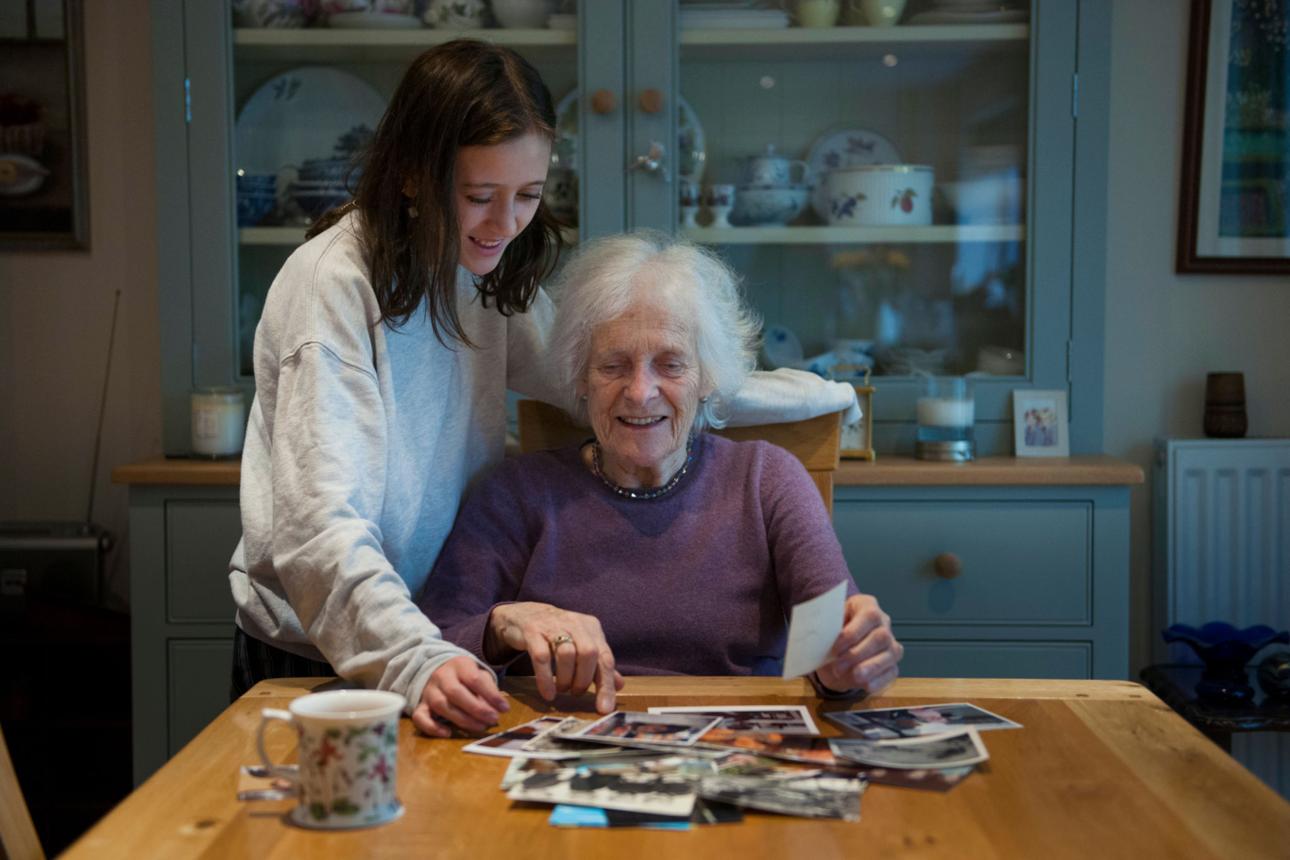
There’s nothing wrong with staying indoors to meditate, look over old photos, sleep, or reflect. But studies show that too much time isolated indoors – like going several weeks without leaving home – can actually halt the grieving process and cause individuals to get stuck in a depressive state. Even a brief walk outdoors can release endorphins, regulate circadian rhythms, and even help you sleep better.
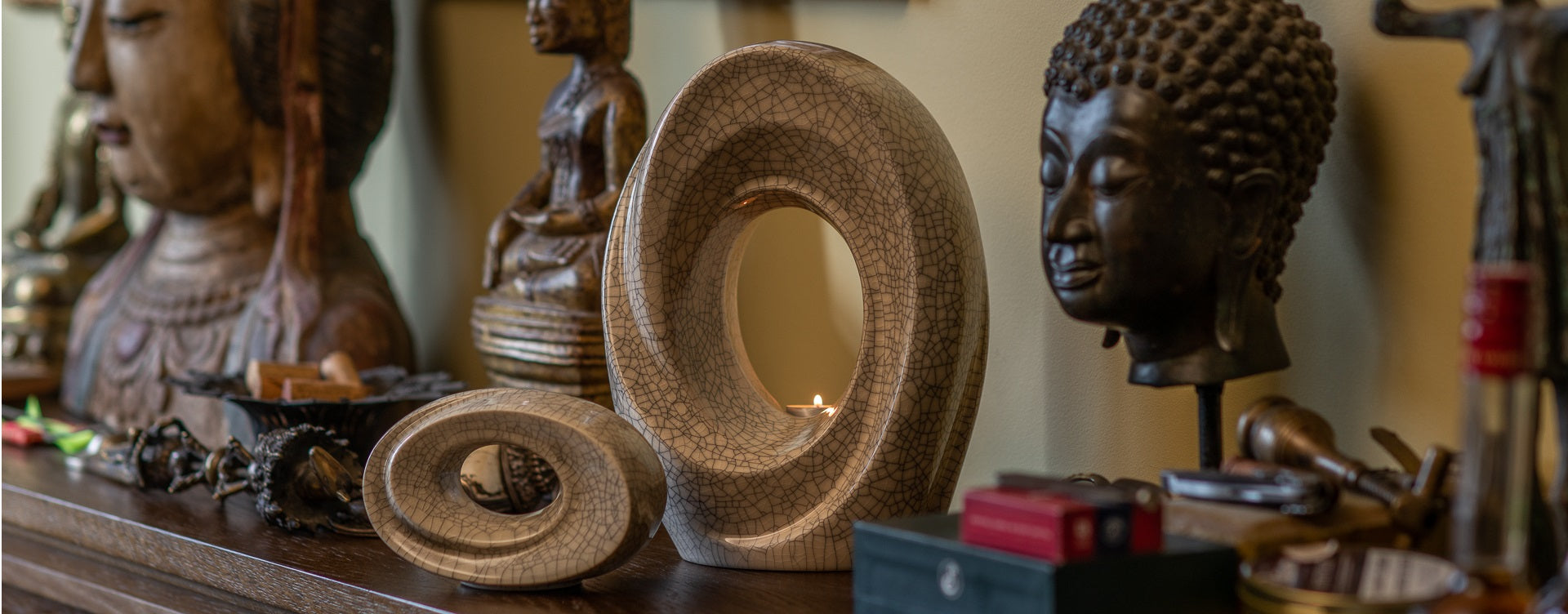
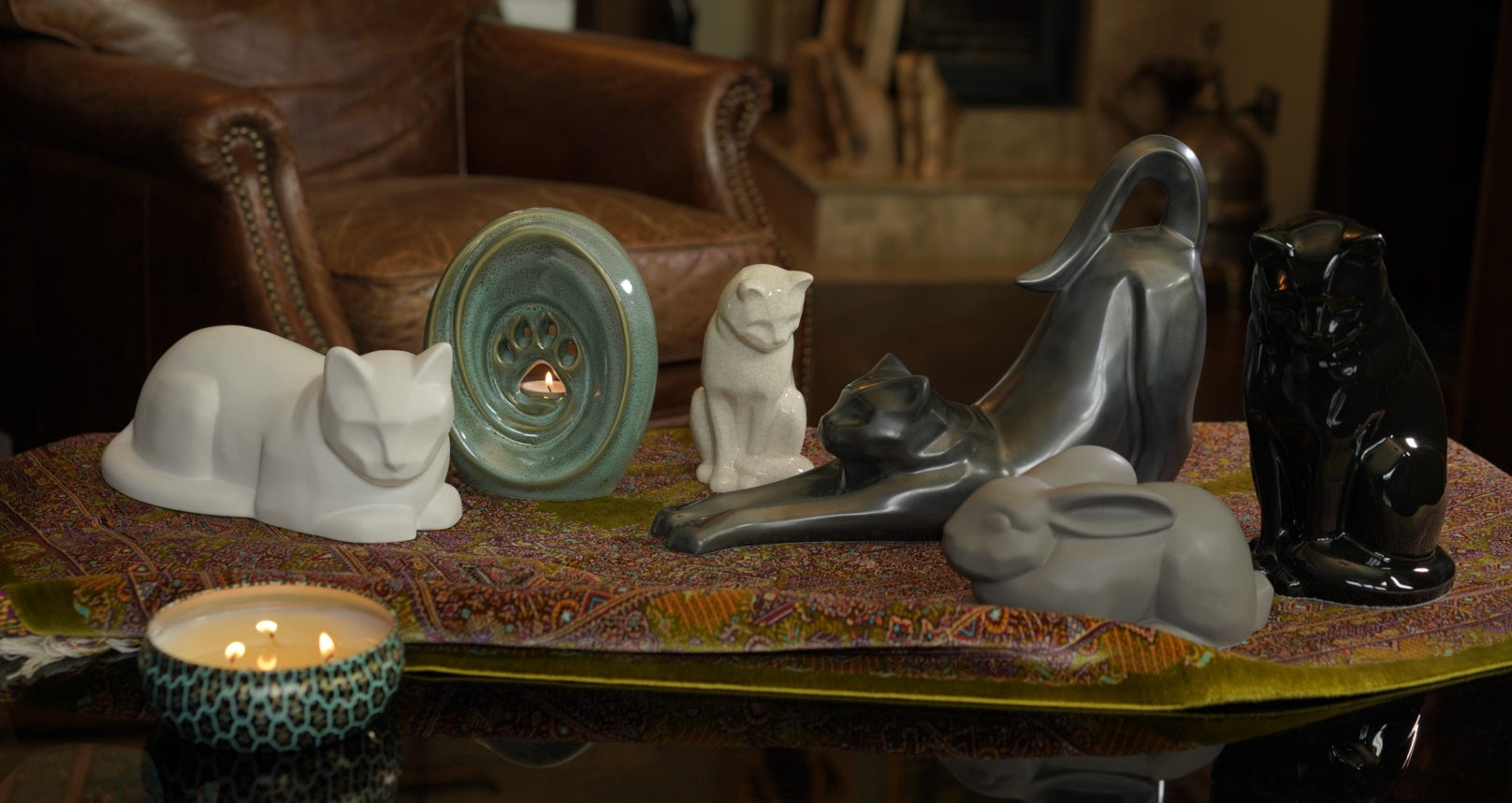
One way to help with grief and practice self-care is to reflect on your unique relationship with your late loved one and create a customized memorial that expresses their personality. Selecting cremation urns for ashes that are personalized with artistic designs can provide the creative outlet needed to help with grief. Artisan urns and handcrafted urns are a great option for finding a unique, one-of-a-kind keepsake for ashes which you can then turn into a special memorial for your home.

While grief can trigger introspection, it’s good to stay connected with other people. Social interaction is vital in the healing process, and it can be uplifting to know that you’re not the only one who has experienced this type of loss and trauma. Whether you discuss your grief or simply want to chat about other things – staying in touch with friends, family and neighbors can be essential to self-care.
It’s common for others to offer help during difficult times, but they may not know how to help appropriately. Let your support system know what you need – and what you don’t need! For example, if someone offers to bring groceries but you aren’t feeling up for a long visit, let them know that you only have 10 or 15 minutes to chat when they come by. Setting boundaries – and accepting help – can both strengthen your resolve and your relationships.

The grieving process may take longer for some, and that’s okay! Whether you’re in the process of picking out cremation urns for ashes, arranging a funeral, or learning to tackle the day-to-day without your loved one, be sure to practice self-care throughout in order to maintain your physical and mental wellbeing.
------------------
Our Affiliate Program is now available. at https://www.pulvisurns.com/pages/affiliate-program-by-pulvis-art-urns

Ways to Honour a Loved One Without Visiting a Cemetery
Honouring a loved one doesn't have to be limited to visiting a cemetery. Discover meaningful and heartfelt ways to celebrate their life through personal traditions, living memorials, keepsakes, charitable acts and beautiful remembrance ideas that keep their memory alive every day.

The Emotional Weight of “Lasts”: The Last Conversation, Last Hug, Last Goodbye
The last conversation, last hug, and last goodbye are some of the most emotionally powerful experiences a person can carry. These final moments transform ordinary interactions into lifelong memories, revealing the depth of love, connection, grief, and human attachment. This article explores why we remember final moments so vividly, how they shape the way we process loss, and why appreciating everyday connections matters before they become memories.
The First Holiday Without Someone: Why It Feels So Different
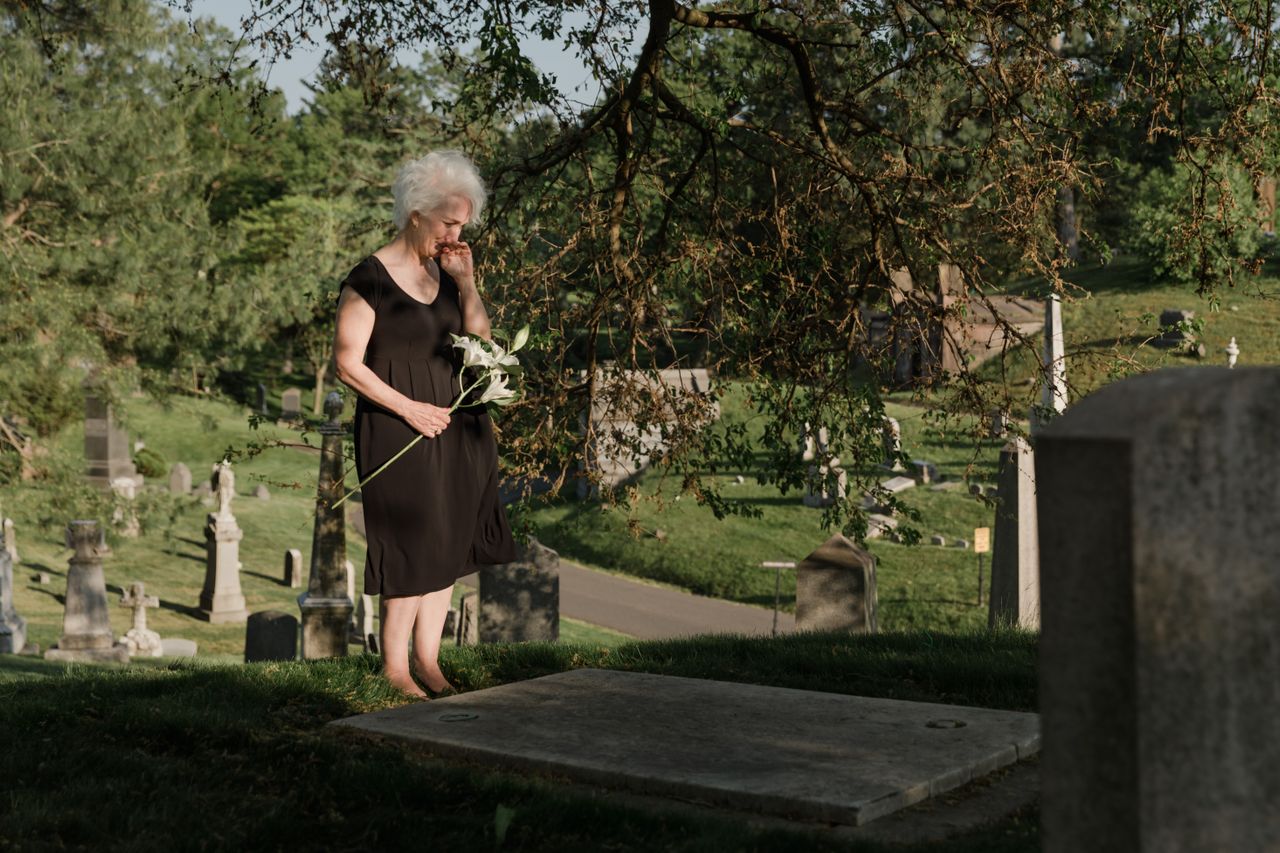
The first holiday after losing someone we love can feel completely different from any celebration before it. The traditions remain, the decorations appear, and families gather together, but the absence of one important person changes everything. This article explores why holidays intensify grief, how memories are triggered through traditions and senses, and how families learn to honour loved ones while creating new ways to remember.

Discover why everyday sounds can become powerful reminders of the people we love. From familiar voices and favourite songs to simple household noises, sound has the ability to preserve memories, awaken emotions, and maintain a connection with those who are no longer physically present.
After losing someone we love, ordinary belongings can become some of the most meaningful reminders of their life. A favourite sweater, handwritten note, piece of jewellery, or family recipe can carry memories, emotions, and a sense of connection that goes far beyond the object itself. This article explores why we keep the things left behind, the psychology behind emotional attachment to personal belongings, and how these objects help us preserve love, identity, and family stories after loss.



Share:
Talking With Children about Death - 6 Tips That Can Help
How to Write an Obituary