

Death is a tough topic to bring up for many people, regardless of age. But for children, it’s usually the first time they’re experiencing the loss of a loved one – which makes the whole experience that much more important to discuss and process with a trusted adult.
There’s no one-size-fits-all approach to talking about death with a child, as every family has different ways of dealing with this topic and kids may be at a different stage of maturity than their peers. With that said, the worst thing you can do is to avoid the topic altogether.
This guide provides a good stepping stone towards having an honest conversation about death with young children and adolescents, providing 5 helpful tips to keep in mind.

Kids are great at picking up on emotions. If you’re feeling anxious, angry, or sad – there’s a good chance that a child who’s close with you will notice. However, children aren’t always great about determining why adults feel the way they do. In fact, many kids will often blame themselves when a parent is upset, assuming they did something wrong.
When you’re going through the grieving process, it’s important to let your kids know how you’re feeling and why. By sharing your own emotions, you set an example that it’s okay to feel upset when a loved one dies. This can help the child recognize their own feelings about death and loss.
Encourage children to express their emotions and thoughts about death. Let them know that it's normal to feel sad, confused, or scared. Validate their feelings and reassure them that you are there to support them.

Adults tend to assume that kids can’t handle the truth about death, which leads them to using soft language. This type of language tends to be abstract, which doesn’t help the child understand the consequences and finality of death. For young children, avoid language like, “She passed,” or “We lost her.” Using the word ‘death’ early and appropriately helps kids understand the concept better.
Telling children how someone died – sickness, infection, old age, etc. – can actually alleviate the fear of death, as they realize that people don’t just die without cause. With that said, keep the details simple, clear, and age appropriate. Provide information that is appropriate for the child's age and level of understanding. Use simple and clear language that they can comprehend.
Children may have misconceptions about death, such as thinking it's temporary or reversible. Correct any misunderstandings gently and with sensitivity.
Kids love to ask questions. If they ask a question about death or dying that you don’t have the answer for, let them know rather than making up an answer. This honesty can build trust and help children understand that death is a complex topic for everyone, regardless of age.
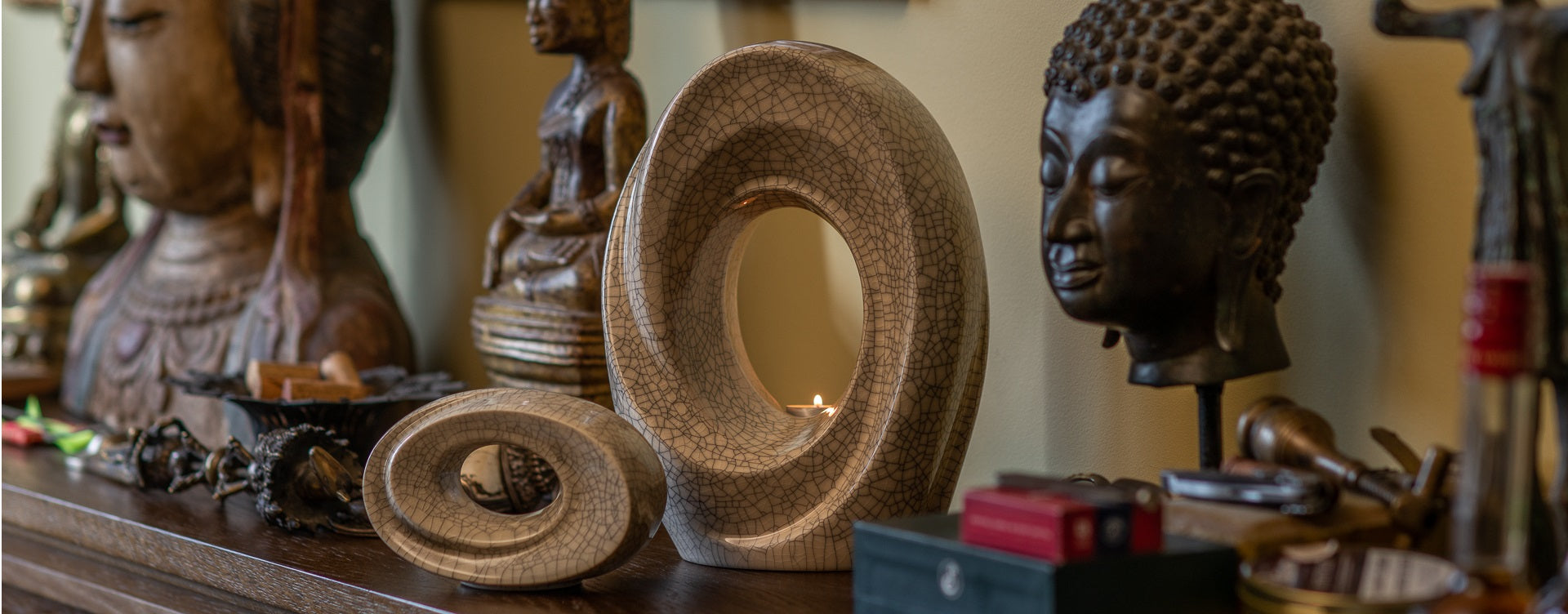
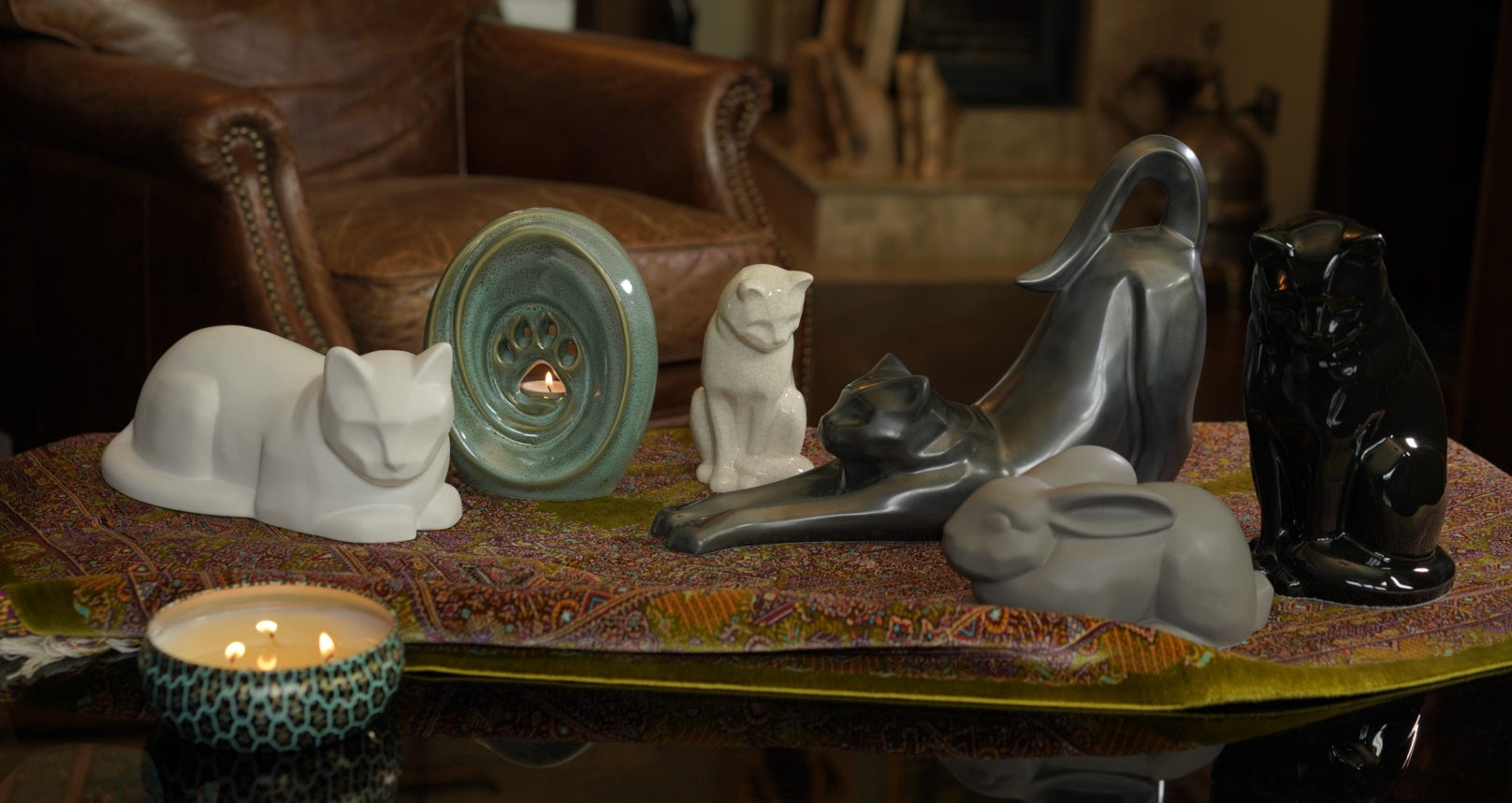
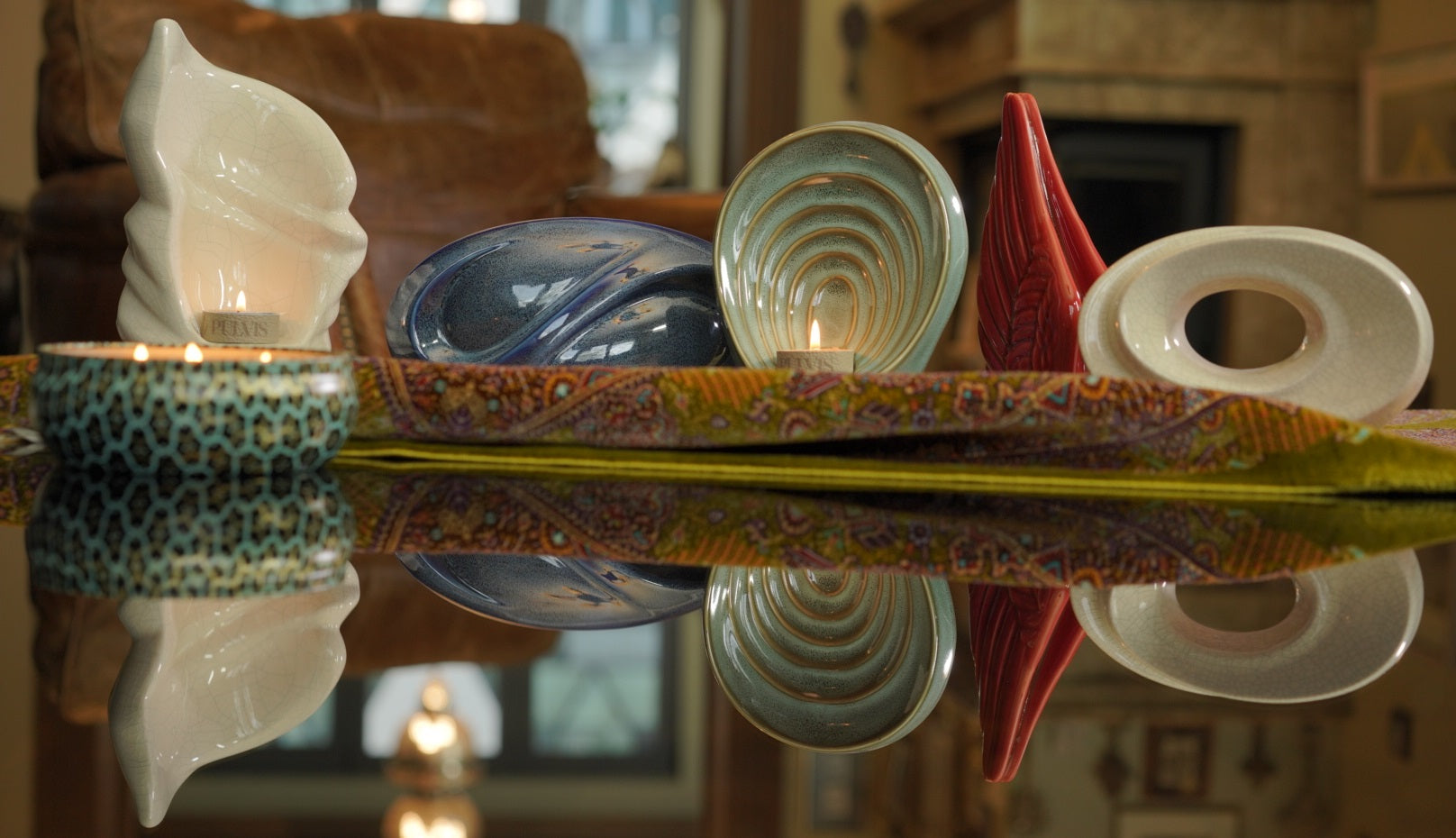
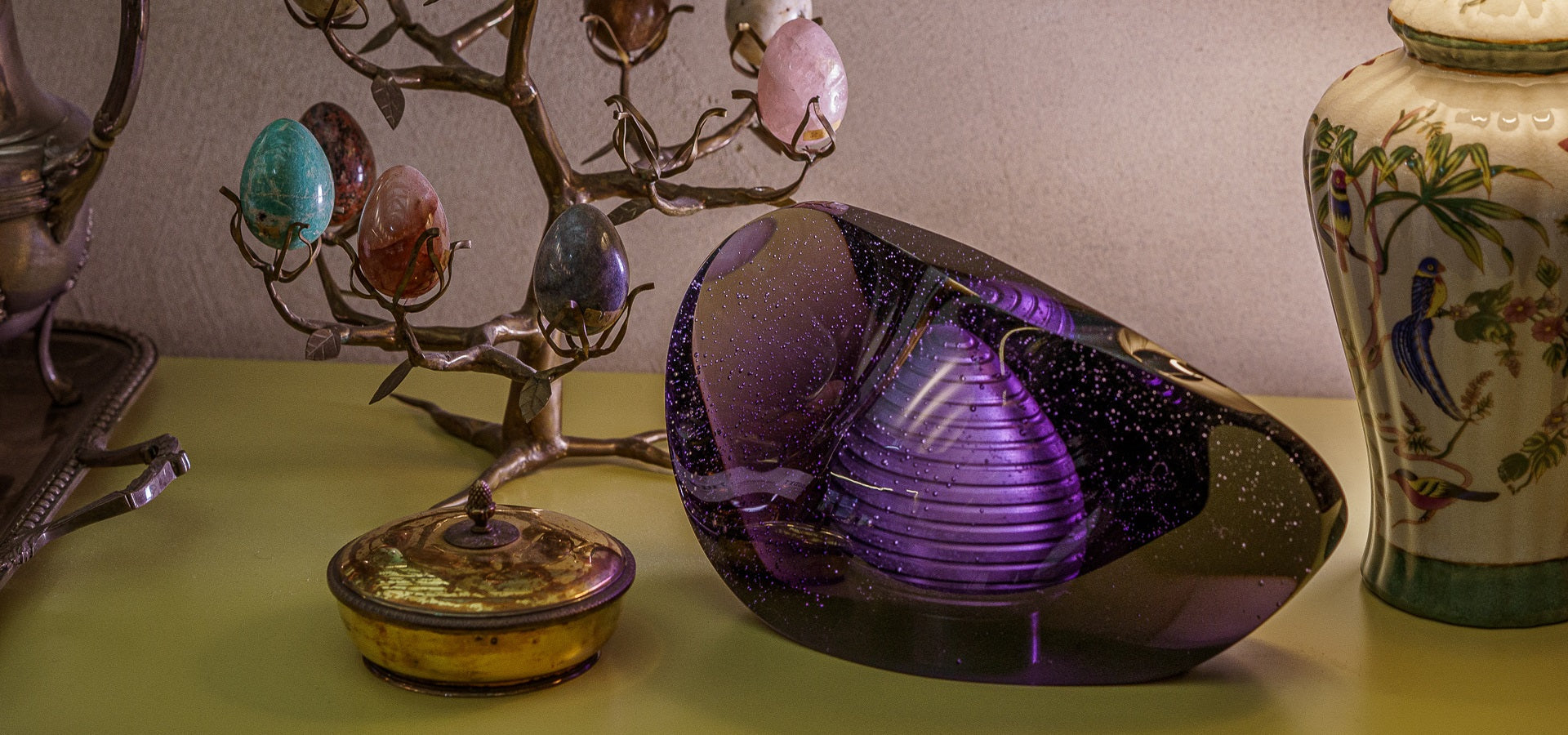
Including kids in funeral preparations and family gatherings can help them see the extent of the grieving process – as well as the support network they belong to. Try and include them in the process whenever possible, whether it’s allowing them to attend the funeral, letting them pick the colour of the cremation urn, or showing them the obituary in the newspaper. The more they feel included, the better they will be able to grasp the implications of death in a natural, organic way.

If a child is struggling significantly with grief or displaying concerning behavior, consider seeking professional help from a counselor or therapist who specializes in grief counseling for children.
These are basic guidelines to introduce the topic of death to a child. With that said, parents usually know their children best, so be sure to tailor these tips and adapt them as needed to help your family during the grieving process.
Remember, each child is unique, and their understanding and reactions to death may vary. Be patient, provide ongoing support, and be available for open and honest conversations as they navigate their feelings and questions.
Join us in helping families honor the memory of their loved ones and pets through art!
Our Affiliate Program is now available at https://www.pulvisurns.com/pages/affiliate-program-by-pulvis-art-urns
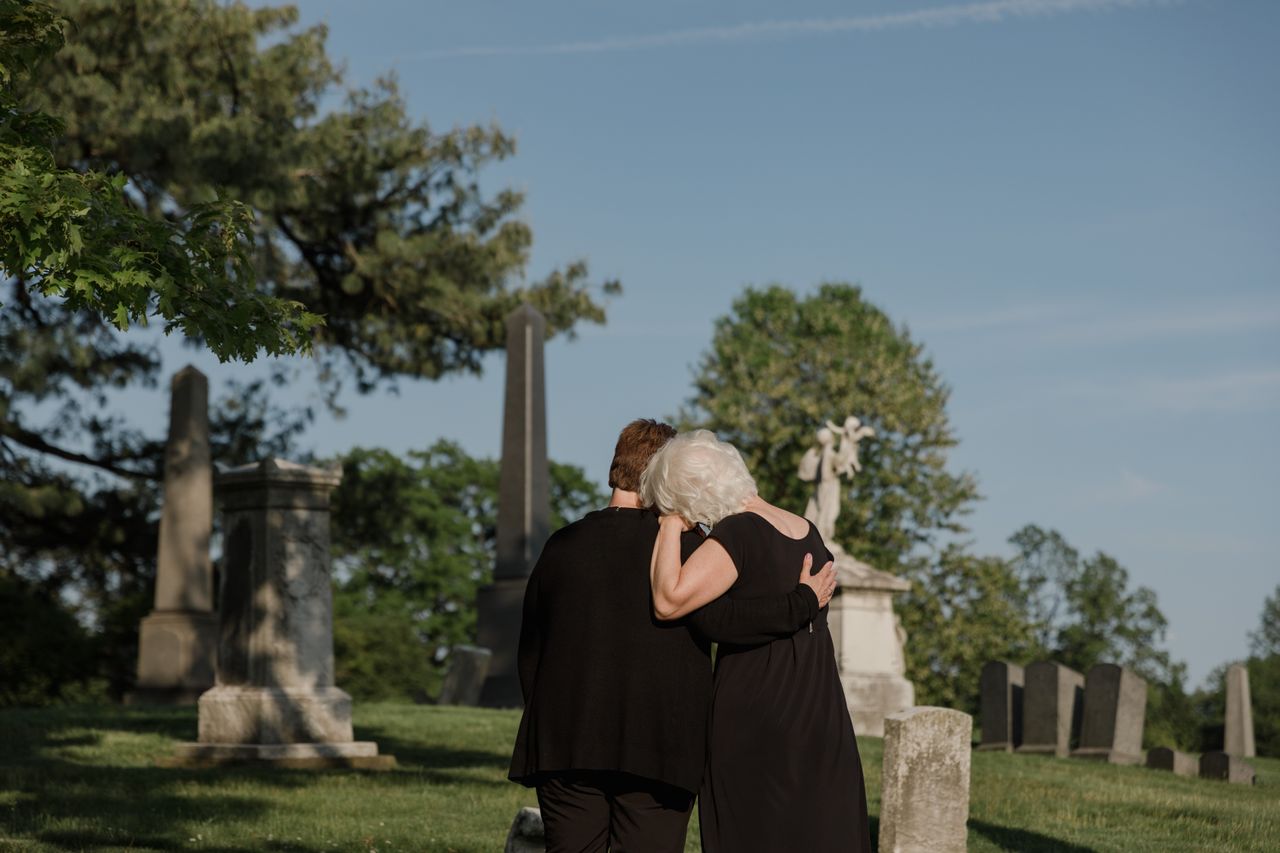
Ways to Honour a Loved One Without Visiting a Cemetery
Honouring a loved one doesn't have to be limited to visiting a cemetery. Discover meaningful and heartfelt ways to celebrate their life through personal traditions, living memorials, keepsakes, charitable acts and beautiful remembrance ideas that keep their memory alive every day.
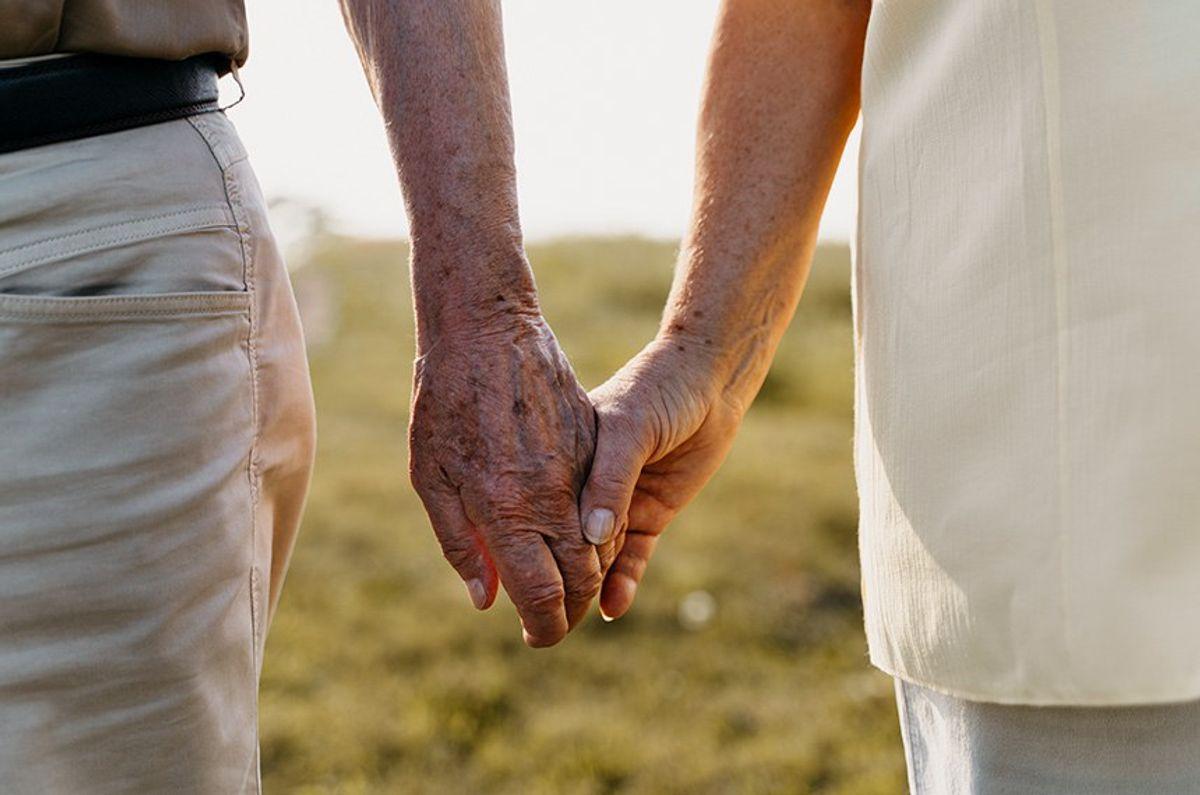
The Emotional Weight of “Lasts”: The Last Conversation, Last Hug, Last Goodbye
The last conversation, last hug, and last goodbye are some of the most emotionally powerful experiences a person can carry. These final moments transform ordinary interactions into lifelong memories, revealing the depth of love, connection, grief, and human attachment. This article explores why we remember final moments so vividly, how they shape the way we process loss, and why appreciating everyday connections matters before they become memories.
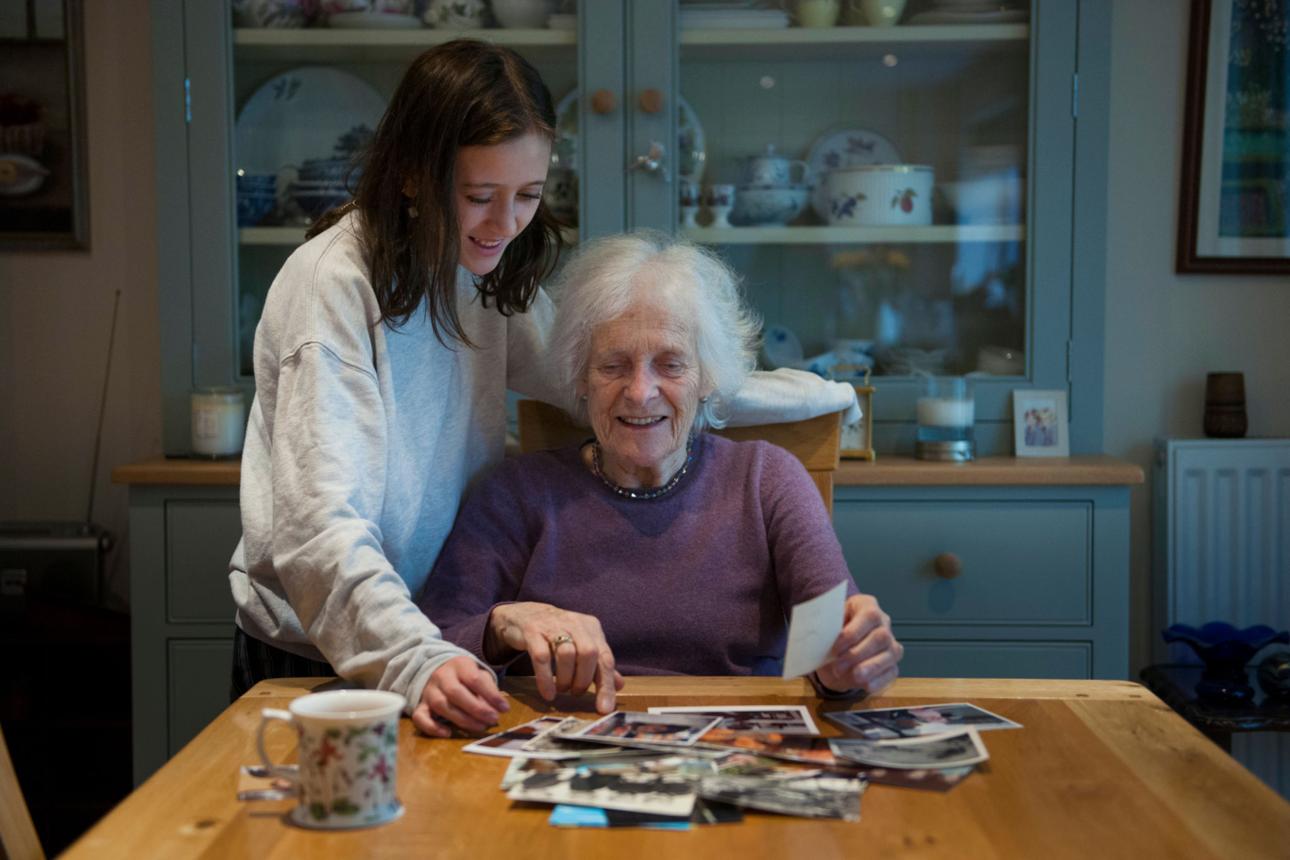
The First Holiday Without Someone: Why It Feels So Different
The first holiday after losing someone we love can feel completely different from any celebration before it. The traditions remain, the decorations appear, and families gather together, but the absence of one important person changes everything. This article explores why holidays intensify grief, how memories are triggered through traditions and senses, and how families learn to honour loved ones while creating new ways to remember.

Discover why everyday sounds can become powerful reminders of the people we love. From familiar voices and favourite songs to simple household noises, sound has the ability to preserve memories, awaken emotions, and maintain a connection with those who are no longer physically present.
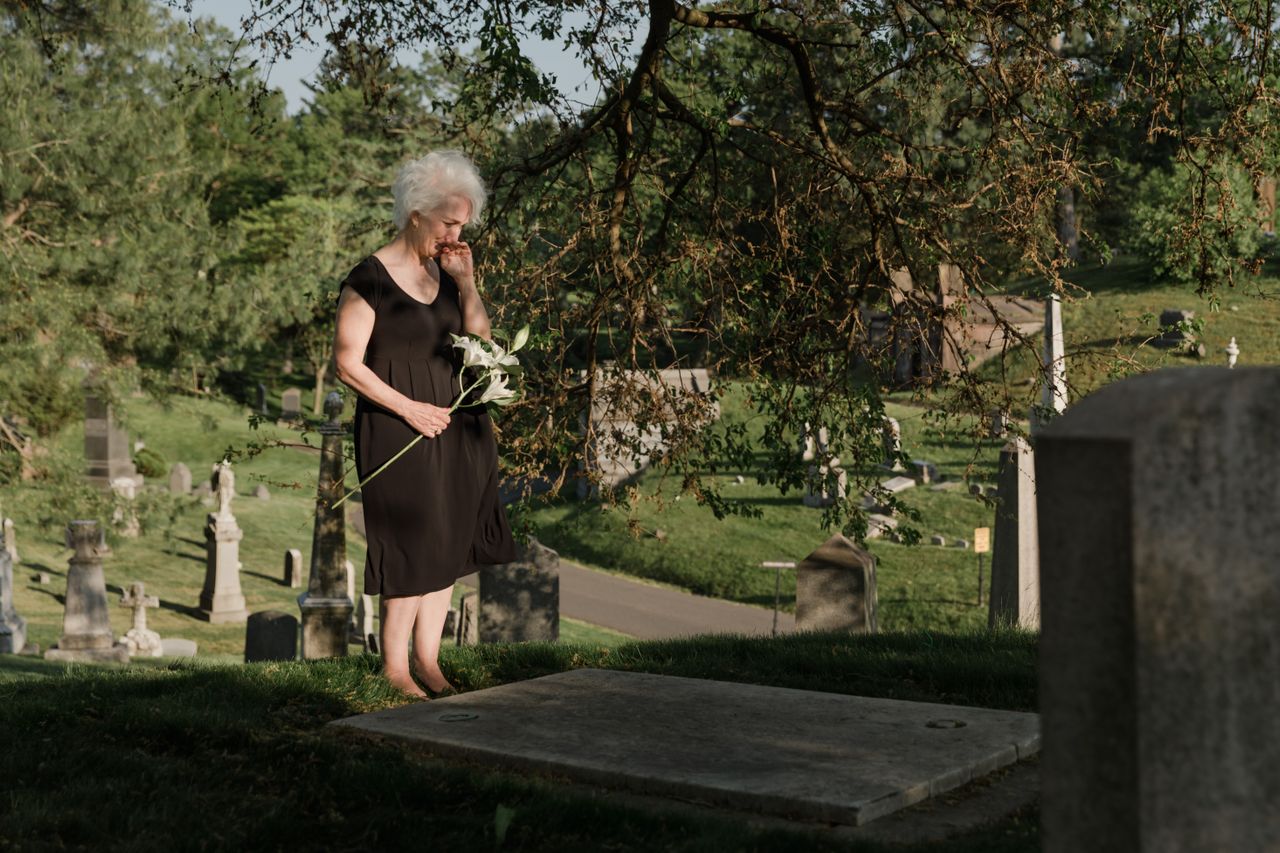
After losing someone we love, ordinary belongings can become some of the most meaningful reminders of their life. A favourite sweater, handwritten note, piece of jewellery, or family recipe can carry memories, emotions, and a sense of connection that goes far beyond the object itself. This article explores why we keep the things left behind, the psychology behind emotional attachment to personal belongings, and how these objects help us preserve love, identity, and family stories after loss.
Share:
Is It Time to Upgrade Your Loved One's Cremation Urn?
5 Ways to Take Care of Yourself While Grieving