

Grief is one of the most profound human experiences, but it is also one of the most fascinating processes happening inside the brain. When we lose someone we love, the relationship does not simply disappear. Although a person may no longer be physically present, the memories, emotions, habits and experiences connected to them continue to exist within the complex networks of the human mind.
Sometimes, remembering happens intentionally. We look through old photographs, visit a meaningful place or tell stories about someone who has passed away. Other times, memory appears without warning. A familiar song plays on the radio. The smell of a favourite meal fills the room. We notice an object that belonged to someone special. Suddenly, a person who is no longer physically with us feels incredibly close again.
For a moment, the past and present seem to meet.
These experiences are not simply emotional reactions. They are the result of extraordinary processes taking place inside the brain. Modern neuroscience has shown that memories are not stored like photographs in a mental archive. Instead, they are constantly reconstructed through networks of neurons, emotions and sensory information.
The people we love leave traces within our brains.
Not in a symbolic way.
In a biological way.
Every conversation, every shared experience, every moment of connection creates and strengthens neural pathways. Over years, relationships become part of the way our brains understand the world. This is why losing someone can feel like losing a part of our daily reality. The brain is not only processing emotional pain; it is also adapting to the absence of someone who had become deeply integrated into our lives.
Understanding what happens in the brain when we remember someone we've lost reveals something important: memory is not only about the past. It is also about the continuing influence of the people who shaped us.
To understand why memories of loved ones can feel so powerful, it is important to understand how memory itself works.
The human brain contains approximately 86 billion neurons that communicate through incredibly complex networks. Every thought, feeling and memory is created through patterns of activity between these cells.
When we experience something meaningful, the brain creates connections between different areas responsible for information, emotion and sensory experience.
The hippocampus plays a central role in forming and retrieving autobiographical memories—the memories that make up our personal history. It helps us remember events, places, conversations and moments from our lives.
However, memories are not created by the hippocampus alone.
The amygdala, a small structure located deep within the brain, helps determine the emotional importance of an experience. When something is connected with strong emotions such as love, happiness, fear or sadness, the amygdala helps strengthen the memory.
This explains why ordinary moments with someone we love can become unforgettable.
A simple afternoon together.
A familiar phrase they always used.
The sound of their laughter.
A tradition repeated every year.
At the time, these moments may have seemed ordinary. But because they carried emotional meaning, the brain marked them as important.
Years later, a small reminder can activate those networks again.
The brain does not ask whether the person is physically present.
It simply recognises a connection.

Many people who have experienced loss describe moments when memories feel almost like a physical presence.
They may briefly imagine hearing a loved one's voice.
They may instinctively turn around expecting to see them.
They may feel as though they are about to call them before remembering that they cannot.
These experiences are much more common than many people realise.
They occur because the brain is a prediction system.
Throughout our lives, the brain constantly predicts what will happen next based on previous experiences. It helps us navigate the world efficiently by creating expectations.
When someone has been part of our daily life for years, the brain becomes accustomed to their presence.
It expects their message.
It expects their footsteps.
It expects their voice.
It expects their place at the dinner table.
When that person dies, the emotional understanding of the loss may happen quickly, but the brain's predictive systems require more time to adjust.
The brain has spent years learning one reality.
Now it must gradually learn another.
This does not mean someone is refusing to accept the loss. It means the brain is adapting to a major change in the patterns it has built over time.
In many ways, grief is the process of teaching the brain a new reality while preserving the importance of the old one.
Among all the senses, smell has one of the strongest connections to memory.
A particular perfume.
The smell of a garden.
Freshly baked food.
A familiar soap.
A place where someone used to spend time.
These scents can instantly transport us back to another moment.
The reason is neurological.
Unlike many other senses, the olfactory system has a direct relationship with brain regions involved in emotion and memory, especially the amygdala and hippocampus.
This creates a powerful link between smell and personal experiences.
A photograph may remind us of someone.
A voice recording may make us emotional.
But a scent can sometimes feel as though it brings the entire atmosphere of a memory back to life.
We do not only remember what happened.
We remember how the moment felt.
This is why sensory memories often become some of the most treasured parts of remembering someone who has passed away.
The brain does not preserve only information.
It preserves experiences.
One of the most extraordinary discoveries in neuroscience is that relationships physically influence the brain.
The people closest to us become part of our neurological patterns.
When we spend years with someone, the brain creates countless associations connected to that person. Their routines become familiar. Their reactions become predictable. Their presence becomes part of our understanding of everyday life.
This process is connected to neuroplasticity, the brain's ability to change and reorganise itself throughout life.
The brain is not fixed.
It adapts based on experiences.
Learning a new skill changes the brain.
Creating new habits changes the brain.
Building deep relationships changes the brain.
This means that meaningful relationships leave lasting biological traces.
A loved one does not only exist in our memories because we consciously think about them. Their influence becomes integrated into who we are.
The expressions we use.
The values we carry.
The traditions we continue.
The ways we treat others.
Many parts of ourselves are shaped by the people who have mattered most to us.
This is why losing someone can feel like losing a part of our identity. The brain is not only missing a person. It is adjusting to a change in the internal world that person helped create.

For many years, people believed that healing after loss meant eventually letting go.
Modern psychology offers a more nuanced understanding.
Healing does not require forgetting.
It does not require removing someone from your thoughts.
Instead, many researchers describe a concept known as continuing bonds.
Continuing bonds refers to the idea that people can maintain an ongoing emotional connection with someone who has died while still adapting to life without their physical presence.
This connection may appear through memories, traditions, conversations, values or meaningful objects.
A person may continue cooking a loved one's favourite recipe.
They may celebrate traditions that were important to them.
They may keep a special item that reminds them of their relationship.
These actions are not signs that someone is unable to move forward.
They are expressions of love and connection.
The relationship changes.
It does not disappear.
The desire to remember loved ones is not new.
It is one of the oldest human behaviours.
Across thousands of years, cultures around the world have created rituals, monuments and objects dedicated to remembrance.
Archaeological discoveries show that early humans treated their dead with care and created symbolic practices around burial and memory. This suggests that remembrance is not simply a cultural tradition—it is a deeply human instinct.
Humans have always searched for ways to answer one important question:
How do we continue a connection with someone who is no longer physically here?
Different cultures have found different answers.
Some built enormous monuments.
Some created family rituals.
Some preserved personal belongings.
Some created art.
The details changed, but the purpose remained the same: creating a meaningful bridge between memory and the present.
This desire continues today.
Modern memorial objects are part of this ancient human tradition of honouring, remembering and preserving the stories of those we love.

Throughout human history, people have surrounded themselves with objects that carry emotional meaning. A handwritten letter, a piece of jewellery, an old photograph, a favourite book or an item of clothing can become far more valuable than its physical form suggests.
The reason is not the object itself.
The meaning comes from the connection attached to it.
Psychologists often describe these items as transitional or continuing-bond objects because they help people maintain a sense of connection with someone important. They become physical reminders of a relationship that continues to exist emotionally.
A photograph does not contain the person.
A letter does not contain their voice.
A personal belonging does not contain their presence.
But these objects activate something powerful within the brain: memory.
When we interact with meaningful objects, the brain can reactivate the emotional and sensory networks connected to the person associated with them. Seeing a familiar object can bring back memories, feelings and stories that might otherwise remain quiet.
This is why people often say:
“Every time I see this, I think of them.”
The object has become a doorway.
It allows the mind to return to moments, emotions and experiences that shaped a person's life.
In a world where loss creates a sudden absence, meaningful objects provide something tangible. They create a physical point where memory can meet the present.
This is one of the reasons memorial objects have existed across almost every civilisation.
Humans do not only need to remember internally.
We also seek external symbols that help us express love, respect and connection.

Among all memorial objects, an urn holds a unique emotional significance.
Unlike many possessions that are chosen during everyday life, an urn is often selected during one of the most emotional moments a family experiences. It represents a final decision made out of love, respect and the desire to honour a unique individual.
An urn is not simply a container.
For many families, it becomes a symbol.
It represents a person's story.
Their personality.
Their values.
The relationship they shared with the people who loved them.
The choice of an urn often involves questions that go far beyond appearance:
What represents this person?
What reflects their character?
What feels worthy of their memory?
What would honour the life they lived?
These questions reveal something important about human nature. We do not only want to preserve what remains physically. We want to preserve meaning.
This is where art and craftsmanship become especially powerful.
A thoughtfully designed memorial piece can communicate emotions that words sometimes cannot express.
A shape can represent strength.
A colour can represent warmth.
A natural element can represent growth, continuity and the connection between life and nature.
A handcrafted detail can represent individuality.
This understanding is at the heart of artistic memorial design.
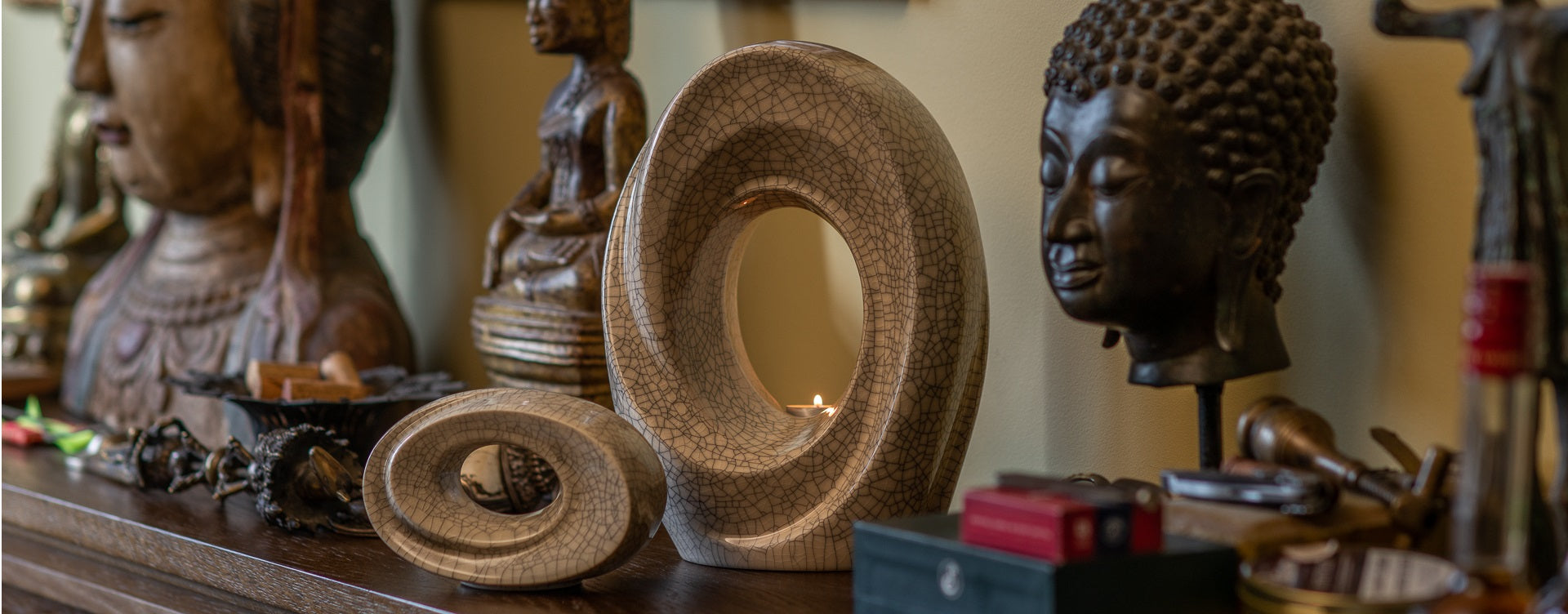
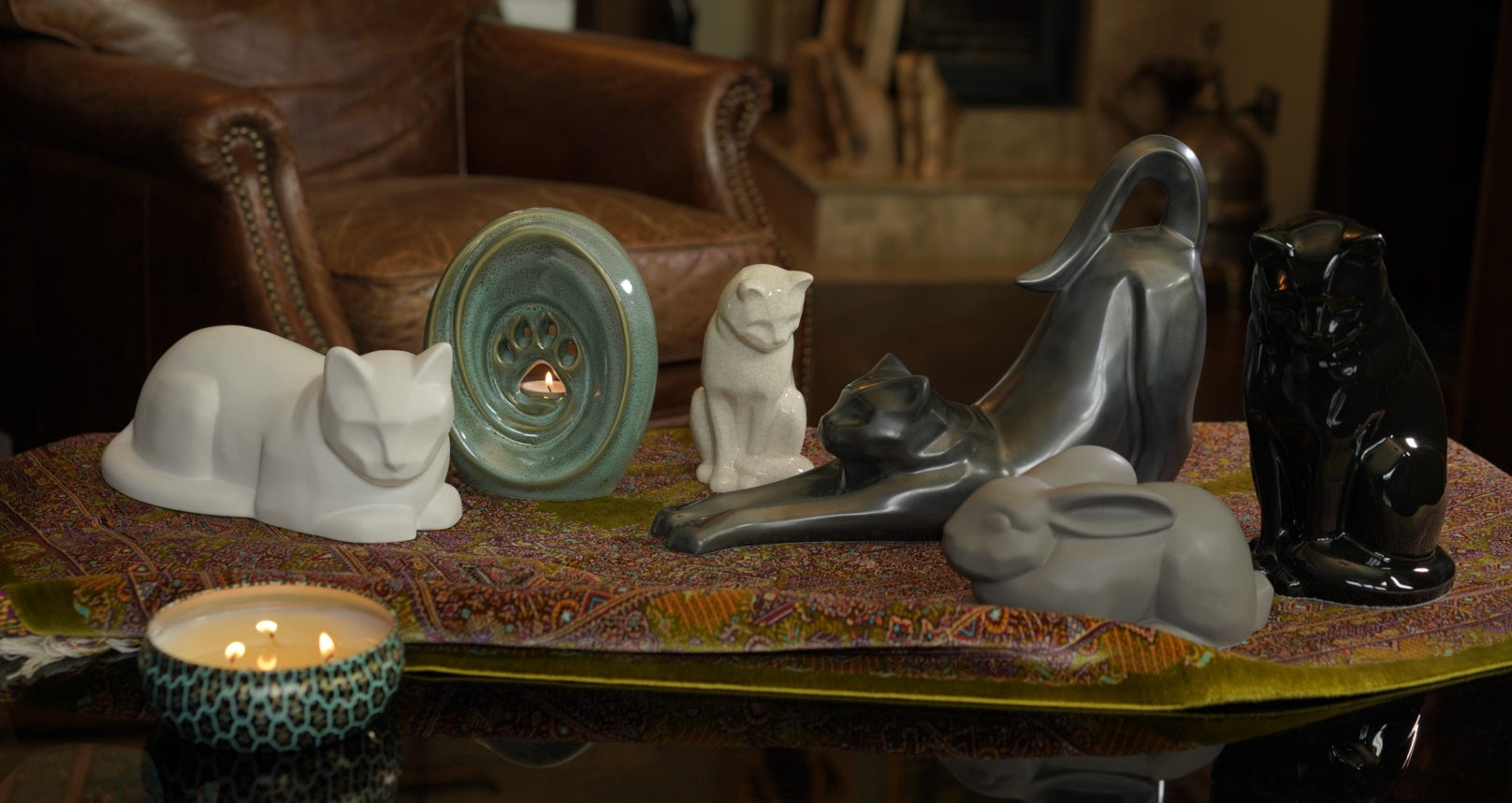
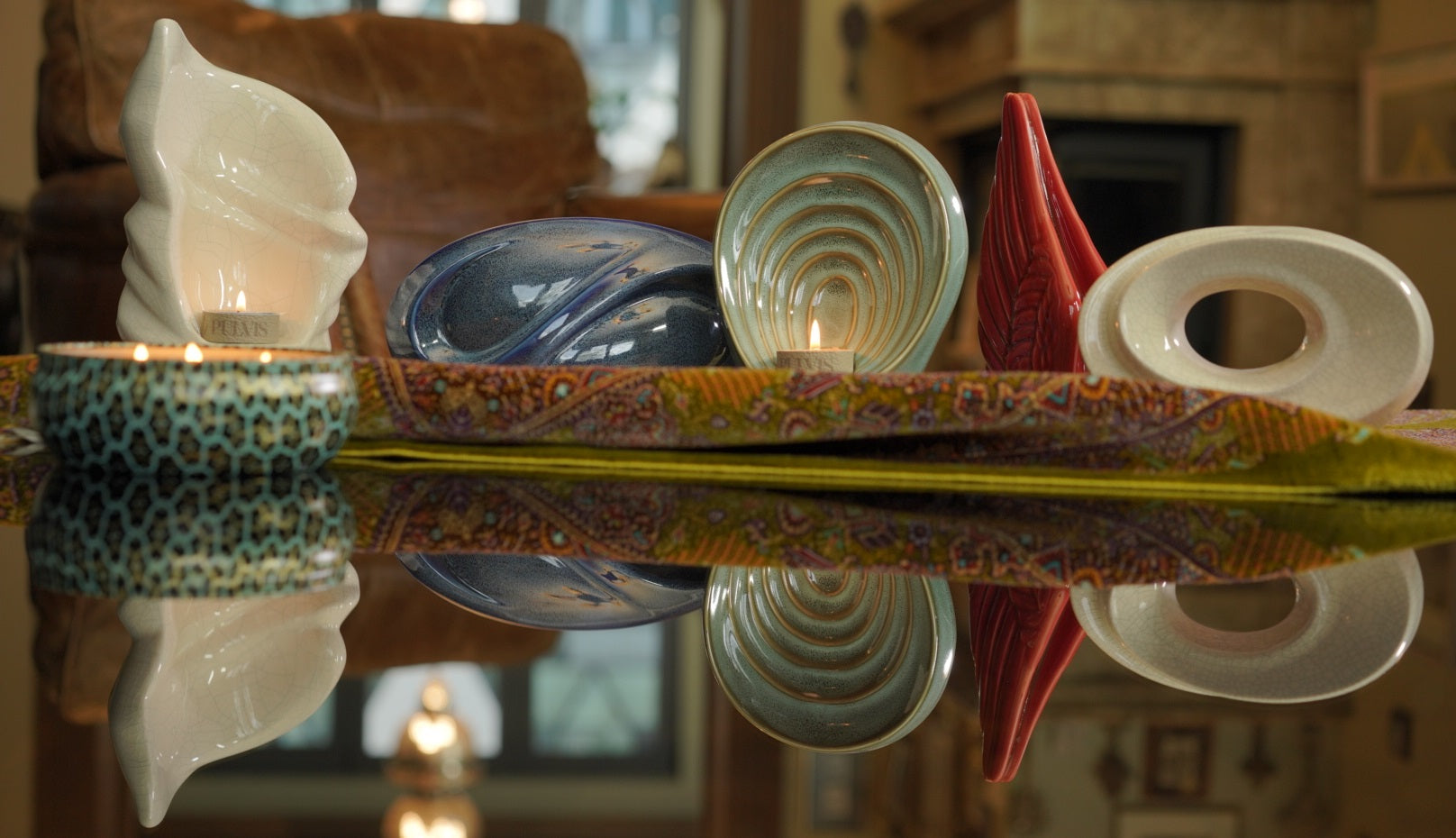
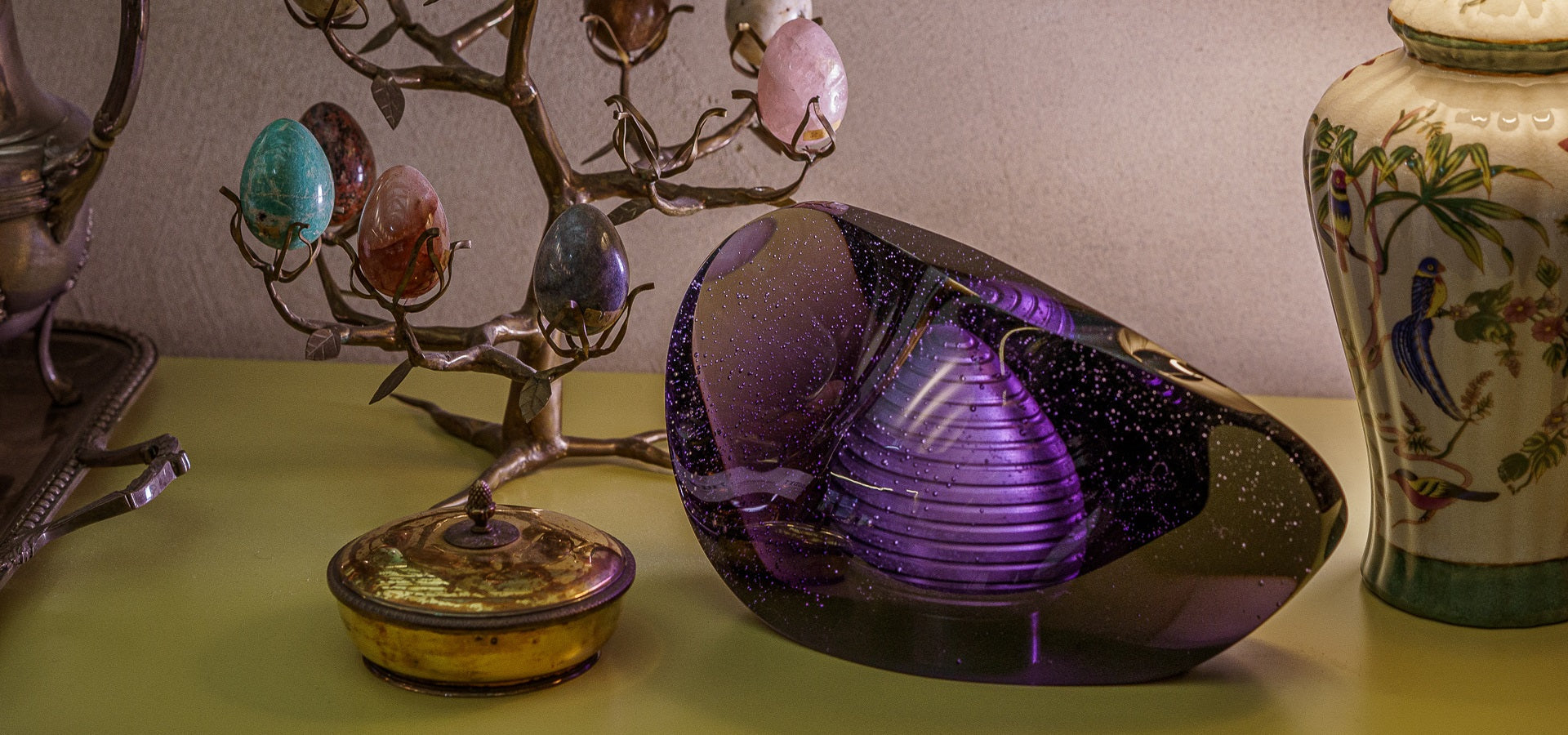
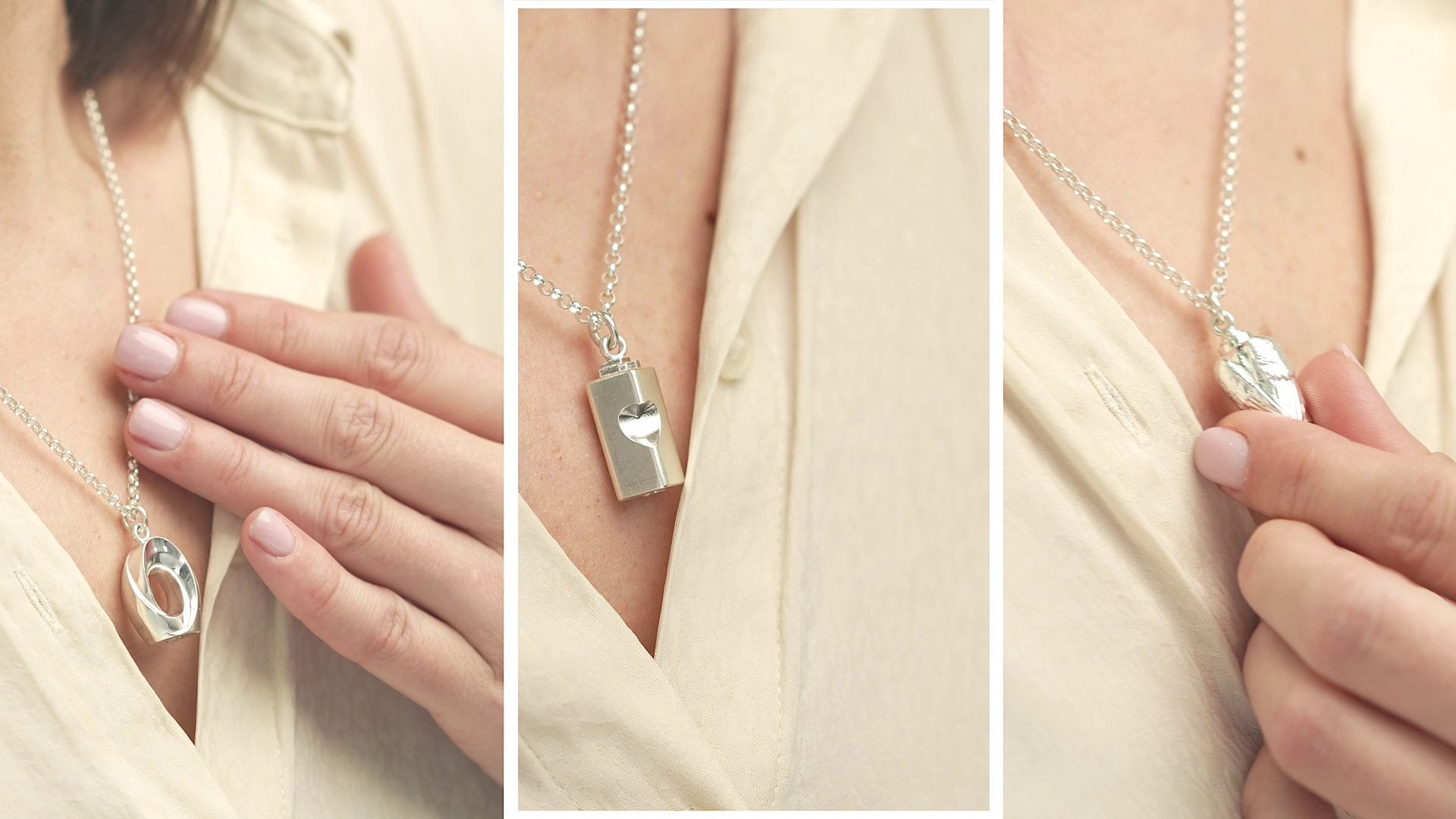
Pulvis Art Urns represent this modern approach to remembrance by combining traditional purpose with contemporary artistic expression. Created through craftsmanship and attention to detail, they are designed not only as resting places for ashes but also as meaningful works of art that help families create a personal connection with remembrance.
The importance is not only in what the urn holds.
It is in what it represents.

Throughout history, art has helped humans process experiences that are difficult to explain.
Love.
Loss.
Change.
Hope.
Memory.
Before written language existed, humans used images and symbols to communicate emotions and preserve stories. Cave paintings, sculptures, monuments and personal objects all demonstrate humanity's desire to express what cannot always be explained through words.
Grief is one of those experiences.
There are moments when language feels insufficient.
A person may struggle to describe the importance of someone they lost. They may find it difficult to explain the depth of their relationship or the impact that person had on their life.
Art creates another form of communication.
It allows emotions to exist visually.
It transforms memories into something meaningful.
This is why memorial art has played such an important role throughout history. From ancient sculptures to modern artistic urns, humans have always used creativity to honour those who mattered.
Art does not remove grief.
But it can give grief a place to exist.
It can transform pain into reflection.
It can transform absence into remembrance.

In today's world, many objects are produced quickly and designed for convenience. However, people often experience handmade objects differently.
There is something powerful about knowing that time, attention and human creativity were involved in creating something.
Research into consumer psychology and emotional attachment suggests that people often value handmade items because they perceive them as carrying a story. They represent effort, individuality and human connection.
A handmade object is not only something that was created.
It is something that someone carefully considered.
Every detail reflects intention.
This is particularly meaningful when choosing a memorial object.
Families often do not want something anonymous or ordinary. They want something that feels connected to the uniqueness of the person they are remembering.
A person's life cannot be reduced to a standard shape or a generic symbol.
Every individual has their own story.
Their own memories.
Their own relationships.
Their own personality.
This is why artistic craftsmanship has such an important role in modern remembrance.
It allows memorial objects to reflect individuality rather than simply serve a practical purpose.
One of the most powerful ways humans preserve memory is through storytelling.
Every family has stories.
Some are funny.
Some are emotional.
Some are small moments that may seem insignificant to others but mean everything to those who experienced them.
A favourite phrase someone always said.
A tradition they created.
A place they loved visiting.
A meal they prepared.
A lesson they taught.
These stories become a form of living memory.
Neuroscience shows that storytelling strengthens memory because it creates connections between emotions, information and personal meaning. When we tell stories about someone we love, we are not simply describing the past.
We are actively keeping that person's influence present.
This is why many people find comfort in sharing memories after a loss.
The person may no longer participate in new experiences, but their story continues.
Their impact continues.
Their presence continues through the people they influenced.
A person's identity is not created alone.
We are shaped by relationships.
The people who love us influence our beliefs, habits, memories and understanding of ourselves.
Parents, grandparents, partners, friends and mentors all leave traces within us.
When we lose someone important, we do not lose only a person outside ourselves.
We lose someone who helped shape our internal world.
This is why remembrance is so important.
Remembering allows us to recognise the role that person played in our journey.
It reminds us that relationships do not become meaningless simply because circumstances change.
The human brain is designed for connection.
It stores experiences.
It preserves emotional significance.
It carries forward the influence of those who mattered.
In this sense, memory becomes a form of legacy.

The future of memorialisation is changing.
As society evolves, people are searching for more personal and meaningful ways to remember loved ones.
Traditional approaches remain important, but many families are increasingly interested in memorial experiences that reflect individuality, creativity and personal connection.
This shift reflects a larger cultural movement.
People want authenticity.
They want stories.
They want objects and rituals that feel connected to real lives rather than general traditions.
This is where the connection between science, art and remembrance becomes increasingly important.
Science helps us understand why memories matter.
Psychology helps us understand how people adapt to loss.
Art helps us express emotions that words cannot always capture.
Together, they create new possibilities for honouring human lives.
When we remember someone we have lost, something extraordinary happens inside the brain.
Millions of neural connections become active.
Emotions return.
Sensory memories awaken.
Stories come back to life.
For a moment, someone who is physically absent becomes present again through the incredible ability of human memory.
Science can explain the processes behind these experiences. It can explain the hippocampus, the amygdala, neuroplasticity and the way emotional memories are preserved.
But science also reveals something deeply human.
The people we love do not simply disappear when they are gone.
They become part of the way we think.
They become part of our stories.
They become part of who we are.
A memorial object, a photograph, a shared tradition or an artistic urn does not replace a person.
Nothing can.
Instead, these symbols help us honour what remains: the love, influence and memories created through a meaningful life.
For thousands of years, humans have searched for ways to preserve connection beyond physical presence.
Today, we continue that same tradition.
Through memory.
Through storytelling.
Through art.
Through objects created with care and meaning.
Because remembering someone is not only about looking back at what has been lost.
It is about recognising what continues to live within us.
Love changes form.
Memory changes form.
But the connections created through a lifetime can remain one of the most powerful parts of being human.

What Happens in the Brain When We Remember Someone We've Lost?
Discover what happens inside the brain when we remember someone we have lost. Explore the science behind grief, memory, emotional connections, and why the people we love continue to influence us long after they are gone. From neuroscience and neuroplasticity to the power of meaningful objects, storytelling, and memorial art, this article explores how memories preserve love and connection across time.
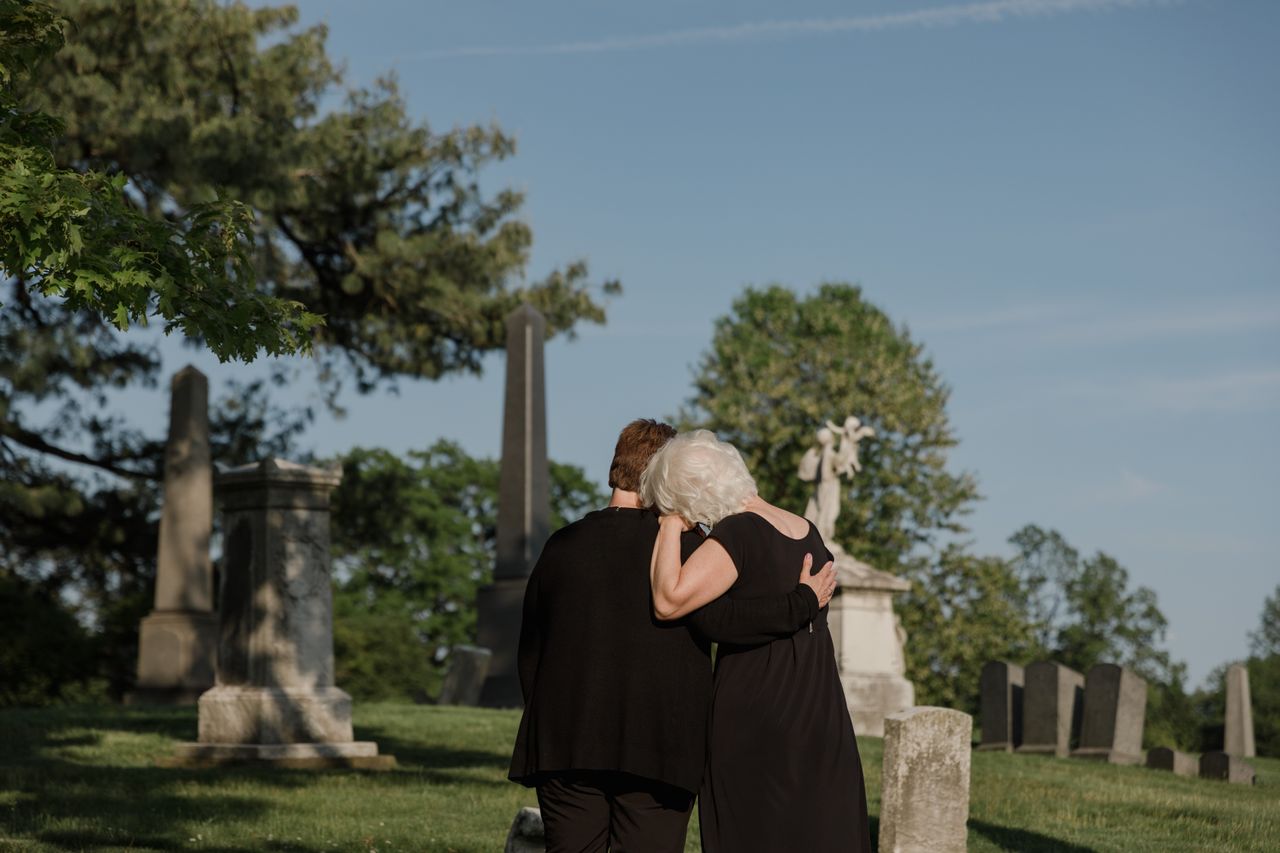
Ways to Honour a Loved One Without Visiting a Cemetery
Honouring a loved one doesn't have to be limited to visiting a cemetery. Discover meaningful and heartfelt ways to celebrate their life through personal traditions, living memorials, keepsakes, charitable acts and beautiful remembrance ideas that keep their memory alive every day.
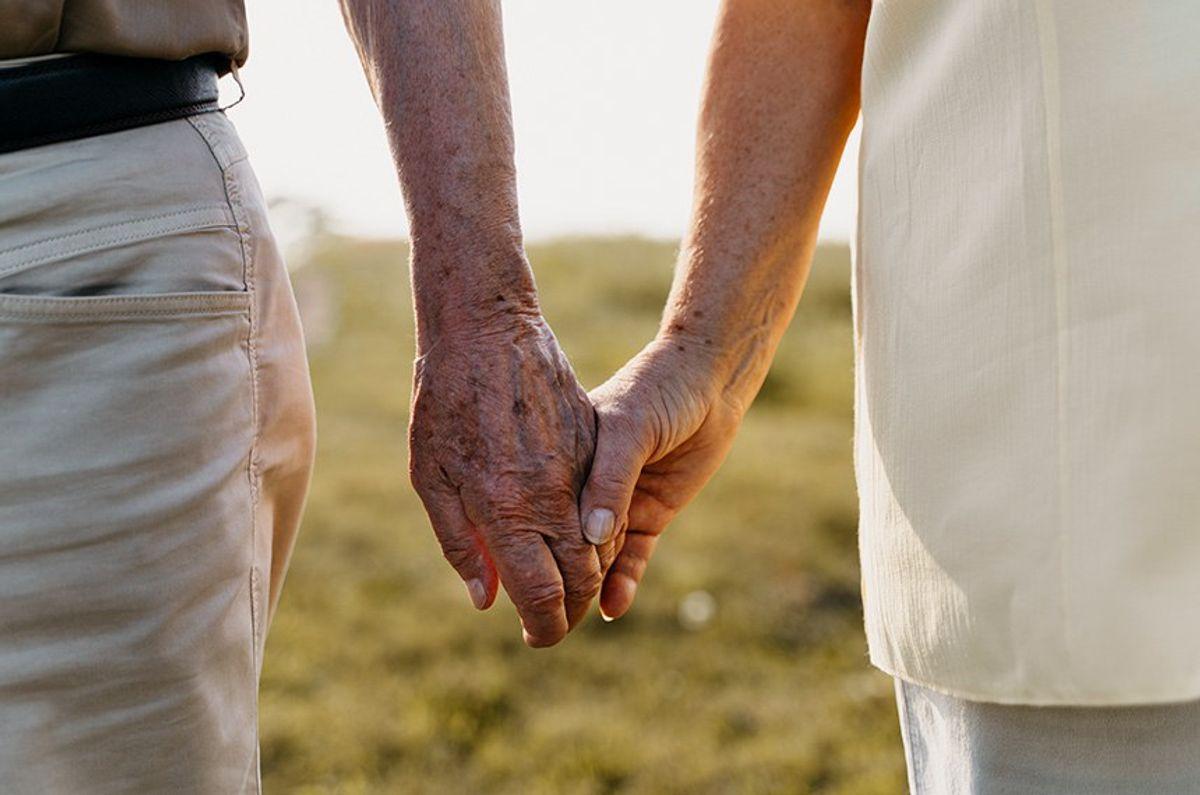
The Emotional Weight of “Lasts”: The Last Conversation, Last Hug, Last Goodbye
The last conversation, last hug, and last goodbye are some of the most emotionally powerful experiences a person can carry. These final moments transform ordinary interactions into lifelong memories, revealing the depth of love, connection, grief, and human attachment. This article explores why we remember final moments so vividly, how they shape the way we process loss, and why appreciating everyday connections matters before they become memories.
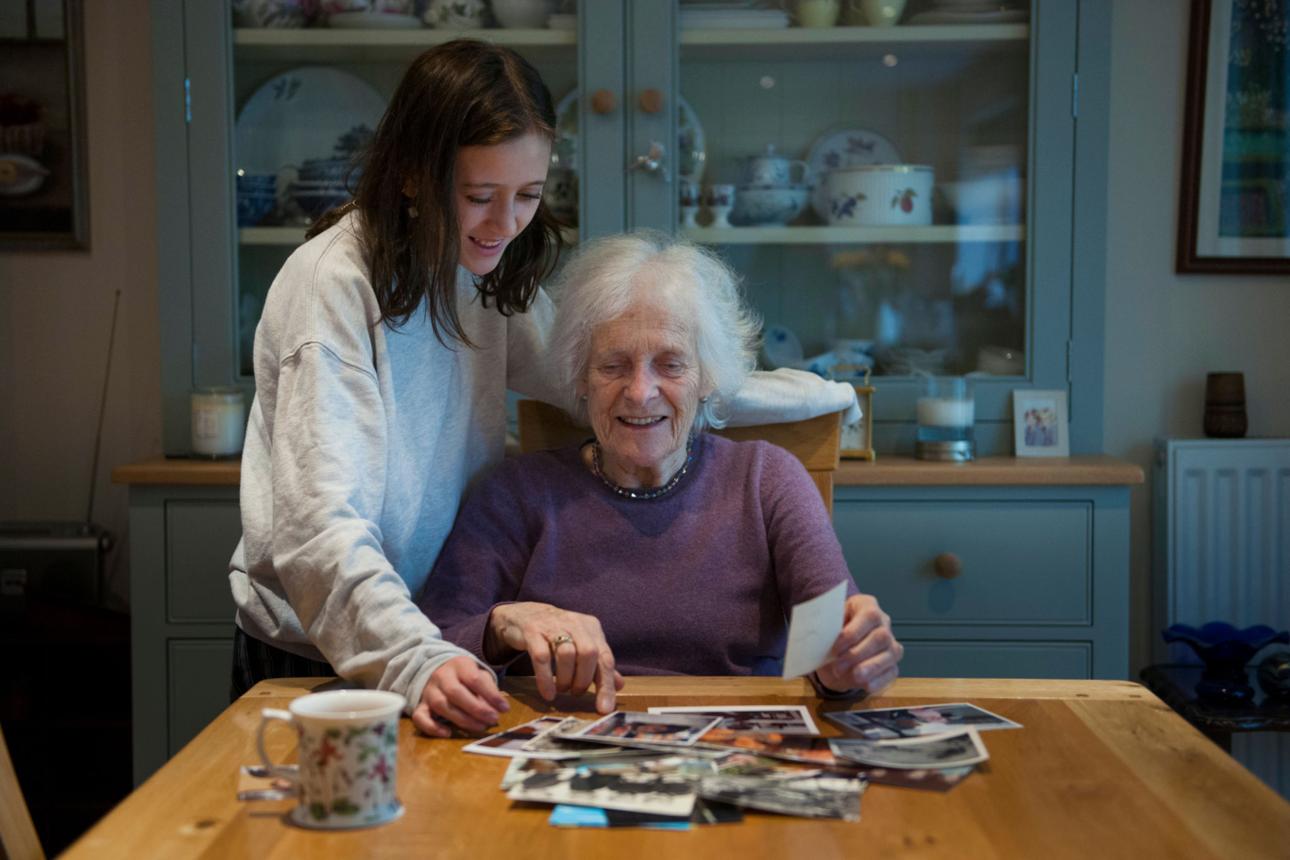
The First Holiday Without Someone: Why It Feels So Different
The first holiday after losing someone we love can feel completely different from any celebration before it. The traditions remain, the decorations appear, and families gather together, but the absence of one important person changes everything. This article explores why holidays intensify grief, how memories are triggered through traditions and senses, and how families learn to honour loved ones while creating new ways to remember.
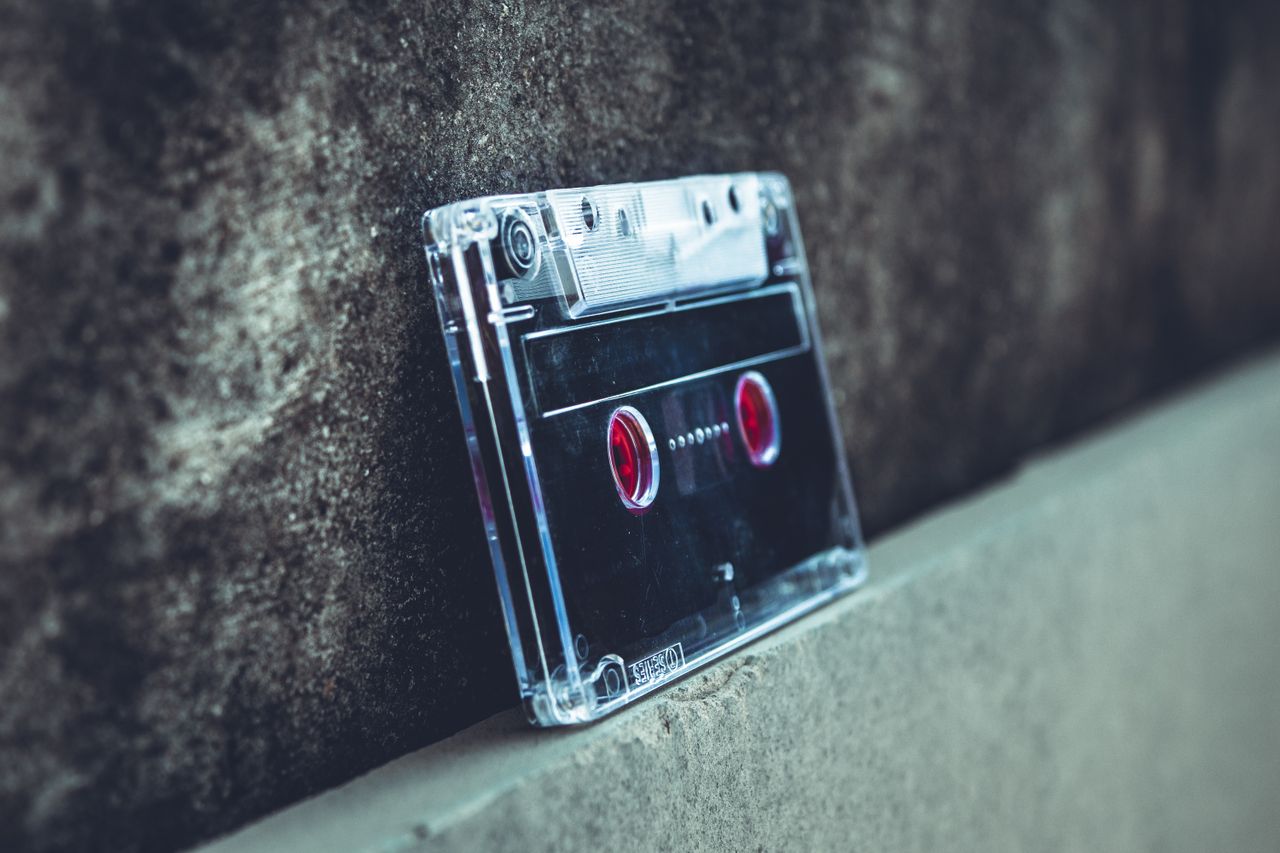
Discover why everyday sounds can become powerful reminders of the people we love. From familiar voices and favourite songs to simple household noises, sound has the ability to preserve memories, awaken emotions, and maintain a connection with those who are no longer physically present.
ਸਾਂਝਾ ਕਰੋ:
Ways to Honour a Loved One Without Visiting a Cemetery