

Memorisation and cremation for pets is one of the fastest growing funeral markets in the world, especially in the UK and the USA. Funeral business is blooming, as an ever-growing number of pet owners consider giving their animals a more formal send-off.
According to an official research, almost a quarter of the UK’s pet owners either have organised funeral services for their pets already or would consider doing it one day.
There are more than 50 pet cemeteries across Britain alone, with services reaching up to £400 for private cremations and even more for burials.
There are two major factors contributing to the rise in demand for pet-cantered services in the last years.
The first one is the fact that more and more Baby Boomers become “empty-nesters”, which is a premise for them to own a pet as a way to receive companionship and nurturing.
The second largest generation group, the millennials are a pet owners, as well. The combination of rising pet ownership and the humanisation of their care boosts the pet cremation industry.
The second factor that helped to fuel the increasing demand for pet death care services is the growing affirmation of grief as a natural reaction to loss. As valued family members, it’s natural to mourn pets passing.
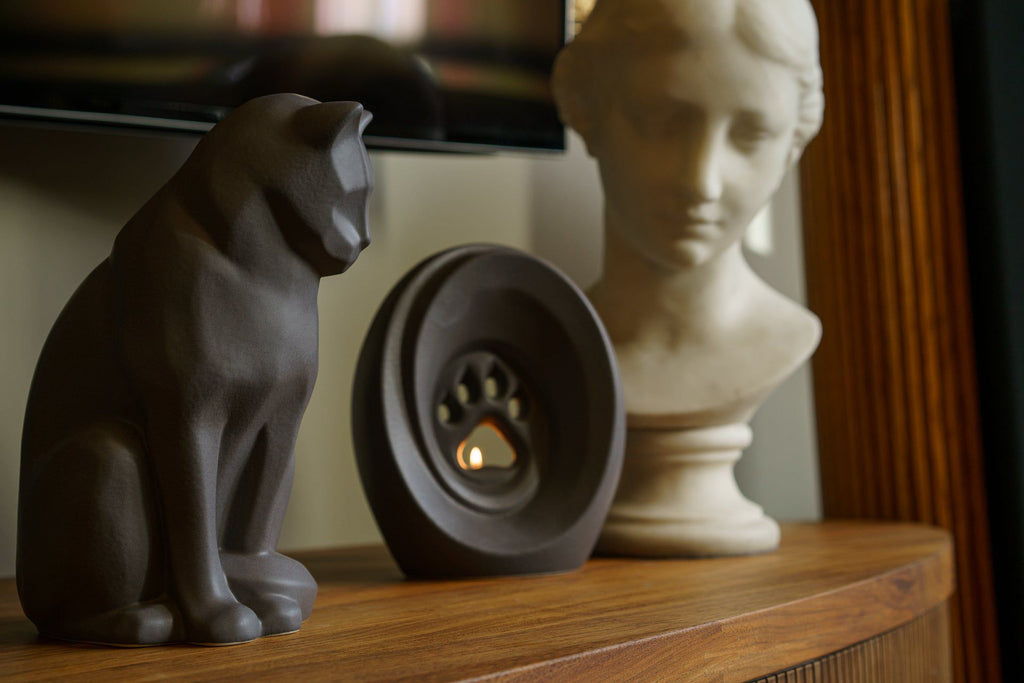
Undoubtedly, pet funerals are becoming a nationwide trend both in the UK and in the USA. For example, around 15% of the funeral homes in America offer pet death care services, while in the UK this number is roughly 12%.
In Britain, as many as 12,000 pet funerals take place annually, while in the USA more than 550,000 took place in 2014 alone, according to the official statistics.
Cremation, however, is a preferred option when it comes to pet death care services. According to a survey by Pet Loss Professionals Alliance, there are nearly 1.9 million pet funerals annually, of which 99% end up with cremation.
It is understandable that people mourn their pet’s passing, but at the same time, it is often not reasonable to spend thousands on a pet death care service. The prices vary dramatically depending on many factors.

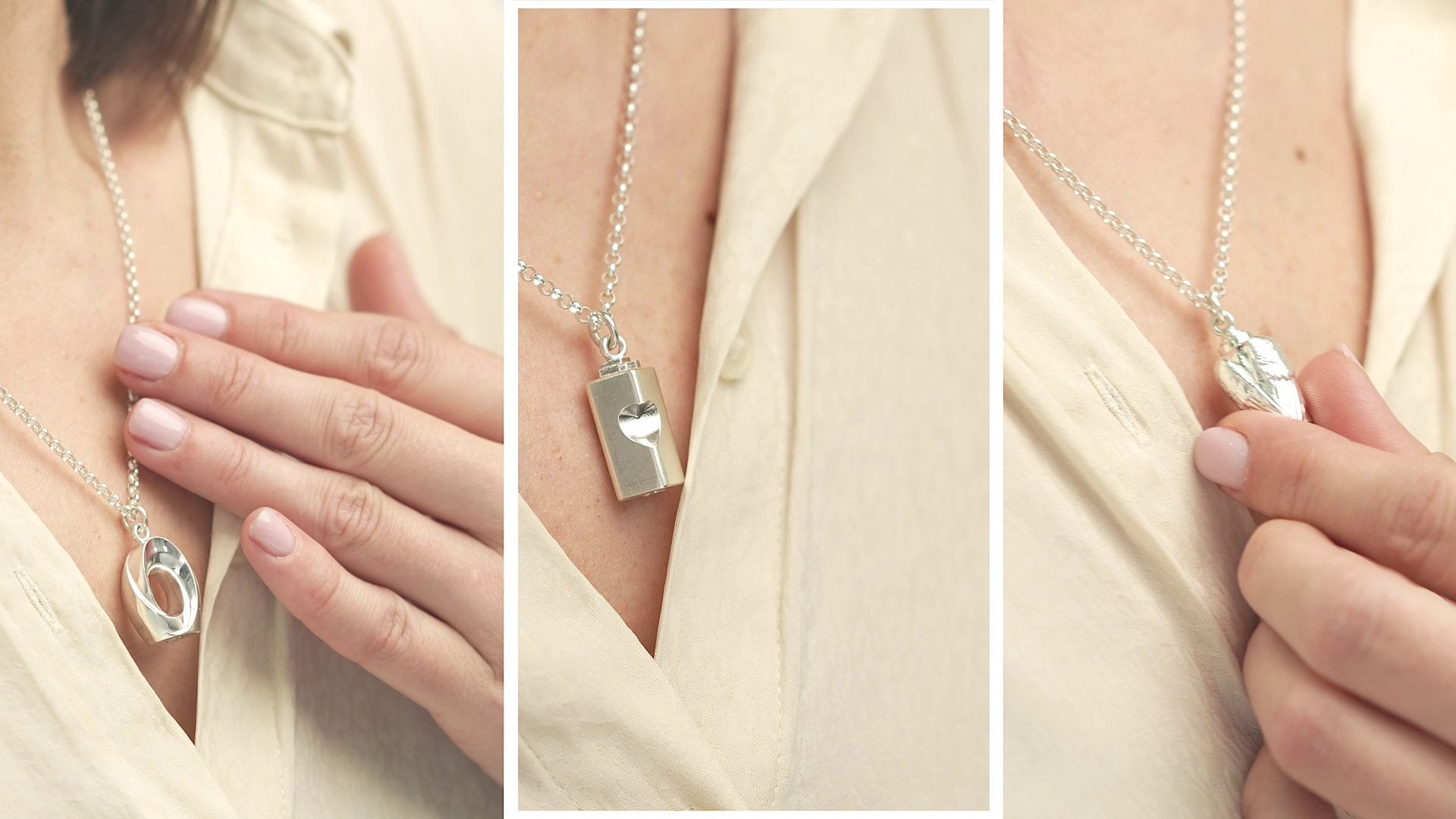
For instance, at Penwith, a British based pet crematorium, prices range from £42 for a hamster or guinea pig, up to £187 for a large dog. This price excludes the cremation memorials, such as pet urns and ashes jewellery, which differ according to the factors such as design, materials and purpose.
The body is placed in the cremation chamber and then subjected to the exceedingly high heat of 800 to 1200 degrees Celsius. This reduces the biological matter to dust and bones, which is then being pulverised
The total time for the cat cremation is about two hours or less. It is almost the same with dogs, depending on the size of the dog. The cremains are then placed into a small container that the crematorium provides. Usually after that the ashes are transferred to a cremation urn or keepsake.
You can usually choose two types of pet cremation - private or witnessed cremation. In the first case your pet is cremated alone in a crematory chamber and then the ashes are given to you. Witnessed cremation allow the family to witness the cremation if desired. Sometimes an additional fee is charged for you to view the process.
The intense heat of the crematory chamber vaporises any soft tissues and reduces what is left to bones and dusty ashes.
Any type of metal that was in or on the animal such as stainless steel pins or a buckle on the collar is removed by hand or with a magnet.
When bones are pulverised (grinded into small fine particles) they turn into a sand-like powder, which is usually white or greyish in colour.
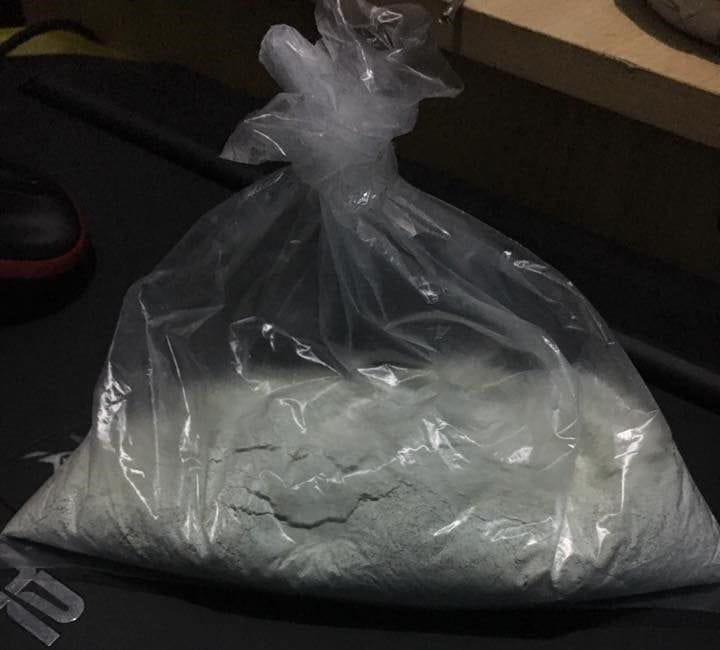
What to do with the Ashes of a Pet
Quite often people are unsure what to do with the ashes of their pet. This is personal and everyone should decide what suits their furry friend best, but here are some ideas that we picked - they work for pets as well.

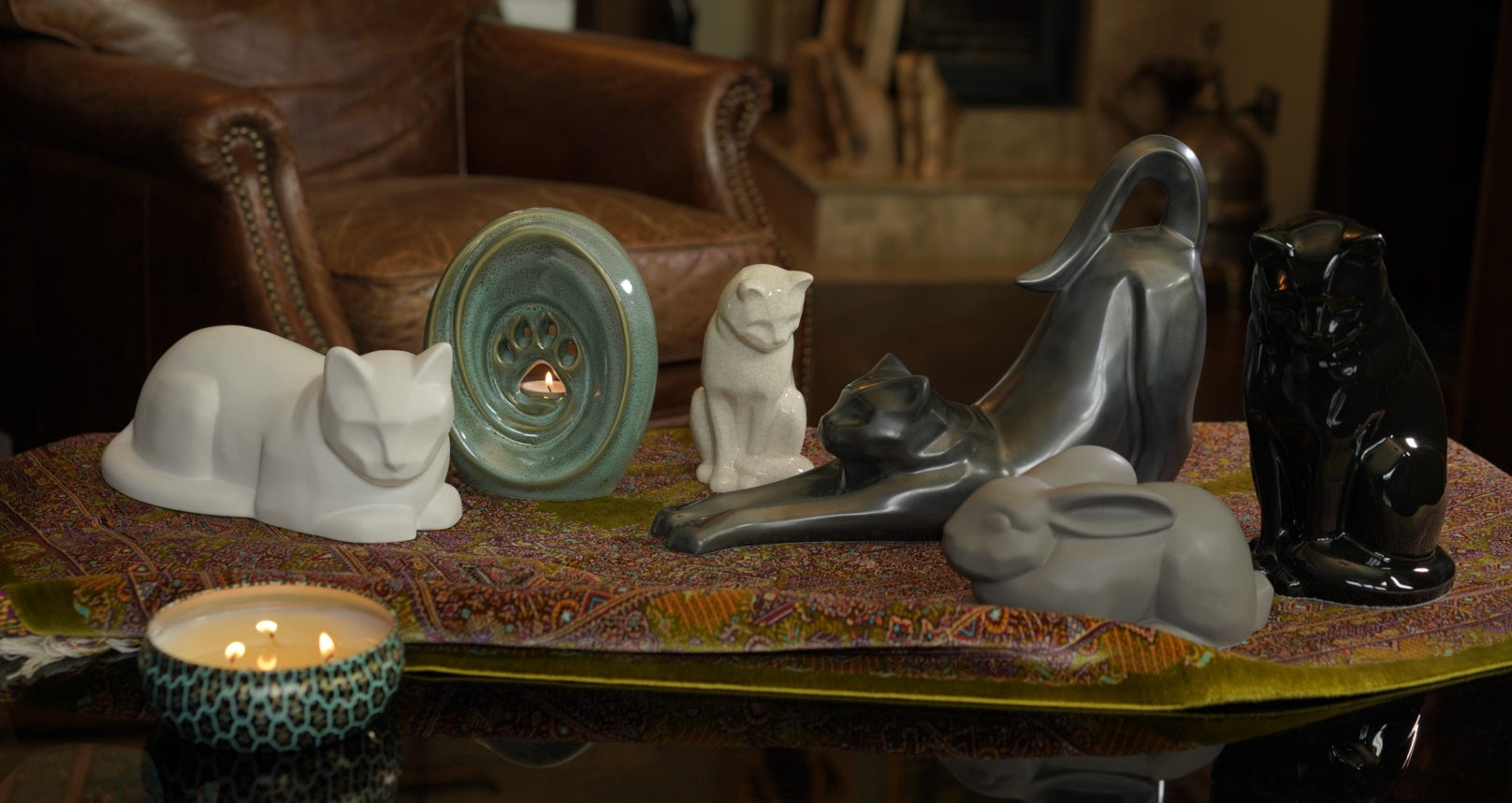
Picture a Chihuahua standing next to a Mastiff – these dogs have different needs! Likewise, not every urn can accommodate all pets. When shopping for pet cremation urns, you’ll notice that each urn will list its volume or capacity in cubic inches. Depending on the size of the animal, you may need a smaller or larger cremation urn to hold the ashes.
The general rule of thumb is that you’ll need at least 1 cubic inch for each pound that the animal weighs. For example, a dog that weighs 20 pounds will need an urn with a capacity of at least 20 cubic inches.
Everyone in this world will have an ending to his or her life long journey. That is a fundamental fact that most of the pet owners have already realised. The growing pet funeral businesses are evidence that we, humans certainly develop very deep emotions connection with our pets and even after their passing, we want them to be treated in a very special way and show them for the last time how much we cherish and love them.
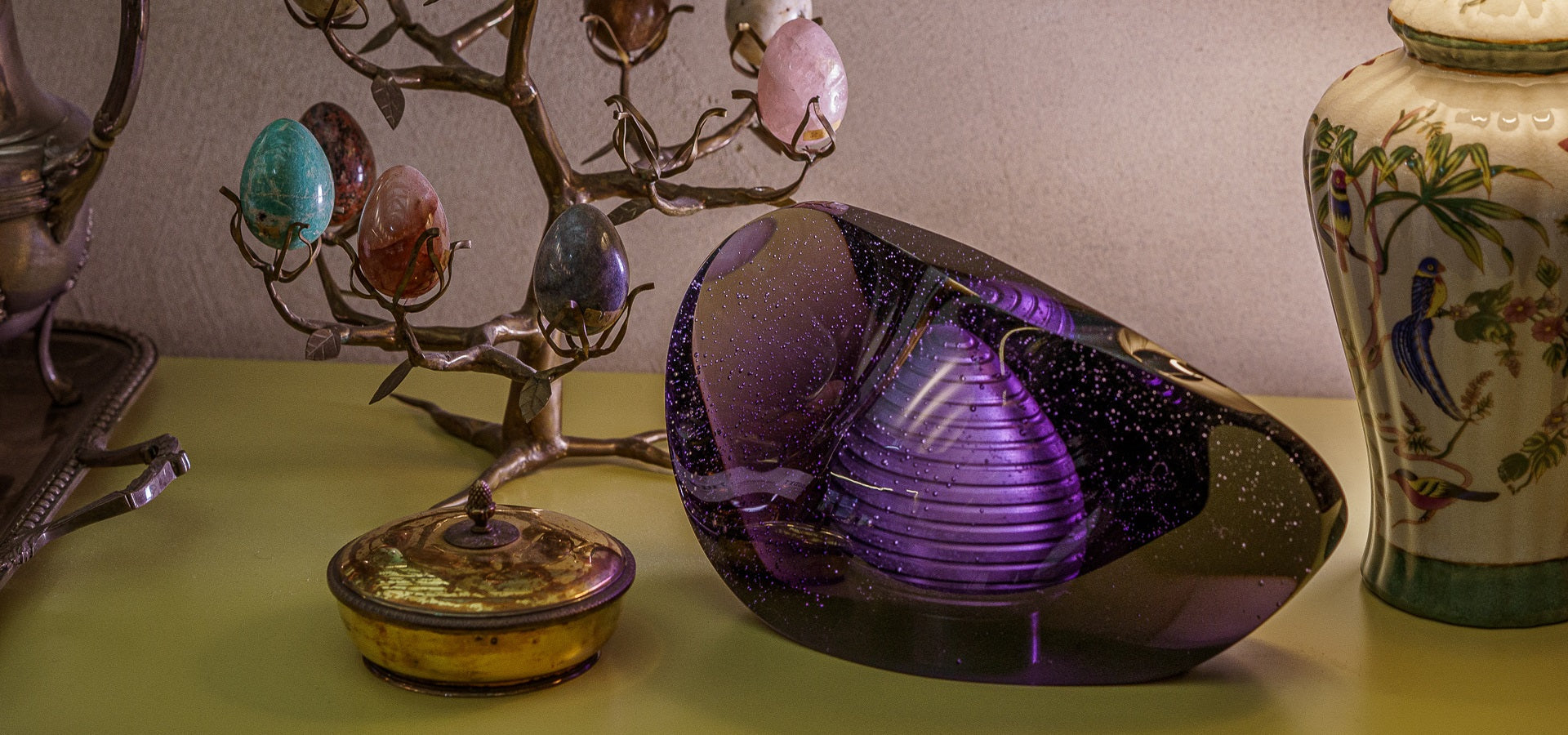
Saying goodbye to a furry pet friend and choosing the right pet urn for ashes, to honor your precious moments together, is not an easy task. We designed those remarkable memorial pet urns, so we can help you celebrate a life filled with love and happy memories.
Thank you for reading this article. If you are planning to purchase some of our pet memorials, use the coupon PETLOVE5 at checkout to receive 5% discount.
------------------
Our Affiliate Program is now available. at https://www.pulvisurns.com/pages/affiliate-program-by-pulvis-art-urns
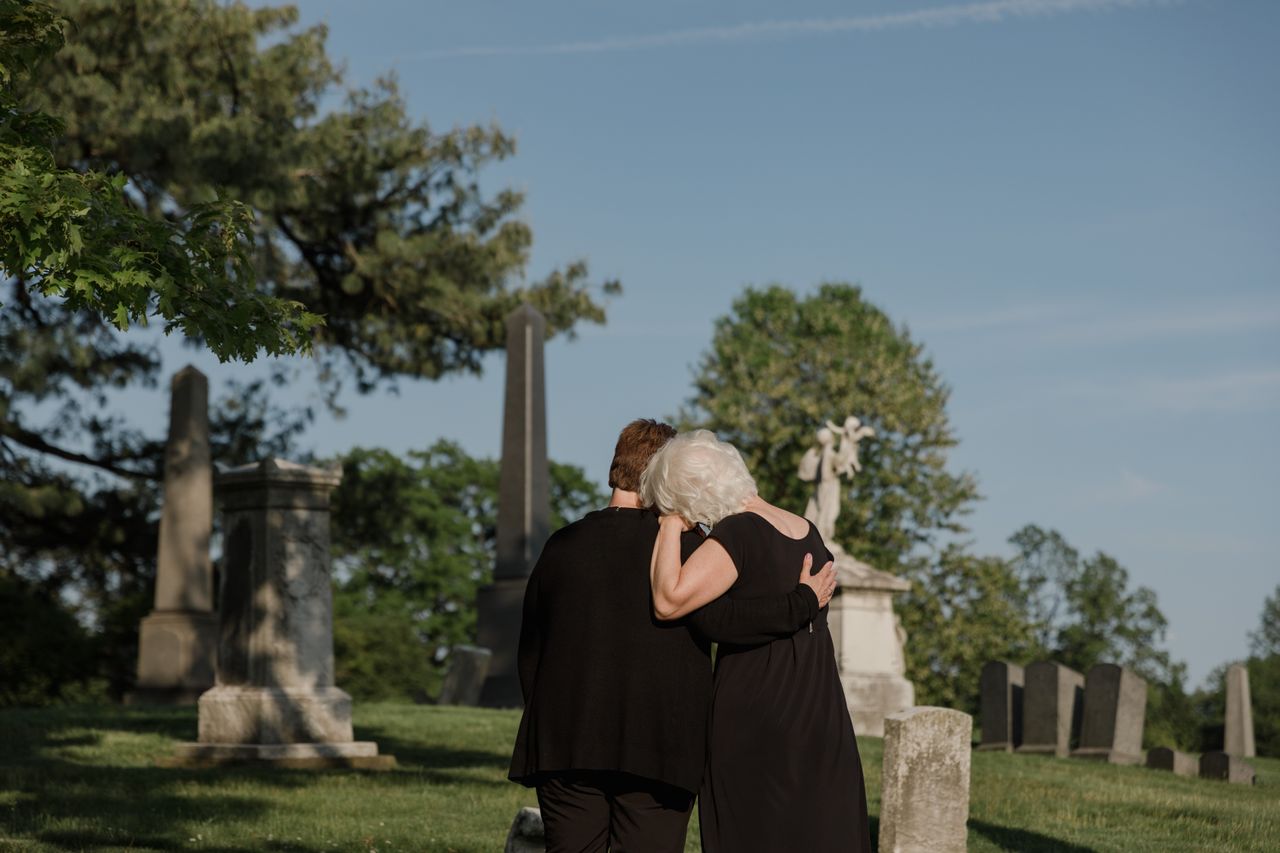
Ways to Honour a Loved One Without Visiting a Cemetery
Honouring a loved one doesn't have to be limited to visiting a cemetery. Discover meaningful and heartfelt ways to celebrate their life through personal traditions, living memorials, keepsakes, charitable acts and beautiful remembrance ideas that keep their memory alive every day.
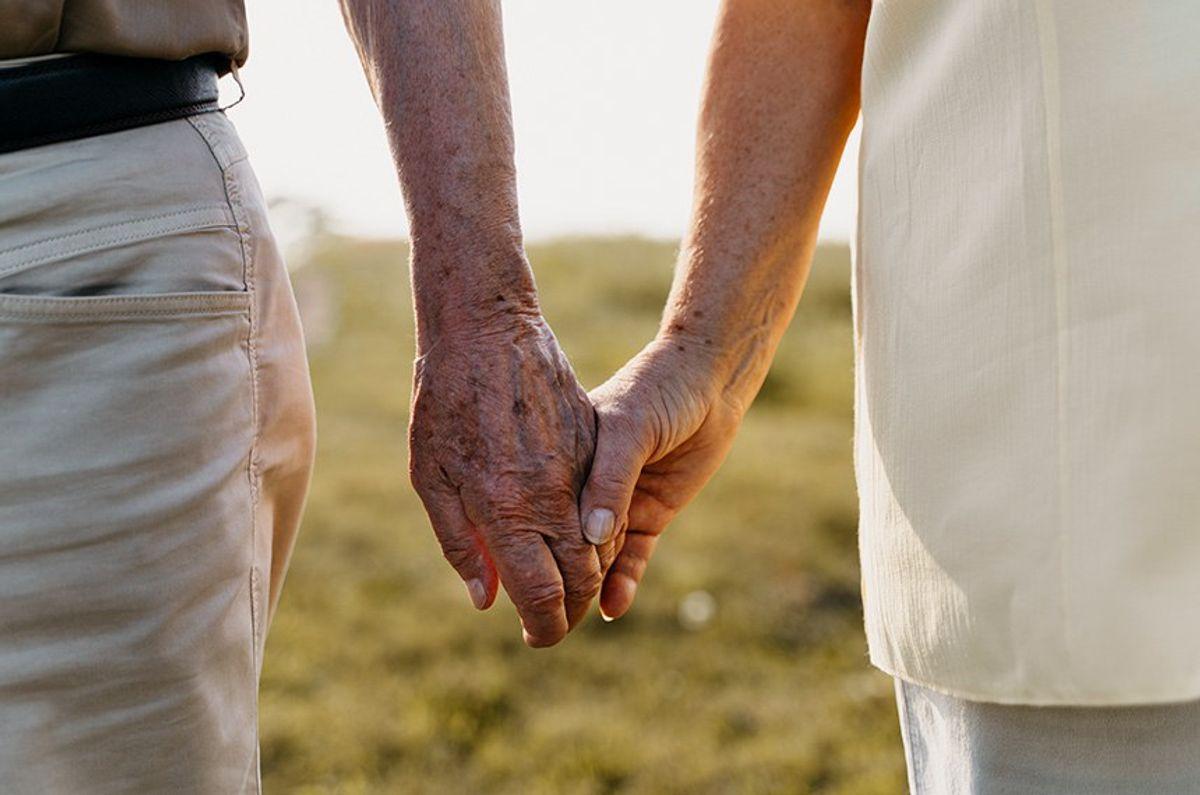
The Emotional Weight of “Lasts”: The Last Conversation, Last Hug, Last Goodbye
The last conversation, last hug, and last goodbye are some of the most emotionally powerful experiences a person can carry. These final moments transform ordinary interactions into lifelong memories, revealing the depth of love, connection, grief, and human attachment. This article explores why we remember final moments so vividly, how they shape the way we process loss, and why appreciating everyday connections matters before they become memories.
The First Holiday Without Someone: Why It Feels So Different
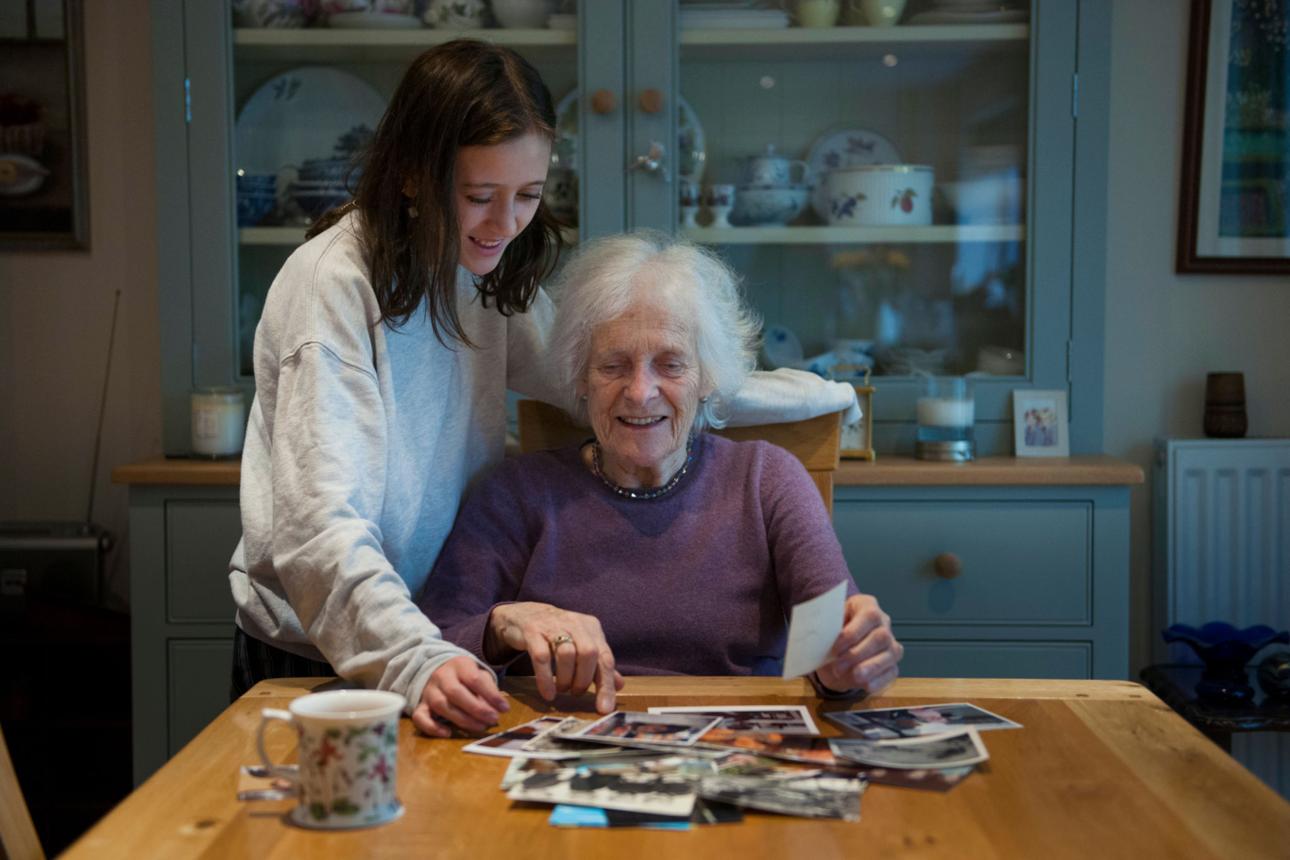
The first holiday after losing someone we love can feel completely different from any celebration before it. The traditions remain, the decorations appear, and families gather together, but the absence of one important person changes everything. This article explores why holidays intensify grief, how memories are triggered through traditions and senses, and how families learn to honour loved ones while creating new ways to remember.

Discover why everyday sounds can become powerful reminders of the people we love. From familiar voices and favourite songs to simple household noises, sound has the ability to preserve memories, awaken emotions, and maintain a connection with those who are no longer physically present.
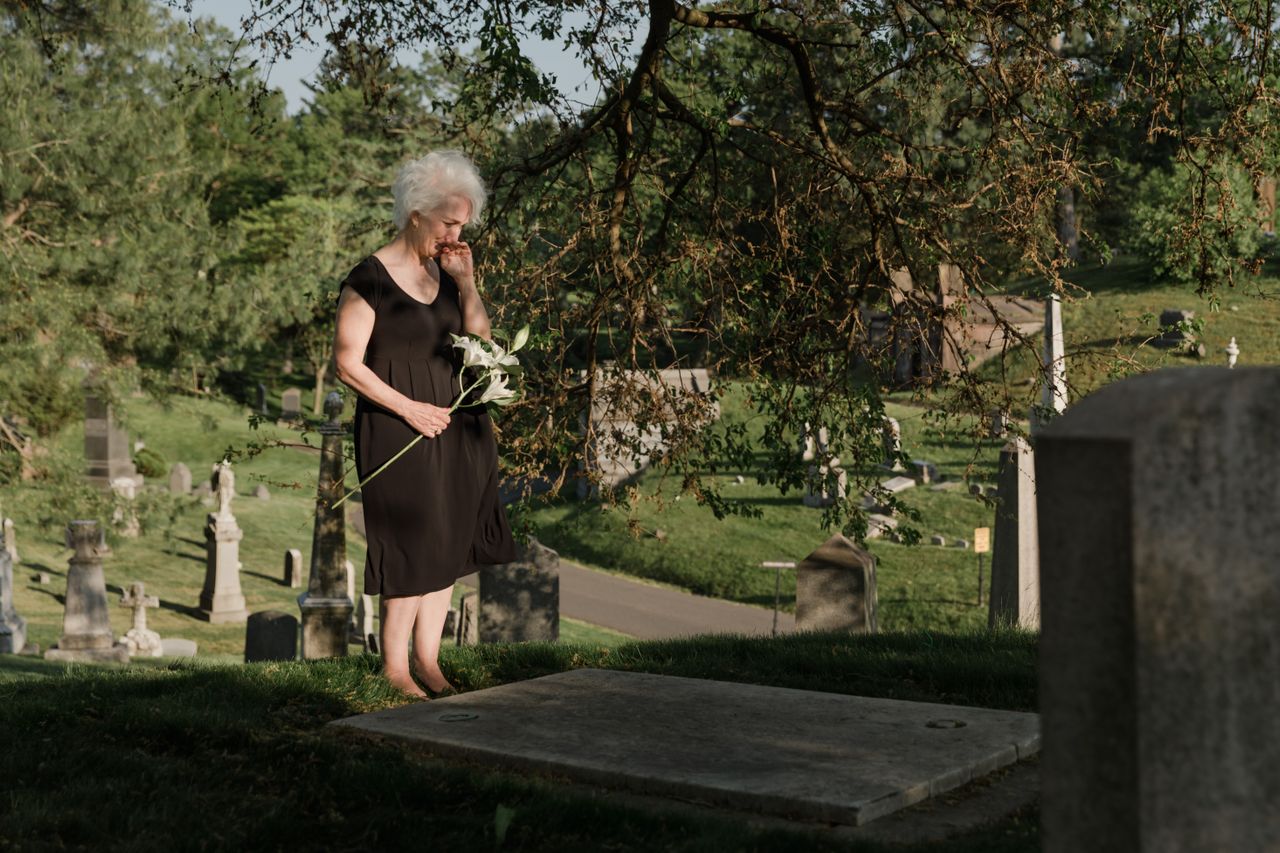
After losing someone we love, ordinary belongings can become some of the most meaningful reminders of their life. A favourite sweater, handwritten note, piece of jewellery, or family recipe can carry memories, emotions, and a sense of connection that goes far beyond the object itself. This article explores why we keep the things left behind, the psychology behind emotional attachment to personal belongings, and how these objects help us preserve love, identity, and family stories after loss.

Share:
Can your Nose Predict a Future Death?
A Brief History of Ceramics & Urns