

Losing a beloved one can affect us deeply- emotionally, mentally and even spiritually. A challenge can become even thinking of the one that recently passed. However, many people recount that days or couple of years before the death has occurred, the friend or relative apparently knew it is about to be their time.
New amusing research can explain this phenomenon. A study conducted by Arnaud Wisman from the University of Kent’s School of Psychology and Ilan Shrira from the Department of Behavioral Sciences in Arkansas’ Tech University explains the evidences found in support of the thesis that people detect an upcoming death unconsciously through scent.
According to the study when we die, the human body decomposes it releases an odour, a process called putrescine. Putrescine is a foul-smelling organic chemical compound related to a decomposition of a body. More over when the human brain is exposed to putrescine it simulates a feeling of warning like there is an upcoming danger. Consciously most of the people are not supposed to recognise some kind of smell in the early stages, but subconsciously we do- so instinctively our natural response would be to move away. Multiple experiments were performed in order to prove that people sense a forthcoming death.
One of Wisman and Shrira’s experiments included the usage of putrescine at a site to check the people’s reaction. When the participants were exposed to the chemicals, their immediate reaction was to move away from the location. They did not recognised the odour and they do not responded in a negative or aggressive manner, as though they believed the location was dangerous.

Given the fact that the brain recognises the odour as the scent of the death, this researched can enlighten the individual’s behaviour in their final days. This data suggests that we can unconsciously perceive the beginning stages of a decomposition of the body and as we are aware that the death is imminent, so we become more and more comfortable that the ending of our story is near. Nowadays, in Western Europe and in The USA more and more people are searching and preparing their own funeral or cremation ritual.

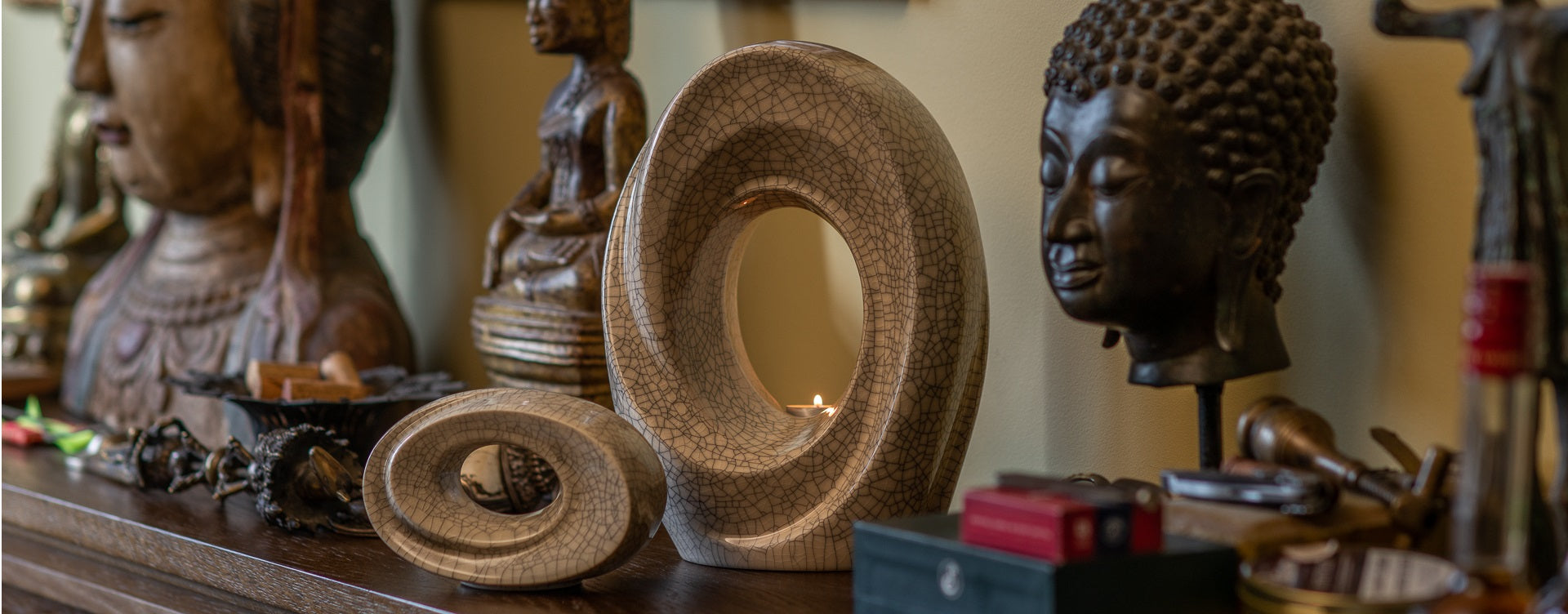
No matter what your plans are, preplanning helps you ensure that your cremation urn for ashes is whatever you want it to be – truly unique.
At Pulvis Art Urns, we have been producing quality handmade cremation urns for ashes, which are the preferred choice for many years.
Visit our page and find all of our products or email us at art@pulvisurns.com for more information.
Join us in helping families honor the memory of their loved ones and pets through art!
Our Affiliate Program is now available at https://www.pulvisurns.com/pages/affiliate-program-by-pulvis-art-urns
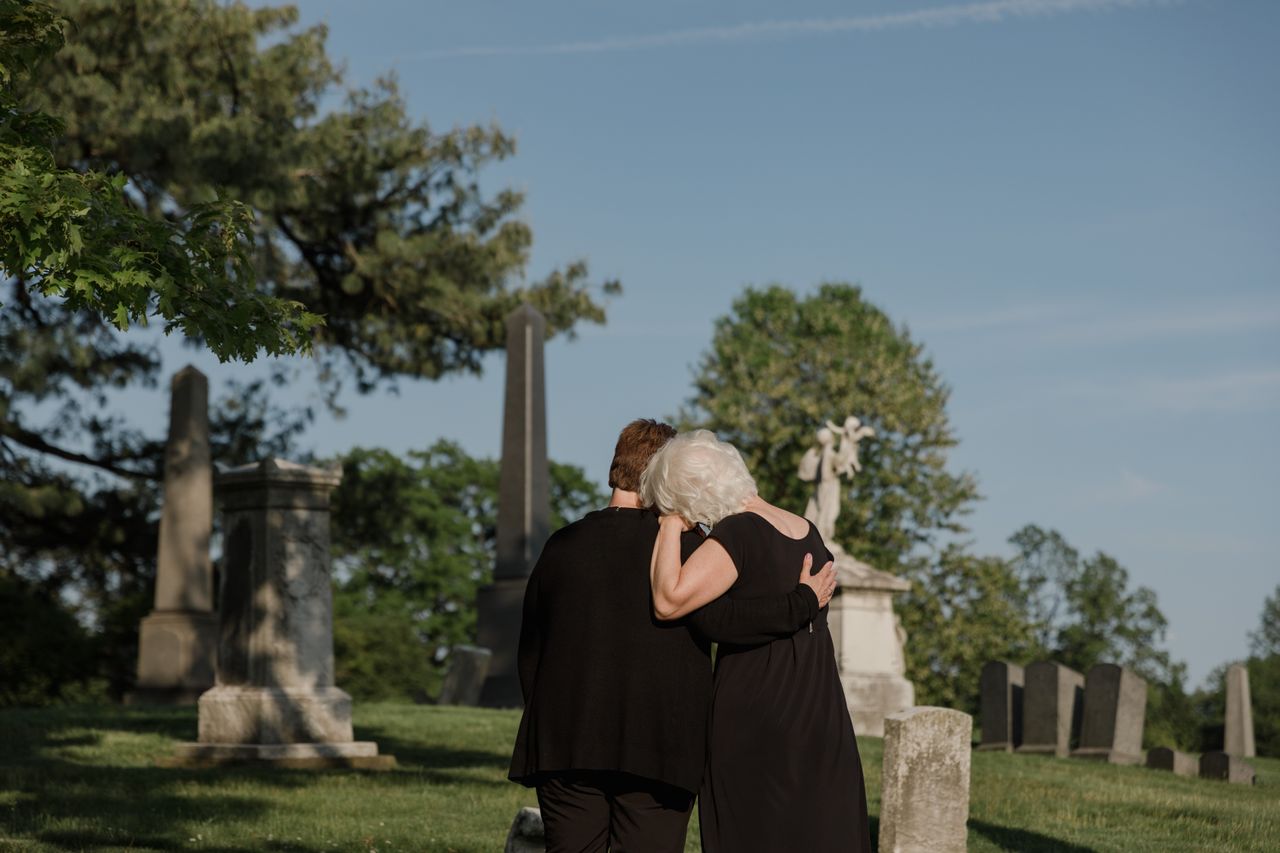
Ways to Honour a Loved One Without Visiting a Cemetery
Honouring a loved one doesn't have to be limited to visiting a cemetery. Discover meaningful and heartfelt ways to celebrate their life through personal traditions, living memorials, keepsakes, charitable acts and beautiful remembrance ideas that keep their memory alive every day.

The Emotional Weight of “Lasts”: The Last Conversation, Last Hug, Last Goodbye
The last conversation, last hug, and last goodbye are some of the most emotionally powerful experiences a person can carry. These final moments transform ordinary interactions into lifelong memories, revealing the depth of love, connection, grief, and human attachment. This article explores why we remember final moments so vividly, how they shape the way we process loss, and why appreciating everyday connections matters before they become memories.
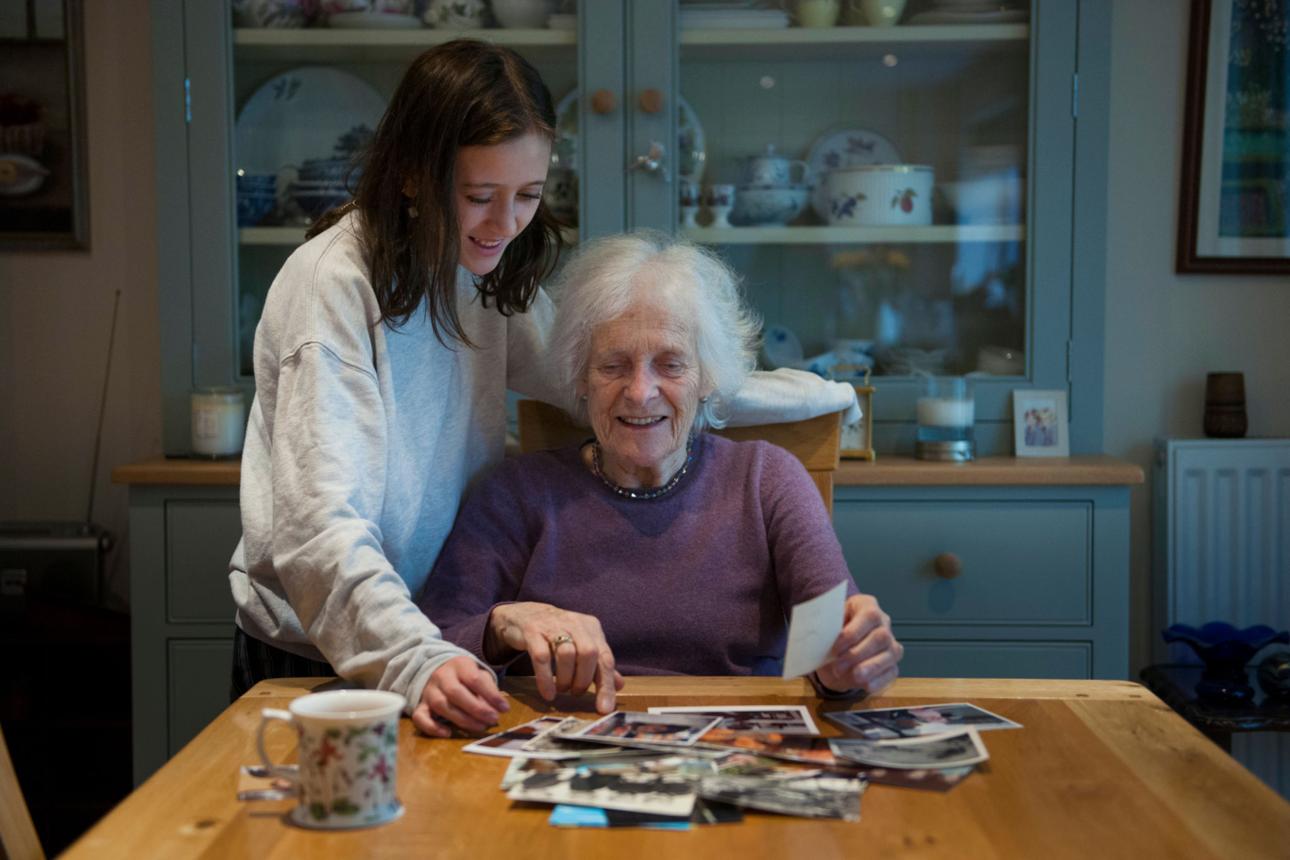
The First Holiday Without Someone: Why It Feels So Different
The first holiday after losing someone we love can feel completely different from any celebration before it. The traditions remain, the decorations appear, and families gather together, but the absence of one important person changes everything. This article explores why holidays intensify grief, how memories are triggered through traditions and senses, and how families learn to honour loved ones while creating new ways to remember.

Discover why everyday sounds can become powerful reminders of the people we love. From familiar voices and favourite songs to simple household noises, sound has the ability to preserve memories, awaken emotions, and maintain a connection with those who are no longer physically present.
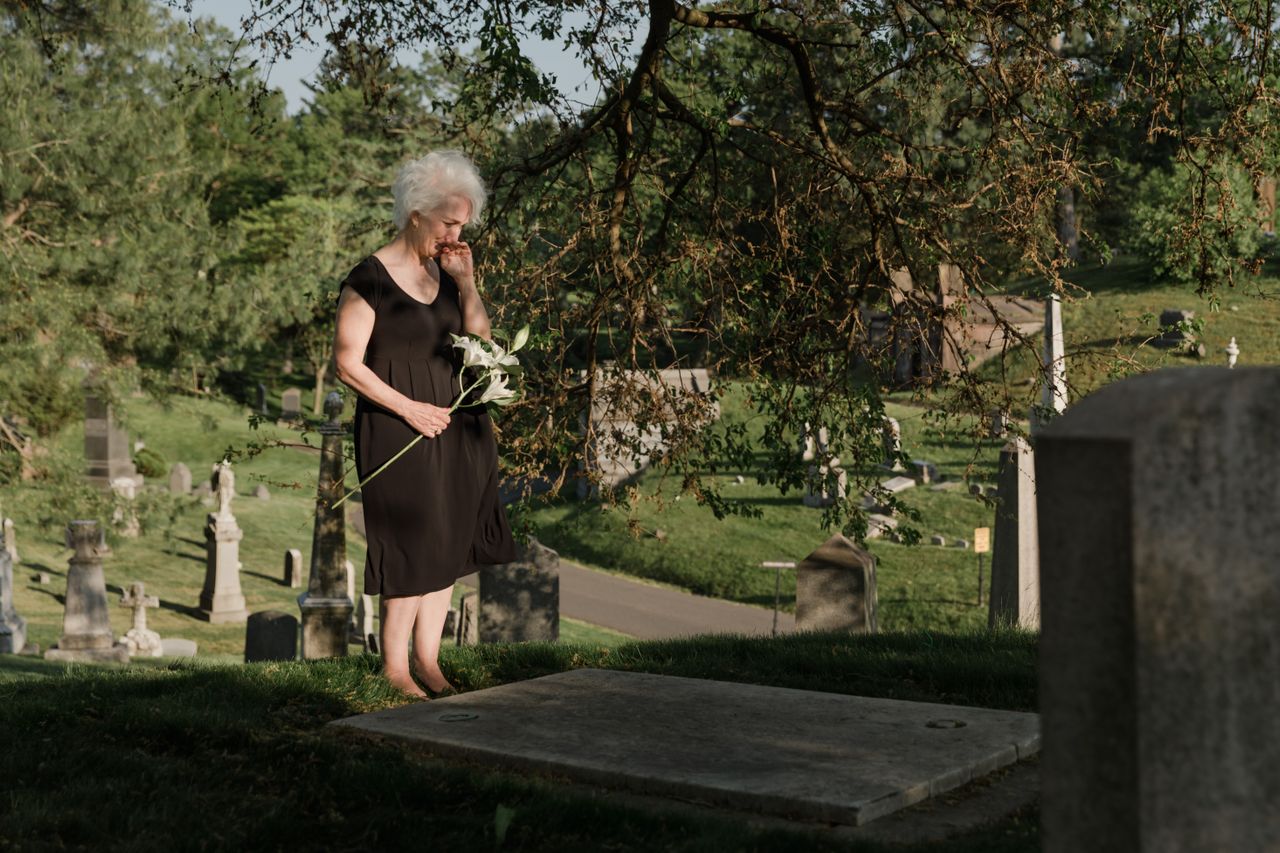
After losing someone we love, ordinary belongings can become some of the most meaningful reminders of their life. A favourite sweater, handwritten note, piece of jewellery, or family recipe can carry memories, emotions, and a sense of connection that goes far beyond the object itself. This article explores why we keep the things left behind, the psychology behind emotional attachment to personal belongings, and how these objects help us preserve love, identity, and family stories after loss.


Share:
Millennials and their role in changing the funeral industry
The Rising Popularity of Pet Cremation