The concept of an "heirloom" traditionally evokes images of antique pocket watches, weathered jewelry, or hand-bound journals. However, as global cremation rates reach record highs in 2026—with adoption rates exceeding 63% in many Western nations—a new type of legacy is emerging: the memorial heirloom.
When a family decides to house a loved one’s remains in a permanent, hand-crafted ceramic vessel from Pulvis Art Urns, they are doing more than choosing a resting place; they are initiating a multi-generational journey of remembrance. An urn that transitions from a modern memorial to an heirloom carries the stories, values, and physical essence of an ancestor, ensuring the "Shape of Spirit" remains a cherished part of the family tapestry for centuries.
Historically, the Western funeral goal was "disposition"—the final placement of remains where they would stay undisturbed in a fixed, permanent plot. This practice, rooted in the mid-19th-century cemetery movements, emphasized a static location for grief. However, modern research into burial customs shows a significant shift toward Legacy Portability.
In our globalized society, families move more frequently than at any point in human history. A traditional headstone is immobile; it remains in one cemetery while descendants move across continents. A high-quality art urn solves this geographical disconnect. It allows the "family center" to move with the living, ensuring that the connection to an ancestor is never severed by a change in location or a relocation to another country.
Furthermore, an heirloom urn serves as a tangible link for children and grandchildren. According to Continuing Bonds Theory, a psychological framework that encourages maintaining a healthy relationship with the deceased, an heirloom transforms an abstract name on a digital family tree into a physical, beautiful presence in the home.

For an urn to survive as an heirloom, it must be designed with both durability and aesthetic timelessness. Archaeological records from Wikipedia and museum archives confirm that high-fired ceramic is one of the few human-made materials capable of lasting for millennia.
While wood, metal, and resin are common memorial materials, they face significant environmental risks over long periods. Wood is organic and prone to warping, rotting, or attracting pests if humidity levels fluctuate over decades. Metal, while strong, is susceptible to oxidation, leading to rust, tarnish, or "pitting" caused by the mineral salts within the remains themselves. Resin and plastics, though modern, often become brittle and yellow when exposed to UV light over thirty or forty years.
In contrast, high-fired porcelain and stoneware are biologically and chemically inert. They do not react with the minerals in the ashes or the moisture in the air. The glazes used on Pulvis Art Urns are fused to the clay body at temperatures exceeding 2,000°F. This vitrification process creates a glass-like surface that is immune to fading from sunlight and offers superior thermal protection. In the unfortunate event of a home fire, a vitrified ceramic vessel provides a much higher probability of preserving the remains compared to almost any other domestic material.

The greatest risk to an heirloom urn is the loss of information over time. Professional genealogists often warn that three generations from now, a descendant may find a beautiful vessel but have no idea who it memorializes.
To prevent this, families must manage the "Chain of Identity." Every professional crematory includes a small Stainless Steel Identification Tag with the remains. This tag is designed to withstand extreme heat and should never be discarded; it must stay with the ashes inside the urn at all times.
For a more personal touch, we recommend Archival Internal Labeling. Using acid-free paper and waterproof archival ink, write a brief biography of the deceased and place it in a small glass vial inside the urn. This serves as a "message in a bottle" for future descendants. Additionally, in 2026, many families are adding discreet QR codes to the base of the urn, linking to a digital family tree or a permanent memorial website.

In clinical psychology, a "transitional object" is an item that provides psychological comfort and a sense of safety during times of change. An heirloom urn functions as a high-level emotional anchor for a family.
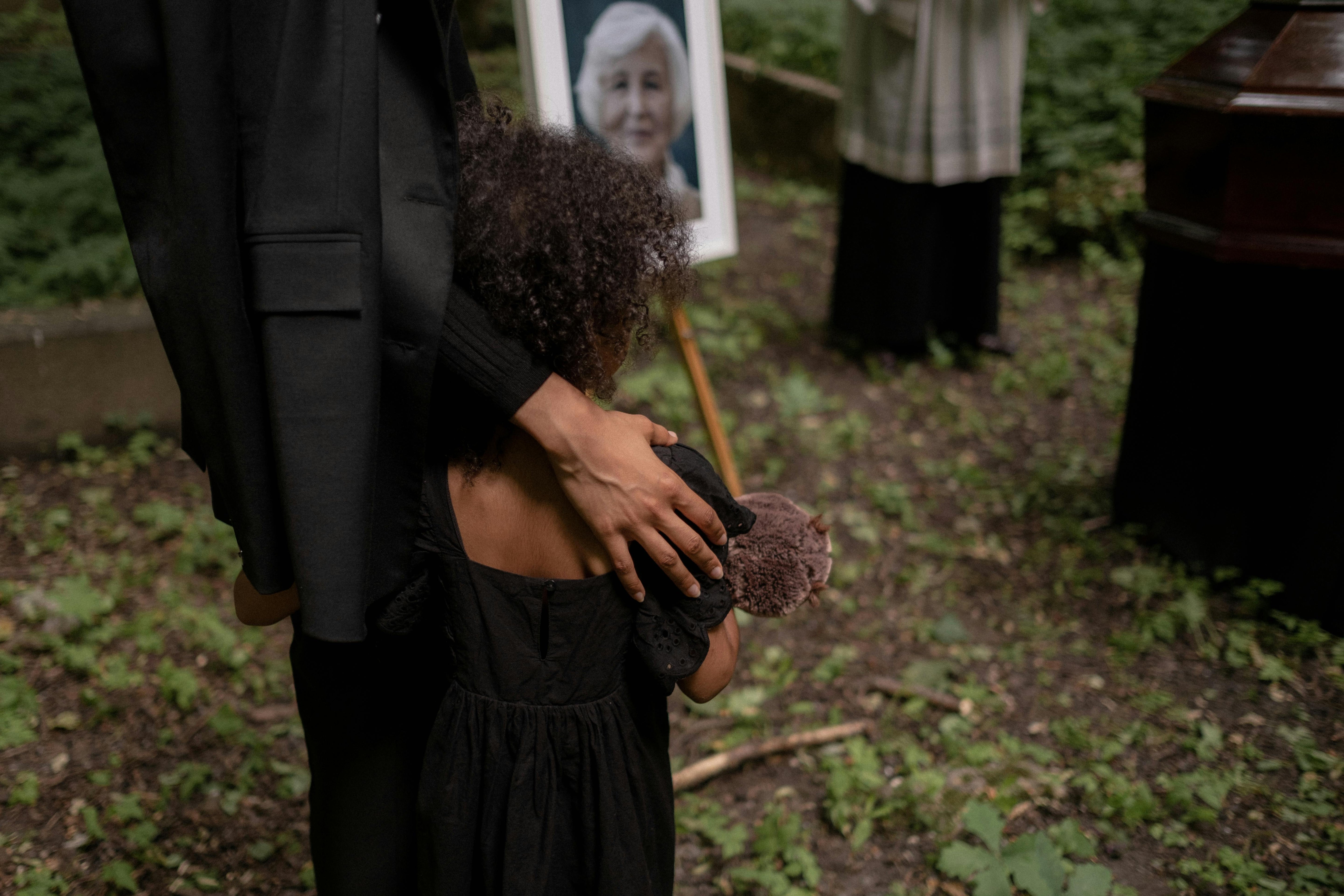
When an urn is passed down from a parent to a child, it carries the "blessing" of the previous generation. It reminds every descendant that they are part of a larger story, providing a sense of roots in an increasingly transient world. For a child growing up in a house where a beautiful art urn has always been part of the environment, the ancestor becomes a familiar and comforting presence rather than a source of fear or mystery.
There is a delicate balance between honoring the dead and burdening the living. Stewardship of an heirloom should be an act of love, not a forced obligation.
Experts in funeral etiquette suggest the Right to Refuse. An heirloom should never be forced upon a descendant who feels uncomfortable with the physical presence of remains. In such cases, it is better to discuss a permanent placement in a columbarium.
To prevent "memorial clutter," families often utilize small keepsake urns. This allows the legacy to be distributed among multiple branches of the family tree, ensuring that no single person feels the overwhelming weight of stewarding multiple ancestors alone.

To ensure a ceramic memorial remains pristine for a century or more, proper maintenance is essential. For a multi-generational heirloom, we recommend using a specialized neutral-cure silicone sealant. This creates a hermetic, airtight seal that prevents moisture or microscopic air-born particles from entering the vessel, while remaining removable by a professional if the remains ever need to be moved.
When handling the vessel, it is best to hold it by the base with clean, dry hands. Over many decades, the natural oils from human skin can attract micro-dust to the surface. For cleaning, never use harsh household chemicals or abrasive sponges. A soft, dry microfiber cloth is all that is required to maintain the luster of a vitrified ceramic glaze.
We are currently in a "Golden Age" of memorial design. The introduction of 3D-printed ceramic urns means that today’s vessels are more aesthetically advanced than anything available in the past.
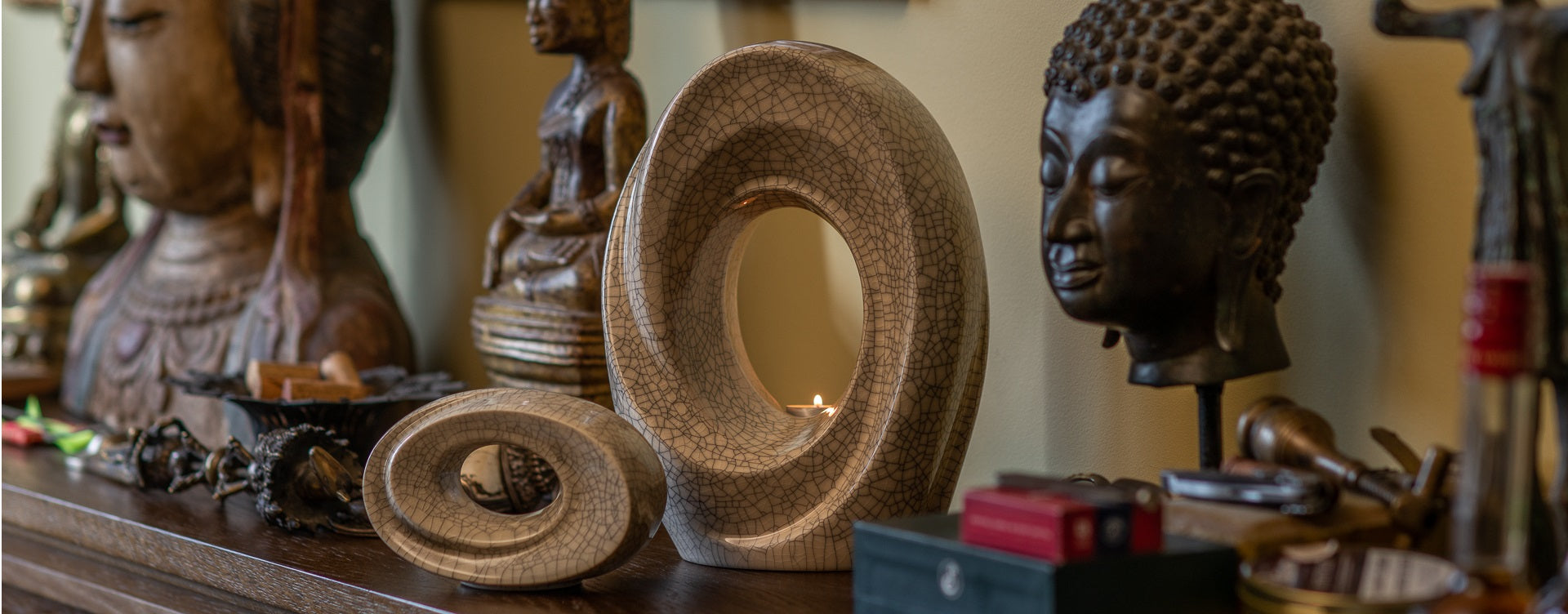
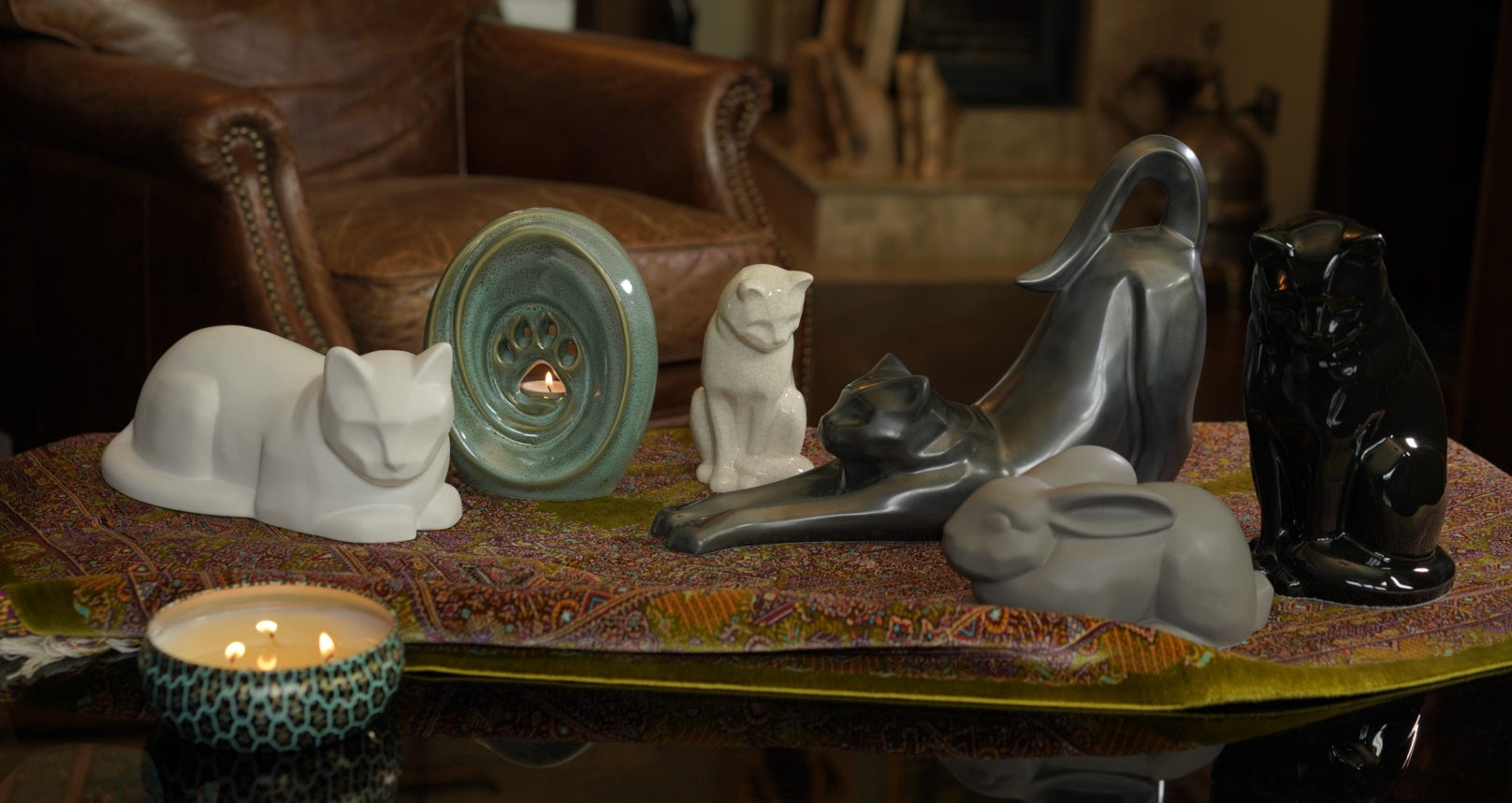
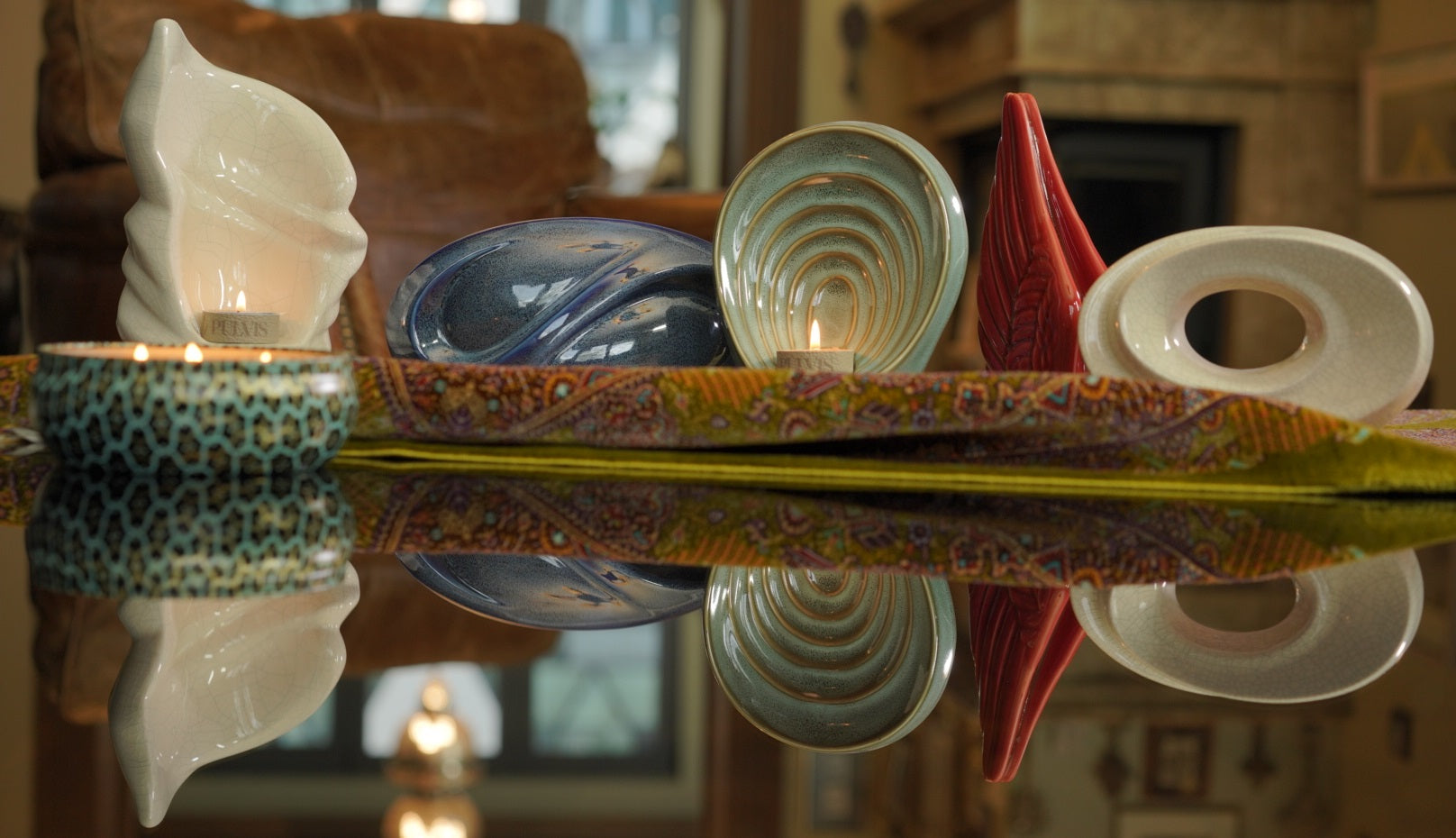
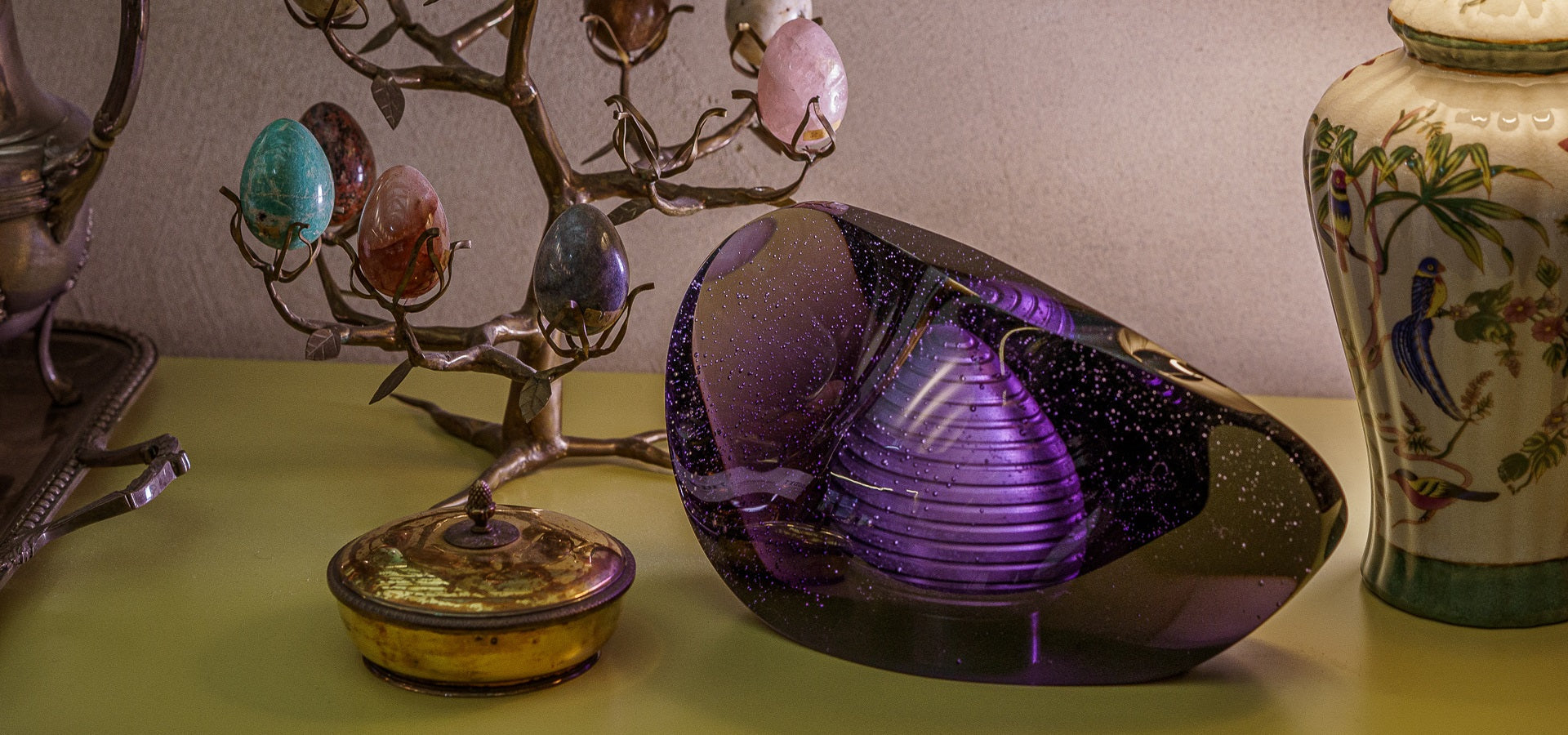
The Echo Collection and other parametric designs use mathematical patterns that are inherently fascinating to the human eye. These unique geometries ensure that the vessel is viewed as a museum-quality sculpture. This high aesthetic value is a strategic way to protect the legacy; an object that is clearly a work of art is much more likely to be displayed and cared for by future generations, even those who may not have a direct emotional connection to the deceased.

In many legal jurisdictions, human remains are not technically classified as "property," which can make passing them down in a Will complicated. To ensure the continuity of the legacy, it is vital to include an Explicit Bequest in your Last Will and Testament.
You should specifically name the "Guardian of the Remains." This person is legally tasked with the stewardship of the vessel. By clearly designating an heir, you prevent potential family disputes and ensure that the "Shape of Spirit" remains in the care of those who value the legacy most.
An urn that becomes a family heirloom is a profound statement of love. It says that this person’s life was so significant that their presence should be felt by people who haven't even been born yet.
By selecting a premium ceramic vessel from Pulvis Art Urns, you are choosing a material that has survived from antiquity and a design that bridges the gap between today’s grief and tomorrow’s history. Whether it is a large centerpiece or a delicate keepsake, an heirloom urn anchors the family across the ages, ensuring the story of a life becomes an echo that resonates forever.

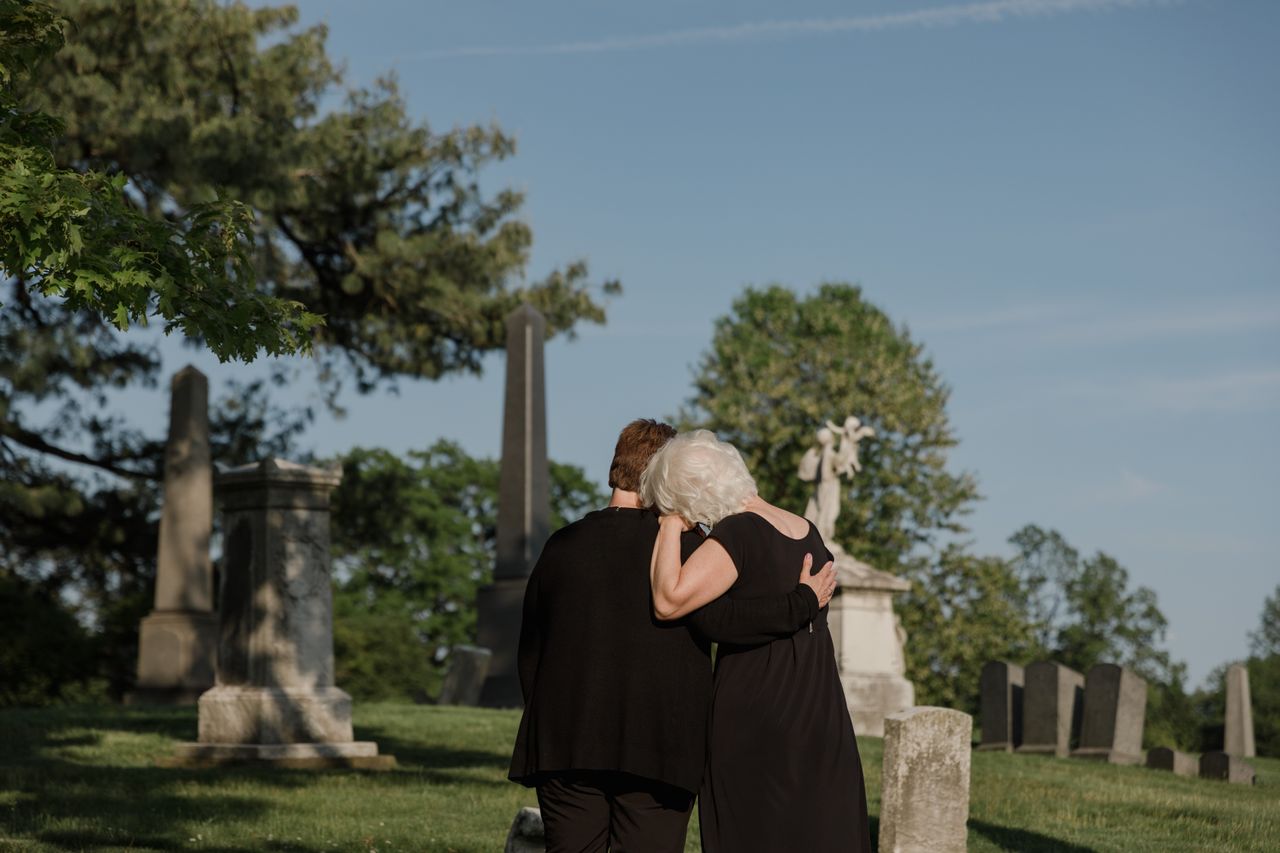
Ways to Honour a Loved One Without Visiting a Cemetery
Honouring a loved one doesn't have to be limited to visiting a cemetery. Discover meaningful and heartfelt ways to celebrate their life through personal traditions, living memorials, keepsakes, charitable acts and beautiful remembrance ideas that keep their memory alive every day.
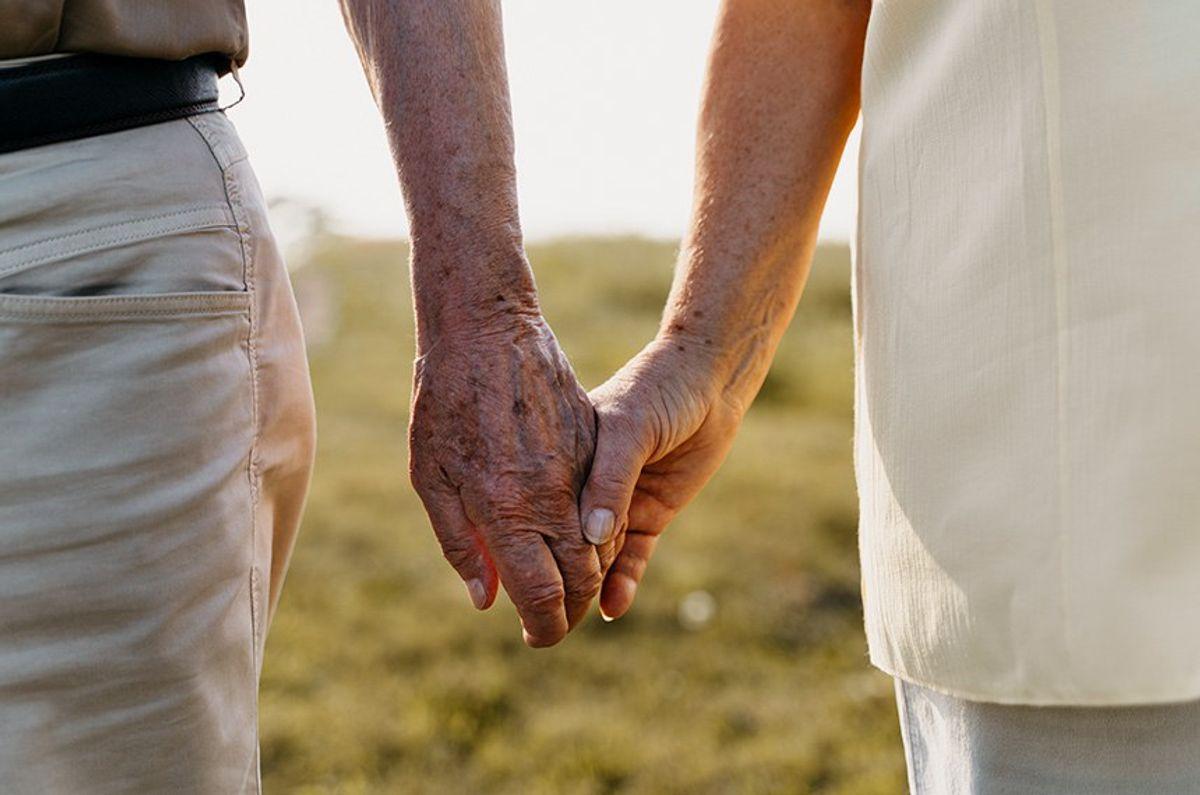
The Emotional Weight of “Lasts”: The Last Conversation, Last Hug, Last Goodbye
The last conversation, last hug, and last goodbye are some of the most emotionally powerful experiences a person can carry. These final moments transform ordinary interactions into lifelong memories, revealing the depth of love, connection, grief, and human attachment. This article explores why we remember final moments so vividly, how they shape the way we process loss, and why appreciating everyday connections matters before they become memories.
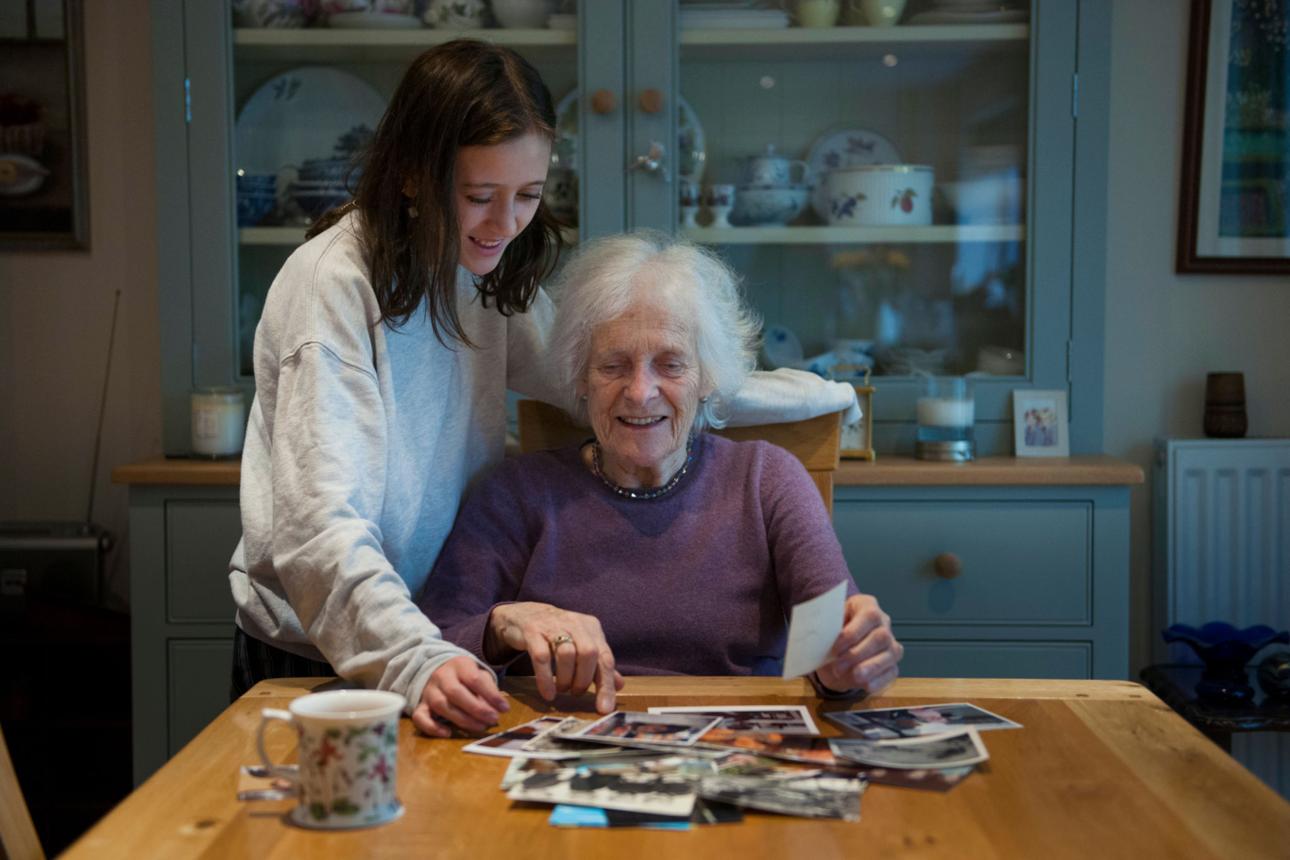
The First Holiday Without Someone: Why It Feels So Different
The first holiday after losing someone we love can feel completely different from any celebration before it. The traditions remain, the decorations appear, and families gather together, but the absence of one important person changes everything. This article explores why holidays intensify grief, how memories are triggered through traditions and senses, and how families learn to honour loved ones while creating new ways to remember.
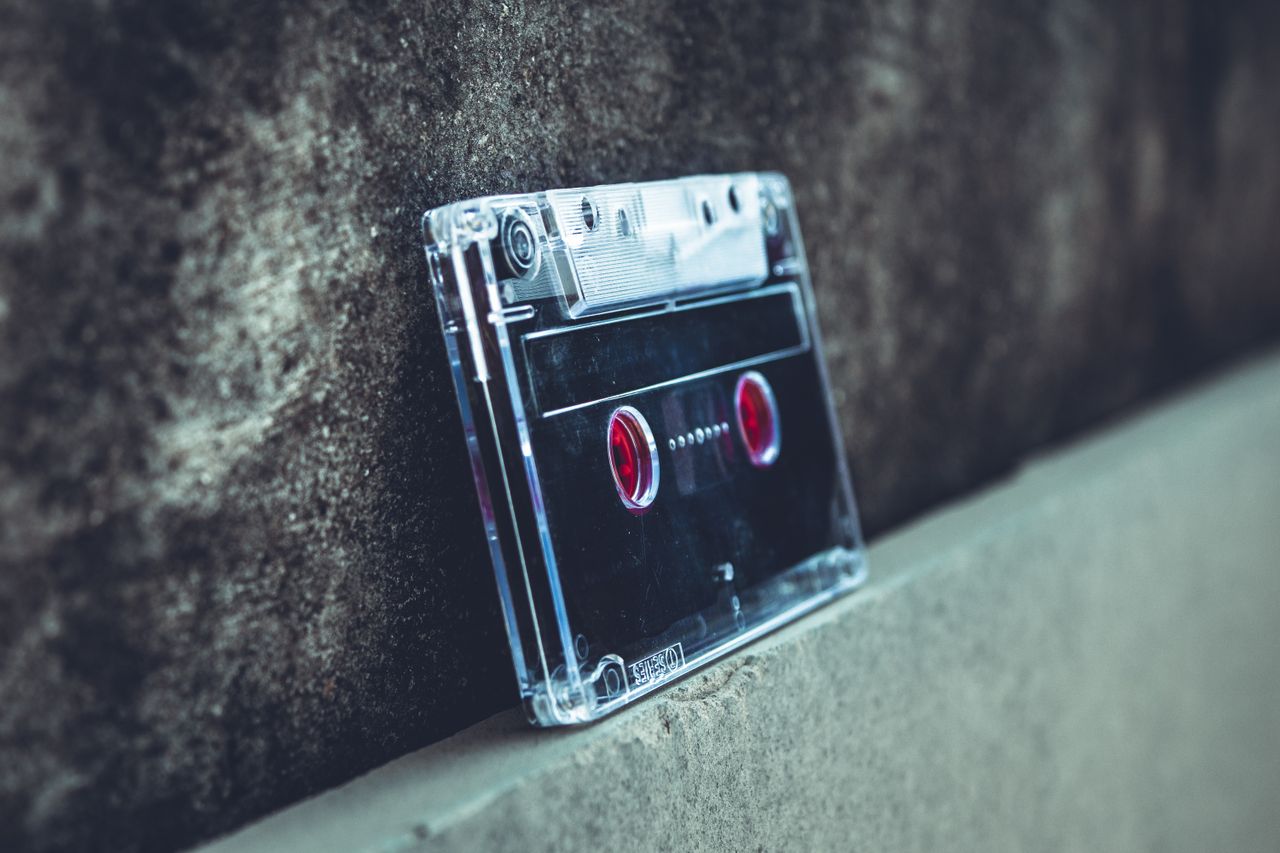
Discover why everyday sounds can become powerful reminders of the people we love. From familiar voices and favourite songs to simple household noises, sound has the ability to preserve memories, awaken emotions, and maintain a connection with those who are no longer physically present.
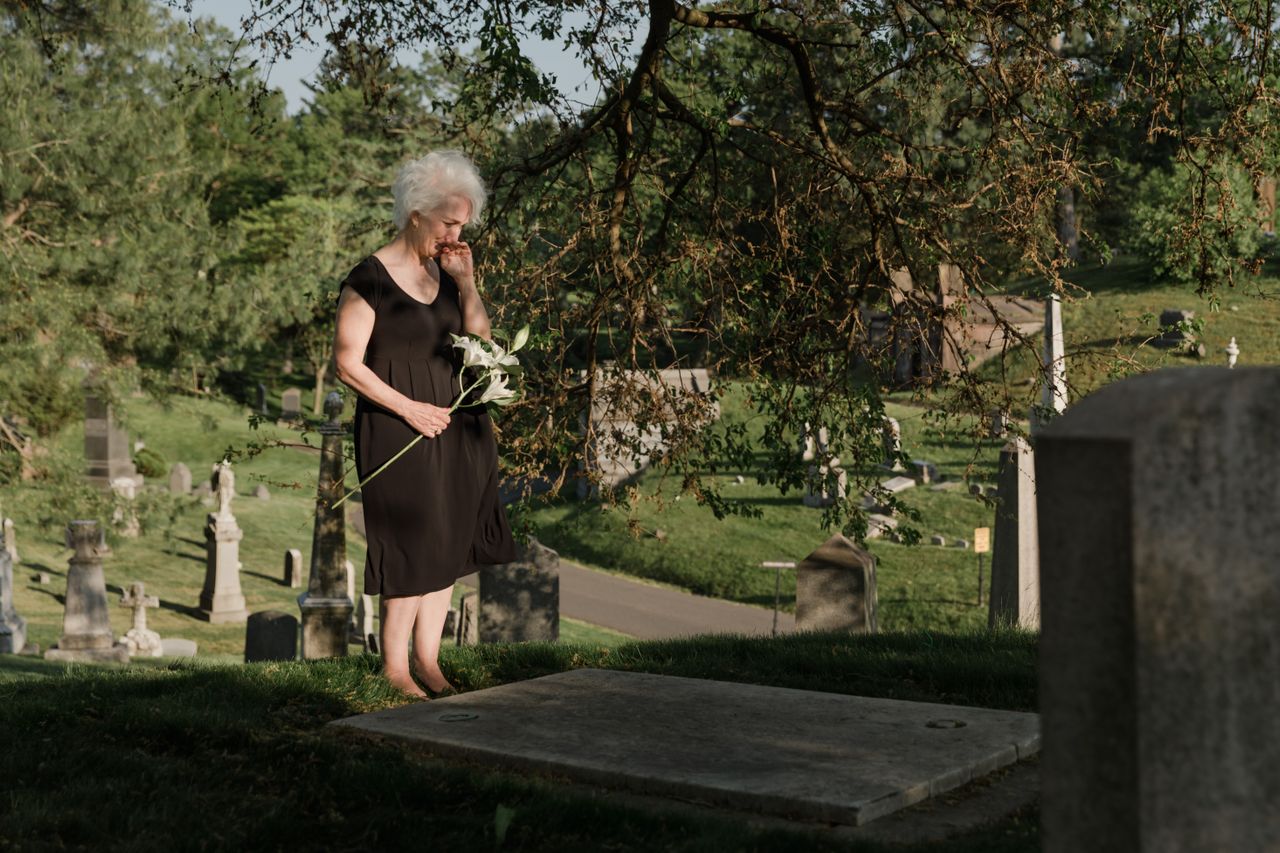
After losing someone we love, ordinary belongings can become some of the most meaningful reminders of their life. A favourite sweater, handwritten note, piece of jewellery, or family recipe can carry memories, emotions, and a sense of connection that goes far beyond the object itself. This article explores why we keep the things left behind, the psychology behind emotional attachment to personal belongings, and how these objects help us preserve love, identity, and family stories after loss.
Share:
When Memory becomes Part of the Home: Integrating a Memorial Urn into Interior Design
Personalized Dog Urns Creating a One of a Kind Tribute