
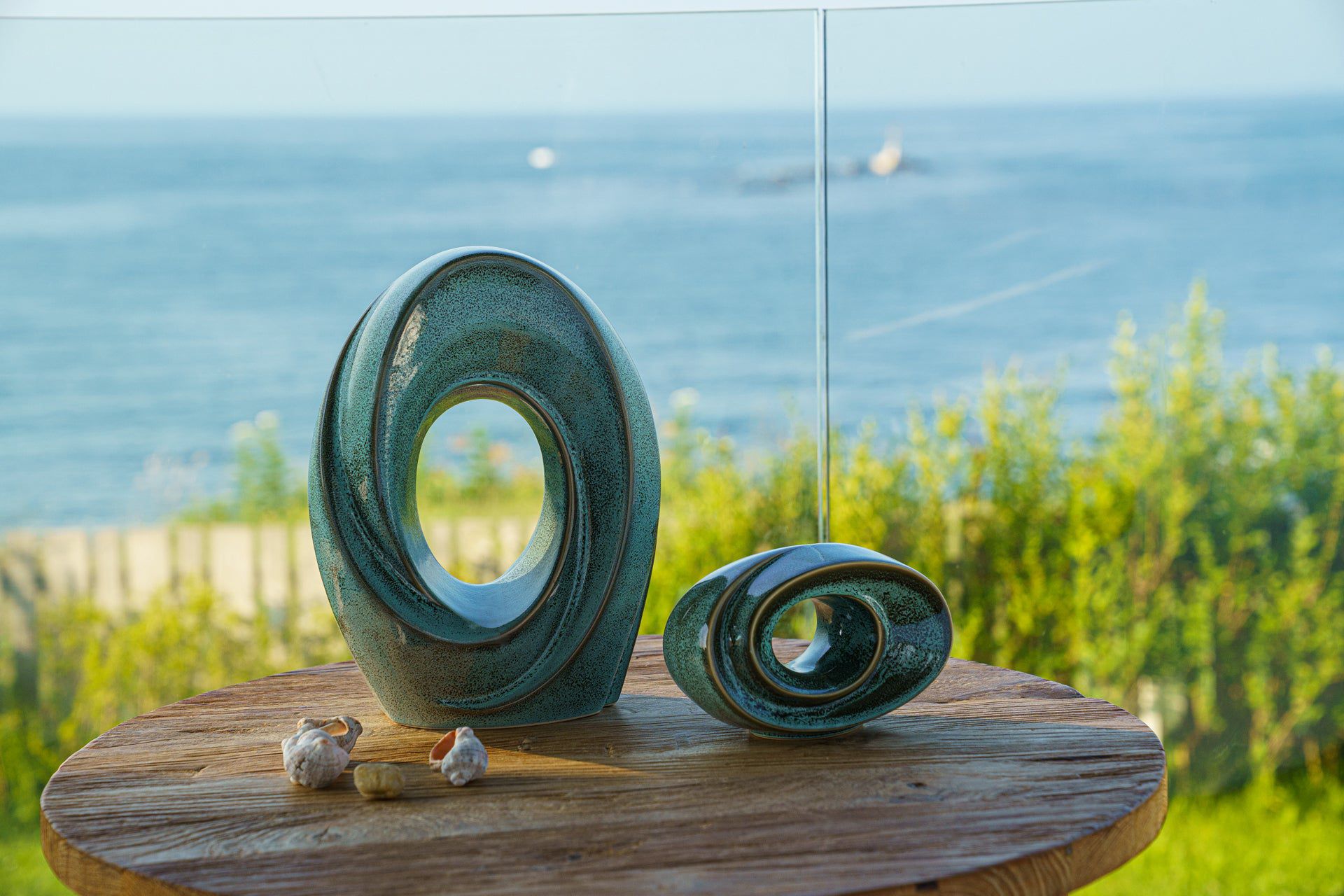
Grief doesn’t disappear - it evolves. And for many people, remembrance becomes something quiet, personal, and deeply woven into everyday life. A memorial urn, often seen as purely functional, can instead become a meaningful and even beautiful part of a home’s interior. When approached thoughtfully, it doesn’t feel like an object of loss, but rather a symbol of presence, memory, and love.
Here’s how a memorial urn can be integrated into interior design in a way that feels natural, intentional, and even comforting.
Anna had always shared her apartment with her golden retriever Milo. After he passed, she struggled with the idea of “putting him away.” Instead, she placed his urn on a floating shelf in her living room, alongside a small framed photo, a ceramic bowl he used, and a trailing plant.
Over time, guests didn’t see it as something somber. It became a quiet corner of her home that told a story - one of companionship, warmth, and years of shared life.
A memorial urn, when placed among meaningful objects, becomes part of a narrative rather than a standalone reminder of loss.

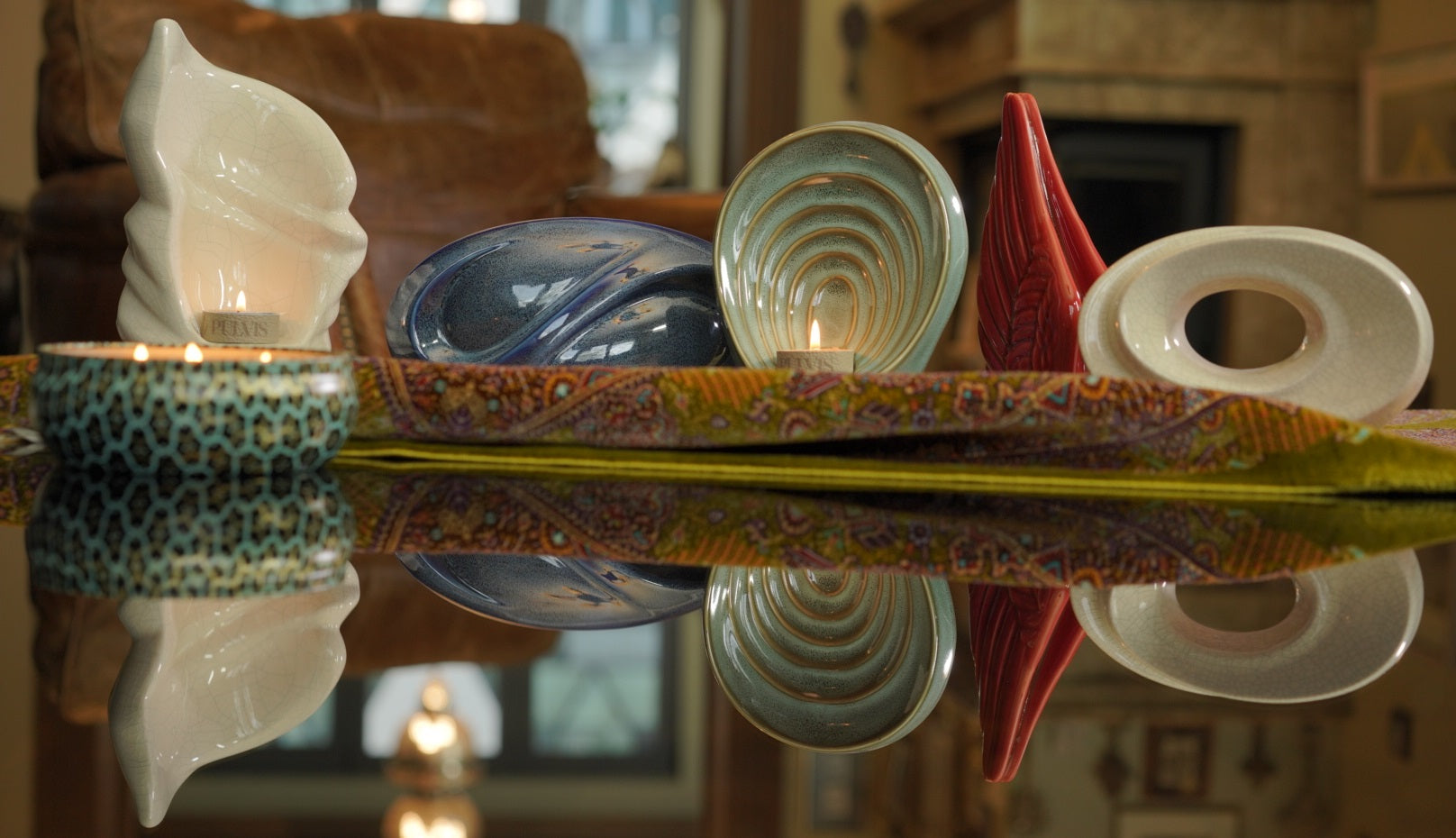
One of the easiest ways to integrate an urn is to treat it like any other design object. Consider the existing style of your space:
The key is cohesion. When the urn echoes the colors, materials, or shapes already present in the room, it feels intentional rather than out of place.

Some people prefer a more defined space for remembrance. This doesn’t have to feel heavy or ceremonial - it can be gentle and inviting.
A small console table, a corner shelf, or even a windowsill can become a “memory corner” that includes:
Lighting plays a powerful role here. Warm, indirect light can transform the space into something peaceful rather than melancholic.

In recent years, design has evolved to meet both emotional and aesthetic needs. Some modern memorial urns are thoughtfully created to serve a dual purpose - they can also be used as a vase.
This approach allows the urn to hold fresh flowers, dried arrangements, or even simple greenery, bringing a sense of life and renewal into the space. It softens the symbolism and creates a beautiful daily ritual - changing flowers, arranging stems, or simply enjoying the presence of something living.

For many, this dual functionality makes the urn feel less like a static object and more like an active part of the home.
Not everyone wants the urn to be immediately visible. Interior design can accommodate that too. Some subtle approaches include placing the urn inside a glass cabinet among books and objects or integrating it into a bookshelf as part of a styled arrangement. This approach allows the memory to remain present without being the focal point of the space.
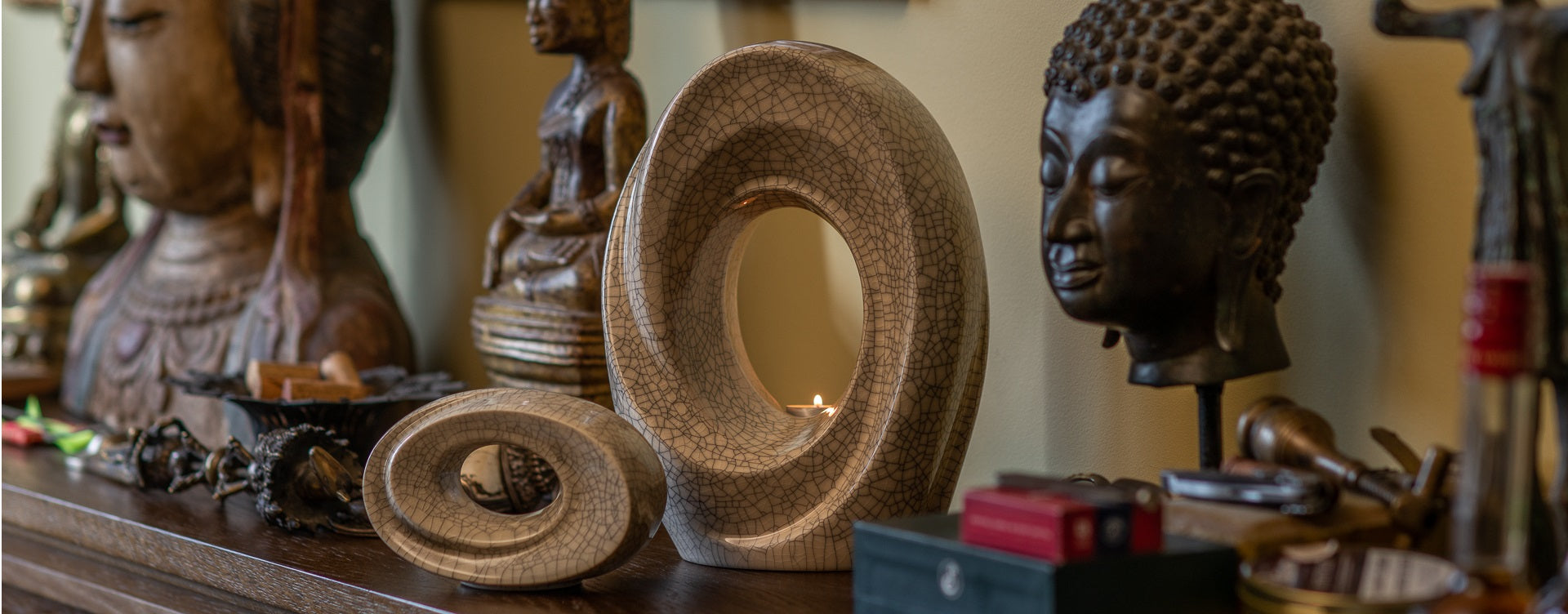
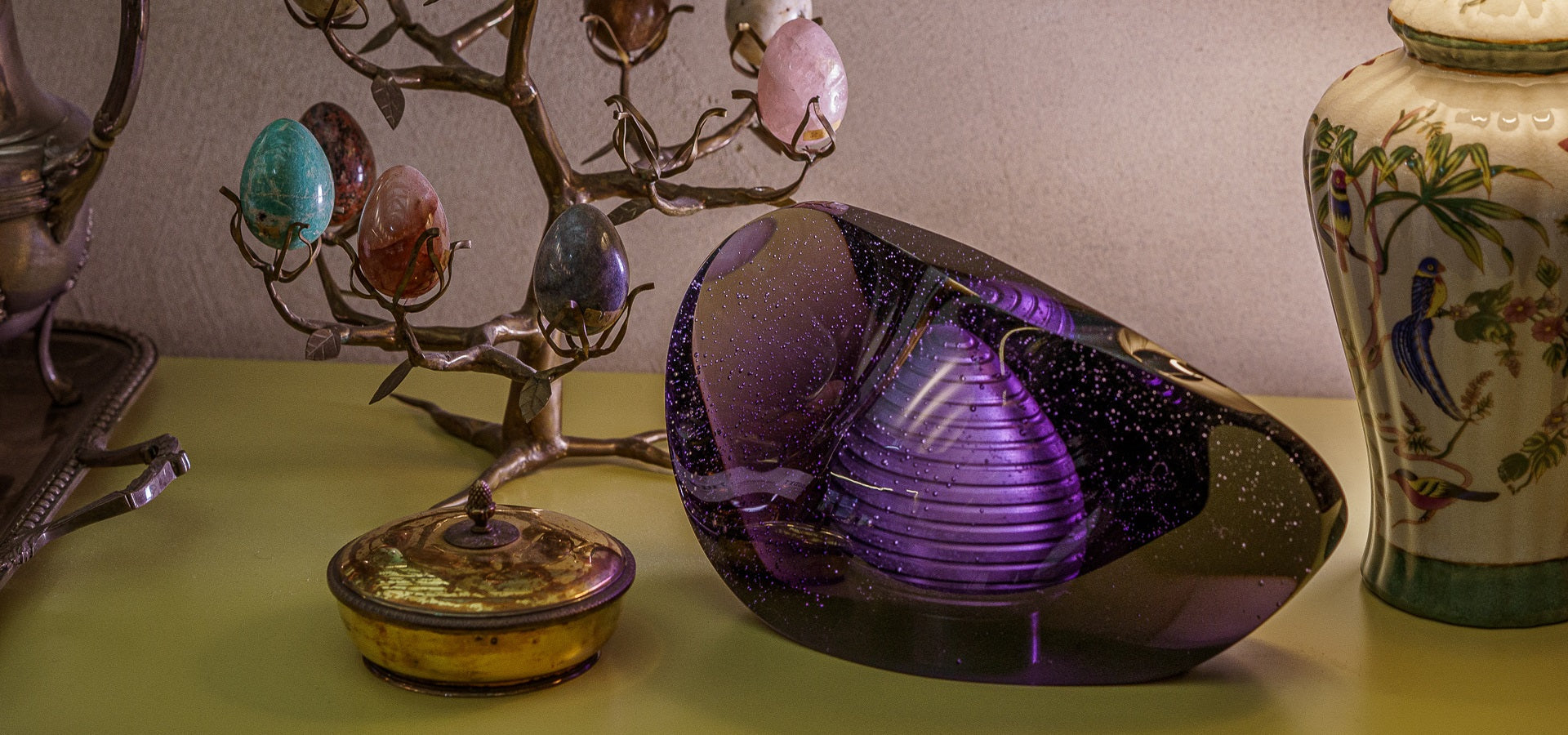
Modern urn design has evolved far beyond traditional expectations. Many are now created as sculptural pieces that stand on their own as art.
In this context, the urn can:
Visitors may not even recognize it as an urn at first - and that’s part of the beauty. It invites curiosity, conversation, and ultimately, storytelling.

Pairing an urn with natural elements can soften its presence and create a sense of continuity.
Consider placing it:
Nature brings movement and life into the space, balancing the stillness of the urn and symbolizing cycles rather than endings.

At its core, integrating a memorial urn into interior design is not about decoration - it’s about connection. It’s about allowing memories to exist in the same spaces where life continues.
A well-placed urn doesn’t interrupt a home’s atmosphere. It deepens it.
Because ultimately, a home is not just defined by furniture or style - it’s shaped by the lives, relationships, and stories that unfold within it. And sometimes, the most meaningful design choice is the one that keeps those stories close!
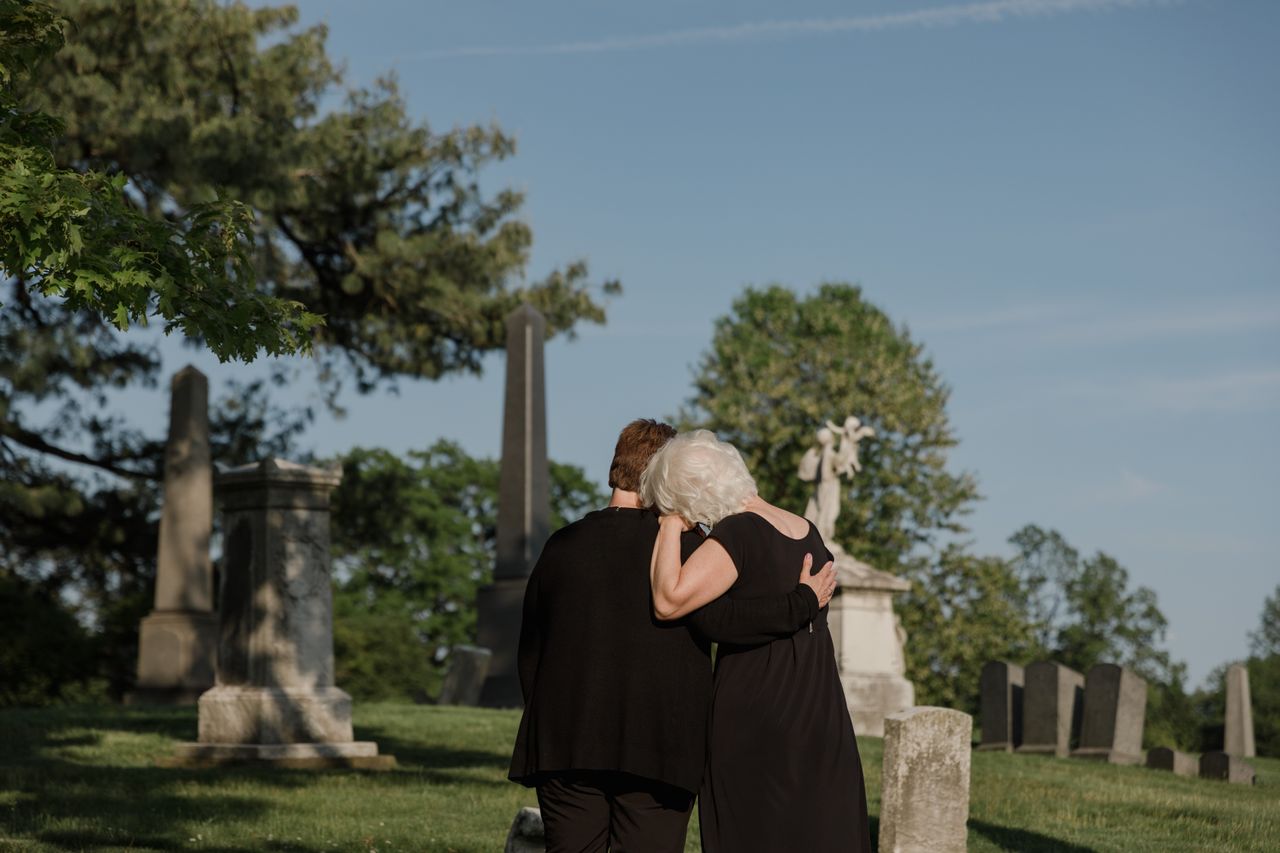
Ways to Honour a Loved One Without Visiting a Cemetery
Honouring a loved one doesn't have to be limited to visiting a cemetery. Discover meaningful and heartfelt ways to celebrate their life through personal traditions, living memorials, keepsakes, charitable acts and beautiful remembrance ideas that keep their memory alive every day.
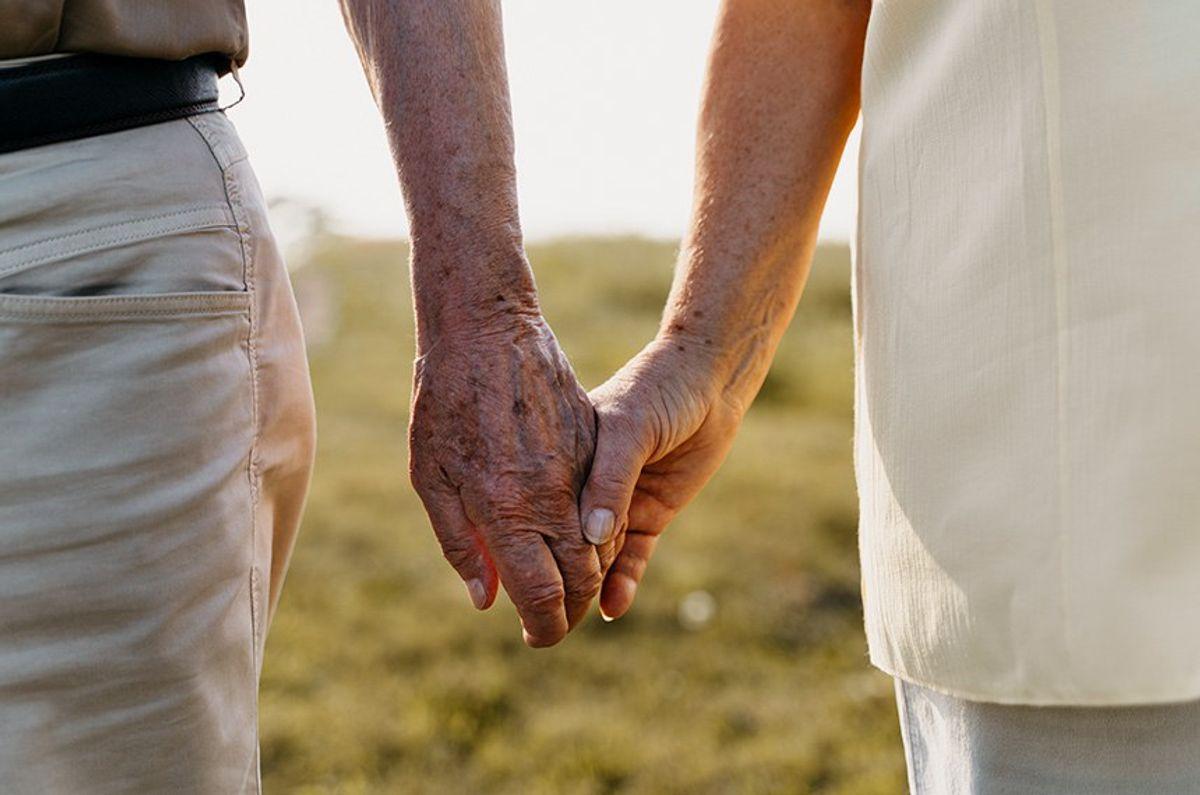
The Emotional Weight of “Lasts”: The Last Conversation, Last Hug, Last Goodbye
The last conversation, last hug, and last goodbye are some of the most emotionally powerful experiences a person can carry. These final moments transform ordinary interactions into lifelong memories, revealing the depth of love, connection, grief, and human attachment. This article explores why we remember final moments so vividly, how they shape the way we process loss, and why appreciating everyday connections matters before they become memories.
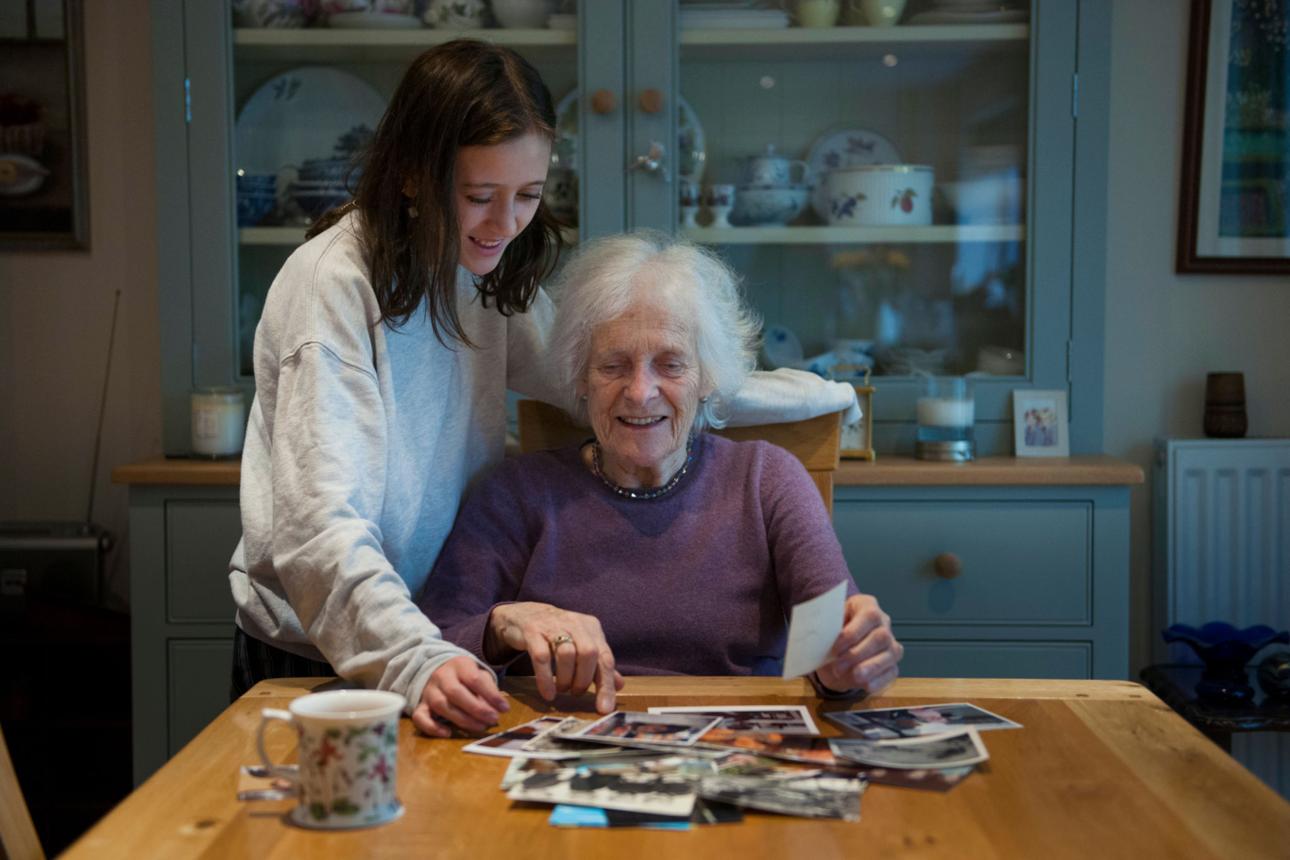
The First Holiday Without Someone: Why It Feels So Different
The first holiday after losing someone we love can feel completely different from any celebration before it. The traditions remain, the decorations appear, and families gather together, but the absence of one important person changes everything. This article explores why holidays intensify grief, how memories are triggered through traditions and senses, and how families learn to honour loved ones while creating new ways to remember.
Discover why everyday sounds can become powerful reminders of the people we love. From familiar voices and favourite songs to simple household noises, sound has the ability to preserve memories, awaken emotions, and maintain a connection with those who are no longer physically present.
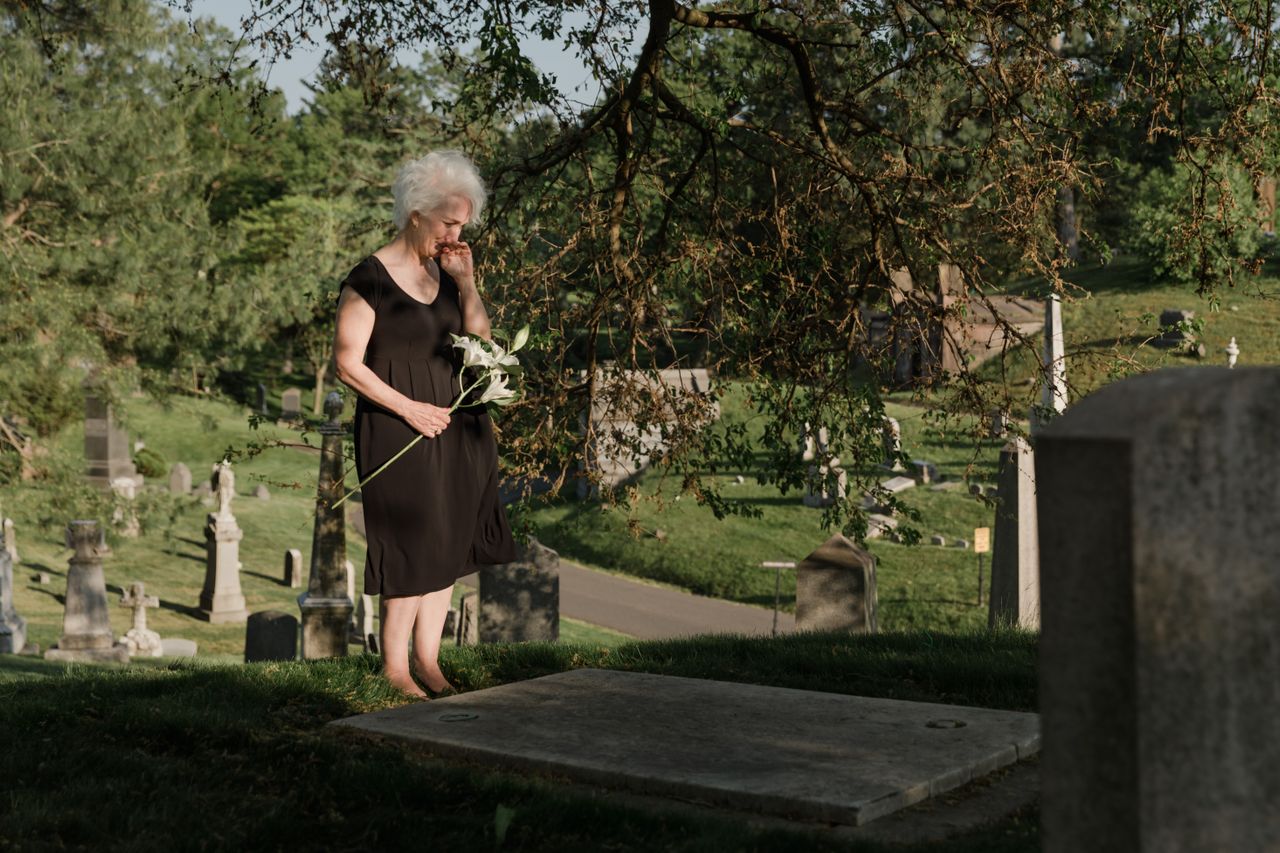
After losing someone we love, ordinary belongings can become some of the most meaningful reminders of their life. A favourite sweater, handwritten note, piece of jewellery, or family recipe can carry memories, emotions, and a sense of connection that goes far beyond the object itself. This article explores why we keep the things left behind, the psychology behind emotional attachment to personal belongings, and how these objects help us preserve love, identity, and family stories after loss.
Share:
Choosing an Urn for Pet Ashes That Reflects Your Pet’s Personality
The Eternal Vessel: When an Urn Becomes a Family Heirloom Across Generations