
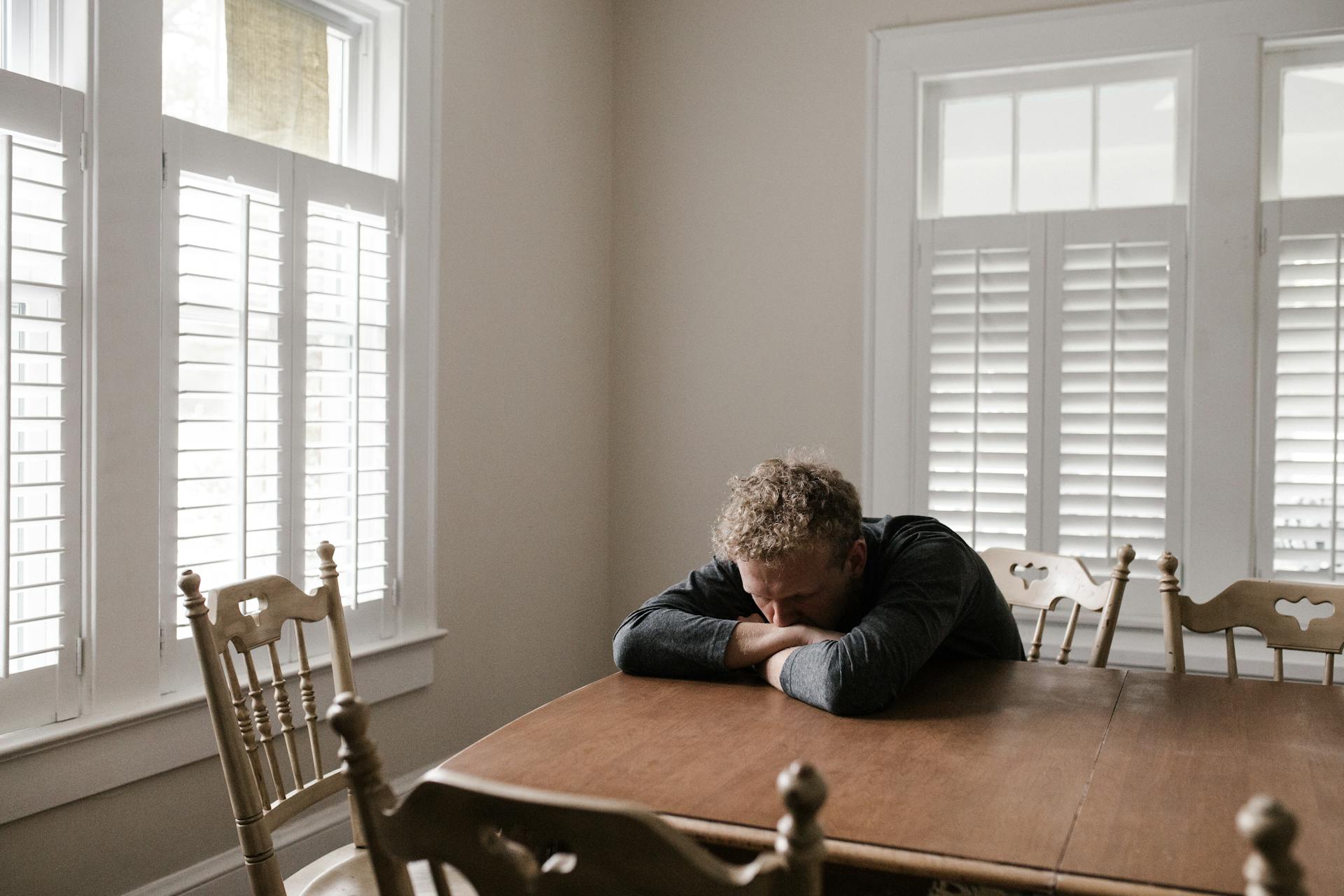
Losing a loved one is never easy. Grief is a natural part of the process – a process that cannot be rushed or forced. While everyone grieves differently and on different time frames, it can be helpful to understand the complexities of grief and how to help shape it into a healthy experience.
This articles discusses dealing with grief that comes from the loss of someone in your household, providing insights about the process and encouraging a healthy approach that can help you find solace – without losing yourself to endless sadness.

The empty chair is often used to symbolize the tangible devastation of dramatic change. Losing someone that you live with – whether it’s a partner, parent, or friend – can be a traumatic experience because these close-contact relationships often shape our everyday experiences.
That person who you’re used to sharing a significant amount of time with – preparing meals together, watching television, cleaning the house, caring for pets, grocery shopping, etc. – is suddenly gone. The emptiness that follows is dangerous because it is seemingly always present. The everyday routines of life cannot continue in the same manner. In a sense, life gets put on pause. That empty chair – the physical absence of a loved one – serves as a constant reminder of the emotional loss.
Grieving losses like these are particularly difficult because you’re forced to change your routines. And that change can sometimes feel like a betrayal of the deceased. For example, no one is allowed to sit in that recliner, because it was your loved one’s favorite chair. Or, the dishes have to be stacked in a certain way, because that’s how your loved one liked it. When your loved one is no longer there, it’s common to cling to the routines and details that you associate with them.
Even though changing these everyday routines can feel like a betrayal – or a willingness to forget that person – letting these details dictate your life is unhealthy. It’s important to recognize that change is a part of life. And it’s very possible to make changes little by little – without forgetting your loved one.

This is where intentional change becomes important. When it comes to grieving a loved one, having something to hold onto can be an essential part of the grieving process. These keepsakes help us keep their memory alive and often provide consolation and comfort. Instead of letting the everyday details of the home serve as a memorial, be intentional about preserving your loved one’s memory.

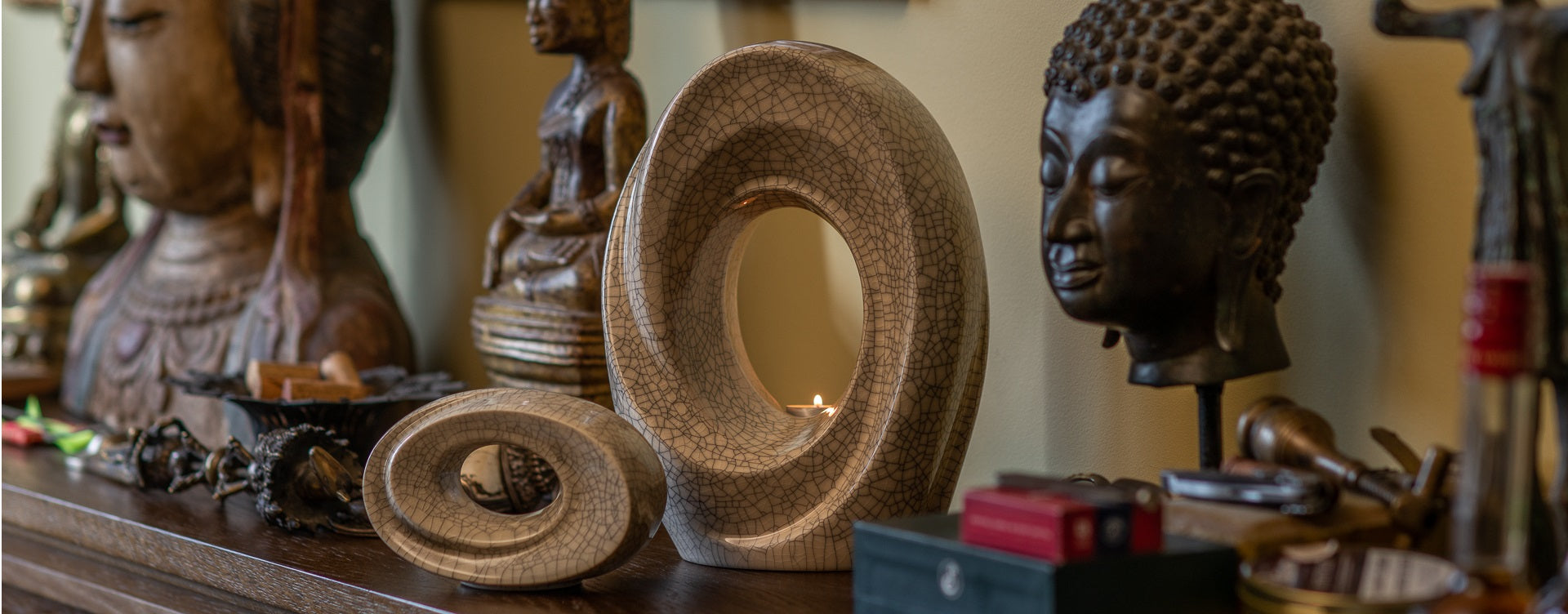
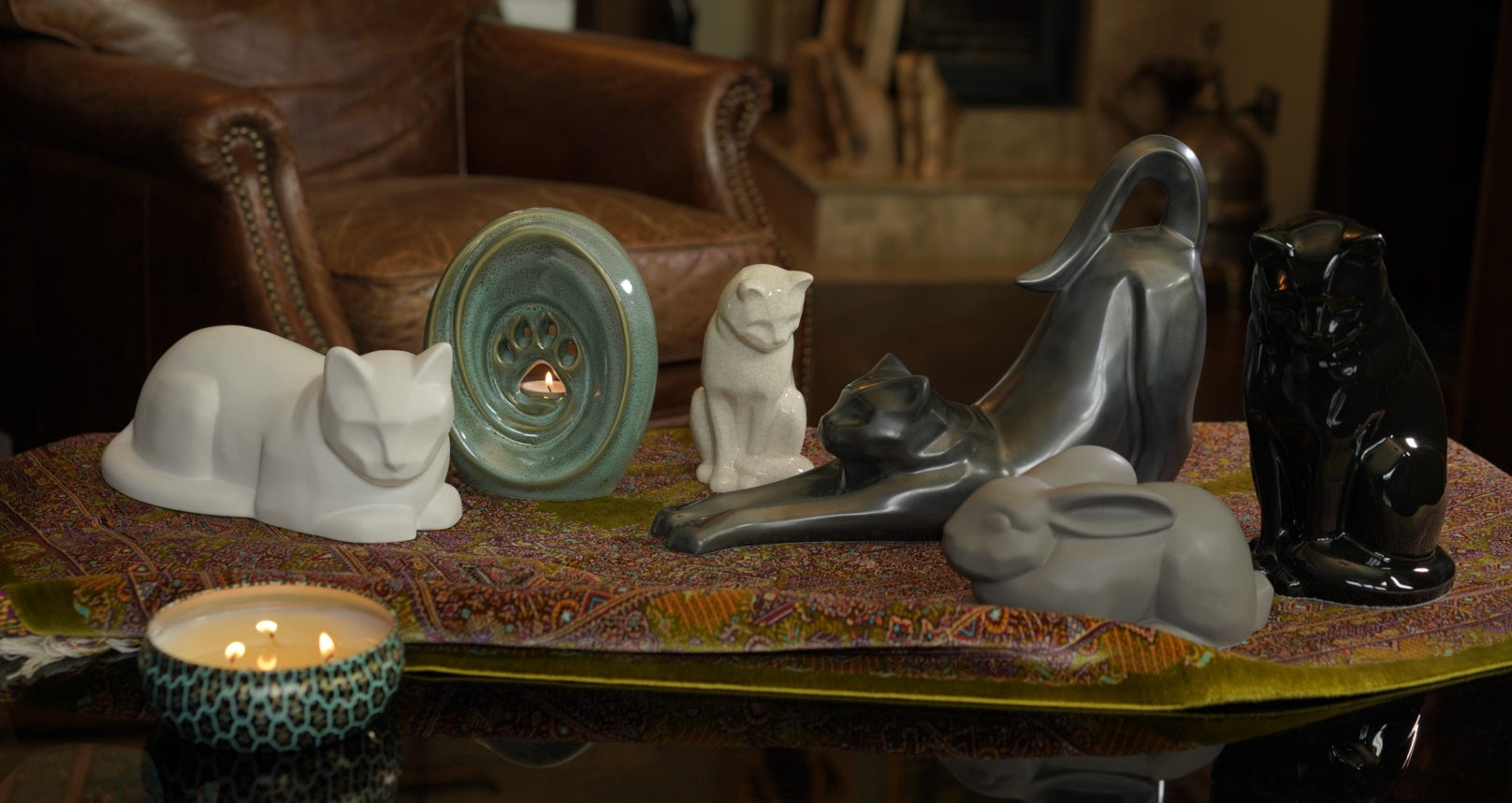
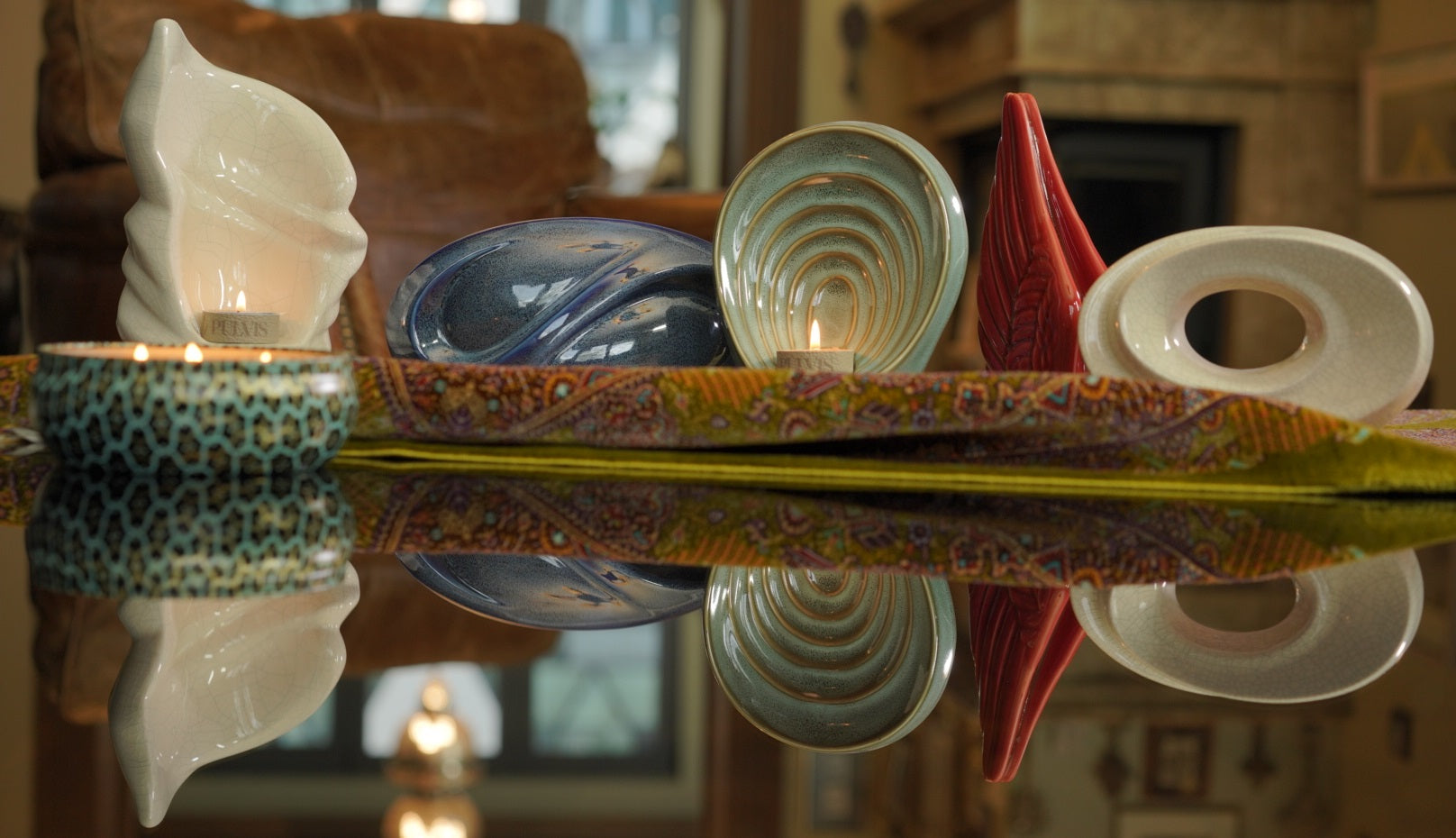
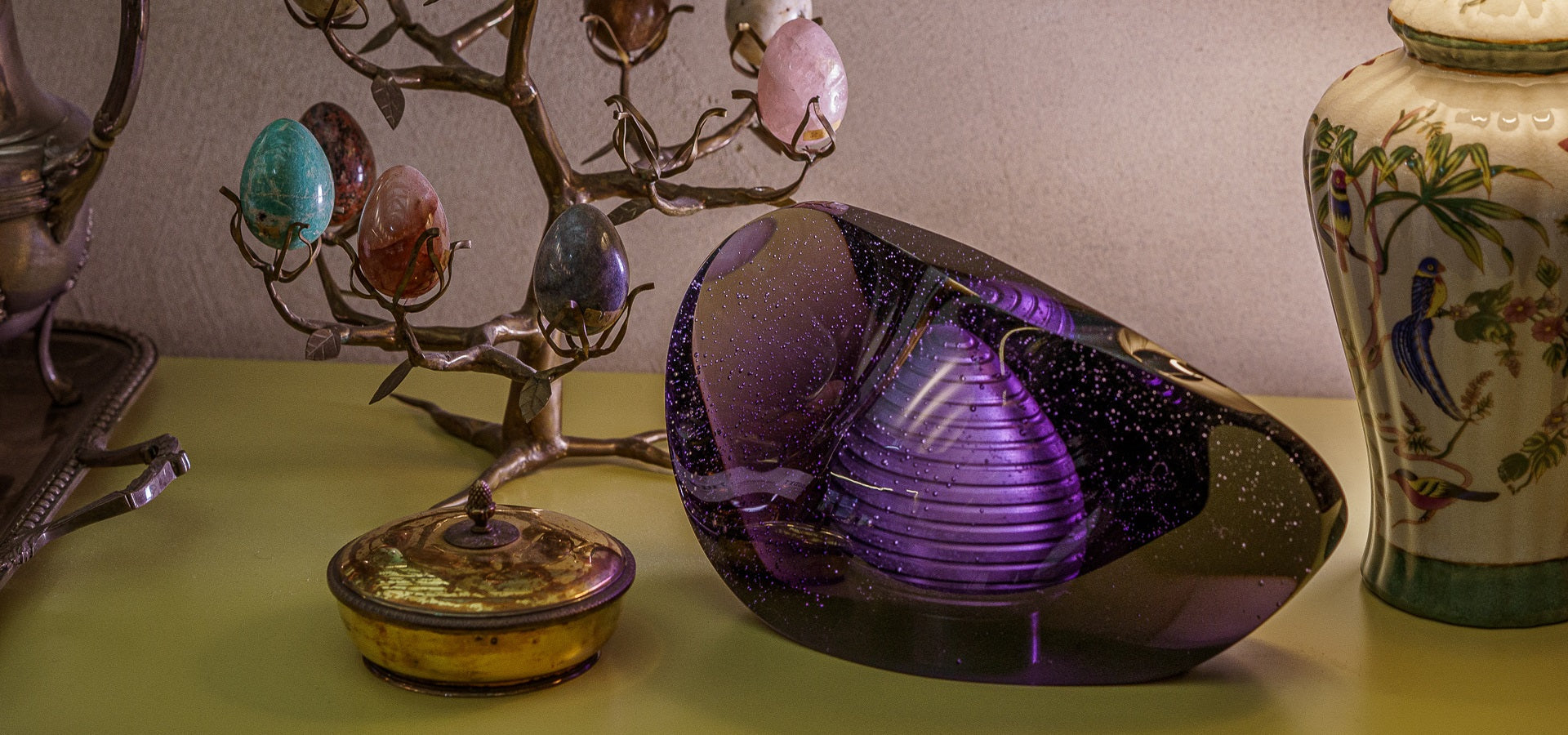
A great way to do this is by creating a special area in the home that’s dedicated to the loved one’s memory. Find a special cremation urn for their ashes and create a unique display for it. Many artisan urns have glossy ceramic finishes, abstract shapes, spaces for votive candles, and beautiful colors to choose from. Picking a unique handmade urn design that feels like it fits your loved one’s personality can be a great first step towards acceptance, memory, and change.
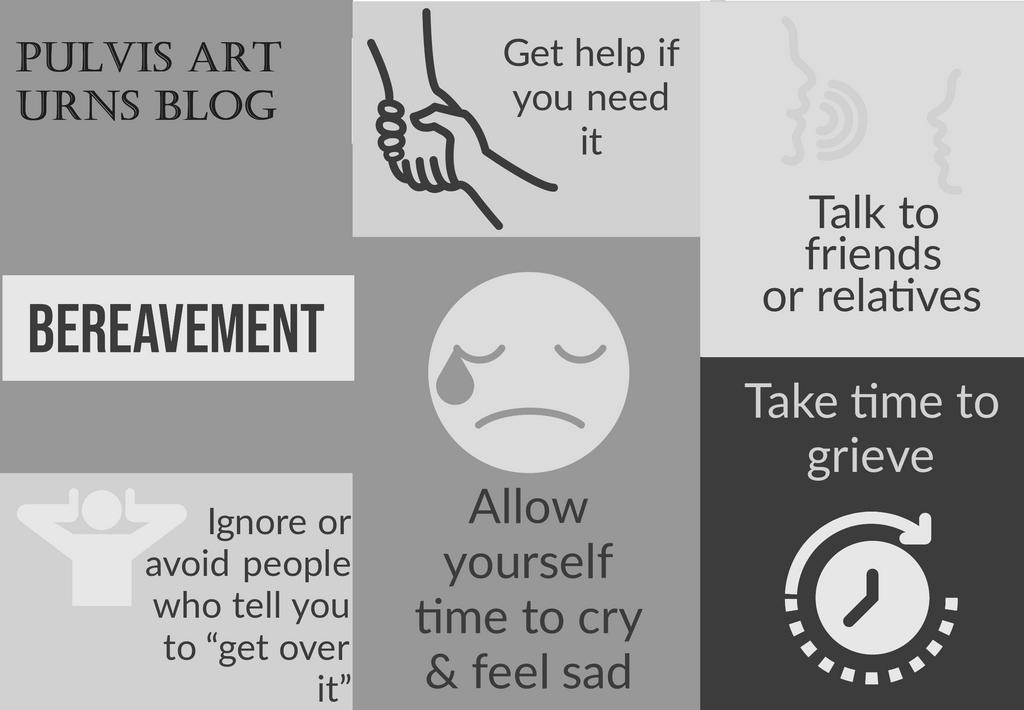
Dealing with the empty seat at home after the loss of a loved one is a challenging and emotional process. Grief is a unique experience for each individual, and there is no one-size-fits-all approach. However, here are some general strategies that may help in coping with the void left by the empty seat:
It's important to acknowledge and allow yourself to feel the pain of the loss. Express your emotions through journaling, talking to friends or family, or seeking the support of a therapist.
Consider creating a memorial space at home dedicated to your loved one. This could include photos, mementos, or items that hold sentimental value. Having a dedicated space for remembrance can provide a sense of connection.
While maintaining daily routines can provide a sense of stability, it's also important to allow for flexibility. Grieving is a process, and there may be days when you need to adjust your schedule or take breaks.
Share memories and stories about your loved one with friends and family. Keeping their memory alive through conversation can be a healing and comforting process.
Engage in rituals or memorial activities that honor your loved one's memory. This could involve attending memorial services, lighting candles, or participating in activities that held significance for them.
Grief can be isolating, but it's crucial to seek support from friends, family, or support groups. Connecting with others who have experienced similar losses can provide a sense of understanding and validation.
Explore creative ways to memorialize your loved one, such as creating a scrapbook, planting a tree in their honor, or organizing a charitable event in their memory.
Grieving can take a toll on your physical health. Make sure to prioritize self-care by getting enough sleep, eating well, and engaging in regular exercise.
If the grief becomes overwhelming, consider seeking the help of a grief counselor or therapist. Professional support can provide guidance in navigating the complex emotions associated with loss.
Grief is a complex emotion. By making intentional choices to memorialize your loved one, you can move past the trauma of the empty chair and gradually make progress towards acceptance – and the continuation of life!
It's essential to remember that everyone's grief journey is unique, and there is no right or wrong way to grieve. Trust yourself, be gentle with yourself, and reach out for support when needed.
Our team created a useful guide with organisations, agencies and funeral homes who can be of great help when going through this sad moment.
------------------
Our Affiliate Program is now available. at https://www.pulvisurns.com/pages/affiliate-program-by-pulvis-art-urns

Ways to Honour a Loved One Without Visiting a Cemetery
Honouring a loved one doesn't have to be limited to visiting a cemetery. Discover meaningful and heartfelt ways to celebrate their life through personal traditions, living memorials, keepsakes, charitable acts and beautiful remembrance ideas that keep their memory alive every day.

The Emotional Weight of “Lasts”: The Last Conversation, Last Hug, Last Goodbye
The last conversation, last hug, and last goodbye are some of the most emotionally powerful experiences a person can carry. These final moments transform ordinary interactions into lifelong memories, revealing the depth of love, connection, grief, and human attachment. This article explores why we remember final moments so vividly, how they shape the way we process loss, and why appreciating everyday connections matters before they become memories.
The First Holiday Without Someone: Why It Feels So Different
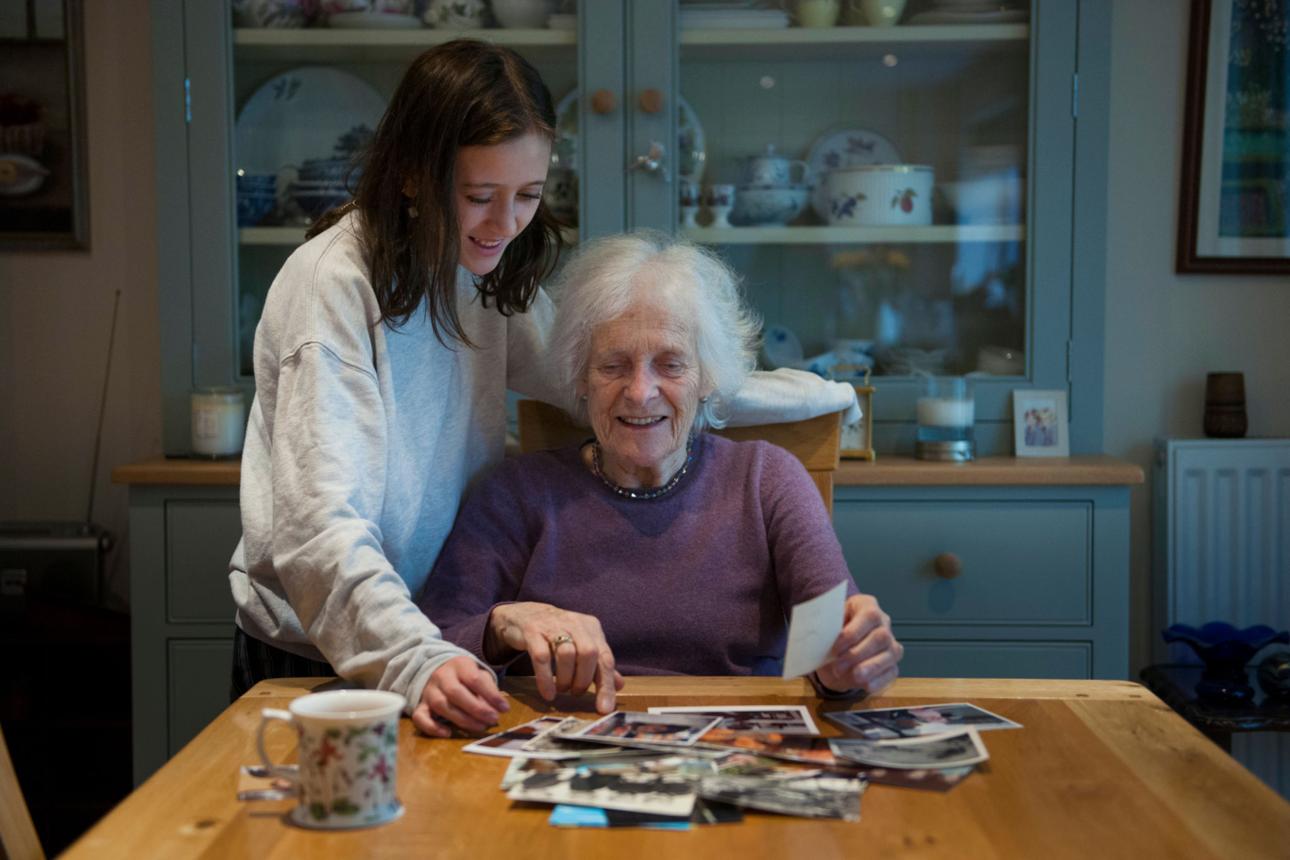
The first holiday after losing someone we love can feel completely different from any celebration before it. The traditions remain, the decorations appear, and families gather together, but the absence of one important person changes everything. This article explores why holidays intensify grief, how memories are triggered through traditions and senses, and how families learn to honour loved ones while creating new ways to remember.

Discover why everyday sounds can become powerful reminders of the people we love. From familiar voices and favourite songs to simple household noises, sound has the ability to preserve memories, awaken emotions, and maintain a connection with those who are no longer physically present.
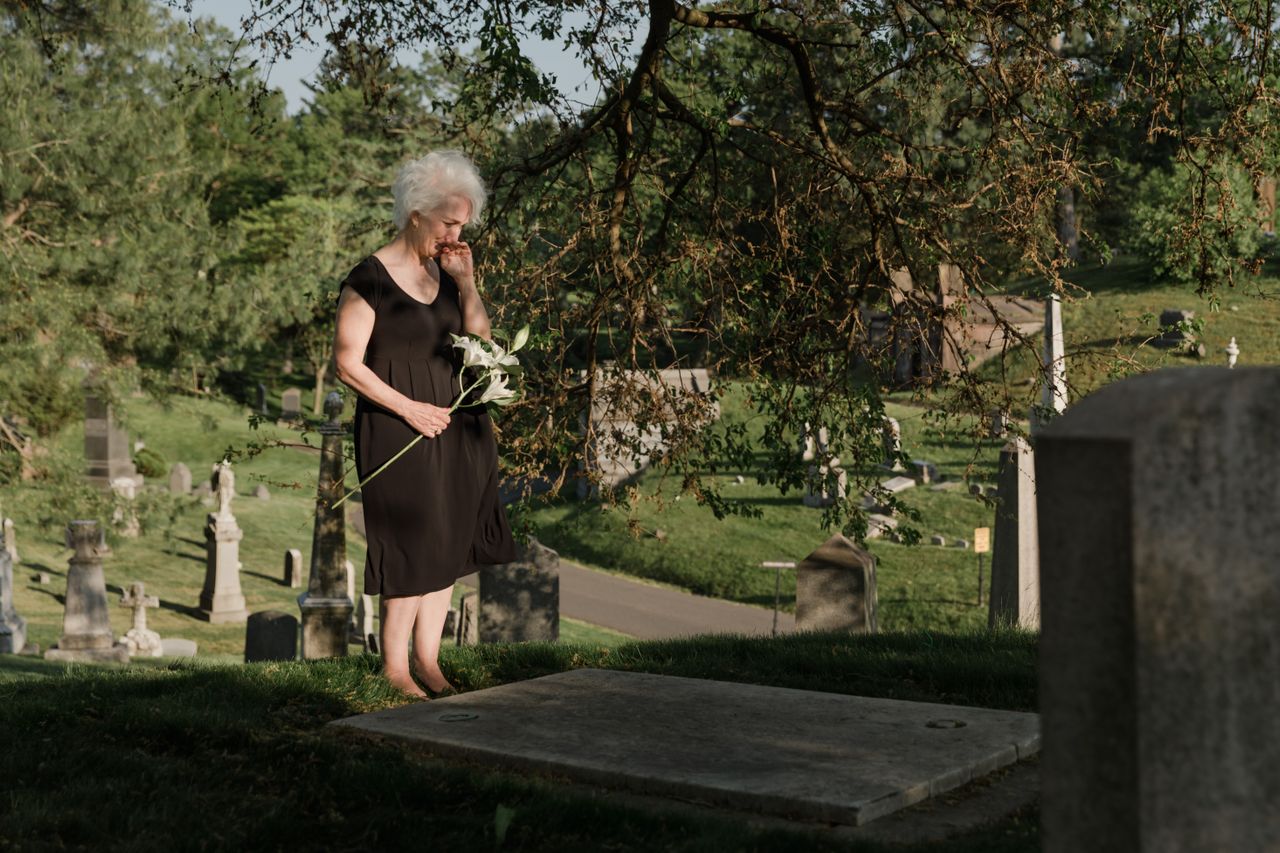
After losing someone we love, ordinary belongings can become some of the most meaningful reminders of their life. A favourite sweater, handwritten note, piece of jewellery, or family recipe can carry memories, emotions, and a sense of connection that goes far beyond the object itself. This article explores why we keep the things left behind, the psychology behind emotional attachment to personal belongings, and how these objects help us preserve love, identity, and family stories after loss.
Share:
2024 Comprehensive Guide to the Cost of Cremation
30 Condolence Messages to Express Your Sympathy & Support