
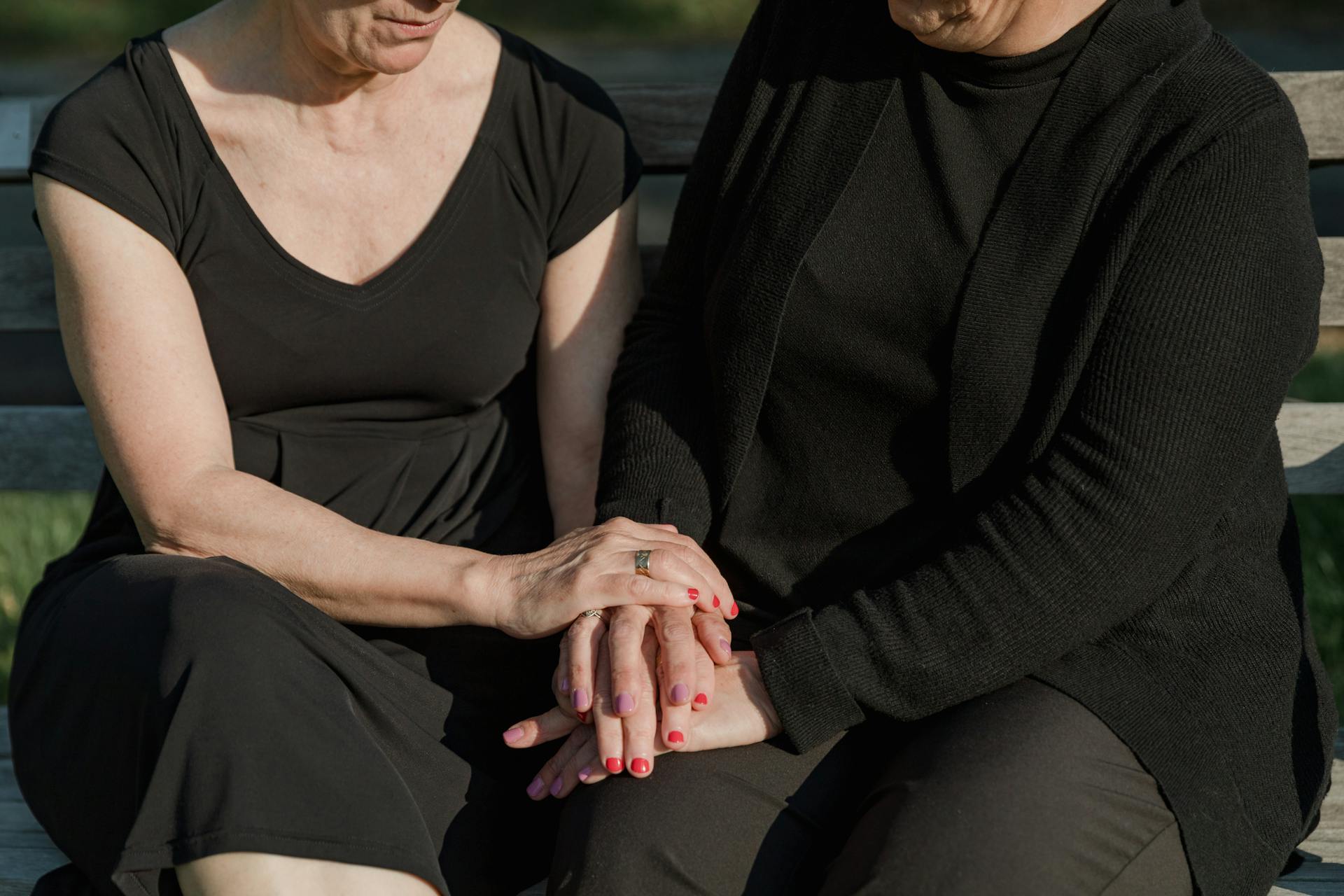
Losing a loved one is one of the most painful experiences anyone can go through. Whether it's a family member, friend, or pet, the grief can be overwhelming . During this difficult time, it's important to allow yourself to grieve and to take care of yourself. Surround yourself with supportive friends and family who can provide comfort and understanding .Showing condolences and sympathy is crucial for each person.
During times of loss or difficulty, people often feel overwhelmed by emotions. Knowing that others empathize with their pain and are there to offer support can provide immense comfort. Offering condolences validates the person's feelings of grief and sorrow. It lets them know that their emotions are recognized and accepted, which can help in the healing process. Grief can be an isolating experience, but receiving condolences reminds the person that they are not alone in their sorrow. It helps counteract feelings of isolation and loneliness .
When you say something to the mourner, it shows that you care enough to make the effort. It shows that their grief matters. And when you can talk about the decedent, it shows that their loved one’s life matters too, and is remembered.


While the pain of loss may never fully dissipate, it is possible to find healing and resilience in the aftermath of grief. Drawing upon the love, support, and cherished memories of our departed loved ones, we can find solace and strength to carry on. These messages are intended to offer comfort, support, and solace to those who are mourning the loss of a loved one.
Acknowledge their Loss Start by acknowledging the loss and expressing your sympathy. You could say something like, "I'm so sorry for your loss. My heart goes out to you and your family during this difficult time."
Offer Specific Support Let the grieving person know that you're there for them and offer specific ways you can help. For example, you could say, "If you need someone to talk to, I'm here for you," or "I'm available to help with errands or household tasks if you need assistance."
Help with Funeral or Cremation arrangement
Share Fond Memories If you knew the person who passed away, share any fond memories or stories you have of them. This can help bring comfort to the grieving person and keep the memory of their loved one alive.
Be a Good Listener Sometimes, the most important thing you can do is simply listen. Allow the grieving person to express their feelings without judgment or interruption. Offer a supportive presence and validate their emotions.
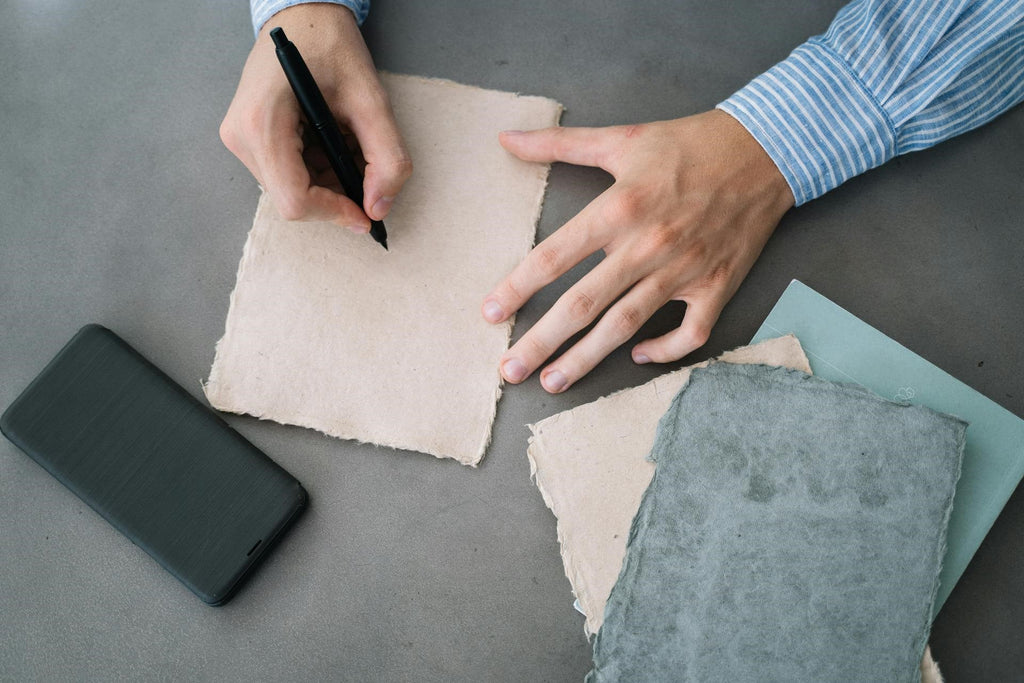
Send a Thoughtful Note or Gift If you're unable to express your condolences in person, consider sending a thoughtful note or gift. This could be a heartfelt letter, a bouquet of flowers, or a sympathy card with a personalized message.
Respect Their Space Everyone grieves differently, so it's important to respect the grieving person's need for space and privacy. Let them know that you're there for them whenever they're ready to reach out, but also give them the time and space they need to heal.

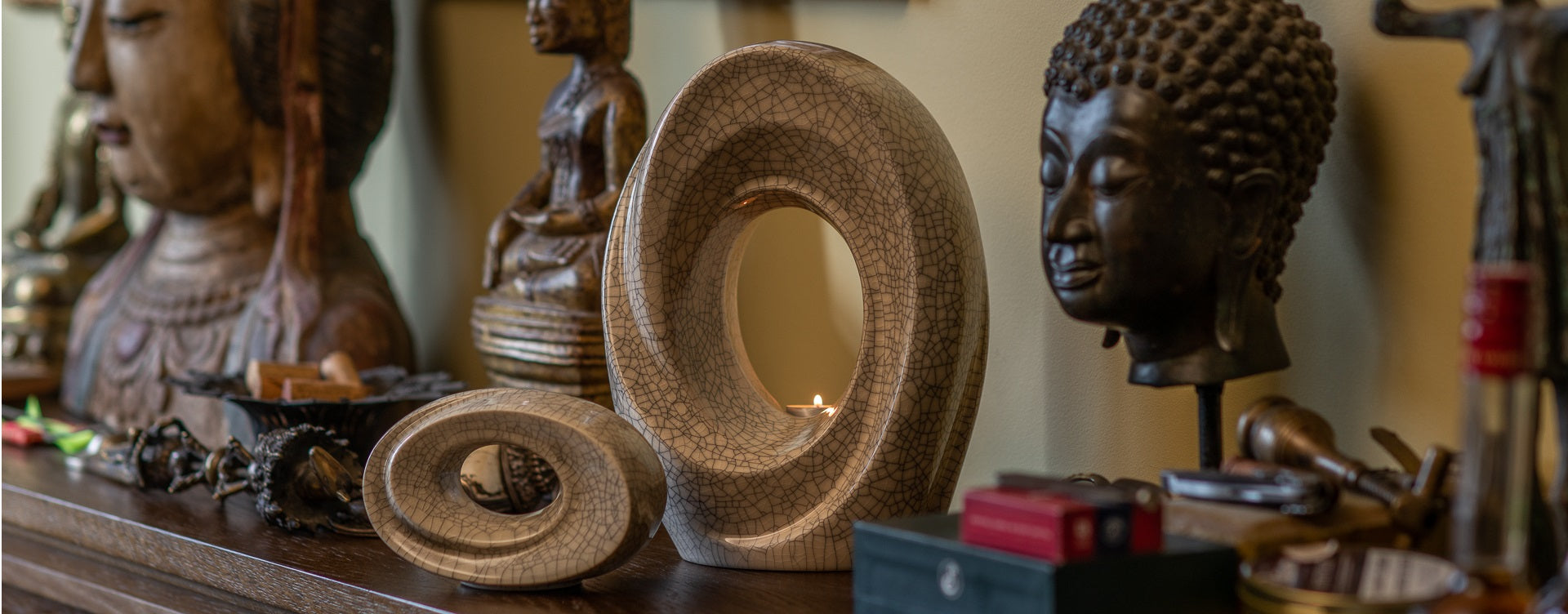
When selecting a cremation urn, it’s important to consider size, material, design, and the personal story of the person being remembered. Some families look for timeless elegance, while others prefer artistic or symbolic designs that reflect personality, beliefs, or cherished memories.
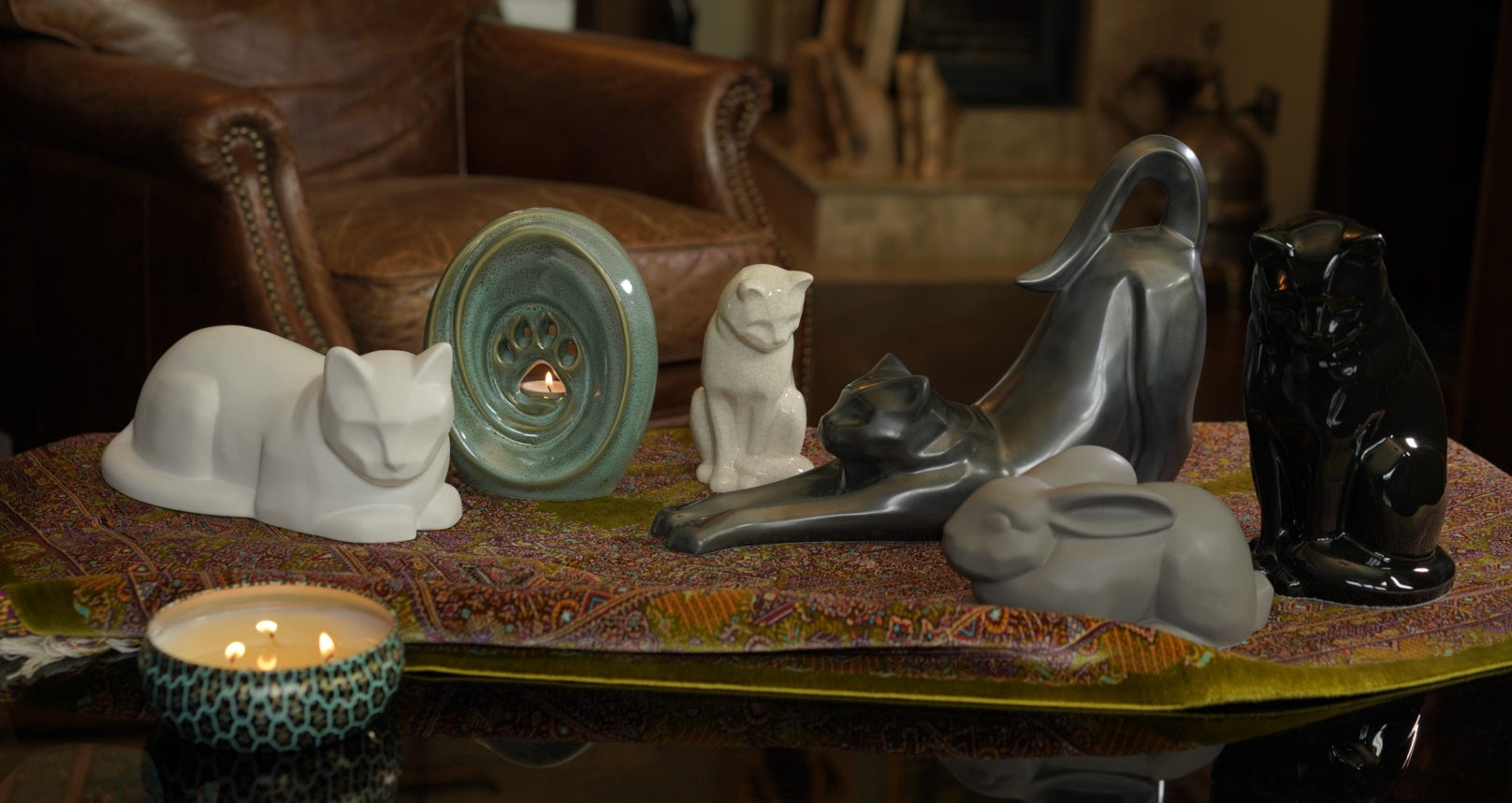
Pulvis Art Urns offers a carefully curated range of handcrafted cremation urns for both humans and pets, designed to combine dignity, artistry, and lasting quality. From elegant ceramic urns to thoughtfully designed memorial pieces, each urn is created to serve not just as a vessel, but as a lasting tribute—helping families find comfort in honoring a life well lived.

Expressing grief and sympathy when someone loses a loved one is not only a natural response but also an important part of the human experience. Showing grief and sympathy demonstrates empathy and compassion toward those who are experiencing loss. It acknowledges their pain and validates their emotions, showing them that they are not alone in their sorrow. Ultimately, expressing grief and sympathy when someone loses a loved one is a fundamental aspect of human interaction that promotes empathy, compassion, and support during times of sorrow. It helps individuals navigate the complex emotions associated with loss and fosters a sense of community and understanding within society.
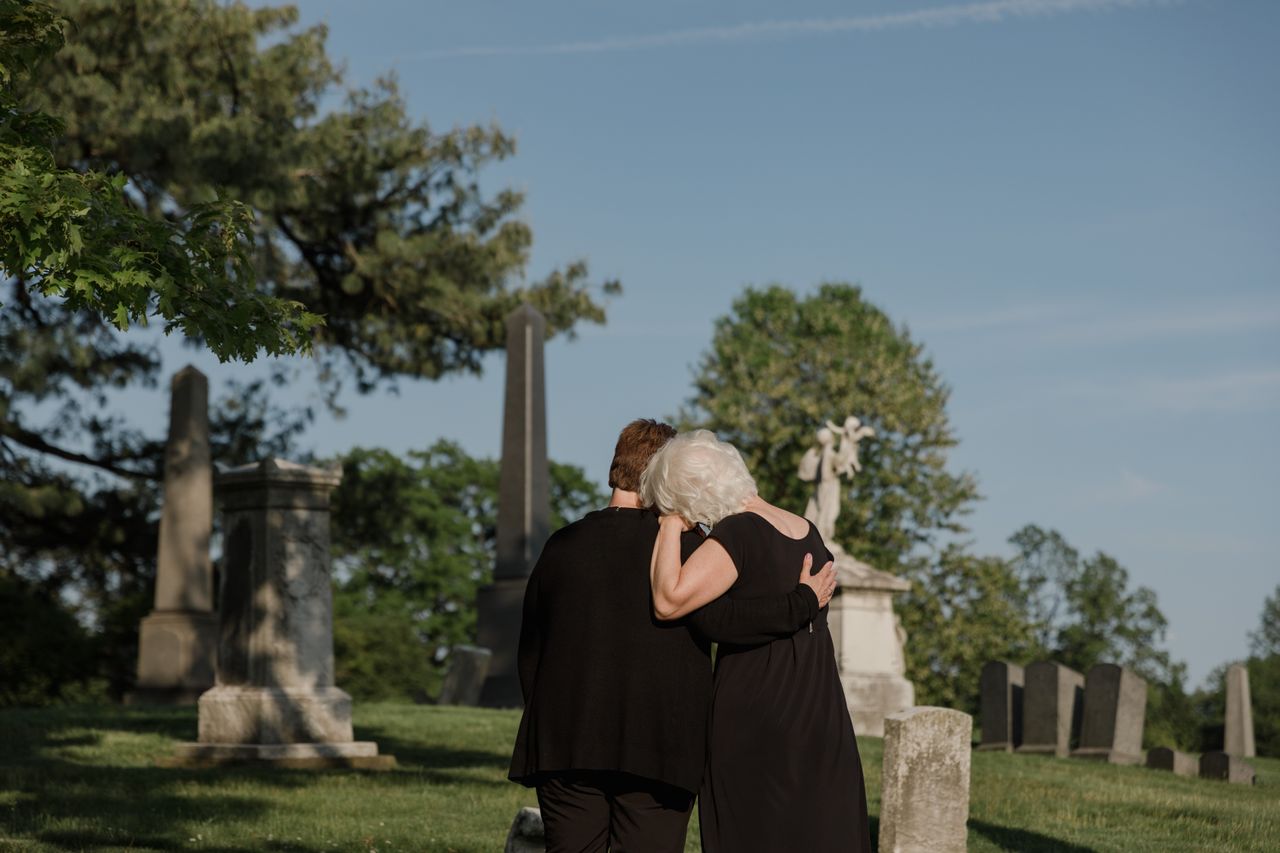
Ways to Honour a Loved One Without Visiting a Cemetery
Honouring a loved one doesn't have to be limited to visiting a cemetery. Discover meaningful and heartfelt ways to celebrate their life through personal traditions, living memorials, keepsakes, charitable acts and beautiful remembrance ideas that keep their memory alive every day.
The Emotional Weight of “Lasts”: The Last Conversation, Last Hug, Last Goodbye
The last conversation, last hug, and last goodbye are some of the most emotionally powerful experiences a person can carry. These final moments transform ordinary interactions into lifelong memories, revealing the depth of love, connection, grief, and human attachment. This article explores why we remember final moments so vividly, how they shape the way we process loss, and why appreciating everyday connections matters before they become memories.
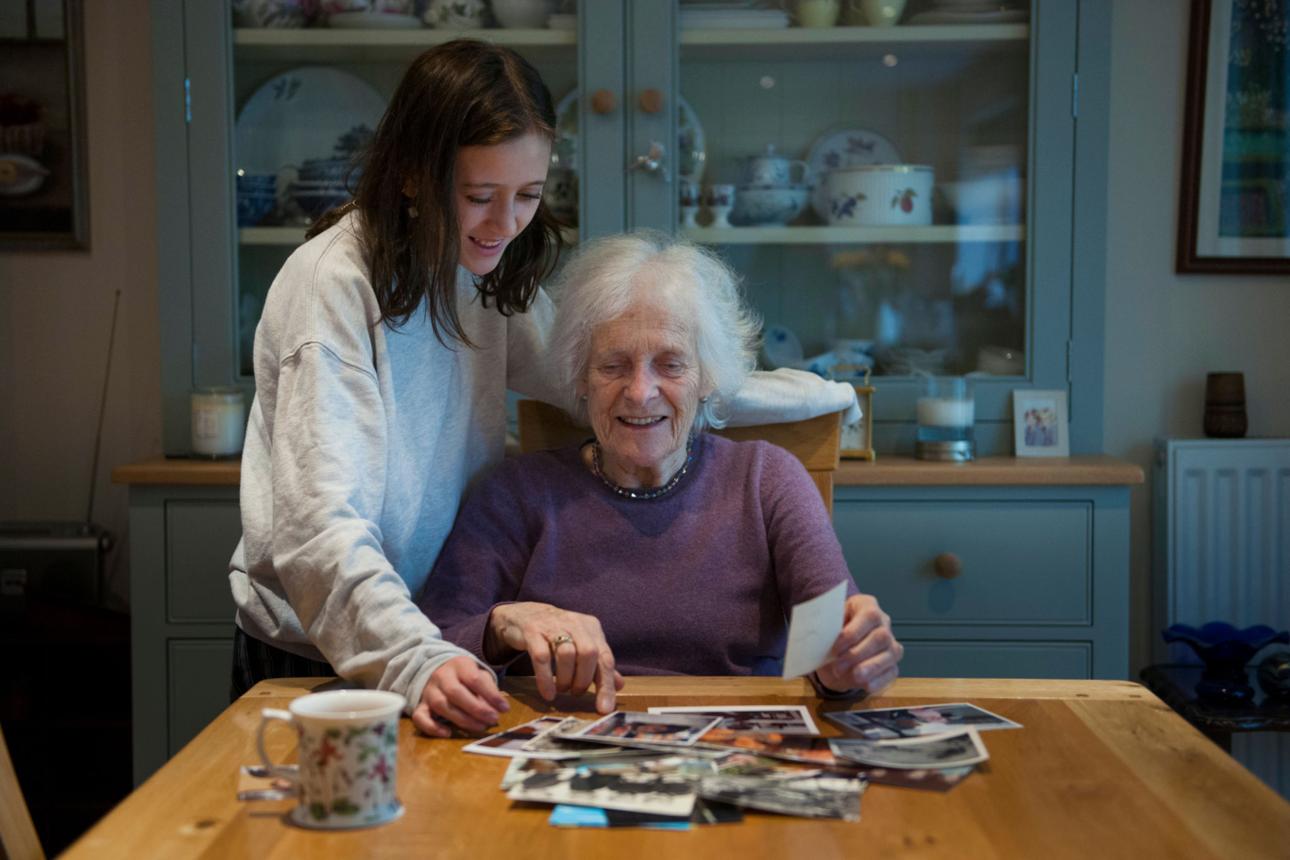
The First Holiday Without Someone: Why It Feels So Different
The first holiday after losing someone we love can feel completely different from any celebration before it. The traditions remain, the decorations appear, and families gather together, but the absence of one important person changes everything. This article explores why holidays intensify grief, how memories are triggered through traditions and senses, and how families learn to honour loved ones while creating new ways to remember.

Discover why everyday sounds can become powerful reminders of the people we love. From familiar voices and favourite songs to simple household noises, sound has the ability to preserve memories, awaken emotions, and maintain a connection with those who are no longer physically present.
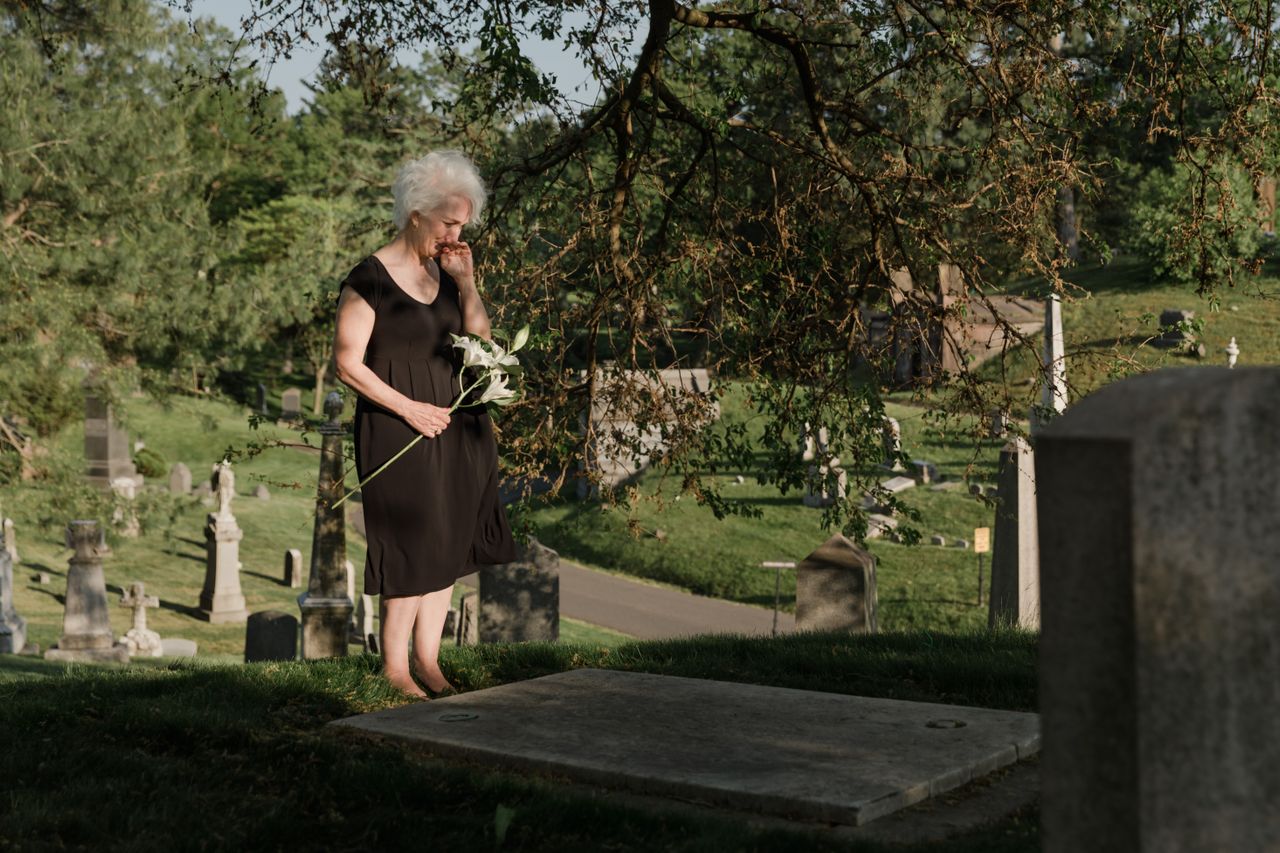
After losing someone we love, ordinary belongings can become some of the most meaningful reminders of their life. A favourite sweater, handwritten note, piece of jewellery, or family recipe can carry memories, emotions, and a sense of connection that goes far beyond the object itself. This article explores why we keep the things left behind, the psychology behind emotional attachment to personal belongings, and how these objects help us preserve love, identity, and family stories after loss.



Share:
The Empty Seat at Home – How to Deal with Grief
Pet Loss And How to Honor Your Furry Friend. What We Need to Know?