

Having a consultation about your last wishes may not be the most cheerful conversation, but more and more people are starting to understand the benefits of pre-planning your memorial service.
The pre-plan funeral ceremony may ease the burden of your relatives after experiencing the loss of a loved one and in the contemporary world being aware of each and every choice you have is a unique advantage.
Pre-planning your funeral ceremony can take some of the organisational and financial stresses off of your relatives after your death, and ensure that you get the kind of funeral or cremation ceremony you want. However, pre-planning can offer several benefits, and it is generally recommended to do so while still alive.

Here are some tips why you should consider the idea of planning your funeral or cremation ahead...
First and foremost - let your loved ones know your wish. Would you like to be buried or cremated? You can easily put it in your Will or a letter to your family. It is not necessary to have a certain choice, but let your family know that it is up to them.
Body donation is also an option, as it may help many people in need.
Thinking about your afterlife experience and arranging a full ceremony before passing away can be liberating or even empowering movement and having a memorable service is an important part of the recovering process. Whether you decide to have your ashes scattered in the ocean or having a modern, artistic burial rite, your unique touch and memorable “Goodbye” ceremony is going to be felt and recognised by your love ones.

The options are many, but recent studies show that cremation becomes more and more preferred, as people tend to keep ashes at home at urns and keepsakes.
One of the common misconceptions about pre-planning is that you have to pay for the service ahead. Pre-planning does not means you have to pay for it immediately, but you can just explain your wishes and examine your choices. All of the necessary steps, wishes and details can be discussed with a funeral director in your home town.
Pre-planning your funeral ceremony can also help with financial planning. You can choose the type of service you want, the location, and the products you want to use (such as caskets or urns), and this can give you an idea of the costs involved. Pre-paying for your funeral expenses can also help to ease the financial burden on your loved ones.
When making pre-arrangements, it’s usual to pay in advance for some of the products and services you will need.
A simple insurance policy for funerals can be bought, with the funeral home as the beneficiary. This way, when the final hour comes, the funeral home will receive the payout from the policy and can use those assets to pay for your funeral.
Find the services of a funeral home you have used before and work with their funeral director to plan your cremation or burial. You can use them for planning your memorial service as well. You will certainly need some goods and services for your memorial ceremony, which might be expensive.
In case you've chosen cremation you will typically work with a funeral director first and they will help you with choosing crematory and urn for ashes.

If you are planning a direct cremation followed by a memorial service or scattering of the ashes , you may be able to work with the crematory directly—you can skip working with a funeral home.
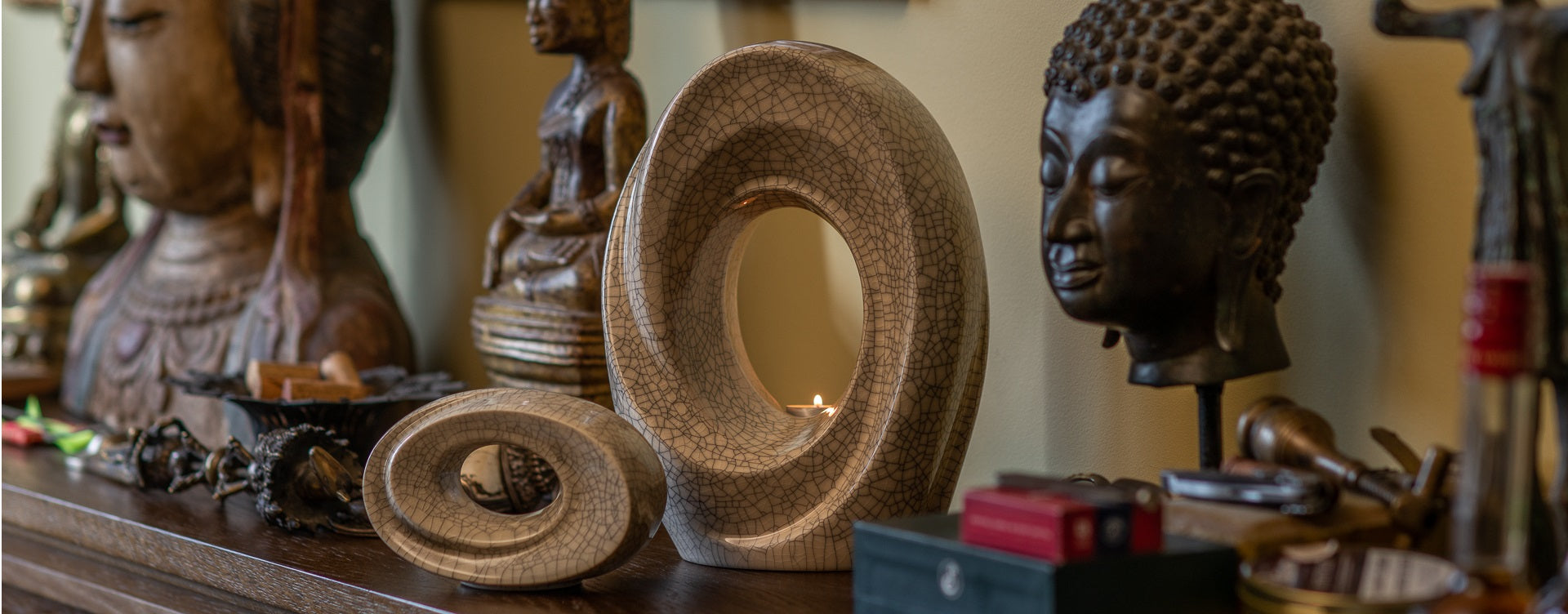
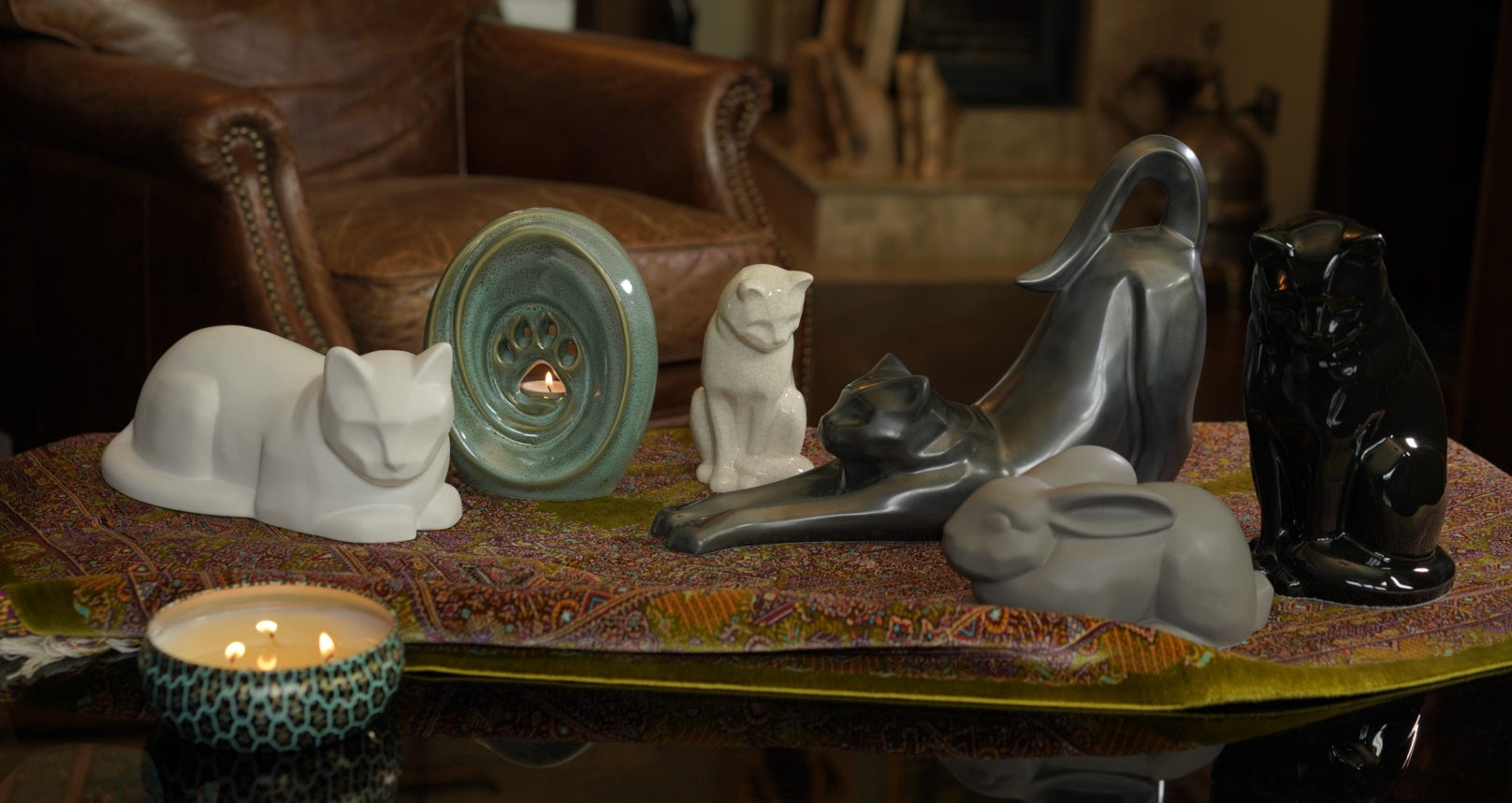
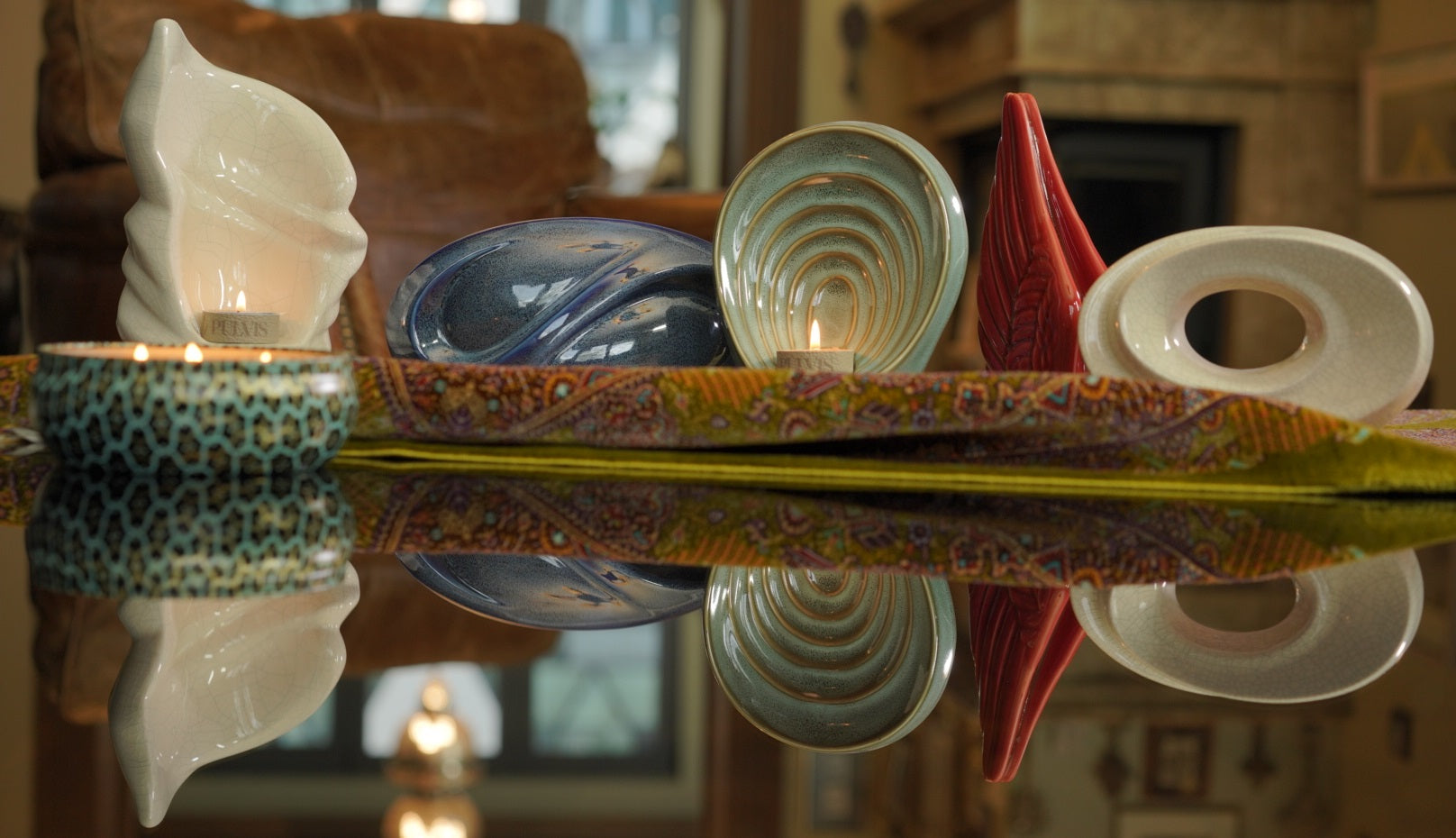
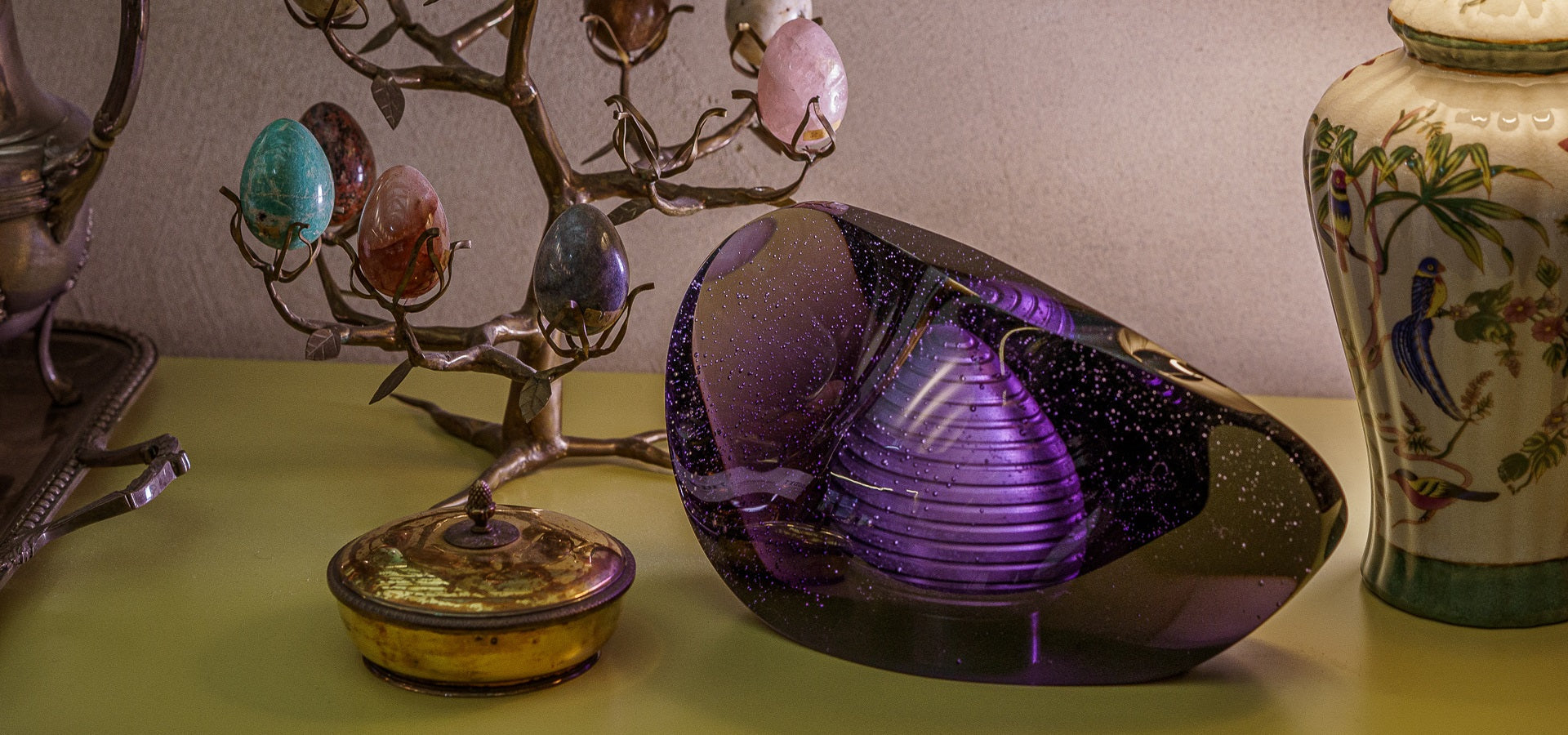
Furthermore, you will have plenty of time to take the most logical choices as what kind of urn for ashes or a headstone you would like or where you would like your remains to be scatted. Urns for example may vary in material (ceramic, stone, brass, wood), size (large urns, keepsakes) and purpose (for home, for scattering ashes, etc.) - Learn more about urns here.
Losing a family member or a friend is a time of a great sadness. You can be helpful your loved ones with fully or partially organising a ceremony, which will ease some additional stress and anxiety on your loved ones. After a decease, families are faced with the need to arrange the funeral that fully respect the persona of the deceased one.

While assorting the rite, suffering families are faced with so many questions that this kind of responsibilities can be a great burden and can disturb their grief. If you would like to pre-plan your funeral arrangements or just to discuss them, these will not just be at a considerable support to your family, but you are going to be sure that your last wishes are carried out.
Pre-planning can give you peace of mind knowing that your final arrangements are taken care of. This can be especially important if you have specific cultural or religious requirements.
You may think about identifying desired readings, ceremonies and even decorations if you wish. Here are some other things to consider:
Choose the right spot: Funeral ceremonies are usually held at religious places of worship, chapels at cemeteries, or at gravesides. A ceremony of scattering can be performed almost anywhere but be sure to check the regulations first.
Choose who will be part of your final goodbye: There are many ways for friends and relatives to be part in a memorial service.It is up to you to decide what role each of them will have at your funeral ceremony. Don't forget the guests. Make a list of the people who you want to invite to the funeral ceremony and give their contacts to your relatives.

Think about other aspects of your funeral or memorial service: Let your family know how you’d like the service to look and feel. Choose flowers, music, urn for ashes and other personal touches.
Overall, pre-planning your funeral ceremony is a personal decision that should be based on your individual circumstances and preferences. However, it can offer several benefits, and it is generally recommended to do so while still alive.
If you need any further help or have any questions about pre-planning your funeral service, please do not hesitate to contact us.
We are available at art@pulvisurns.com
Join us in helping families honor the memory of their loved ones and pets through art!
Our Affiliate Program is now available at https://www.pulvisurns.com/pages/affiliate-program-by-pulvis-art-urns
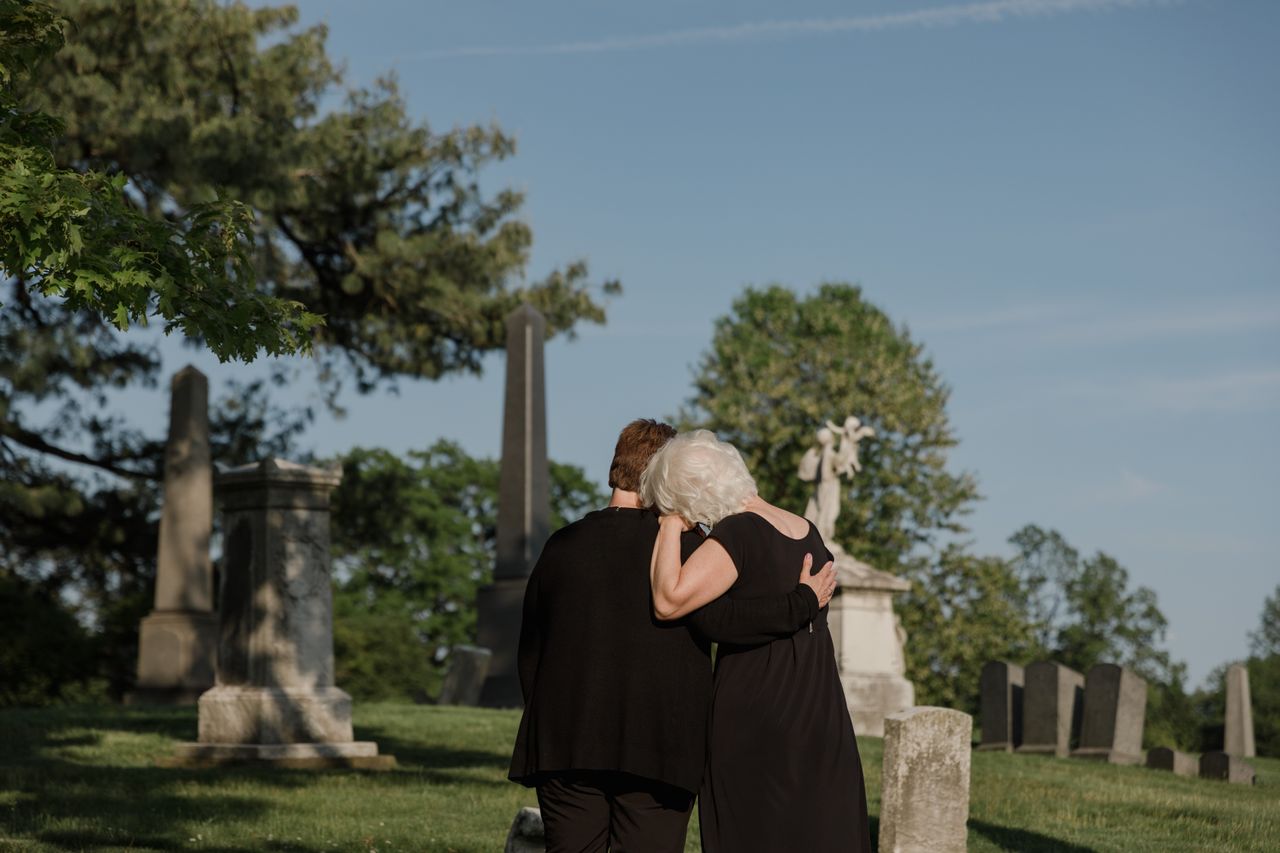
Ways to Honour a Loved One Without Visiting a Cemetery
Honouring a loved one doesn't have to be limited to visiting a cemetery. Discover meaningful and heartfelt ways to celebrate their life through personal traditions, living memorials, keepsakes, charitable acts and beautiful remembrance ideas that keep their memory alive every day.
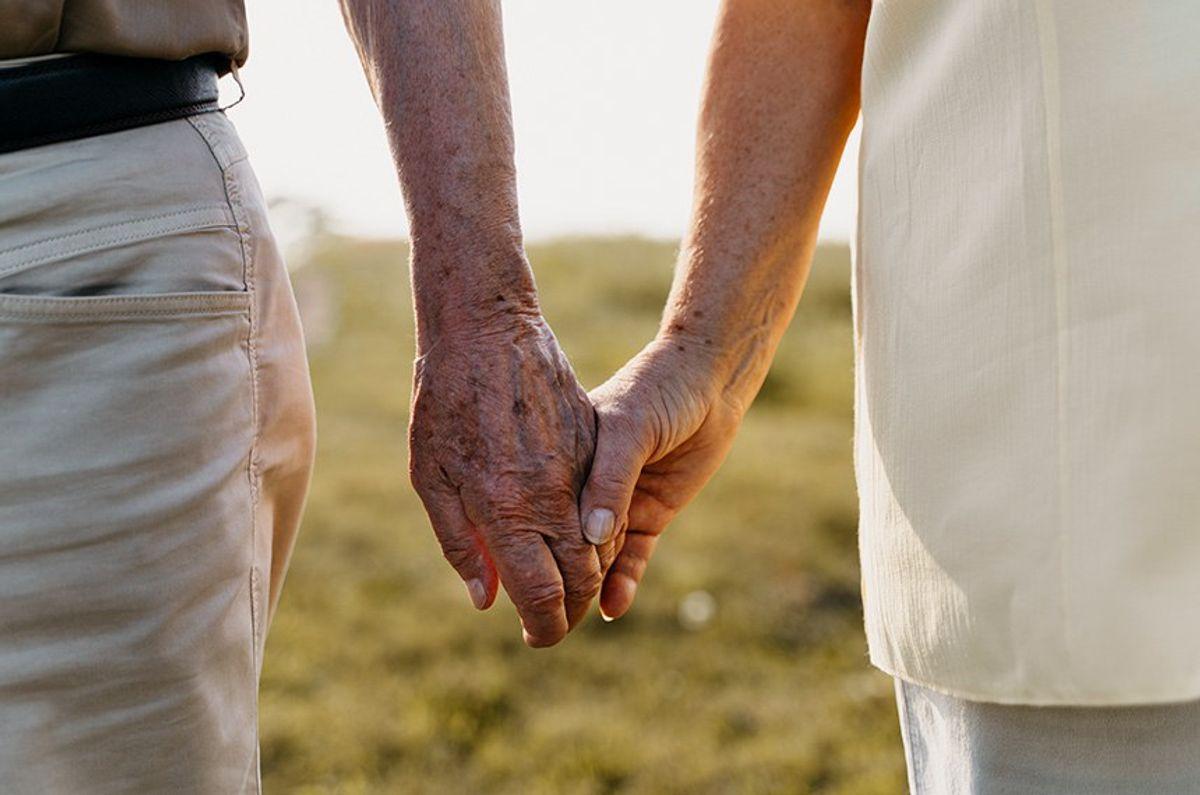
The Emotional Weight of “Lasts”: The Last Conversation, Last Hug, Last Goodbye
The last conversation, last hug, and last goodbye are some of the most emotionally powerful experiences a person can carry. These final moments transform ordinary interactions into lifelong memories, revealing the depth of love, connection, grief, and human attachment. This article explores why we remember final moments so vividly, how they shape the way we process loss, and why appreciating everyday connections matters before they become memories.
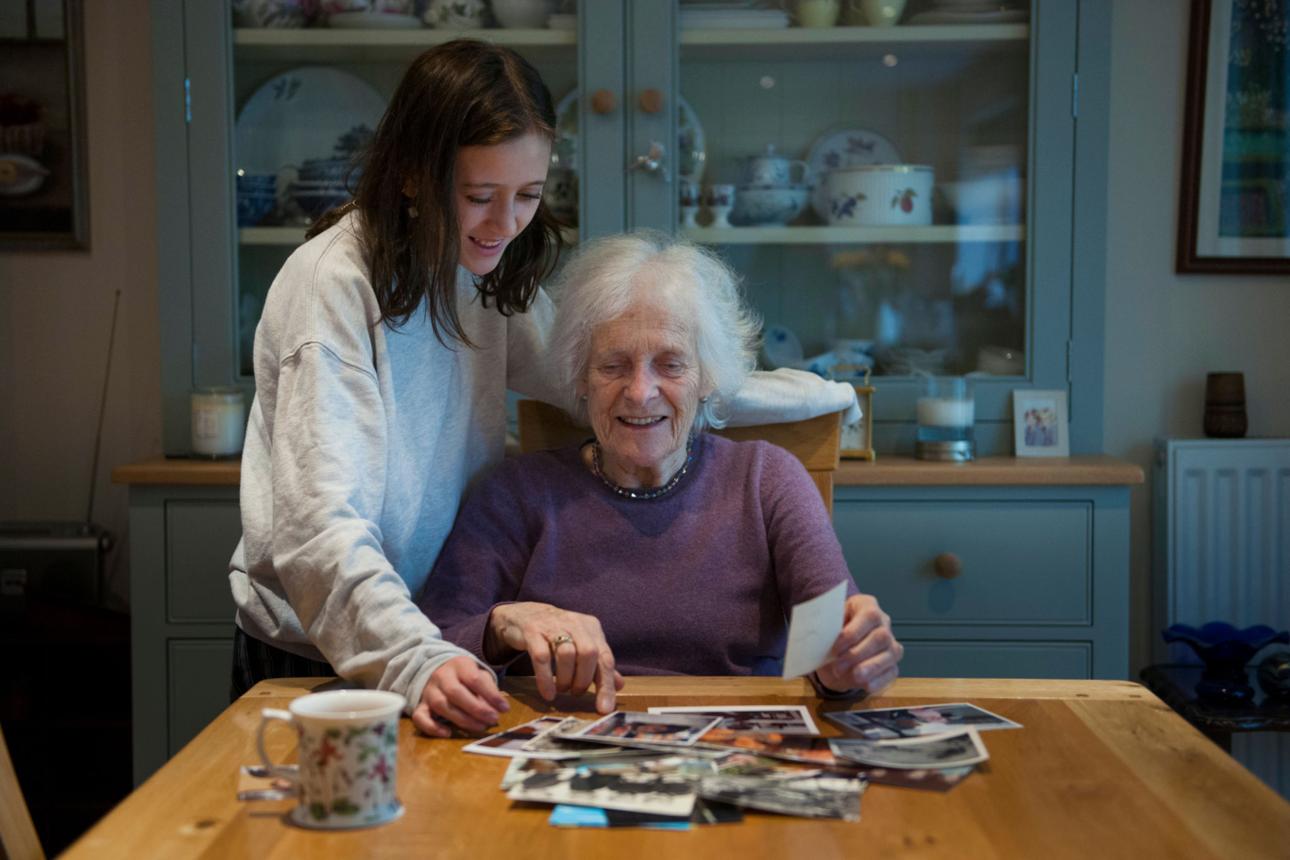
The First Holiday Without Someone: Why It Feels So Different
The first holiday after losing someone we love can feel completely different from any celebration before it. The traditions remain, the decorations appear, and families gather together, but the absence of one important person changes everything. This article explores why holidays intensify grief, how memories are triggered through traditions and senses, and how families learn to honour loved ones while creating new ways to remember.

Discover why everyday sounds can become powerful reminders of the people we love. From familiar voices and favourite songs to simple household noises, sound has the ability to preserve memories, awaken emotions, and maintain a connection with those who are no longer physically present.
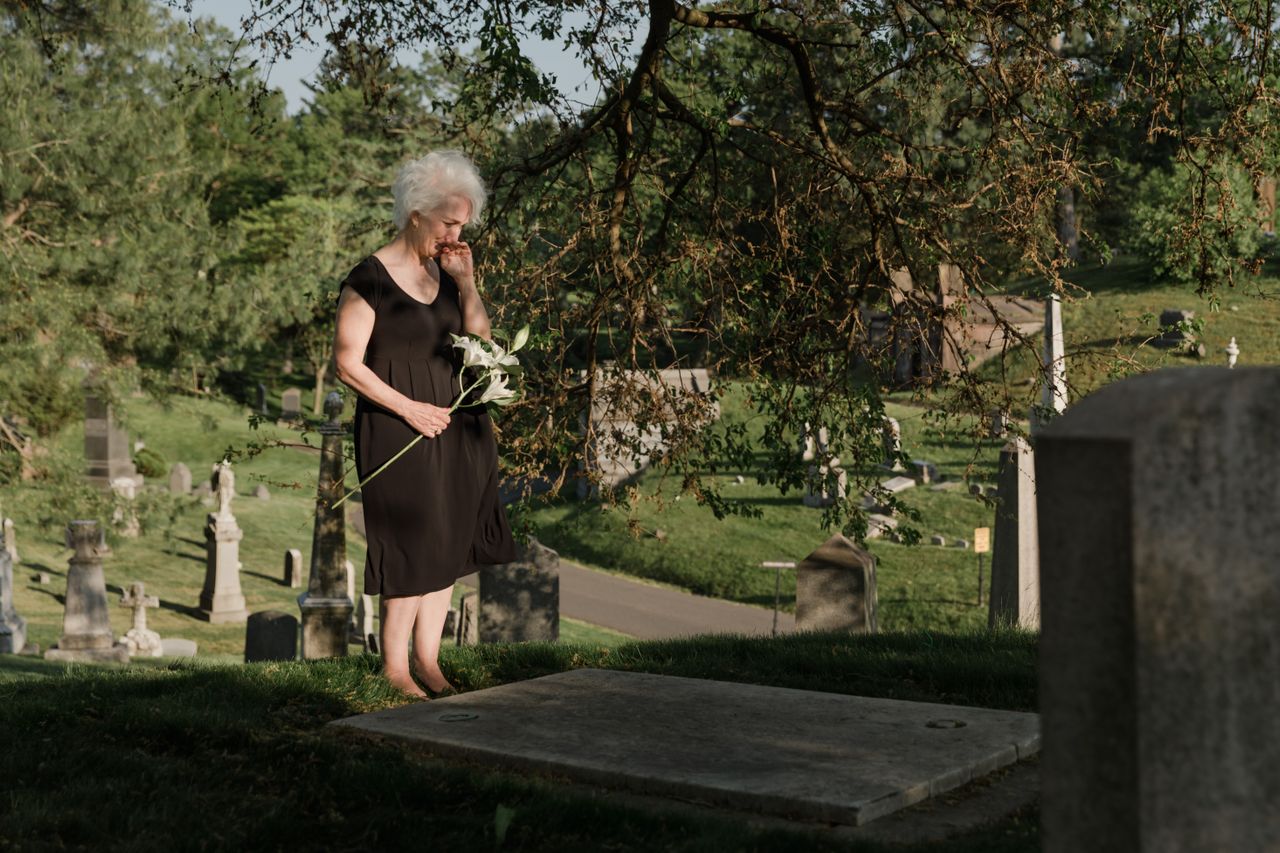
After losing someone we love, ordinary belongings can become some of the most meaningful reminders of their life. A favourite sweater, handwritten note, piece of jewellery, or family recipe can carry memories, emotions, and a sense of connection that goes far beyond the object itself. This article explores why we keep the things left behind, the psychology behind emotional attachment to personal belongings, and how these objects help us preserve love, identity, and family stories after loss.
Share:
5 Helpful Tips For Overcoming Grief - 2023 Edition
5 Helpful Tips For Overcoming Grief - 2023 Edition