

The death of a loved one is an event that all of us is likely to experience during our lifetimes, and this often changes our world. You may feel numb, fearful, shocked or even angry sometimes, but remember that all of these feelings are normal. Grief is a natural and complex emotional response to loss, and there is no one-size-fits-all approach to overcoming it.
Even though time is a helpful healer when it comes to overcoming the grief of a loved one, you can do a thing or two to feel better in a short term. We hope we can be helpful with our tips.

Grief comes in various different forms. While most people associate grief with death and funerals — throughout our whole life we grieve many different losses. The loss of a job, a marriage, separation, the loss of a pet, home or other things as well as the absence of certain elements that we think are necessary to make us happy.
Family, friends and even a therapist are some of the people who can and should be accessed during this period in your life. Remember that you cannot travel this path alone and there are people who are there to give you support and care. Call whoever you think will help you and you will be surprised.
Check our page with support organisations here:
https://www.pulvisurns.com/pages/support-organisations
Talking is often a good way to soothe the bad emotions. Talking to a close friend, family member or a health professional can improve the healing process.
Also keep us with simple things like doing the housework, as keeping your routine up can really help.
It is not easy to cope after a loved one passes away. You will most certainly mourn and grieve. Mourning is the natural process you go through to accept a major loss.
Grieving is the outward expression of your loss. Your grief is likely to be expressed emotionally, psychologically and even physically.
In moments like this you can experience a mix of emotions. Gently remind yourself that those feelings are yours and they are within the norm. Do not stop yourself from having a cry if you feel one coming on.
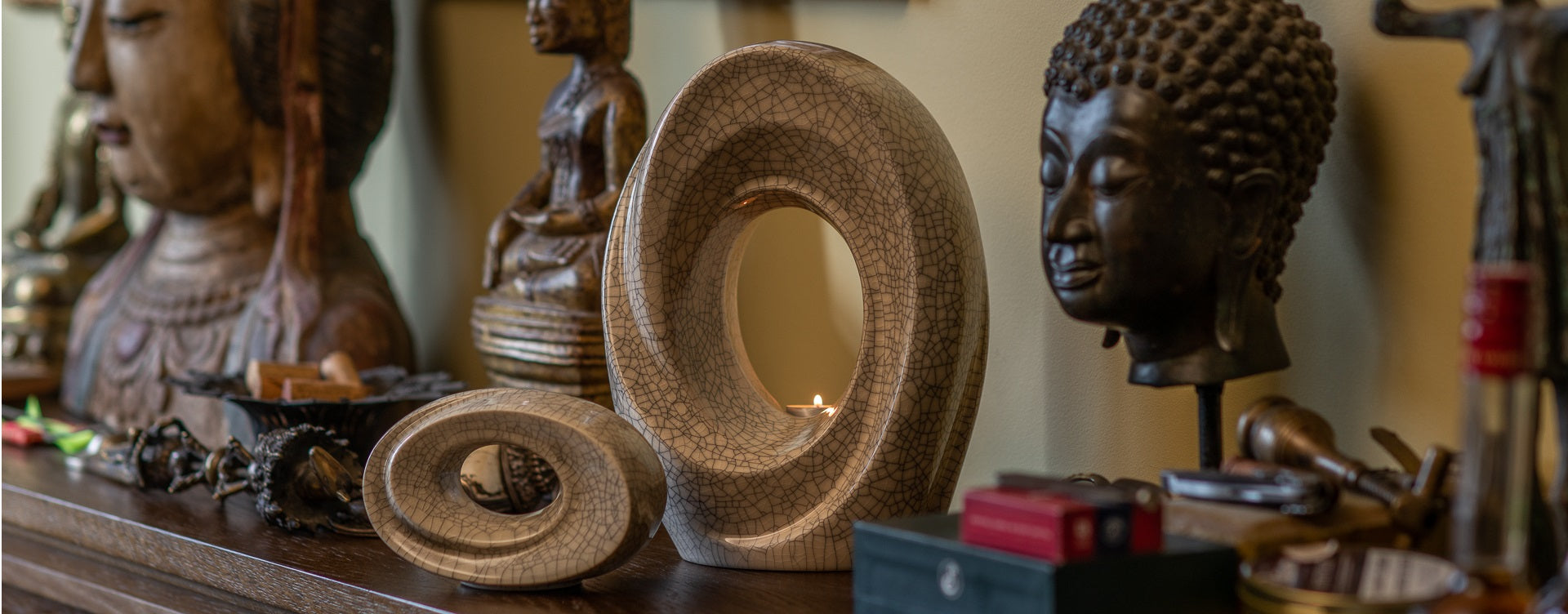
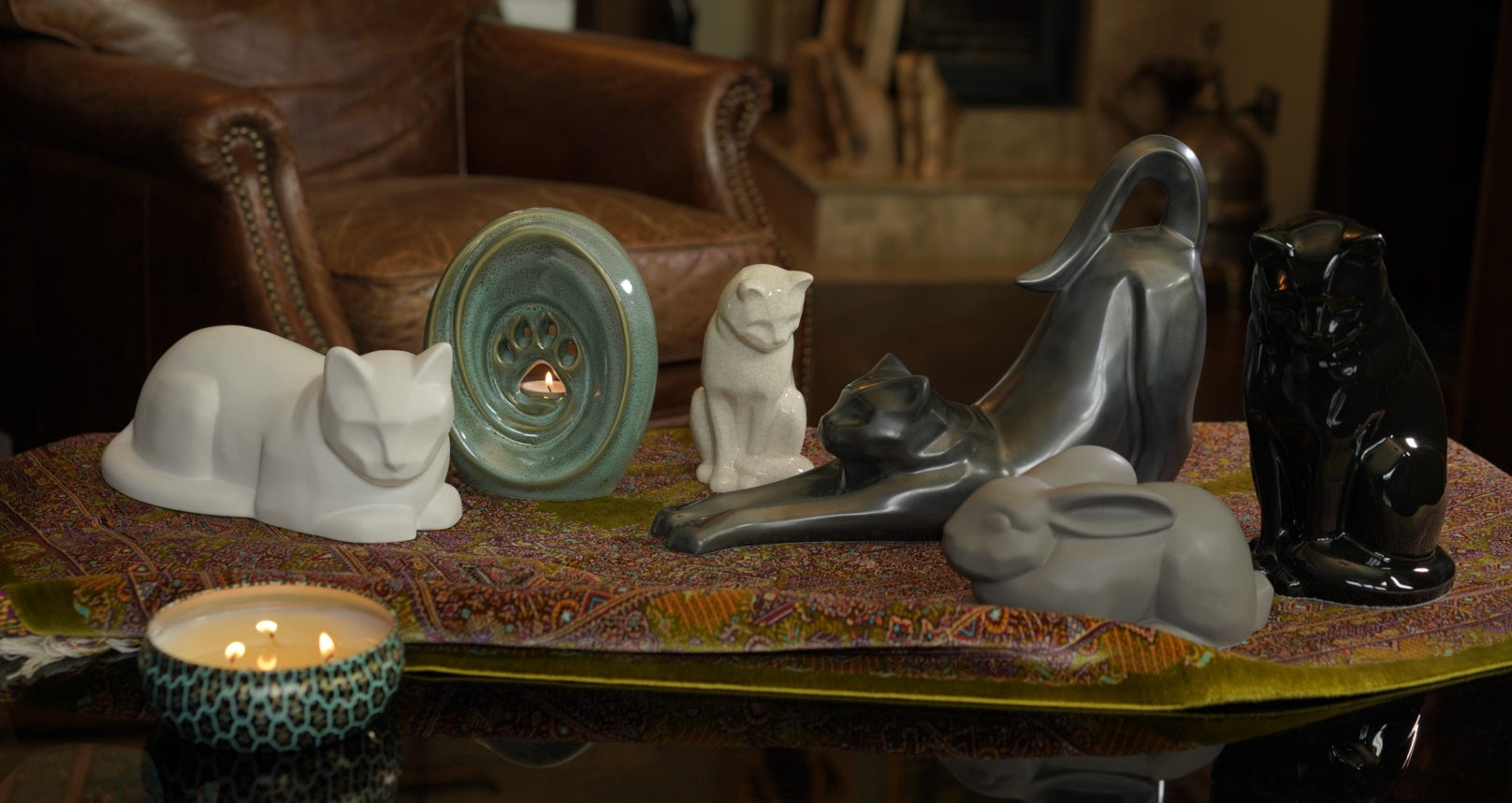
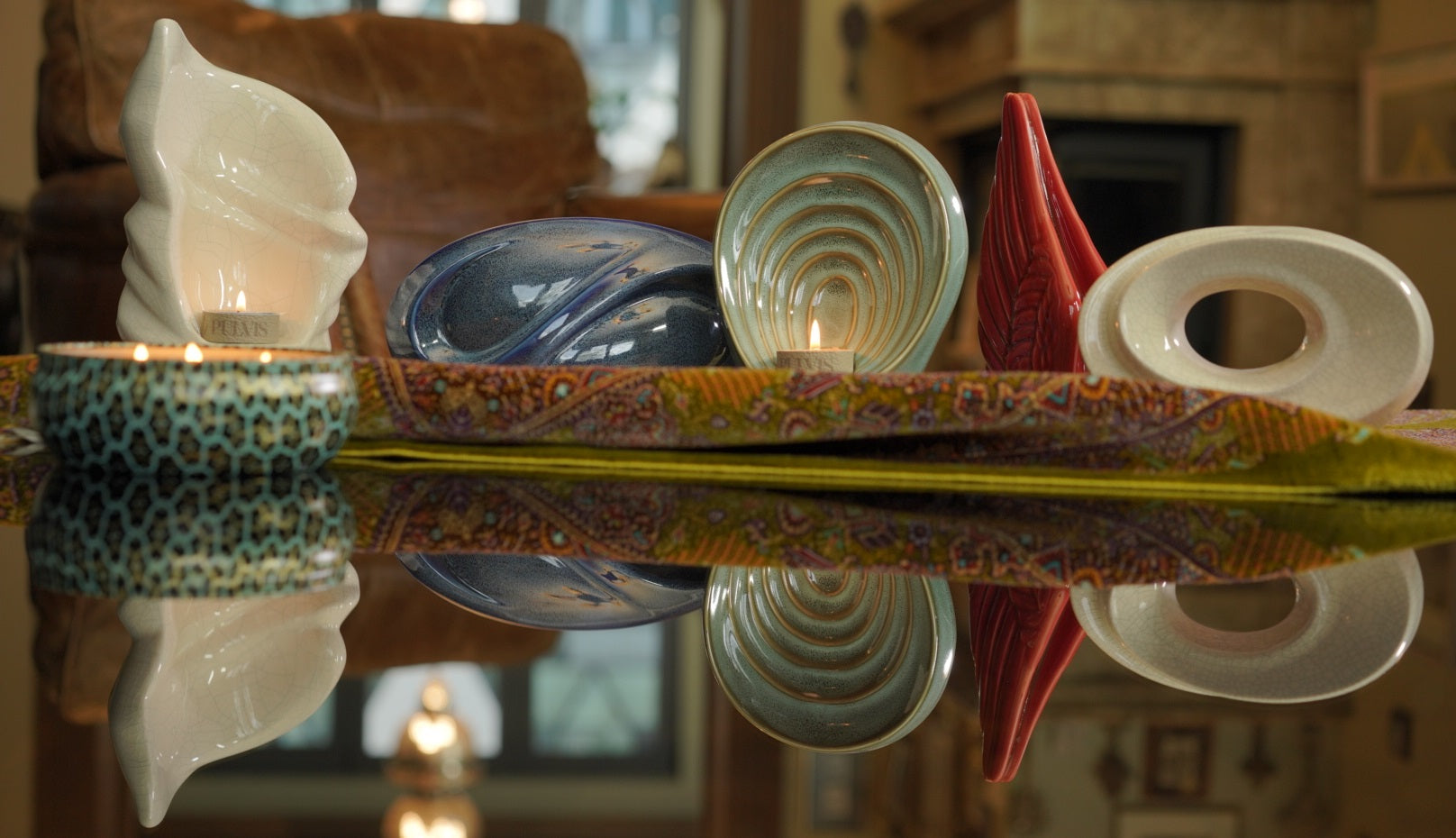
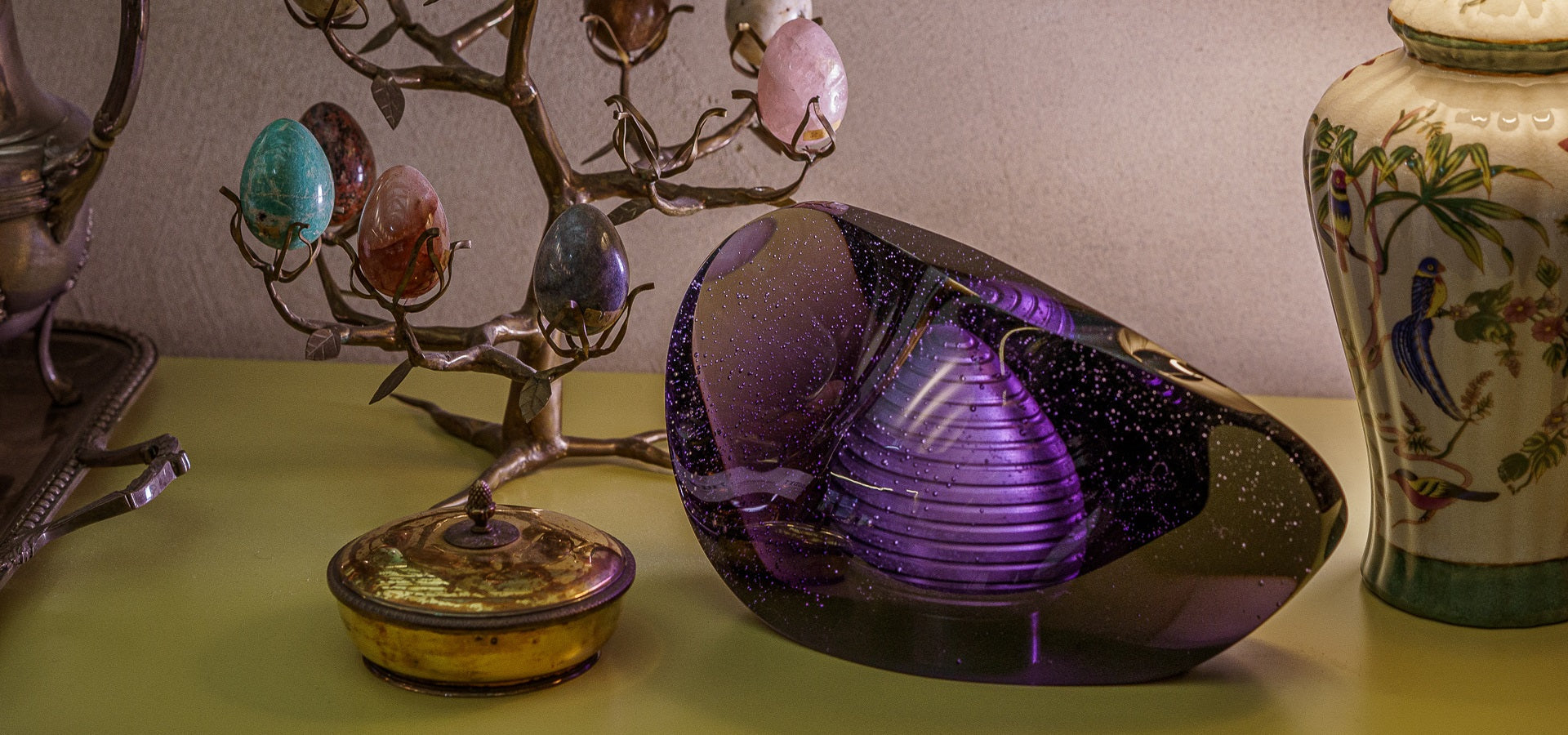
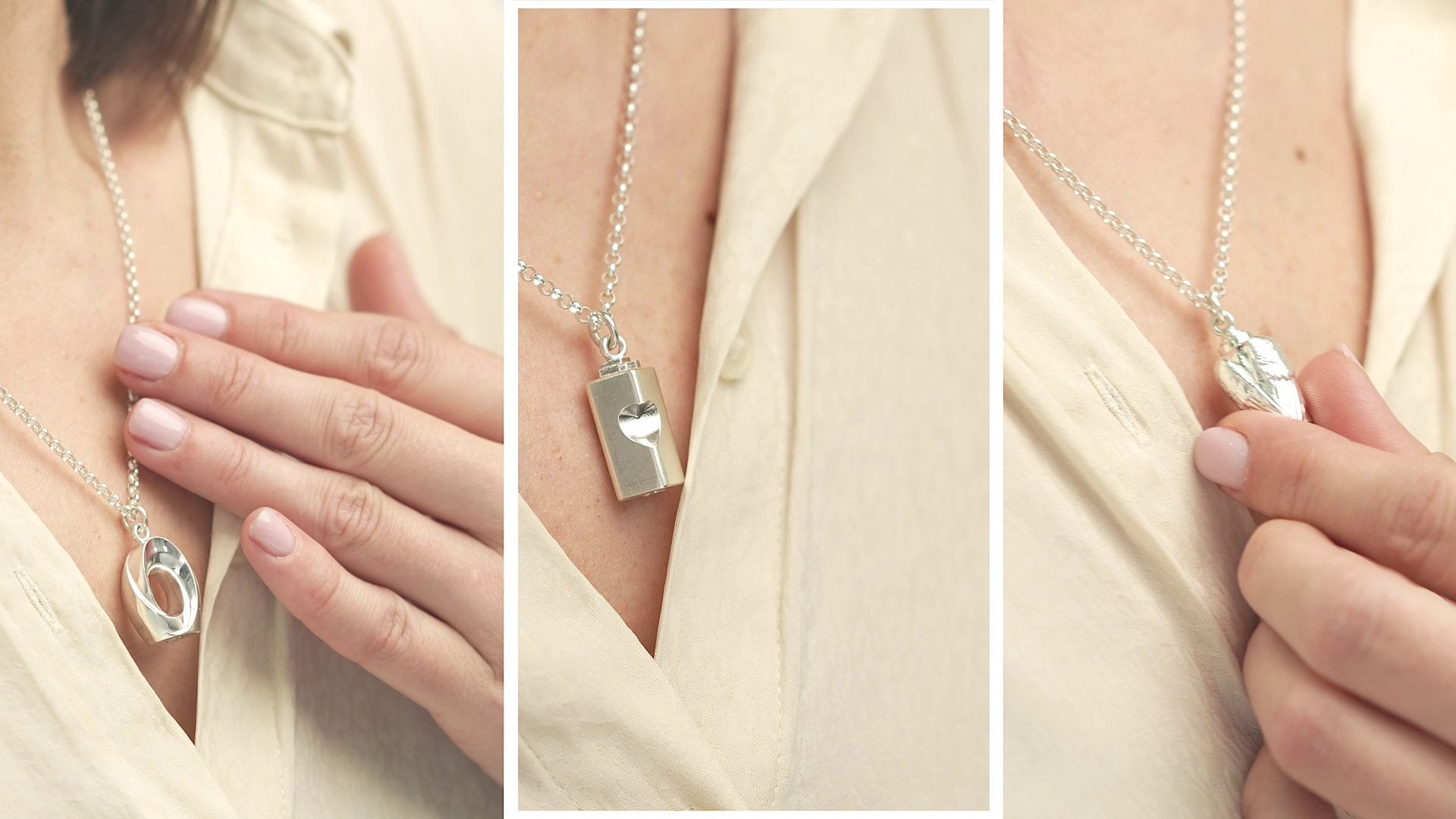
Creating a memorial to the person who died is a surprisingly good way to feel better. There are many possibilities when it comes to this. If the person has been cremated there are various ways to pay tribute to him through his ashes. Placing the ash in an art urn or planting a tree in memory of your loved one are among the endless options.

Don’t blame yourself — some of us blame ourselves or practically anyone who came into close contact with the situation. In the case of a death of a loved one, there is also survivor’s grief. So don't blame yourself.
Grief can take a toll on your physical health as well as your emotional health. Try to eat well, exercise regularly, and get enough sleep.
Allow yourself plenty of time to do everyday activities and try not to over-schedule yourself. Getting involved in new activities or work can keep you focused and distracted from the grief. Try having a little fun, after all, laughter is excellent medicine.
Remember that mourning the loss of a loved one takes time and it is common to have roller coaster of different emotions during that time. It may be hard to move on with your life but remember that this is what your loved one wants. Overcoming grief is a gradual and ongoing process, but with time, support, and self-care, you can find a way to move forward and honor the memory of your loved one.
If you have any questions - do not hesitate to contact us. We are always at your disposal with helpful tips and advises.
Join us in helping families honor the memory of their loved ones and pets through art!
Our Affiliate Program is now available at https://www.pulvisurns.com/pages/affiliate-program-by-pulvis-art-urns
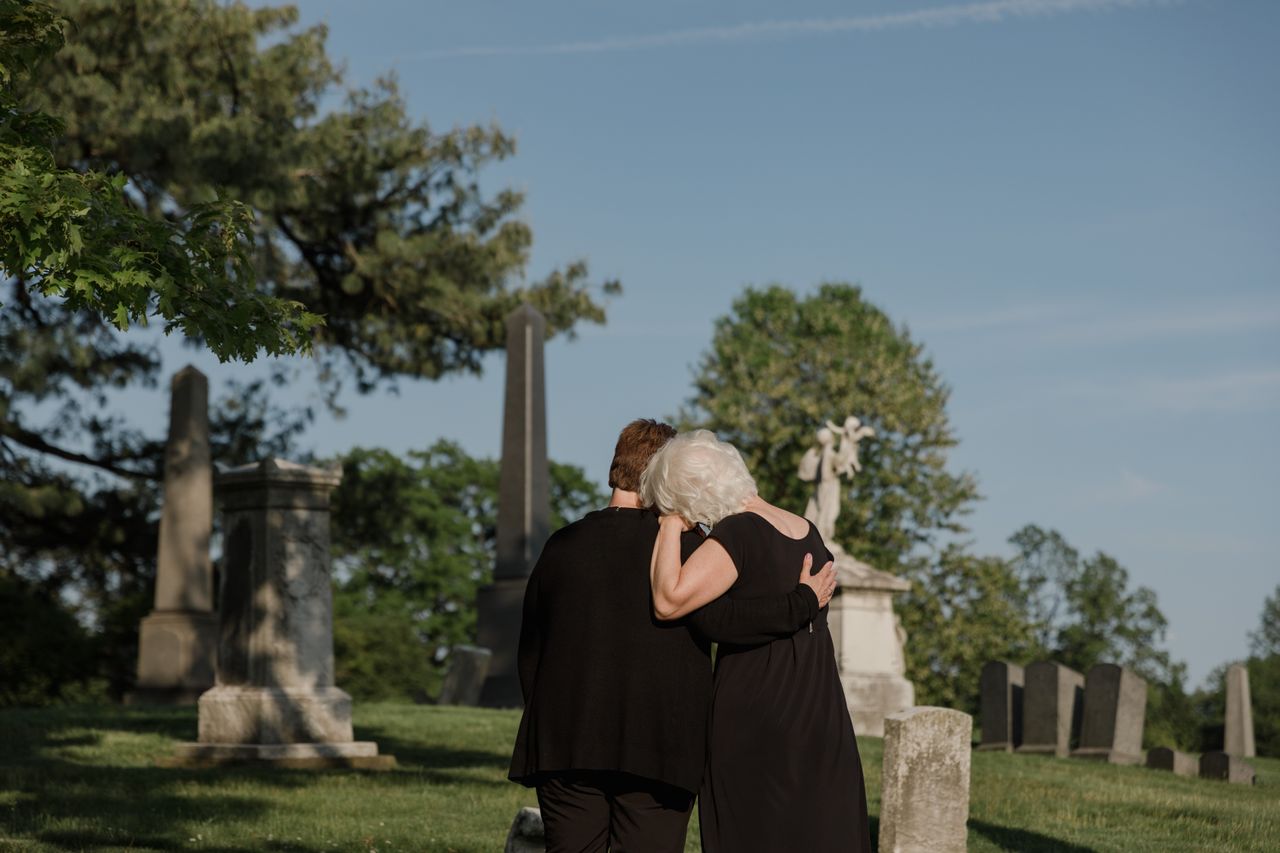
Ways to Honour a Loved One Without Visiting a Cemetery
Honouring a loved one doesn't have to be limited to visiting a cemetery. Discover meaningful and heartfelt ways to celebrate their life through personal traditions, living memorials, keepsakes, charitable acts and beautiful remembrance ideas that keep their memory alive every day.
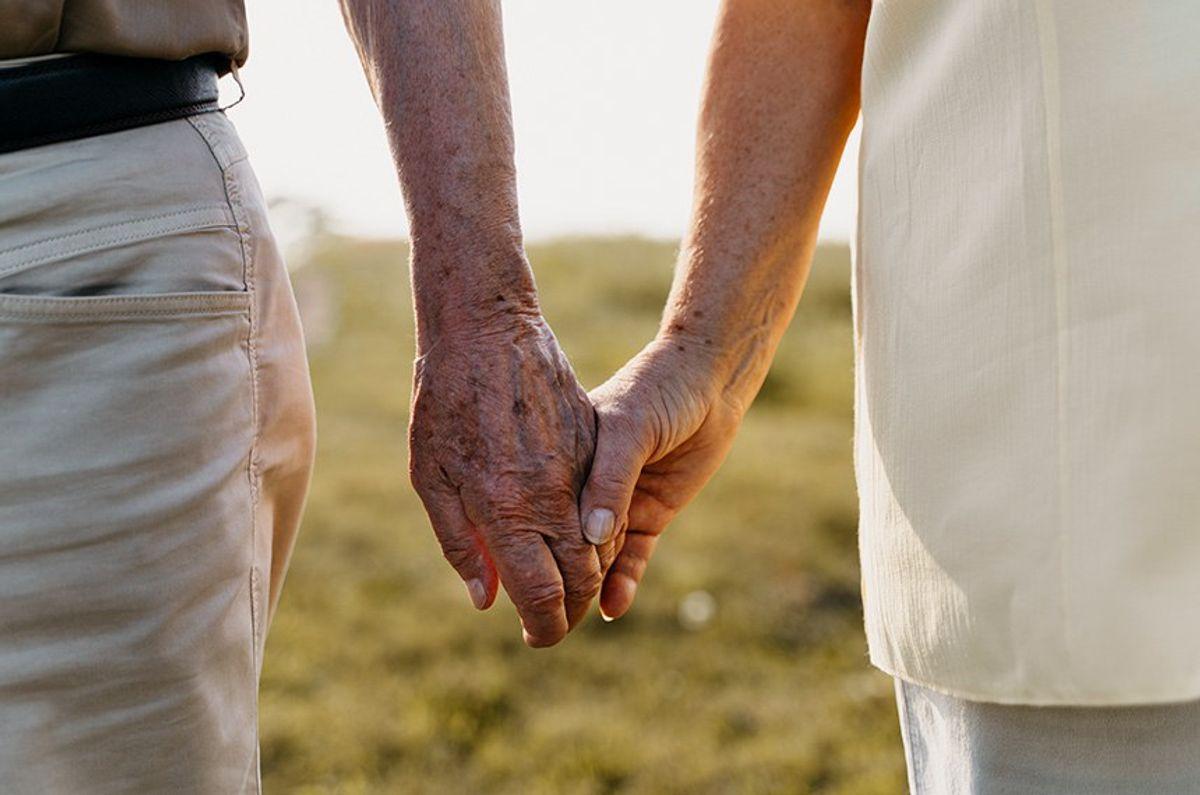
The Emotional Weight of “Lasts”: The Last Conversation, Last Hug, Last Goodbye
The last conversation, last hug, and last goodbye are some of the most emotionally powerful experiences a person can carry. These final moments transform ordinary interactions into lifelong memories, revealing the depth of love, connection, grief, and human attachment. This article explores why we remember final moments so vividly, how they shape the way we process loss, and why appreciating everyday connections matters before they become memories.
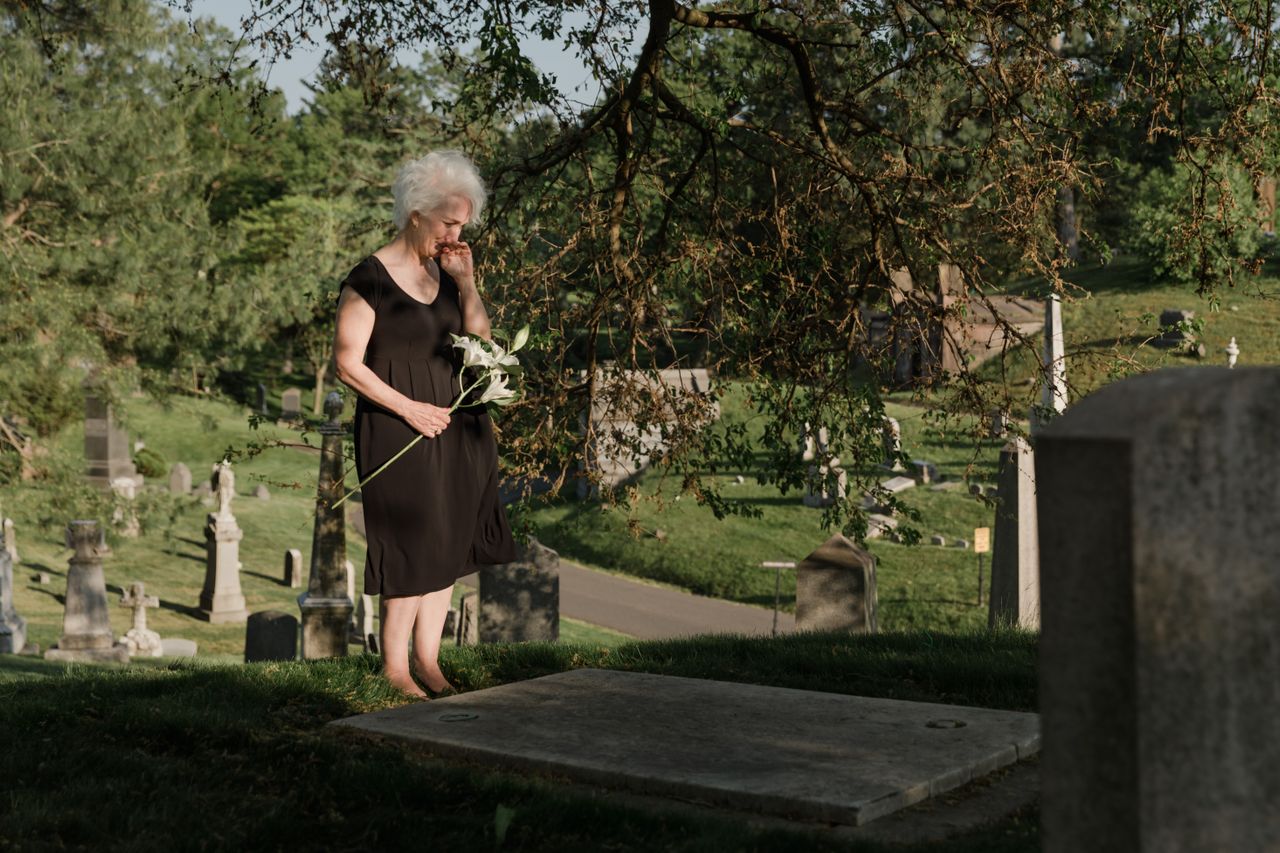
The First Holiday Without Someone: Why It Feels So Different
The first holiday after losing someone we love can feel completely different from any celebration before it. The traditions remain, the decorations appear, and families gather together, but the absence of one important person changes everything. This article explores why holidays intensify grief, how memories are triggered through traditions and senses, and how families learn to honour loved ones while creating new ways to remember.

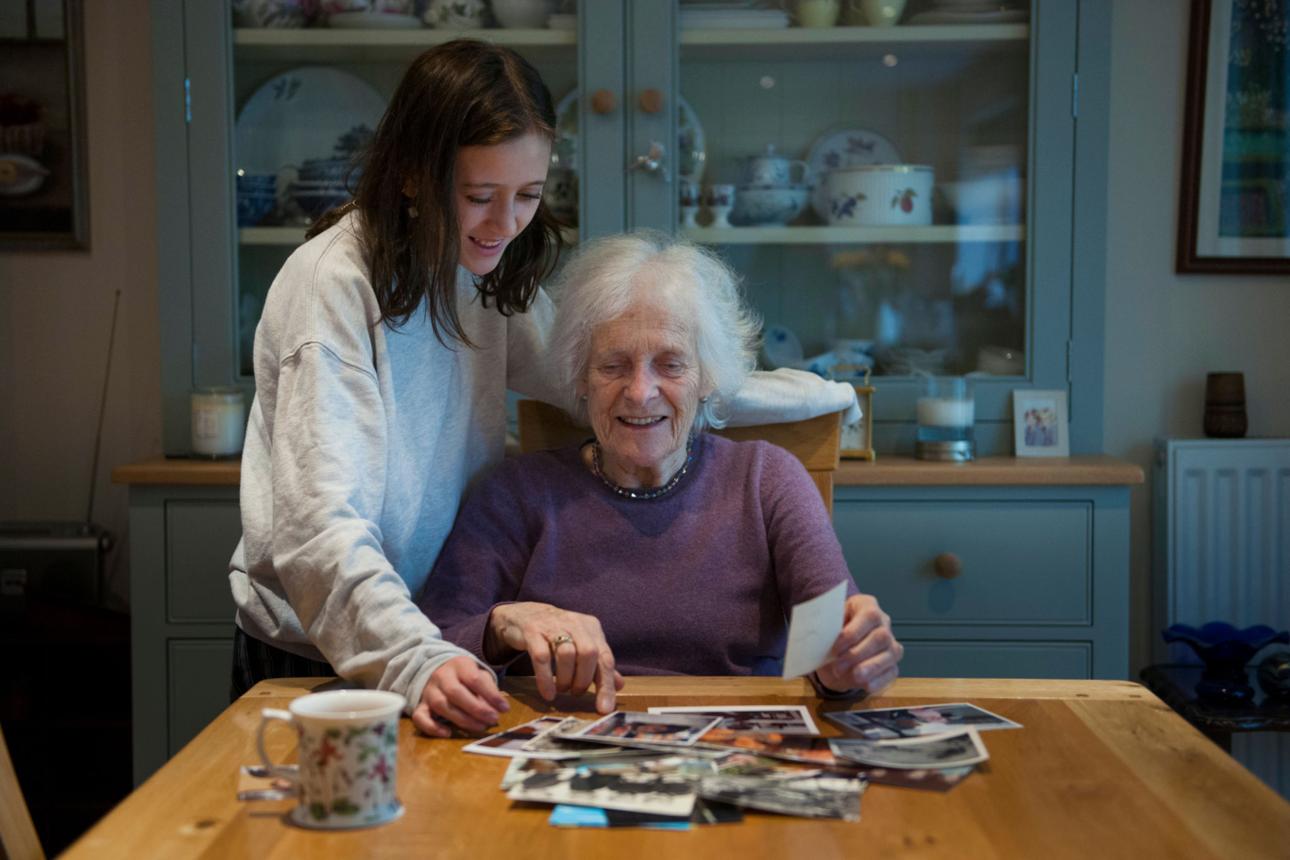
Discover why everyday sounds can become powerful reminders of the people we love. From familiar voices and favourite songs to simple household noises, sound has the ability to preserve memories, awaken emotions, and maintain a connection with those who are no longer physically present.
After losing someone we love, ordinary belongings can become some of the most meaningful reminders of their life. A favourite sweater, handwritten note, piece of jewellery, or family recipe can carry memories, emotions, and a sense of connection that goes far beyond the object itself. This article explores why we keep the things left behind, the psychology behind emotional attachment to personal belongings, and how these objects help us preserve love, identity, and family stories after loss.
Share:
Pre-planning your funeral ceremony. Should you do it now?
Pre-planning your funeral ceremony. Should you do it now?