

Navigating the logistics of transporting a loved one's remains can feel like an added weight during an already emotional time. Our Mailing Cremains Easy Guide 2026 is designed to simplify the legal requirements and physical steps for shipping ashes. Whether you are sending a portion of remains to a family member or transporting a full urn across the country, having a clear understanding of the United States Postal Service (USPS) regulations is essential for ensuring a respectful and secure journey.
In this guide, we explore the mandatory shipping methods, updated packaging standards, and practical insights to help you navigate the process with confidence. From obtaining the correct mailing kits to choosing secure, high-quality ceramic urns, we cover every necessary detail while highlighting the specialized services that maintain the dignity of your loved one’s legacy.
Understanding the rules for mailing cremated remains is crucial because the USPS is the only legal carrier permitted to ship human or animal ashes in the United States. While you may be familiar with private carriers like FedEx or UPS for standard packages, they strictly prohibit the shipment of cremated remains in their terms of service. Using these services not only risks a federal violation but also means your package lacks the specific "Human Remains" tracking protocols required for safe transit.
As of 2026, the mandate is absolute: all cremated remains must be sent via Priority Mail Express (domestic) or Priority Mail Express International. This service level is required because it offers the highest level of tracking, speed, and reliability. In the postal network, these packages are treated with "Priority 1" status, ensuring they are monitored closely from the moment they are scanned until they reach their final destination.

The most significant change for 2026 is the full enforcement of the BOX-CRE requirement. Previously, mailers could use their own boxes if they applied an orange "Label 139." This label has been discontinued; all shipments must now use the official USPS-branded Cremated Remains boxes.
The USPS provides free Cremated Remains Kits through their online store to ensure families meet all safety standards. It is important to note that in 2026, these kits are typically not stocked in post office lobbies for walk-in pickup; they must be ordered in advance through the USPS website or specifically requested at the counter if the branch has them in back-stock.
The 2026 kit is a comprehensive solution. It includes the official BOX-CRE outer container, which is clearly marked with high-visibility "Cremated Remains" branding on all sides. It also provides a high-grade, self-sealing plastic bag to serve as your secondary leak-proof barrier. To address the fragility of ceramic or glass memorials, the kit includes specialized foam padding and bubble wrap designed to suspend the urn in the center of the box, away from the walls of the package.
While the physical packaging supplies are provided at no cost to the consumer, you are still responsible for the Priority Mail Express postage. In 2026, domestic rates typically start between $35 and $115 depending on the weight of the remains and the distance they must travel. Selecting a durable, high-quality memorial product ensures the contents remain protected throughout the journey.

Sending remains outside of the United States involves additional legal and diplomatic layers. Not every country allows the importation of human remains via mail, so you must verify the destination country's regulations by checking the USPS International Mail Manual.
If you choose to fly with the remains in 2026, the TSA has strict protocols regarding urn materials. Because TSA agents are strictly prohibited from opening an urn out of respect for the deceased and for safety reasons, the container must be made of a material that can be cleared by X-ray machines.

To ensure your loved one's remains are treated with the highest level of care, consider these additional 2026 best practices:
As of the 2025/2026 regulatory updates, the USPS has officially expanded its terminology to prevent confusion. It is no longer enough to simply follow rules for "ashes." The Priority Mail Express requirement now explicitly applies to all forms of remains, including:
Failure to ship these items via the mandatory BOX-CRE and Priority Mail Express service is now considered a violation of federal postal regulations, which can result in fines or the seizure of the package.

In 2026, the way you prepare your label matters as much as how you pack the box. When you create your shipping label via Click-N-Ship®, you must look for the Extra Services menu and select "Cremated Remains Shipping."
This is a critical step because it triggers a specific internal sorting code in the USPS digital system. This code alerts postal facilities that the package contains human remains, ensuring it is handled with "Human Remains" protocol—which often involves manual sorting rather than automated belts where possible.
If you are buying postage at a physical counter, do not just ask for Express Mail; ensure the clerk specifically selects the "Cremated Remains" designation in their system.
While basic carry-on rules remain steady, the TSA in 2026 has increased the sensitivity of its scanning technology. Even some higher-density ceramics or thick-walled stone urns can now appear "opaque" on a modern X-ray.
To avoid a distressing situation at the security checkpoint, many families now utilize a "Travel Urn" Strategy. They transport the remains in a lightweight, scannable temporary container for the flight. They then pack their permanent art urn—which might be metal or heavy ceramic—safely in their checked luggage, empty. Once they reach their destination, they can perform a private transfer of the remains into the permanent vessel.
Additionally, remember that you are not required to announce your contents to the entire security line. You can simply inform the TSA agent quietly that you are carrying a cremated remains container, and they will follow a respectful, expedited protocol for the screening process.
Be aware that even in 2026, some countries maintain "State-Only" delivery rules. This is particularly common in certain European nations where remains can only be shipped from a licensed funeral home to a licensed cemetery or crematory. In these jurisdictions, remains cannot be sent directly to a private residence.
If you are using a Pulvis Art Urn for an international tribute, check the Individual Country Listings in the USPS International Mail Manual. This will help you determine if a "Funeral Director to Funeral Director" restriction applies, ensuring your loved one isn't held at a foreign border due to a paperwork technicality.
Before you head to the post office or schedule a pickup, verify these five critical points:
Is the USPS Kit Authentic? Ensure you are using the official BOX-CRE and not a standard brown box.
Is the Inner Seal Sift-Proof? Ensure the lid is held fast with a permanent adhesive. You can refer to the Pulvis Art Urns YouTube channel for step-by-step videos on creating a secure ceramic-to-ceramic bond.
Is the Internal Documentation Present? Ensure a copy of the death certificate and your contact information are inside the box.
Is the Service Correct? Confirm the label says Priority Mail Express and includes the "Cremated Remains" extra service code.
Is a Signature Required? Confirm that the recipient must sign for the package to ensure a hand-to-hand transfer.

Navigating the requirements for mailing cremains in 2026 requires meticulous attention to detail, but the specialized systems now in place are designed to protect the remains and provide families with peace of mind. By utilizing official kits and choosing secure, artistically designed containers, you can ensure that this final journey is handled with the highest level of care.
By following these 2026-specific protocols, you are doing more than just "mailing a package"—you are managing a sacred transition. Utilizing the mandatory BOX-CRE and choosing secure, dignified vessels guarantees that your loved one's final journey is as seamless and respectful as their legacy deserves. Knowledge and preparation are the keys to transforming a logistical necessity into a respectful act of remembrance.
How to Mail Cremains: The Complete 2026 Guide
Transporting a loved one’s remains can feel overwhelming. Our Mailing Cremains Easy Guide 2026 simplifies the legal requirements and physical steps to ensure a secure, respectful journey. By law, the USPS is the only carrier permitted to ship ashes, requiring Priority Mail Express and the official BOX-CREcontainer. From securing a sift-proof inner seal to navigating international customs and TSA air travel rules, this guide covers the essential packaging protocols and checklists you need to manage this sacred transition with confidence.

Funeral Traditions, Cremation and Burial in England: 2026 Complete Guide
A complete 2026 guide to funerals in England covering burial and cremation options, costs, legal requirements, regional differences, natural burial trends, and a nationwide directory of funeral directors and crematoriums.
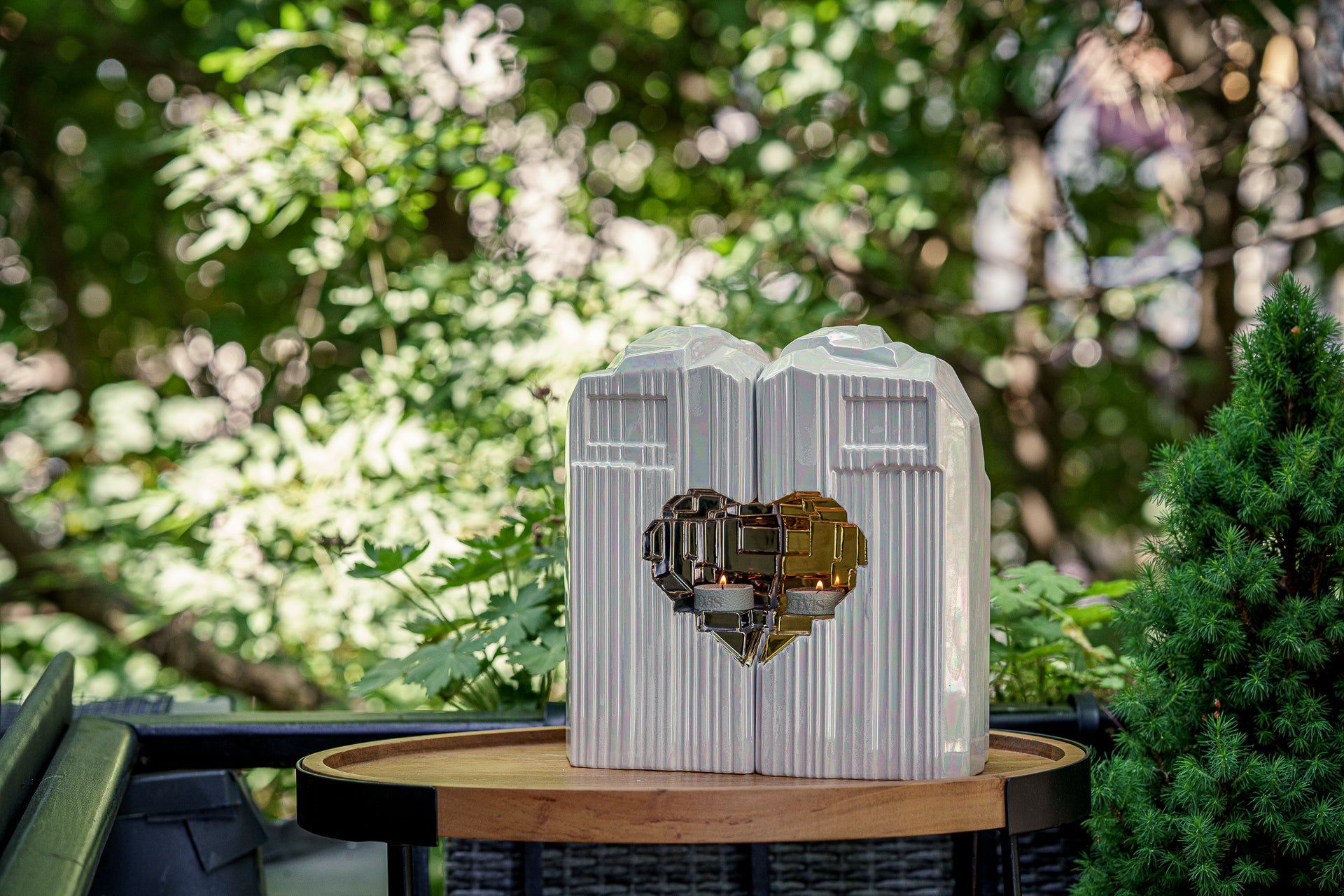
How Do You Choose the Right Urn for a Loved One's Ashes?
Choosing an urn for ashes is one of the most meaningful decisions families make after the loss of a loved one. Beyond its practical purpose, an urn serves as a lasting tribute that honors a person's life, memories, and legacy. Whether displayed at home, placed in a columbarium, or used for burial, the right urn can provide comfort and connection for years to come.
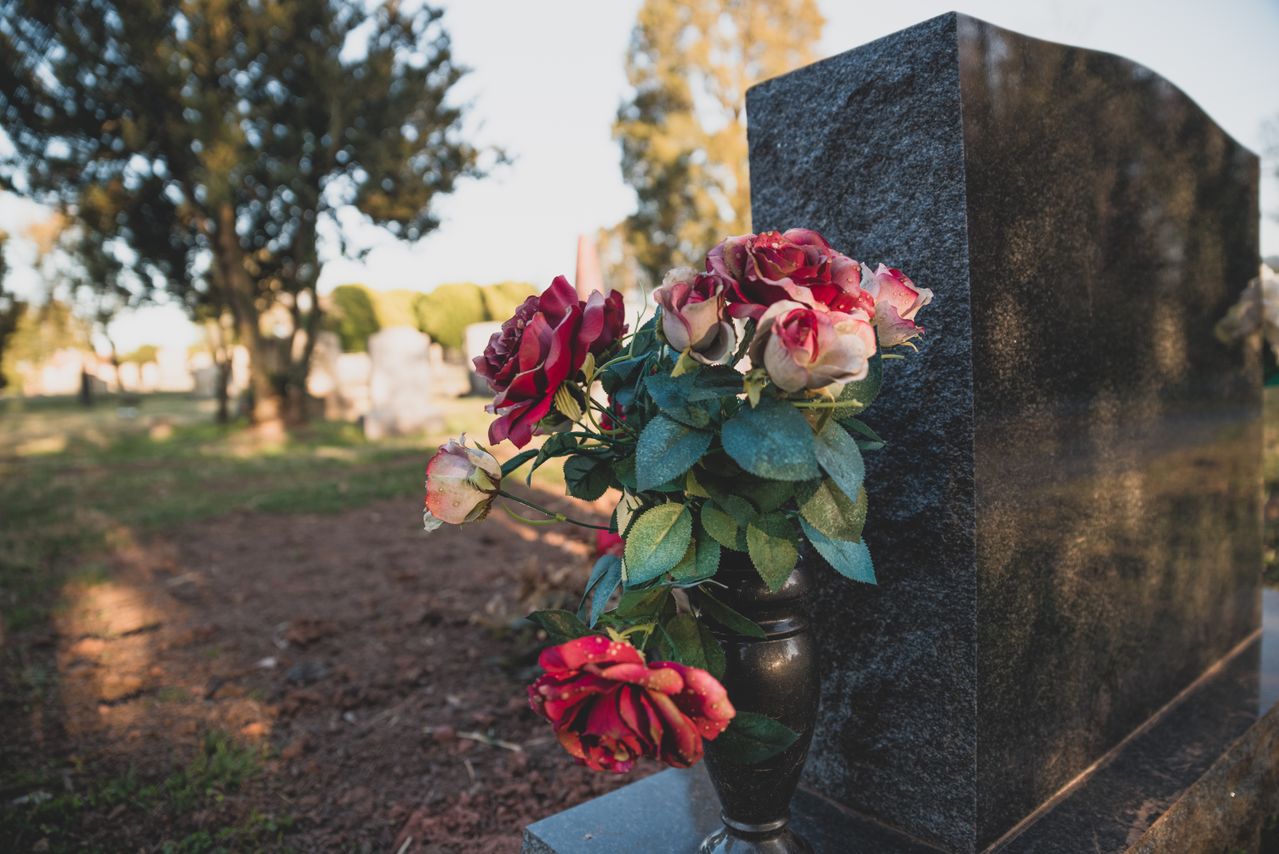
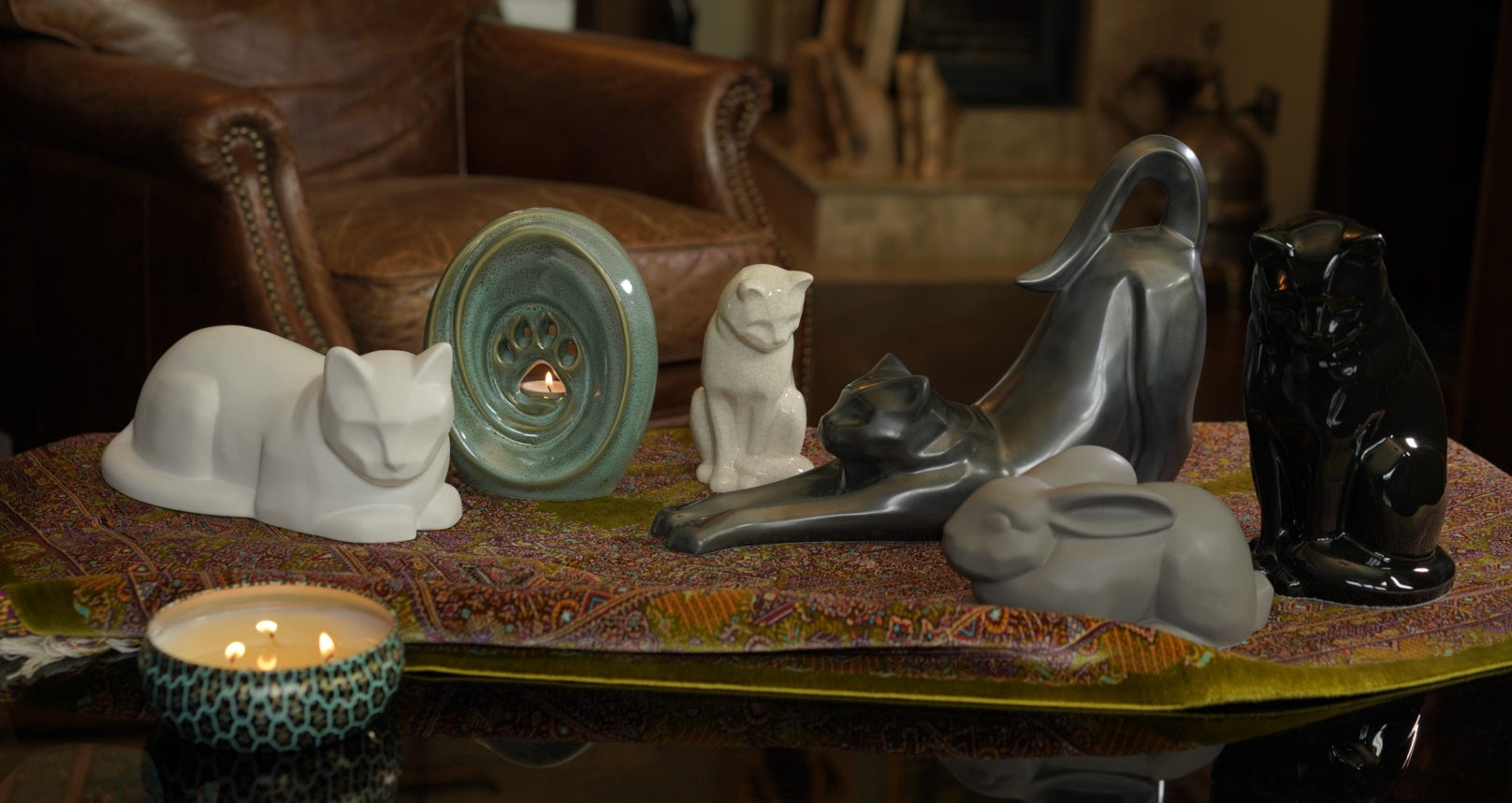
Comparing Memorial Urns for Human Ashes and Pet Urns: Key Differences
Choosing between a human or pet memorial urn is a deeply personal decision, and while both serve to honor a loved one’s memory, they differ in important ways. Human urns often emphasize tradition, durability, and formal design, while pet urns focus more on personality, warmth, and emotional connection. From size and materials to personalization and memorial practices, understanding these distinctions can help you choose a tribute that feels meaningful, comforting, and true to the bond you shared.

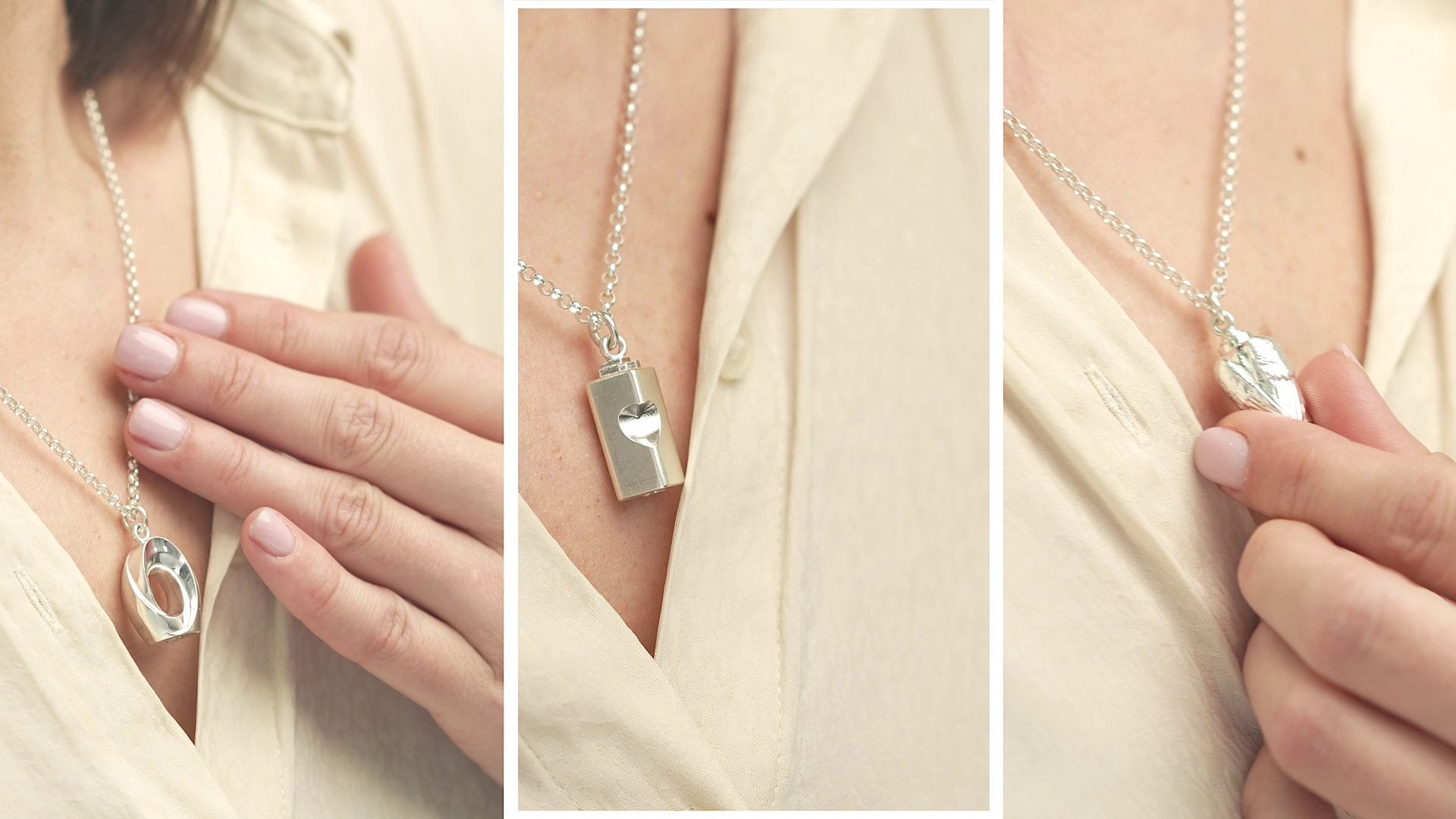
5 Reasons for the Rise of Cremation in 2026
In 2026, the U.S. cremation rate has reached a record 63.4%, officially doubling the rate of traditional burials. This transformation is driven by a move toward "Legacy Portability," allowing families to keep loved ones close in artistic ceramic vessels that travel with them. Beyond the significant cost savings, modern families are prioritizing environmental ethics, with over 61% now seeking sustainable "green" options and tech-integrated memorials.



Share:
Funeral Traditions, Cremation and Burial in England: 2026 Complete Guide