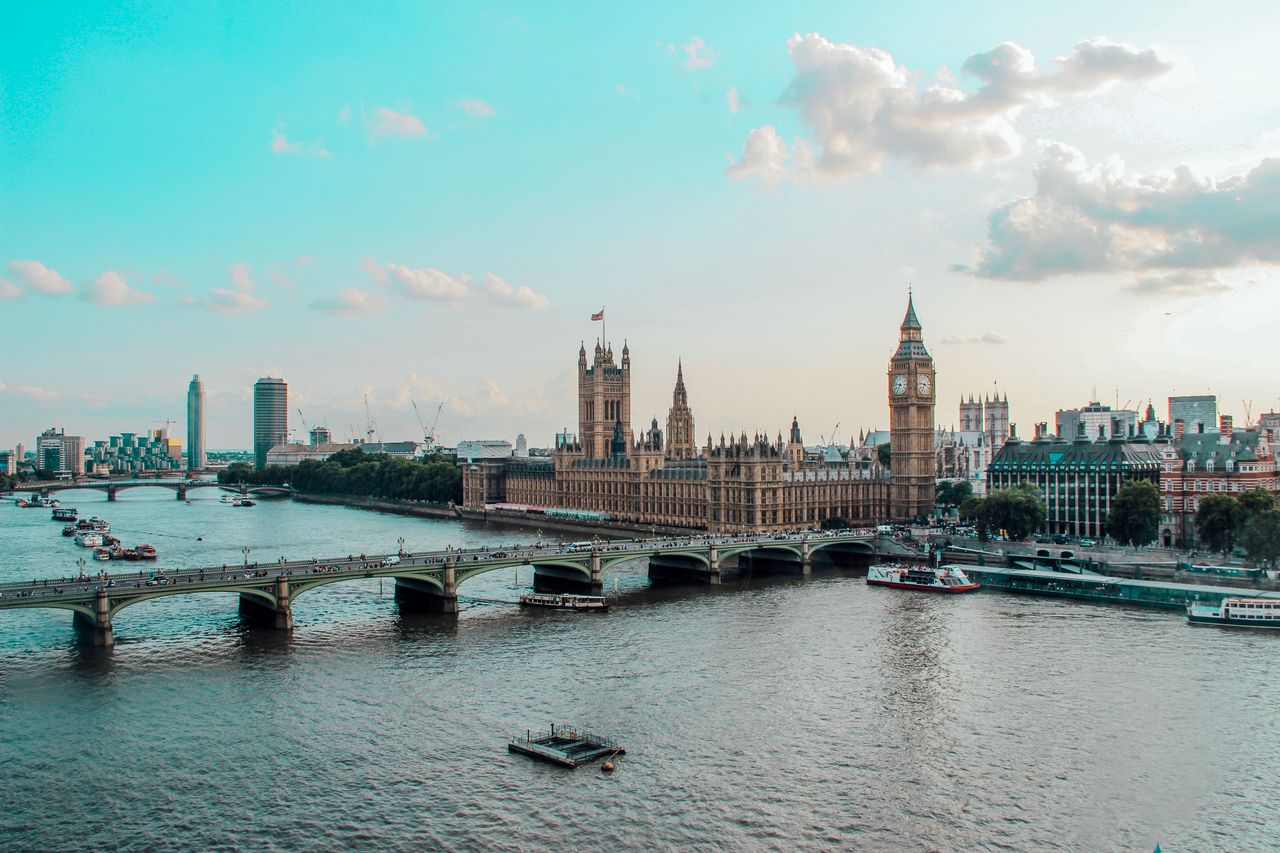
England has one of the most established and historically rich funeral systems in the world. Rooted in centuries of parish church traditions, it has evolved into a modern system combining cremation infrastructure, private funeral services, woodland burial grounds, and increasingly personalised memorial ceremonies.
As of 2026, funerals in England reflect a balance between tradition, affordability, environmental awareness, and personal expression. Cremation is now the dominant choice, but burial, natural burial, and direct cremation remain widely used depending on cultural, religious, and family preferences.
This guide provides a complete overview of funerals in England, including costs, laws, traditions, crematoriums, funeral directors, regional differences, and modern trends.
Funeral traditions in England have changed significantly over time:
Medieval period: Burials in churchyards surrounding parish churches
Victorian era: Formal mourning customs, black attire, horse-drawn hearses
20th century: Rise of municipal cemeteries and cremation
Modern era: Personalised, flexible, and eco-conscious funerals
Today, England’s funeral system blends religious tradition with modern public services and private funeral providers.
Still important for:
Religious families
Existing family graves
Rural communities
Churchyard traditions
Permanent physical memorials
Now the most common choice due to:
Lower average cost
Limited burial space
Flexibility in memorialisation
Urban lifestyle changes
Cremation: 75–80%
Burial: 20–25%
Direct cremation removes the traditional ceremony from the cremation process.
It includes:
Collection of the deceased
Simple cremation without attendees
Return of ashes to family
It does NOT include:
Funeral service at crematorium
Hearse procession
Viewing or ceremony
Lower cost
Flexibility for memorial timing
Less formal structure
Ability to personalise later

Natural burial is becoming increasingly popular in England.
Woodland or meadow burial sites
Biodegradable coffins or shrouds
No embalming
Minimal environmental impact
Conservation-focused land use
Environmentally sustainable
Peaceful natural settings
Lower long-term maintenance
Strong emotional connection to nature
| Type of Funeral | Average Cost |
|---|---|
| Direct cremation | £1,200–£2,000 |
| Cremation with service | £3,500–£5,500 |
| Traditional burial | £5,500–£9,000+ |
| London burial | £8,000–£12,000+ |
Location (London highest)
Cemetery fees
Crematorium fees
Funeral director services
Coffin selection
Transport and hearse use
Ceremony complexity
| Region | Cost Level |
|---|---|
| London | Highest in UK |
| South East | High |
| South West | Moderate–High |
| Midlands | Average |
| North West | Lower than South |
| Yorkshire & North East | Most affordable |
Must usually be completed within 5 days
Done at a registry office
Required before funeral arrangements
Families may:
Use a funeral director (most common)
Arrange independently (legal but less common)
Require:
Medical certification
Identity confirmation
Crematorium approval

Typically 1.5–3 litres per adult.
Ceramic urns
Wooden urns
Metal urns
Biodegradable urns
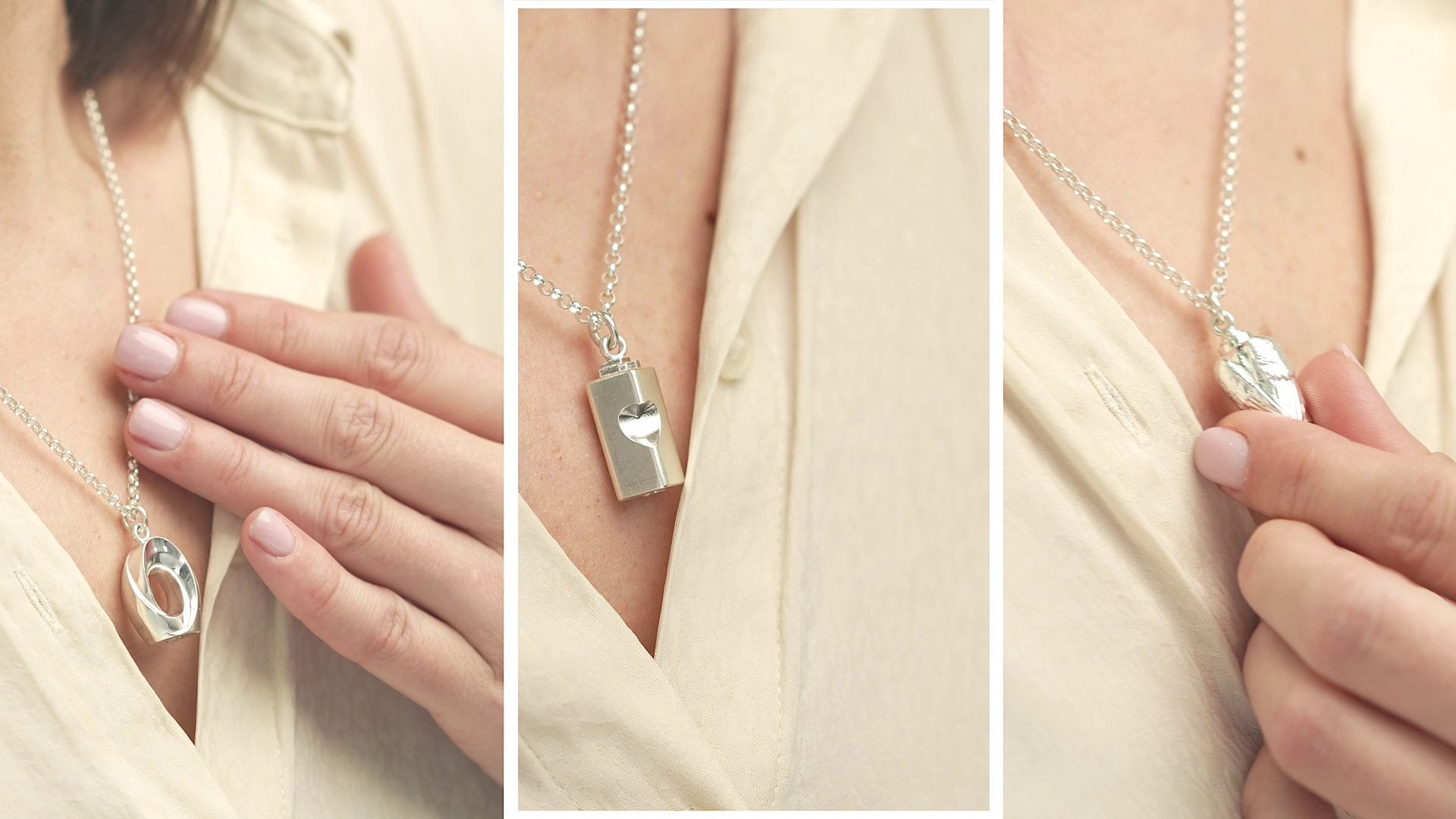
Keepsake jewellery
Garden scattering
Memorial benches
Tree planting
Glass art memorials
Online tribute pages
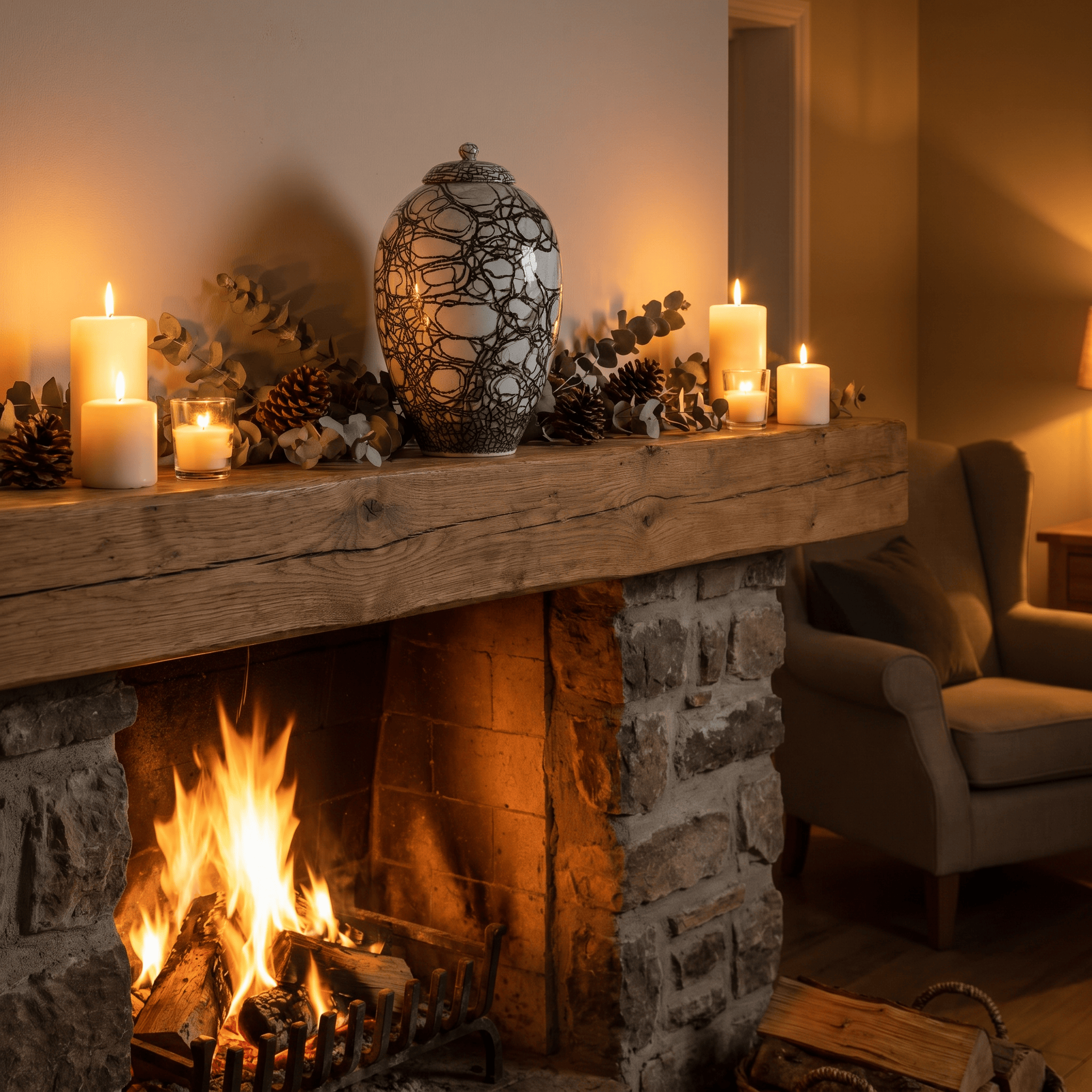
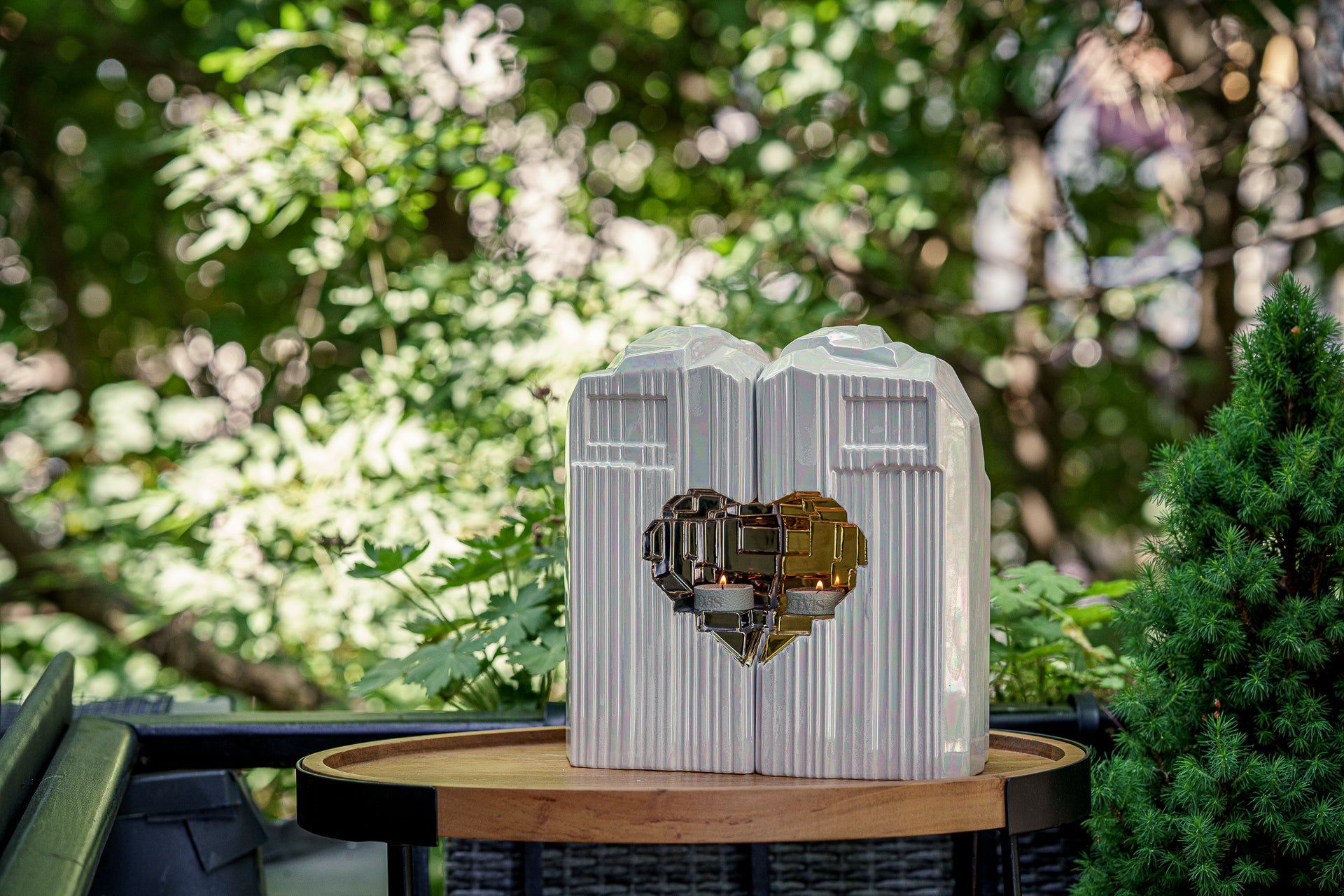
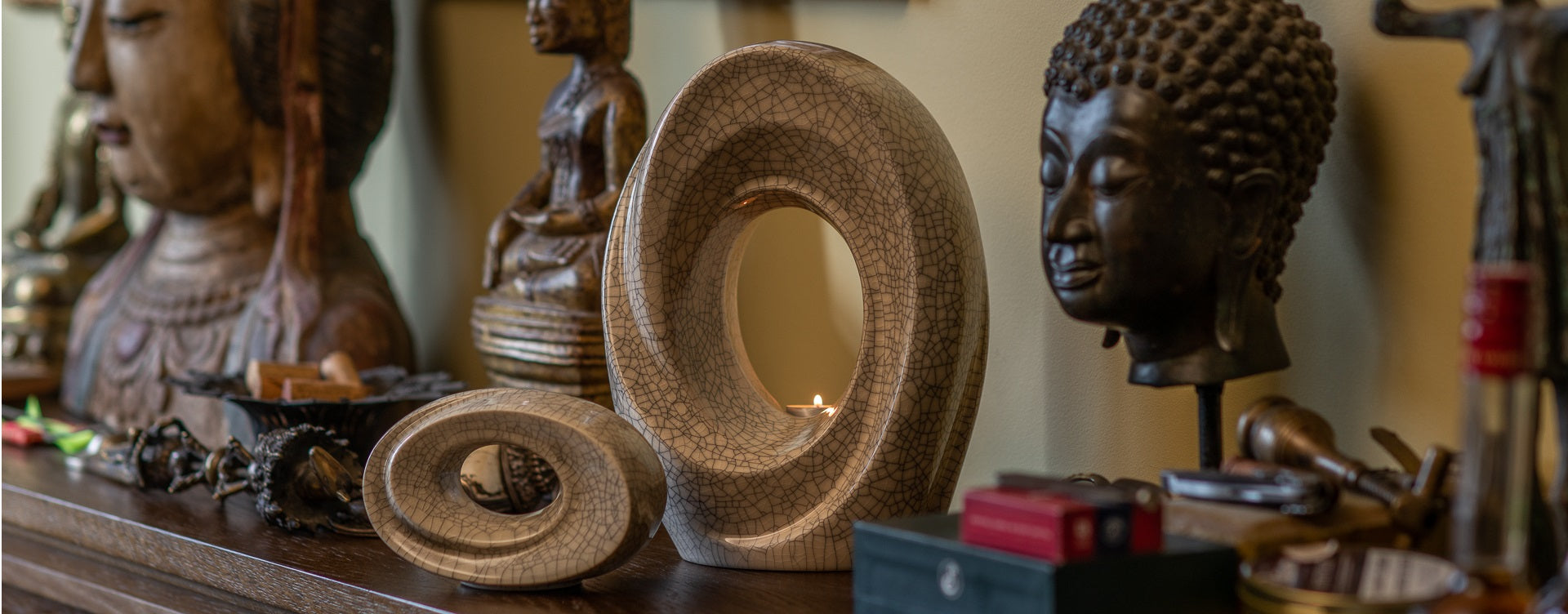
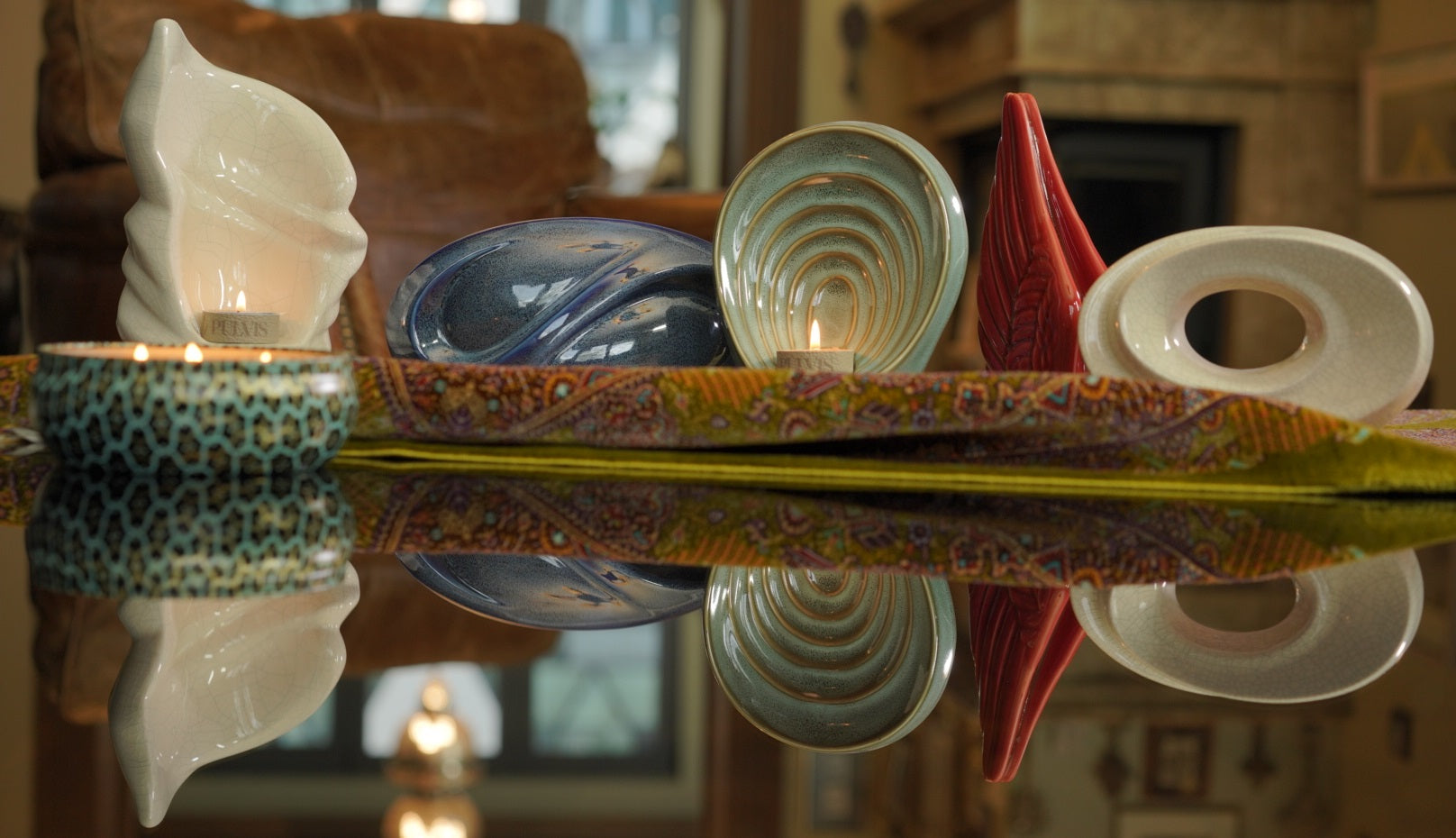
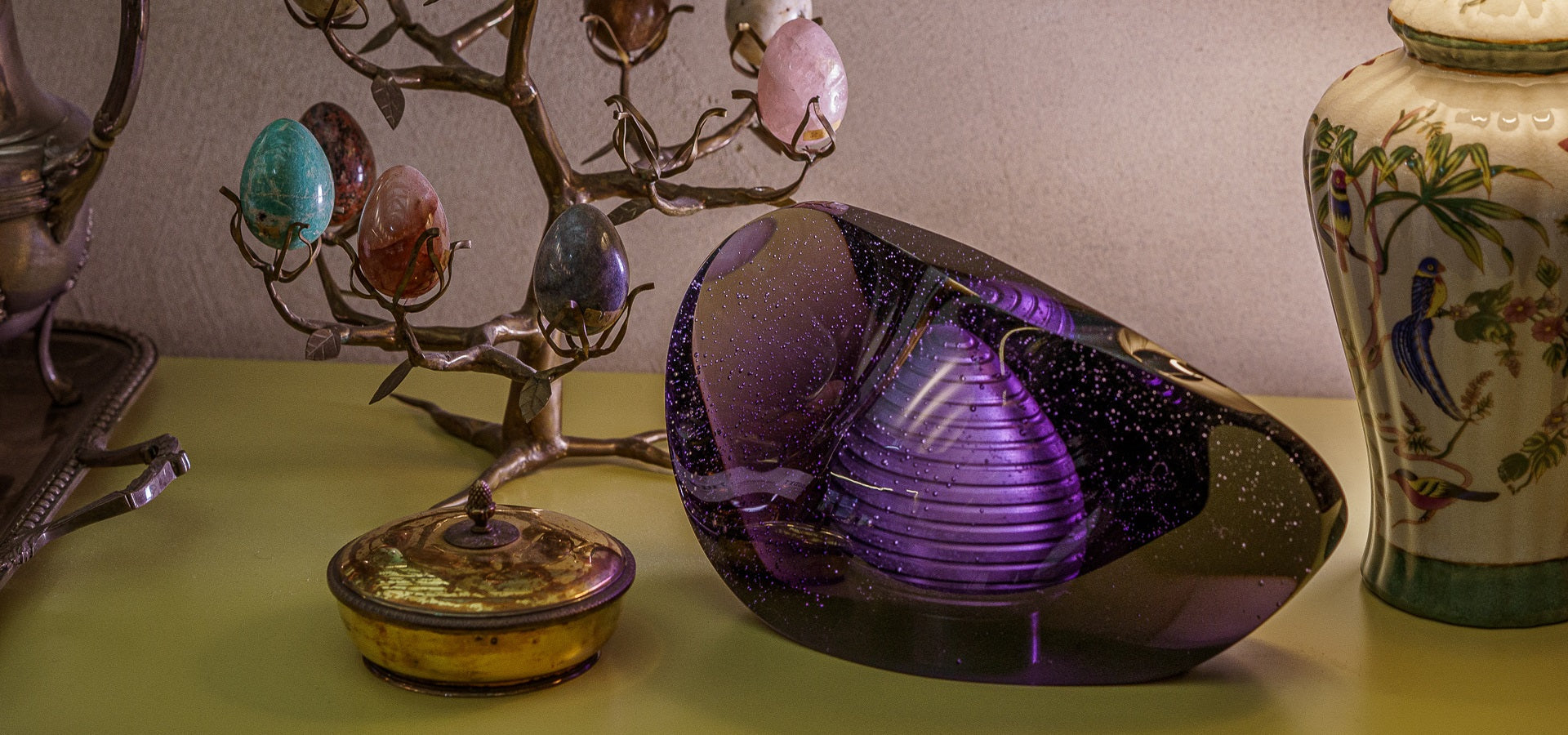
A growing trend in England is the use of artistic memorial urns that transform ashes into meaningful display pieces within the home. One example of this movement is Pulvis Art Urns, a European-based design studio specialising in handcrafted ceramic urns.
Unlike traditional urns that are often hidden away, Pulvis-style memorial art pieces are designed to be:
These types of urns reflect a wider shift in England toward personalised remembrance, where families prefer memorial objects that feel like part of the home rather than purely ceremonial items.
In 2026, this approach is increasingly popular among families who want:
Pulvis-style art urns are often chosen alongside cremation services where families plan a celebration of life, allowing the memorial object to become part of the home environment rather than being stored away.

Ash scattering is generally permitted but may require permission.
Private land (with permission)
Crematorium gardens
Approved natural burial sites
Parks
National Trust land
Private property owned by others
England is highly diverse, with multiple funeral traditions:
Church service
Hymns and prayers
Burial or cremation
Burial only
Fast arrangement
Ritual washing
Cremation-based tradition
Ritual ceremonies
Cremation
Prayer services and community gathering
Non-religious
Highly personalised ceremonies

A typical funeral may include:
Arrival of mourners
Gathering or viewing
Procession or entry
Ceremony (religious or secular)
Readings, music, tributes
Burial or cremation committal
Wake or reception
Register the death
Choose burial or cremation
Select funeral director
Decide ceremony style
Choose coffin or urn
Arrange transport
Select music and readings
Plan ashes handling
Organise wake
Financial assistance may include:
Funeral Expenses Payment
Burial or cremation support
Transport cost assistance
Eligibility depends on:
Income
Benefits
Relationship to deceased
Pre-planning allows individuals to:
Control funeral preferences
Reduce family stress
Fix costs in advance
Record ceremony wishes
Options include:
Prepaid funeral plans
Written instructions
Insurance-based plans

Celebration of life services
Livestream funerals
Digital memorial pages
Eco-friendly burials
Personal music playlists
Outdoor ceremonies
Less formal dress codes
Golders Green Crematorium (London)
Mortlake Crematorium (London)
Manchester Crematorium
Yardley Crematorium (Birmingham)
Lawnswood Crematorium (Leeds)
Hutcliffe Wood Crematorium (Sheffield)
South Bristol Crematorium
Wilford Hill Crematorium (Nottingham)
Cambridge Crematorium
Oxford Crematorium
West Road Crematorium (Newcastle)
Below are 30+ major funeral directors across England:
Key considerations:
Transparency of pricing
Local reputation
Cultural and religious experience
Range of services
Flexibility in arrangements
Personal support approach
Usually 1–3 weeks.
Direct cremation.
Yes, legally possible.
Yes.
They can be religious or non-religious.

Funeral traditions in England today reflect a society balancing heritage, modern life, environmental awareness, and personal expression.
While cremation is now the dominant practice, burial, natural burial, and personalised ceremonies remain deeply meaningful for many families.
In 2026, funerals in England are no longer one fixed tradition — they are a flexible, evolving system shaped by culture, choice, and memory.
At its core, every funeral in England serves the same purpose:
to honour a life with dignity, respect, and meaning.
How to Mail Cremains: The Complete 2026 Guide
Transporting a loved one’s remains can feel overwhelming. Our Mailing Cremains Easy Guide 2026 simplifies the legal requirements and physical steps to ensure a secure, respectful journey. By law, the USPS is the only carrier permitted to ship ashes, requiring Priority Mail Express and the official BOX-CREcontainer. From securing a sift-proof inner seal to navigating international customs and TSA air travel rules, this guide covers the essential packaging protocols and checklists you need to manage this sacred transition with confidence.
Funeral Traditions, Cremation and Burial in England: 2026 Complete Guide
A complete 2026 guide to funerals in England covering burial and cremation options, costs, legal requirements, regional differences, natural burial trends, and a nationwide directory of funeral directors and crematoriums.
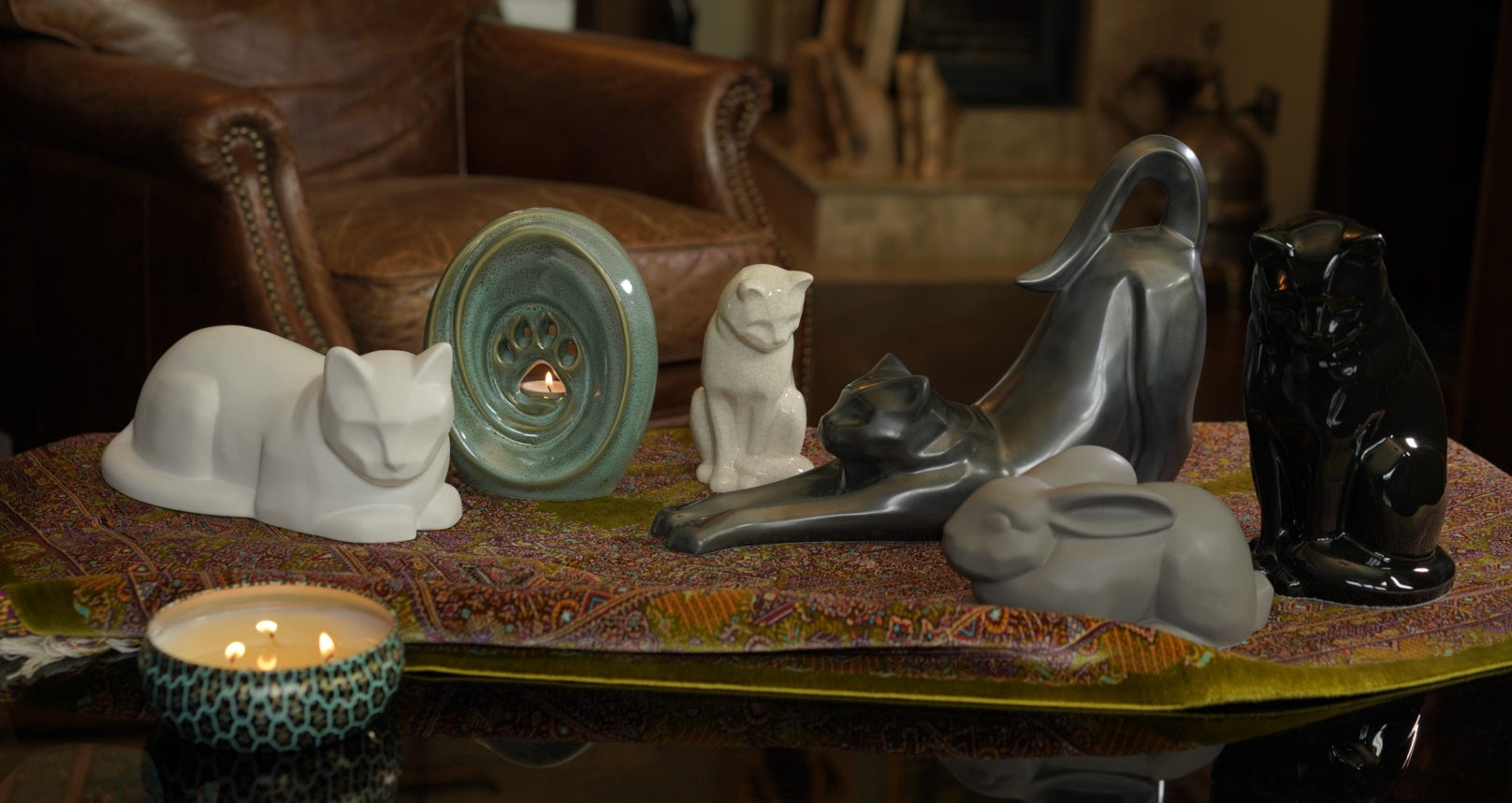
How Do You Choose the Right Urn for a Loved One's Ashes?
Choosing an urn for ashes is one of the most meaningful decisions families make after the loss of a loved one. Beyond its practical purpose, an urn serves as a lasting tribute that honors a person's life, memories, and legacy. Whether displayed at home, placed in a columbarium, or used for burial, the right urn can provide comfort and connection for years to come.
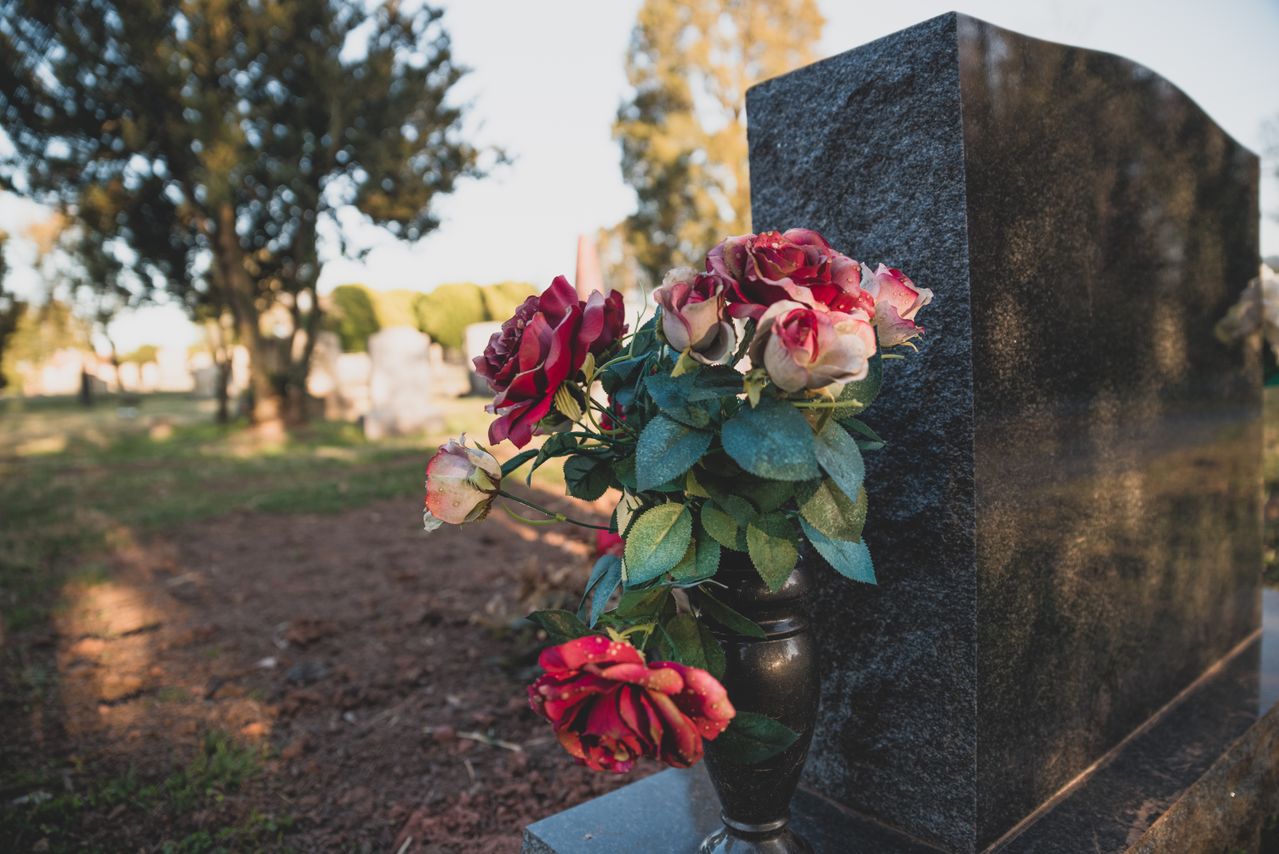
Comparing Memorial Urns for Human Ashes and Pet Urns: Key Differences
Choosing between a human or pet memorial urn is a deeply personal decision, and while both serve to honor a loved one’s memory, they differ in important ways. Human urns often emphasize tradition, durability, and formal design, while pet urns focus more on personality, warmth, and emotional connection. From size and materials to personalization and memorial practices, understanding these distinctions can help you choose a tribute that feels meaningful, comforting, and true to the bond you shared.
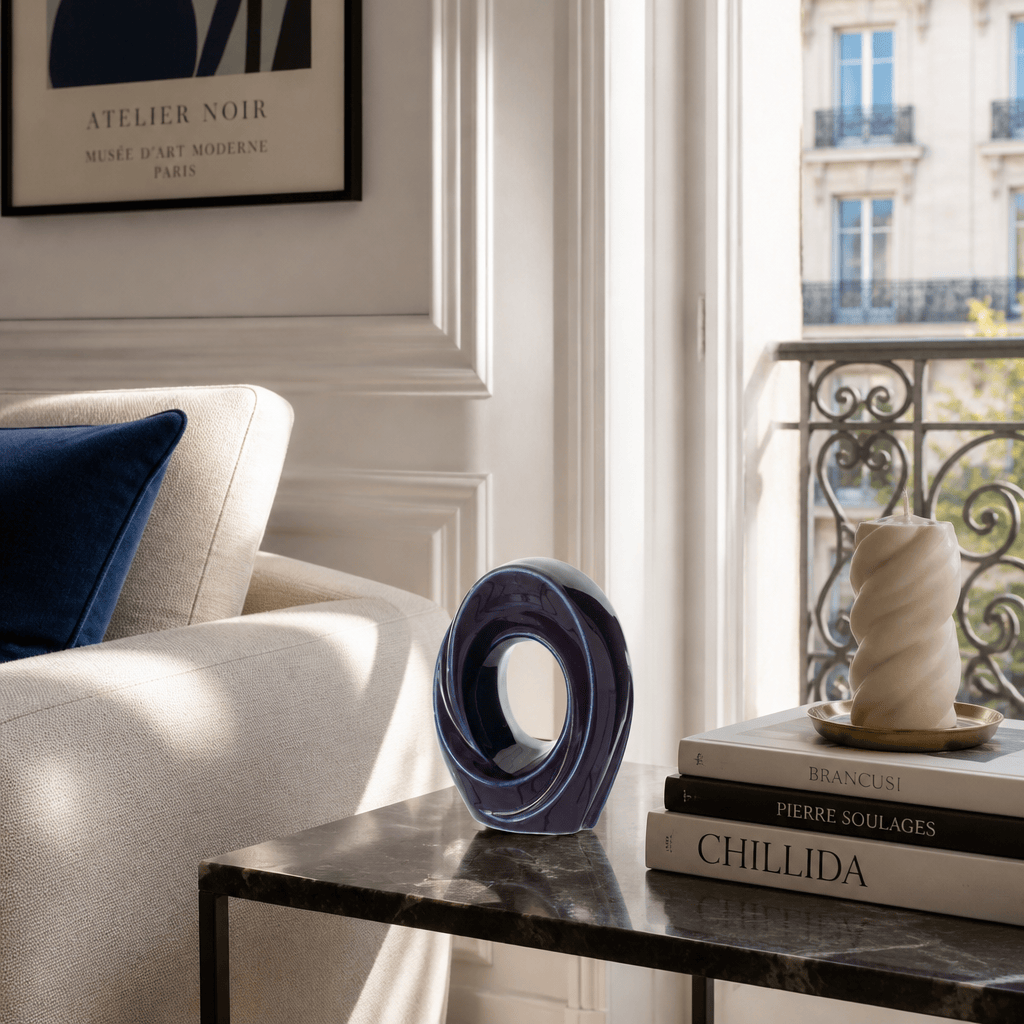
5 Reasons for the Rise of Cremation in 2026
In 2026, the U.S. cremation rate has reached a record 63.4%, officially doubling the rate of traditional burials. This transformation is driven by a move toward "Legacy Portability," allowing families to keep loved ones close in artistic ceramic vessels that travel with them. Beyond the significant cost savings, modern families are prioritizing environmental ethics, with over 61% now seeking sustainable "green" options and tech-integrated memorials.
Share:
How Do You Choose the Right Urn for a Loved One's Ashes?
How to Mail Cremains: The Complete 2026 Guide