Why are some of us so afraid of cremation? It is fascinating to think about society’s opposing thoughts on cremation, which mainly stems from differing traditions, cultures and religious beliefs.
In the previous article, we have mentioned the rising cremation rates in the USA, which according to the annual NFDA Cremation and Burial Report for 2018 predicted a rise with 30 % in incineration practices in approximately 20 years. Although there is a gradual increase in the cremation practices, most of the people around the world still seems to opt for burial, neglecting the idea of cremation.
While searching for some information we have found some suggestions why the human mind simply rejects the idea of cremation.
There are several reasons why some people may fear or be uncomfortable with the idea of cremation.
The socio-economic reality shows that in some countries funeral practices still stay on the top of the charts every year.
One common reason is that cremation involves the destruction of the physical body, which some people may find disturbing or disrespectful to the deceased. For many cultures and religions, the body is considered sacred, and cremation may go against their beliefs or traditions.
For example, a study among students in Eastern Europe, large parts of which is orthodox shows the main motives against cremation are:
And the research presents some psychological reasons like: fear of fire - 93 cases (12.48%); due respect of the human body (3 cases);

As mentioned, religion is one of the reasons for cremation to be less preferable.
Religions like Orthodox Christianity, Islam and Judaism follow traditions that frown upon cremation, even prohibiting it. Traditionally, their culture believes that the idea of turning human body into cremation ashes might interfere with God’s ability to resurrect the dead and bring it to heaven.
The Hindu culture, however, approves cremation; they believe that cremating the body induces a feeling of detachment into the freshly disembodied spirit, which will help to its passing on to its next life.
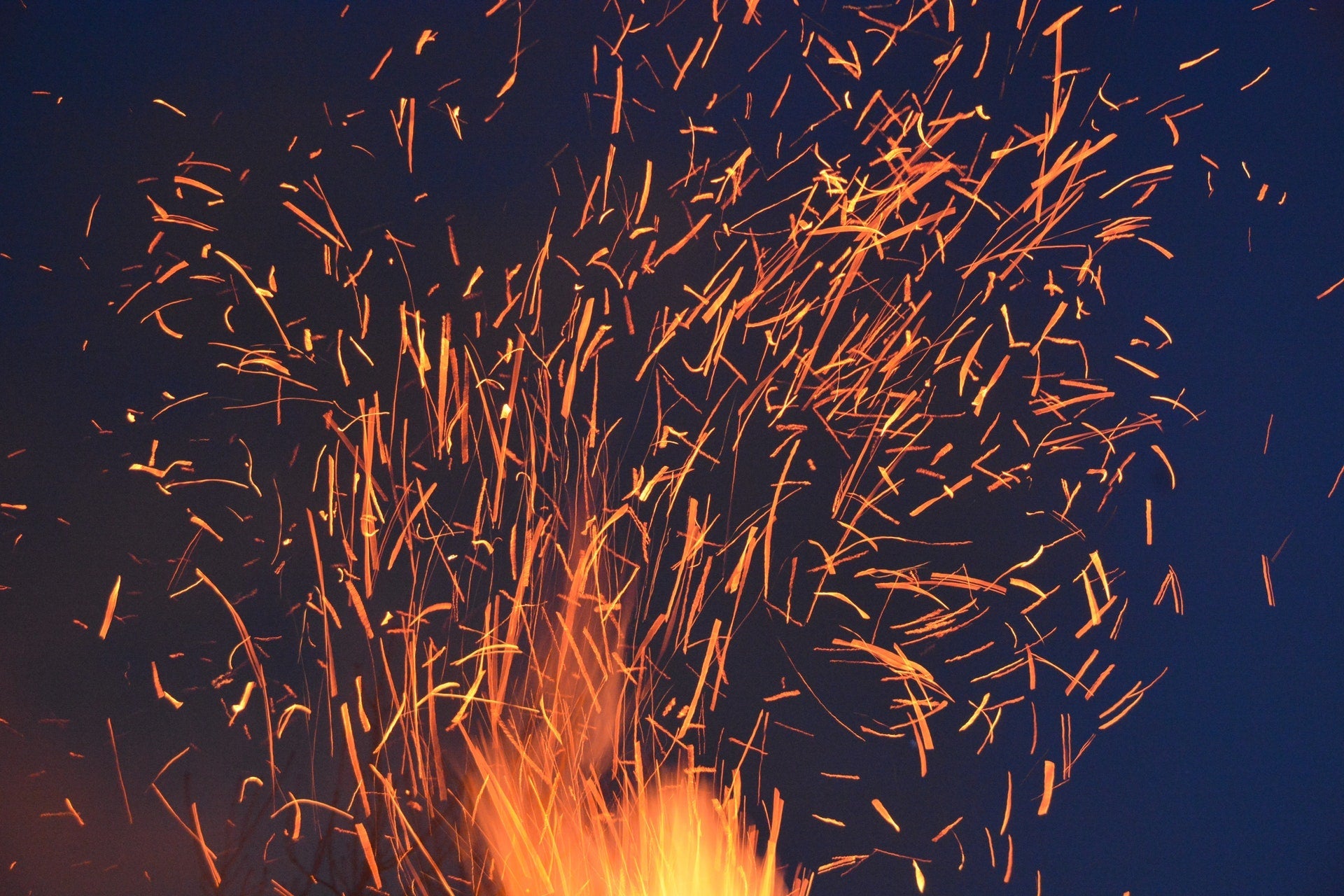
For others the rejection stems from an innate fear of fire. It is in our nature to fight and avoid anything that may cause us suffering or pain. If we saw a flame on a hob, we would not touch it. Fire often equals pain and this is what cremation is often associated with.
Even though most of us are aware that their loved one is no longer living, we would often have some comfort to know that they are still there physically. Burial gives you the option to visit their physical body wherever they are buried.

For some people, the idea of their body being consumed by flames can be unsettling or even terrifying. This fear may be exacerbated by media depictions of fire and the potential for accidents.
For some, the fear of cremation may simply stem from a lack of understanding about the process and what happens to the body during and after cremation.
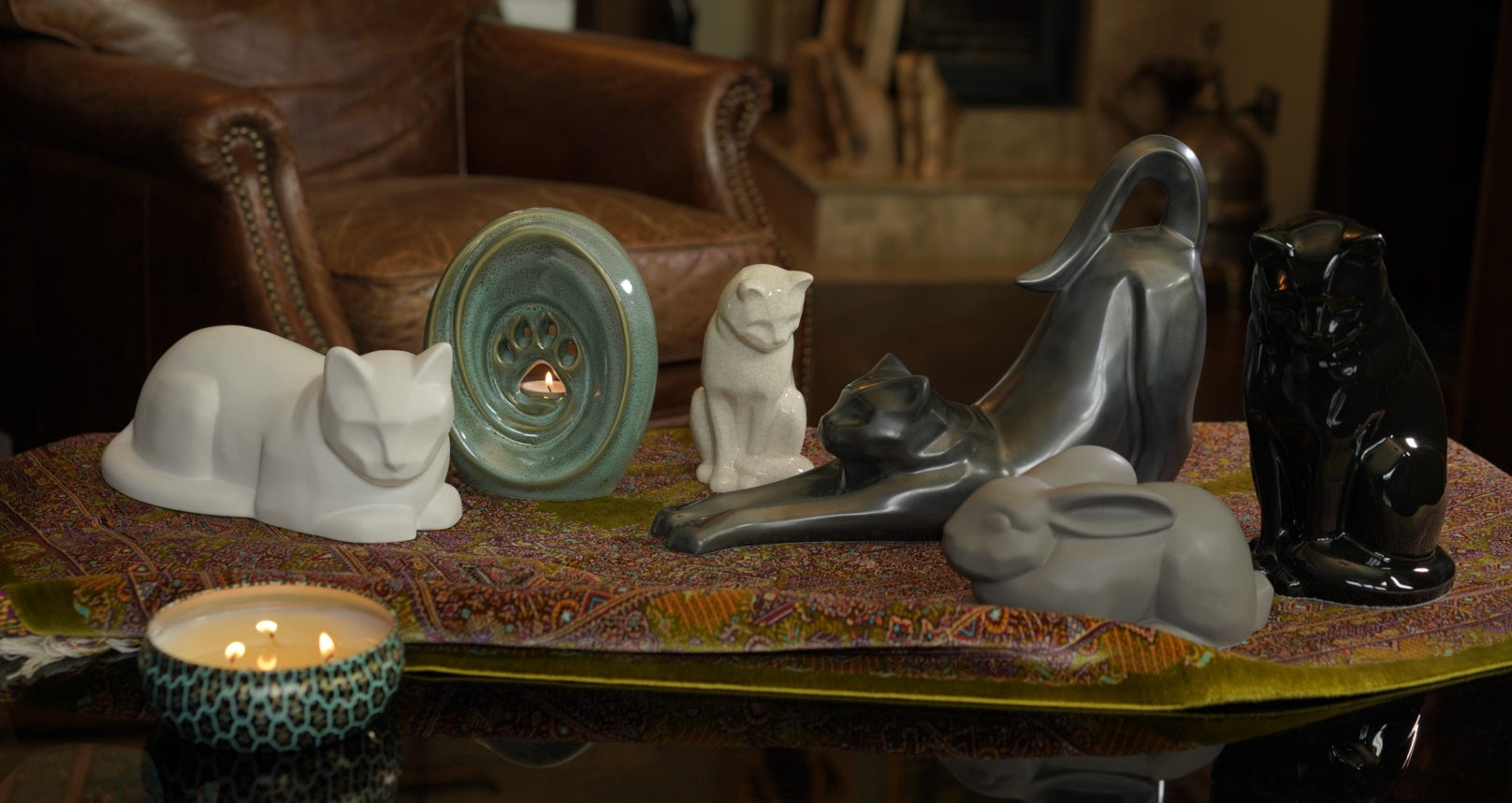
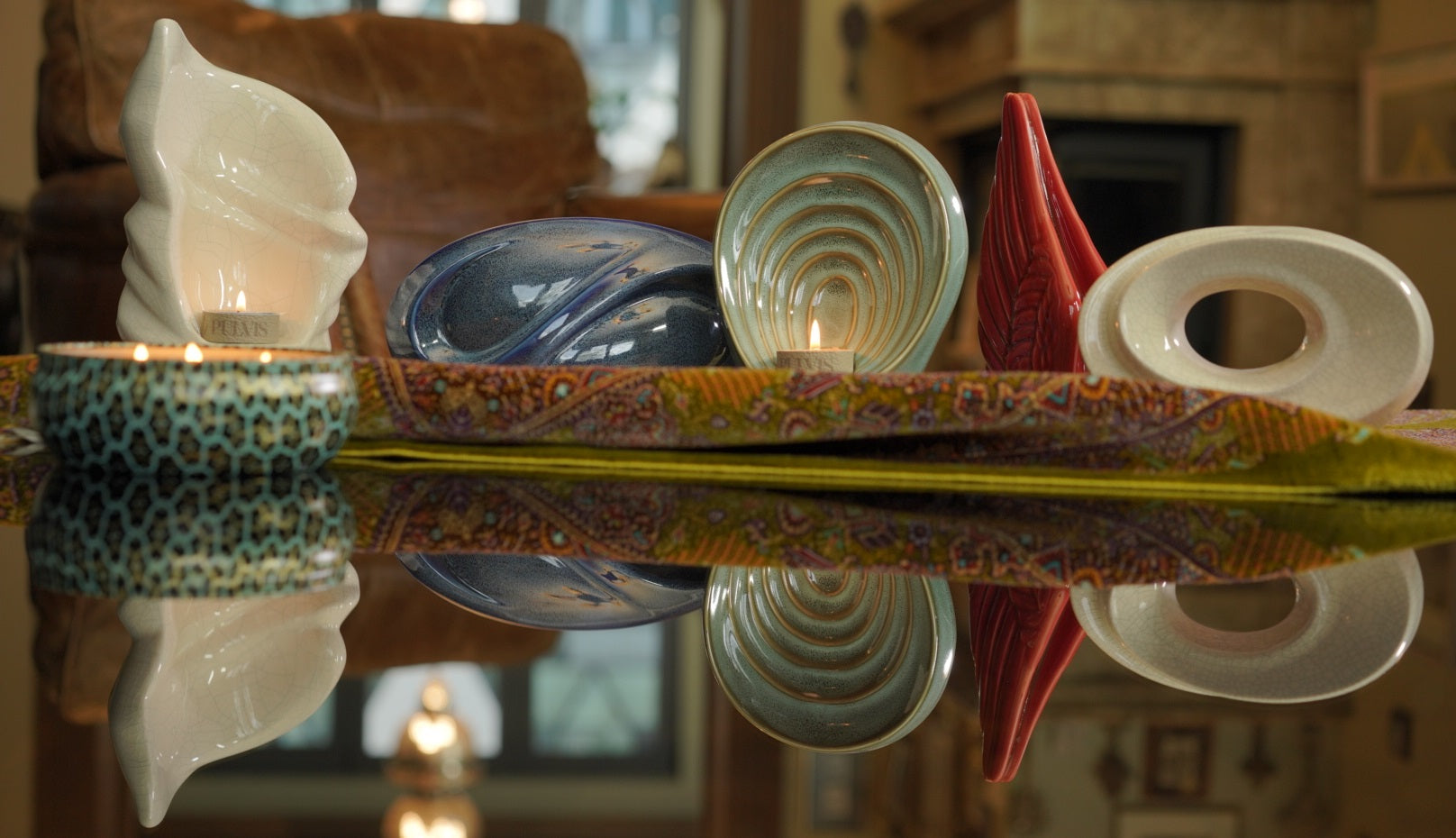
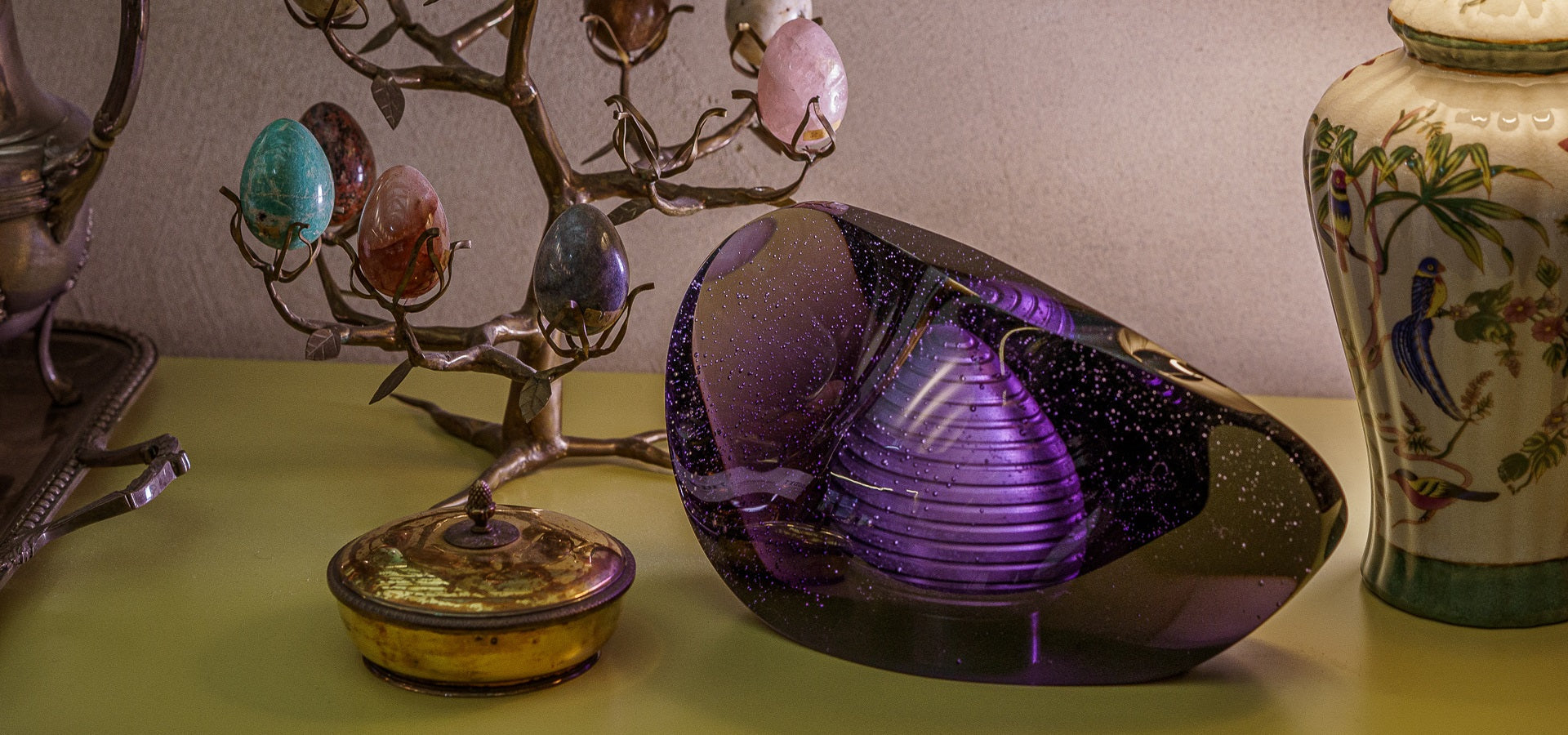
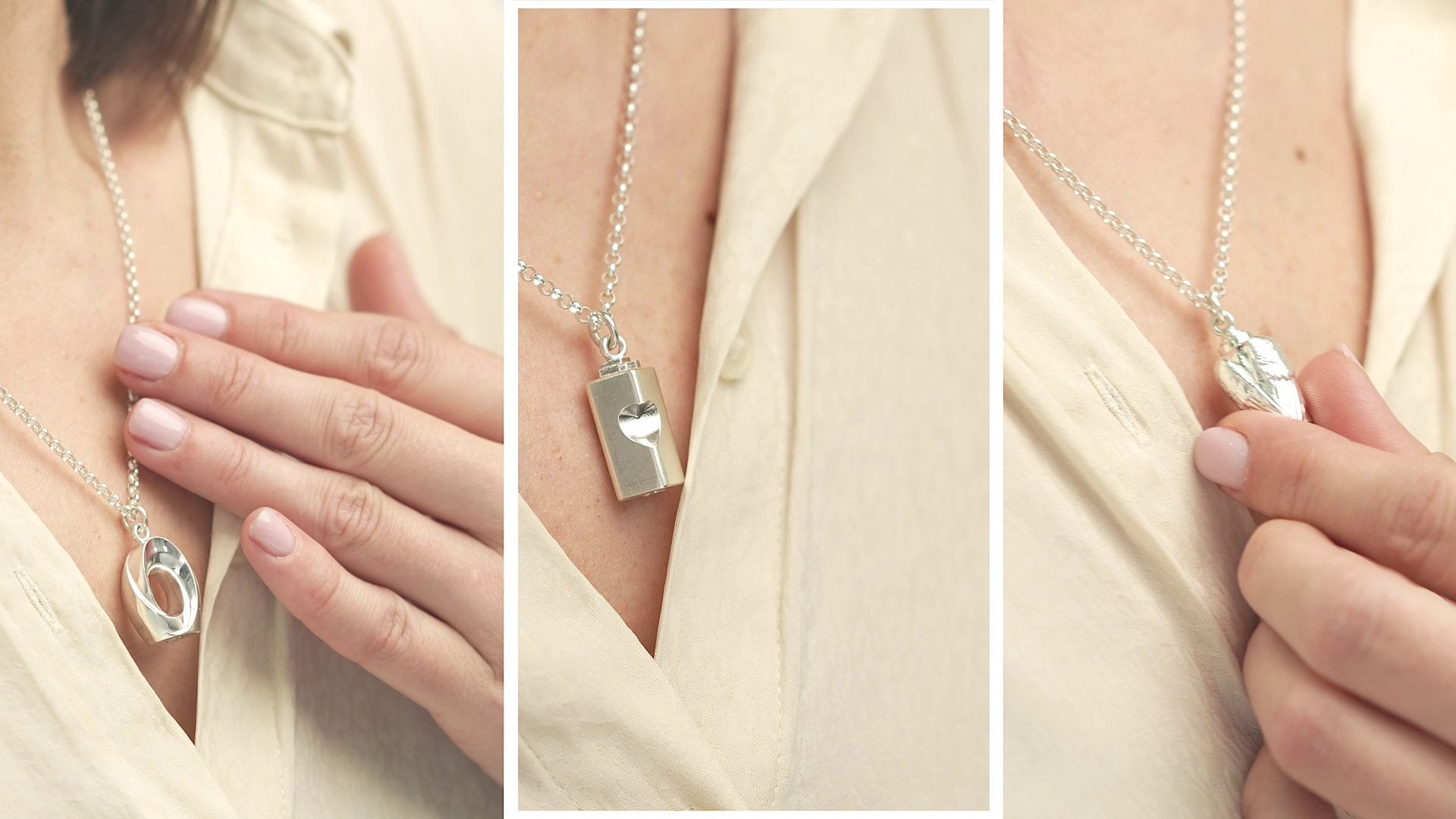
However, if you think of the body as just an empty vessel after death, which many people do, the idea of cremation can be very appealing. One of the pros is that cremation is far cheaper than the traditional burial. Once you overcome the initial procedure of lots of fire, what to do with the ashes of you, your loved one or your pet, gives you a chance to be creative. Scattering the ashes is the preferred option, however many people opt for keeping the ashes of a loved in a cremation urn at home or columbarium.
These include turning the ashes into a shiny diamond, planting them as a maple tree, or even turn them into a vinyl record - plus many more unusual processes.
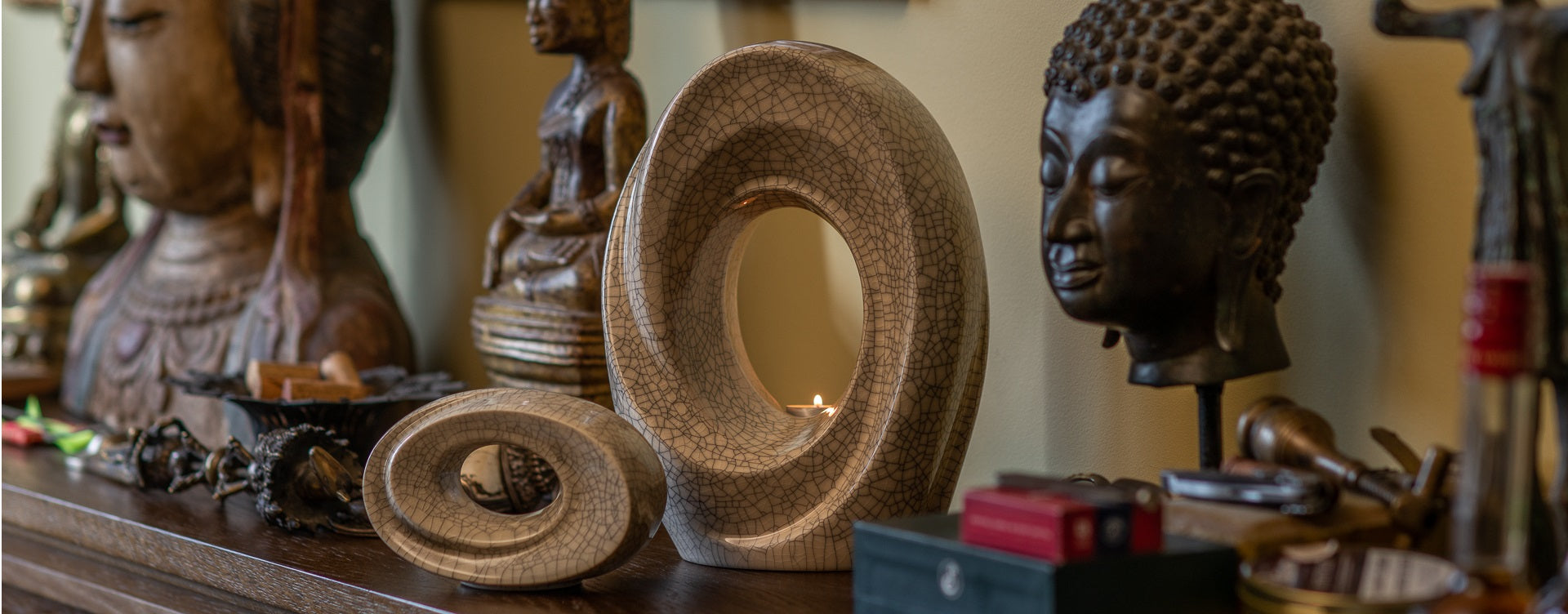
Choosing a modern art urn that fits a certain interior is also more and more preferred option.

Considering all of these options, even though you may still believe burial wins the battle against cremation, it's always good to learn more about the process of cremation in case a friend or family member adds it as part of their final wishes.
It's important to remember that cremation is a very personal choice, and there is no right or wrong decision. It's okay to have concerns about the process, and it's important to talk to loved ones and funeral professionals to better understand the options available and make an informed decision.
Join us in helping families honor the memory of their loved ones and pets through art!
Our Affiliate Program is now available at https://www.pulvisurns.com/pages/affiliate-program-by-pulvis-art-urns
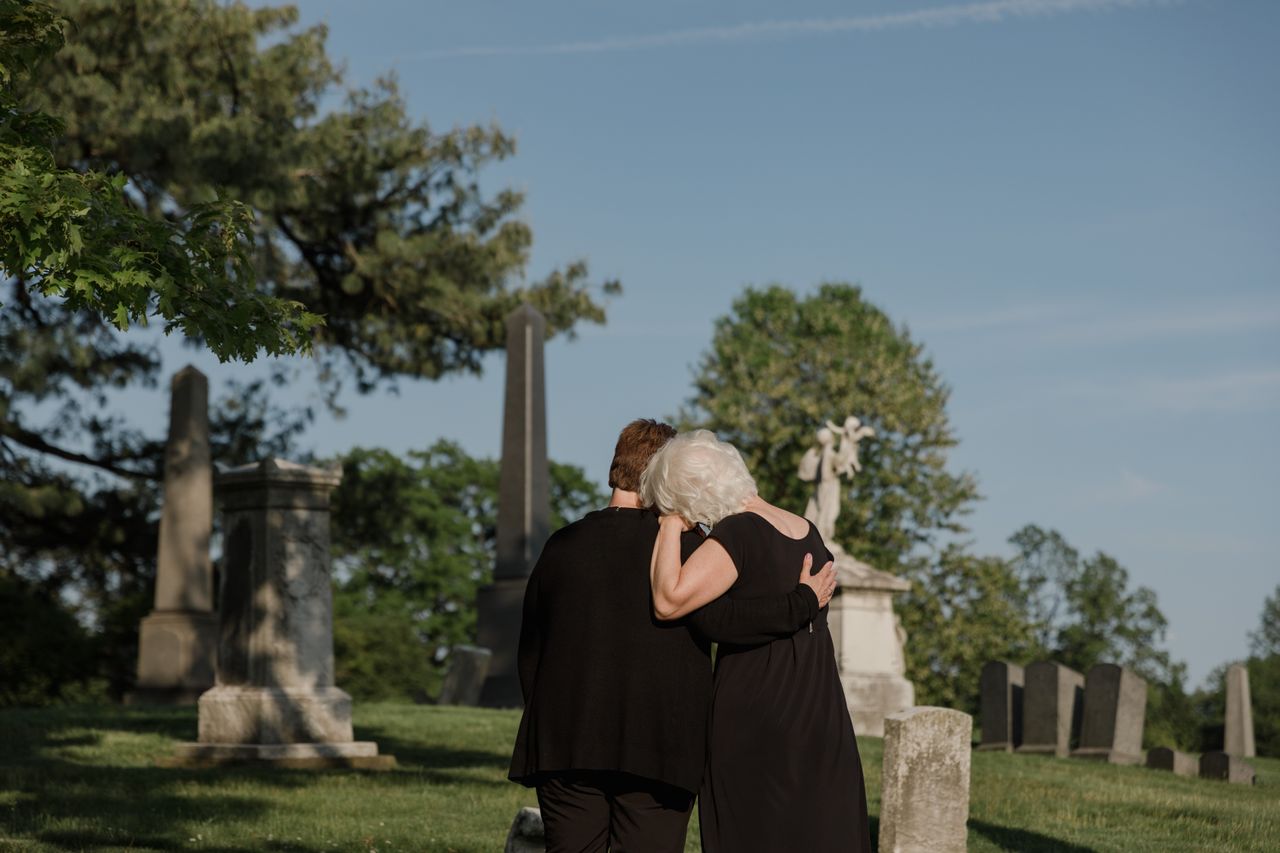
Ways to Honour a Loved One Without Visiting a Cemetery
Honouring a loved one doesn't have to be limited to visiting a cemetery. Discover meaningful and heartfelt ways to celebrate their life through personal traditions, living memorials, keepsakes, charitable acts and beautiful remembrance ideas that keep their memory alive every day.
The Emotional Weight of “Lasts”: The Last Conversation, Last Hug, Last Goodbye
The last conversation, last hug, and last goodbye are some of the most emotionally powerful experiences a person can carry. These final moments transform ordinary interactions into lifelong memories, revealing the depth of love, connection, grief, and human attachment. This article explores why we remember final moments so vividly, how they shape the way we process loss, and why appreciating everyday connections matters before they become memories.
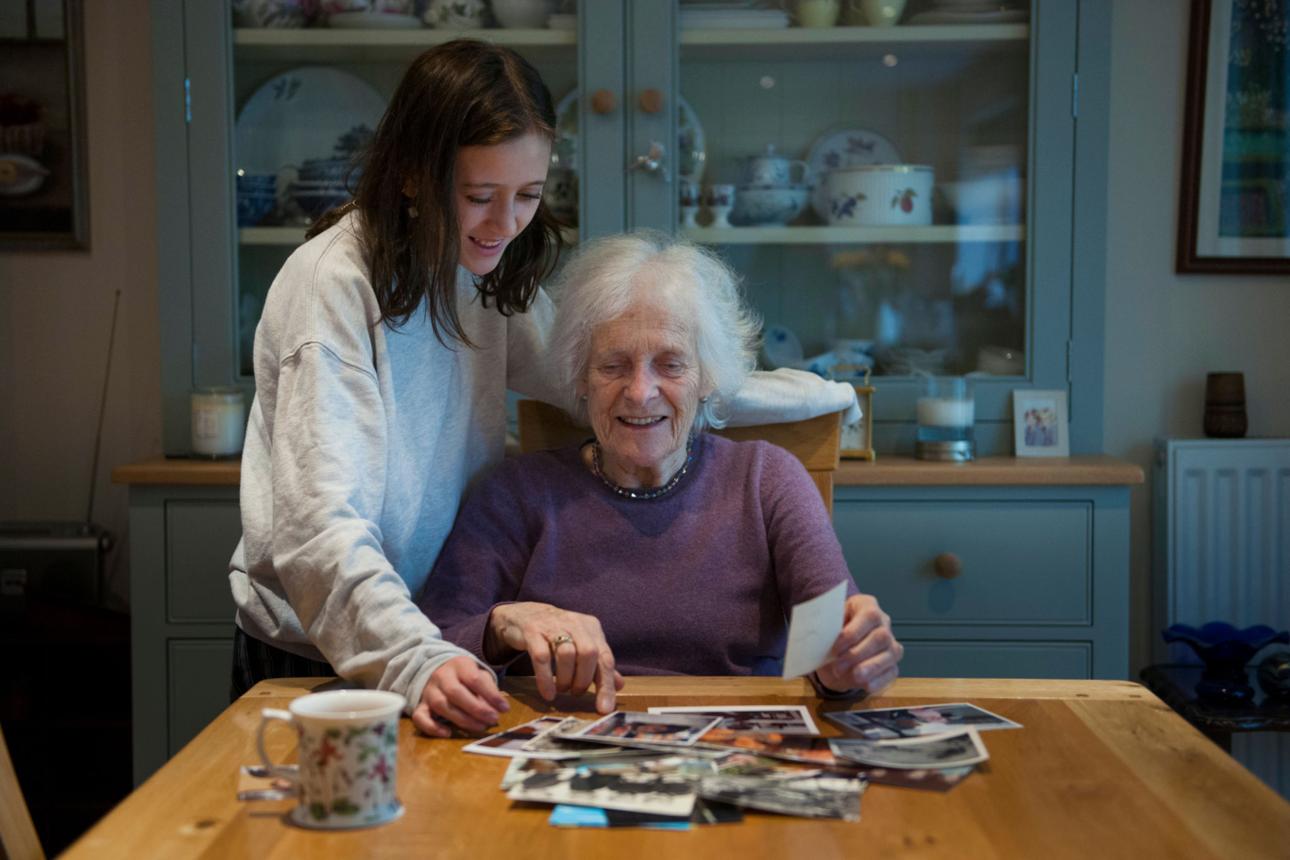
The First Holiday Without Someone: Why It Feels So Different
The first holiday after losing someone we love can feel completely different from any celebration before it. The traditions remain, the decorations appear, and families gather together, but the absence of one important person changes everything. This article explores why holidays intensify grief, how memories are triggered through traditions and senses, and how families learn to honour loved ones while creating new ways to remember.
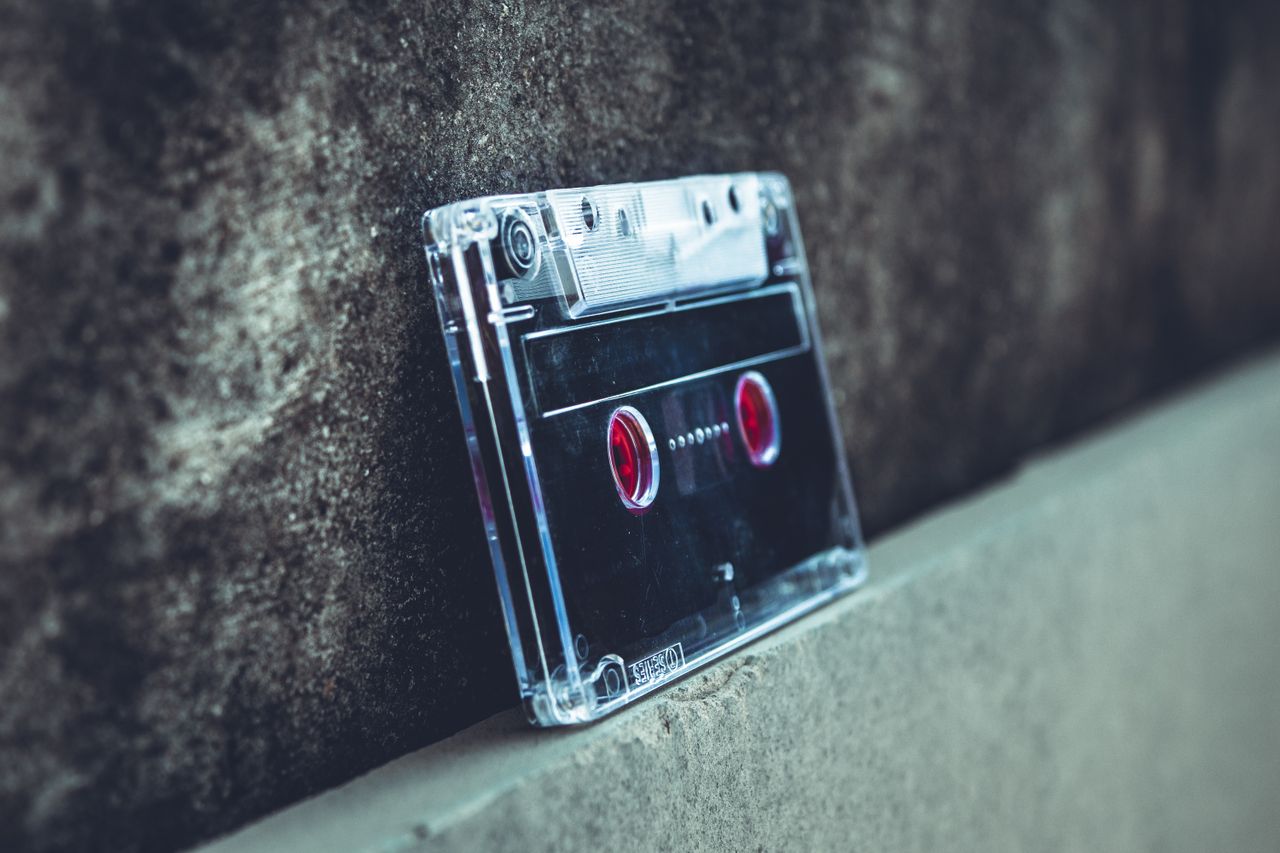
Discover why everyday sounds can become powerful reminders of the people we love. From familiar voices and favourite songs to simple household noises, sound has the ability to preserve memories, awaken emotions, and maintain a connection with those who are no longer physically present.
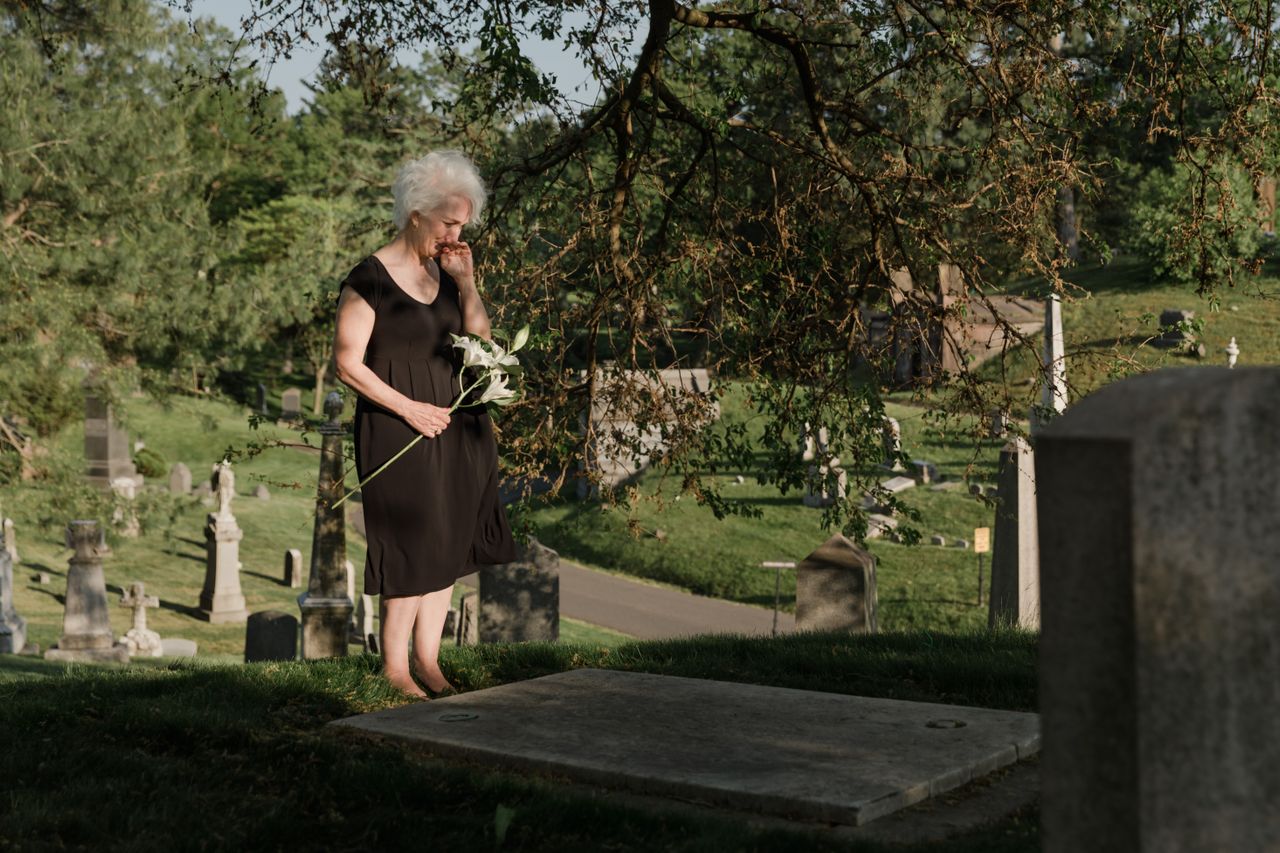
After losing someone we love, ordinary belongings can become some of the most meaningful reminders of their life. A favourite sweater, handwritten note, piece of jewellery, or family recipe can carry memories, emotions, and a sense of connection that goes far beyond the object itself. This article explores why we keep the things left behind, the psychology behind emotional attachment to personal belongings, and how these objects help us preserve love, identity, and family stories after loss.
Share:
Pulvis Art Urns joins FIAT-IFTA
Pulvis Art Urns sponsors the Bulgarian Veterans in Canoe Sprint Masters