
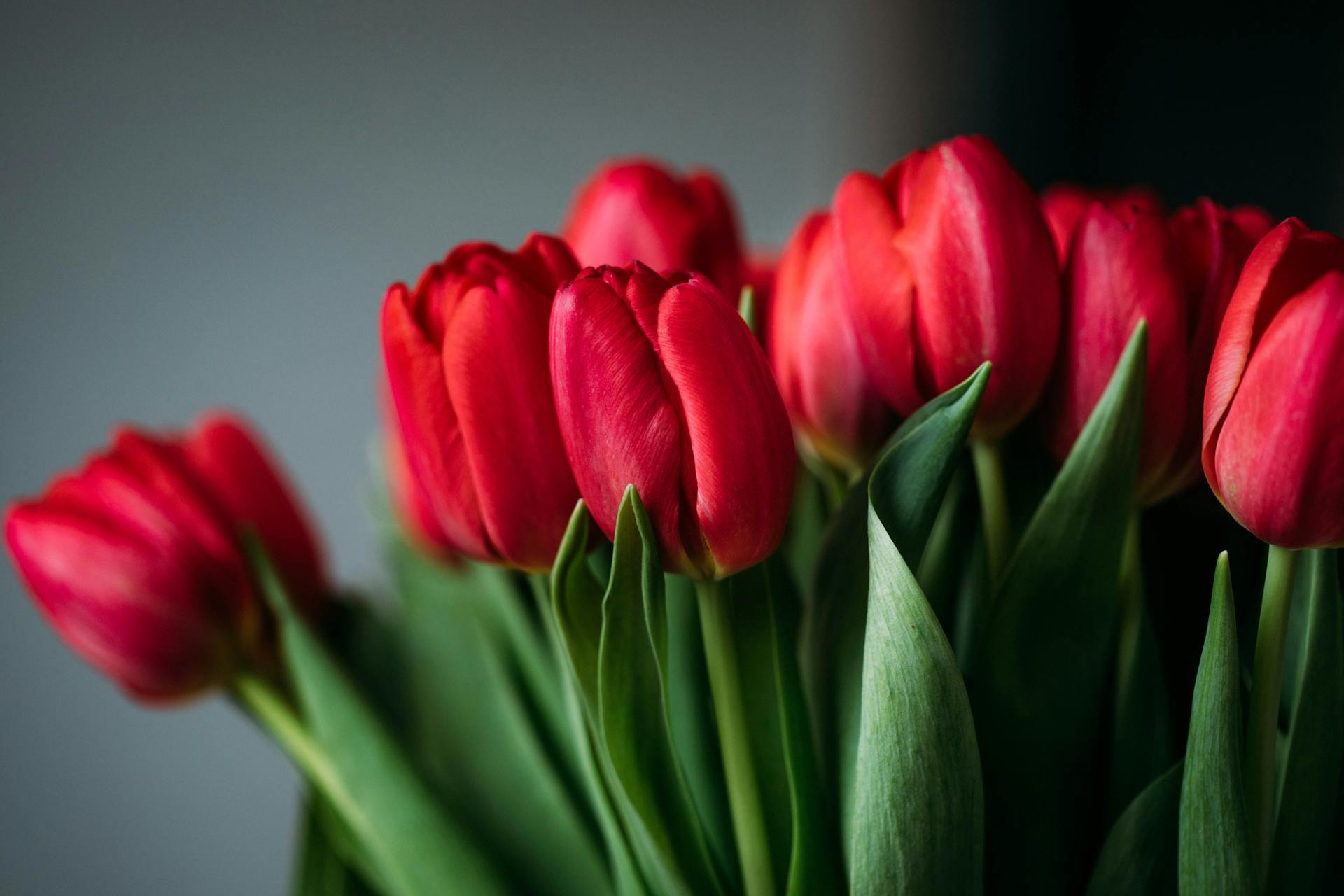
Explore the rich history and deep symbolism of tulips. Discover how different colored tulips represent love, renewal, community values, and more.
Tulips are one of the most popular flowers in the world, captivating people with their vibrant colors and graceful shapes. But there's more to these blossoms than meets the eye. They hold deep symbolic meanings that have been cherished for centuries. Exploring Tulip Symbolism uncovers a fascinating blend of cultural, historical, and emotional significance.
Tracing the origin of tulips takes us back to the mountainous terrains of Central Asia. Here, in the wild, tulips began their journey, flourishing amidst the harsh climates and varied topography. The resilience and vibrancy of these flowers captured the attention of nomadic tribes, who began the initial steps of domestication, thus setting the stage for tulips as we know them today.
Cultivation in Turkey was pivotal in transforming tulips from mere wildflowers into symbols of wealth and status. During the Ottoman Empire, sultans and affluent individuals cultivated vast gardens with a myriad of tulip varieties, which became integral to Turkish culture and aesthetics. The flower's name itself derives from 'tulipan,' meaning turban in Turkish, possibly due to its resemblance to the headwear that was fashionable at the time.
Tulips have carved a unique niche in the funeral industry their role extends beyond mere decoration, offering symbolic comfort and expressing sentiments where words may fall short.
 These interpretations of tulip symbolism are not limited to a specific culture or tradition. Instead, they resonate with people worldwide, transcending boundaries:
"In these ways, each hue and gesture involving tulips carries an undercurrent of emotional depth and societal values that resonate across cultures and traditions."
Incorporating tulips into funeral arrangements or as part of a memorial can provide a deeply personal touch, allowing individuals to communicate their feelings and pay homage to the departed in a meaningful way.
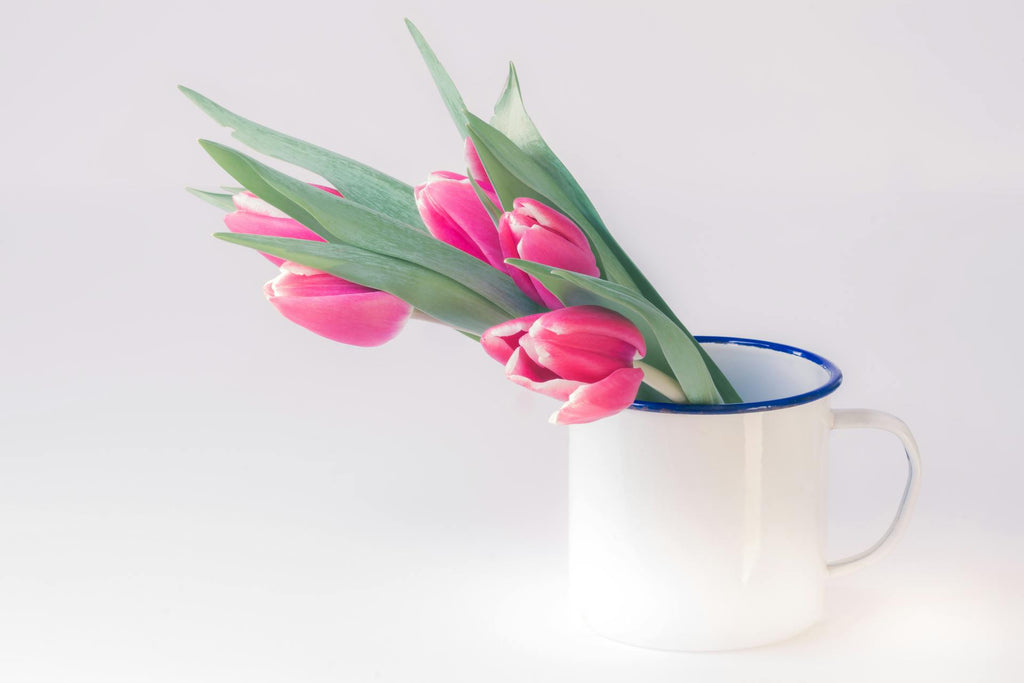
Tulips serve as a poignant tribute in times of mourning, their elegance and varied meanings making them suitable for expressing condolences and remembrance. Utilizing tulips in funeral settings or as a gesture of sympathy carries a thoughtful message of support and love.
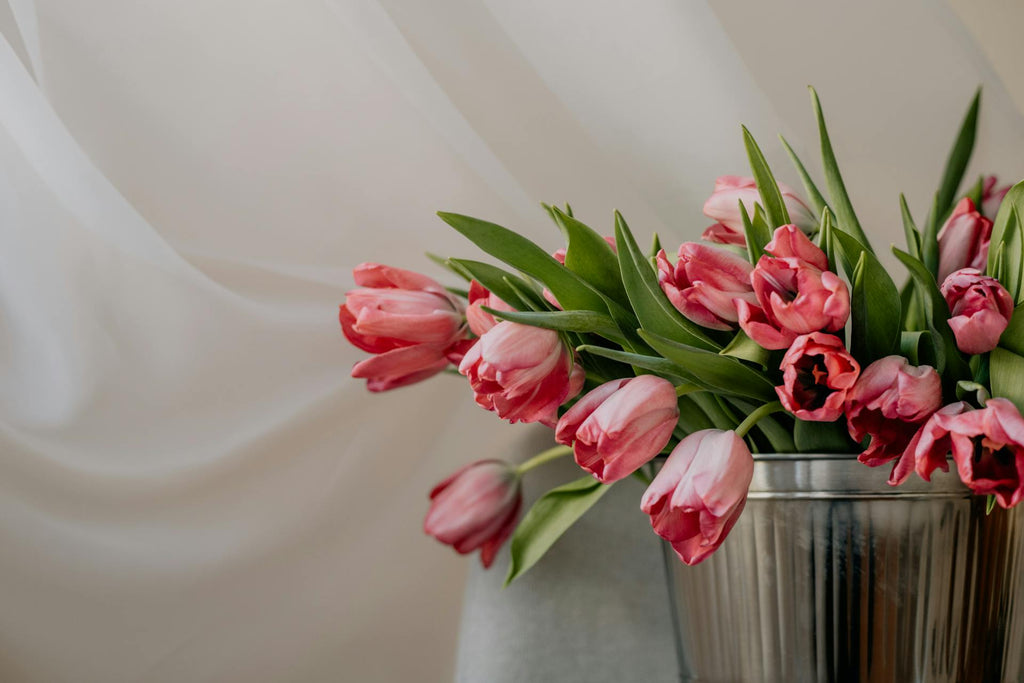
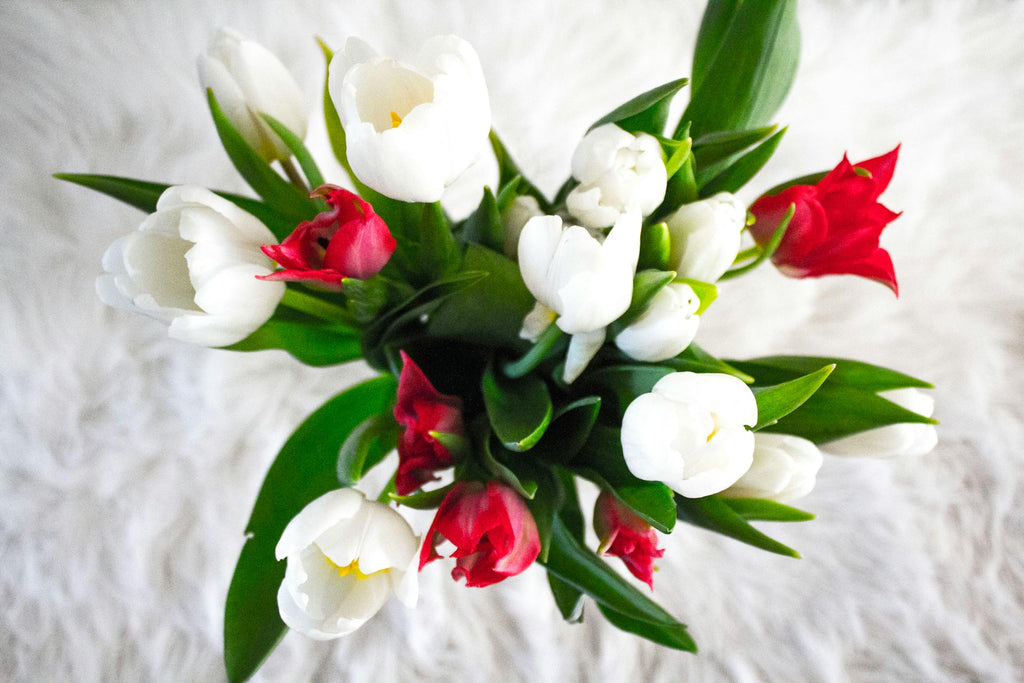
White tulips stand out with their serene beauty, embodying purity, innocence, and forgiveness.
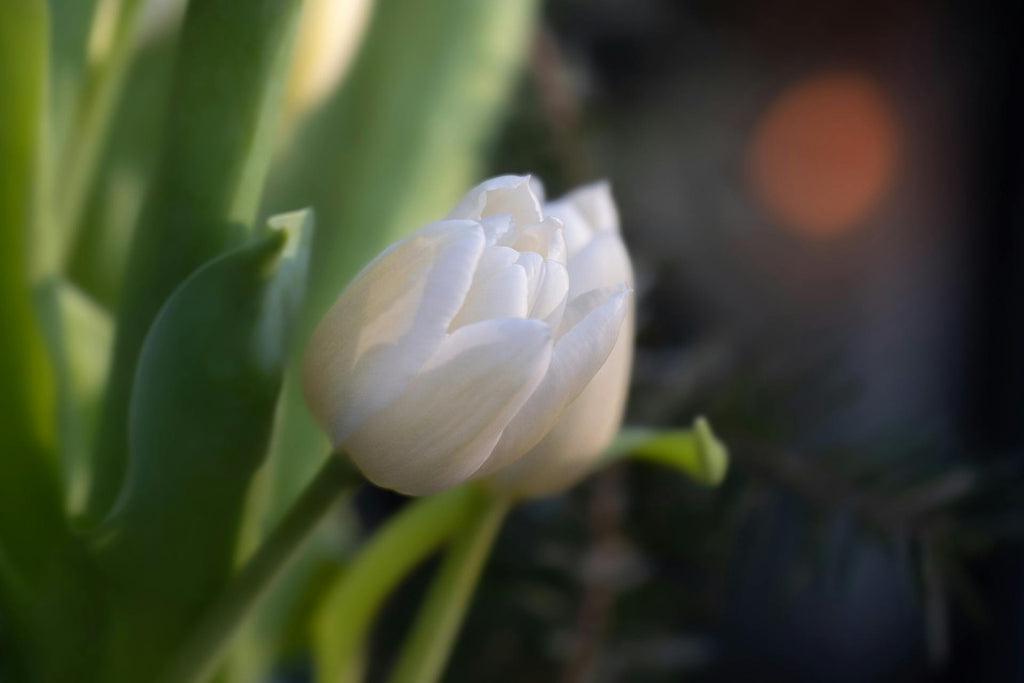
Red tulips are synonymous with deep love and passion. Their vibrant hue captures the essence of romance and strong emotional bonds.
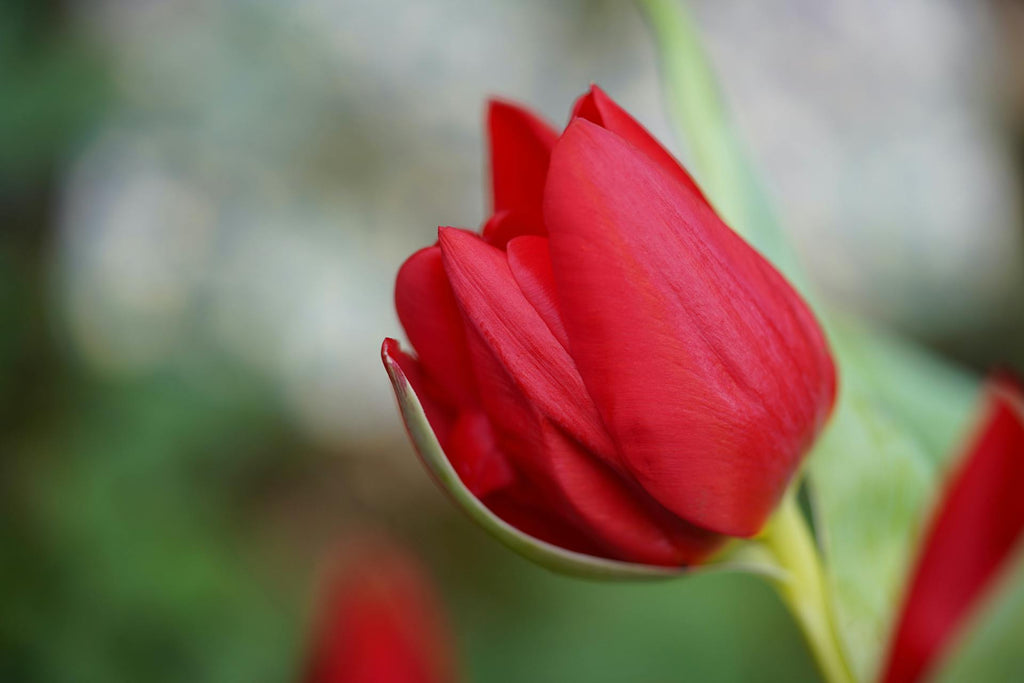
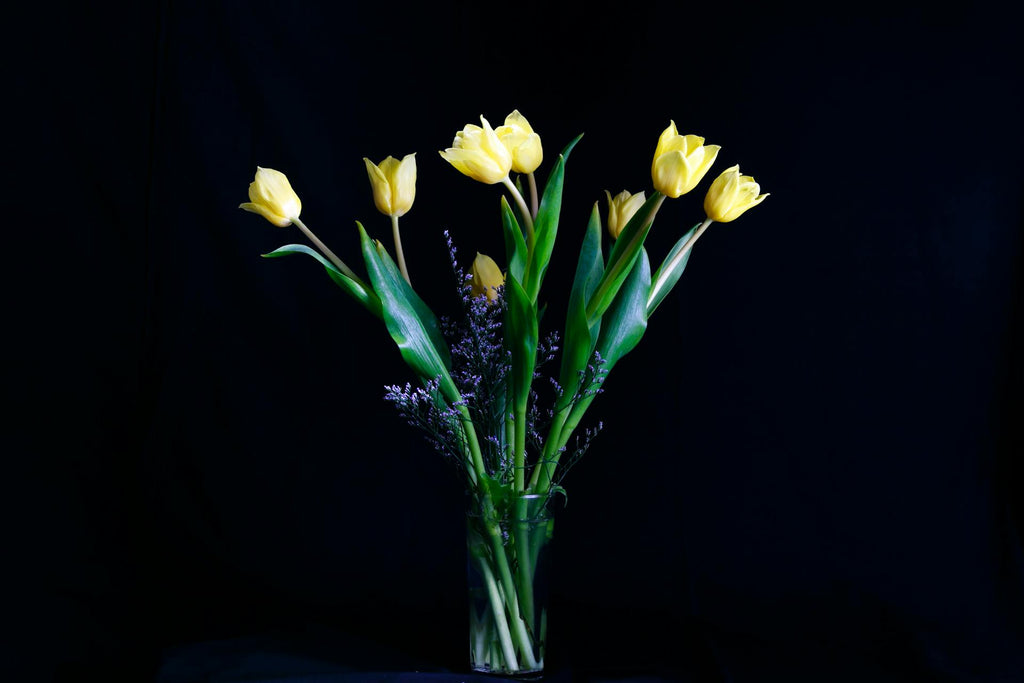
The sunny disposition of yellow tulips brings warmth and happiness. They often symbolize cheerful thoughts, good luck, and prosperity.
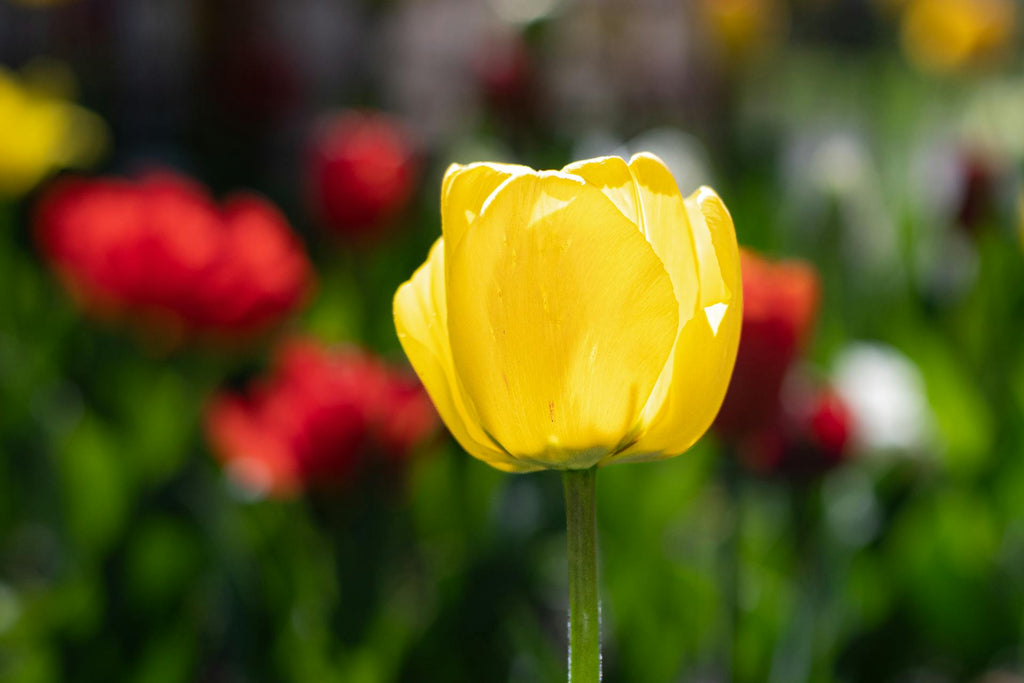
Pink tulips softly whisper sentiments of affection, care, and well wishes. They are versatile flowers that fit various joyful occasions.
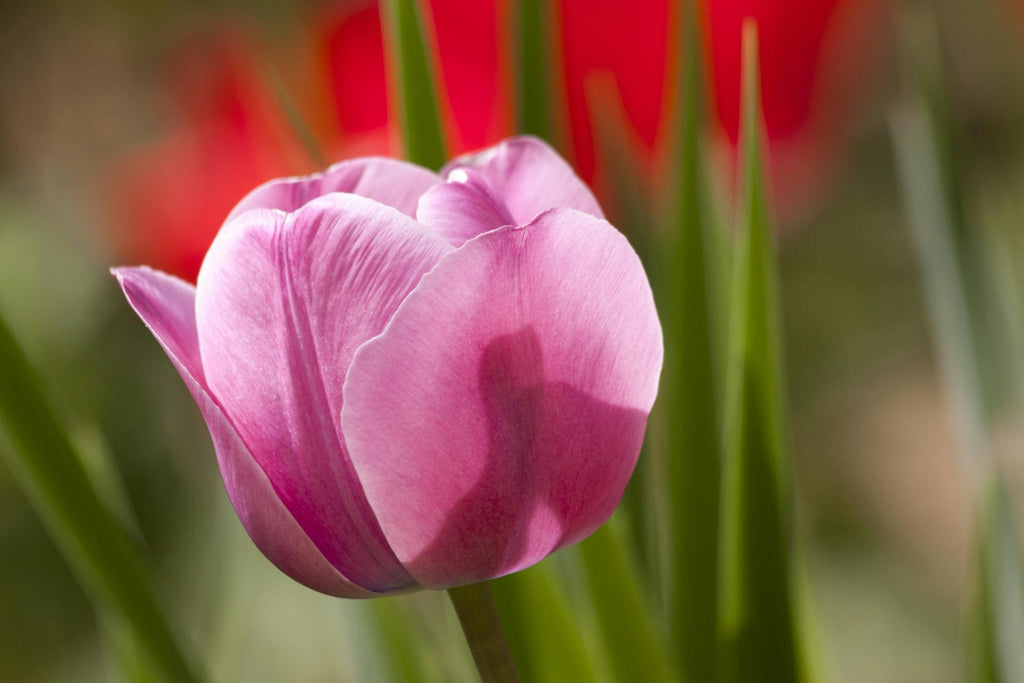
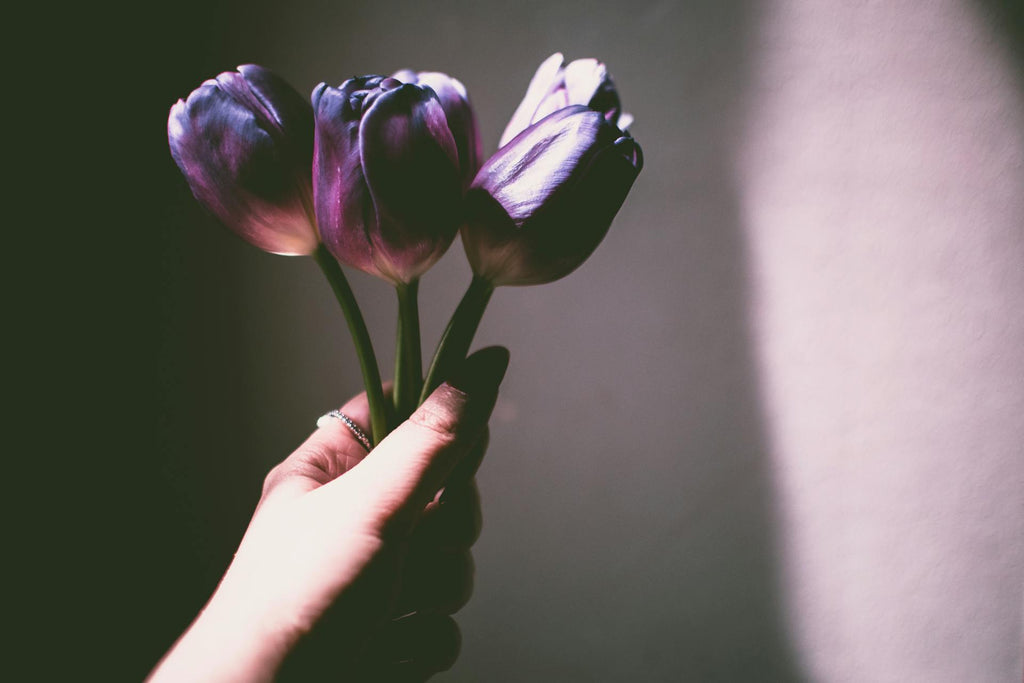
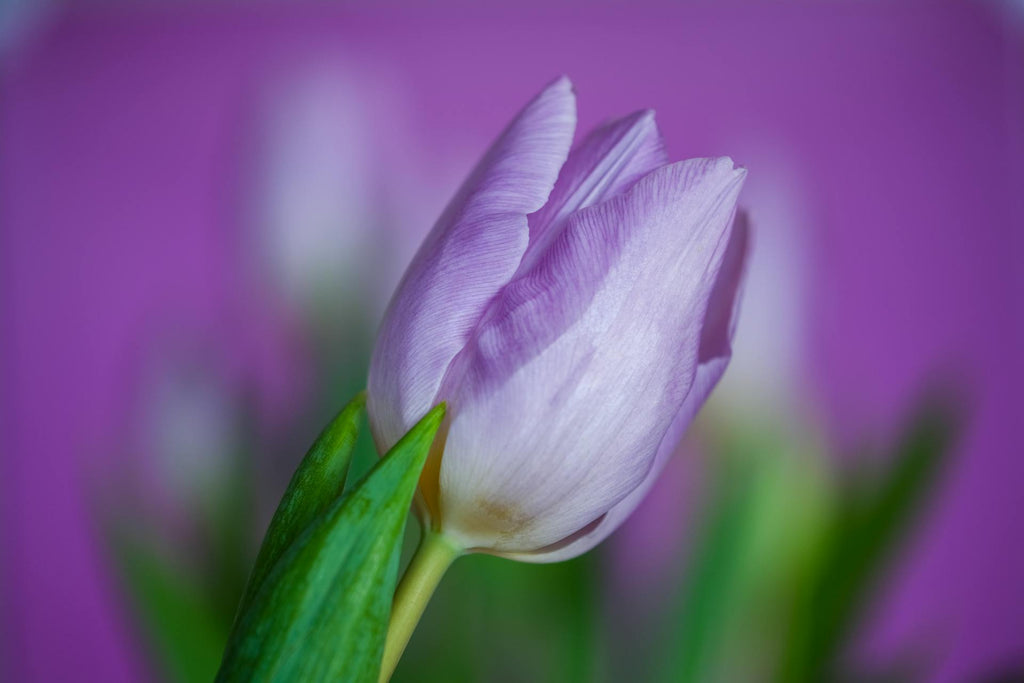
Purple tulips carry an air of regality and are often used to show admiration. Their noble shade is associated with royalty and elegance.
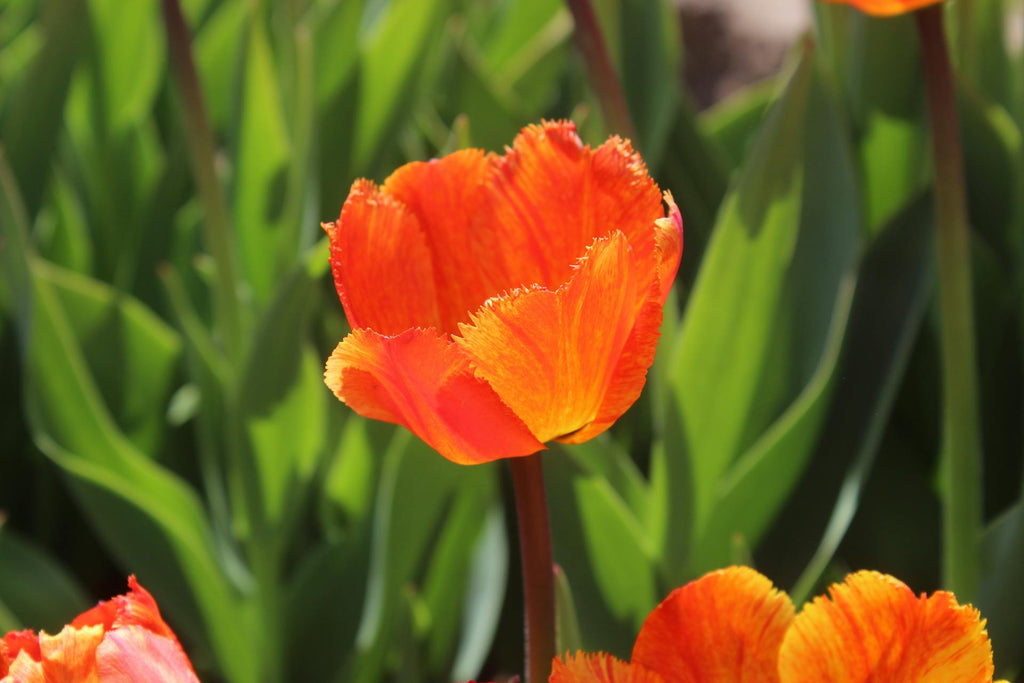
Orange tulips burst with energy and enthusiasm. They encapsulate appreciation with their bright hues that invigorate any space they adorn.
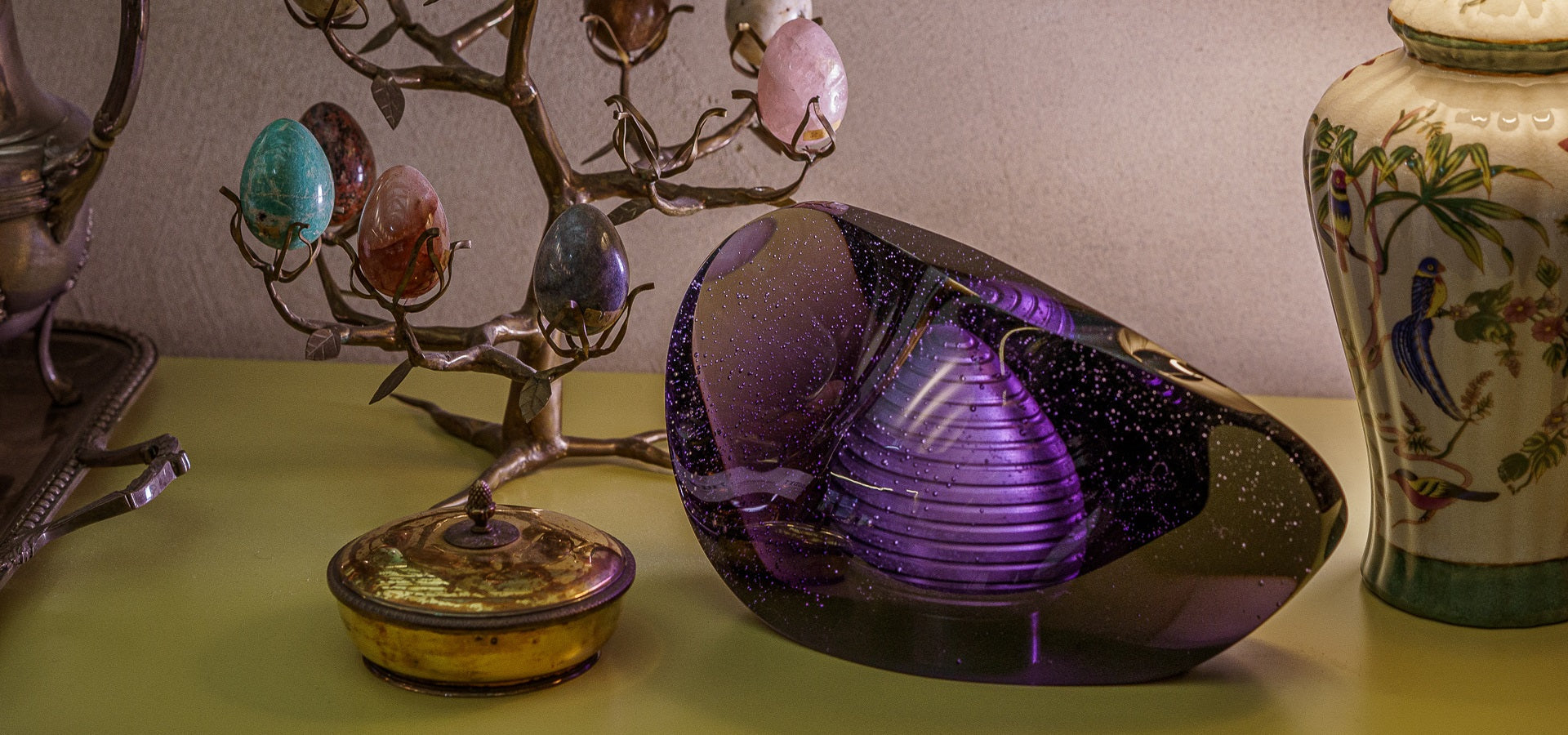
By integrating these flowers into cremation urn designs, there is an implicit pledge — that from sadness can emerge beauty and resilience. As these vessels hold the ashes that once fueled life's flames, they serve as a reminder that every ending contains the potential for a fresh start.
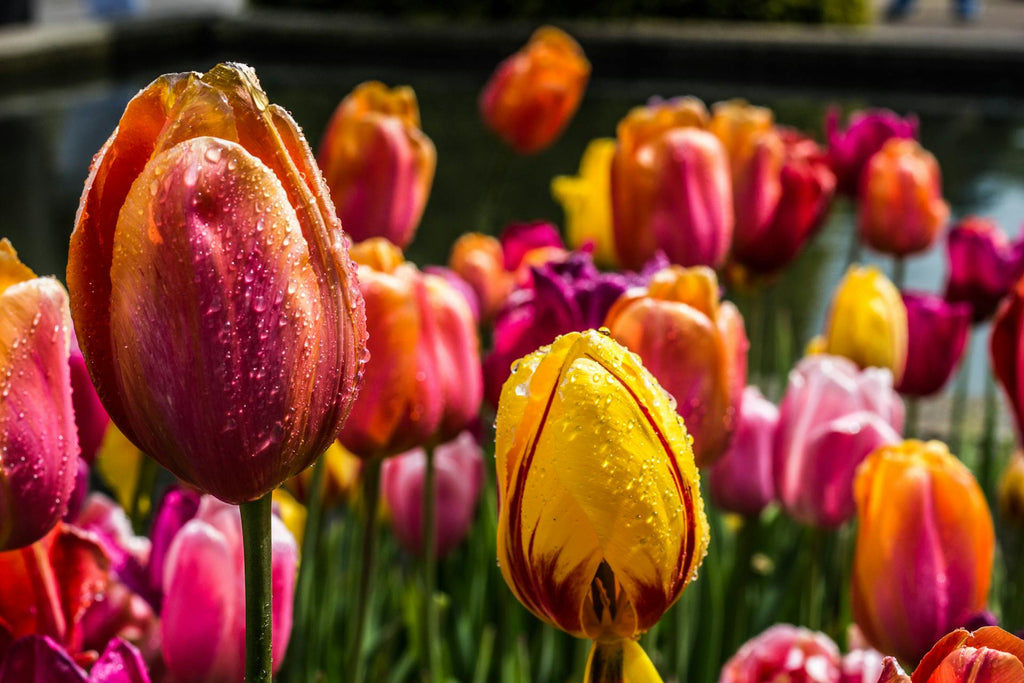
Tulip Symbolism goes beyond its visual beauty, encompassing a wide range of meanings that resonate across cultures and time. The Meaning Behind Tulips is as complex as the flowers themselves; each color tells its own story, offering a silent language of connection and understanding.When you encounter these enchanting flowers next time—whether as a gift, in nature's embrace, or commemorative art—take a moment to think about their meaning. Let the legacy of tulips inspire your interactions with these magnificent blooms.
As symbols of spring and representatives of countless stories, tulips continue to fascinate and enchant. 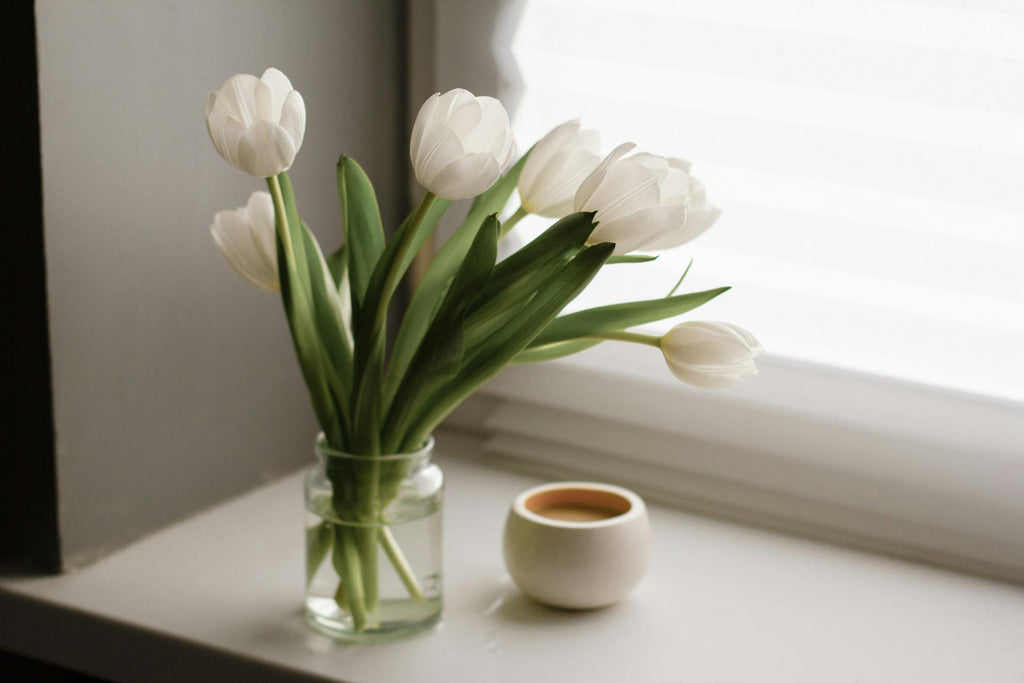
Understanding the symbolism behind tulips is important to fully appreciate their beauty and the messages they convey. It allows individuals to interpret the deeper meanings associated with these flowers in various contexts.
Tulips have a rich history, originating as wildflowers in Central Asia and being cultivated in Turkey. The famous Tulip Mania in the Netherlands during the 17th century also played a significant role in shaping the history of tulips.
Tulips symbolize love in different contexts, including romantic relationships and familial bonds. They are also associated with themes of rebirth, renewal, second chances, charity, and community building.
Tulips are often depicted in art as symbols of resilience after adversity. They are also used to create sanctuaries that evoke a sense of open horizons while reflecting the fragility of human existence.

------------------
Our Affiliate Program is now available. at https://www.pulvisurns.com/pages/affiliate-program-by-pulvis-art-urns

Ways to Honour a Loved One Without Visiting a Cemetery
Honouring a loved one doesn't have to be limited to visiting a cemetery. Discover meaningful and heartfelt ways to celebrate their life through personal traditions, living memorials, keepsakes, charitable acts and beautiful remembrance ideas that keep their memory alive every day.
The Emotional Weight of “Lasts”: The Last Conversation, Last Hug, Last Goodbye
The last conversation, last hug, and last goodbye are some of the most emotionally powerful experiences a person can carry. These final moments transform ordinary interactions into lifelong memories, revealing the depth of love, connection, grief, and human attachment. This article explores why we remember final moments so vividly, how they shape the way we process loss, and why appreciating everyday connections matters before they become memories.
The First Holiday Without Someone: Why It Feels So Different
The first holiday after losing someone we love can feel completely different from any celebration before it. The traditions remain, the decorations appear, and families gather together, but the absence of one important person changes everything. This article explores why holidays intensify grief, how memories are triggered through traditions and senses, and how families learn to honour loved ones while creating new ways to remember.

Discover why everyday sounds can become powerful reminders of the people we love. From familiar voices and favourite songs to simple household noises, sound has the ability to preserve memories, awaken emotions, and maintain a connection with those who are no longer physically present.
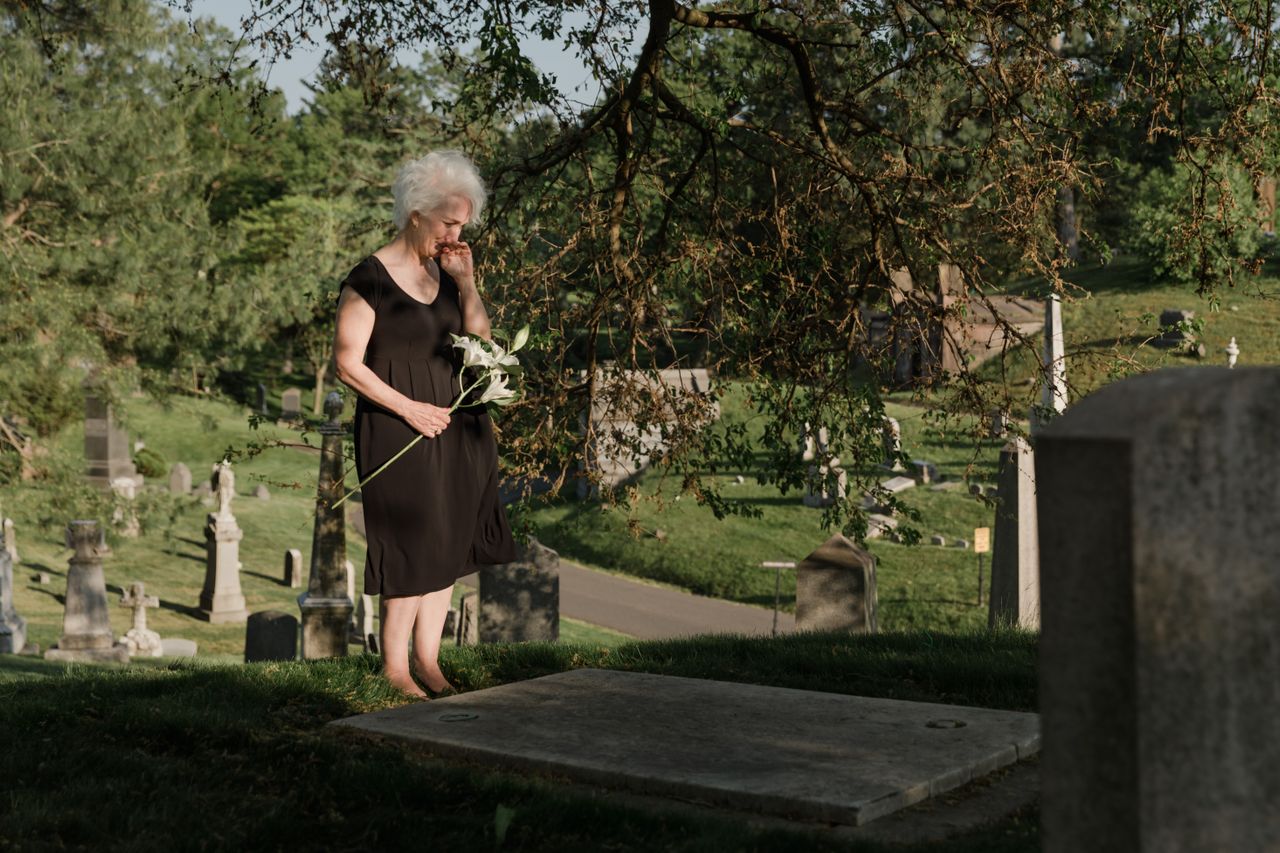
After losing someone we love, ordinary belongings can become some of the most meaningful reminders of their life. A favourite sweater, handwritten note, piece of jewellery, or family recipe can carry memories, emotions, and a sense of connection that goes far beyond the object itself. This article explores why we keep the things left behind, the psychology behind emotional attachment to personal belongings, and how these objects help us preserve love, identity, and family stories after loss.

Share:
Wings Cremation Urn Takes Flight in Netflix's 'Sex Education' Season 4: A Tribute to Love and Loss
2024 Comprehensive Guide to the Cost of Cremation