
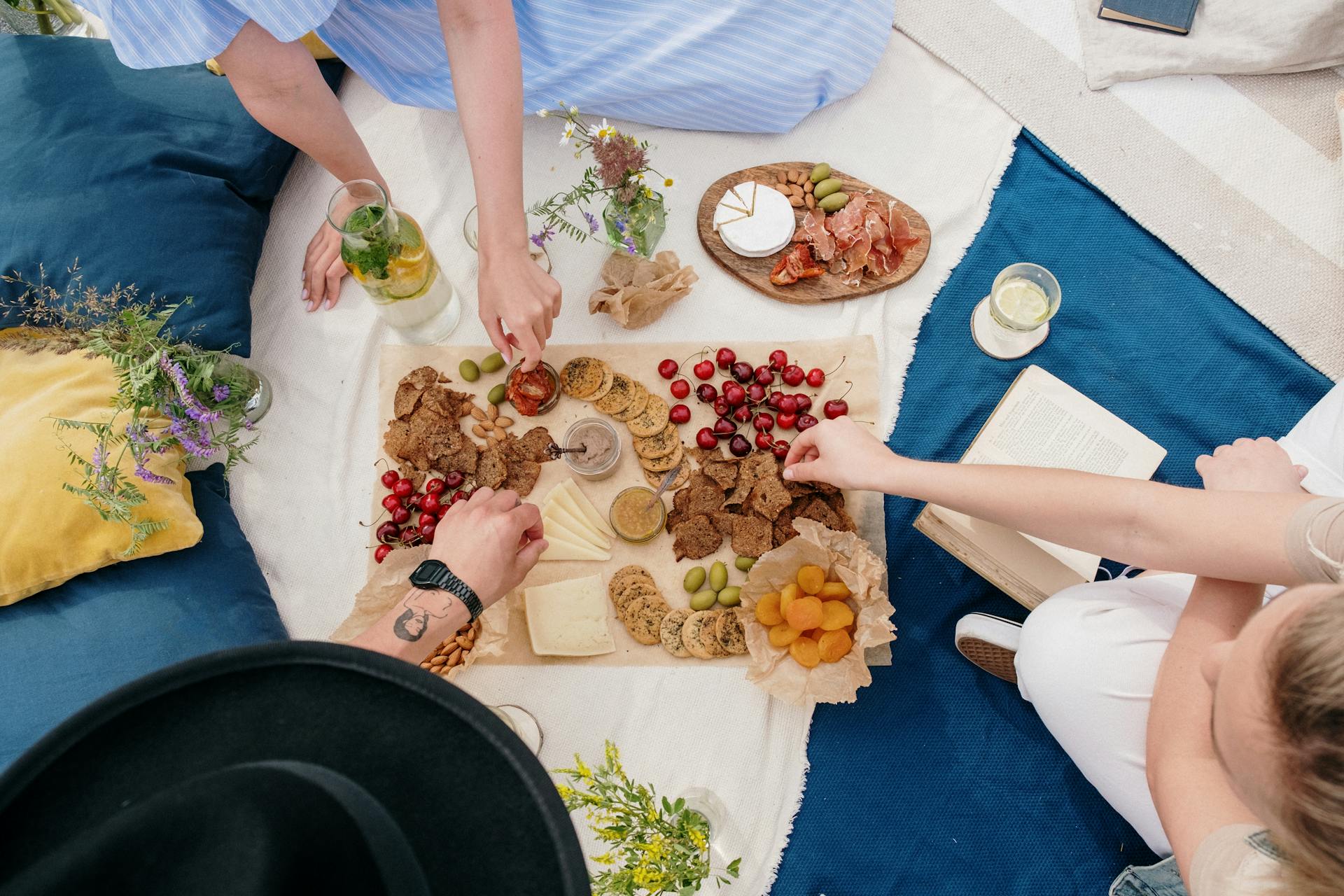
Grief is heavy, yet food makes it bearable. Across cultures and generations, food has whispered comfort to the grieving, becoming more than sustenance. It transforms into a language—silent, yet deeply understood—offering warmth when words fail and anchoring us in rituals that bridge the living and the dead.
In Mexico, during Día de los Muertos, food becomes an altar of love. Families prepare the favorite dishes of their departed, placing them alongside sugar skulls and marigolds. Tamales, mole, and pan de muerto—each bite is a tribute, a way of saying: “You are still here, in every flavor, in every memory”. It is a feast not of mourning, but of reunion, where the boundary between worlds feels paper-thin.
In contrast, the Japanese obon festival is delicate in its reverence. Lanterns light the way for spirits, and offerings like rice, fruits, and sweets are laid out in quiet humility. The simplicity of these foods reflects the transient nature of life—an offering that feeds not the body, but the soul.
Closer to home, the American South serves grief on porcelain platters at funeral gatherings. Fried chicken, casseroles, and cornbread line tables, a comforting excess designed to ease the sorrow. Here, food is less about symbolism and more about presence: a casserole left at a doorstep says, “I am here for you”. It is an act of collective mourning, a community offering nourishment to the heart as much as to the body.
The memorials in Greece and other Eastern Orthodox countries, with their koliva or just jito, embody deep symbolism. Made from wheat, honey, and nuts, this dish reminds mourners of the cycle of life and death, with wheat symbolizing resurrection. The taste is bittersweet, much like grief itself—a reminder that even in sorrow, life continues.

Even in less overt rituals, food quietly weaves itself into memory. A grandmother’s recipe passed down becomes a family’s heirloom, each meal a remembrance. A tea shared in silence after a funeral can be as profound as any eulogy.
Food in grieving rituals connects us to something timeless. Whether it’s a celebratory feast or a simple bowl of rice, it anchors the fleeting, grounding us in tradition, memory, and love. In every culture, in every kitchen, food whispers the same message: grief is shared, and through sharing, we heal.
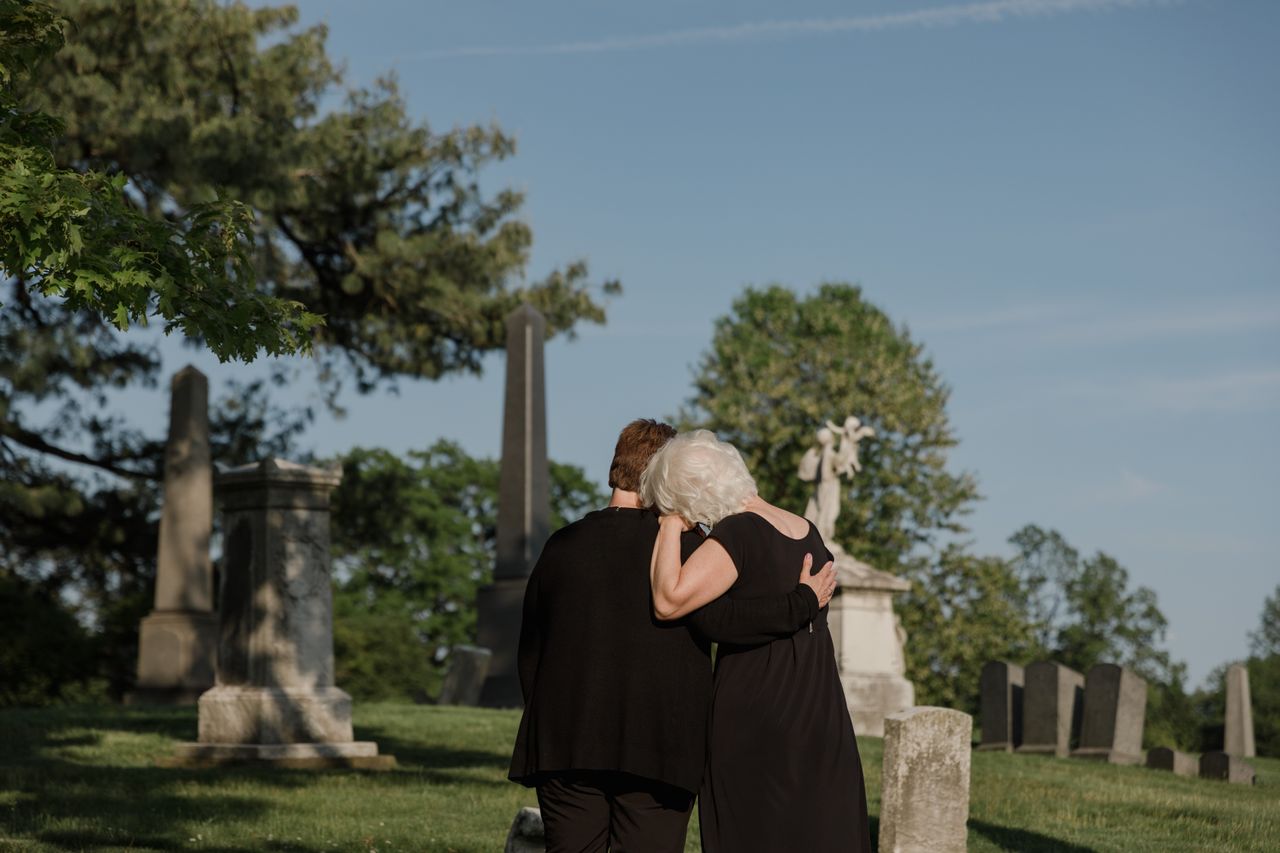
Ways to Honour a Loved One Without Visiting a Cemetery
Honouring a loved one doesn't have to be limited to visiting a cemetery. Discover meaningful and heartfelt ways to celebrate their life through personal traditions, living memorials, keepsakes, charitable acts and beautiful remembrance ideas that keep their memory alive every day.
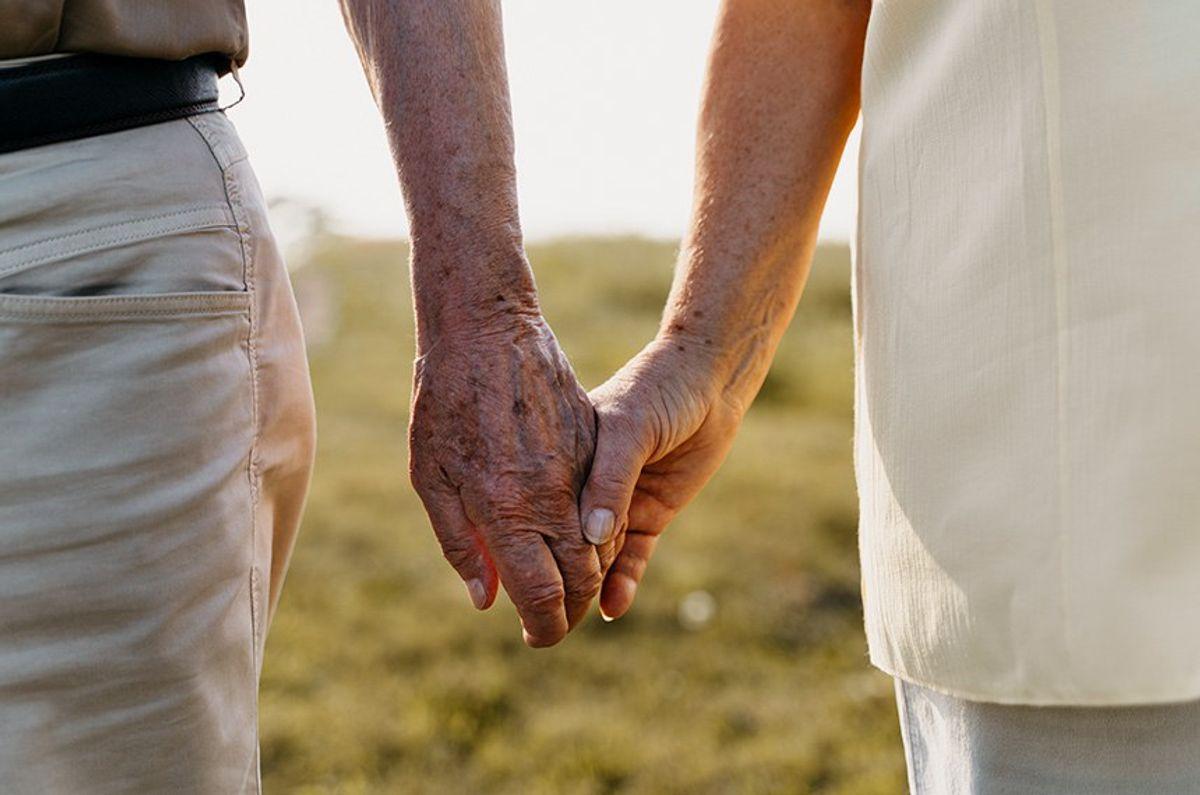
The Emotional Weight of “Lasts”: The Last Conversation, Last Hug, Last Goodbye
The last conversation, last hug, and last goodbye are some of the most emotionally powerful experiences a person can carry. These final moments transform ordinary interactions into lifelong memories, revealing the depth of love, connection, grief, and human attachment. This article explores why we remember final moments so vividly, how they shape the way we process loss, and why appreciating everyday connections matters before they become memories.
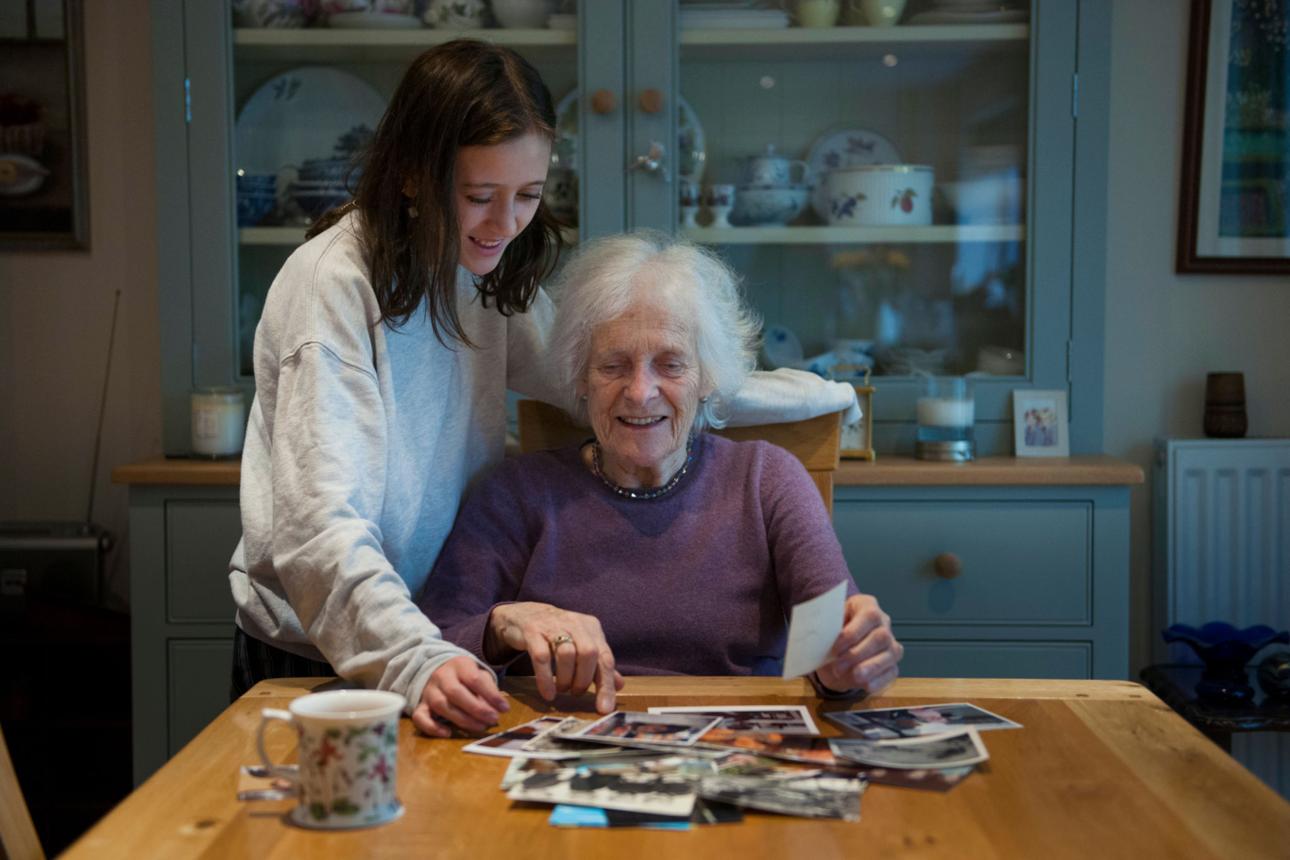
The First Holiday Without Someone: Why It Feels So Different
The first holiday after losing someone we love can feel completely different from any celebration before it. The traditions remain, the decorations appear, and families gather together, but the absence of one important person changes everything. This article explores why holidays intensify grief, how memories are triggered through traditions and senses, and how families learn to honour loved ones while creating new ways to remember.

Discover why everyday sounds can become powerful reminders of the people we love. From familiar voices and favourite songs to simple household noises, sound has the ability to preserve memories, awaken emotions, and maintain a connection with those who are no longer physically present.
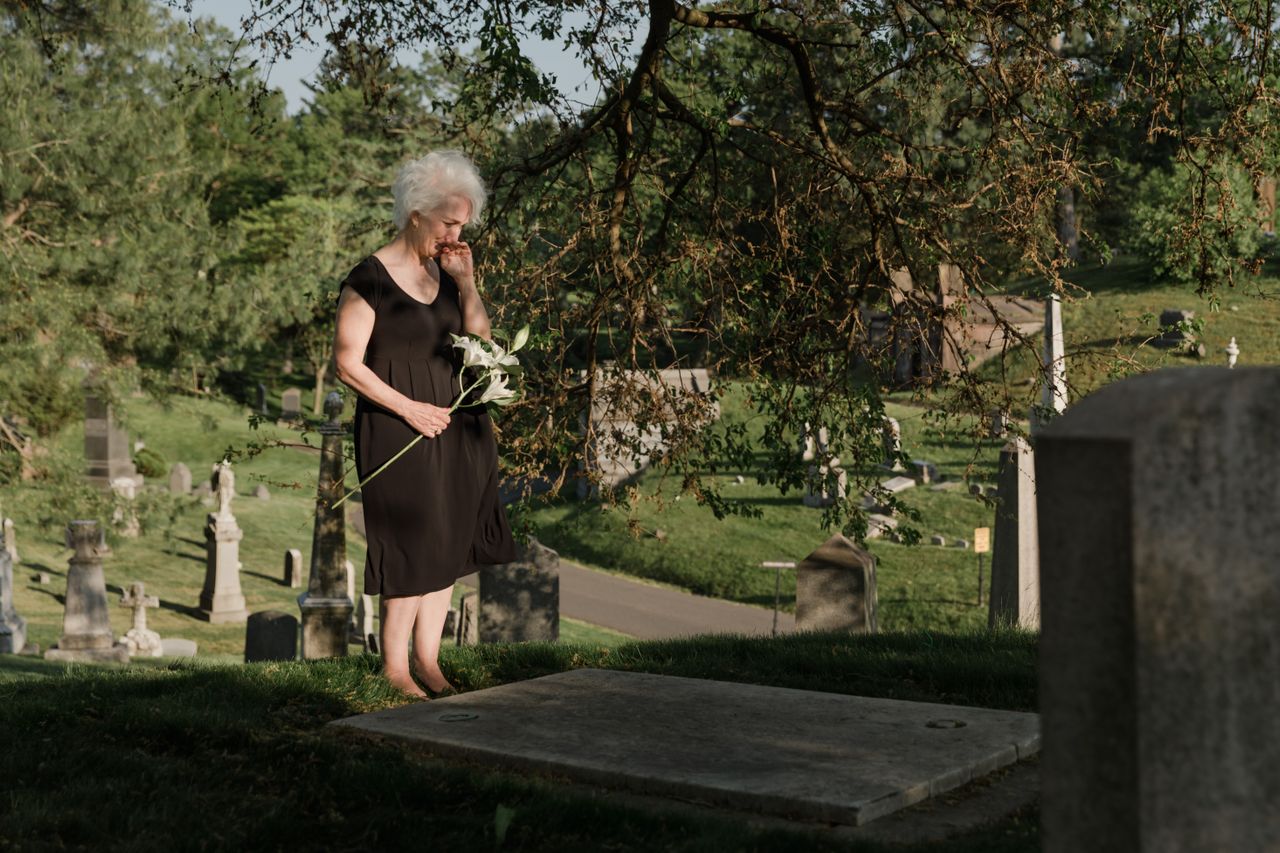
After losing someone we love, ordinary belongings can become some of the most meaningful reminders of their life. A favourite sweater, handwritten note, piece of jewellery, or family recipe can carry memories, emotions, and a sense of connection that goes far beyond the object itself. This article explores why we keep the things left behind, the psychology behind emotional attachment to personal belongings, and how these objects help us preserve love, identity, and family stories after loss.

Share:
The Therapeutic Power of Writing Letters to the Deceased
Cost of Cremation Jewellery