

In searching for ways to honour and remember loved ones, many turn to rituals, keepsakes, or moments of quiet reflection. Among these avenues, travel stands out as a unique and deeply personal way to memorialize those we have lost. Whether revisiting a beloved vacation spot, exploring places they dreamed of seeing, or embarking on a pilgrimage to locations that reflect their spirit, travel can offer profound opportunities for healing and connection.
Every journey has a story, just as every loved one does. Travel can serve as a tangible way to reflect on the shared memories and experiences that made a relationship special. For many, returning to a place significant to the deceased can feel like stepping into a memory hearing their laughter echo, recalling a cherished moment, or even feeling their presence in the familiarity of a landscape.
Grief often demands expression, but finding the right outlet can be challenging. Travel offers a dynamic way to channel these emotions, blending introspection with action. The process of planning a trip in honour of a loved one - choosing a destination, imagining the journey provides a meaningful structure to grief.
For some, this act can bring solace. One might visit the art galleries a spouse adored, hike the mountains a sibling loved, or explore the seaside town where a parent grew up. These journeys can offer a sense of purpose, transforming grief from something that confines into something that propels.
The physicality of travel, too, can play a role in the grieving process. Walking along a well-trodden trail, crossing a bustling street, or simply sitting by a window overlooking a familiar view allows the bereaved to process their loss in a setting tied to memory and meaning. In this act of remembrance, the place itself becomes a vessel for love, a physical reminder of moments that shaped a shared life.

For some, travel becomes a recurring ritual - a way to annually celebrate a loved one’s life. A visit to the same beach each year on a meaningful date, for instance, can grow into a cherished tradition, bringing continuity and comfort.
Travel has the power to connect us with others, fostering a sense of community in grief. Families who travel together to commemorate a loved one often find a shared language of remembrance. Sitting around a dinner table at a favourite restaurant or walking a path they once tread, they not only honour the departed but also strengthen their bonds with one another.
Even solo journeys can create opportunities for connection. Striking up a conversation with a local or fellow traveller who shares a similar story can remind us of the universality of loss and the ways in which others have found their own paths forward .

If you are considering travel to honour the memory of a loved one, thoughtful preparation can make the experience deeply meaningful. Start by selecting a destination that held special significance for them or one that reflects their passions and personality. Once you have chosen the location, plan your journey with care, ensuring there is space in your itinerary for reflection and activities that pay tribute to their life.
Incorporating rituals can add a profound sense of purpose to your trip. Bringing a cherished memento or organizing a small ceremony such as lighting a candle or scattering ashes where permitted can create moments of connection and reverence. Decide whether this journey would be more meaningful for you as a solitary experience or shared with close family and friends.
Most importantly, be open to the emotions that travel may evoke! Revisiting places tied to loss often stirs a mix of grief and celebration. Allow yourself to grieve, to rejoice in their memory, or simply to experience the journey as it unfolds, honouring your loved one in your own way.
At its heart, travel as a means of memorializing loved ones is about presence—being present in a meaningful place, present in our memories, and present in the continued story of a relationship. Grief does not disappear, but journeys like these remind us that love does not, either.

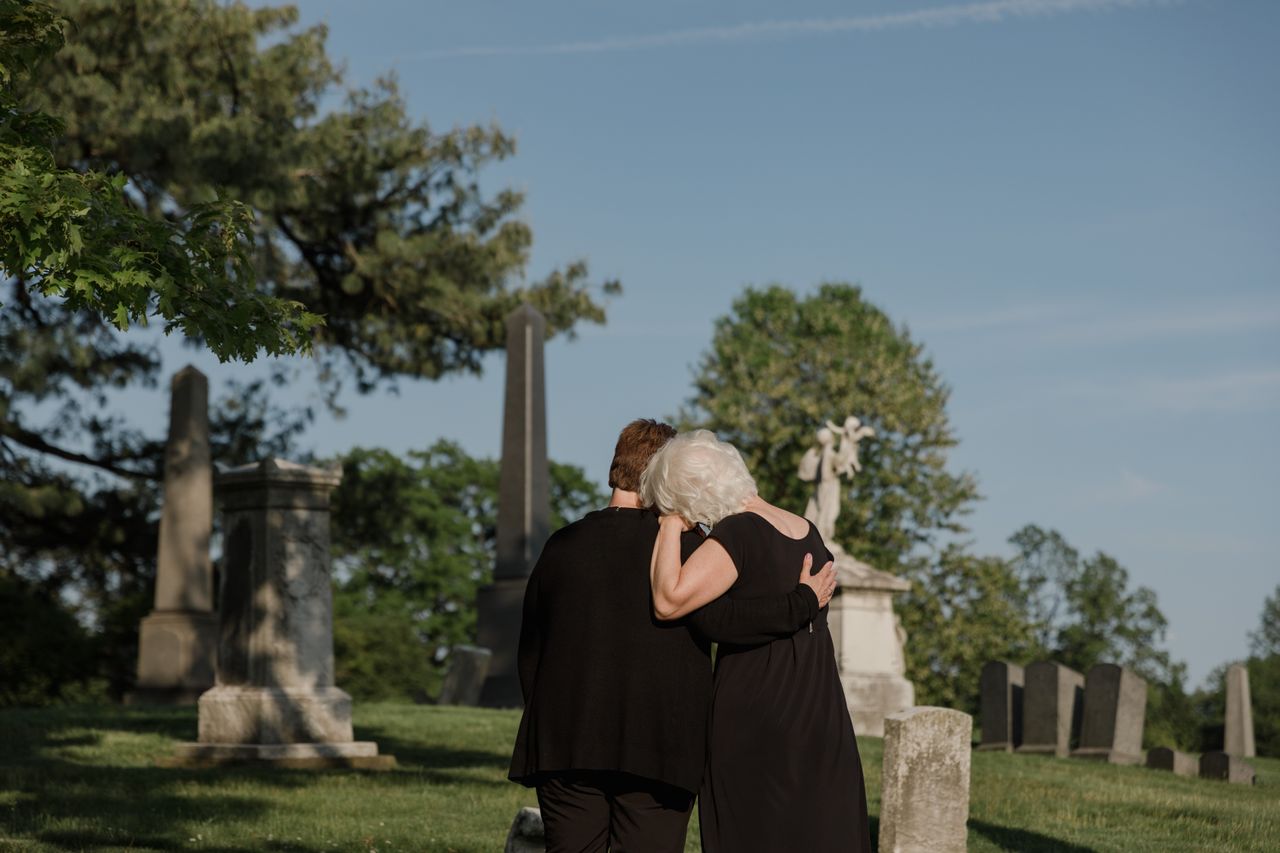
Ways to Honour a Loved One Without Visiting a Cemetery
Honouring a loved one doesn't have to be limited to visiting a cemetery. Discover meaningful and heartfelt ways to celebrate their life through personal traditions, living memorials, keepsakes, charitable acts and beautiful remembrance ideas that keep their memory alive every day.
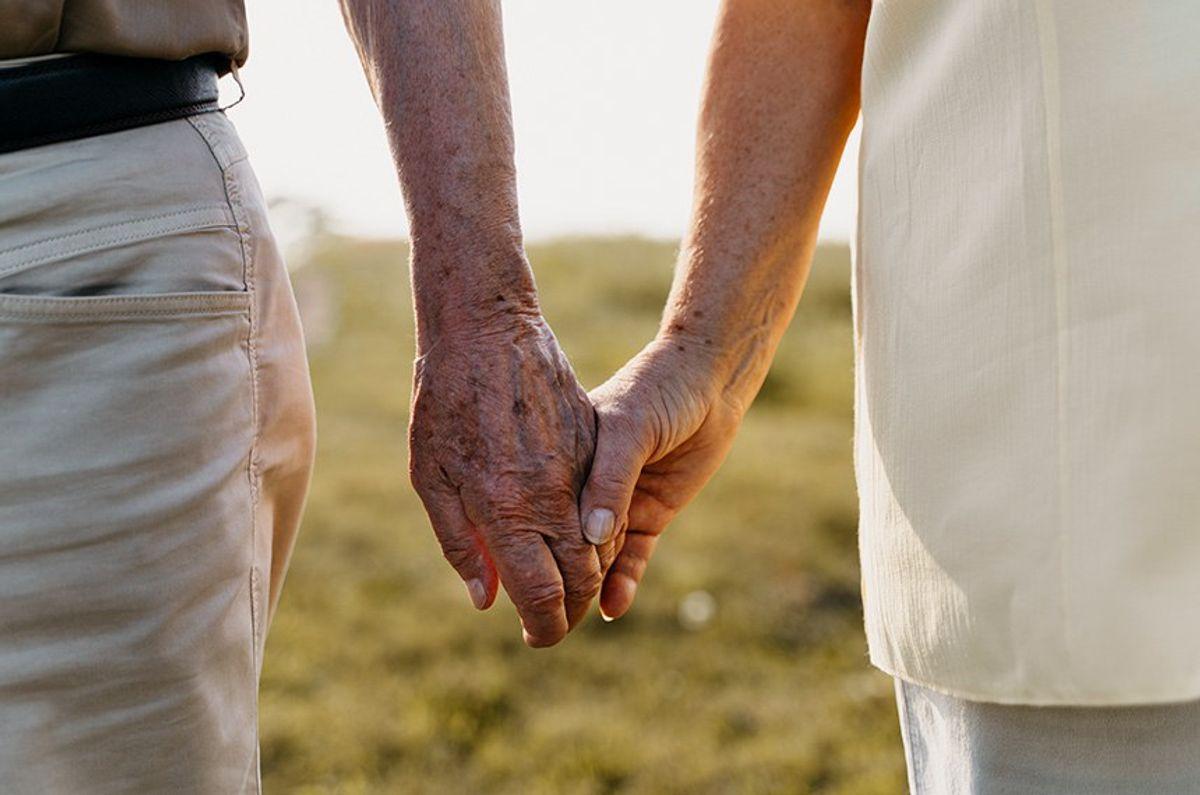
The Emotional Weight of “Lasts”: The Last Conversation, Last Hug, Last Goodbye
The last conversation, last hug, and last goodbye are some of the most emotionally powerful experiences a person can carry. These final moments transform ordinary interactions into lifelong memories, revealing the depth of love, connection, grief, and human attachment. This article explores why we remember final moments so vividly, how they shape the way we process loss, and why appreciating everyday connections matters before they become memories.
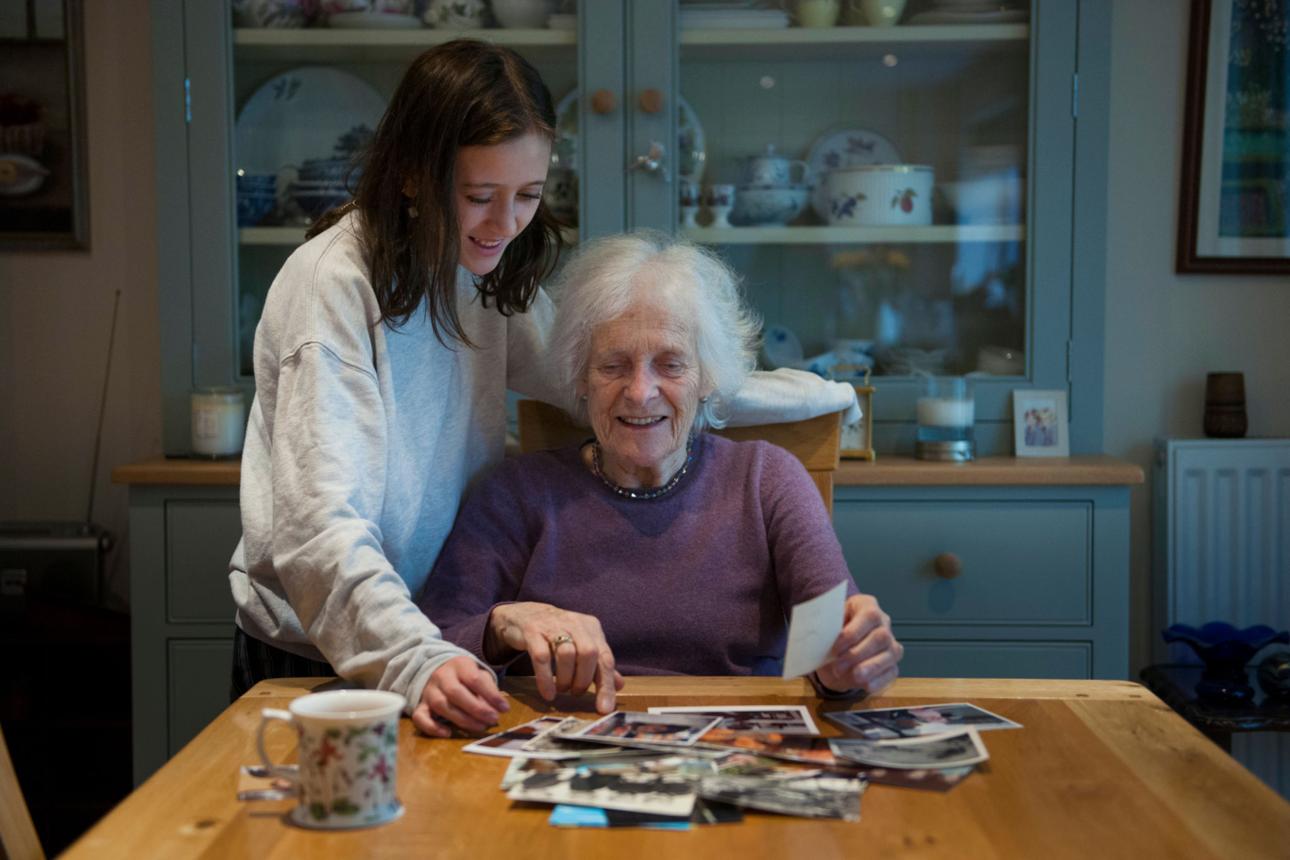
The First Holiday Without Someone: Why It Feels So Different
The first holiday after losing someone we love can feel completely different from any celebration before it. The traditions remain, the decorations appear, and families gather together, but the absence of one important person changes everything. This article explores why holidays intensify grief, how memories are triggered through traditions and senses, and how families learn to honour loved ones while creating new ways to remember.

Discover why everyday sounds can become powerful reminders of the people we love. From familiar voices and favourite songs to simple household noises, sound has the ability to preserve memories, awaken emotions, and maintain a connection with those who are no longer physically present.
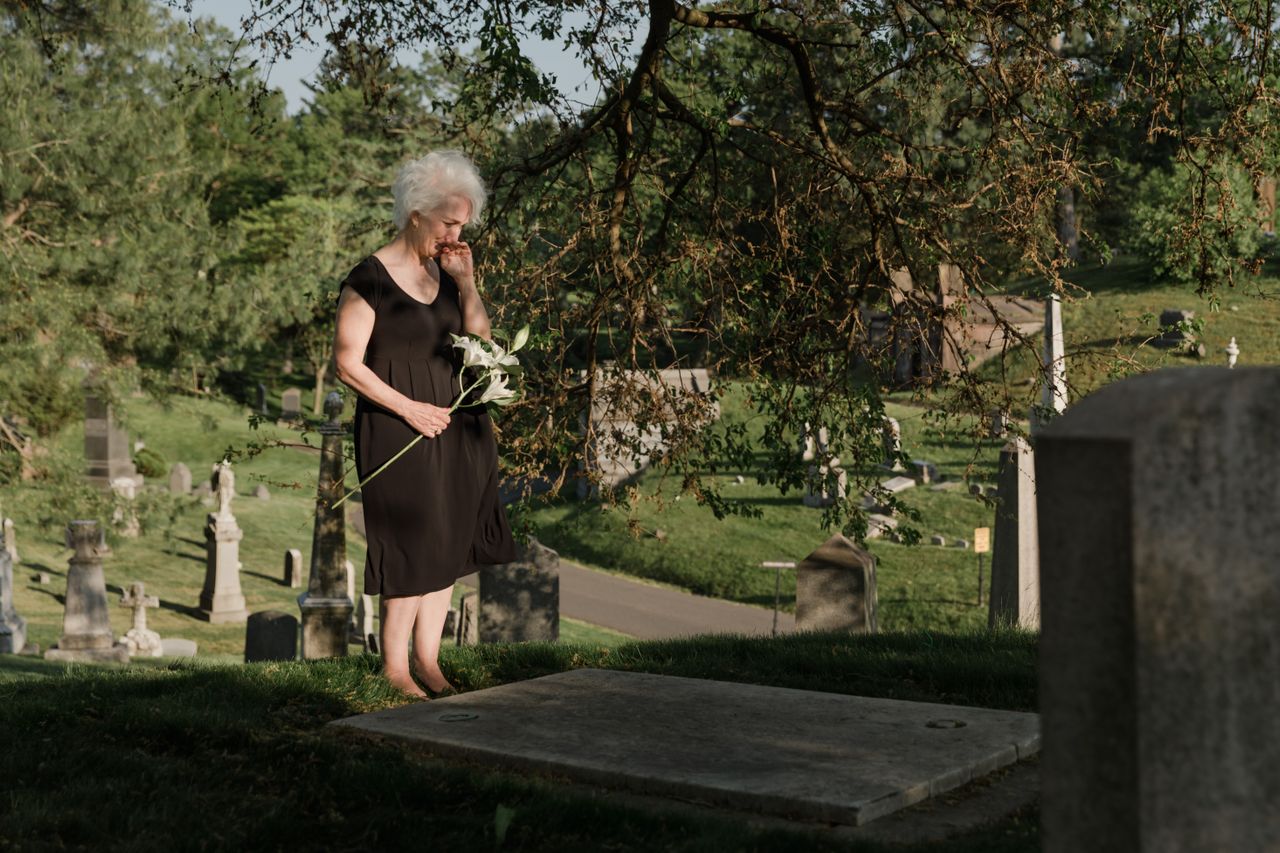
After losing someone we love, ordinary belongings can become some of the most meaningful reminders of their life. A favourite sweater, handwritten note, piece of jewellery, or family recipe can carry memories, emotions, and a sense of connection that goes far beyond the object itself. This article explores why we keep the things left behind, the psychology behind emotional attachment to personal belongings, and how these objects help us preserve love, identity, and family stories after loss.




Share:
Remembrance Quotes for Memorial Services and Funeral
Cremation and Religion