
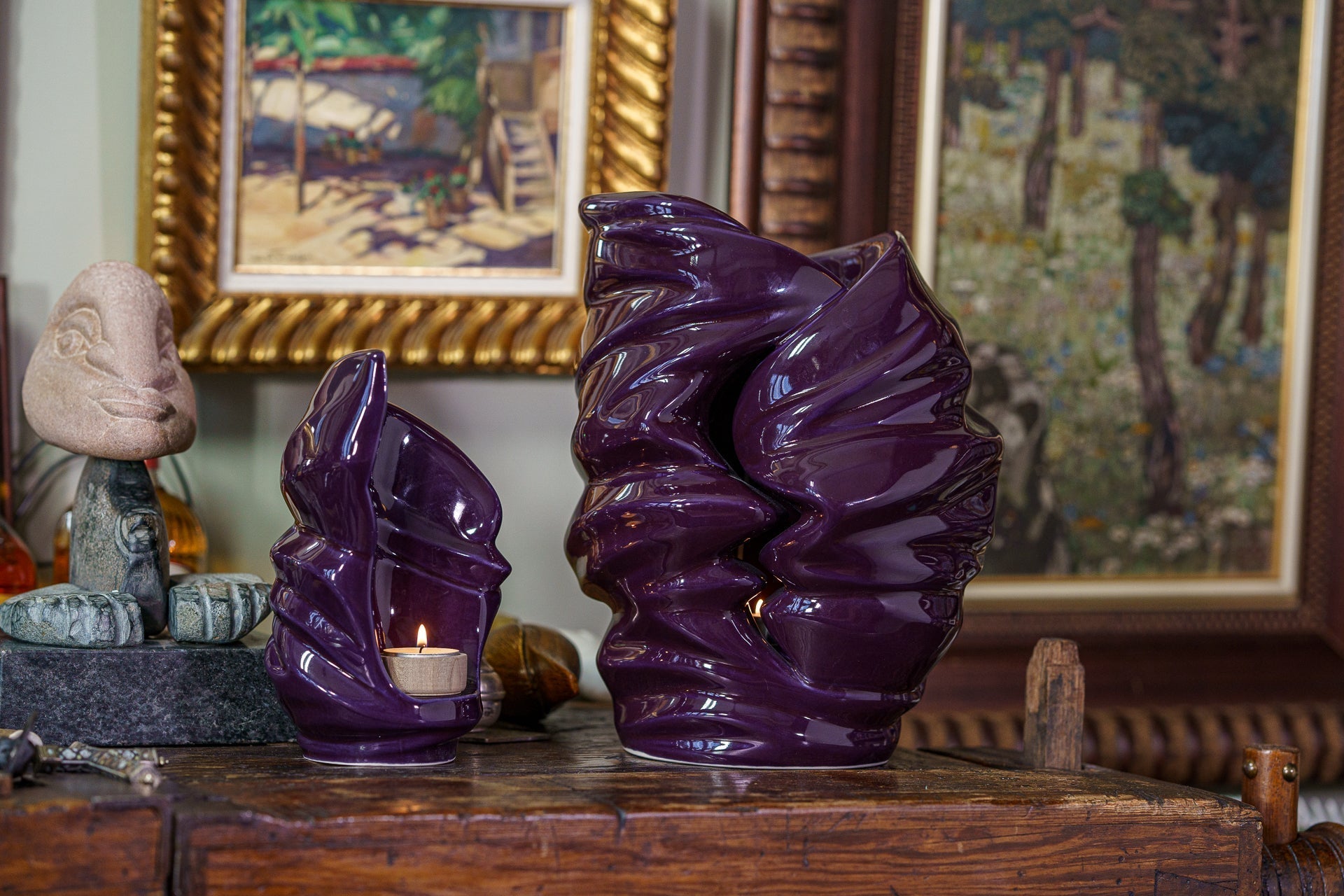
A cremation urn is far more than a vessel—it’s a symbol of memory, love, and reverence. Whether displayed in your home or preserved in a niche, proper care ensures that the urn remains beautiful, intact, and respectful to your loved one’s legacy.
At Pulvis Urns, we understand the emotional significance of every urn we craft. This guide offers practical, compassionate advice on how to maintain your urn’s appearance and integrity for years to come.

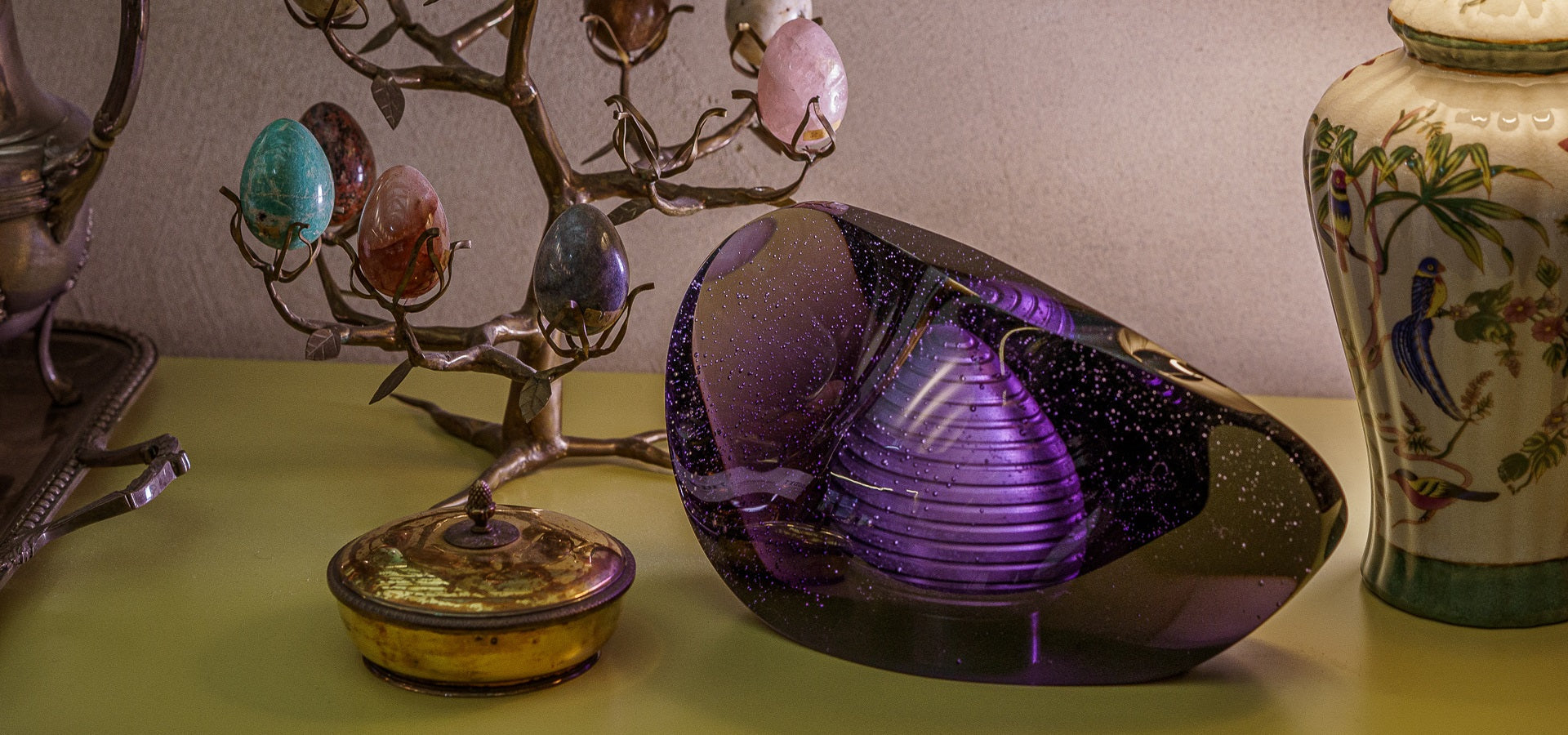
Caring for a cremation urn is more than a practical step—it’s a meaningful gesture of remembrance. Whether the urn is displayed in your home, placed in a columbarium, or prepared for future burial, regular care preserves its aesthetic and symbolic value.
Proper maintenance protects the urn’s finish, prevents premature aging, and ensures that it continues to reflect the dignity of your loved one’s memory. It's also a way of preserving family heritage, especially if the urn is passed down or held in long-term tribute.
An urn often serves as a lasting memorial—a presence in the home that brings comfort, reflection, and connection. Keeping it clean and protected is an act of care that reflects the deep bond you shared with the person it commemorates.
Urns made from ceramic, wood, metal, or biodegradable materials can wear over time if not properly maintained. Regular, gentle cleaning helps preserve finishes, color vibrancy, and structural integrity—ensuring the urn continues to reflect dignity and beauty.
Just like cherished heirlooms, urns benefit from preventive care. Simple habits—like avoiding moisture or direct sunlight—can keep your urn looking as pristine decades from now as it does today.

Every urn material requires a slightly different approach:
If you notice fading, flaking, or minor damage:


If you notice signs of wear, damage, or need to make changes, it’s best to consult an expert:
Pulvis Urns also offers guidance on long-term urn storage, display solutions, and care for artisan-crafted pieces—so you never have to navigate this alone.
Pulvis Urns can advise on light restoration or refinishing depending on the urn’s material. In some cases, local artisans may assist with polishing or resealing without altering the integrity of the urn.
If you need to move ashes into another urn:
Caring for your cremation urn is an act of ongoing love—one that keeps a cherished memory alive while preserving the beauty of the urn itself. With just a few simple habits, you can ensure your urn continues to offer comfort, presence, and peace for generations.
At Pulvis Urns, we are committed to creating handcrafted urns that deserve thoughtful care. If you need assistance with urn maintenance, restoration, or selecting display accessories, we’re here to help.
📍 Download our Urn Care Guide or contact our support team for expert advice and personalized service.

Gently dusting once a week is usually enough. A more thorough cleaning every 2–3 months helps maintain shine and remove buildup—especially in decorative crevices.
For most urns, use a soft cloth dampened with distilled water. Ceramic and metal urns may tolerate a bit of mild soap, while wood should only be cleaned with dry or specially formulated wood polish.
Only if the urn is made of sealed wood. Avoid polishes with silicone or alcohol as they can damage varnishes and natural finishes.
Keep them in climate-controlled environments away from heat or humidity. For delicate finishes, consult a conservation specialist for safe restoration or display methods.
Yes—but always use a protective travel case. If flying, check airline and TSA guidelines for cremated remains. Pulvis Urns offers secure, travel-approved options for safe transport.

Ways to Honour a Loved One Without Visiting a Cemetery
Honouring a loved one doesn't have to be limited to visiting a cemetery. Discover meaningful and heartfelt ways to celebrate their life through personal traditions, living memorials, keepsakes, charitable acts and beautiful remembrance ideas that keep their memory alive every day.
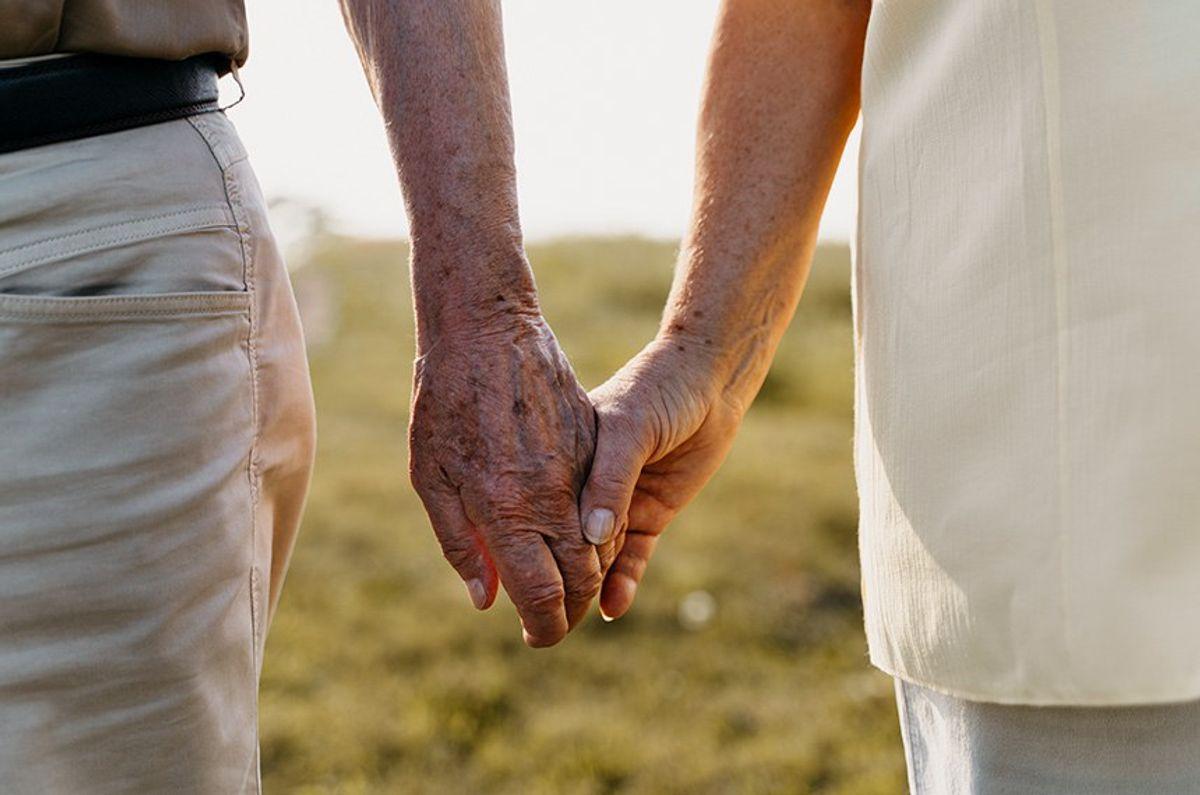
The Emotional Weight of “Lasts”: The Last Conversation, Last Hug, Last Goodbye
The last conversation, last hug, and last goodbye are some of the most emotionally powerful experiences a person can carry. These final moments transform ordinary interactions into lifelong memories, revealing the depth of love, connection, grief, and human attachment. This article explores why we remember final moments so vividly, how they shape the way we process loss, and why appreciating everyday connections matters before they become memories.
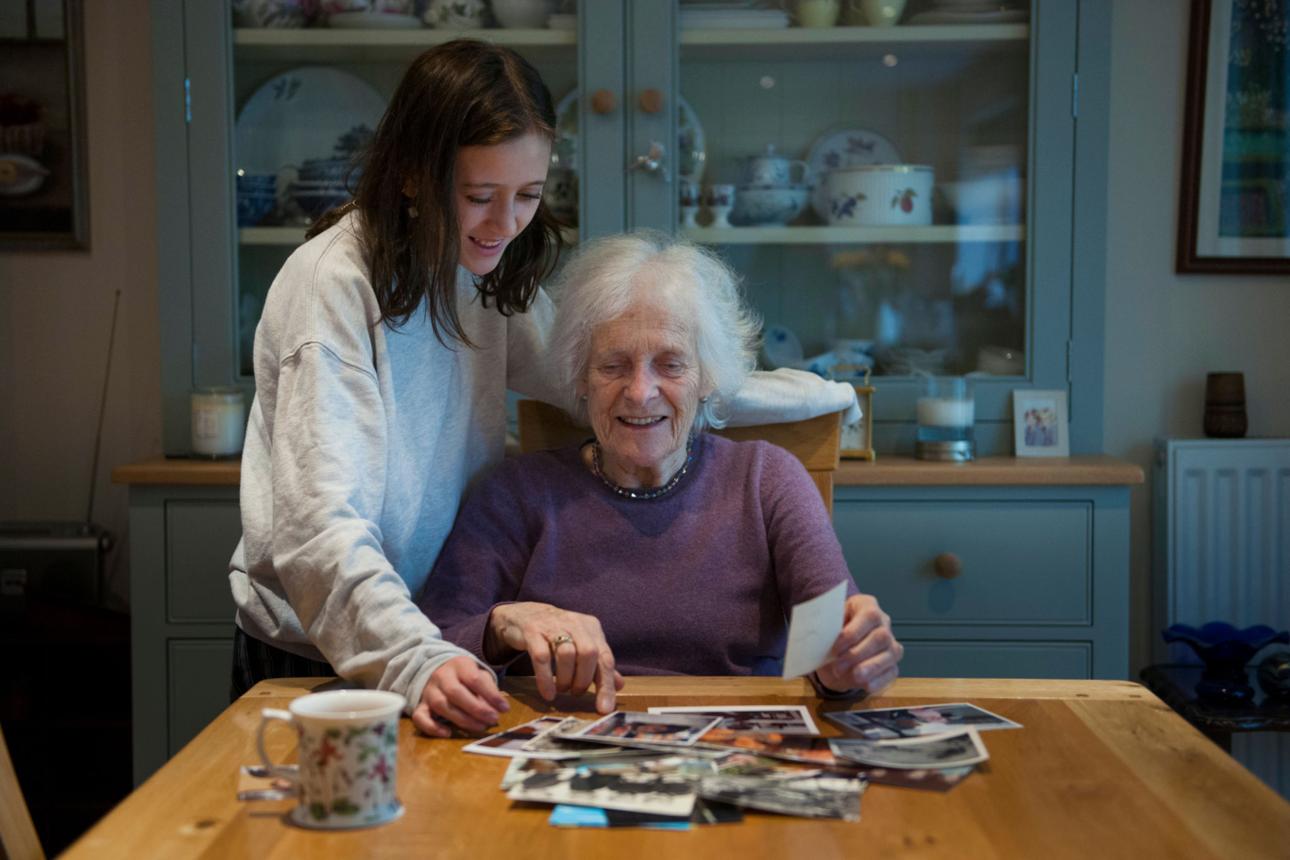
The First Holiday Without Someone: Why It Feels So Different
The first holiday after losing someone we love can feel completely different from any celebration before it. The traditions remain, the decorations appear, and families gather together, but the absence of one important person changes everything. This article explores why holidays intensify grief, how memories are triggered through traditions and senses, and how families learn to honour loved ones while creating new ways to remember.
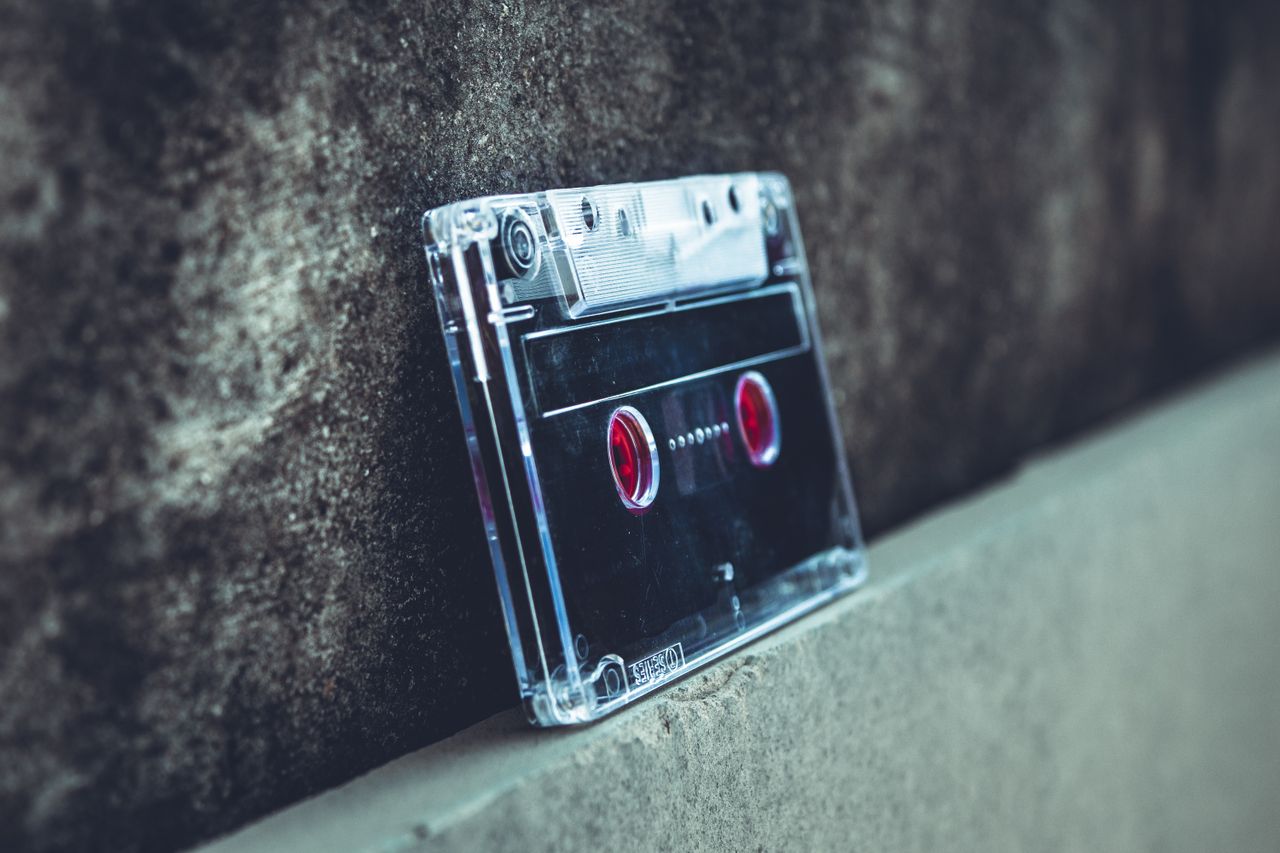
Discover why everyday sounds can become powerful reminders of the people we love. From familiar voices and favourite songs to simple household noises, sound has the ability to preserve memories, awaken emotions, and maintain a connection with those who are no longer physically present.
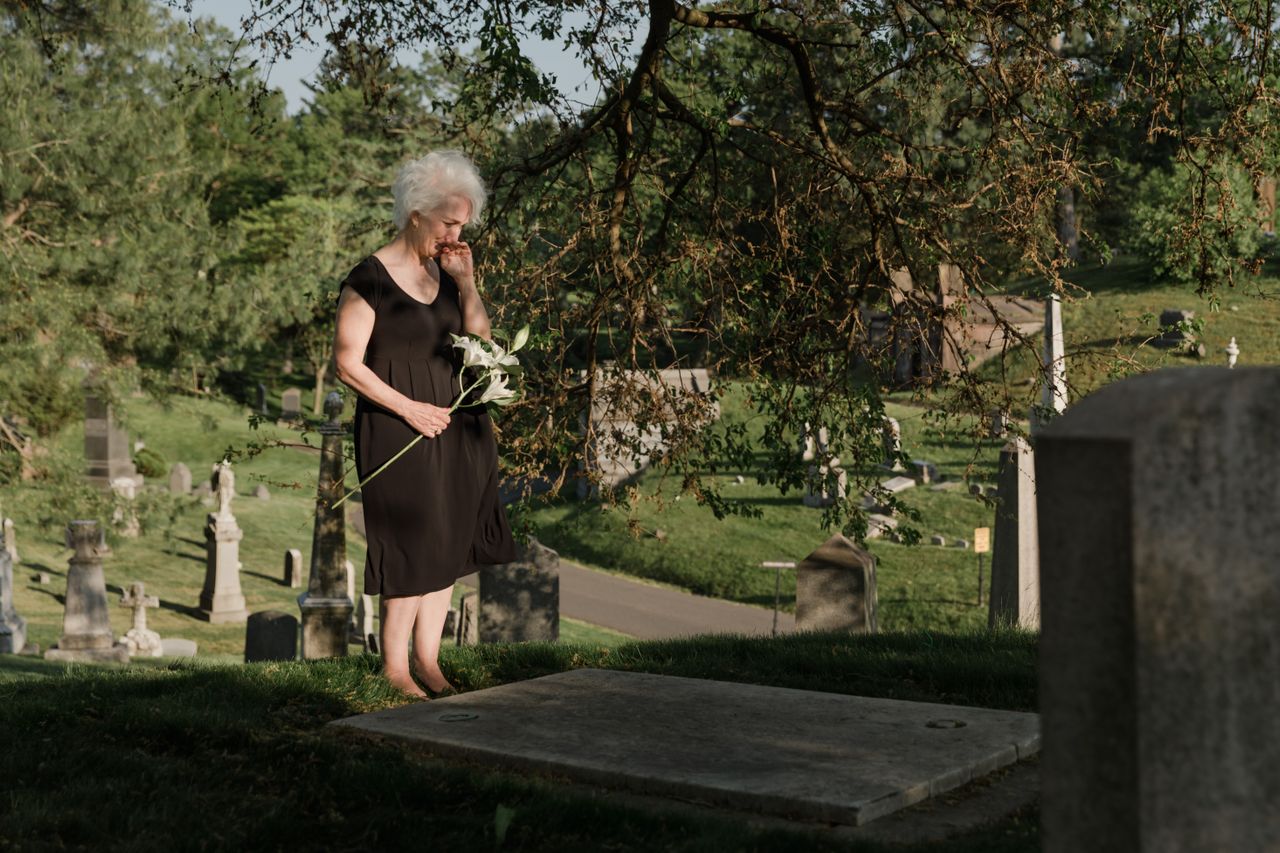
After losing someone we love, ordinary belongings can become some of the most meaningful reminders of their life. A favourite sweater, handwritten note, piece of jewellery, or family recipe can carry memories, emotions, and a sense of connection that goes far beyond the object itself. This article explores why we keep the things left behind, the psychology behind emotional attachment to personal belongings, and how these objects help us preserve love, identity, and family stories after loss.
Share:
Eco Friendly Urns: Integrating Sustainability & Dignity
The Lady of the Lilies: From Myth to Ceramic