
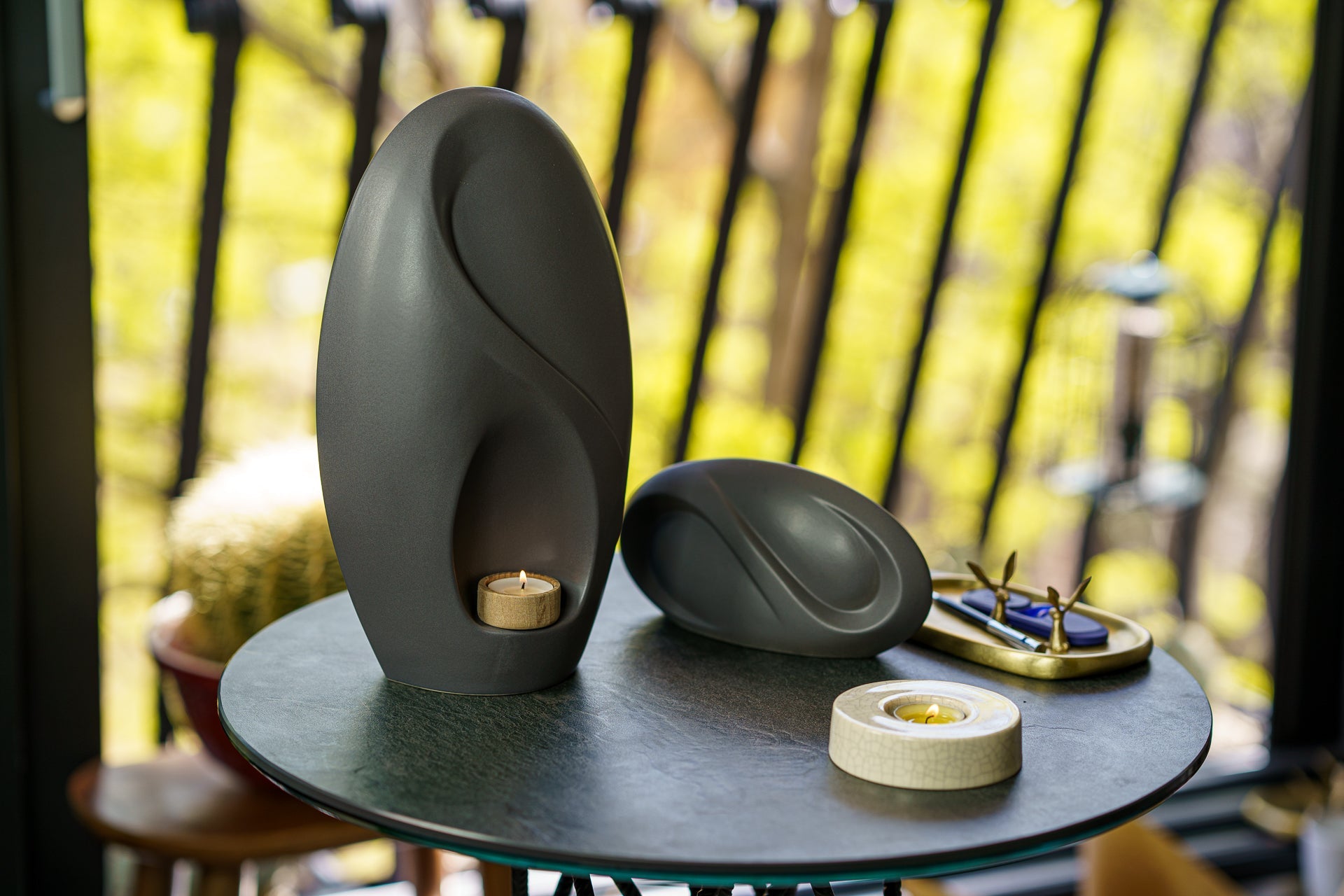
The loss of a loved one is a challenging period for the whole family. There comes a time, when one has to deal with preparation and all the details of the post cremation process.
In order to help you, this article provides important information about how to fill an urn with ashes while being respectful of both the person you’ve lost and your own emotional state.
Although there are many different materials, shapes and designs, you should be careful when selecting an urn for your loved one and should take in consideration the capacity of the urn you would like you purchase. Remember, each pound prior to cremation is equal to a cubic inch of ashes- so when selecting an urn for someone who weighed 200 pounds, you will need an urn with a capacity of 200 cubic inches or larger. Back to the transfer process.
Basically there are two options for transferring cremation ashes - leave it to the professionals or do it yourself.
Usually, most funeral homes or crematoriums will perform this service for you.The funeral home you have been using should automatically place the cremains in the urn of your choice if you have purchased the urn through them.
If you didn’t order a memorial , your loved one's ashes would be placed in a temporary container. This container varies, it might be a sturdy cardboard box or a PVC snap lid canister.

Usually the crematory attendant will place your loved one’s ashes in a plastic bag before being put in a temporary container or urn.
If you purchased an urn from another place, you could ask the funeral home owner to place your loved one's ashes in it. They may charge a fee for accepting a third party urn and will have you sign a waiver. It usually states that you didn’t purchase the cremation urn through them, and they will not take responsibility for the product.
Find the perfect urn: KEEPSAKE URNS: A CONVENIENT SOLUTION AFTER CREMATION
If that is not the case we have included some tips to make filling an urn a little easier for you.
If you feel capable of transferring cremains into a funeral urn yourself, the process does not have to be intimidating.
As we mentioned, ashes usually come from the funeral home or crematorium contained in a container or a plastic bag.
Before beginning the transfer of the ashes, make sure you have a stable workspace. Then follow those simple steps:
Place a list or a newspapaer to catch any cremation ashes that may fall. This is necessary only if you are going to open the bag. Actually there are several reasons why would you open the plastic bag:
You can pick up the bag and transfer the cremated remains into the other urn, especially if the urn has a large opening. Most of the urns are usually accessible from the bottom. Simply move the cremains from the temporary urn to the new urn.
If the urn’s opening is smaller, or if you are dividing the cremains, you will need to open the bag.
Most urns require a bag, but if you purchased from Pulvis Art Urns and used the INNER COATING option, there is no need for a bag. Ashes can be poured directly. Check the video below.
If you accidentally spill some ashes on the workspace, don't worry, simply fold up the newspaper that you placed down and pour the cremated remains into the urn.
If you chose to pour the remains directly into the urn, perhaps in a ceramic or glass urn, then you may want to seal the lid. If the urn has a thread, sealing is not necessery, but still recommended.
We recommend sealing our large urns with adhesive(glue) suitable for ceramic surfaces. This is done in order to prevent spilling of the ashes. Ceramic lids are without threads and DO NOT close tightly, which may lead to ashes spill if not sealed.
Watch a detailed video of how to seal this large urn for ashes HERE
Placing the cremation ashes of anyone into an urn is an honor. You can ask a trusted friend to handle the cremated remains, but remember they have to follow the steps above.
Creating a personal ritual around the transfer could be meaningful for your grieving process. Perhaps you have a small memorial you will include with the cremation ashes. Or maybe you have some words to share with your loved one in private. Give yourself permission to go with what feels right to get what you need out of this experience.
Your loved one’s urn is now ready to be placed somewhere. What’s next?
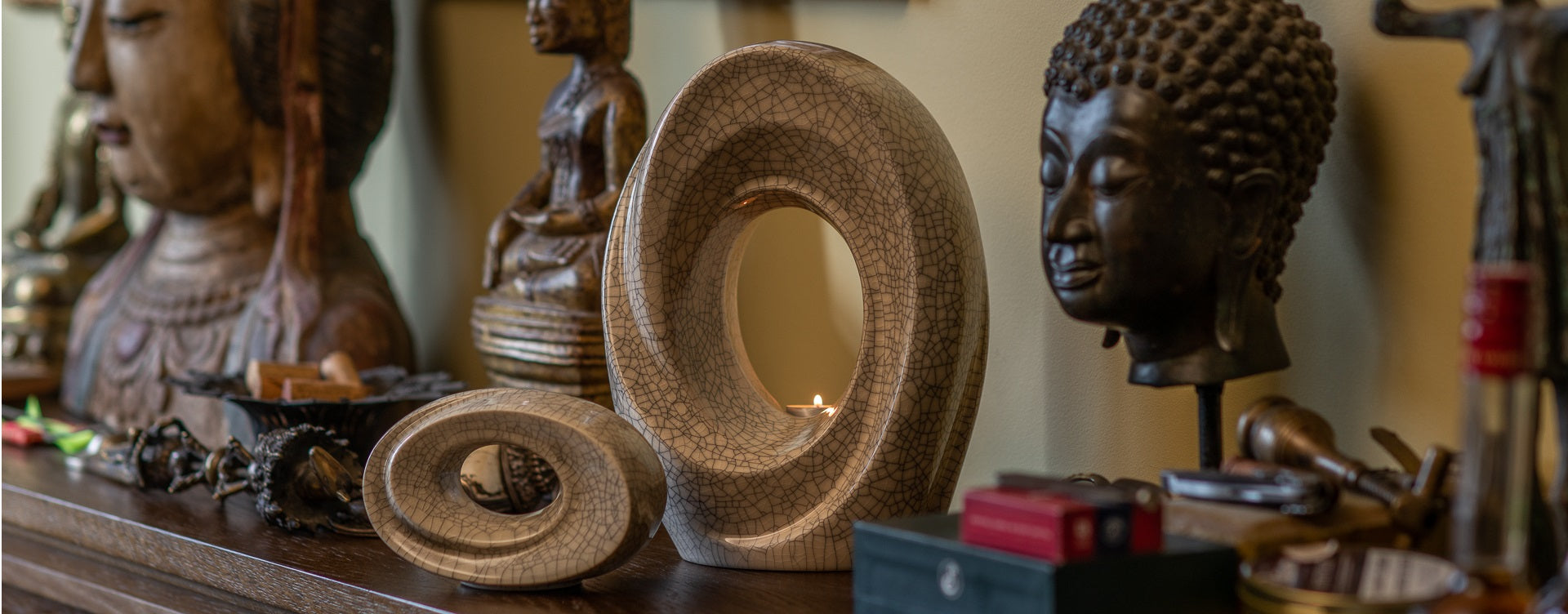
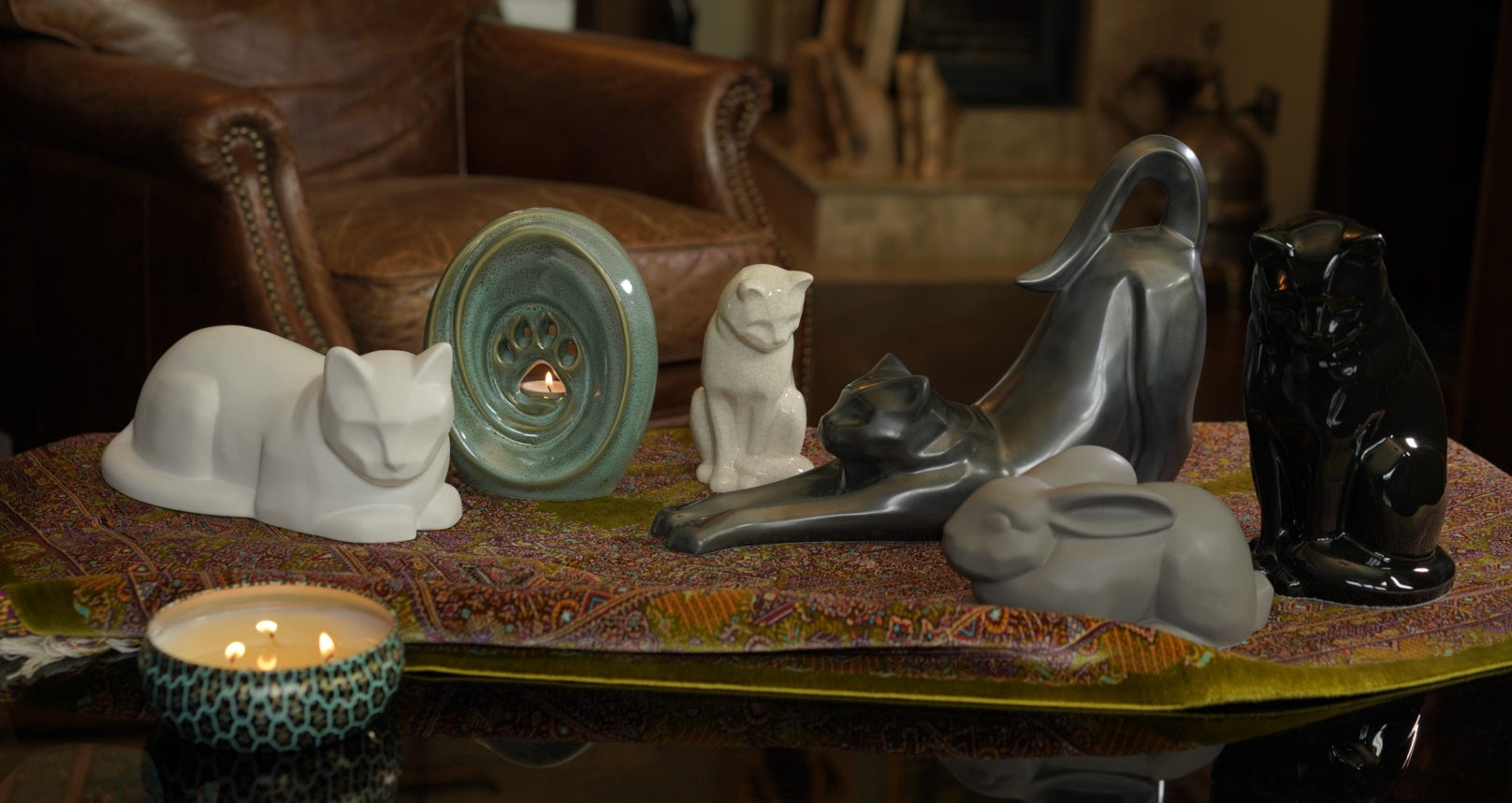
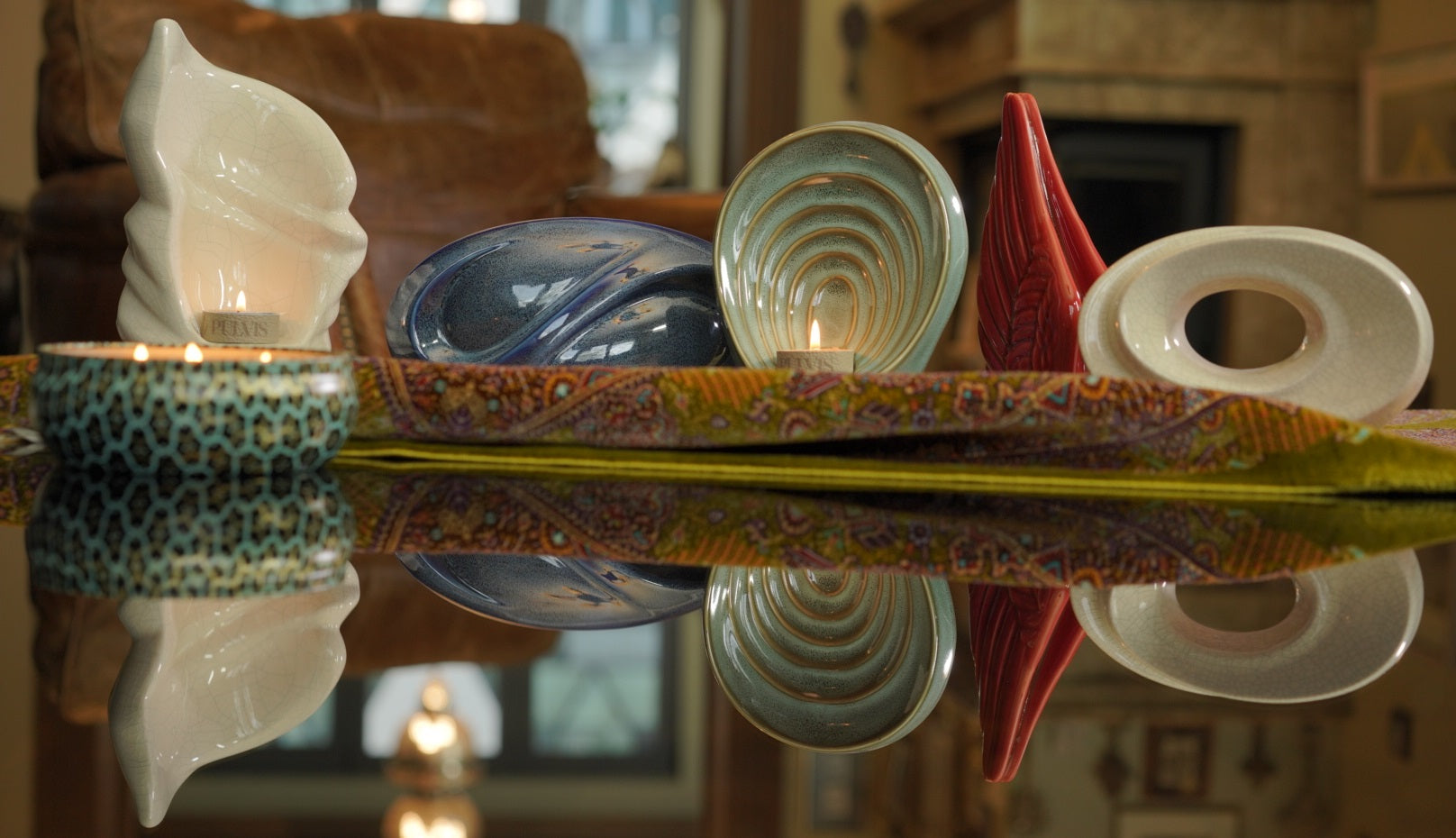
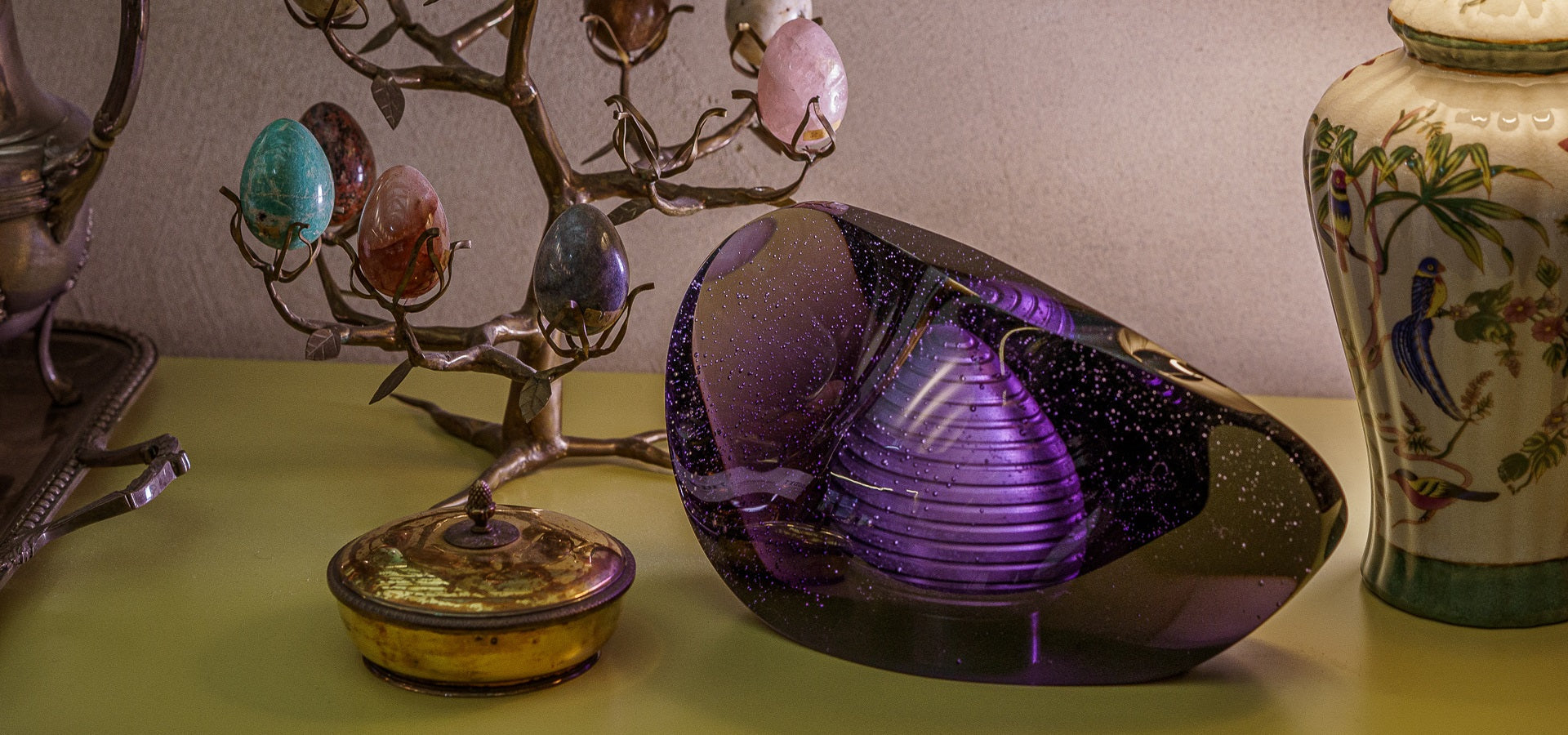
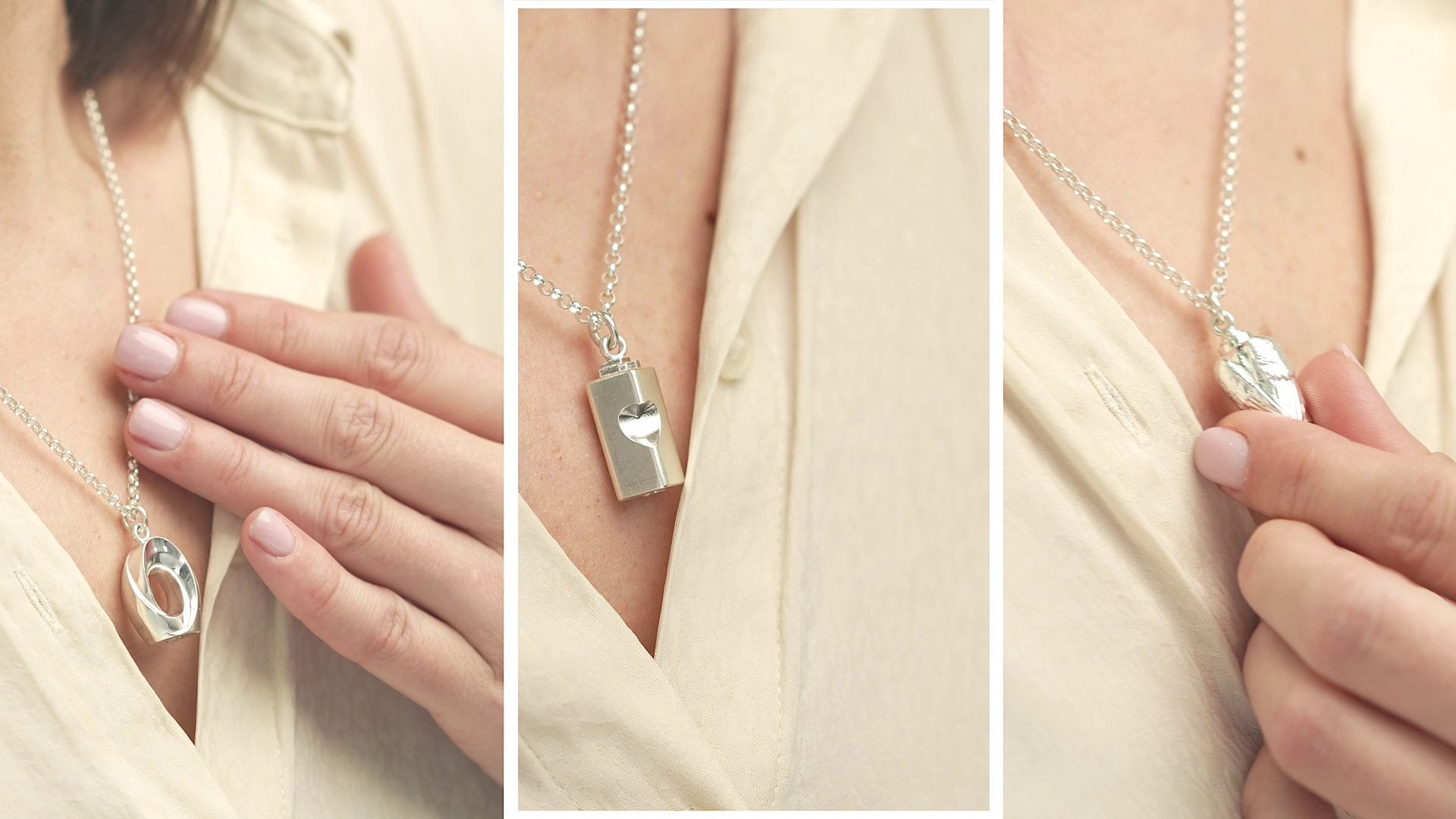
Find some interesting proposals by Pulvis art Urns below:

When you are ready, Pulvis Art urns can help you honor your loved one with high-quality urns and keepsakes.
As a compliment for reading our blog article, you can use the coupon READER10 at checkout for 10% discount for your order.
------------------
Our Affiliate Program is now available. at https://www.pulvisurns.com/pages/affiliate-program-by-pulvis-art-urns
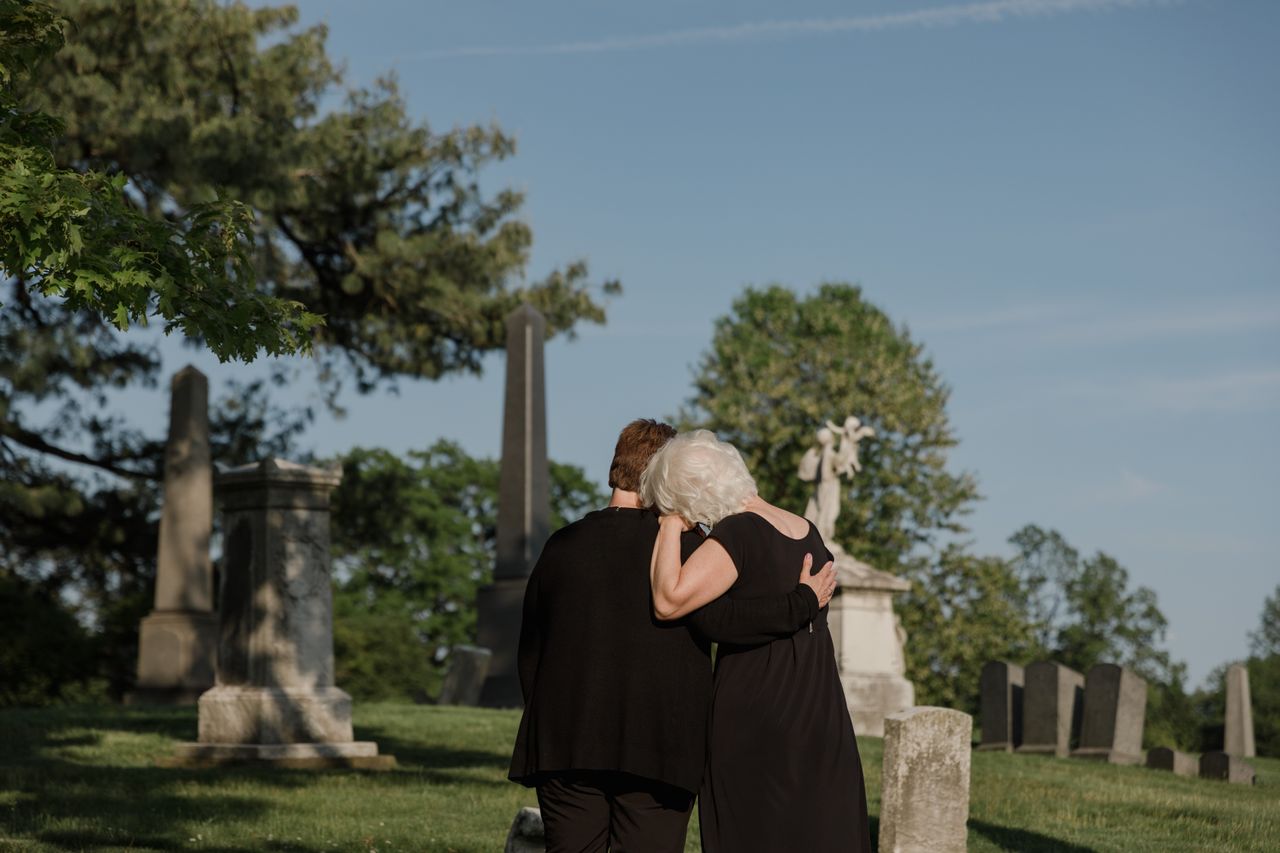
Ways to Honour a Loved One Without Visiting a Cemetery
Honouring a loved one doesn't have to be limited to visiting a cemetery. Discover meaningful and heartfelt ways to celebrate their life through personal traditions, living memorials, keepsakes, charitable acts and beautiful remembrance ideas that keep their memory alive every day.
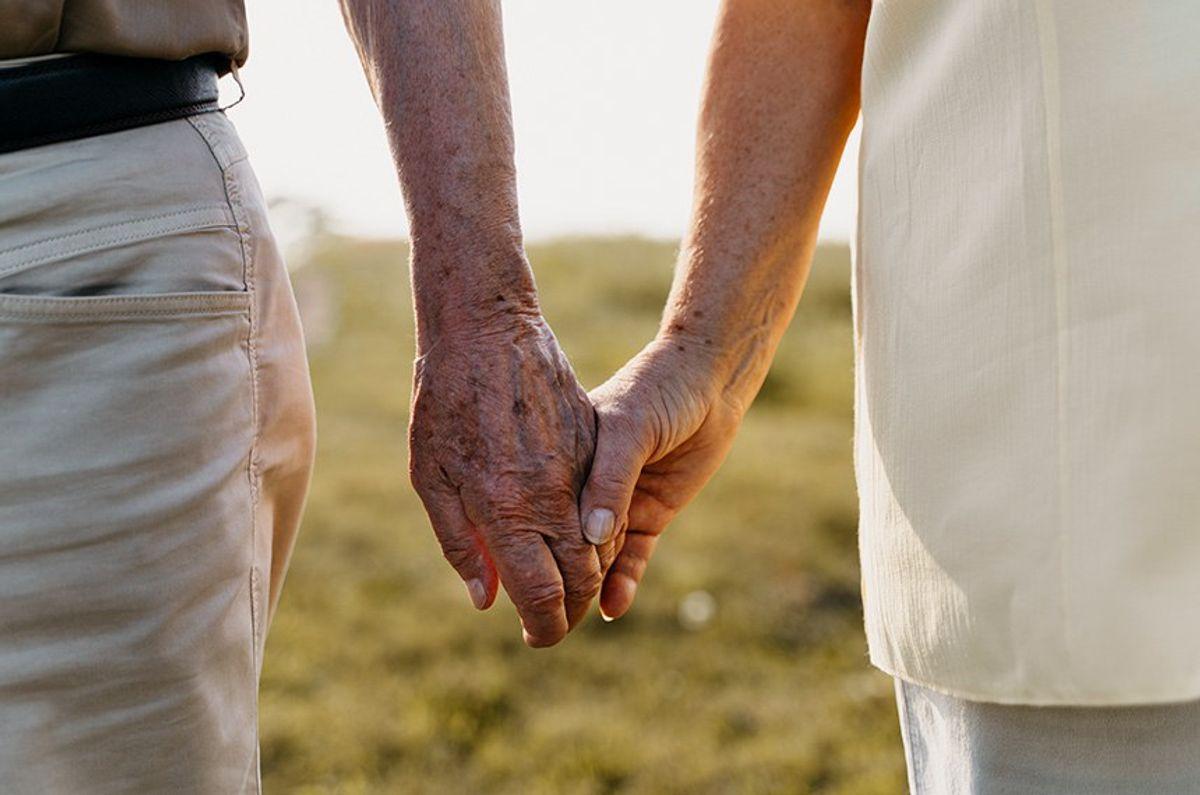
The Emotional Weight of “Lasts”: The Last Conversation, Last Hug, Last Goodbye
The last conversation, last hug, and last goodbye are some of the most emotionally powerful experiences a person can carry. These final moments transform ordinary interactions into lifelong memories, revealing the depth of love, connection, grief, and human attachment. This article explores why we remember final moments so vividly, how they shape the way we process loss, and why appreciating everyday connections matters before they become memories.
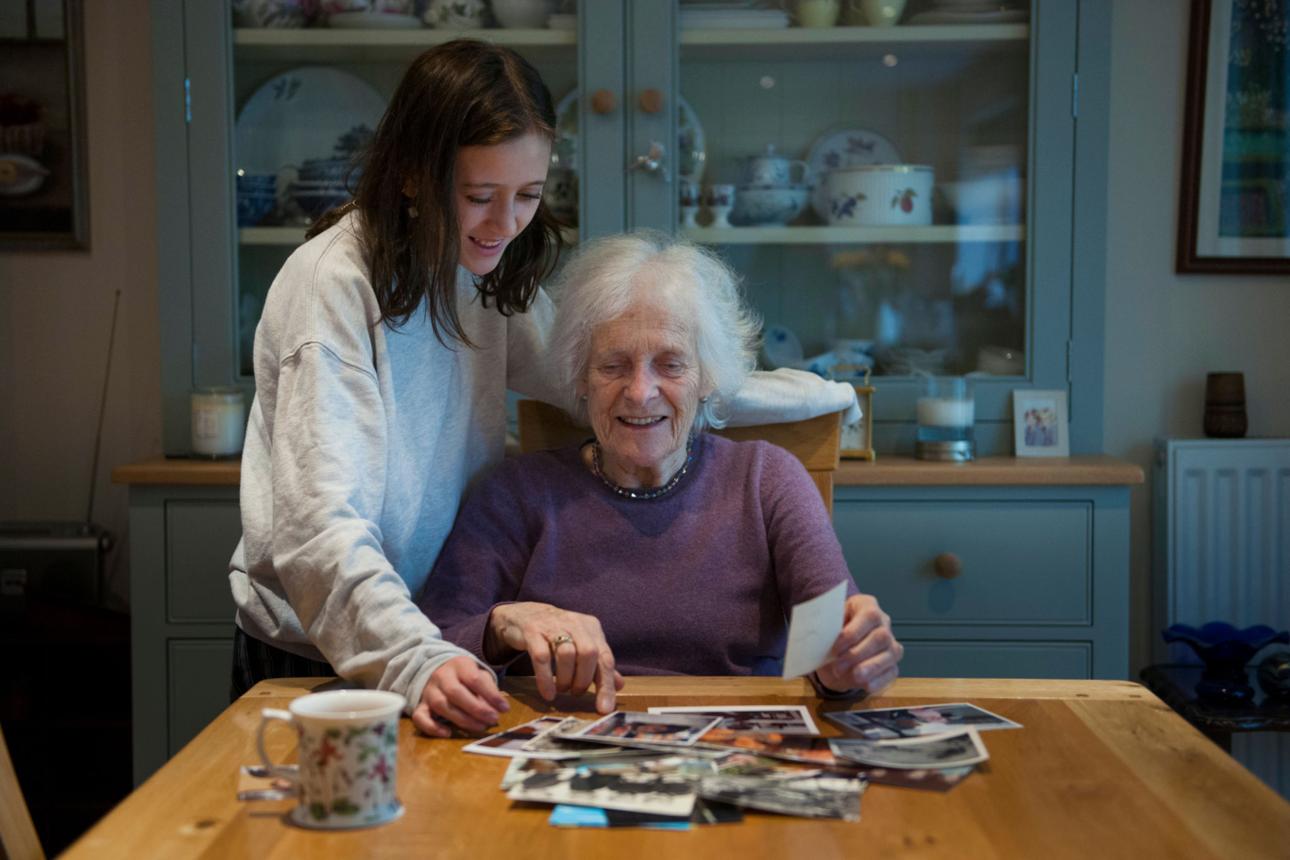
The First Holiday Without Someone: Why It Feels So Different
The first holiday after losing someone we love can feel completely different from any celebration before it. The traditions remain, the decorations appear, and families gather together, but the absence of one important person changes everything. This article explores why holidays intensify grief, how memories are triggered through traditions and senses, and how families learn to honour loved ones while creating new ways to remember.
Discover why everyday sounds can become powerful reminders of the people we love. From familiar voices and favourite songs to simple household noises, sound has the ability to preserve memories, awaken emotions, and maintain a connection with those who are no longer physically present.
After losing someone we love, ordinary belongings can become some of the most meaningful reminders of their life. A favourite sweater, handwritten note, piece of jewellery, or family recipe can carry memories, emotions, and a sense of connection that goes far beyond the object itself. This article explores why we keep the things left behind, the psychology behind emotional attachment to personal belongings, and how these objects help us preserve love, identity, and family stories after loss.
Share:
Pulvis Art Urns in partnership with Sofia Crematorium
Celebrities Who Chose Cremation