
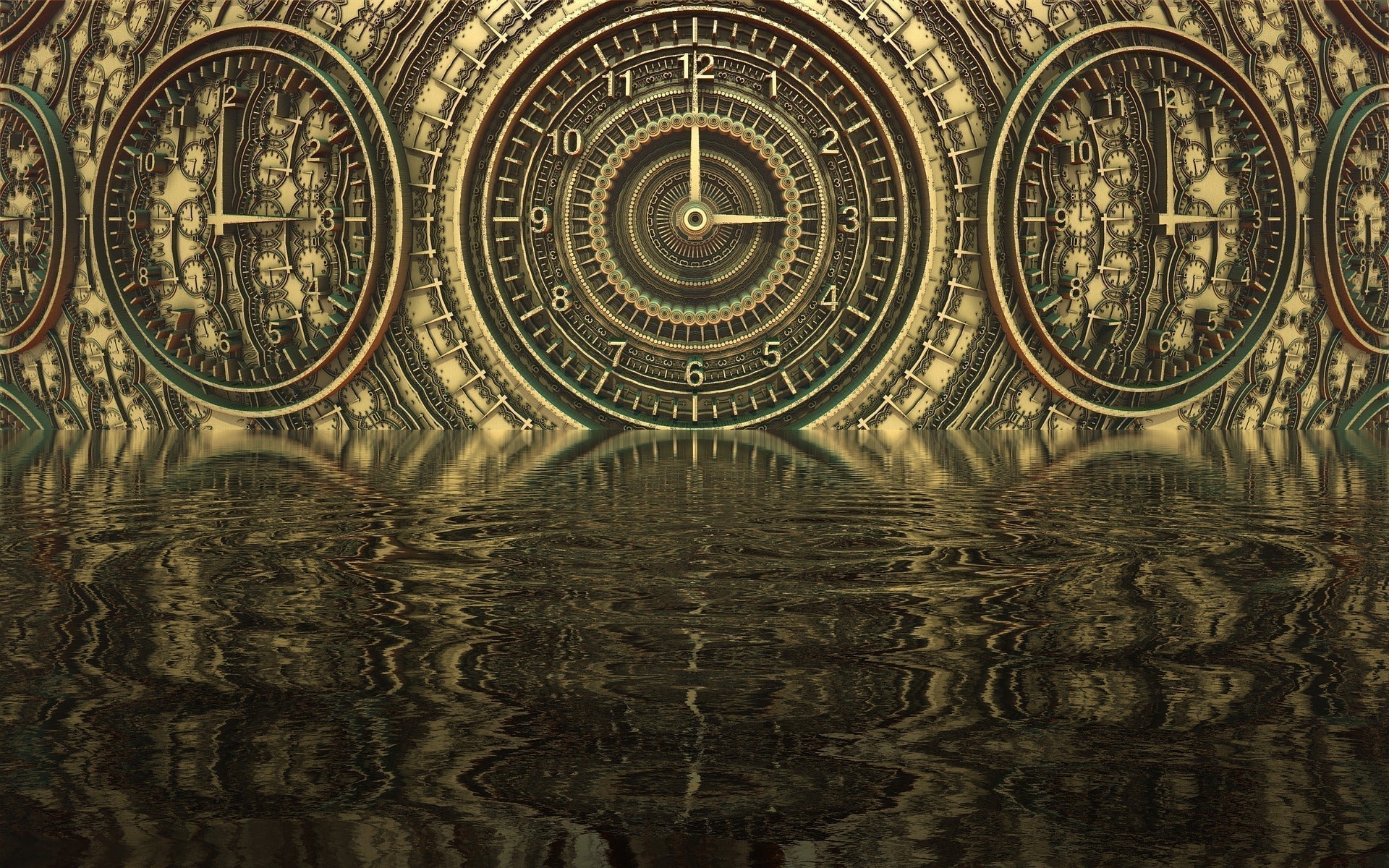
We imagine time as a line - neat, forward-flowing, measured in hours and days. But grief does not follow this logic. Grief folds time inwards. It collapses the present into the past, suspends us between what was and what will never be. In the moment of loss, we become travelers. Not in space, but in time.
One breath, one phone call, one silence - and suddenly we are not where we were. We are in a childhood memory. A kitchen filled with laughter. A hospital room washed in dim light. A voice we’ll never hear again echoes sharply in the present. The future, once firm in its direction, dissolves. Possibilities vanish. Roads close. And yet, the mind still walks them.
It is this quiet unraveling of time that grief brings - a strange and sacred logic. We walk back to what we loved, even as we’re pushed forward without it.

The common wisdom says that time heals all things. But this is a misunderstanding of both healing and time. Grief does not move in straight lines. It circles. It loops. It comes back in the scent of someone’s perfume, in the sudden laugh of a stranger that sounds just like them, in the dates marked quietly in our calendars.
Grief’s most unexpected gift is that it reminds us: the past is never gone. It is only resting, waiting for a moment to return. And when it does, it demands space.
That’s why we create rituals. That’s why we light candles, whisper names, carry keepsakes, and choose urns that are not simply vessels, but symbols—forms that say: this mattered. This still matters. This will always matter.

The ancients knew this, though they did not write it down. They placed their dead in urns, yes—but they also placed time inside them. A time when a certain person existed. A time when their hands built, when their voice comforted, when their presence anchored a world.
Today, we still seek this. In grief, we look for a way to touch something that has slipped beyond reach. A well-crafted urn is not just a container. It is a gesture across time. It says: they were here. And they are still here, in a way that matters.
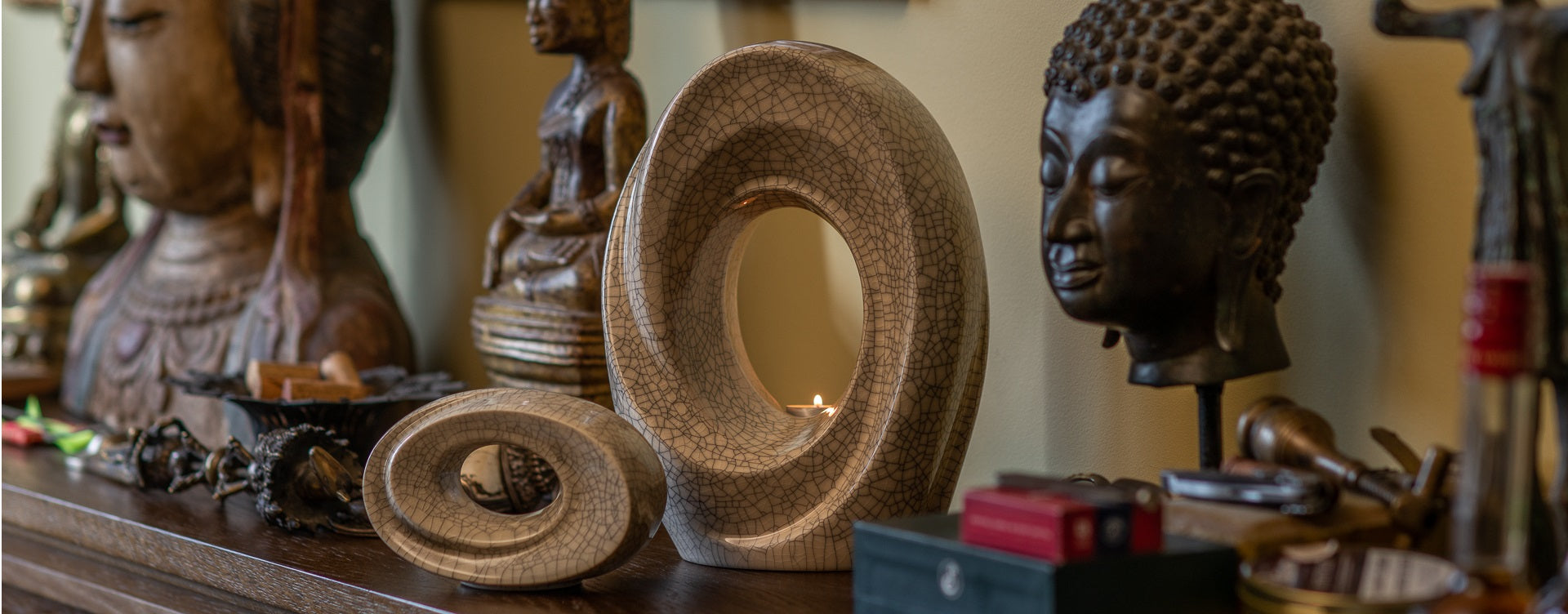
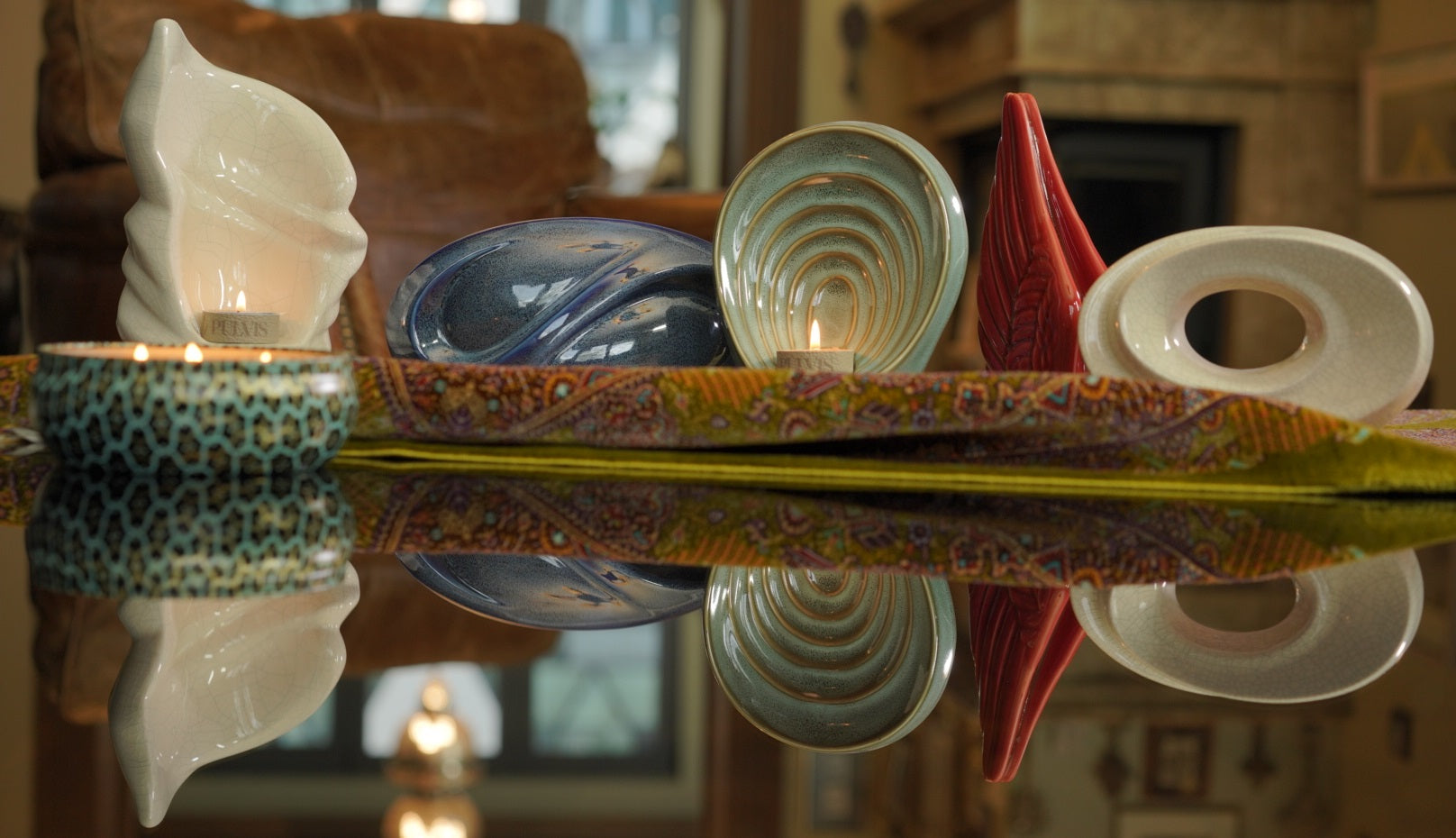
At Pulvis Urns, this is the quiet philosophy beneath every design. To shape clay is to shape time. To hold ashes is to hold memory in physical form. In the age of digital distraction, an urn offers a rare thing: stillness.
We look back. We gather photographs. We reassemble timelines. We search for meaning in birthdays and last words. We become historians of a life—archivists of gestures, sentences, shared mornings. We build museums in our minds.
But we also look forward. We imagine the meals they’ll miss. The child they’ll never meet. The silence in the chair they once filled. We move not only through memory, but through what could have been. And so grief sends us forward and backward, again and again.
An urn, placed in the center of a room or kept quietly on a shelf, becomes an axis. Around it, our time-spun thoughts turn. Not to forget, but to remember better. Not to hold on, but to honor.

We grieve because we loved. And love, by its nature, refuses to obey the boundaries we try to impose. It does not end at the hospital bed, the closed casket, the official certificate, or the carefully chosen words of a final farewell. Love slips past these markers. It spills. It lingers. It continues to breathe inside us, long after breath has left the one we mourn.
This is why grief feels so strange—so ungovernable. It is not simply pain. It is presence. An invisible hand that still rests on your shoulder. A laugh you still hear at the back of your mind. A sentence you still complete, as if they were right beside you. Love may outlast life because the human mind is not designed to un-love. It holds on. It searches for continuity. It rewrites the map of the world to make space for absence.
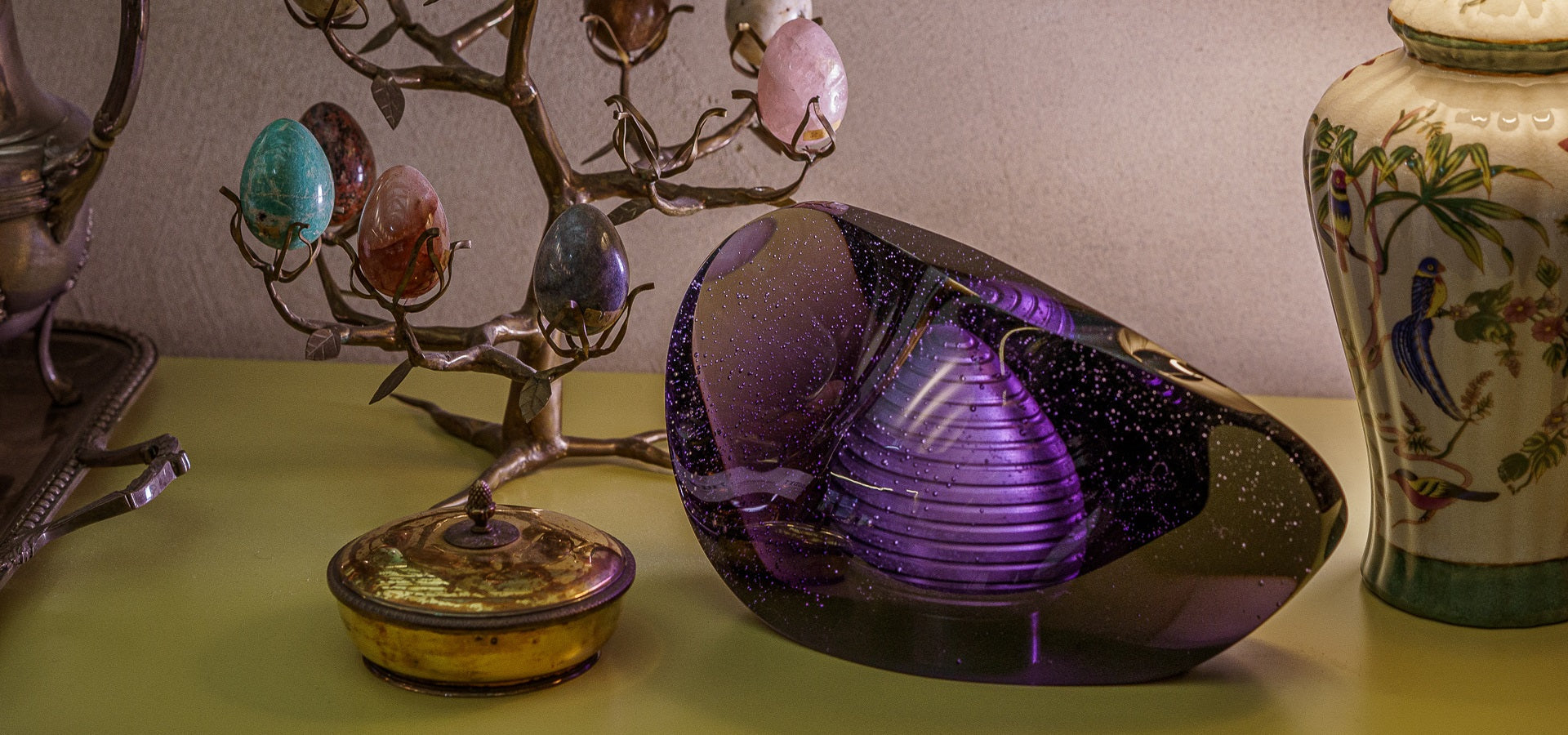
That is why we return to the tactile. To the earthly. That is why we shape clay. We carve vessels not only for ashes, but for remembrance. For permanence. For reverence. A well-made urn is not only an object - it is a promise. A promise that this person mattered, and still matters. That love did not vanish when life ended. That something essential remains.
Urns, sculpted with care and intention, become more than resting places. They become emotional architecture. They give form to what would otherwise be unspoken. They say, without words: Love is still here. Still glowing. Still shaping the future.
In the end, grief is not a detour from life—it is part of life’s deepest current. It doesn’t ask us to forget, or to move on. Instead, it invites us to move differently. Not in a straight, logical line from past to future, but in spirals and circles, backward glances and sudden waves. Grief makes us travelers not of geography, but of time. And like all travelers, we return from it changed.
We carry the past into the present. We reimagine the future in light of what we've lost. We feel the echo of a touch, a voice, a presence—reminding us that love is not something that ends. It merely shifts form.
This is why we need symbols. Not as distractions, but as anchors. Not to hold us back, but to hold us steady. Objects like urns are not cold containers—they are vessels of memory, shaped with intention, designed to hold more than ashes. They hold presence. They hold meaning. They hold the story that love continues to tell, even in silence.
And so, if grief makes us time travelers, then memory is our compass, and love is the force that keeps calling us home. Again and again. Across the days. Across the years. Until, one day, our own story joins theirs—in another vessel, in another time.

Ways to Honour a Loved One Without Visiting a Cemetery
Honouring a loved one doesn't have to be limited to visiting a cemetery. Discover meaningful and heartfelt ways to celebrate their life through personal traditions, living memorials, keepsakes, charitable acts and beautiful remembrance ideas that keep their memory alive every day.
The Emotional Weight of “Lasts”: The Last Conversation, Last Hug, Last Goodbye
The last conversation, last hug, and last goodbye are some of the most emotionally powerful experiences a person can carry. These final moments transform ordinary interactions into lifelong memories, revealing the depth of love, connection, grief, and human attachment. This article explores why we remember final moments so vividly, how they shape the way we process loss, and why appreciating everyday connections matters before they become memories.
The First Holiday Without Someone: Why It Feels So Different
The first holiday after losing someone we love can feel completely different from any celebration before it. The traditions remain, the decorations appear, and families gather together, but the absence of one important person changes everything. This article explores why holidays intensify grief, how memories are triggered through traditions and senses, and how families learn to honour loved ones while creating new ways to remember.
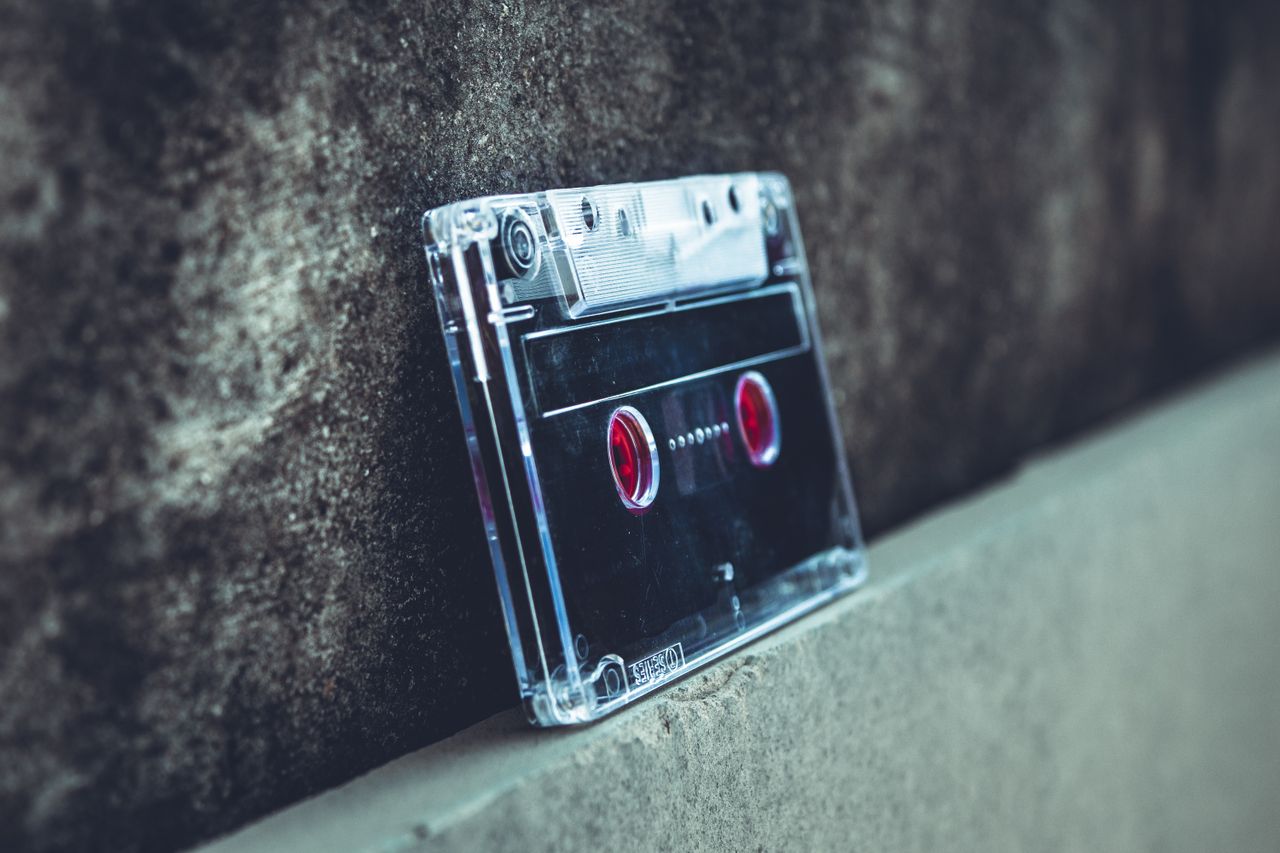
Discover why everyday sounds can become powerful reminders of the people we love. From familiar voices and favourite songs to simple household noises, sound has the ability to preserve memories, awaken emotions, and maintain a connection with those who are no longer physically present.
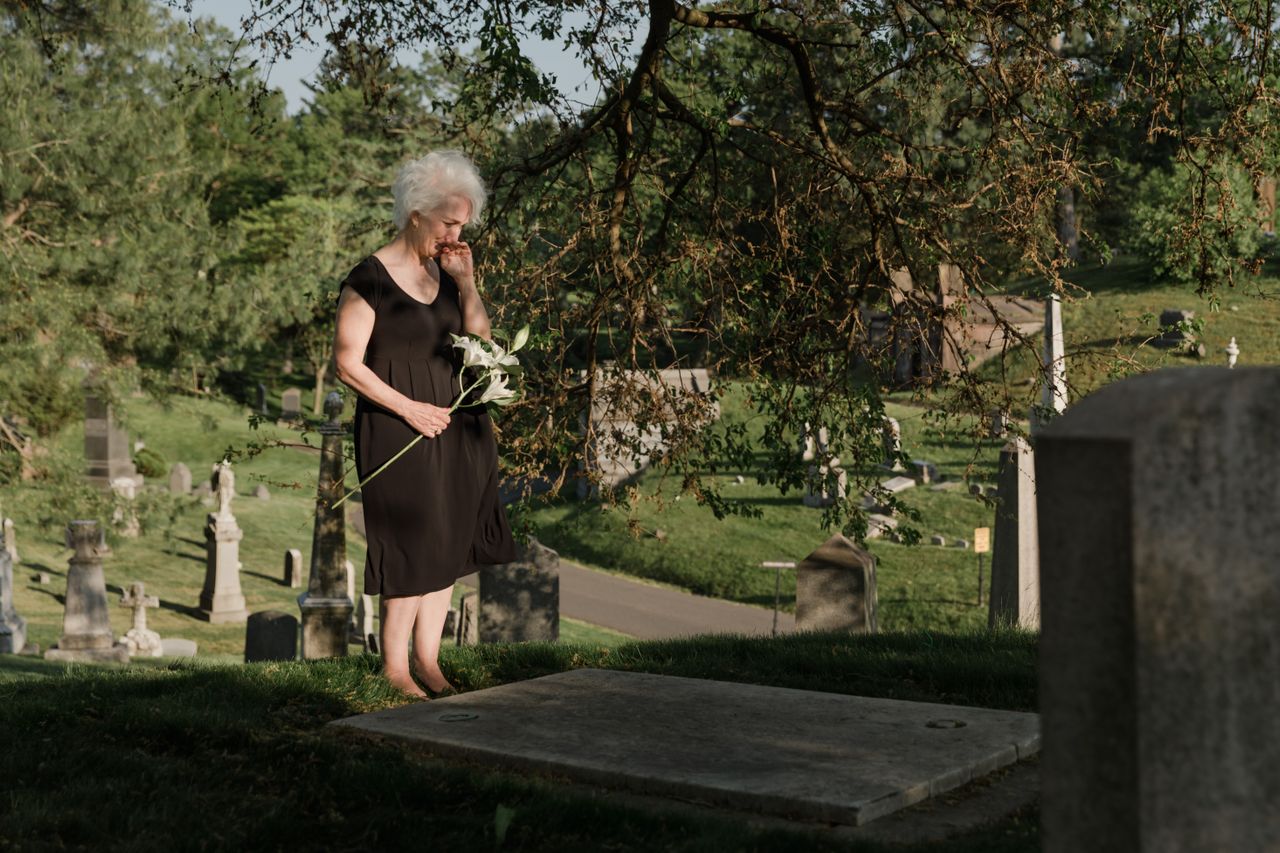
After losing someone we love, ordinary belongings can become some of the most meaningful reminders of their life. A favourite sweater, handwritten note, piece of jewellery, or family recipe can carry memories, emotions, and a sense of connection that goes far beyond the object itself. This article explores why we keep the things left behind, the psychology behind emotional attachment to personal belongings, and how these objects help us preserve love, identity, and family stories after loss.
Share:
Echoes of the Ancestors: The Philosophy and Poetry of the Ritual Table
Shamanism and the Journey Beyond: Soul-Guiding Rites in Korea and China