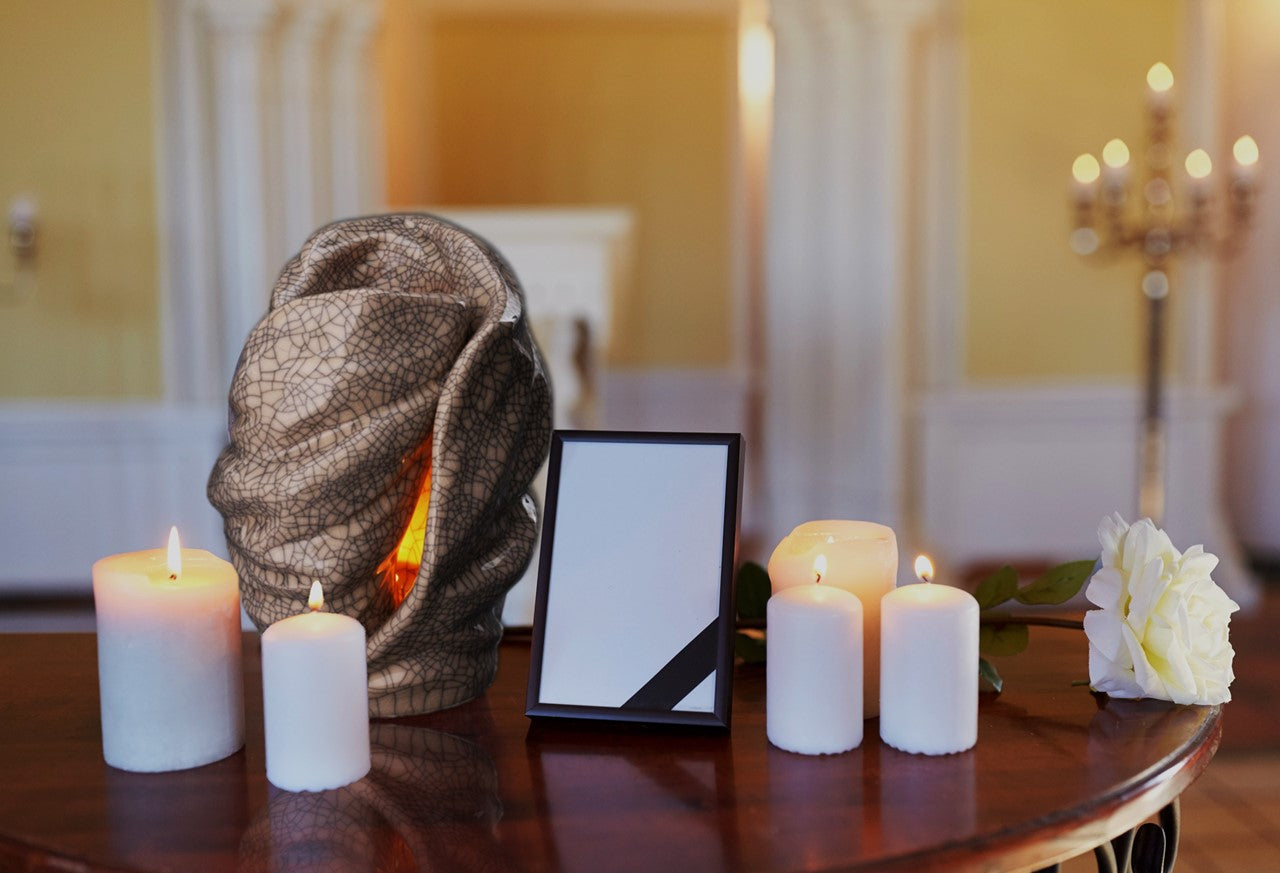
Cremation is a comparatively new trend in the USA history. In 1970, only 4.5% of Americans chose cremation as an alternative to the traditional funeral. Today, more than half of Americans choose cremation and probably almost 80% of Baby Boomers will choose to be cremated.

In the lifespan of a single generation, cremation went from something unpopular to by far the most preferred choice. What changed and why cremation became the primary choice when it comes to end of life ceremony?
Here are eight broad-brush reasons why most Americans are choosing cremation:
Cremation can replace the need for the more elaborate ground burial ceremony involving casket, viewings, pall bearers, etc. A cremation urn or a keepsake is smaller and therefore much easier to handle than a full-sized casket. The ceremonies after cremation are usually simpler, but not less meaningful and respectful.

In comparison, the cost of a cremation is much less than that of a traditional burial. Depending on whether you choose to include a service as well, you can expect to pay anywhere from $2,000 - $8,000. The cremation process demands the transporting the deceased to your chosen crematorium in a coffin or casket. This is usually included in the price of the service.

Cremation does not require a grave or headstone and many families skip embalming. Not to mention that cremation urns for ashes are generally much cheaper than caskets.
The popularity of cremation has grown with the environmental movement and greater awareness for the nature and global warming. As Americans have become more focused on sustainability and the importance of protecting our planet, more and more of them choose cremation.

Cremation does have some effects on the environment with carbon emissions, but as technology advances the impact on the nature is lessening. There is of course some debate, but generally cremation is greener and more eco-friendly.
While family and religious traditions still play an important role in people’s lives, there is a general trend away from traditionalism, or tradition for the sake of tradition. For some, it’s an extension of religious beliefs, and people often put much thought into their wishes.

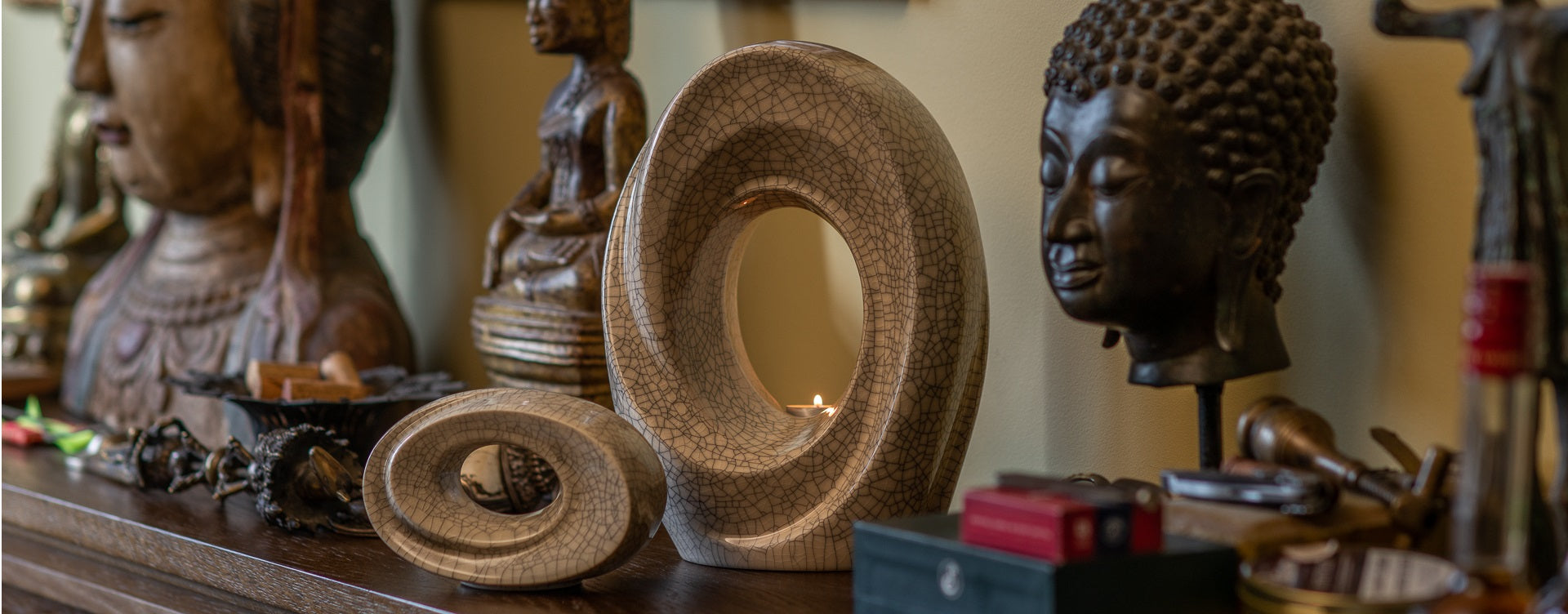
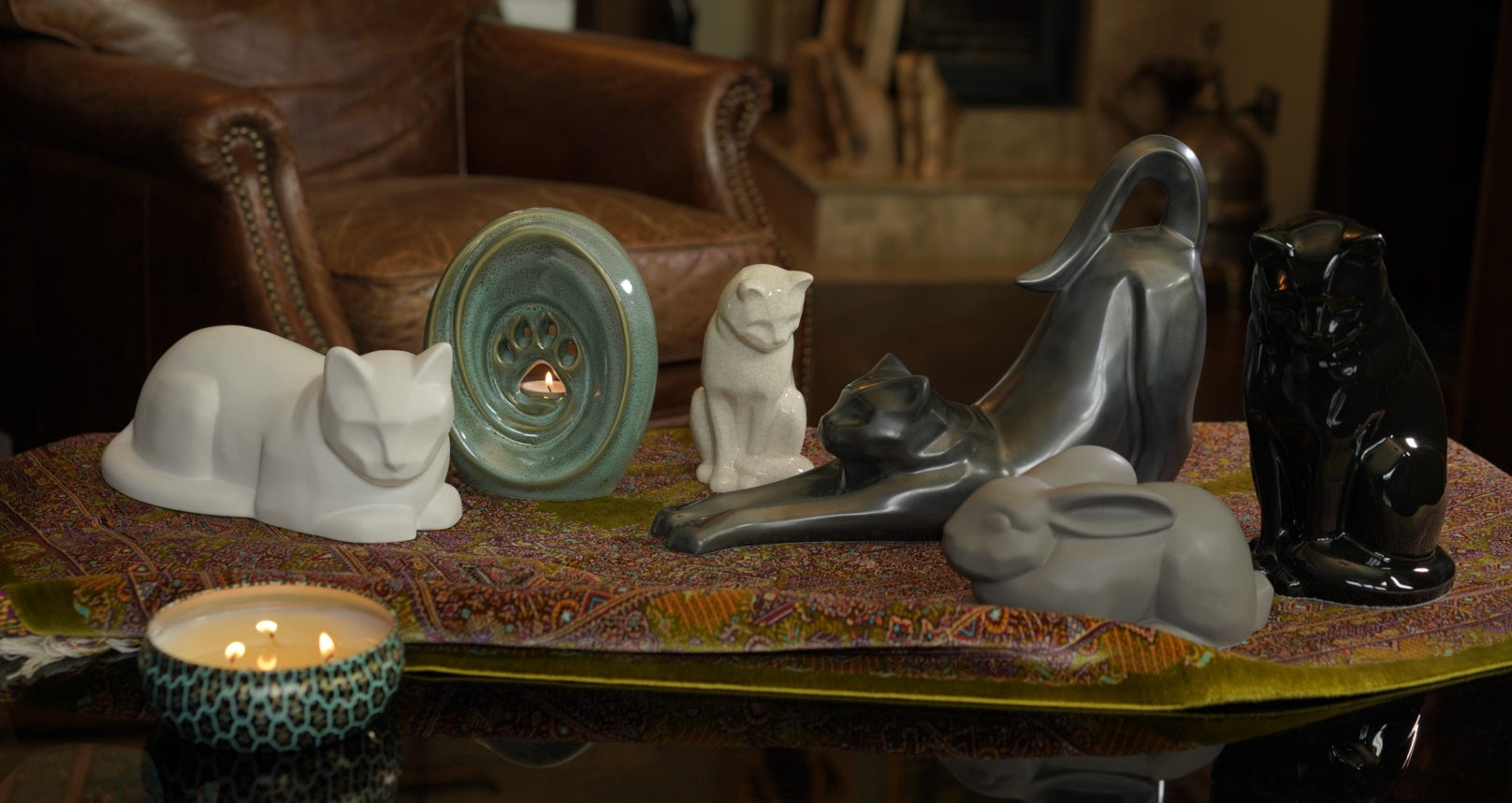
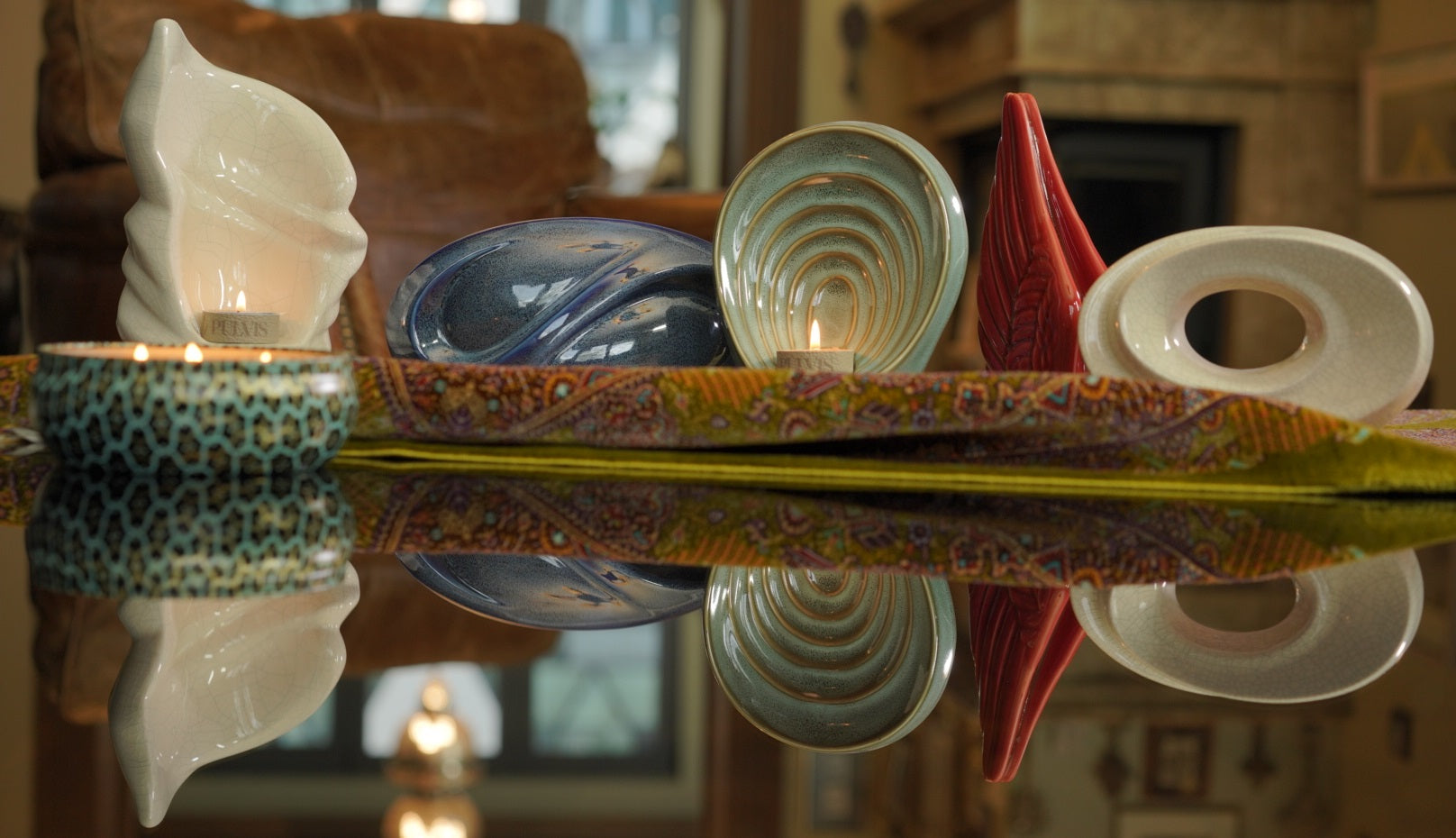
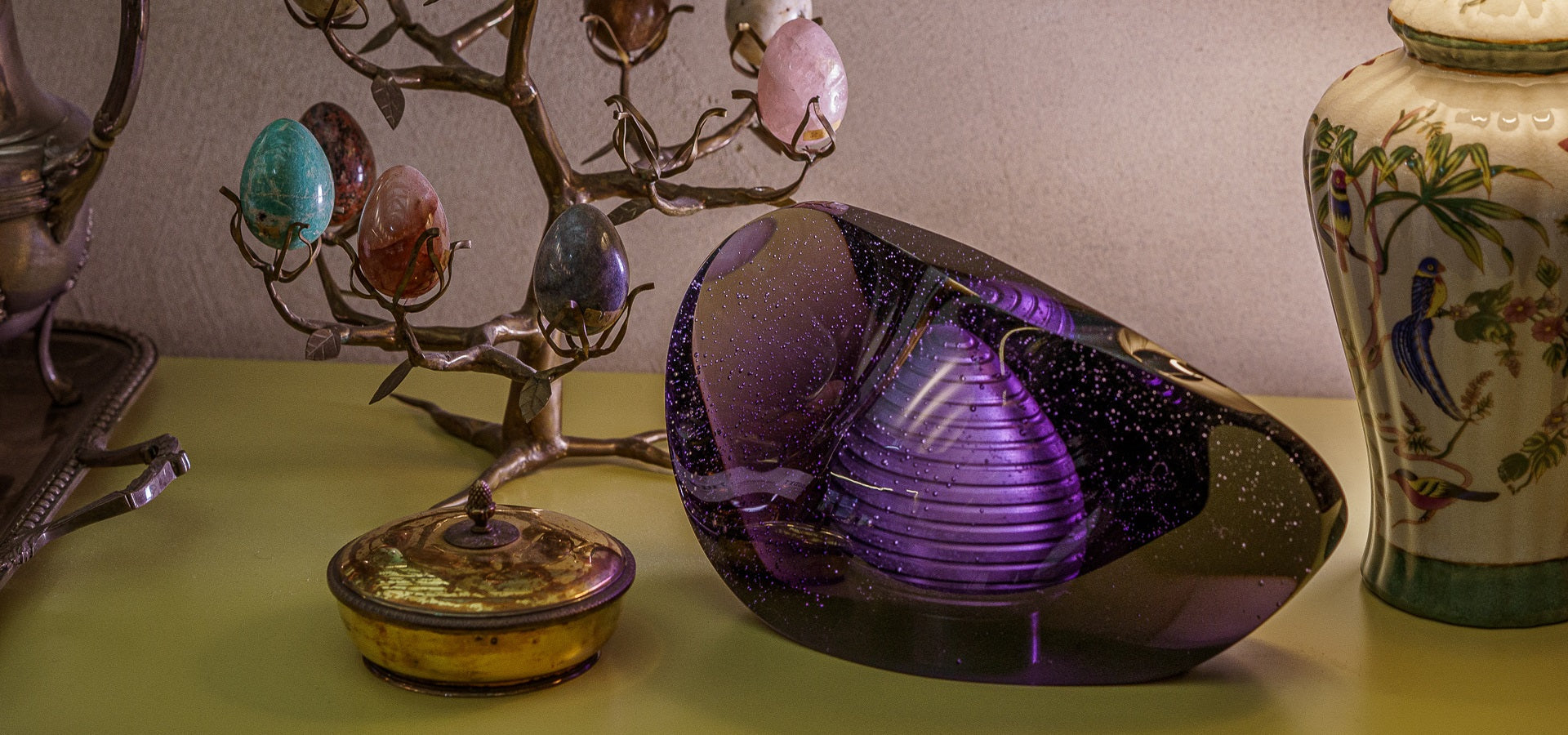
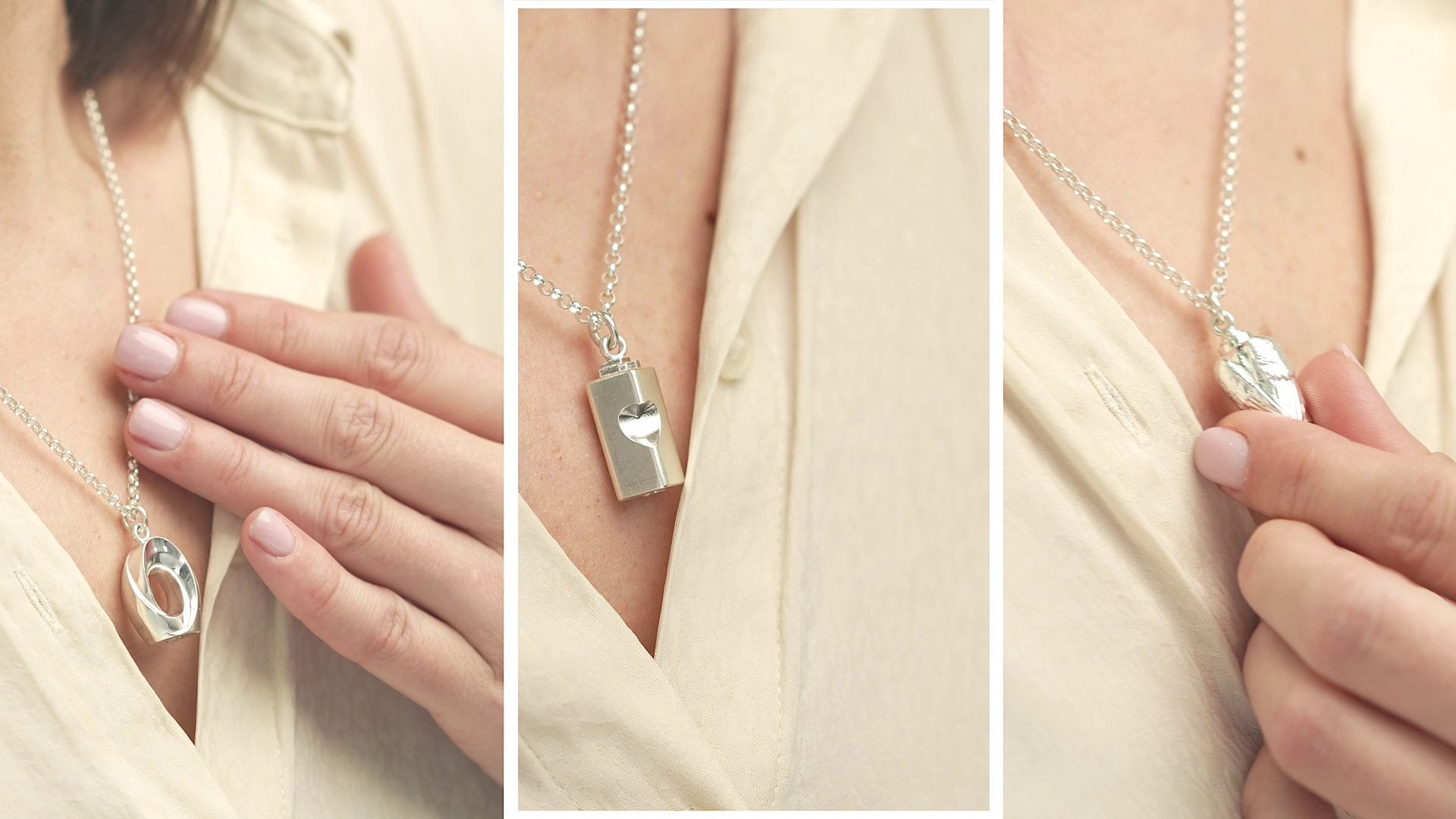
More and more families prefer to celebrate their loved one’s life in a unique and personal way. Cremation offers the flexibility for loved ones to choose a completely one-of-a-kind memorial urn or keepsake for their loved ones. Urns come into numerous shapes and materials, as well as in different price range.
Numerous urban cemeteries in some of the biggest cities in the U.S. (and not only) are experiencing a land shortage and face the prospect of running out of room for more burial ceremonies in the near future.

Given that 78 million Americans will reach the life expectancy age of 77 between 2025and 2045, if all those individuals were buried in standard plots, U.S. cemeteries would need an additional 140 square miles, according a recent study. That is one of the main reasons why cremation is becoming a preferrable choice.
Scattering ashes is often thought to be a spiritual act for saying goodbye. It provides an opportunity to memorialize them in a way that is unique only to your loved one. After the cremation has taken place, there’s almost a countless number of places you can think of to scatter the cremains. Storing them in a unique urn for ashes and scatter them later is always an option.
As family members move to new cities throughout the world, it also became harder for the children to visit their family burial plots. Parents often find it hard to decide if they should be buried near their own parents or their children. When multiple children have moved across the country, it becomes even more difficult to find a family place.

A beautiful urn or keepsake for ashes solves this problem, as cremation ashes can be moved freely in one place to another.
Many people choose to donate their bodies to medical science after their death. This can mean research, organ donation, or a combination of the two. Donating your body for medical research certainly helps science, but it can also mean good savings. Facilities that accept donations provide a free cremation — which typically costs $1,500 to $3,000 — and generally return the ashes after a couple of weeks.
------------------
Our Affiliate Program is now available. at https://www.pulvisurns.com/pages/affiliate-program-by-pulvis-art-urns
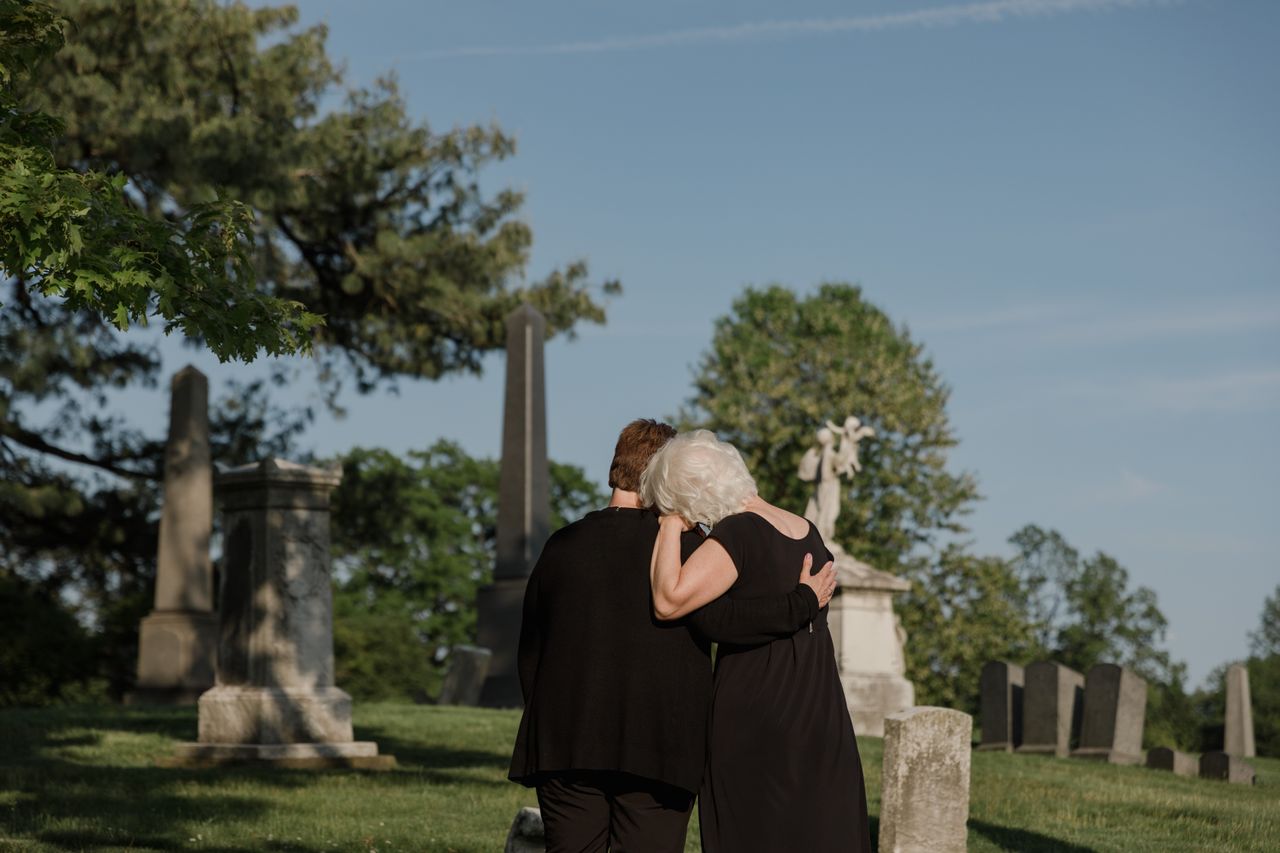
Ways to Honour a Loved One Without Visiting a Cemetery
Honouring a loved one doesn't have to be limited to visiting a cemetery. Discover meaningful and heartfelt ways to celebrate their life through personal traditions, living memorials, keepsakes, charitable acts and beautiful remembrance ideas that keep their memory alive every day.
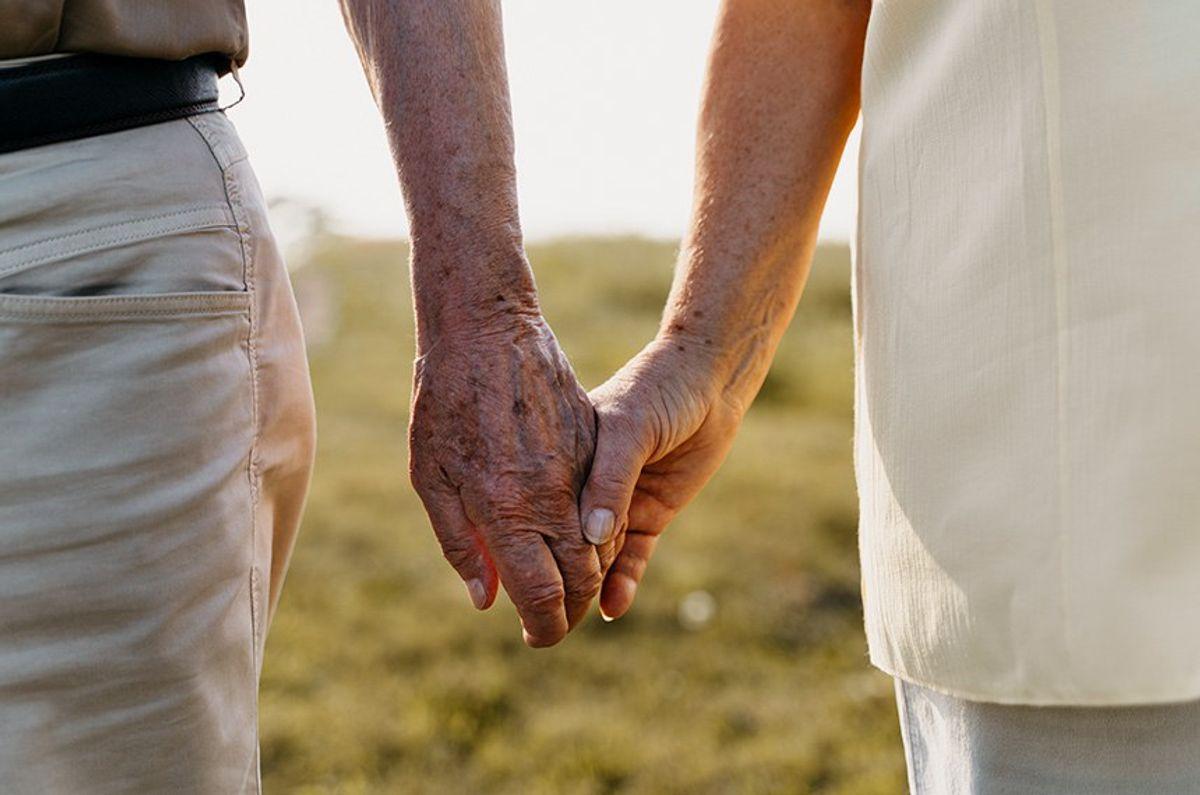
The Emotional Weight of “Lasts”: The Last Conversation, Last Hug, Last Goodbye
The last conversation, last hug, and last goodbye are some of the most emotionally powerful experiences a person can carry. These final moments transform ordinary interactions into lifelong memories, revealing the depth of love, connection, grief, and human attachment. This article explores why we remember final moments so vividly, how they shape the way we process loss, and why appreciating everyday connections matters before they become memories.
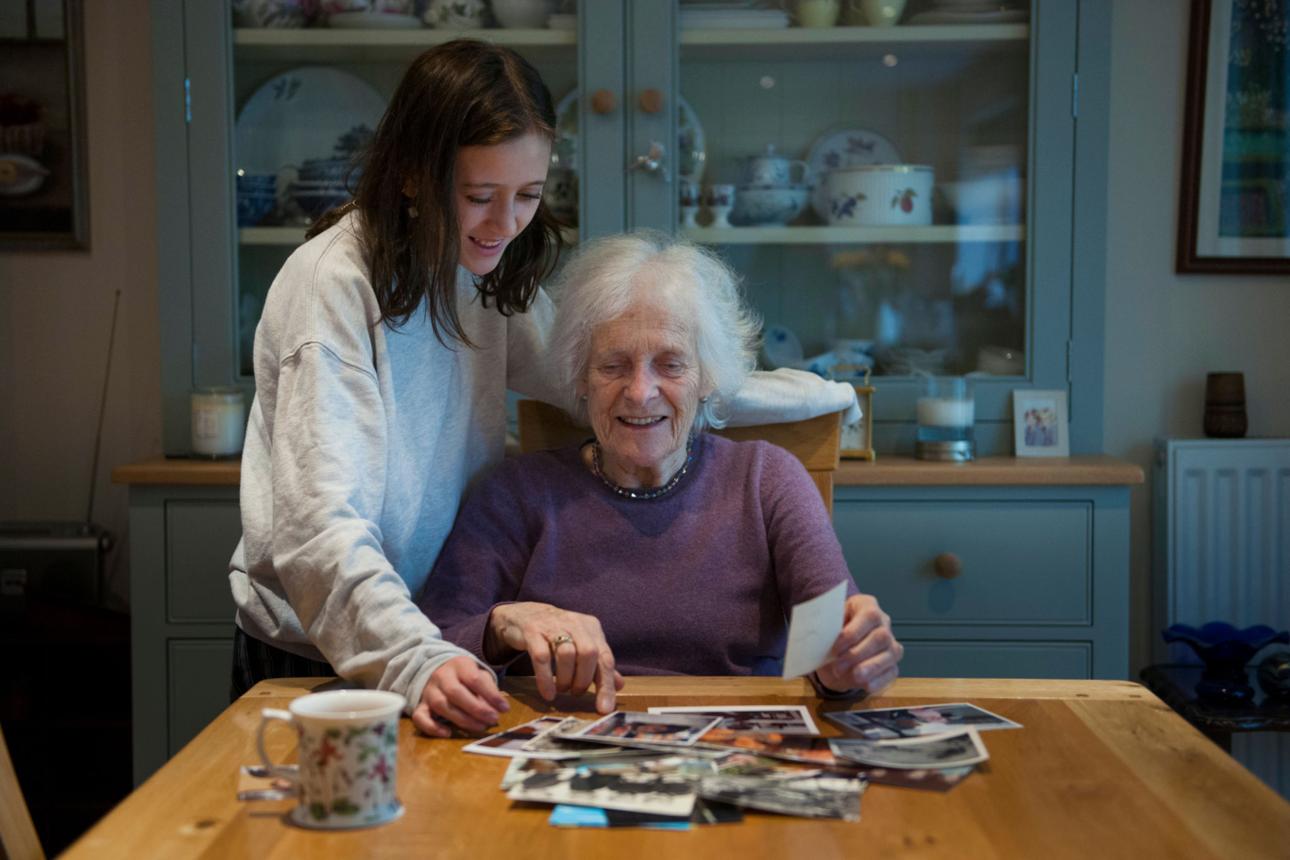
The First Holiday Without Someone: Why It Feels So Different
The first holiday after losing someone we love can feel completely different from any celebration before it. The traditions remain, the decorations appear, and families gather together, but the absence of one important person changes everything. This article explores why holidays intensify grief, how memories are triggered through traditions and senses, and how families learn to honour loved ones while creating new ways to remember.
Discover why everyday sounds can become powerful reminders of the people we love. From familiar voices and favourite songs to simple household noises, sound has the ability to preserve memories, awaken emotions, and maintain a connection with those who are no longer physically present.
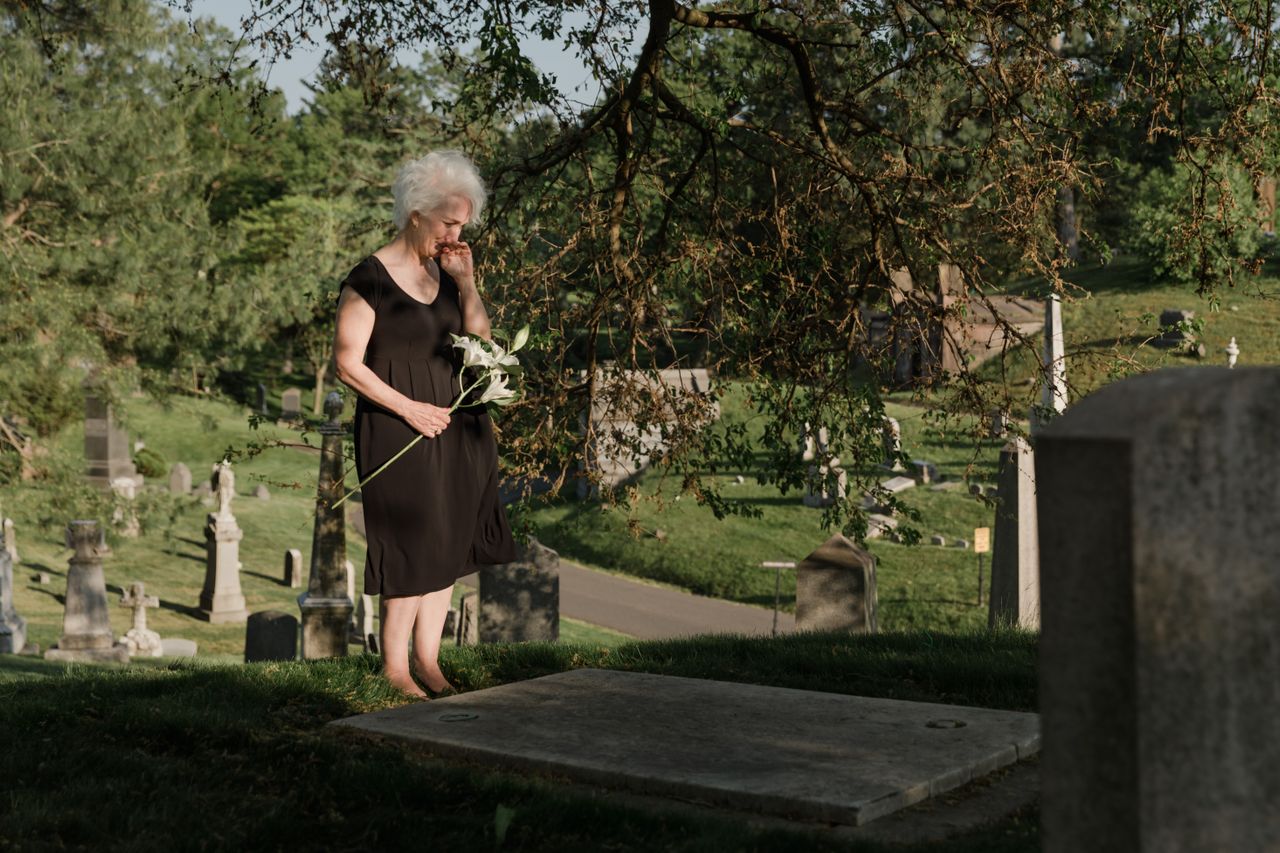
After losing someone we love, ordinary belongings can become some of the most meaningful reminders of their life. A favourite sweater, handwritten note, piece of jewellery, or family recipe can carry memories, emotions, and a sense of connection that goes far beyond the object itself. This article explores why we keep the things left behind, the psychology behind emotional attachment to personal belongings, and how these objects help us preserve love, identity, and family stories after loss.
Share:
Living with Cremation Ashes in the House? A rising trend in America.
10 Creative Cremation Ashes Ideas (part two)