

The journey of grief is often accompanied by a deep, quiet curiosity about the physical reality of what remains after a loved one has passed. For those who choose cremation, the "ashes"—technically known as cremated remains or "cremains"—become the final tangible link to a life lived.
However, because the science of death is rarely discussed openly in modern society, many families find themselves harboring unspoken questions. Do these remains have a "shelf life"? Will they degrade if kept on a mantle for fifty years? Why might the remains of one person appear as a stark white powder while another’s are a dark, gritty grey?
This comprehensive research guide explores the chemical stability of cremated remains and the myriad biological and environmental factors that determine their color, texture, and volume.
To address the question of whether ashes expire, we must first dispel the common myth regarding what "ashes" actually are. In a biological context, expiration implies decay, putrefaction, or the breakdown of organic tissue by microbial action. In cremation, that stage of existence has been bypassed entirely through the application of intense thermal energy.
During the cremation process, the body is placed in a specialized chamber (the retort) and exposed to temperatures between 1,400°F and 1,800°F. At this extreme heat, all organic matter—including muscle, skin, fat, organs, and even the complex double-helix of DNA—is vaporized or converted into carbon dioxide and water vapor.
What remains are not "ashes" in the traditional sense (like the soft carbon flakes of wood ash). Instead, they are inorganic mineral bone fragments. Chemically, these fragments are primarily calcium phosphate (specifically hydroxyapatite), along with trace amounts of potassium, sodium, and magnesium. Because calcium phosphate is a mineral, it is biologically inert. It lacks the carbon-based nutrients required for bacteria or fungi to survive; therefore, it cannot rot, mold, or "expire."
While the mineral remains are stable, the air around them is not. A detail many families overlook is the effect of atmospheric air pressure. If an urn is sealed airtight at sea level and then moved to a high-altitude location, the air trapped inside can expand. Conversely, moving an urn to a lower altitude can cause it to contract.
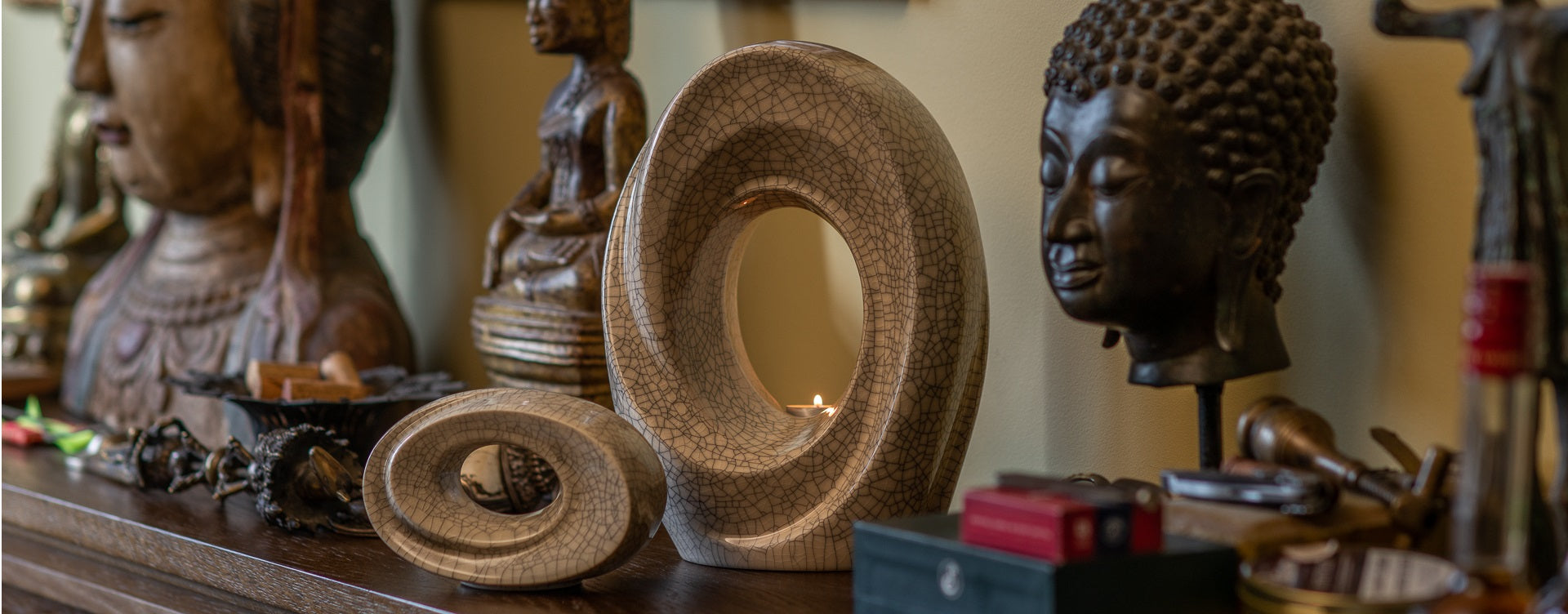
While this won't damage the mineral integrity of the ashes, it can cause the lid of a poorly made vessel to become stuck or "whistle" as air escapes. Utilizing a high-quality ceramic urn with a precision-fit lid ensures the remains are protected from these subtle environmental pressures without compromising the vessel's integrity.

Although the chemical structure is eternal, the physical state can be influenced by storage conditions. Calcium phosphate is naturally porous and hygroscopic, meaning it has a tendency to absorb moisture from the air.
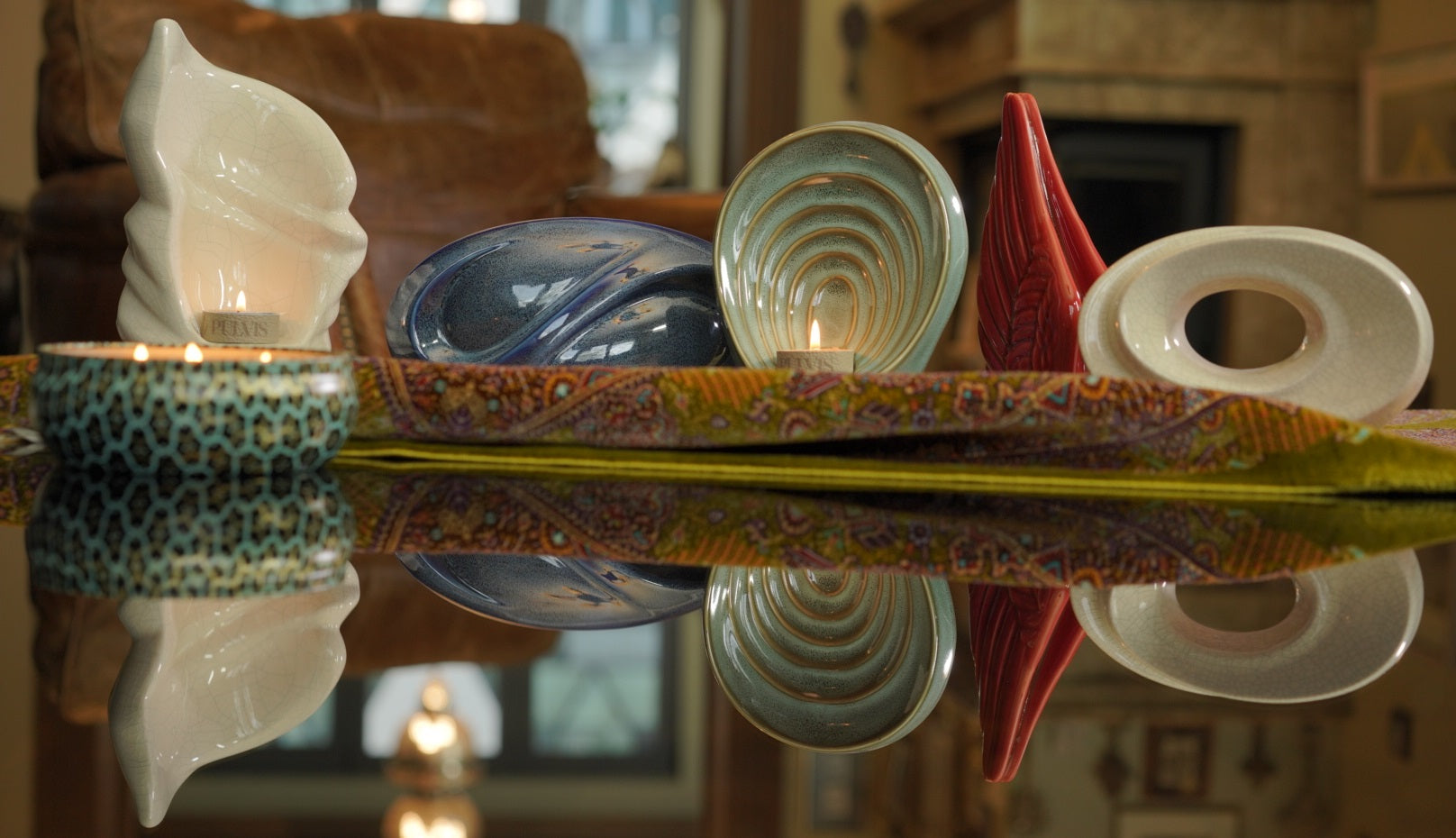
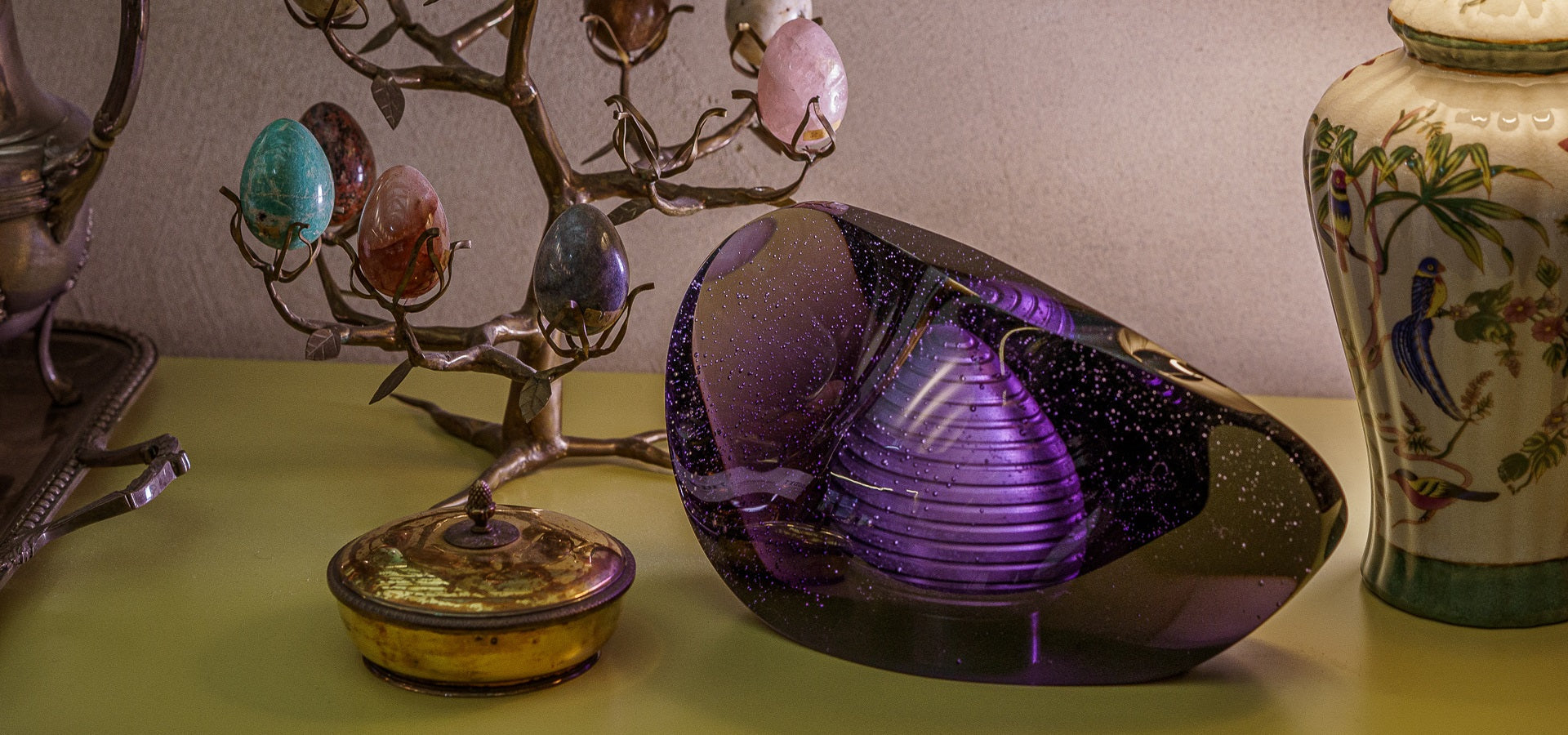
If remains are kept in a highly humid environment or a cheap, non-airtight container, they can absorb microscopic water droplets. Over decades, this leads to "clumping," where the fine powder sticks together into larger masses. Transitioning remains to a hand-crafted art urn from Pulvis acts as a permanent shield; high-fired ceramics are non-porous and do not allow moisture to seep through the walls of the vessel, keeping the remains dry and free-flowing for centuries.
If you were to compare the remains of ten different individuals, you would likely see ten different shades. These variations are a final "biological fingerprint" of the deceased, influenced by life habits, health, and the cremation process itself.
The most common driver of color variation is the efficiency of the thermal reduction:
White and Light Grey: This indicates a very efficient, high-temperature cremation where almost all carbon has been oxidized and removed.
Dark Grey or Black: This suggests a higher concentration of residual carbon. This isn't a sign of poor quality, but rather a reflection of the specific oxygen flow in the retort or the natural density of the person’s bone structure, which may shield some carbon from total oxidation.
Modern pharmacology has a direct impact on the color of remains. Patients who underwent extensive chemotherapy or were on heavy-metal-based medications (such as iron, copper, or bismuth supplements) may have remains with a subtle blue, green, or orange tint. These metallic elements do not vaporize at the same rate as organic tissue, leaving behind a colorful mineral signature in the bone fragments.
The environment inside the cremation chamber also contributes. Even though pacemakers are removed, smaller surgical pins, dental fillings, or titanium hip replacements stay in the chamber. As these metals oxidize at high heat, they can release microscopic "smoke" or ions that stain the bone fragments. Furthermore, minerals in the casket wood or the dyes in the fabric lining can contribute to a cream, tan, or even yellowish hue in the final remains.
A frequent source of confusion for families is the volume of remains. The general rule of thumb is that one pound of body weight equals one cubic inch of remains. However, it is vital to understand that this is based on skeletal weight, not total mass.
Since "cremains" are the reduction of the skeleton, a tall person with a large frame will produce more ashes than a shorter person, regardless of their weight at the time of passing. When selecting a memorial, it is always safer to choose a standard-sized urn (usually 200 cubic inches) to ensure all remains fit comfortably.

If you decide to move or travel with remains that have been in an urn for many years, there are strict 2026 regulations to follow:
The TSA Rule: If flying, the urn must be made of a "scannable" material like ceramic, wood, or glass. Metal urns often fail X-ray checks because security agents cannot see through the lead or heavy steel. Pulvis ceramic urns are ideal for travel as they are X-ray transparent.

International Transport: Even if the ashes are 30 years old, they are legally considered human remains. Most airlines and countries require a copy of the Death Certificate and the Cremation Certificate to be kept with the urn.
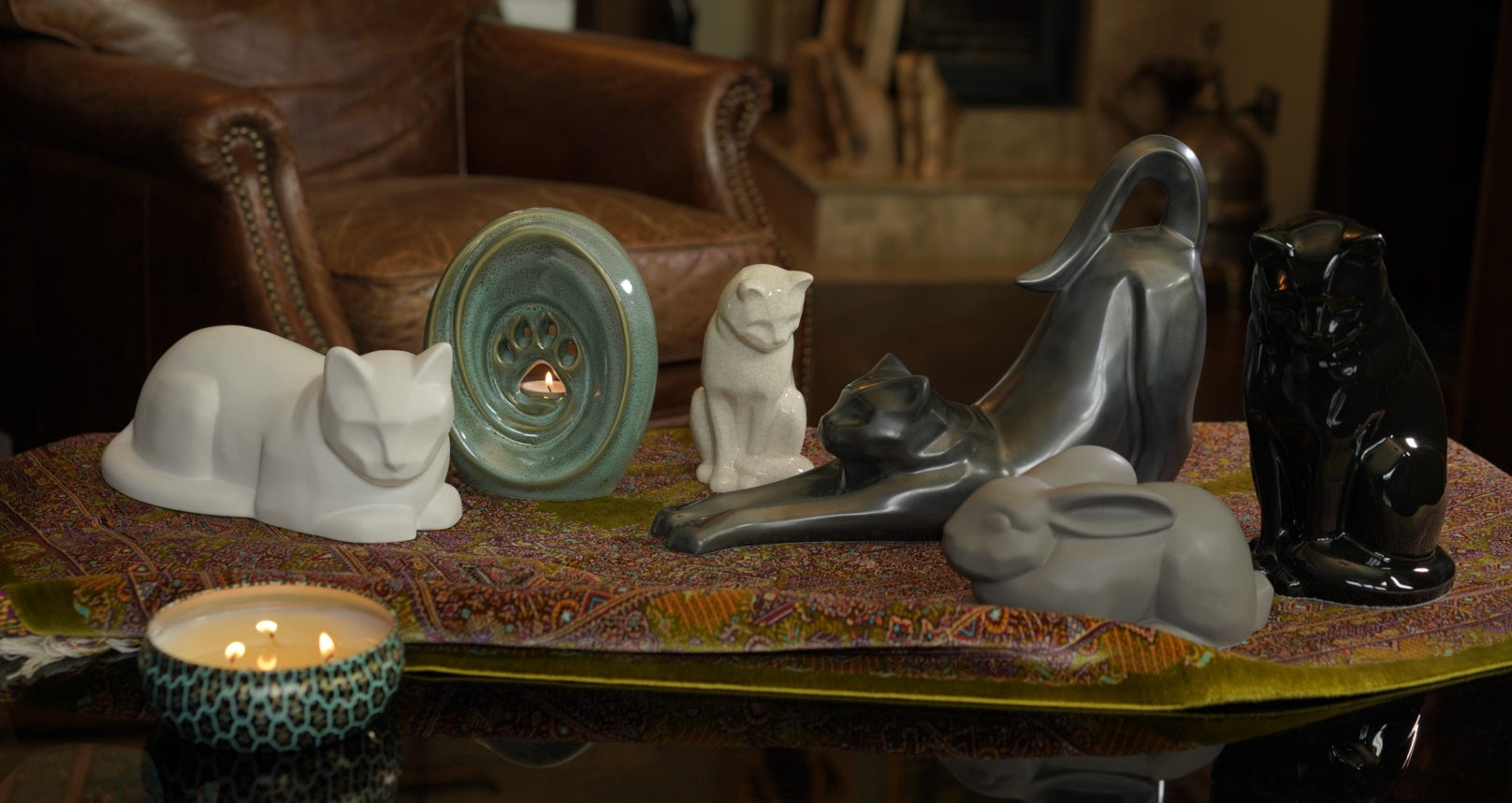
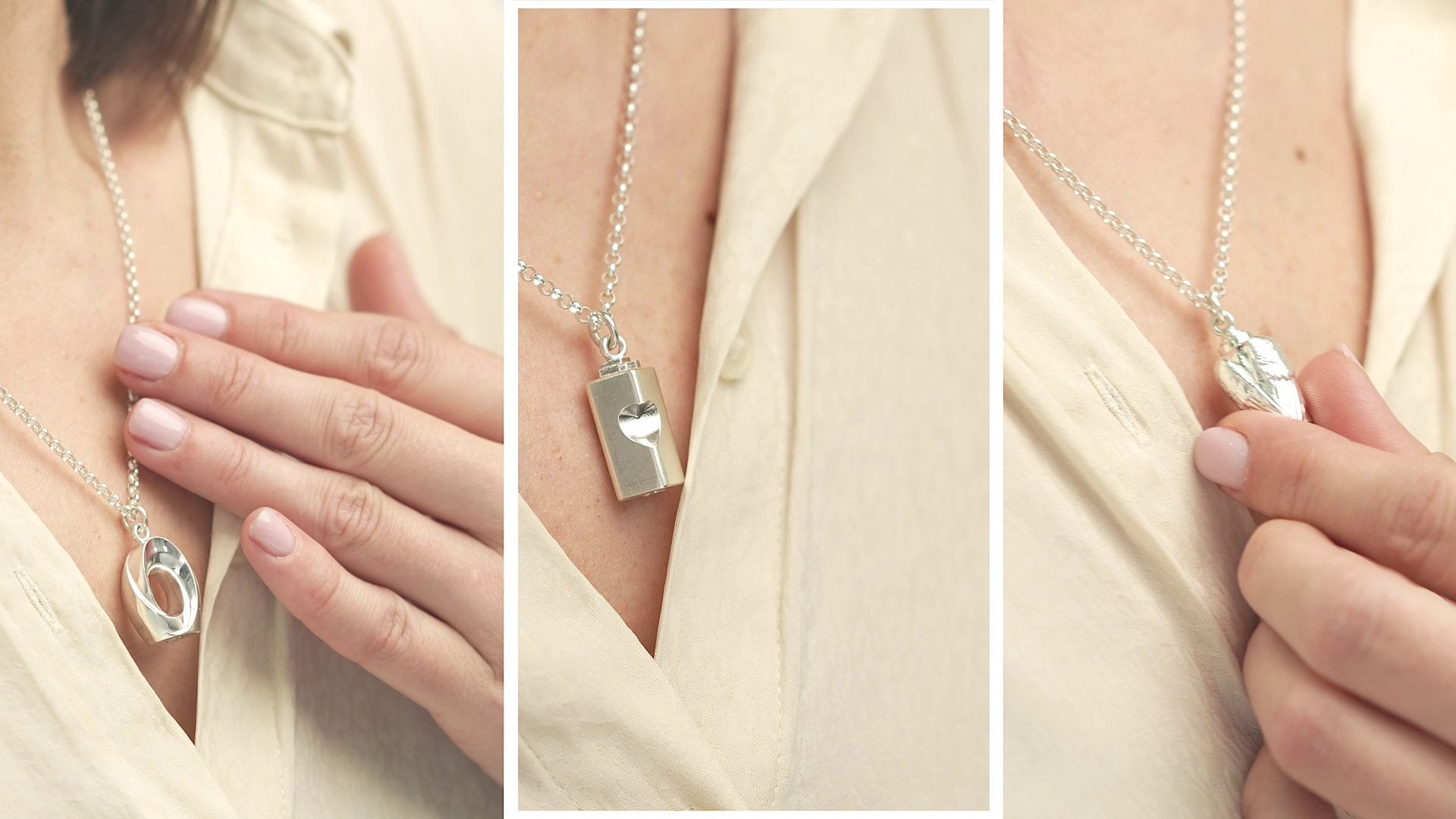
Because ashes do not expire, they can be divided and shared decades after the cremation. As families grow and move across the globe, small keepsake urns allow every child or grandchild to hold a piece of family history. These small vessels are designed to hold a symbolic amount of remains, ensuring the legacy is shared rather than concentrated in a single location.

Cremation ashes are a mineral testament to a person’s existence—stable, sterile, and enduring. They represent the elemental foundation of a memory. By housing these remains in a premium art urn from Pulvis, you are protecting them from the elements and ensuring their physical presence remains as dignified as the memory of the person themselves.

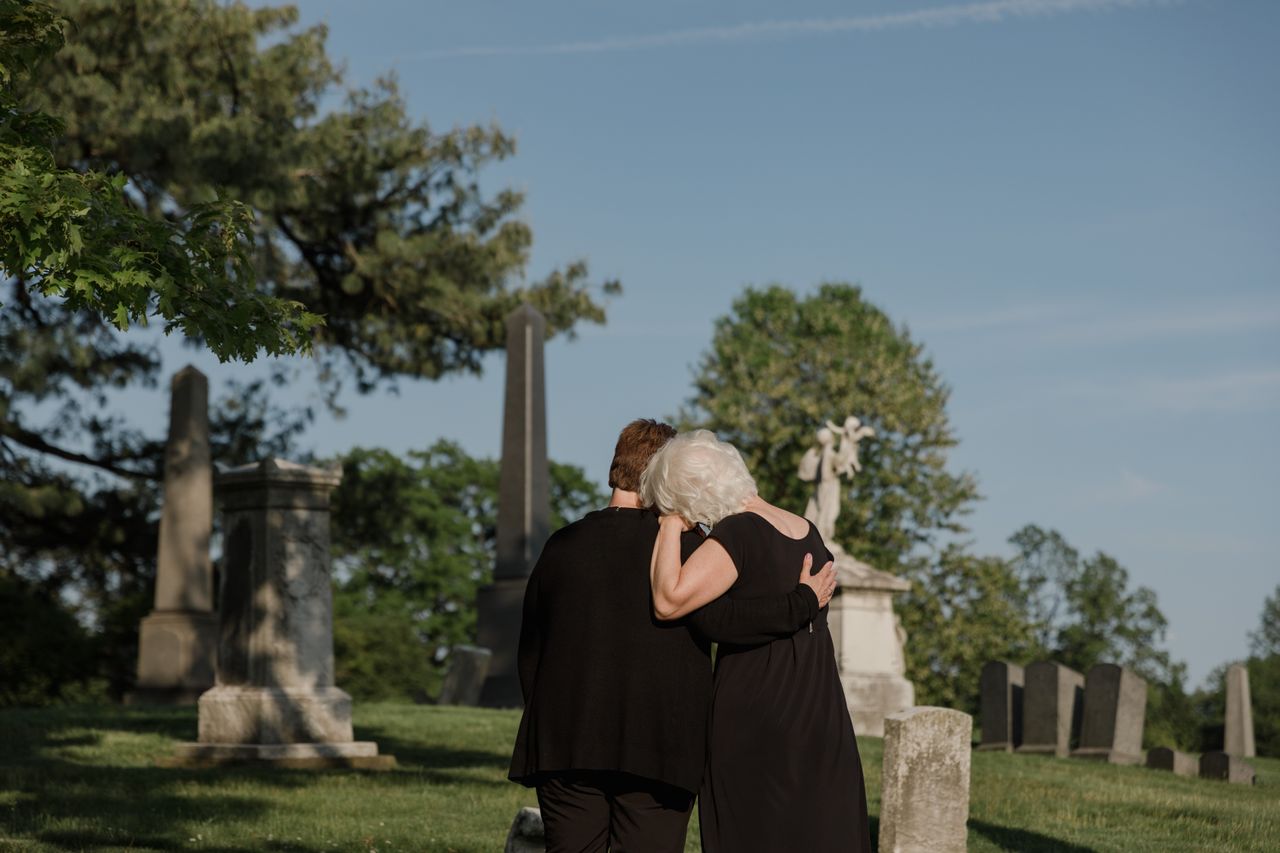
Ways to Honour a Loved One Without Visiting a Cemetery
Honouring a loved one doesn't have to be limited to visiting a cemetery. Discover meaningful and heartfelt ways to celebrate their life through personal traditions, living memorials, keepsakes, charitable acts and beautiful remembrance ideas that keep their memory alive every day.
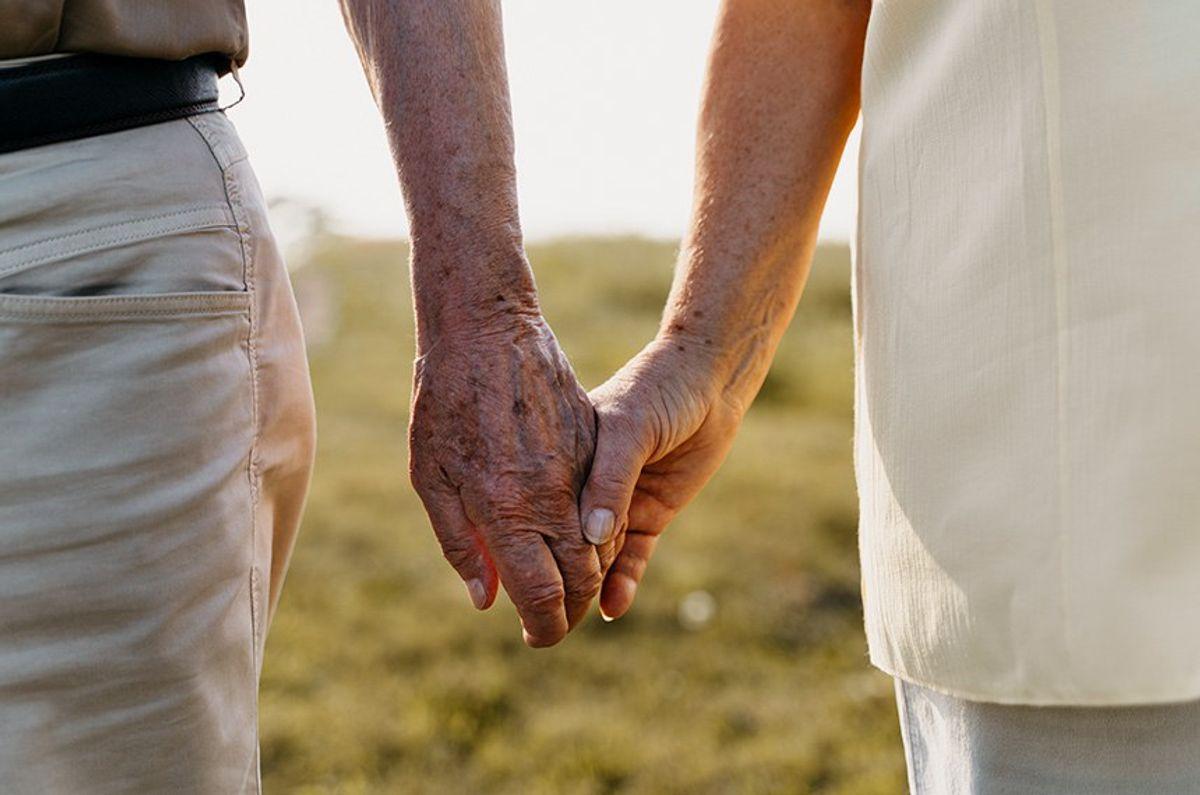
The Emotional Weight of “Lasts”: The Last Conversation, Last Hug, Last Goodbye
The last conversation, last hug, and last goodbye are some of the most emotionally powerful experiences a person can carry. These final moments transform ordinary interactions into lifelong memories, revealing the depth of love, connection, grief, and human attachment. This article explores why we remember final moments so vividly, how they shape the way we process loss, and why appreciating everyday connections matters before they become memories.
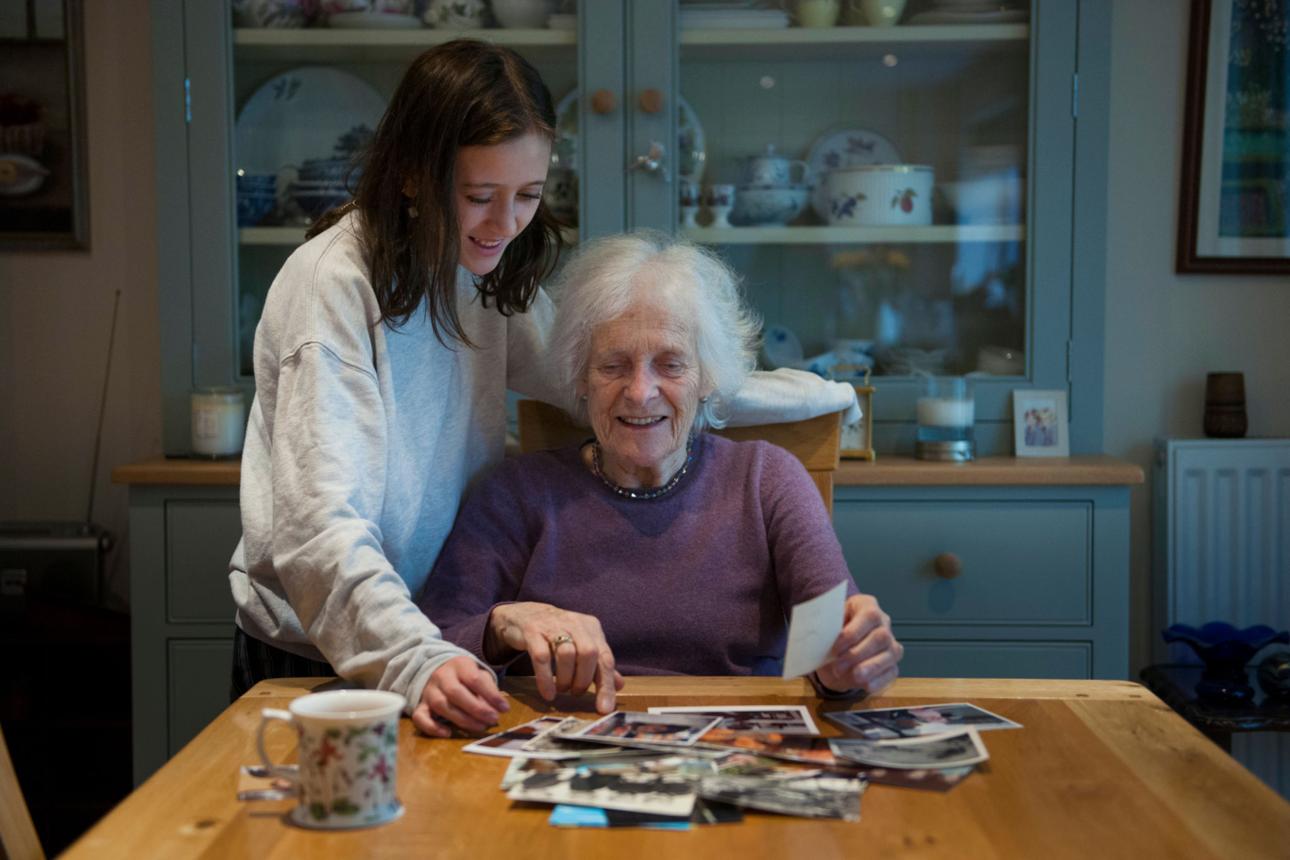
The First Holiday Without Someone: Why It Feels So Different
The first holiday after losing someone we love can feel completely different from any celebration before it. The traditions remain, the decorations appear, and families gather together, but the absence of one important person changes everything. This article explores why holidays intensify grief, how memories are triggered through traditions and senses, and how families learn to honour loved ones while creating new ways to remember.
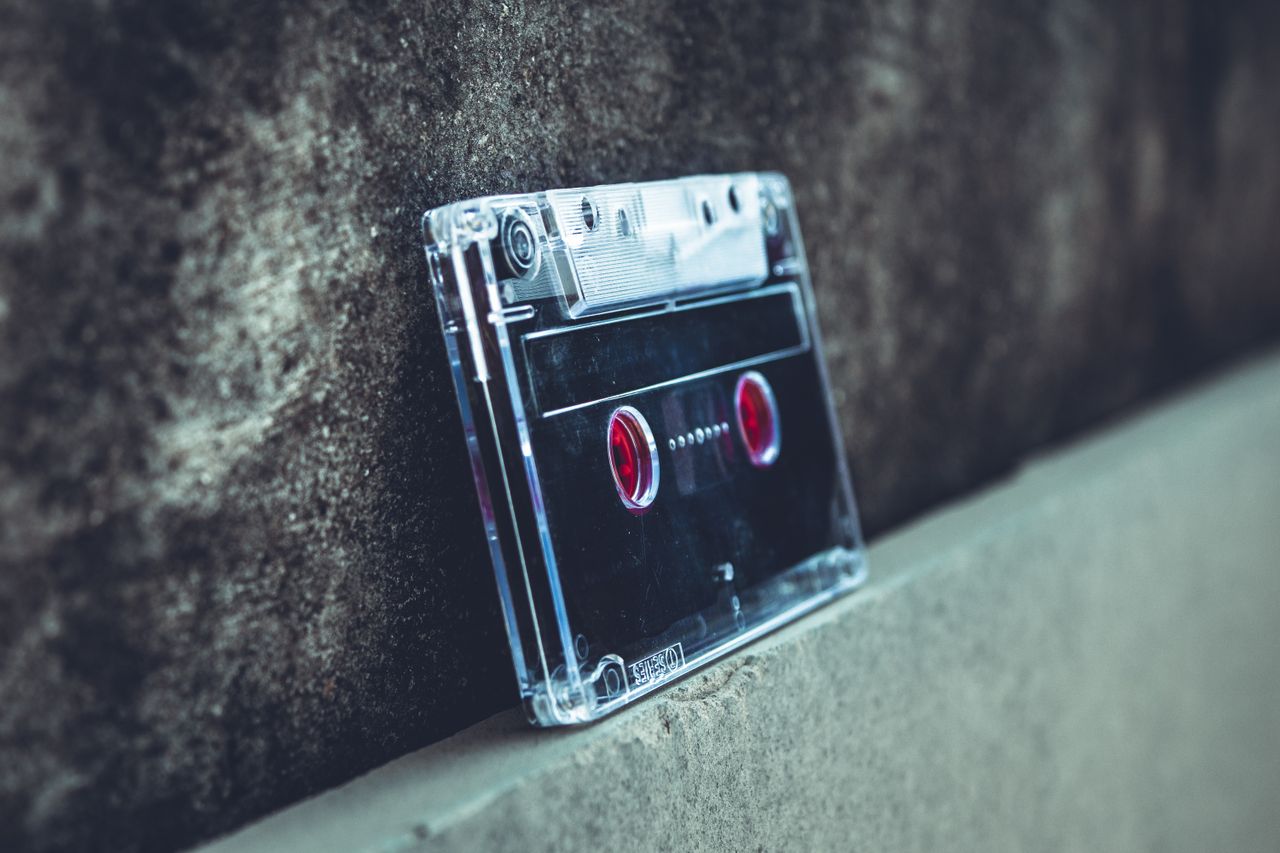
Discover why everyday sounds can become powerful reminders of the people we love. From familiar voices and favourite songs to simple household noises, sound has the ability to preserve memories, awaken emotions, and maintain a connection with those who are no longer physically present.
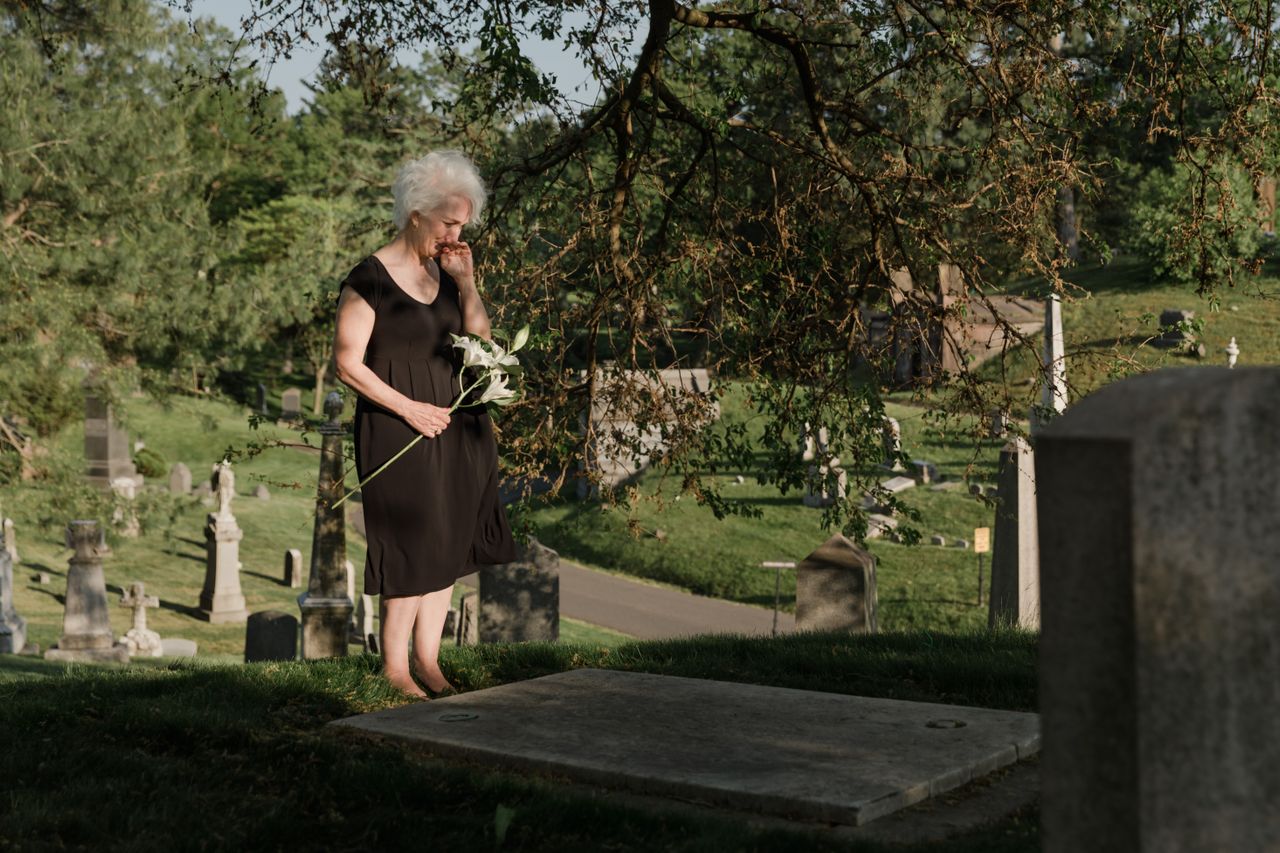
After losing someone we love, ordinary belongings can become some of the most meaningful reminders of their life. A favourite sweater, handwritten note, piece of jewellery, or family recipe can carry memories, emotions, and a sense of connection that goes far beyond the object itself. This article explores why we keep the things left behind, the psychology behind emotional attachment to personal belongings, and how these objects help us preserve love, identity, and family stories after loss.
Share:
Should You Choose a Keepsake Urn or Full-Size Urn?
Geometry of Grief: A Research Guide to Cremation, Art, and the Psychology of Presence