
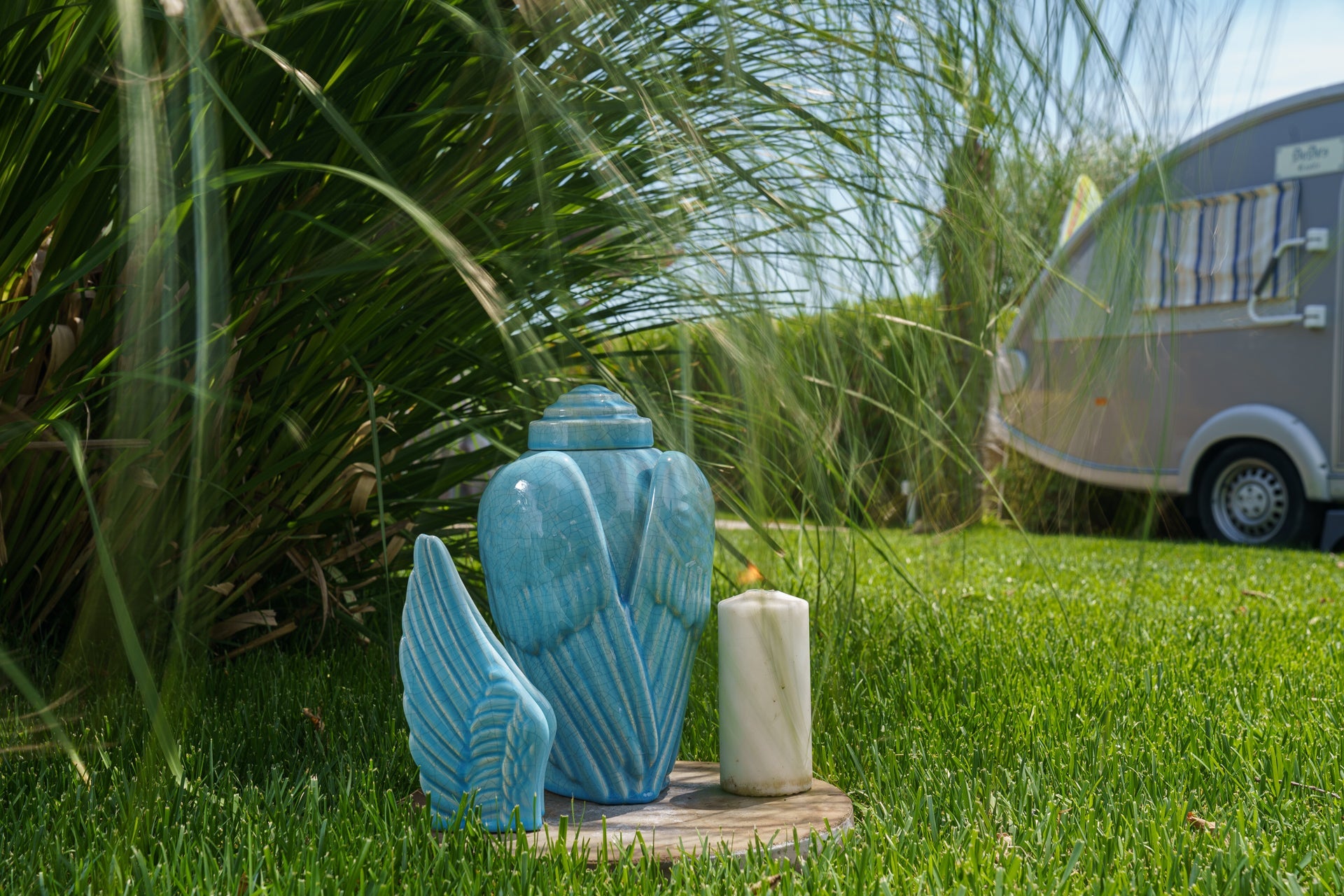
Talking about the cremation process can be uncomfortable, confusing, and emotionally difficult. But it doesn’t need to be that way! The more you learn about the process, the more comfortable and confident you can become in knowing that cremation is the right choice for you and/or your loved ones.
“Do cremation ashes go bad?” This is one of the most common questions that people are afraid to ask. Take a look as we clear up concerns about what happens to cremation ashes over the years.
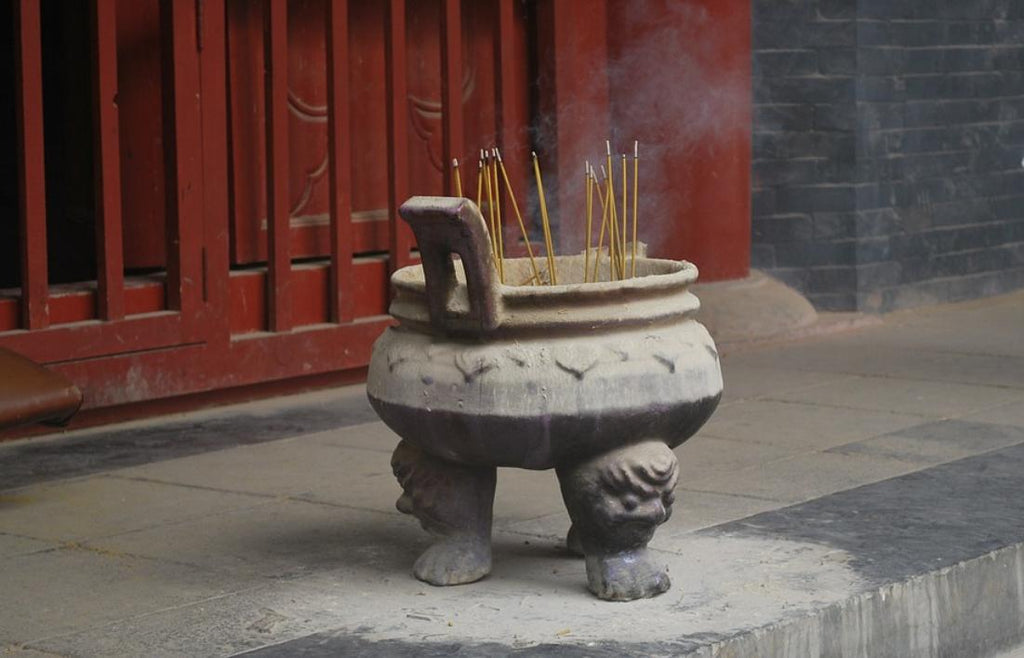
To understand what happens to cremation ashes over the years, it’s best to have a grasp of what they are made of. The cremation process breaks down all the organs, tissue, and carbon-based matter that exists as part of the body, leaving behind pulverized bone fragments and ash that somewhat resembles coarse sand. Because of the composition, cremation ashes are not biodegradable, meaning they can’t really be broken down further the way that organic materials can be.
So if all organic materials are destroyed, what actually happens to cremation ashes over time? Well, not much. Cremation ashes are similar to sand, gravel, or rock fragments in that they aren’t really altered much with age and can’t really ‘go bad’ in the traditional sense.
Another point to consider is that cremation ashes are usually stored in a cool, dark place, carefully sealed away and protected from contamination. This means that the chance of another component getting mixed into the ashes is highly unlikely.
With that said, it is possible that humidity and moisture may alter the feel of cremation ashes over time, causing small clumps to form. Though this can change the consistency of the cremation ashes, it doesn’t actually change the composition of the ashes themselves.

Many families choose to scatter the ashes of a loved one in a place that carries a special meaning, like a favorite park, field or lake. Because humidity can cause the consistency of cremated ashes to change over the decades, it’s best to scatter ashes that are still fine and haven’t yet formed clumps.
With that said, it’s important to remember that ashes don’t actually ‘go bad’ so it’s never too late to coordinate a memorial service to scatter or bury cremated ashes – even if they’ve been kept at home in an urn for several years.
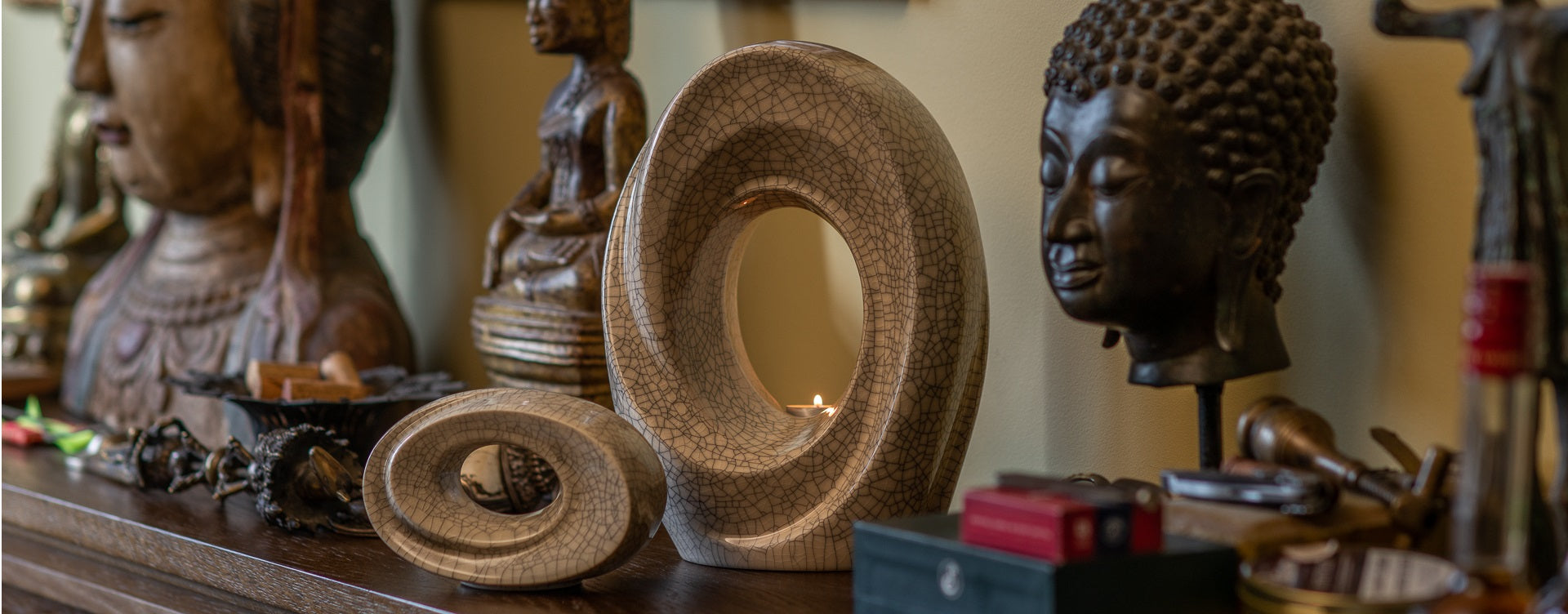
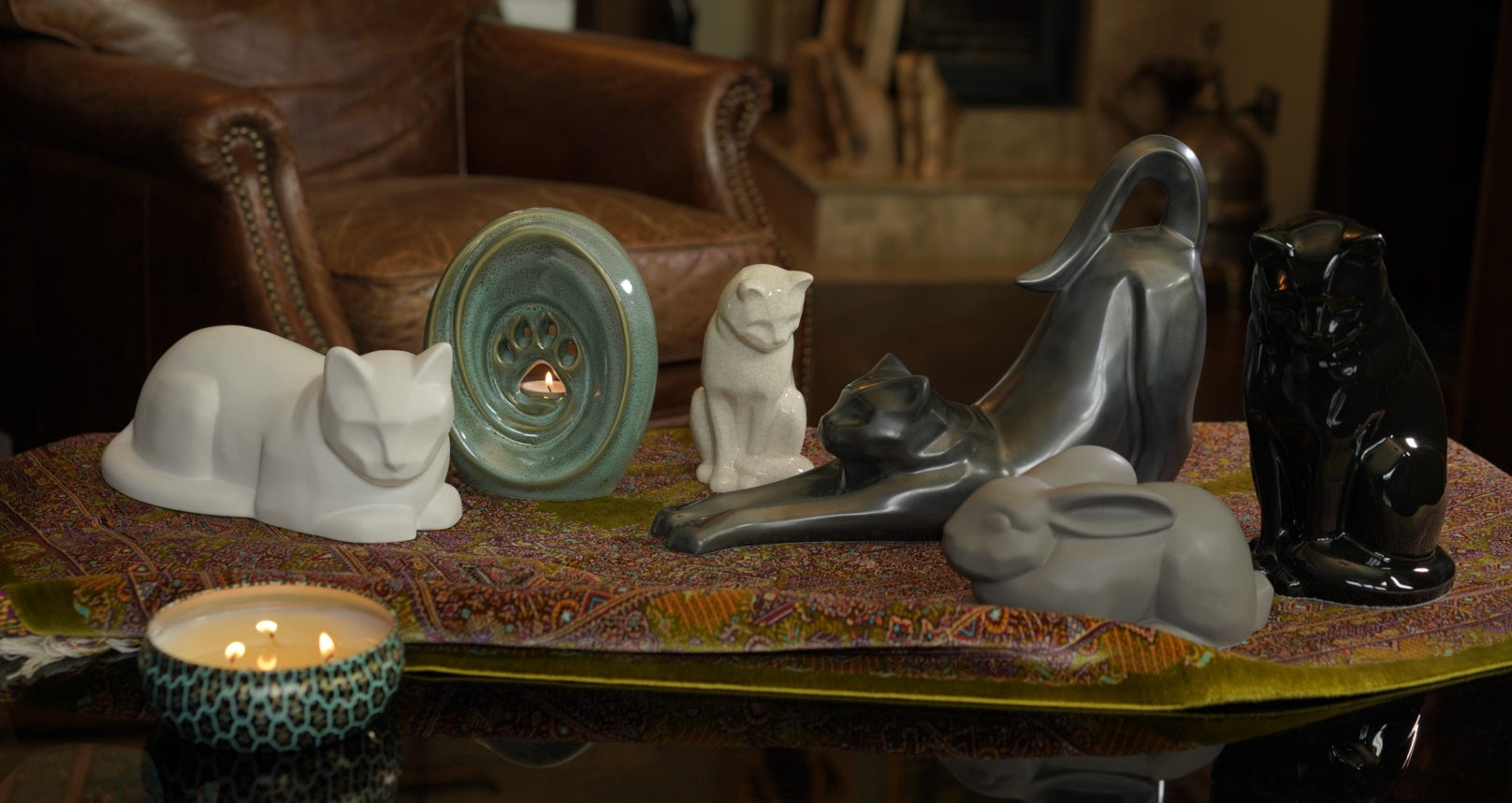
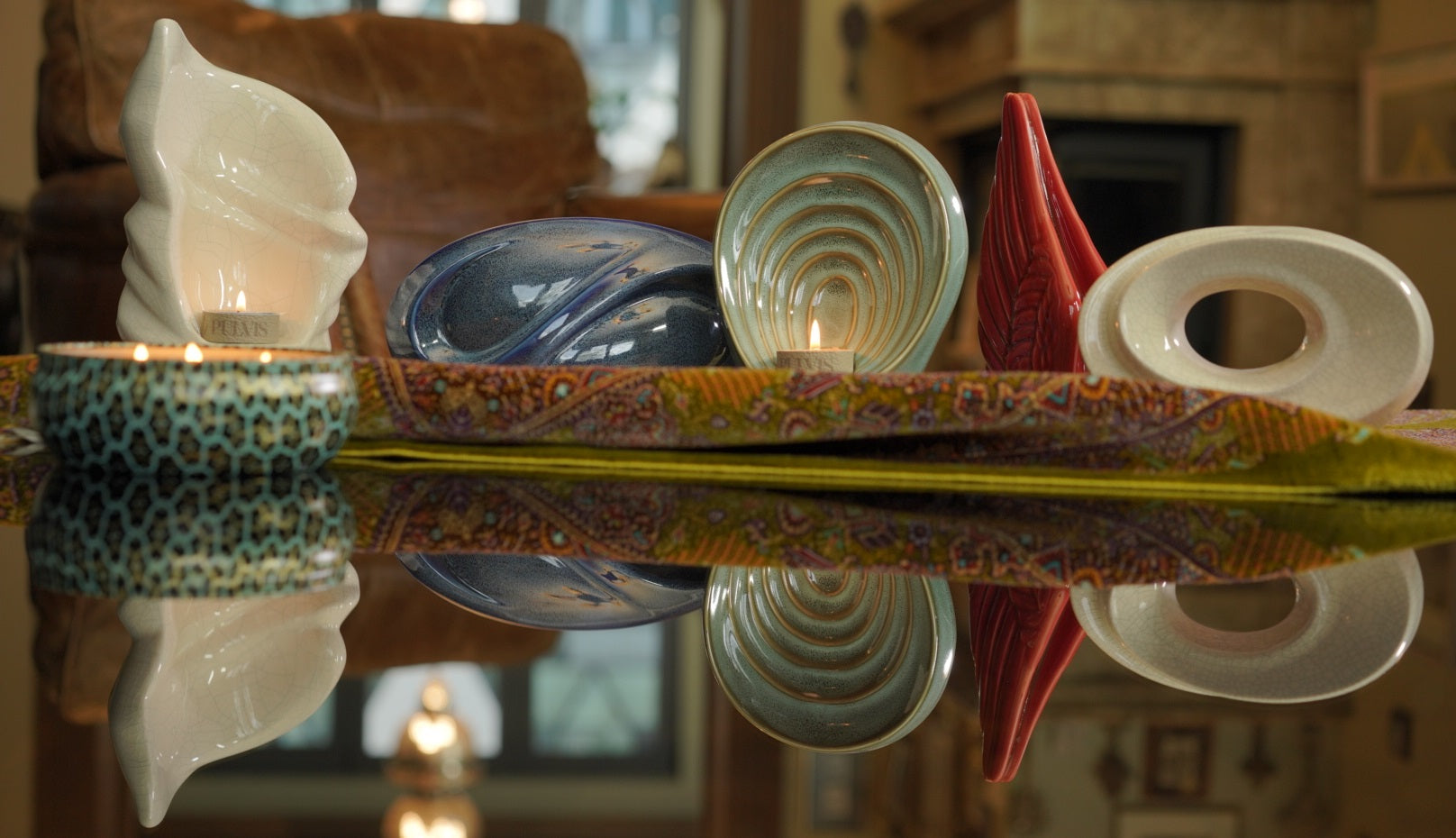
Because cremation ashes are capable of lasting hundreds of years – especially when kept sealed away in a protective vessel, cremation urns for ashes are designed to last several generations. Ceramic urns, in particular, are more protective than handmade urns made of biodegradable materials like wood, which can let in humidity and moisture over time.
 Ceramic cremation urns provide a practical – and beautiful – option for keeping ashes at home for years. Plus, handcrafted urns provide the perfect way to pass down the ashes to children and grandchildren so that deceased loved ones are never forgotten. Because of the longevity of cremation ashes, the legacy of long-gone family members can be remembered for many generations to come.
Be sure to consider high-quality artisan cremation urns for ashes that celebrate the individual’s life with beauty and sincerity with a stunning design – especially if you plan on keeping urns for ashes at home with the intention of keeping them within the family.
------------------
Our Affiliate Program is now available. at https://www.pulvisurns.com/pages/affiliate-program-by-pulvis-art-urns
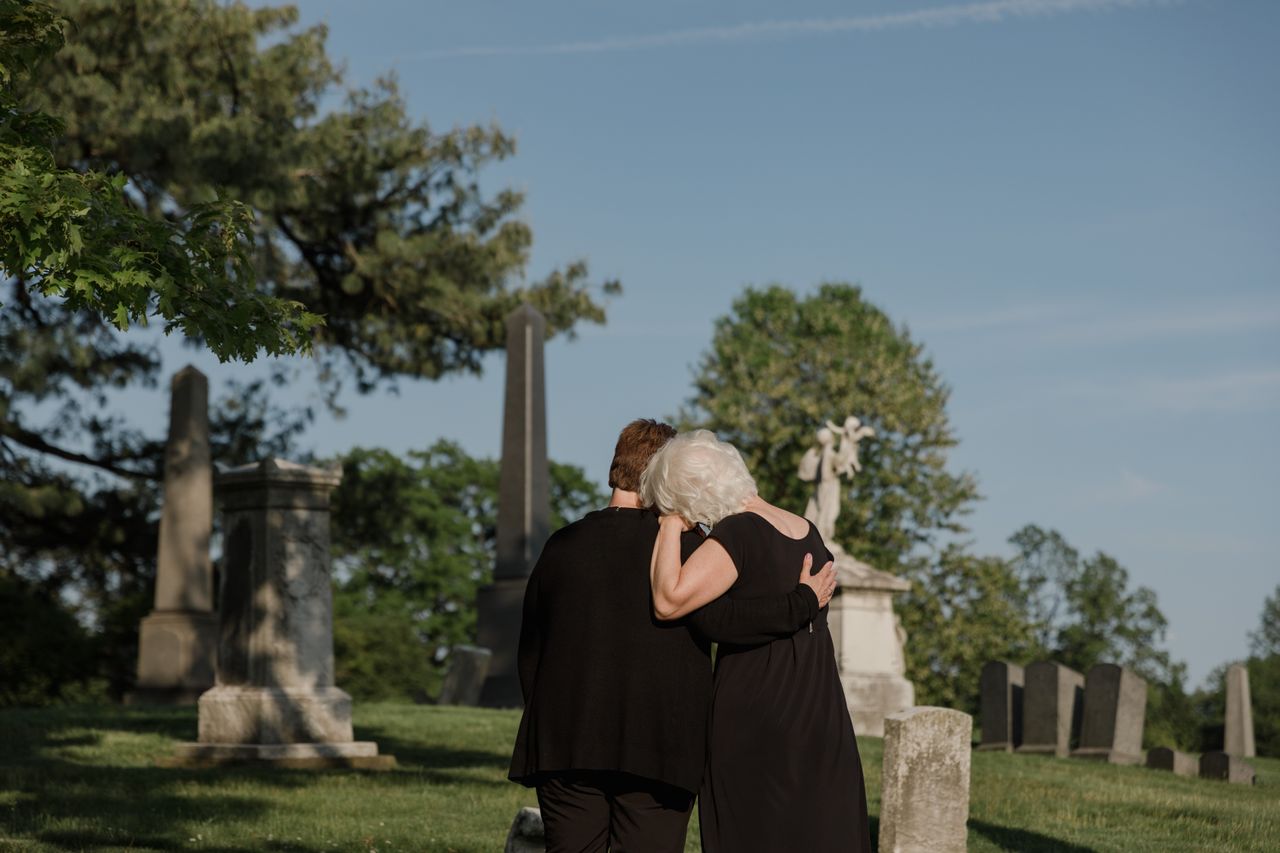
Ways to Honour a Loved One Without Visiting a Cemetery
Honouring a loved one doesn't have to be limited to visiting a cemetery. Discover meaningful and heartfelt ways to celebrate their life through personal traditions, living memorials, keepsakes, charitable acts and beautiful remembrance ideas that keep their memory alive every day.
The Emotional Weight of “Lasts”: The Last Conversation, Last Hug, Last Goodbye
The last conversation, last hug, and last goodbye are some of the most emotionally powerful experiences a person can carry. These final moments transform ordinary interactions into lifelong memories, revealing the depth of love, connection, grief, and human attachment. This article explores why we remember final moments so vividly, how they shape the way we process loss, and why appreciating everyday connections matters before they become memories.
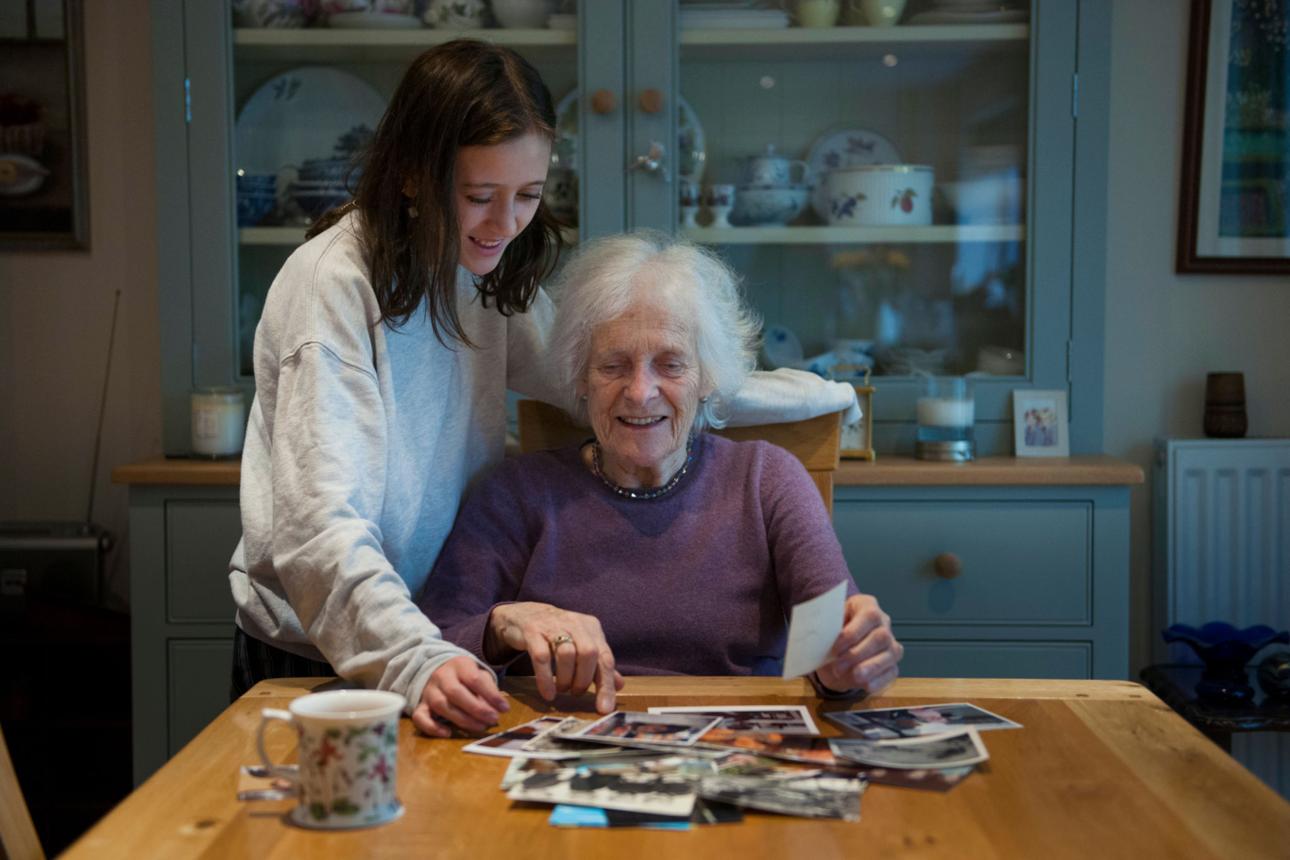
The First Holiday Without Someone: Why It Feels So Different
The first holiday after losing someone we love can feel completely different from any celebration before it. The traditions remain, the decorations appear, and families gather together, but the absence of one important person changes everything. This article explores why holidays intensify grief, how memories are triggered through traditions and senses, and how families learn to honour loved ones while creating new ways to remember.
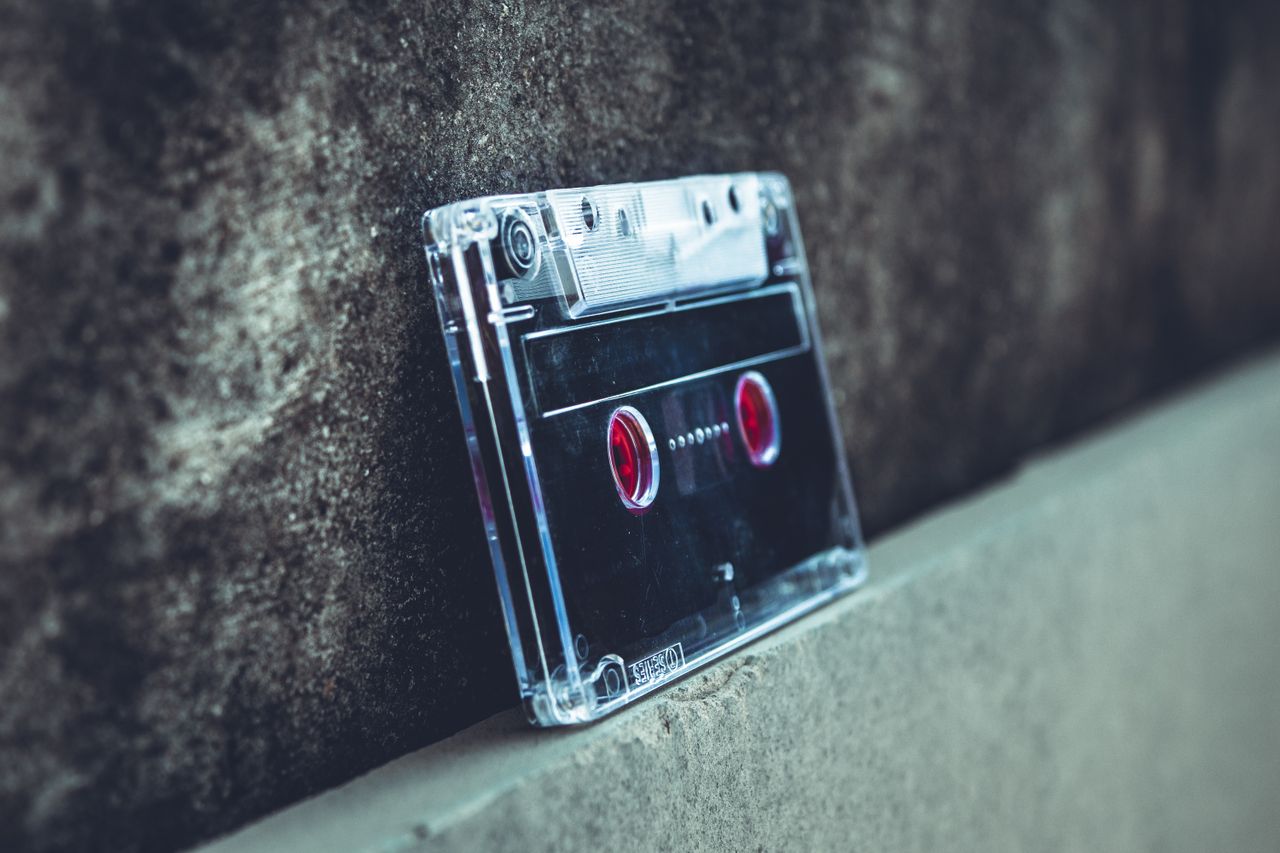
Discover why everyday sounds can become powerful reminders of the people we love. From familiar voices and favourite songs to simple household noises, sound has the ability to preserve memories, awaken emotions, and maintain a connection with those who are no longer physically present.
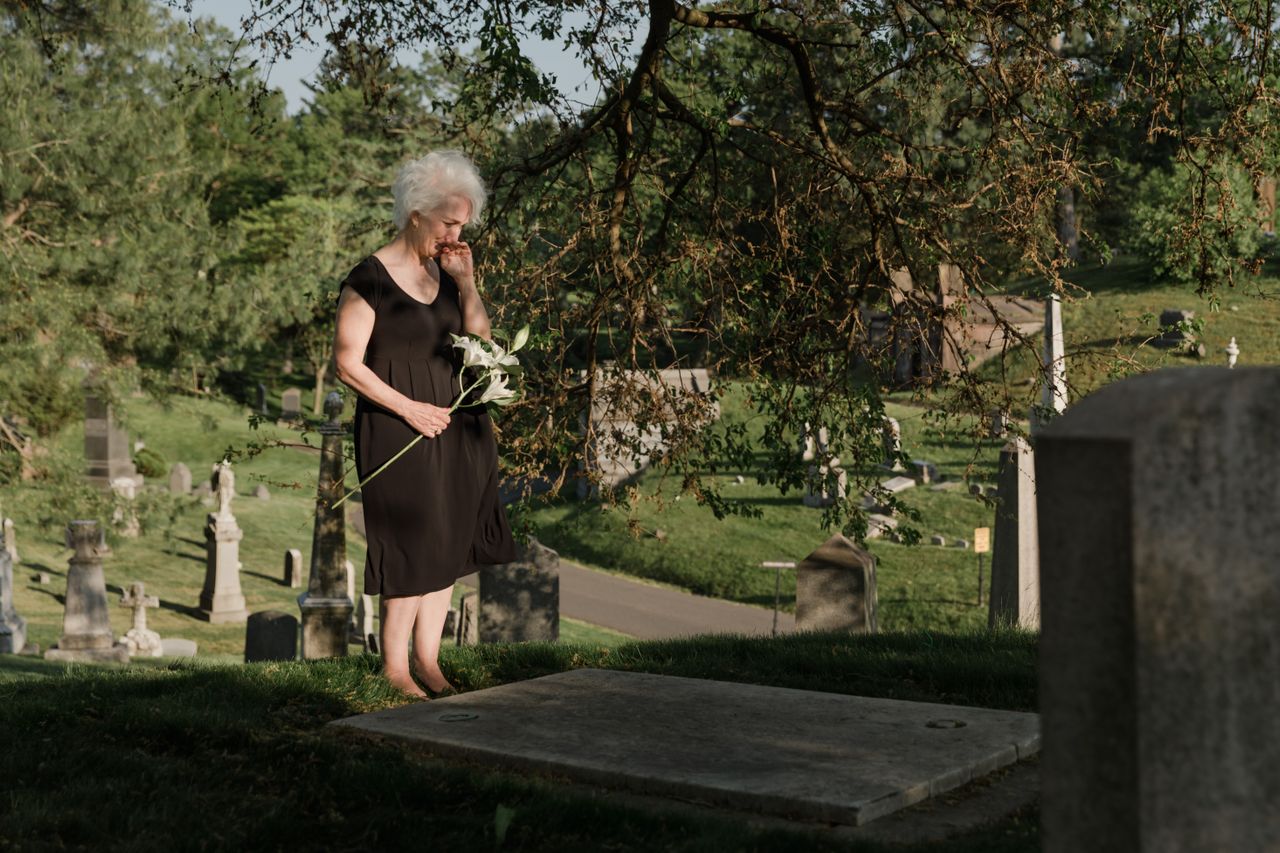
After losing someone we love, ordinary belongings can become some of the most meaningful reminders of their life. A favourite sweater, handwritten note, piece of jewellery, or family recipe can carry memories, emotions, and a sense of connection that goes far beyond the object itself. This article explores why we keep the things left behind, the psychology behind emotional attachment to personal belongings, and how these objects help us preserve love, identity, and family stories after loss.
Share:
How to Prepare for a Cremation Ceremony Reference Guide
15 Reasons Why People Are Choosing Cremation in 2023