

Cremation trends vary from state to state – and so do the laws governing cremation practices. Learn everything you need to know about cremation services in California, including cost estimates, where to find cremation urns for ashes, and local rules to keep in consideration.
Most people are aware that cremation is becoming more and more commonplace nationwide. According to CANA, the cremation rate is projected to reach 64.1% in the US and 81.8% in Canada by 2025. But even in a place like California – where cremation has been the preferred choice for decades – this option still sees significant growth each year. California tends to be ahead of the national curve, with an estimated 68% of deaths resulting in cremation as the method of disposition this year.

Because cremation is so popular, resources are abundant in the Golden State. In fact, California is the state with the most registered crematories available for assistance, with a whopping 227 crematories. Compare that with surrounding states – 67 in Oregon, 57 in Arizona, 26 in Nevada, and 17 in Utah.
As with everything else, cremation services are higher in California than the rest of the US, and the cost varies by metropolitan district. With that said, cremation remains significantly more affordable than traditional burial services. Here are the average costs for direct cremation by city.
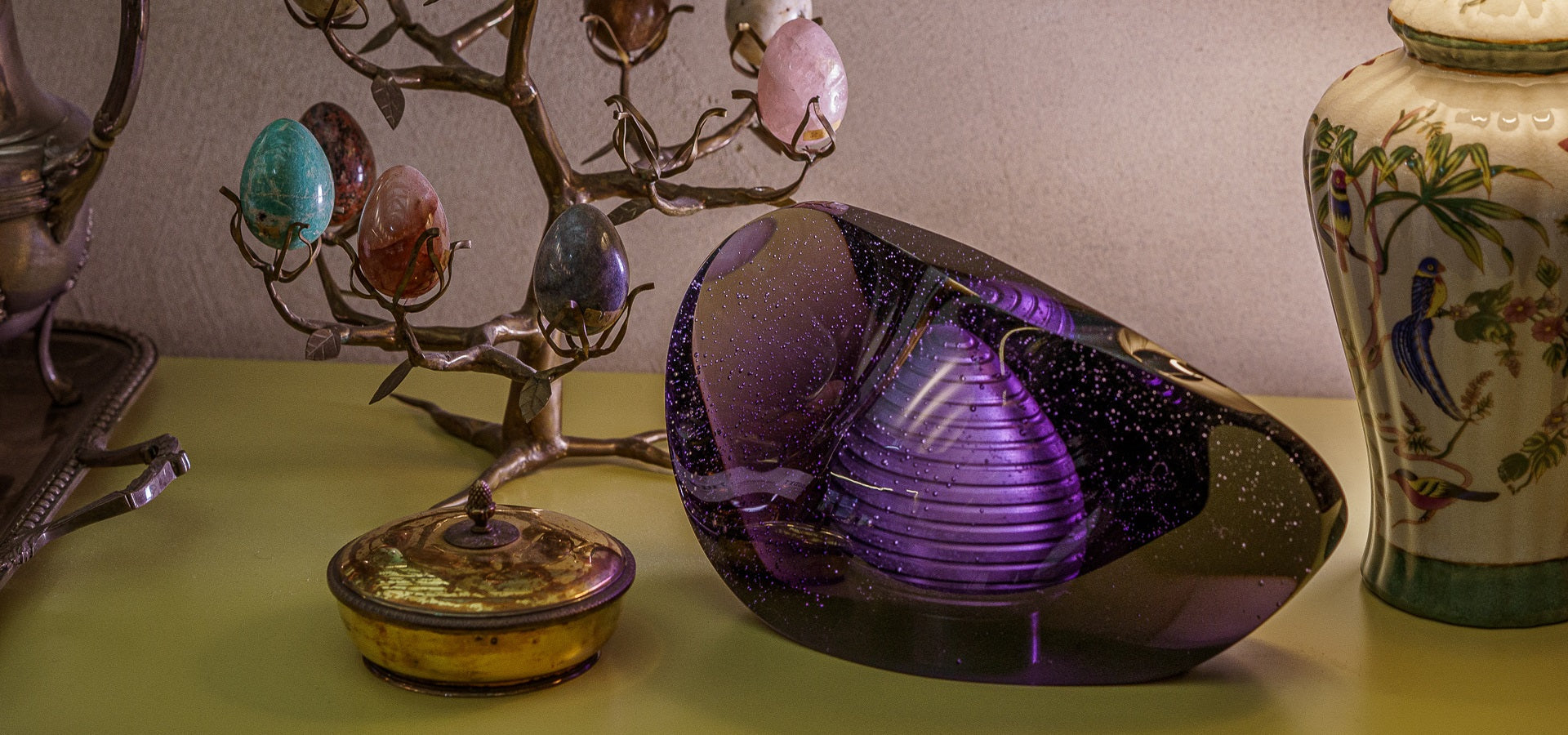
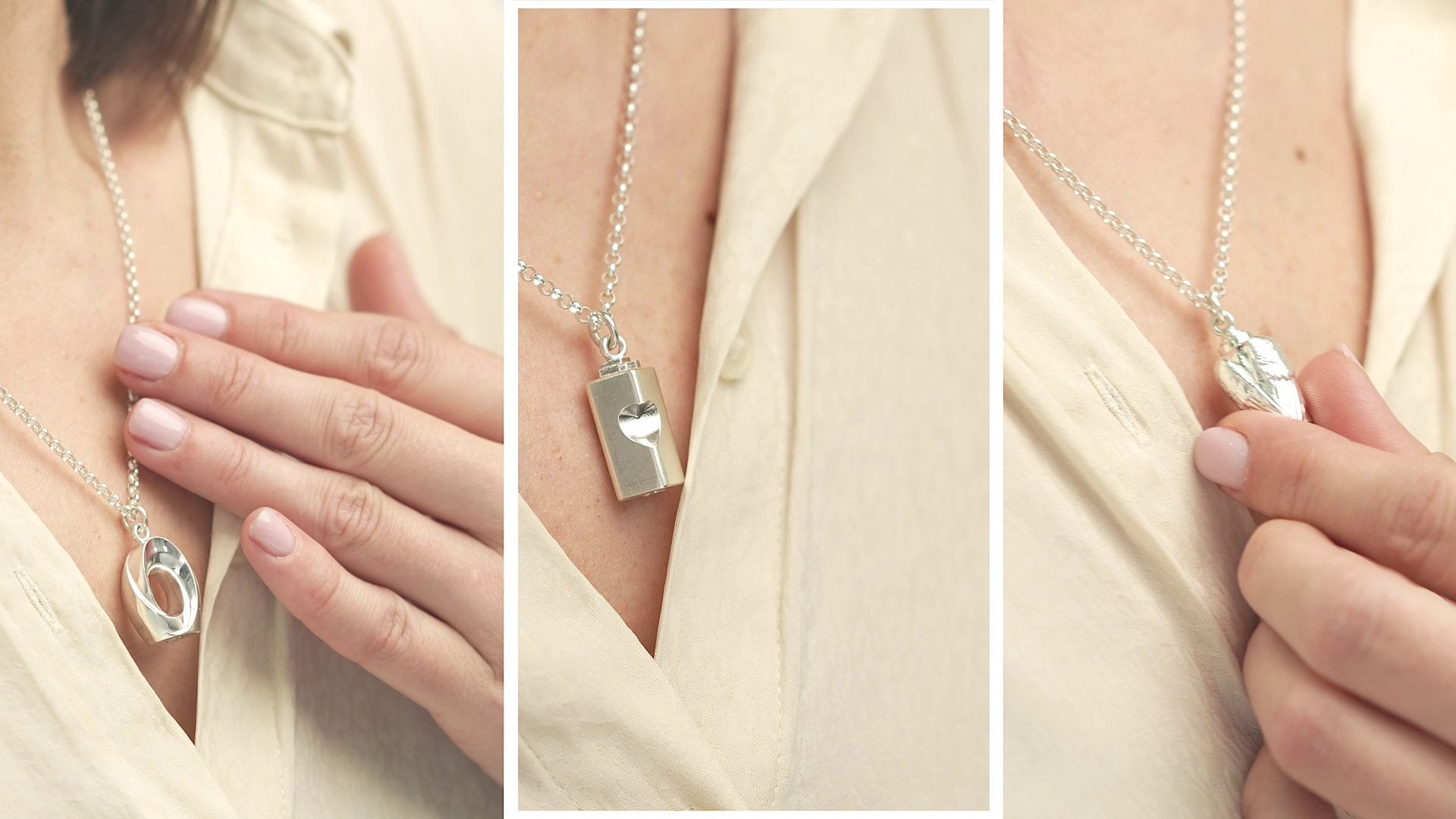
Remember, these are average costs and much lower cremation services can be found by shopping around locally. It’s also important to budget for cremation urns for ashes or keepsakes for ashes, which are optional depending on what you choose to do with the ashes post-cremation.
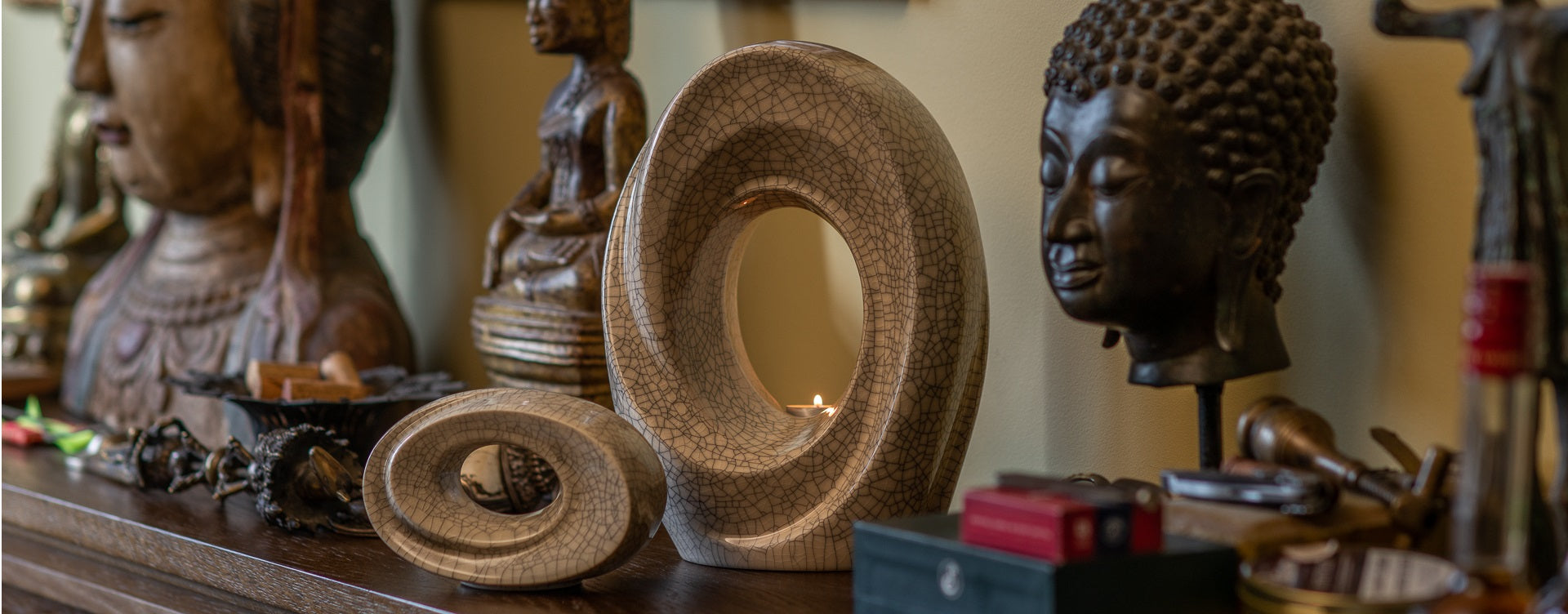
While cremation burial and columbarium storage are alternative options, these will involve additional costs. Instead of burial, many people simply prefer to have personal tokens so that they can keep cremation urns at home as part of a remembrance shrine or memorial.

Here are a few laws to consider when planning a cremation in the state of California.
Securing a Death Certificate – A signed death certificate must be submitted before a cremation is authorized to take place. If you were not able to secure a copy of the death certificate when it was first issued, you can request a copy by mail from the California Department of Public Health. For standard cases, you can expect to receive the ashes back in 7-10 days, so keep this in mind when planning memorial services.
In addition to the death certificate, you must have a California cremation permit from the county in which the cremation will take place. Most cremation providers can and will assist with this process.
Learn more details about the cremation laws in USA here: CREMATION LAWS IN THE USA - ALL STATES
Some families may choose to bury the cremation ashes. While a traditional casket is not required by California law, the cemetery itself may have rules concerning the type of cremation urns considered acceptable.

Because of its popularity, California has no shortage of cremation service providers. This is a huge advantage, as families can take the time to find the cremation urns, services, and memorial arrangements right for them.

California Cremation has staff available 24/7 to assist in the process, while Oceanview Cremations and Bay Area Cremation Society are resources available in the San Jose area. And if you like to arrange things digitally, Tulip Cremation offers online services that make cremation planning more convenient.
------------------
Our Affiliate Program is now available. at https://www.pulvisurns.com/pages/affiliate-program-by-pulvis-art-urns
Ways to Honour a Loved One Without Visiting a Cemetery
Honouring a loved one doesn't have to be limited to visiting a cemetery. Discover meaningful and heartfelt ways to celebrate their life through personal traditions, living memorials, keepsakes, charitable acts and beautiful remembrance ideas that keep their memory alive every day.
The Emotional Weight of “Lasts”: The Last Conversation, Last Hug, Last Goodbye
The last conversation, last hug, and last goodbye are some of the most emotionally powerful experiences a person can carry. These final moments transform ordinary interactions into lifelong memories, revealing the depth of love, connection, grief, and human attachment. This article explores why we remember final moments so vividly, how they shape the way we process loss, and why appreciating everyday connections matters before they become memories.
The First Holiday Without Someone: Why It Feels So Different
The first holiday after losing someone we love can feel completely different from any celebration before it. The traditions remain, the decorations appear, and families gather together, but the absence of one important person changes everything. This article explores why holidays intensify grief, how memories are triggered through traditions and senses, and how families learn to honour loved ones while creating new ways to remember.
Discover why everyday sounds can become powerful reminders of the people we love. From familiar voices and favourite songs to simple household noises, sound has the ability to preserve memories, awaken emotions, and maintain a connection with those who are no longer physically present.
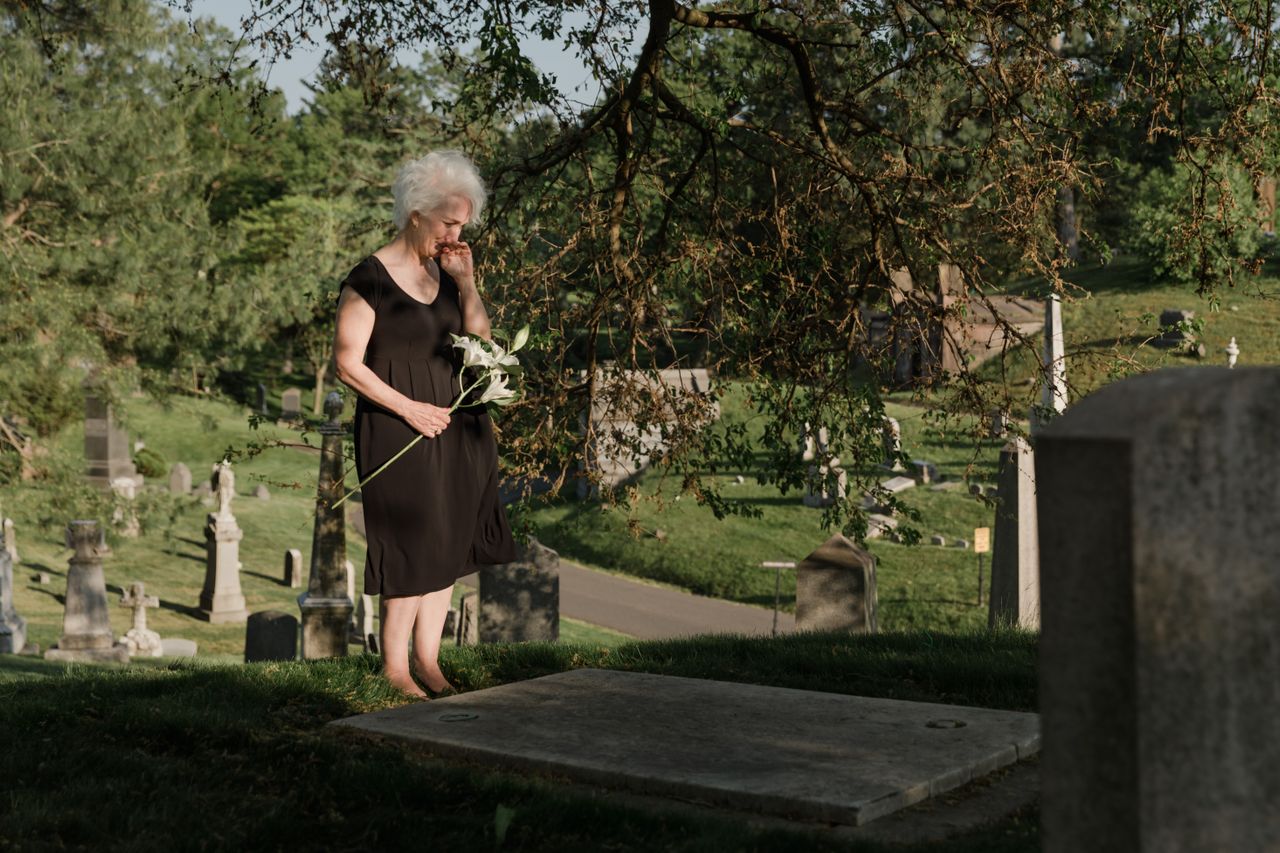
After losing someone we love, ordinary belongings can become some of the most meaningful reminders of their life. A favourite sweater, handwritten note, piece of jewellery, or family recipe can carry memories, emotions, and a sense of connection that goes far beyond the object itself. This article explores why we keep the things left behind, the psychology behind emotional attachment to personal belongings, and how these objects help us preserve love, identity, and family stories after loss.
Share:
Cremation Costs Breakdown: All You Need to Know
Your Complete Guide to Cremation Urns For Ashes