
Faith often plays an essential role in grieving, accepting, and healing after the trauma of losing a loved one. For those who practice an organized religion, following certain traditions and ceremonies for marking this monumental occasion can be incredibly important – both as a way to honor the deceased and as a way for the surrounding community to become involved in the family’s experience of loss.
Every culture has developed certain approaches to burial, and some have strict rules and expectations for dealing with death. Many of these guidelines are rooted in ancient texts. However, some religions have adapted their beliefs over the years to help accommodate modern burial trends and limitations.

Before you assume that cremation is forbidden in your religion, be sure to tune in with the current beliefs surrounding this practice, as some groups have become more flexible in recent generations. Also, certain sects may vary within the same religious group. Here’s a brief summary of cremation practices for five of the largest religious traditions found around the world.
In Judaism, it is believed that the body and soul will be reunited, which is why cremation is strictly prohibited.
Traditionally, Judaism has preferred burial as the customary method of disposition. However, there is some variation found within Judaism. For example, while Orthodox Jews strictly prohibit cremation, Reform Jews have become slightly more accepting of the practice.
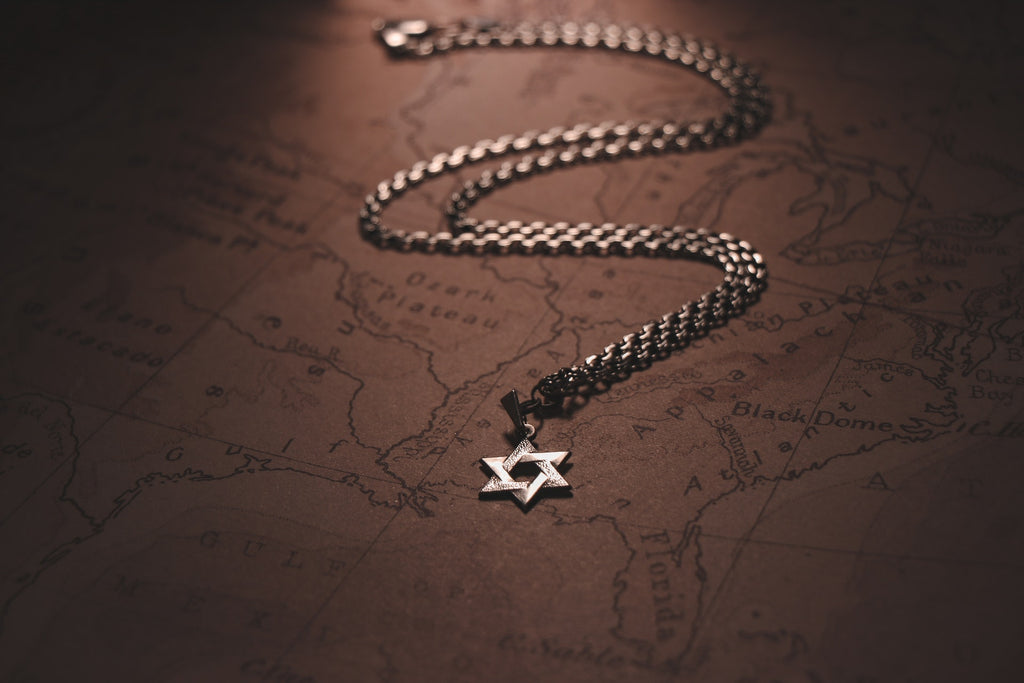
Some Reform rabbis will be willing to perform a funeral and preside over the interment of cremation urns for ashes, whereas it is extremely uncommon for an Orthodox rabbi to do so.
Because it is expected for the body to be treated with respect – both in life and in death – Muslims do not condone cremation. Historically, the only exception to this is during severe epidemics, during which Muslim authorities have allowed cremation to stop the spread of disease.
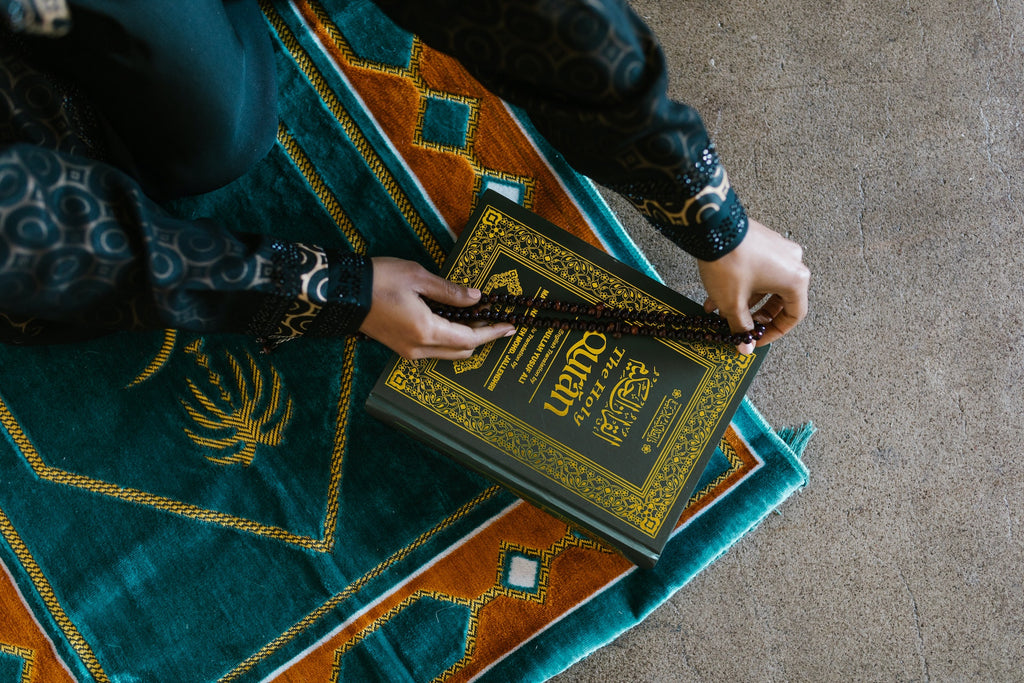
Muslims believe in the physical resurrection of the body after death, and cremation is seen as interfering with that process. Exceptions to this prohibition may exist in certain circumstances, such as during a pandemic or in cases where burial is not feasible due to local laws.
Christianity has quite a degree of variation when it comes to cremation teachings. Some, like the Eastern Orthodox Church, strictly forbid it, while others, like the Lutheran Church, consider cremation acceptable. In general, most Christian groups that do not have a strict forbiddance do tend to emphasize a strong preference for traditional burial, not cremation.
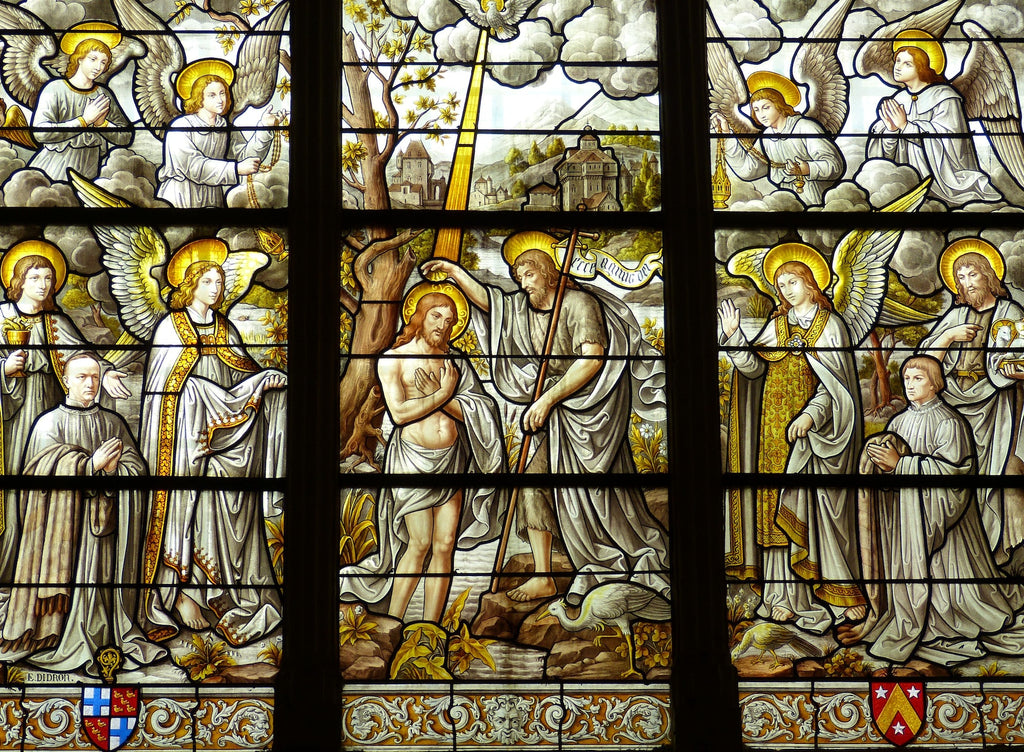
This includes Catholicism, which has only recently relaxed its rules over cremation as the practice has become more commonplace. The ashes are typically treated with respect and either buried in a cemetery or placed in a columbarium.
Hindus believe in rebirth, which is why cremation is not only allowed, but it is considered mandatory within the Hindu tradition. Cremation is the traditional and widely practiced method of disposition in Hinduism. Hindus believe in the cycle of birth, death, and rebirth, and cremation is seen as a way to release the soul from the body to facilitate its journey to the next life. The ashes (known as "ashes" after cremation) are typically collected and either scattered in sacred rivers or bodies of water or kept in an urn at home.
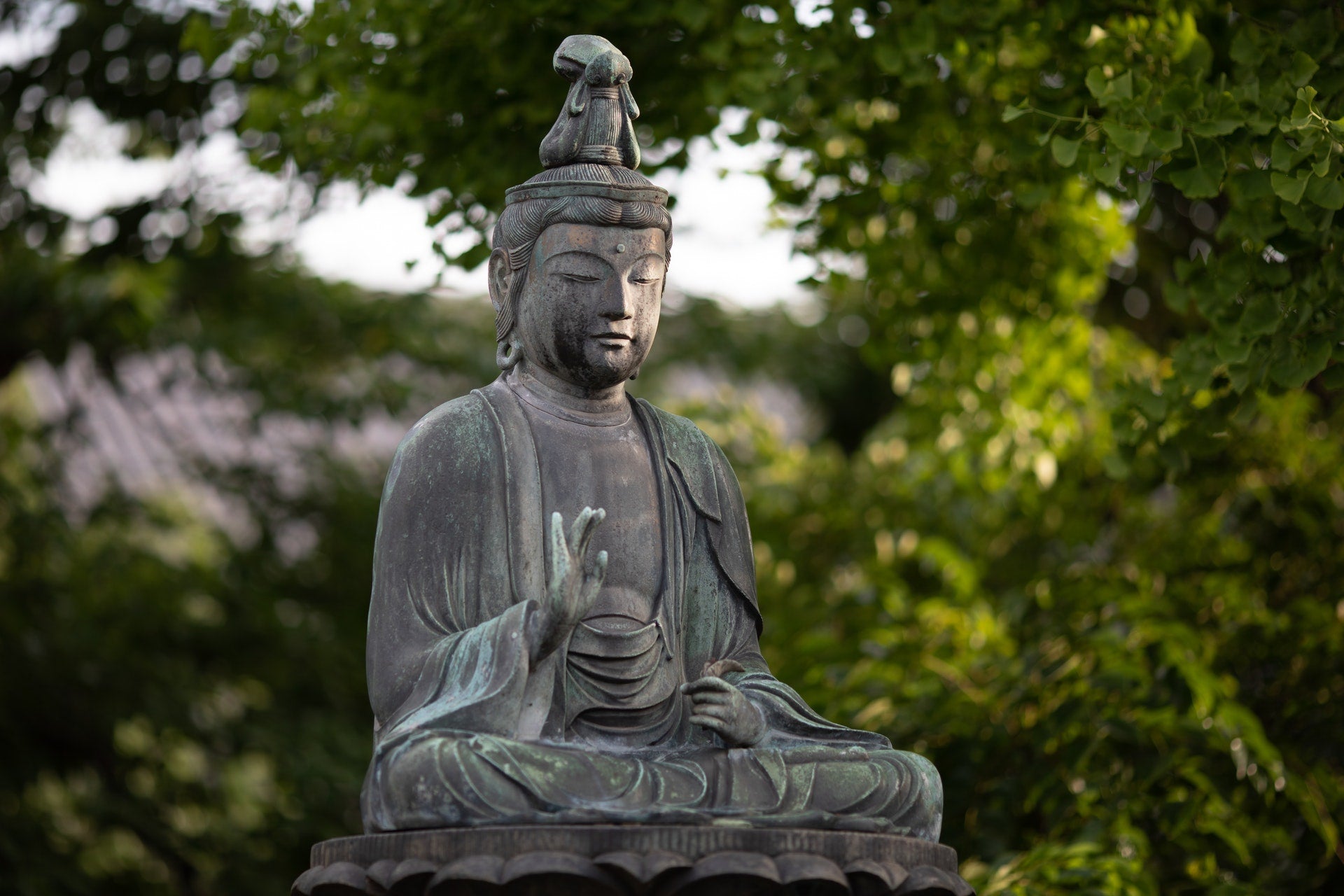
Cremation is considered acceptable within the Buddhist community, which also allows for a wide variety of other types of ceremonial disposals of the body after death. After cremation, the ashes are often collected and placed in a stupa or memorial structure, or they may be scattered in a meaningful location.
Unlike Hinduism, however, while cremation is widely practiced within Buddhism, it is not considered mandatory.
Cremation is always an intimate decision for families, and it deserves careful thought, especially if you feel the need to follow a certain faith tradition. Whether you are considering keeping urns at home, burying ceramic urns in a formal interment ceremony, or even scattering the cremated remains of a loved one, it is important to discuss your plans with local faith leaders should you have any doubt about the religious implications of cremation within your faith community.

There can be much variation from culture to culture, even within the same religion, so your decision should only be finalized after clarifying and considering the belief systems you consider important.
It's important to note that these are general guidelines, and individual beliefs and practices may vary within each religious tradition. It's recommended to consult with religious leaders or practitioners within your specific faith for more detailed guidance on cremation and related funeral practices.
Join us in helping families honor the memory of their loved ones and pets through art!
Our Affiliate Program is now available at https://www.pulvisurns.com/pages/affiliate-program-by-pulvis-art-urns
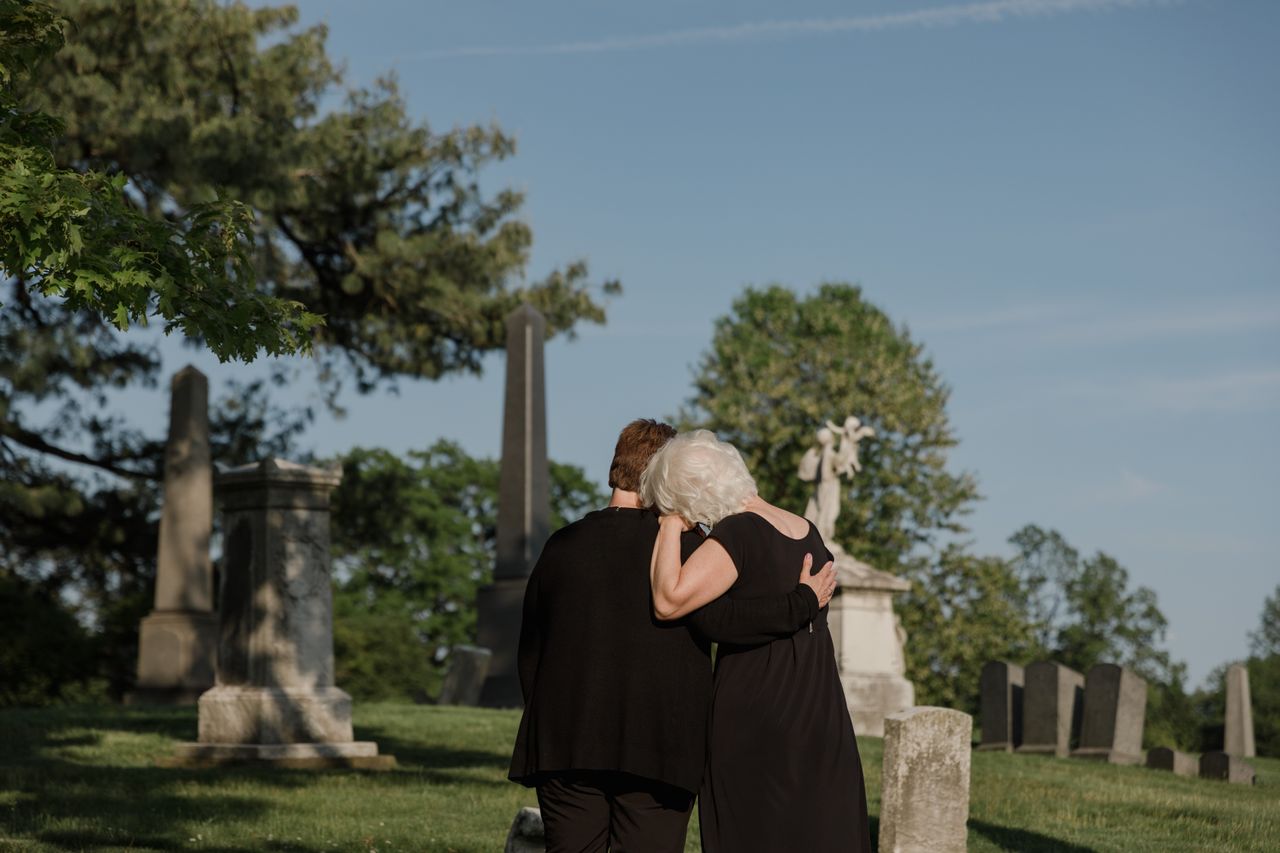
Ways to Honour a Loved One Without Visiting a Cemetery
Honouring a loved one doesn't have to be limited to visiting a cemetery. Discover meaningful and heartfelt ways to celebrate their life through personal traditions, living memorials, keepsakes, charitable acts and beautiful remembrance ideas that keep their memory alive every day.
The Emotional Weight of “Lasts”: The Last Conversation, Last Hug, Last Goodbye
The last conversation, last hug, and last goodbye are some of the most emotionally powerful experiences a person can carry. These final moments transform ordinary interactions into lifelong memories, revealing the depth of love, connection, grief, and human attachment. This article explores why we remember final moments so vividly, how they shape the way we process loss, and why appreciating everyday connections matters before they become memories.
The First Holiday Without Someone: Why It Feels So Different
The first holiday after losing someone we love can feel completely different from any celebration before it. The traditions remain, the decorations appear, and families gather together, but the absence of one important person changes everything. This article explores why holidays intensify grief, how memories are triggered through traditions and senses, and how families learn to honour loved ones while creating new ways to remember.

Discover why everyday sounds can become powerful reminders of the people we love. From familiar voices and favourite songs to simple household noises, sound has the ability to preserve memories, awaken emotions, and maintain a connection with those who are no longer physically present.
After losing someone we love, ordinary belongings can become some of the most meaningful reminders of their life. A favourite sweater, handwritten note, piece of jewellery, or family recipe can carry memories, emotions, and a sense of connection that goes far beyond the object itself. This article explores why we keep the things left behind, the psychology behind emotional attachment to personal belongings, and how these objects help us preserve love, identity, and family stories after loss.
Share:
Pulvis Art Urns at VTU Uitvaart Vakbeurs 2022 Expo
6 Things to Consider When Keeping Cremation Ashes at Home - 2023