
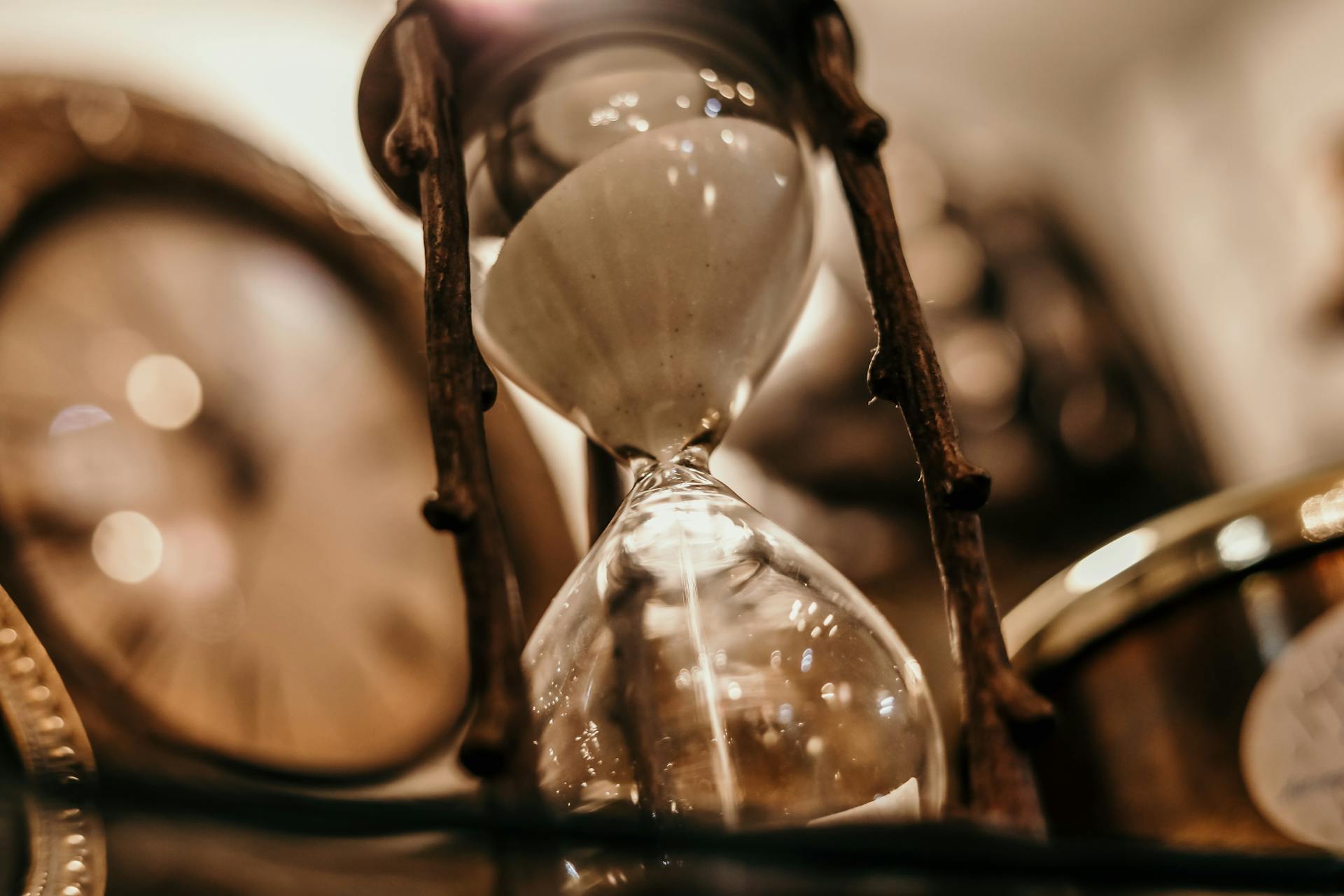
In an era where technology bridges past, present, and future, creating a digital time capsule has become a powerful way to preserve legacies and connect loved ones across generations. Unlike physical time capsules that risk deterioration or loss, digital ones offer a lasting and dynamic repository of stories, photos, and memories. This modern approach ensures that the essence of a family’s history can endure, serving as a bridge for those yet to come.
The process of building a digital time capsule begins with intention. Think about the stories you want to tell, the moments you wish to preserve, and the emotions you hope to evoke in those who will one day access it. A digital time capsule is more than a collection of files – it’s a living narrative that reflects who you are and the values you hold dear. Begin by gathering family members and discussing what you’d like to include. These conversations often become meaningful experiences in themselves, as memories are unearthed and stories retold.
Start by digitizing old photographs, letters, and documents – and everything else that is important to you and your loved ones. Use a high-quality scanner or even a smartphone app to ensure that every detail is captured. Add context to these visuals by recording the stories behind them. A photo of a holiday dinner, for example, becomes infinitely more valuable when paired with an audio recording of a family member recounting the laughter, recipes, and traditions that made it special.
Collecting stories is at the heart of creating a digital time capsule. Encourage loved ones to share their memories through written reflections, or even video interviews and voice recordings. Prompt them with questions about their childhood, pivotal moments, or life lessons they wish to pass on. These personal narratives provide a rich, emotional depth that will resonate deeply with future generations. Hearing the voice or seeing the writing of a family member when they are not longer with you is one of the most precious things.

Photographs and videos hold the power to transport viewers to another time. Organize your visuals chronologically or thematically, creating a cohesive journey through the years. There are a lot of modern editing tools that allow you to enhance old footage, add captions, or create montages that tell a story. Don’t shy away from including candid moments or outtakes – these imperfections often reveal the true essence of a family’s personality and quirks.
Choosing the right platform for your digital time capsule is crucial. Cloud storage services, private websites, or dedicated apps designed for memory preservation offer various options depending on your needs. Prioritize platforms that ensure security and longevity. Password protection and data backups are essential to safeguarding your collection.
Once your digital time capsule is complete, decide on how and when it will be shared. You might choose to reveal it during a special family gathering or set a future date for its unveiling. Some families opt to update their capsules regularly, adding new chapters as life unfolds. This interactive approach transforms the capsule into an evolving tapestry that reflects both continuity and change.
After all – creating a time capsule shouldn't be treated as a job that has to be done, it should be an important time to spend with your family. As the years go by, the time capsule will serve as a reminder that while time moves forward, the stories, love, and lessons that define a family are timeless.

Ways to Honour a Loved One Without Visiting a Cemetery
Honouring a loved one doesn't have to be limited to visiting a cemetery. Discover meaningful and heartfelt ways to celebrate their life through personal traditions, living memorials, keepsakes, charitable acts and beautiful remembrance ideas that keep their memory alive every day.

The Emotional Weight of “Lasts”: The Last Conversation, Last Hug, Last Goodbye
The last conversation, last hug, and last goodbye are some of the most emotionally powerful experiences a person can carry. These final moments transform ordinary interactions into lifelong memories, revealing the depth of love, connection, grief, and human attachment. This article explores why we remember final moments so vividly, how they shape the way we process loss, and why appreciating everyday connections matters before they become memories.
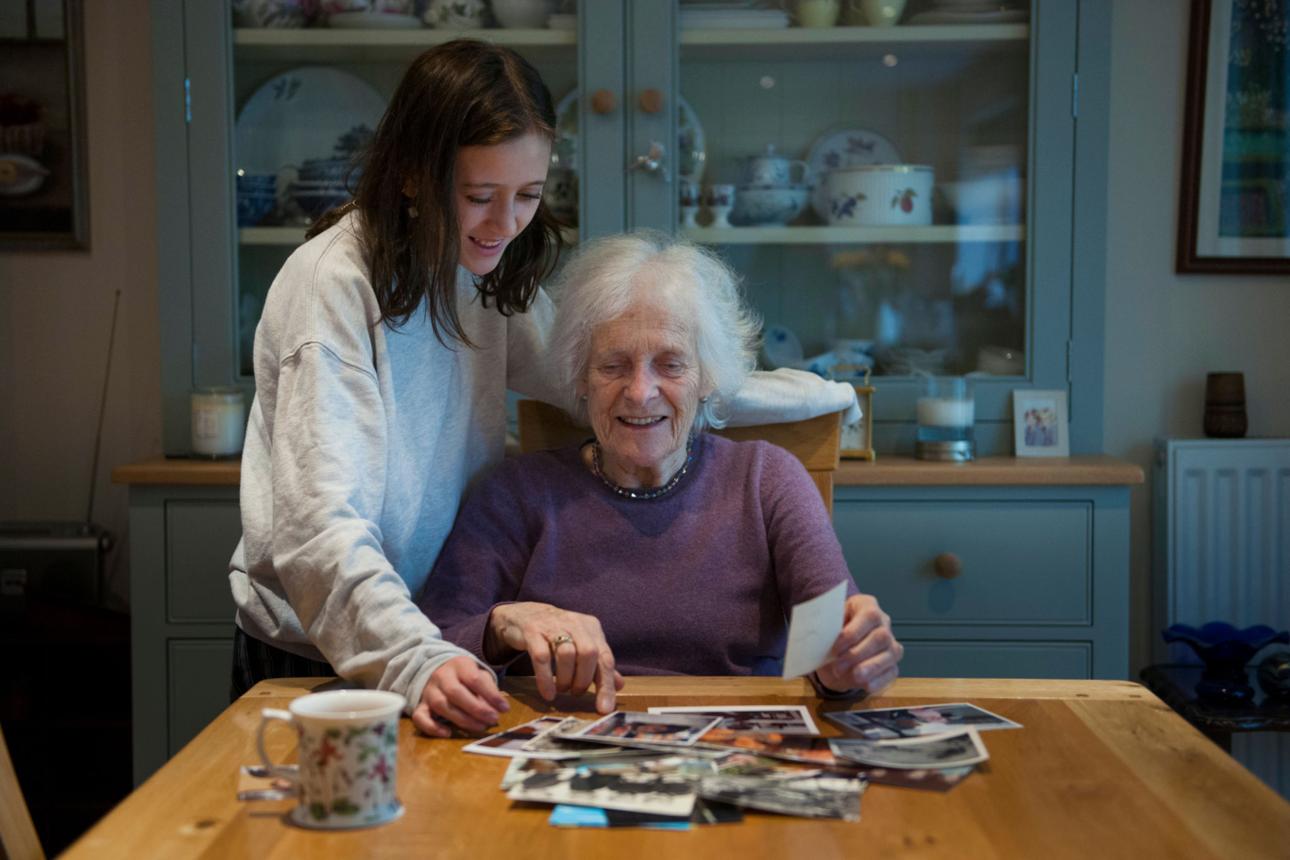
The First Holiday Without Someone: Why It Feels So Different
The first holiday after losing someone we love can feel completely different from any celebration before it. The traditions remain, the decorations appear, and families gather together, but the absence of one important person changes everything. This article explores why holidays intensify grief, how memories are triggered through traditions and senses, and how families learn to honour loved ones while creating new ways to remember.
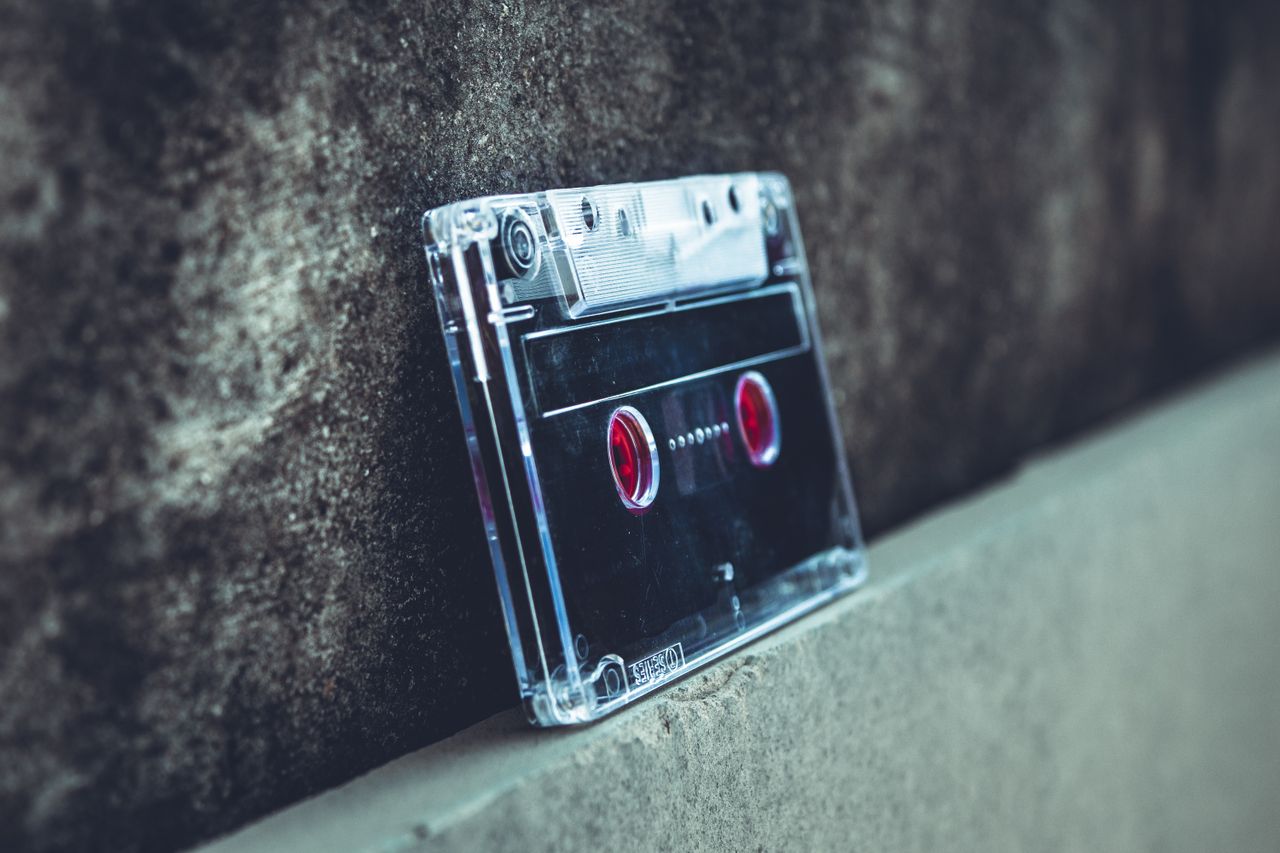
Discover why everyday sounds can become powerful reminders of the people we love. From familiar voices and favourite songs to simple household noises, sound has the ability to preserve memories, awaken emotions, and maintain a connection with those who are no longer physically present.
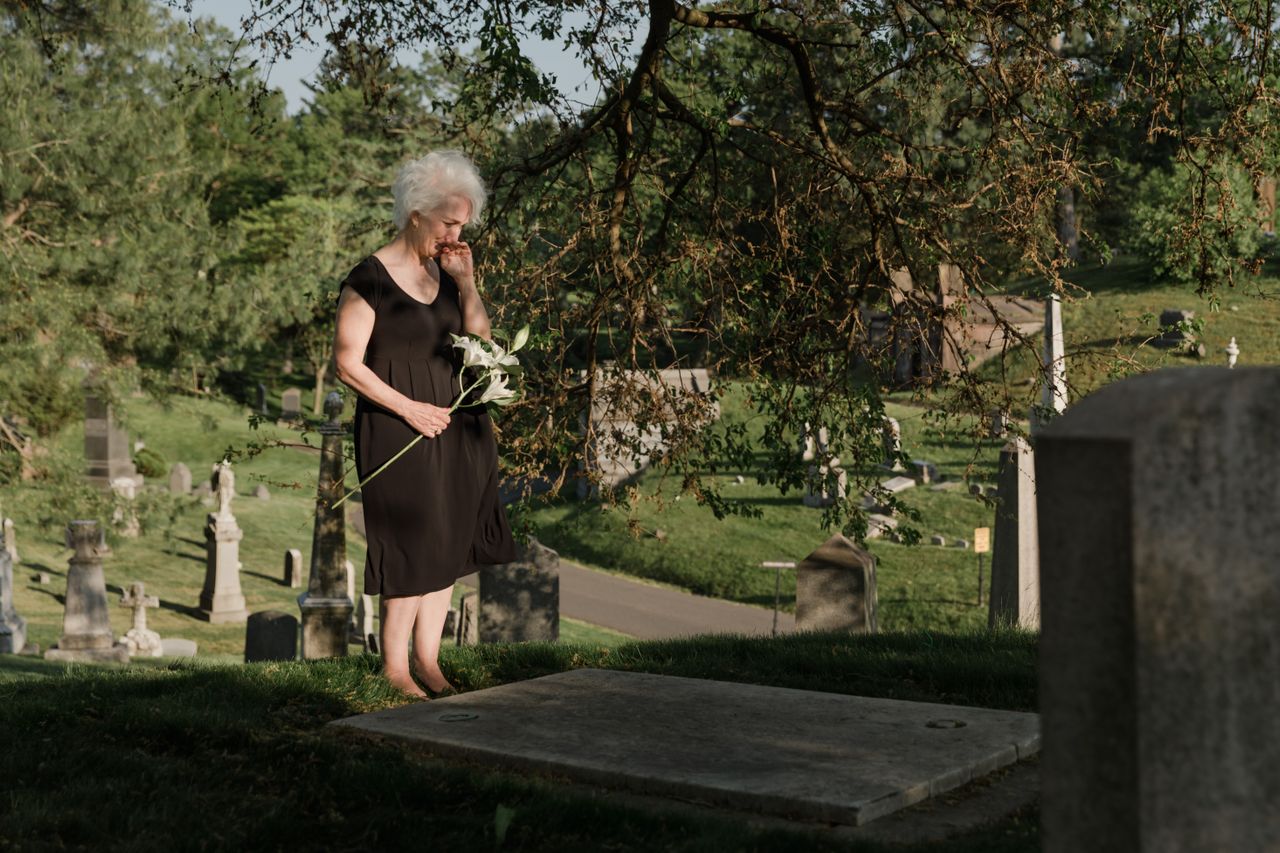
After losing someone we love, ordinary belongings can become some of the most meaningful reminders of their life. A favourite sweater, handwritten note, piece of jewellery, or family recipe can carry memories, emotions, and a sense of connection that goes far beyond the object itself. This article explores why we keep the things left behind, the psychology behind emotional attachment to personal belongings, and how these objects help us preserve love, identity, and family stories after loss.

Share:
How to Choose the Perfect Cremation Urn: A Guide to Styles, Materials, and Memorial Keepsakes
How to Select a Memorial Urn That Resonates with Love and Legacy