

In the somber yet significant moments surrounding a funeral, few tasks hold as much weight as delivering a eulogy. This ceremonial speech serves as a beacon of remembrance, honoring the life of a departed loved one and offering solace to those in mourning. If you find yourself entrusted with this honor, navigating the process of crafting a eulogy can feel daunting. Fear not, for we are here to guide you through this delicate endeavor with grace and compassion.
At its core, a eulogy is more than just a formal speech; it's a heartfelt tribute that celebrates the unique journey and enduring legacy of the departed individual. Whether delivered in hushed tones or with a gentle touch of humor, a eulogy holds the power to uplift spirits and weave together the tapestry of memories that define a life well-lived.
The tone of your eulogy sets the stage for the entire tribute. Consider the essence of the departed and the emotional needs of your audience. Will your eulogy be a solemn reflection, a reverent homage, or perhaps imbued with a touch of light-heartedness? Let your heart guide you as you strike the perfect balance between reverence and warmth.
Before delving into the heart of your eulogy, take a moment to introduce yourself. While it's essential to establish your relationship with the departed, remember to keep the focus squarely on them. A brief acknowledgment of your connection suffices, allowing the spotlight to remain on their cherished memory.
Offer a glimpse into the life and times of the departed with a succinct biographical sketch. From birthplace to cherished milestones, weave together the threads of their journey with care and reverence. Strike a balance between brevity and depth, ensuring that each detail serves to enrich the narrative without overwhelming the listener.
Now, let the memories flow freely as you paint a vivid tapestry of cherished moments and shared experiences. Delve into the heart of your relationship with the departed, sharing anecdotes that illuminate their personality, passions, and profound impact on those around them. Whether tender or triumphant, each memory serves as a testament to their enduring spirit. 
As you sift through the tapestry of memories, consider the overarching theme that binds them together. Whether it's a testament to resilience, kindness, or unwavering faith, let this motif guide the narrative flow of your eulogy. Organize your anecdotes with care, allowing each story to resonate in harmony with the next.
As you draw your eulogy to a close, take a moment to express heartfelt gratitude to all who have gathered to honor the departed. Acknowledge the collective grief that unites you and offer thanks to those who have offered solace and support in your time of need. Let your words serve as a balm to weary hearts, fostering a sense of unity and healing amidst the shared sorrow.
In the final moments of your eulogy, bid a tender farewell to your loved one, honoring the significance of this poignant moment. Whether through a heartfelt goodbye or a simple expression of gratitude, let your words linger as a testament to the enduring legacy of the departed. Take a deep breath, gather your strength, and deliver your closing remarks with grace and poise. 
In addition to the seven steps outlined above, here are some additional tips to help you craft a eulogy that resonates deeply with your audience:
 Navigating the Eulogy Outline
 While there is no one-size-fits-all template for crafting a eulogy, the following outline serves as a helpful guide:
 Answering Common Questions About Eulogies
To provide further clarity on the eulogy-writing process, let's address some common questions and concerns:
Anyone who shared a meaningful connection with the departed can deliver a eulogy. Whether a family member, friend, or clergy member, the key is to choose someone who can speak from the heart with sincerity and reverence.
Yes, multiple eulogies can be delivered during a funeral service, offering diverse perspectives and reflections on the departed individual's life. However, it's essential to ensure that each speaker remains concise and respectful of the overall time allotted for tributes.
Aim for a eulogy length of approximately six to eight minutes, allowing ample time to convey your message with clarity and depth. If multiple eulogies are planned, strive to keep each one concise to maintain audience engagement.

Ways to Honour a Loved One Without Visiting a Cemetery
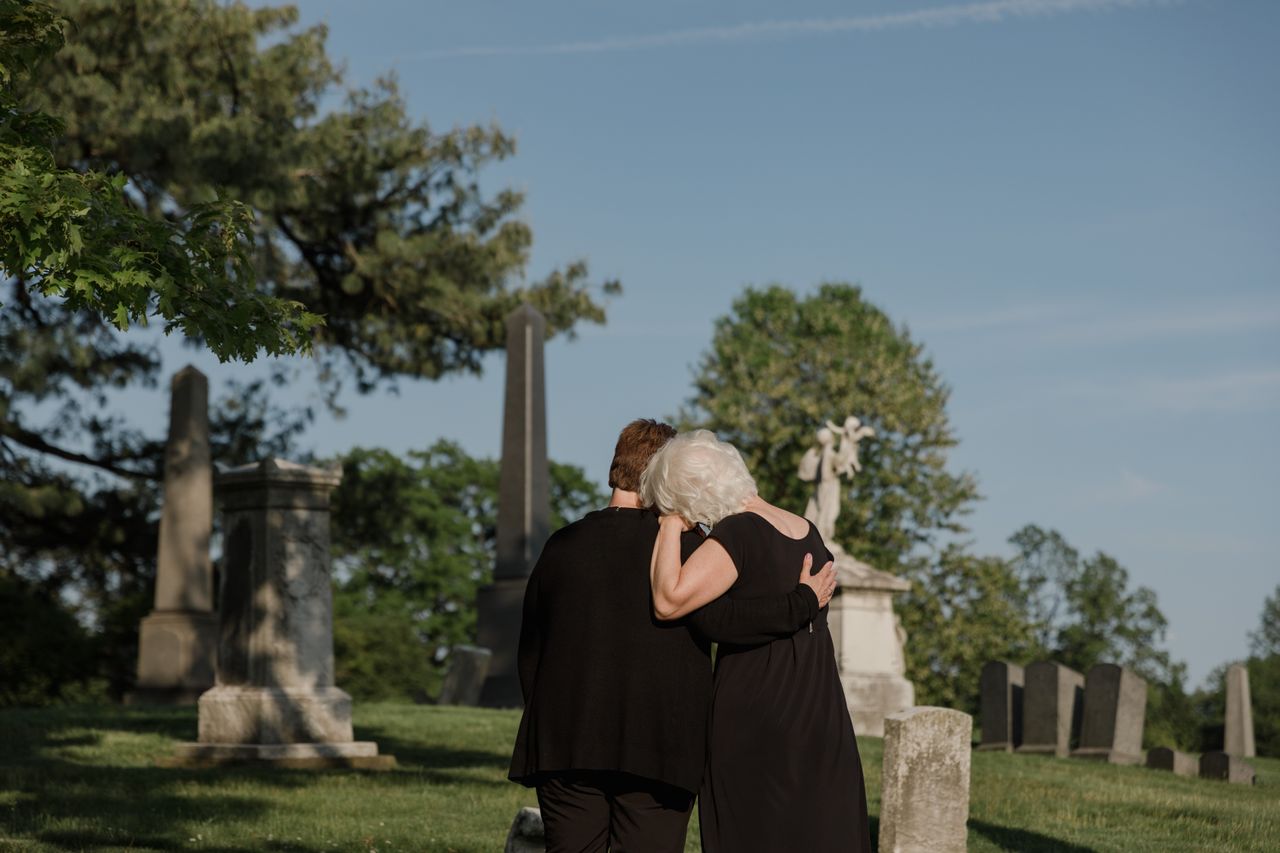
Honouring a loved one doesn't have to be limited to visiting a cemetery. Discover meaningful and heartfelt ways to celebrate their life through personal traditions, living memorials, keepsakes, charitable acts and beautiful remembrance ideas that keep their memory alive every day.

The Emotional Weight of “Lasts”: The Last Conversation, Last Hug, Last Goodbye
The last conversation, last hug, and last goodbye are some of the most emotionally powerful experiences a person can carry. These final moments transform ordinary interactions into lifelong memories, revealing the depth of love, connection, grief, and human attachment. This article explores why we remember final moments so vividly, how they shape the way we process loss, and why appreciating everyday connections matters before they become memories.
The First Holiday Without Someone: Why It Feels So Different
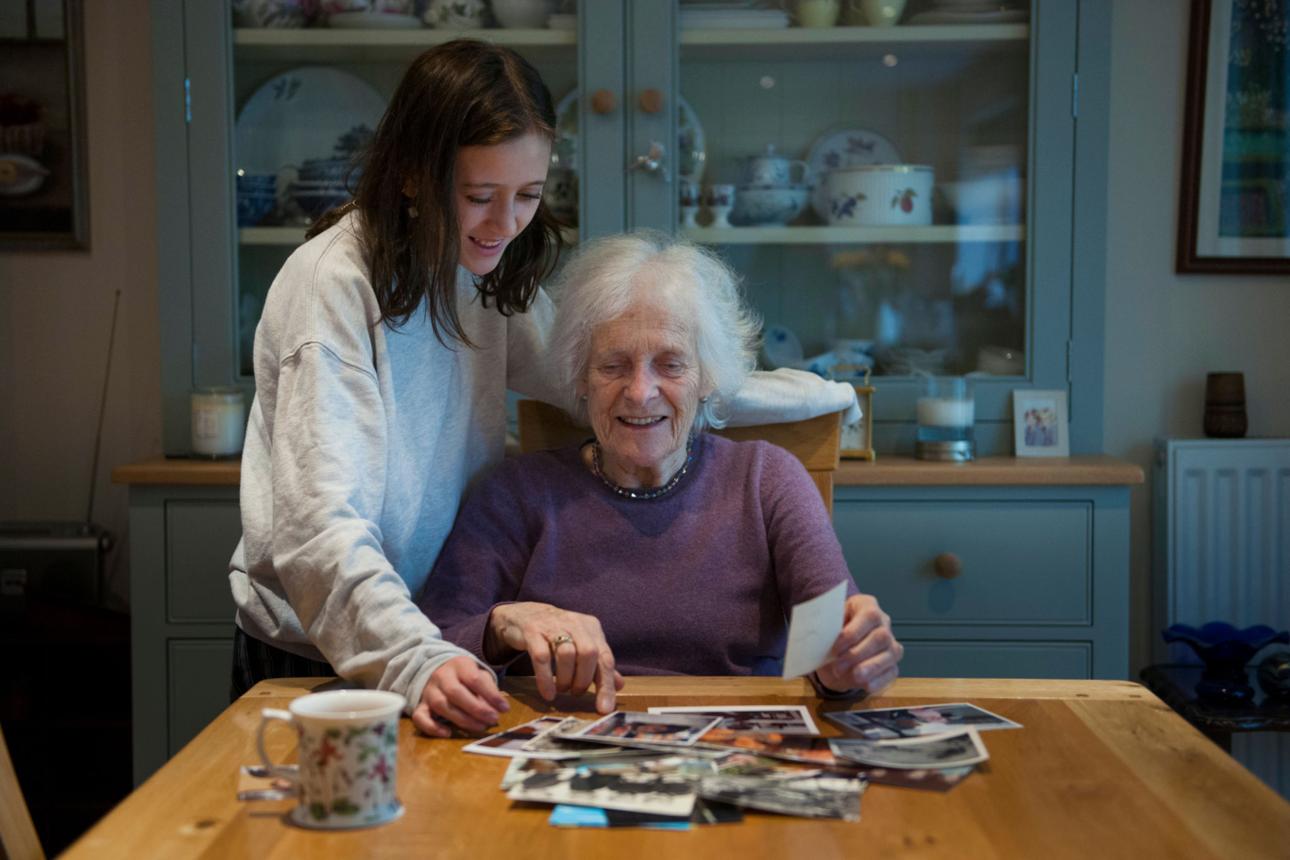
The first holiday after losing someone we love can feel completely different from any celebration before it. The traditions remain, the decorations appear, and families gather together, but the absence of one important person changes everything. This article explores why holidays intensify grief, how memories are triggered through traditions and senses, and how families learn to honour loved ones while creating new ways to remember.

Discover why everyday sounds can become powerful reminders of the people we love. From familiar voices and favourite songs to simple household noises, sound has the ability to preserve memories, awaken emotions, and maintain a connection with those who are no longer physically present.
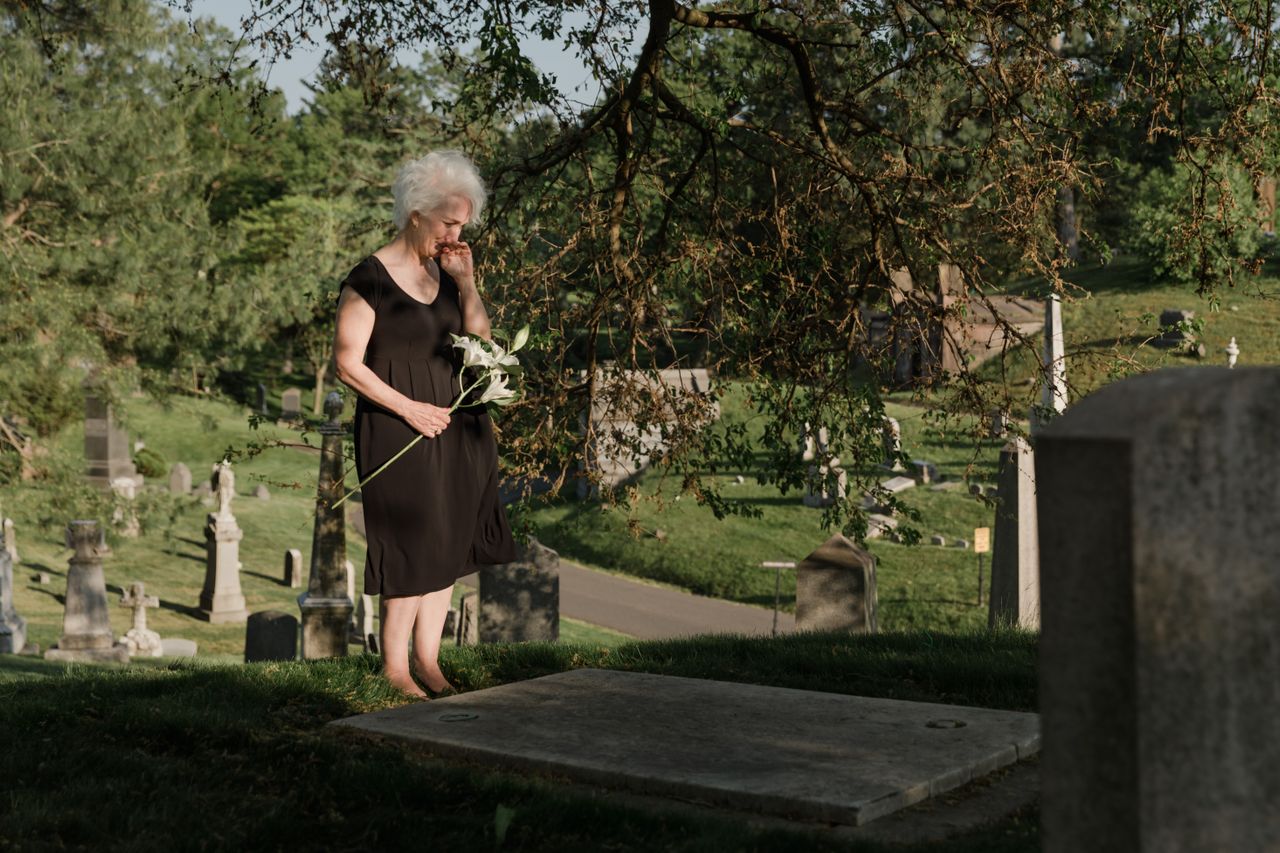
After losing someone we love, ordinary belongings can become some of the most meaningful reminders of their life. A favourite sweater, handwritten note, piece of jewellery, or family recipe can carry memories, emotions, and a sense of connection that goes far beyond the object itself. This article explores why we keep the things left behind, the psychology behind emotional attachment to personal belongings, and how these objects help us preserve love, identity, and family stories after loss.




Share:
A Comprehensive Guide to Choosing the Right Pet Cremation Urn
What you Need to Know About Keepsake Cremation Urns for Ashes?