
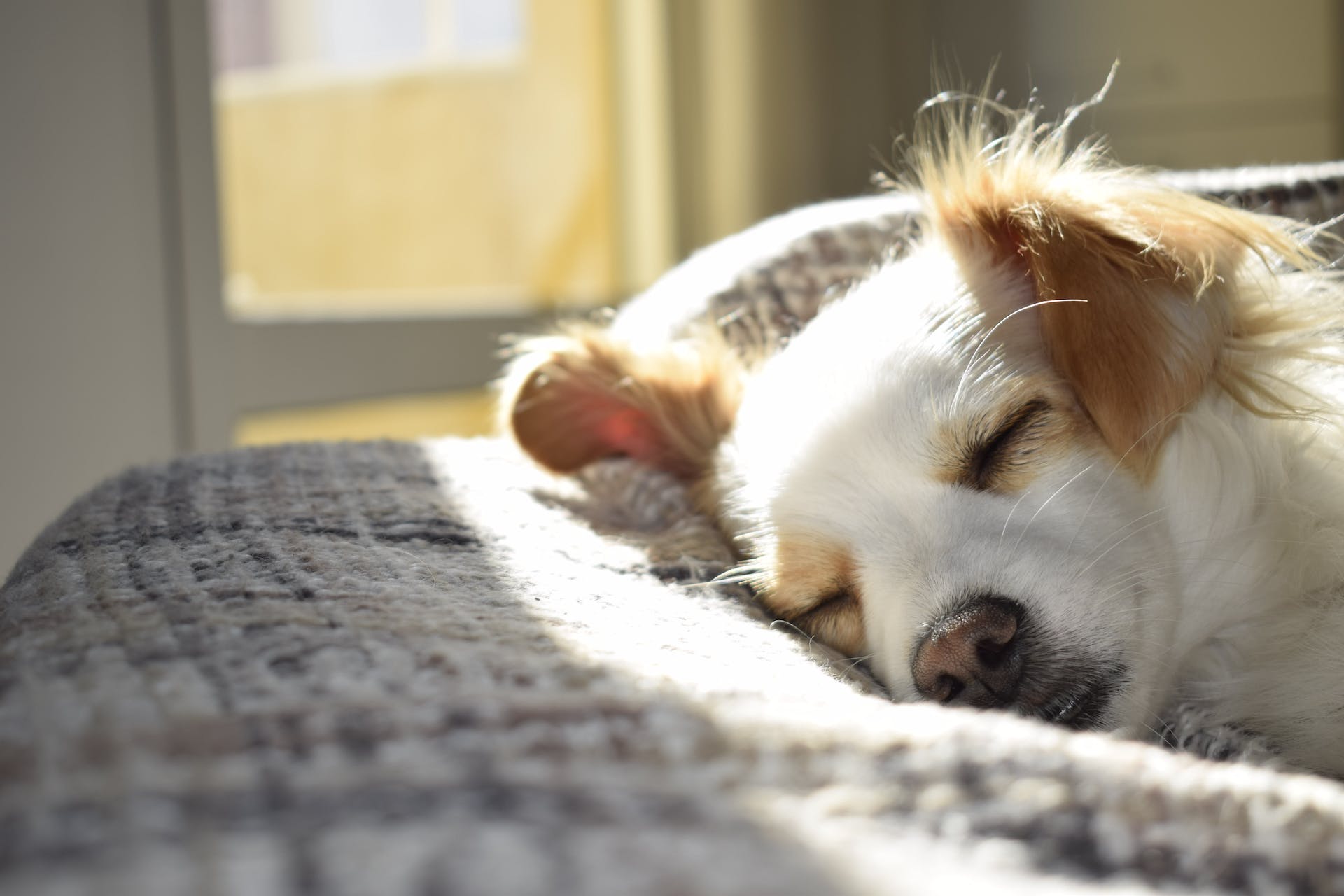
How do I choose an urn for pet cremation? Who can I talk to about grief? When is it the right time to move on? It’s common to have questions after the loss of a pet. Grieving can be a lengthy, emotional process. And while there’s no wrong way to cope with pet loss, having guidance can help you get through without regrets.

Become familiar with the 5 stages of grief: denial, bargaining, depression, anger, and acceptance. All of these feelings are valid after the loss of any kind, but especially when a family pet dies. Embrace those emotions and recognize that they’re healthy and normal when grieving.
In the days and months after a pet dies, the 5 different stages of grief can come and go – and sometimes return. The grieving process does not always follow a clear, straight path. It’s normal to become overcome by sadness several months after losing a pet, even if you thought you had come to terms with the loss. The grieving process is exactly that: a process. Be gentle with yourself, and remember that gradual progress and healing is okay.
Chances are, you’re not the only one coping with the loss of this furry family member. If you have other animals in the house, they may show signs of sadness, too. Dogs and cats that live together can build exceptional bonds. If you have another pet who seems to miss their friend, spending additional time together can help you both.

Embracing your emotions is key to coping with pet loss in a healthy manner. It’s up to you find the best way to process your feelings. Here are a few ideas to consider:

Most pet owners find that creating a special memorial or keepsake is one of the most important steps of the healing process after a pet dies. Not only does a memorial help to keep their memory alive, but it can help pet owners find closure and solace by doing something special to mark the significance of their pet.
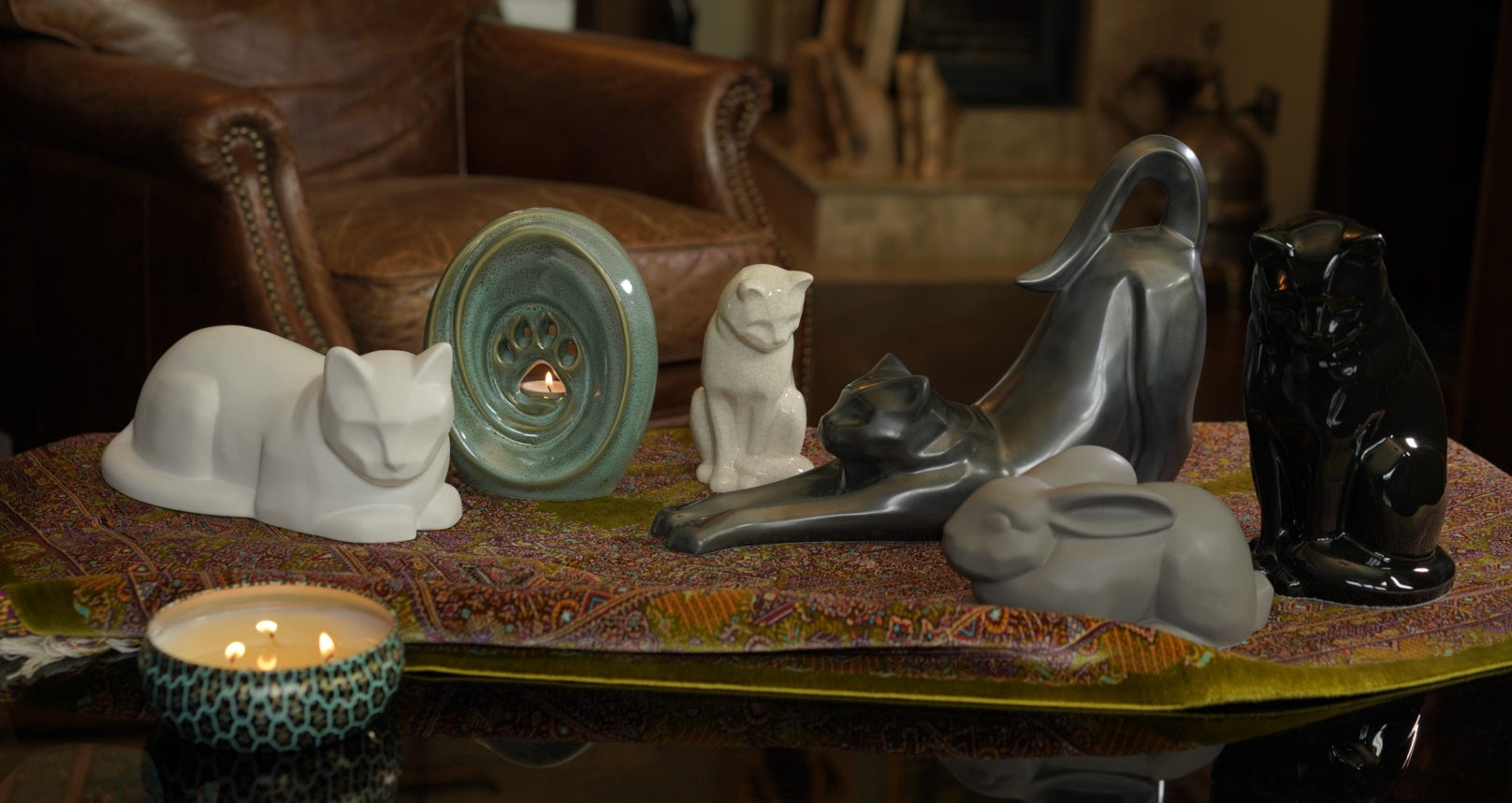
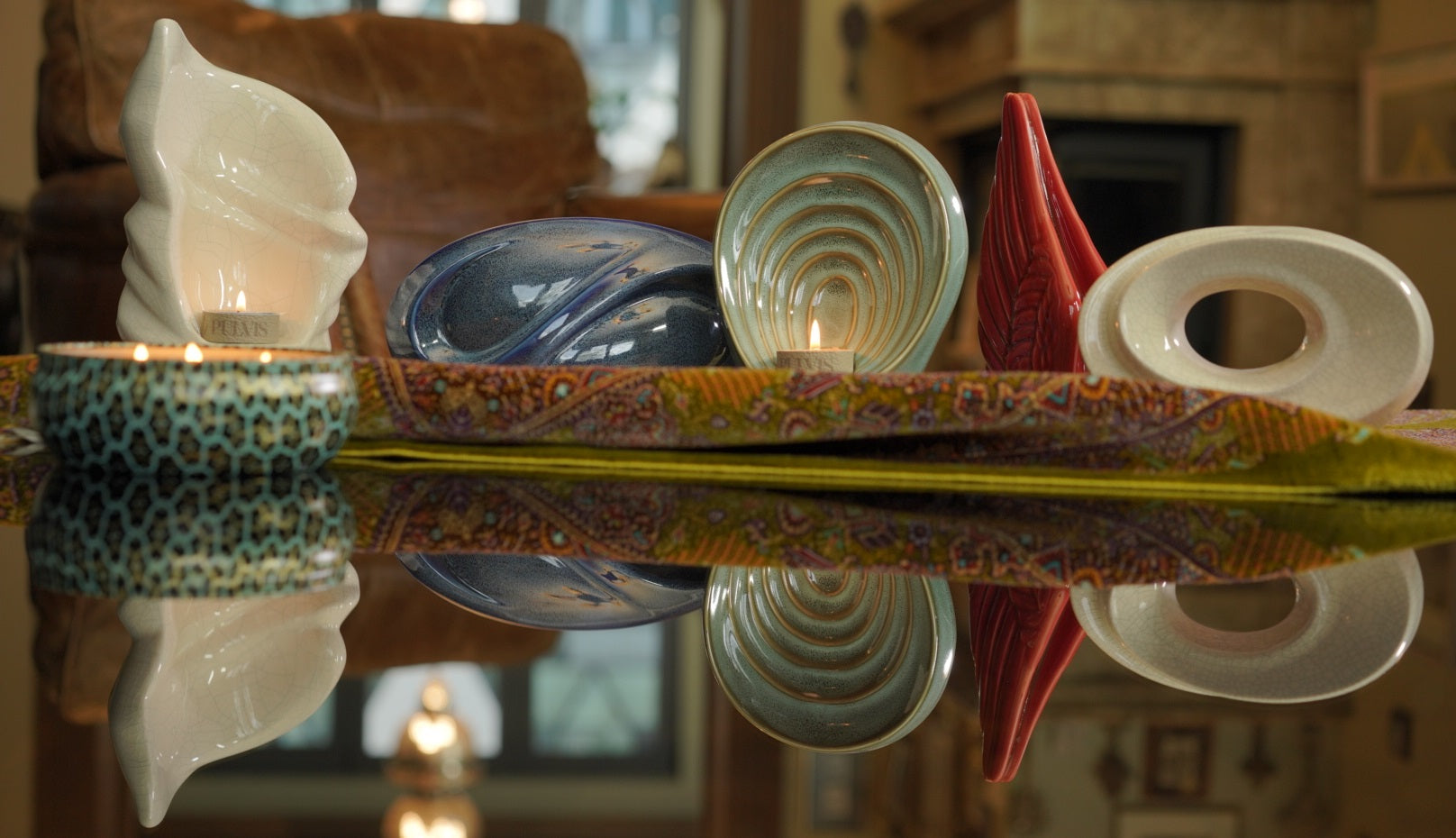
Pet cremation urns are a beautiful way to feel connected to your pet as you transition to place of healing. These special artisan urns are available in creative designs and colors specifically crafted for memorializing animals. It’s common to find dog and cat silhouettes, paw prints, angel wings, and other meaningful motifs, as well as spots, stripes and colorful options that capture the beauty of your cat or dog’s fur.
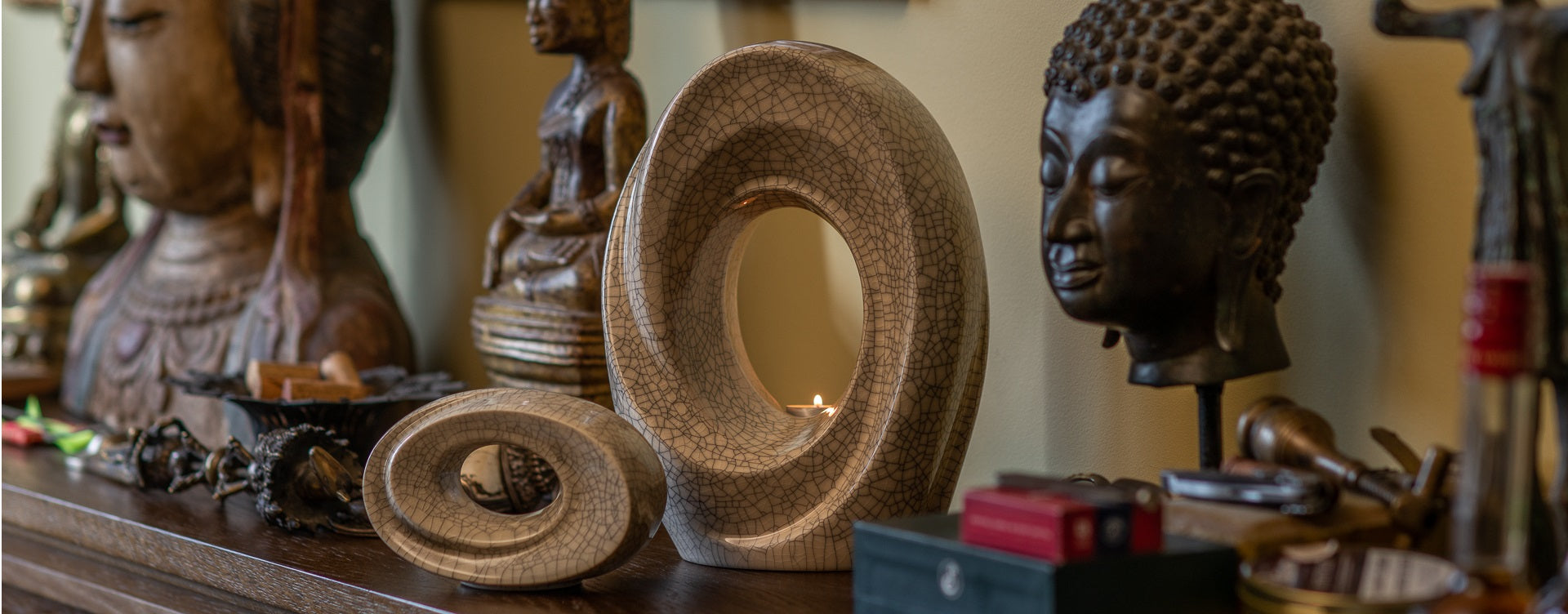
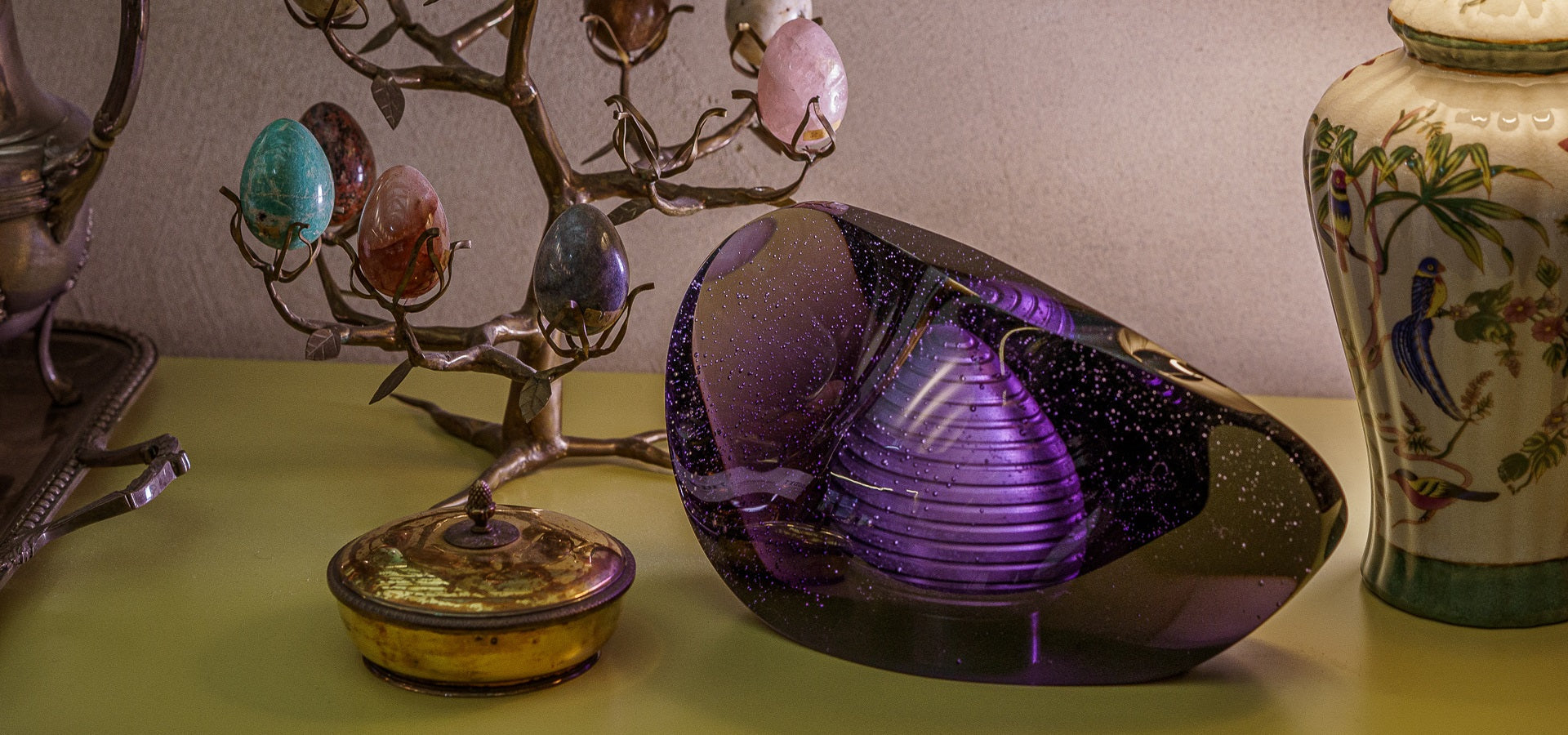
Pet urns are relatively small, so they’re easy to set on a bookshelf or table. With sleek, sophisticated ceramic designs, pet urns can look like a stunning piece of décor – but they symbolize so much more.
Ceramic cremation urns are designed to last – perfect for those once-in-a-lifetime pets that you want to remember forever. But having a pet urn is a great temporary solution as well since it can help with the grieving process. If you’re unsure what to do with pet ashes, it’s always best to err on the side of caution. Plan to keep the ashes in a special pet cremation urn for a year or more while you cope with the loss and decide what to do with pet ashes.

Know when to say goodbye: If you have other pets, recognize that they may also be grieving. Provide them with extra love and attention during this time.
Seek support: Reach out to friends, family, or support groups who understand the depth of your loss. Talking about your feelings and sharing memories can help in the healing process.
Allow yourself to grieve: Emotions might range from profound sadness to guilt or anger. It's okay to feel these emotions; they're a testament to the love and connection you had with your pet.
As time passes, it’s normal for pet owners to start thinking about getting a new cat or dog, especially if they want a companion pet. Those feelings should come up naturally – don’t feel bad or guilty if it’s already crossed your mind.
Do, however, be honest with yourself about whether you’re ready or not. Pet loss is difficult, and the grieving process can take time. Remember, a new dog or cat can never replace a pet that you’ve lost. But when you honor their memory well, you’ll be able to make room for new experiences and pets in time.
------------------
Our Affiliate Program is now available. at https://www.pulvisurns.com/pages/affiliate-program-by-pulvis-art-urns
Ways to Honour a Loved One Without Visiting a Cemetery
Honouring a loved one doesn't have to be limited to visiting a cemetery. Discover meaningful and heartfelt ways to celebrate their life through personal traditions, living memorials, keepsakes, charitable acts and beautiful remembrance ideas that keep their memory alive every day.
The Emotional Weight of “Lasts”: The Last Conversation, Last Hug, Last Goodbye
The last conversation, last hug, and last goodbye are some of the most emotionally powerful experiences a person can carry. These final moments transform ordinary interactions into lifelong memories, revealing the depth of love, connection, grief, and human attachment. This article explores why we remember final moments so vividly, how they shape the way we process loss, and why appreciating everyday connections matters before they become memories.
The First Holiday Without Someone: Why It Feels So Different
The first holiday after losing someone we love can feel completely different from any celebration before it. The traditions remain, the decorations appear, and families gather together, but the absence of one important person changes everything. This article explores why holidays intensify grief, how memories are triggered through traditions and senses, and how families learn to honour loved ones while creating new ways to remember.
Discover why everyday sounds can become powerful reminders of the people we love. From familiar voices and favourite songs to simple household noises, sound has the ability to preserve memories, awaken emotions, and maintain a connection with those who are no longer physically present.
After losing someone we love, ordinary belongings can become some of the most meaningful reminders of their life. A favourite sweater, handwritten note, piece of jewellery, or family recipe can carry memories, emotions, and a sense of connection that goes far beyond the object itself. This article explores why we keep the things left behind, the psychology behind emotional attachment to personal belongings, and how these objects help us preserve love, identity, and family stories after loss.
Share:
Exploring Unique Cremation Urn Designs: Finding a Personalized Tribute
How to Choose the Best Pic for Your Pet’s Cremation Urn