Undoubtedly, ceramic is one of the most used materials for making urns and pottery around the world. The material, which is well-known for its toughness, endurance and exquisiteness, has played an important role in pottery since ancient times.
Today’s ceramics market industry is one of the fastest advancing concerns in many parts of the world including USA and Canada, where the advanced ceramic market is over 15 billion US dollars.
Ceramic cremation urns are becoming a preferred choice by many families for several reasons.
Ceramic is one of the oldest and most widely used materials throughout the history of humankind. Sculptures made of clay, traditional murals and various kinds of pots and urns for ashes have been discovered around the globe, as our ancestors used them for different purposes. The sturdiness and the wear-resistance of the material, make the ceramic products usable in the everyday life, as well as a beautiful addition to the home decoration.

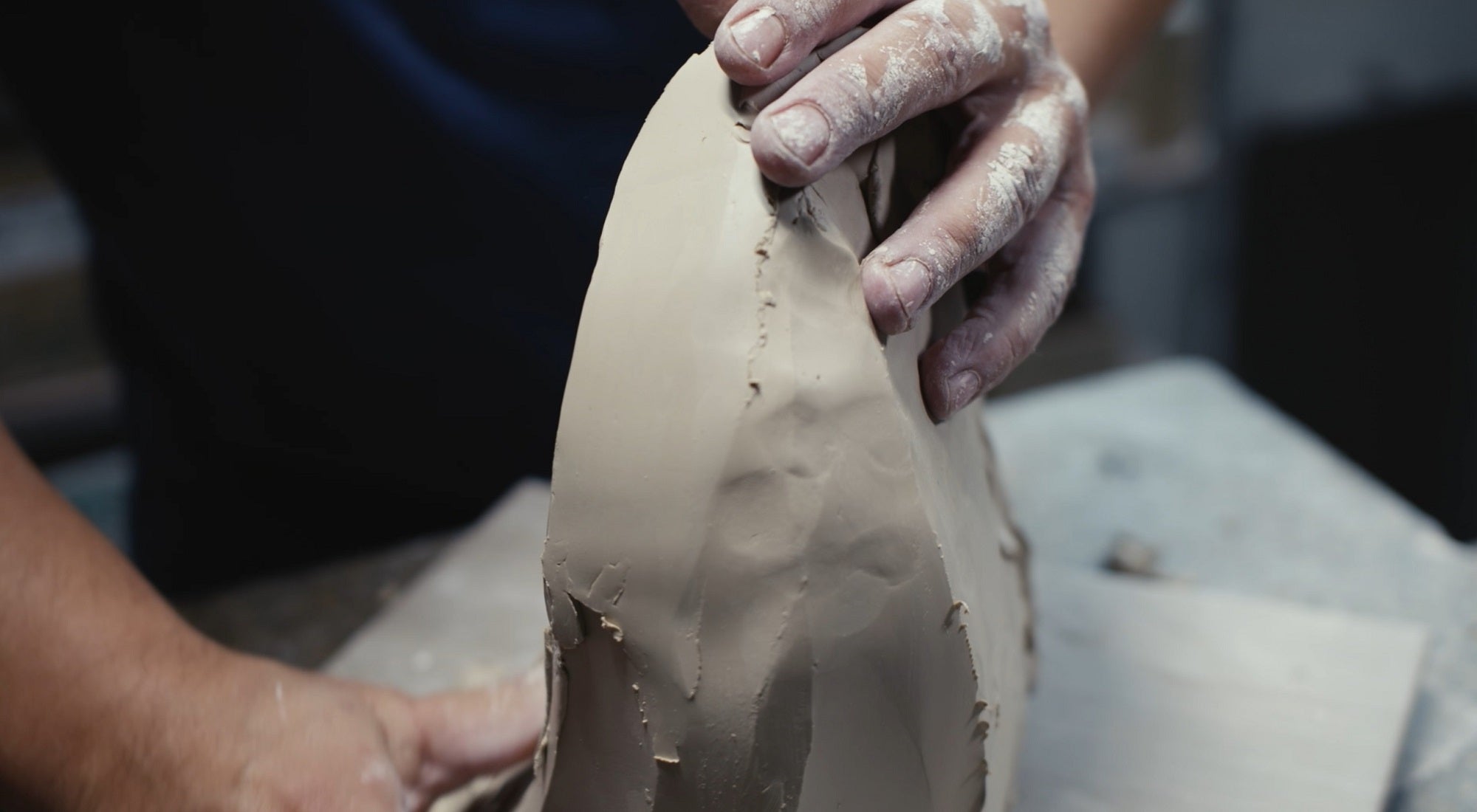
The method of creating a ceramic vessel, which is commonly used in pottery today, consists in shaping the clay by using a pottery wheel and slowly moulding it into a ceramic shape.
After forming the pre-designed body of the item, sculptures continue with the next stage - laying the pottery in the furnace and baking the ceramic model, which then turns into the so called "bisque". The artist then glazes the vessel, which is finally re-baked it into a finished product.
They have a high melting points, very low electrical and thermal conductivity values, and high compressive strengths.
Also they are generally hard with very good chemical and thermal stability. Ceramic materials like clay are known and categorised as traditional ceramics and normally they are made of clay, silica, and feldspar.
Advanced ceramics are special type of ceramics used mainly for electrical, electronic, optical, and magnetic applications.
Ceramic urns are relatively affordable compared to other materials like bronze or marble. This makes them a cost-effective option for families who want a durable and personalized urn without breaking the bank.
Ceramic urns can also hold symbolic value for families who may appreciate the connection to nature and earth, as ceramic urns are made from natural materials.
Putting the cremated ashes of our loved ones is actually a concept that dates back to ancient civilisations. Evidence for that are the ancient burial urns found in China and Greece.
Finding a suitable cremation urn for your loved one may be overwhelming and distressing. There are various factors to consider when selecting a cremation urn, including shape, color, size and even your loved one's personality and interests.

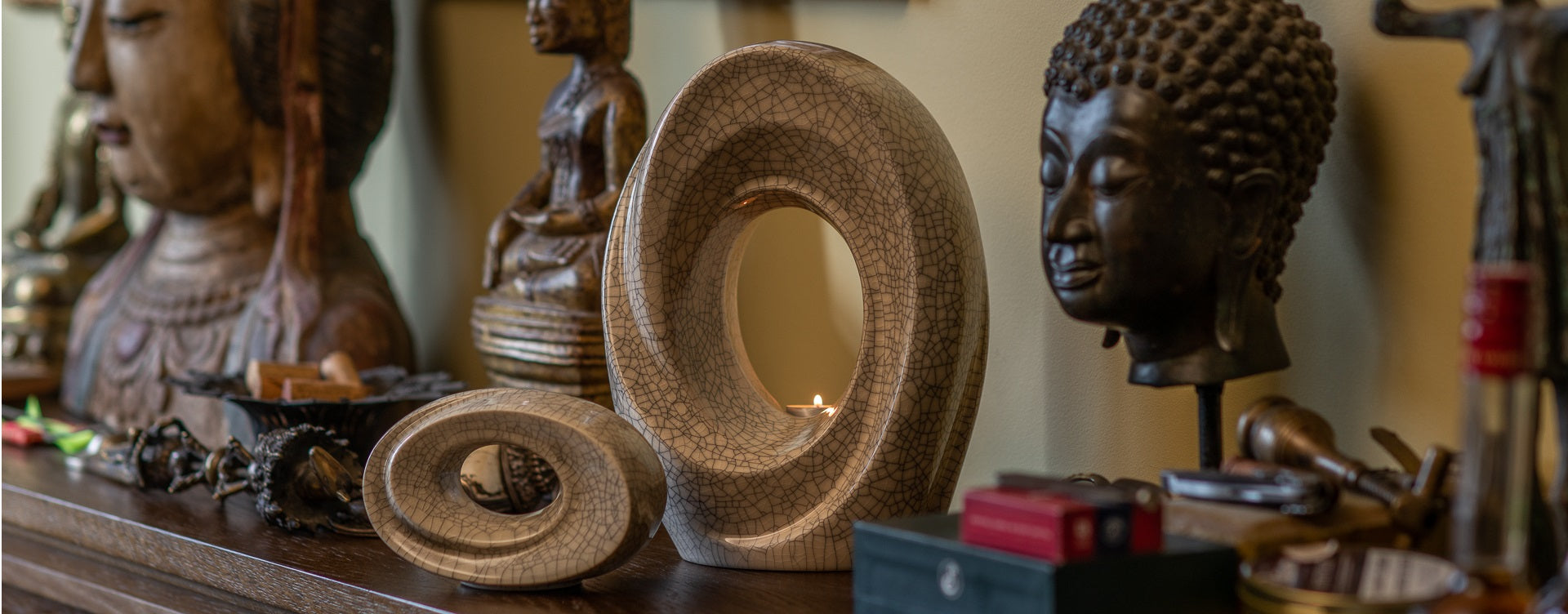
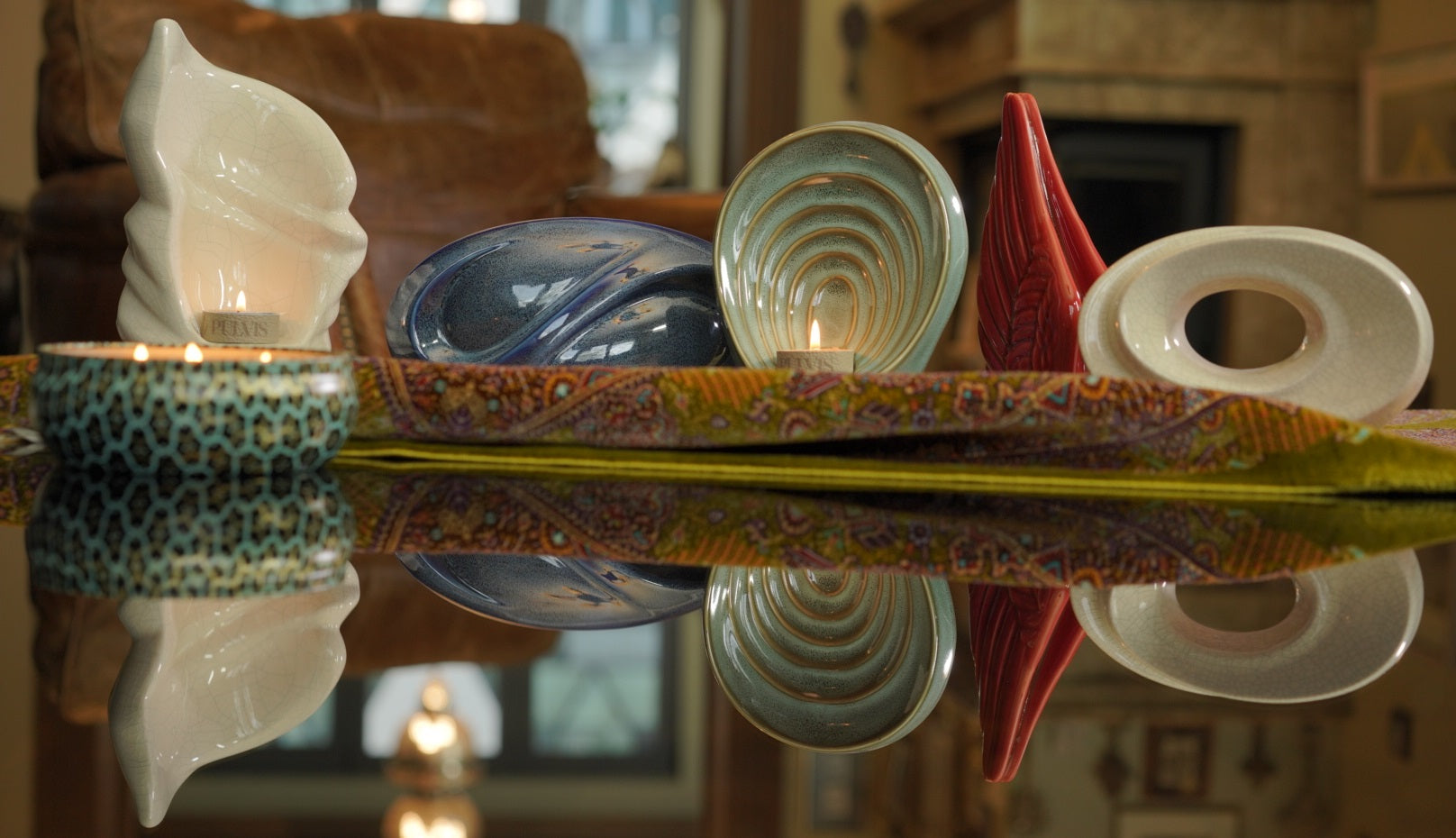
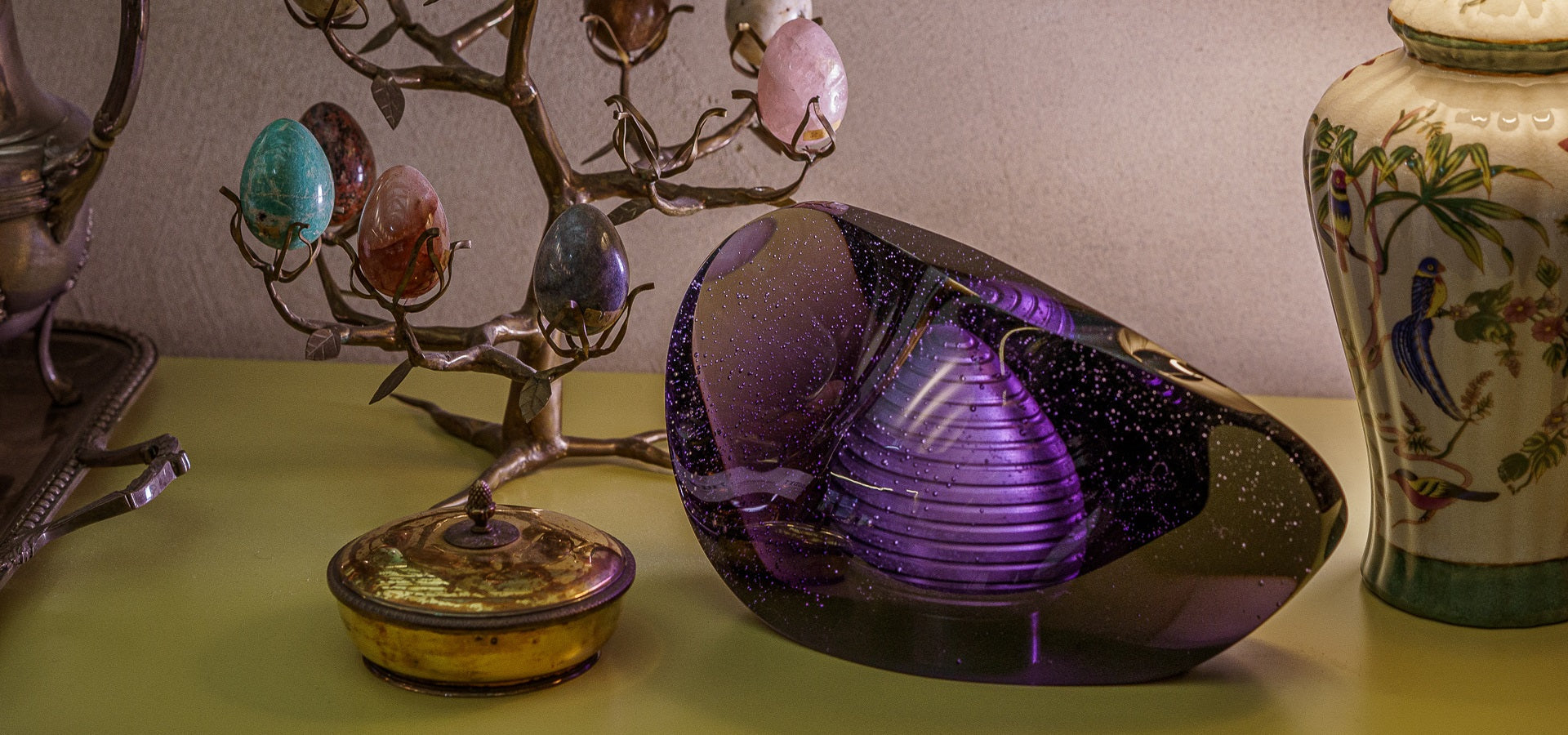
Nowadays, you can find ceramic urns with various shapes and designs - oval, square, and even abstract urn with different kinds of textures and appearances. Studies show that people tend to keep the cremation ashes at home, rather than scattering them and it is no wonder why abstract models, which look like part of the interior are mostly preferred.
Each of our models is designed and made with care and precision, giving our urns an innovative and non-standard vision, suitable for any interior. With great attention to detail, the plastic art forms are entirely hand-made of high-quality ceramic materials, produced according to the recipes of our technologists.
The palette of colours is exclusively worked out by a team of laboratory assistants, which aims at providing exclusive quality and aesthetics of our models.

Apart from their superb vision, the urns are remarkable for their exquisite hardiness and resistance to atmospheric influence, achieved by firing them at 1200 degrees Centigrade.
Overall, ceramic cremation urns are a preferred choice by many families due to their unique design, durability, affordability, and eco-friendliness. They also offer families a way to honor the memory of their loved one in a personalized and meaningful way.
You can find our products in our partners network, depending on the country you live in. Check this link for more information https://www.pulvisurns.com/pages/partners
Join us in helping families honor the memory of their loved ones and pets through art!
Our Affiliate Program is now available at https://www.pulvisurns.com/pages/affiliate-program-by-pulvis-art-urns

Ways to Honour a Loved One Without Visiting a Cemetery
Honouring a loved one doesn't have to be limited to visiting a cemetery. Discover meaningful and heartfelt ways to celebrate their life through personal traditions, living memorials, keepsakes, charitable acts and beautiful remembrance ideas that keep their memory alive every day.
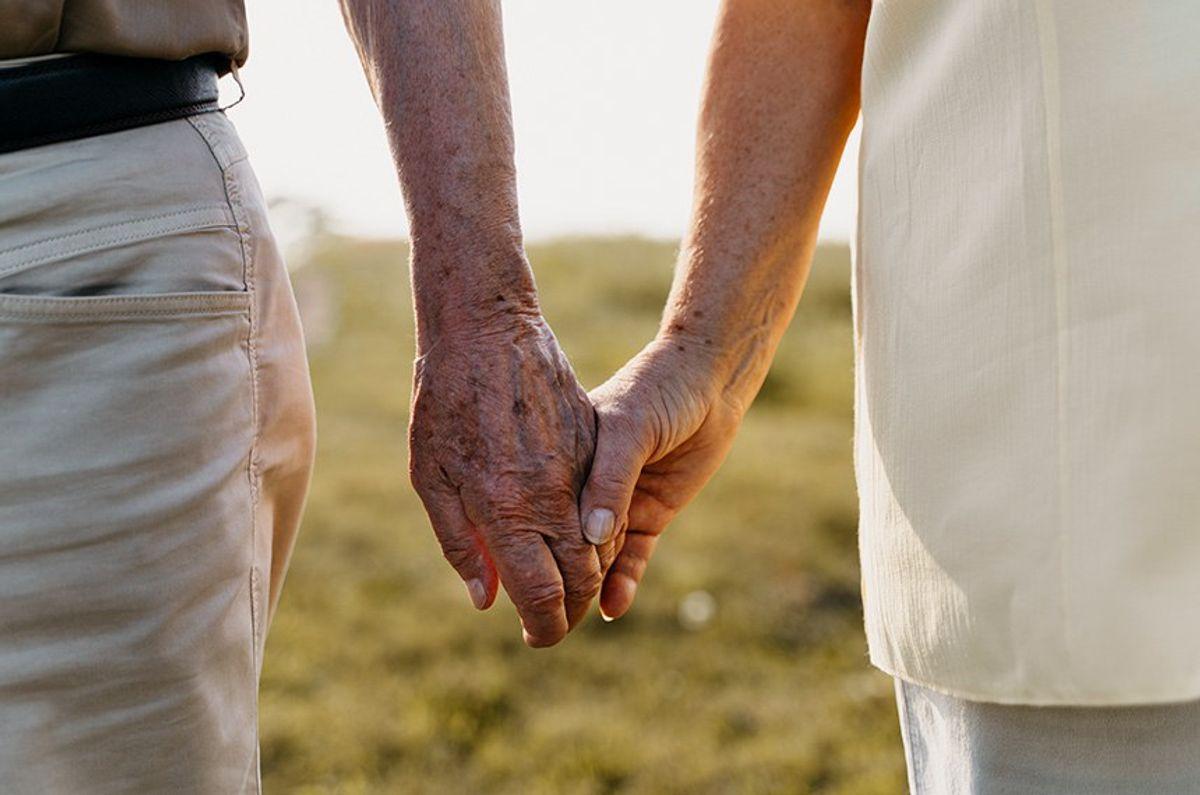
The Emotional Weight of “Lasts”: The Last Conversation, Last Hug, Last Goodbye
The last conversation, last hug, and last goodbye are some of the most emotionally powerful experiences a person can carry. These final moments transform ordinary interactions into lifelong memories, revealing the depth of love, connection, grief, and human attachment. This article explores why we remember final moments so vividly, how they shape the way we process loss, and why appreciating everyday connections matters before they become memories.
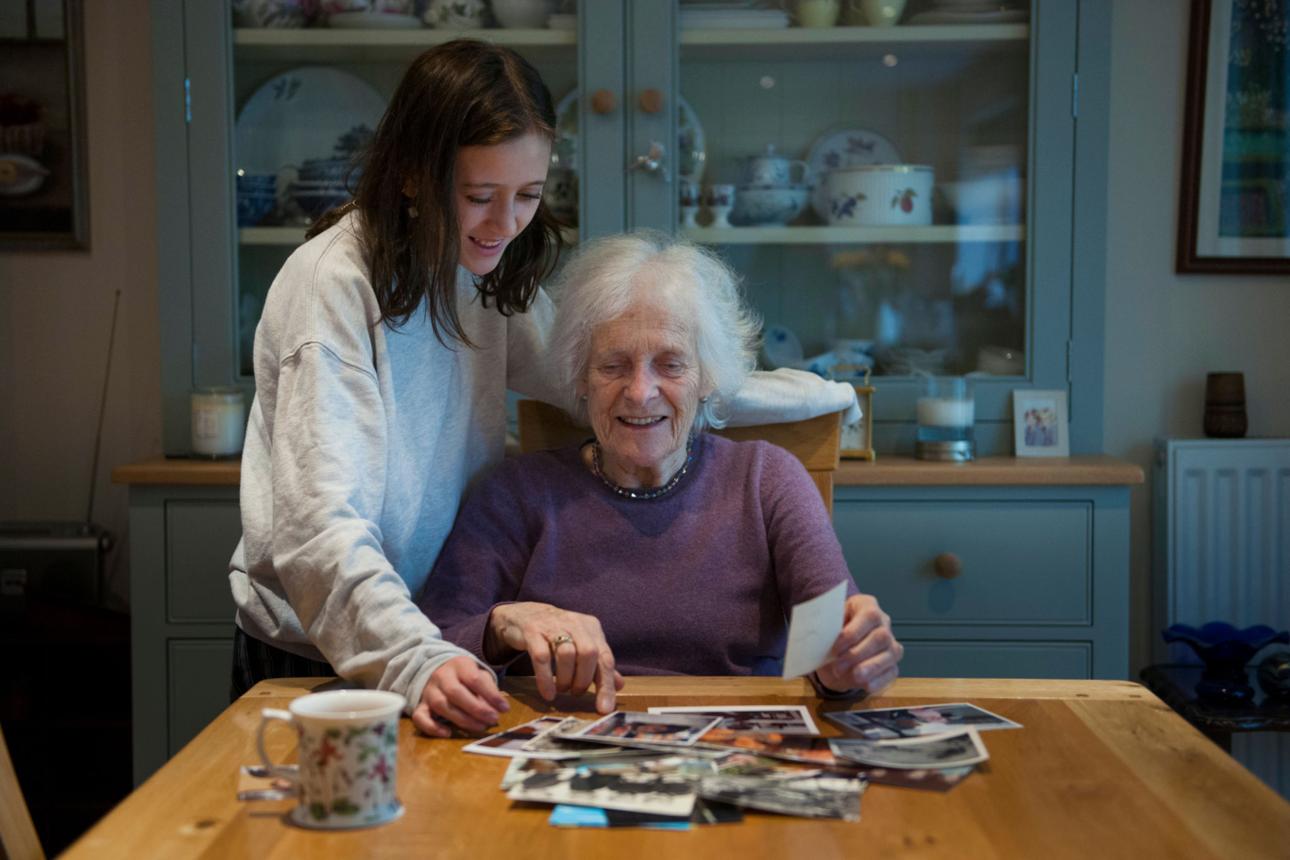
The First Holiday Without Someone: Why It Feels So Different
The first holiday after losing someone we love can feel completely different from any celebration before it. The traditions remain, the decorations appear, and families gather together, but the absence of one important person changes everything. This article explores why holidays intensify grief, how memories are triggered through traditions and senses, and how families learn to honour loved ones while creating new ways to remember.
Discover why everyday sounds can become powerful reminders of the people we love. From familiar voices and favourite songs to simple household noises, sound has the ability to preserve memories, awaken emotions, and maintain a connection with those who are no longer physically present.

After losing someone we love, ordinary belongings can become some of the most meaningful reminders of their life. A favourite sweater, handwritten note, piece of jewellery, or family recipe can carry memories, emotions, and a sense of connection that goes far beyond the object itself. This article explores why we keep the things left behind, the psychology behind emotional attachment to personal belongings, and how these objects help us preserve love, identity, and family stories after loss.
Share:
Pet End of Life Care – Short Guide for Pet Owners
5 Common Questions about Choosing Cremation in 2023