
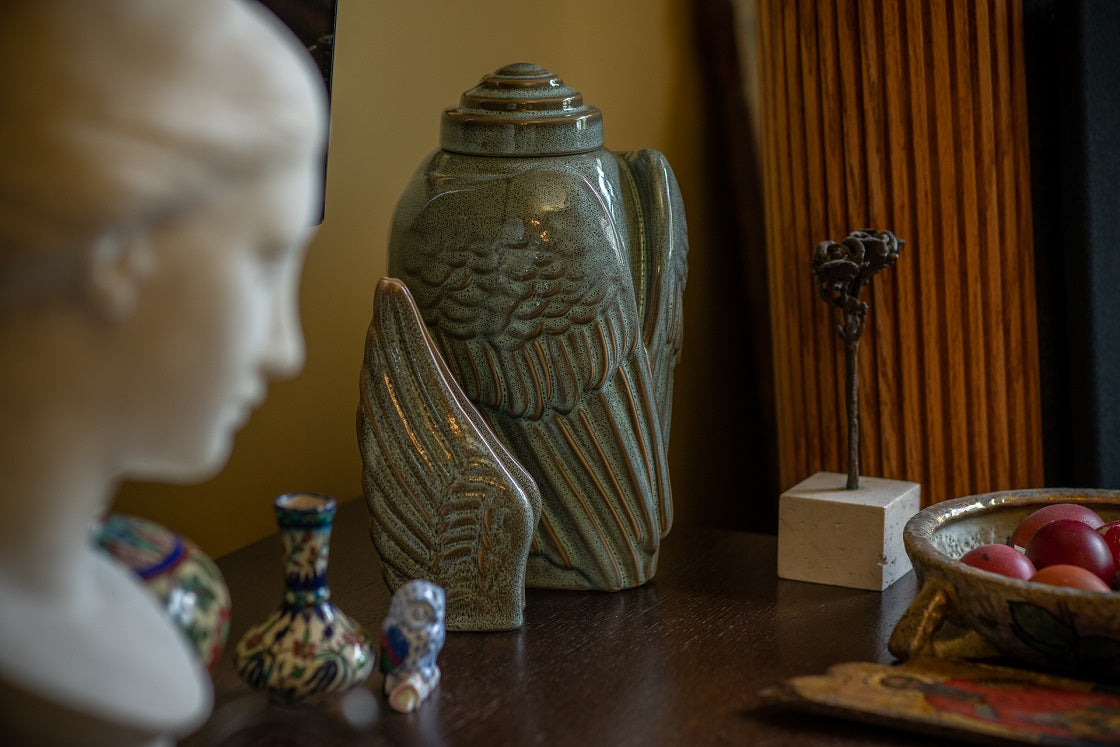
Urns are often associated with emotions and sentiments and once we buy one, it is essential to take proper care of it. Since urns are all made from various types of materials and have different shapes, the steps for taking care of your urn will depend largely on its style.
Taking the proper care for your loved one’s urn is usually a simple task, which will require very little of your time. However, following these simple steps for each material is essential for good results:
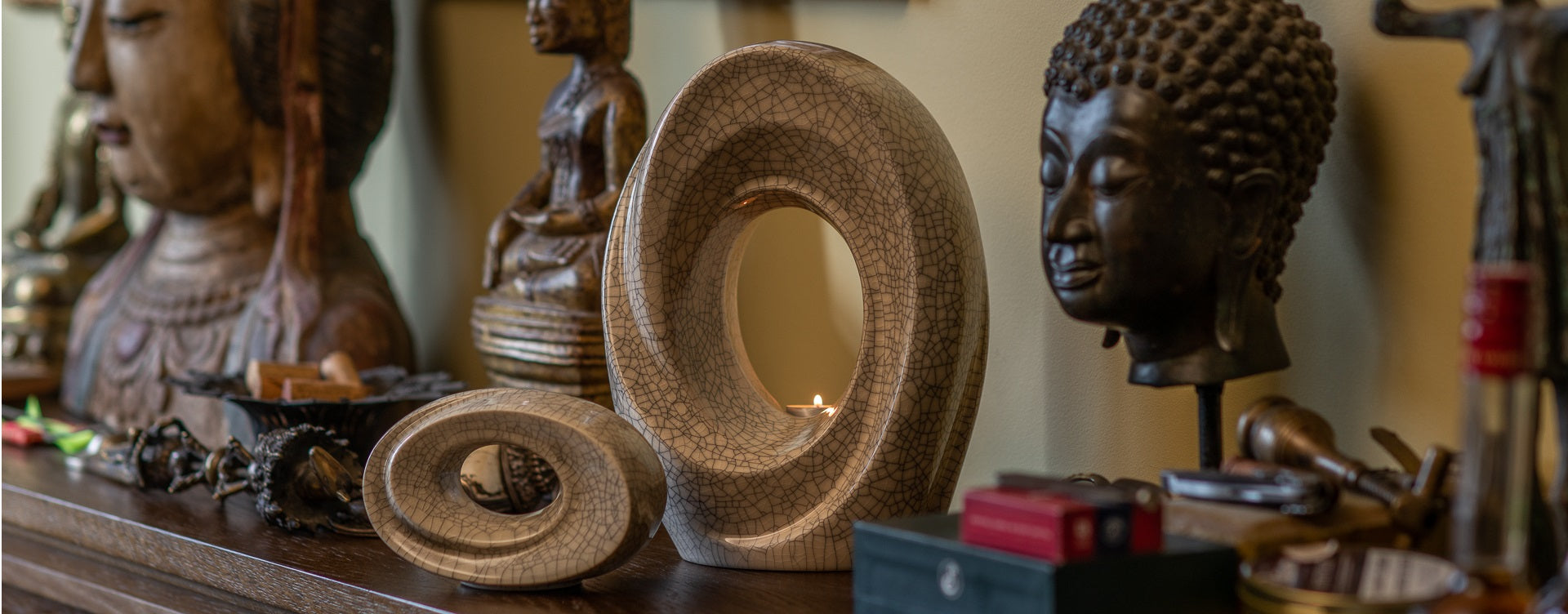
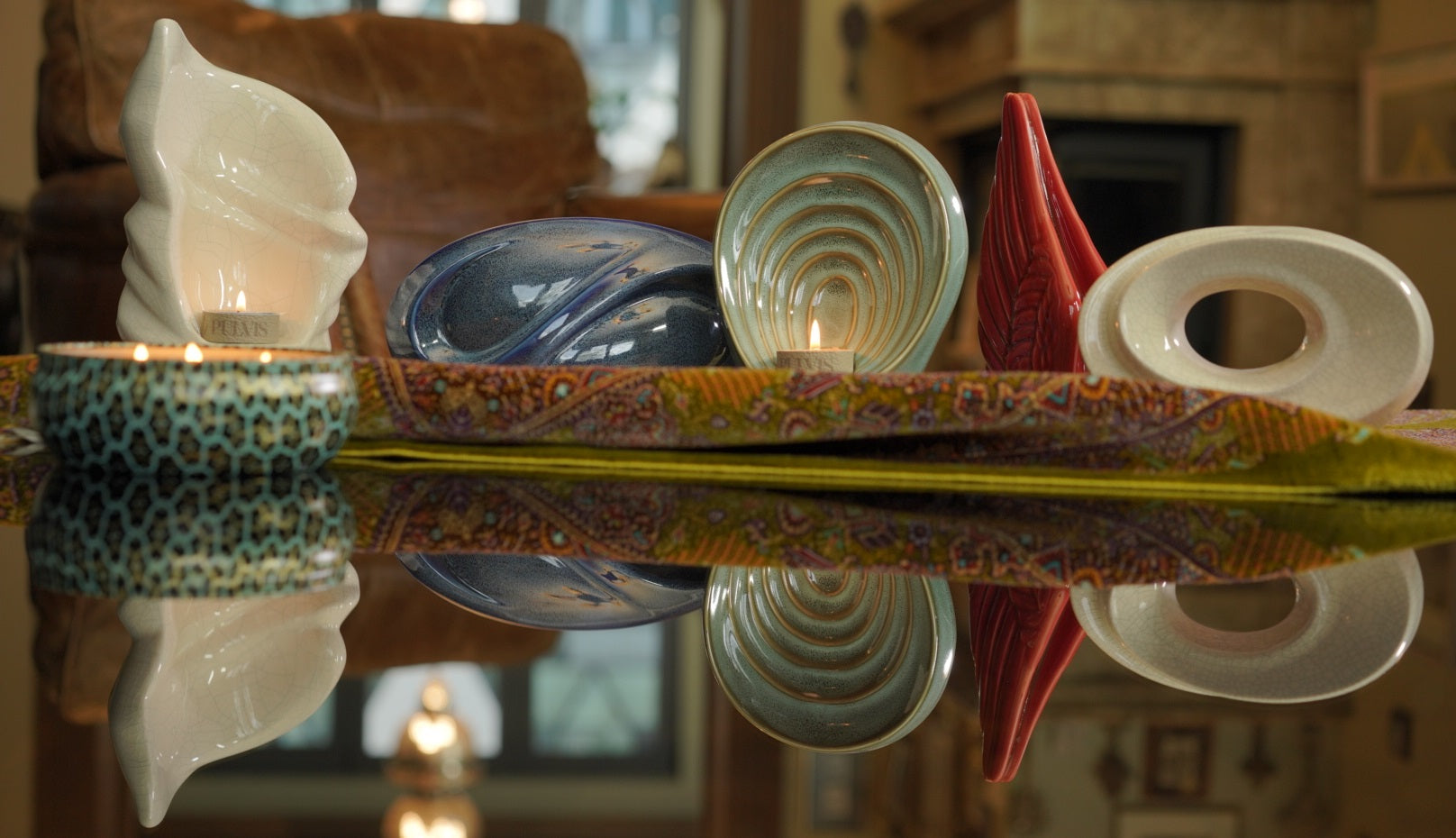
Since ceramic urns are very fragile and break easily if knocked over, it is important to remember that keeping them on a sturdy surface, away from foot traffic and pets, is essential. As for cleaning ceramic urns, use a soft dry cloth to carefully wipe away the dust from the surface. Even though the ceramic with a good finish doesn't absorb water it is best to avoid it, since it can damage the urn.

Two thing are of great importance when caring for wooden urn – Keep your urn out of direct sunlight, to prevent wood cracking by the heat, and never use water or harsh chemical products, as they can cause the wood to break down.

The rest is easy – gently wipe the outer surface to clean from dust, always using a dry soft cloth. You can also use furniture polish for wood to polish the urn once every three months – this will restore its shine.
4 Basic Rules for Choosing the Right Urn For Ashes
These simple steps will keep your wooden cremation urn for ashes in a good condition for many years ahead.
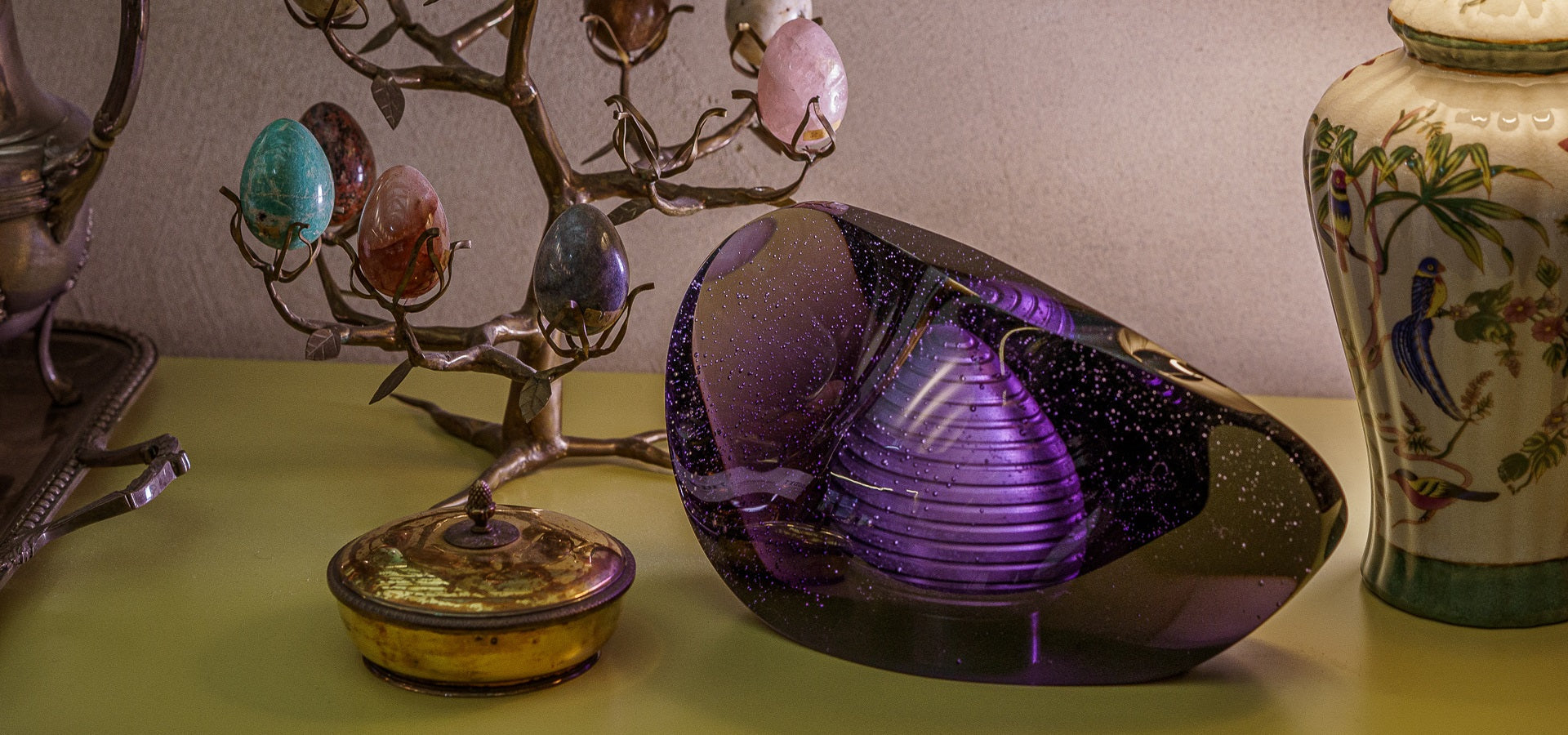
Just like the ceramic urns, glass urns need to be protected by keeping them on a stable surface, away from children and pets. Use a soft dry cloth to remove dust and dirt build-up. You can clean the urn by using an all-natural cleaning products, as well as water. After cleaning with water, immediately use a soft dry cloth to prevent the surface from staining.

Metal urns are quite special and such urns require extra care and attention.
Keep a metal urn out of direct sunlight, on a stable surface. It is important to remember that heat from the sun can cause the shape of the urn to become warped over time. Avoid using a damp cloth for cleaning the urn, since water and other liquids may cause the urn to rust. Use a soft dry cloth instead.
Due to the smooth finish of the metal or the stainless steel, any scratches due to polishing will be very visible. Scratches are usually caused by sand or dust during polishing, so make sure the cloth is very clean.
With the right care, the urn can be enjoyed generation after generation, as a family heirloom. Learn more about keeping a funeral urn for ashes at home.
Here are several common options
Home - This might be on a mantle, a shelf, or another designated area.
Cemetery or Columbarium - If the deceased had a preference for a cemetery or columbarium, you may choose to place the urn in a niche or a designated space. Some cemeteries have specific sections for urns, while others allow them to be interred in burial plots
Scattering - After scattering, some families choose to keep a small portion of the ashes in a keepsake urn.
Burial - You can choose to bury the cremation urn in a cemetery or a private property, following local regulations.
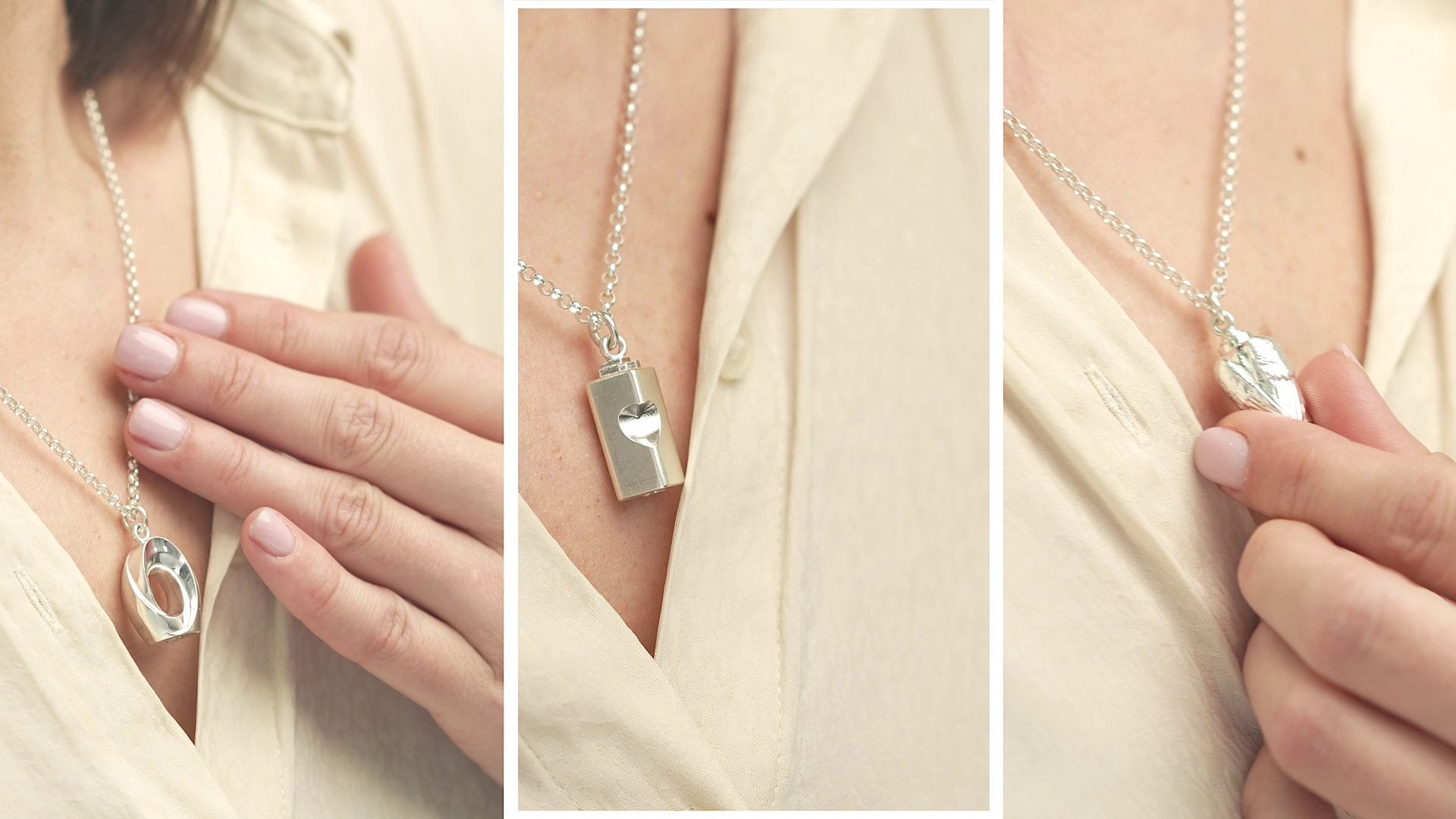
Cremation Jewelry - Another option is to use a portion of the ashes to fill cremation jewelry, allowing you to carry a small memorial with you.
Travel or Destination - If the deceased loved to travel or had a special connection to a particular place, you might consider placing the urn there, following any legal or regulatory requirements.
If you have any questions regarding this topic, do not hesitate to contact us at art@pulvisurns.com.
------------------
Our Affiliate Program is now available. at https://www.pulvisurns.com/pages/affiliate-program-by-pulvis-art-urns

Ways to Honour a Loved One Without Visiting a Cemetery
Honouring a loved one doesn't have to be limited to visiting a cemetery. Discover meaningful and heartfelt ways to celebrate their life through personal traditions, living memorials, keepsakes, charitable acts and beautiful remembrance ideas that keep their memory alive every day.
The Emotional Weight of “Lasts”: The Last Conversation, Last Hug, Last Goodbye
The last conversation, last hug, and last goodbye are some of the most emotionally powerful experiences a person can carry. These final moments transform ordinary interactions into lifelong memories, revealing the depth of love, connection, grief, and human attachment. This article explores why we remember final moments so vividly, how they shape the way we process loss, and why appreciating everyday connections matters before they become memories.
The First Holiday Without Someone: Why It Feels So Different
The first holiday after losing someone we love can feel completely different from any celebration before it. The traditions remain, the decorations appear, and families gather together, but the absence of one important person changes everything. This article explores why holidays intensify grief, how memories are triggered through traditions and senses, and how families learn to honour loved ones while creating new ways to remember.
Discover why everyday sounds can become powerful reminders of the people we love. From familiar voices and favourite songs to simple household noises, sound has the ability to preserve memories, awaken emotions, and maintain a connection with those who are no longer physically present.
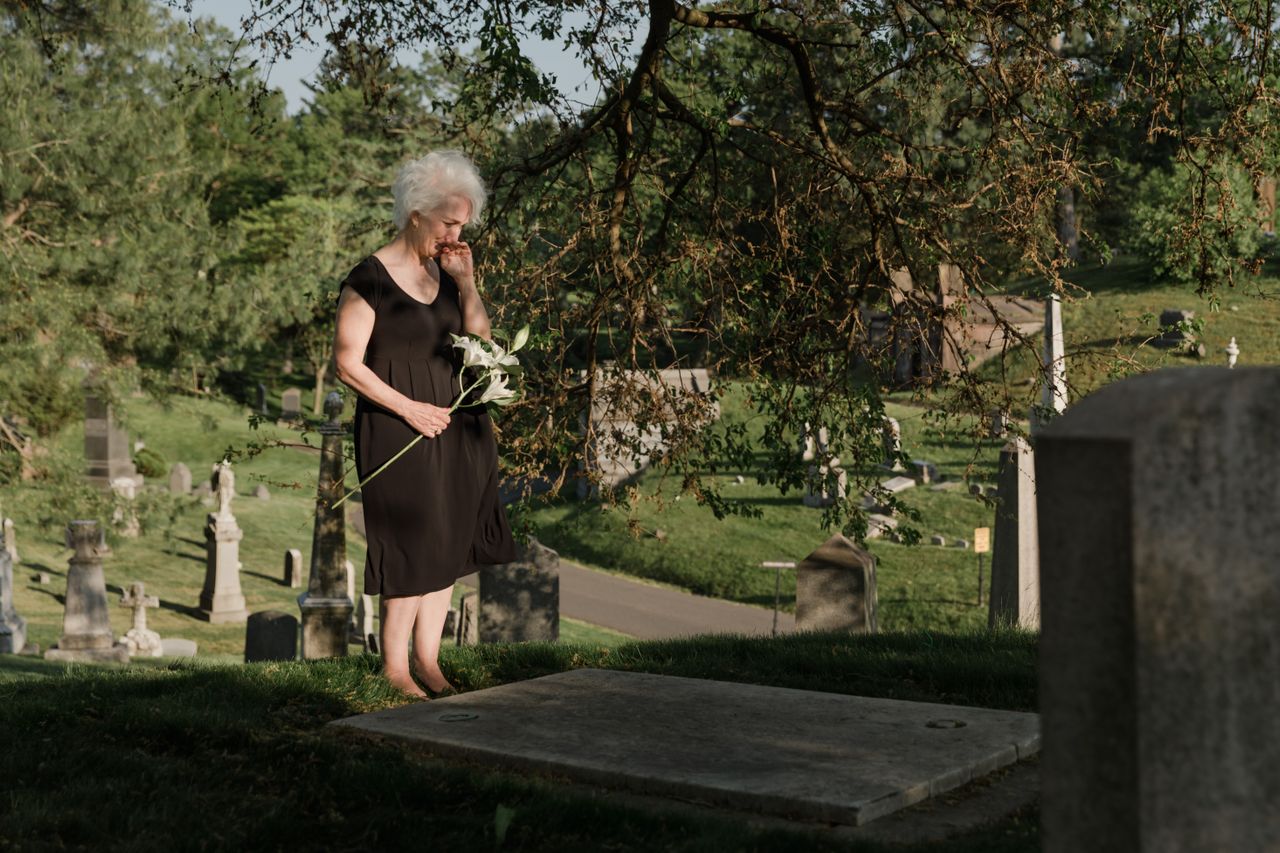
After losing someone we love, ordinary belongings can become some of the most meaningful reminders of their life. A favourite sweater, handwritten note, piece of jewellery, or family recipe can carry memories, emotions, and a sense of connection that goes far beyond the object itself. This article explores why we keep the things left behind, the psychology behind emotional attachment to personal belongings, and how these objects help us preserve love, identity, and family stories after loss.
Share:
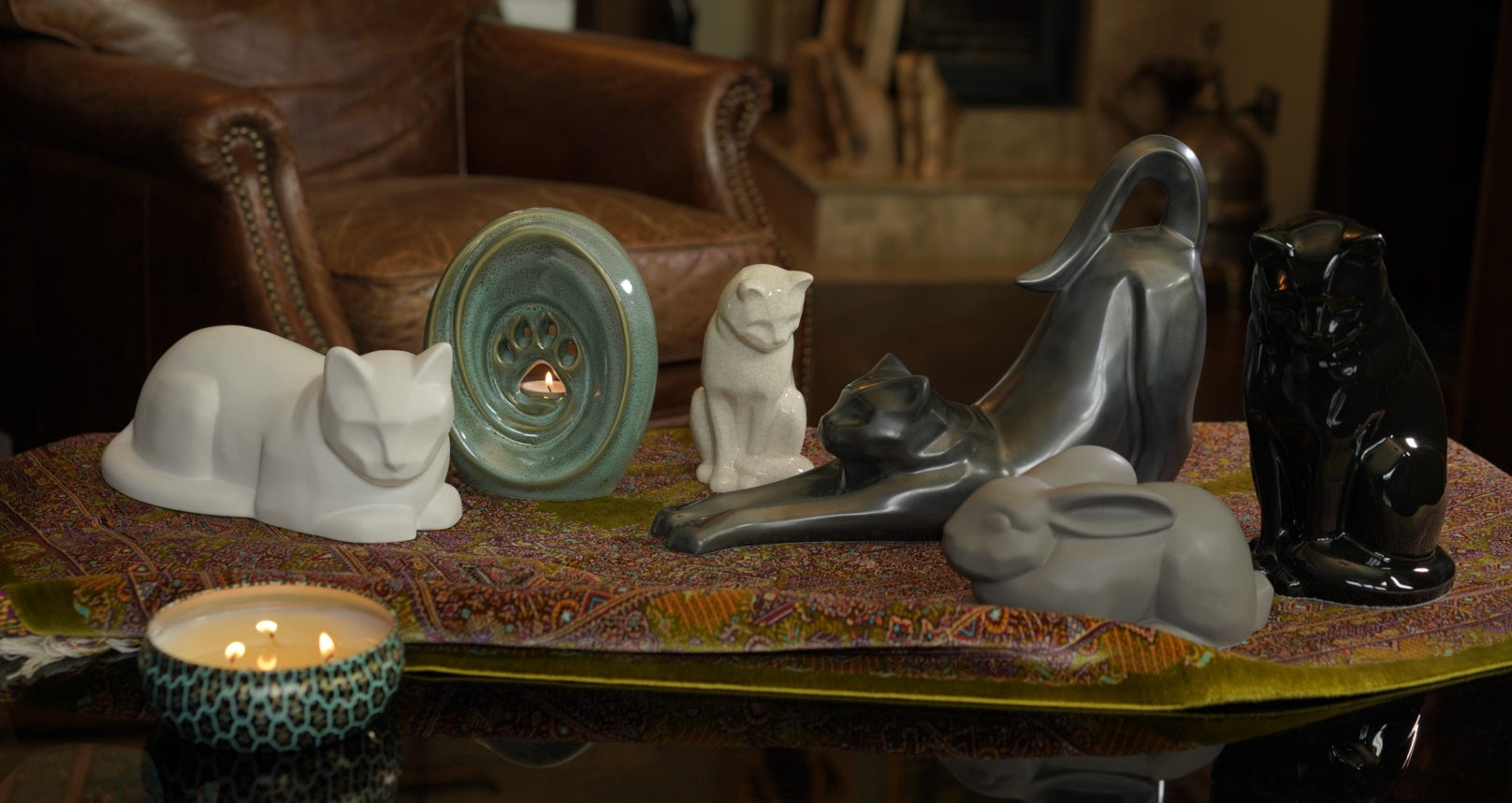
Creating a Memorial Space at Home for Your Pets
Artistic Urns: Combining Art and Memory in Pet Memorials