
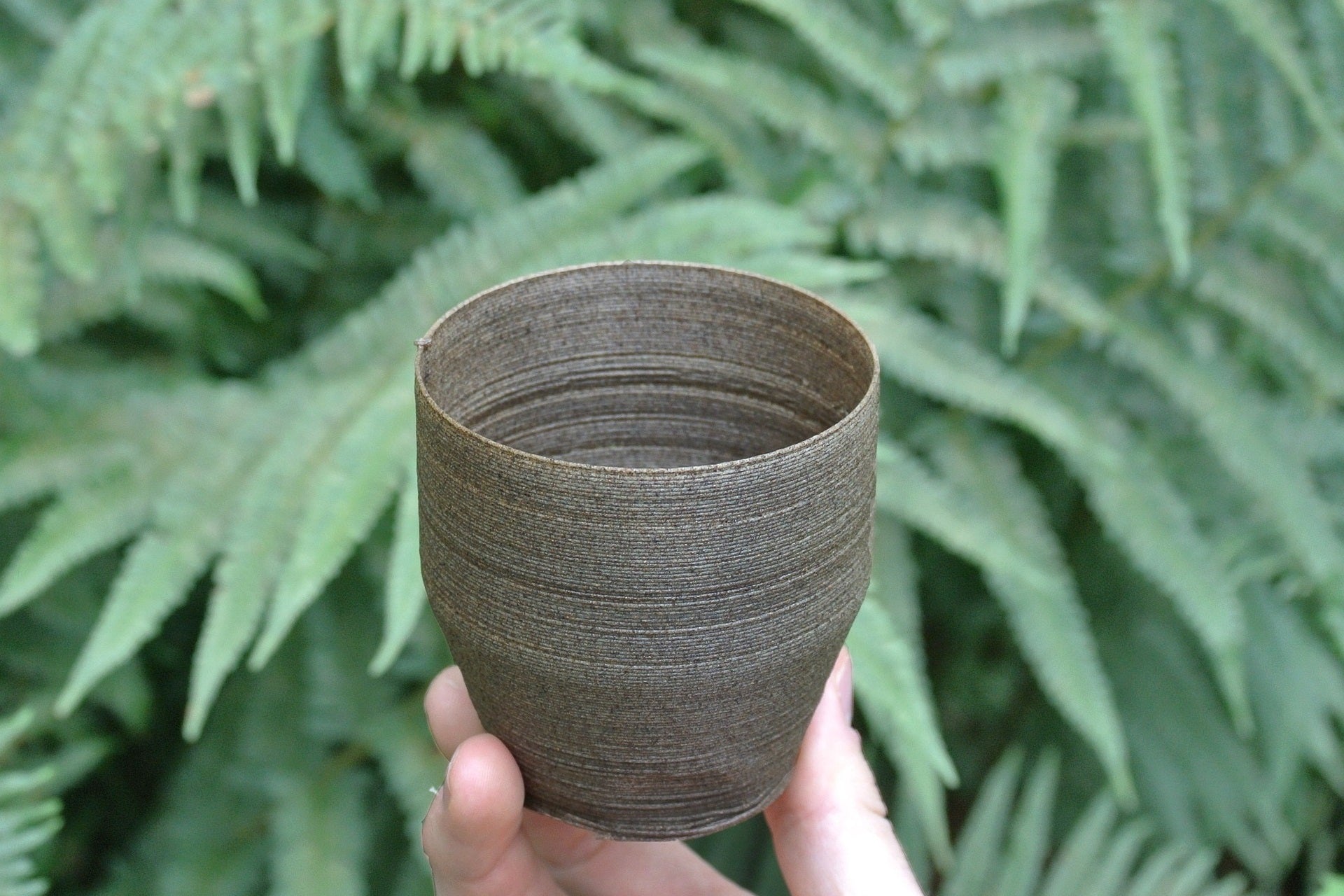
One of the biggest benefits of choosing cremation over a traditional burial undoubtedly is the fact that it’s way more beneficial for the environment. Coffins not only cost thousands of dollars, they’re also sealed and treated with chemicals that definitely should not be seeping into the ground. Burial also takes up precious space in urban areas, as this is becoming a large scale problem.
Biodegradable urns are eco-friendly alternatives to traditional urns, as they are designed to decompose naturally over time.

Cremation beats all of these downsides and then some, making it the go to choice for environmentalists and nature lovers. An emerging new trend of biodegradable urns takes already eco-friendly cremation up a notch.
Biodegradable urns, also known as eco urns, are urns that will decompose overtime if they are exposed to the natural elements. If you want a long lasting keepsake, eco urns probably aren’t the best bet, but they’re a good choice in some other ways. Check out these two popular biodegradable urn options to see if an eco urn is the right choice for you.

Although bio urns are actually designed to be buried underground, they do still hold the ashes of your loved one. So if you’re going to bury the urn, why not just do a traditional burial? Because bio urns come with an added surprise.
Bio urns contain a seed and all natural fertilisers that will grow your loved one’s favourite tree out of their ashes. When you bury ashes in a bio urn, you’re giving back to nature by planting a new tree and honouring the cycle of life by giving new life to the earth.

Bio urns have been growing in popularity in the US because they allow you to create a growing, dynamic memorial to you loved one, while remaining conscious of the environment. By planting a tree, not only is you loved one memorialised, you’re also enhancing the beauty of the world around them. A perfect tribute for a beautiful soul.
Water urns are biodegradable urns designed for water burials. They’ll float at the surface of the water for a while, allowing you the chance to say goodbye, before sinking to the bottom and naturally decomposing.

Water urns aren’t just a good choice for the lovers of the natural world, they’re also perfect for those of the Sikh and Hindu faiths. In these religious practices, both cremation and water burial are mandated. Traditionally, Hindus must return to India to spread the ashes into the Ganges River. For most people, this isn’t practical, so water urns are a perfect option for Sikhs and Hindus living outside of India.
Many people choose cremation because it allows them to have a memorial or keepsake for their loved one in their own home. With biodegradable urns, you release your loved one to the natural world, a powerful message, but not the right choice for everyone.
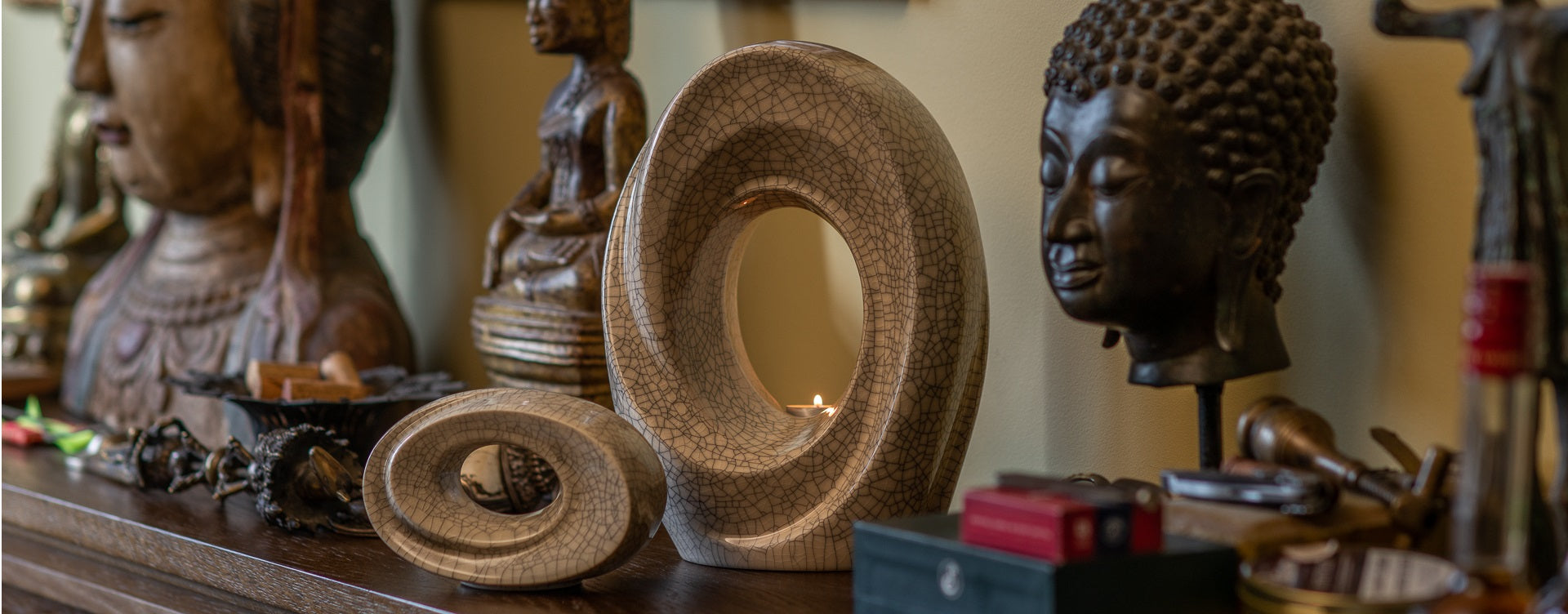
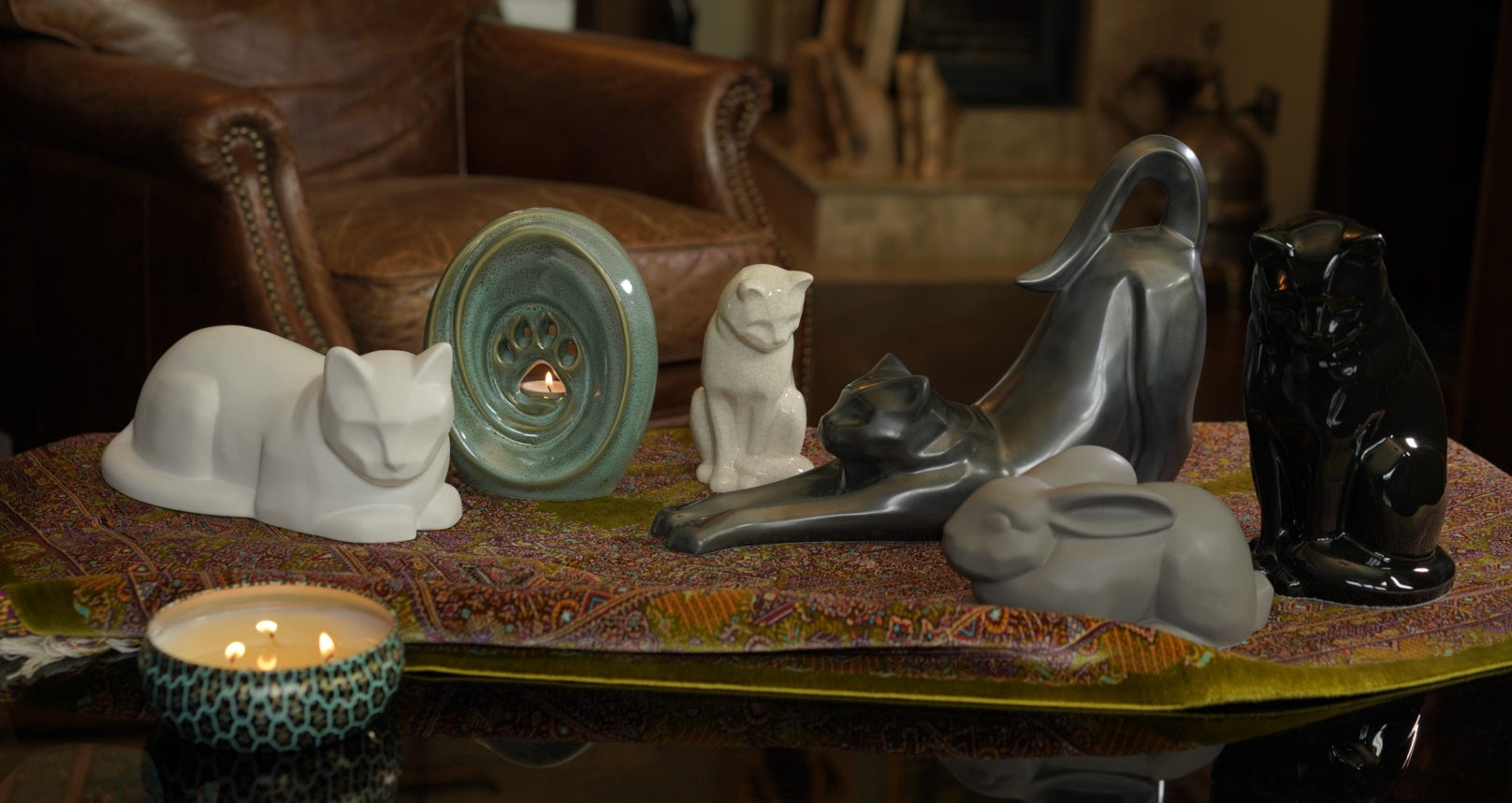
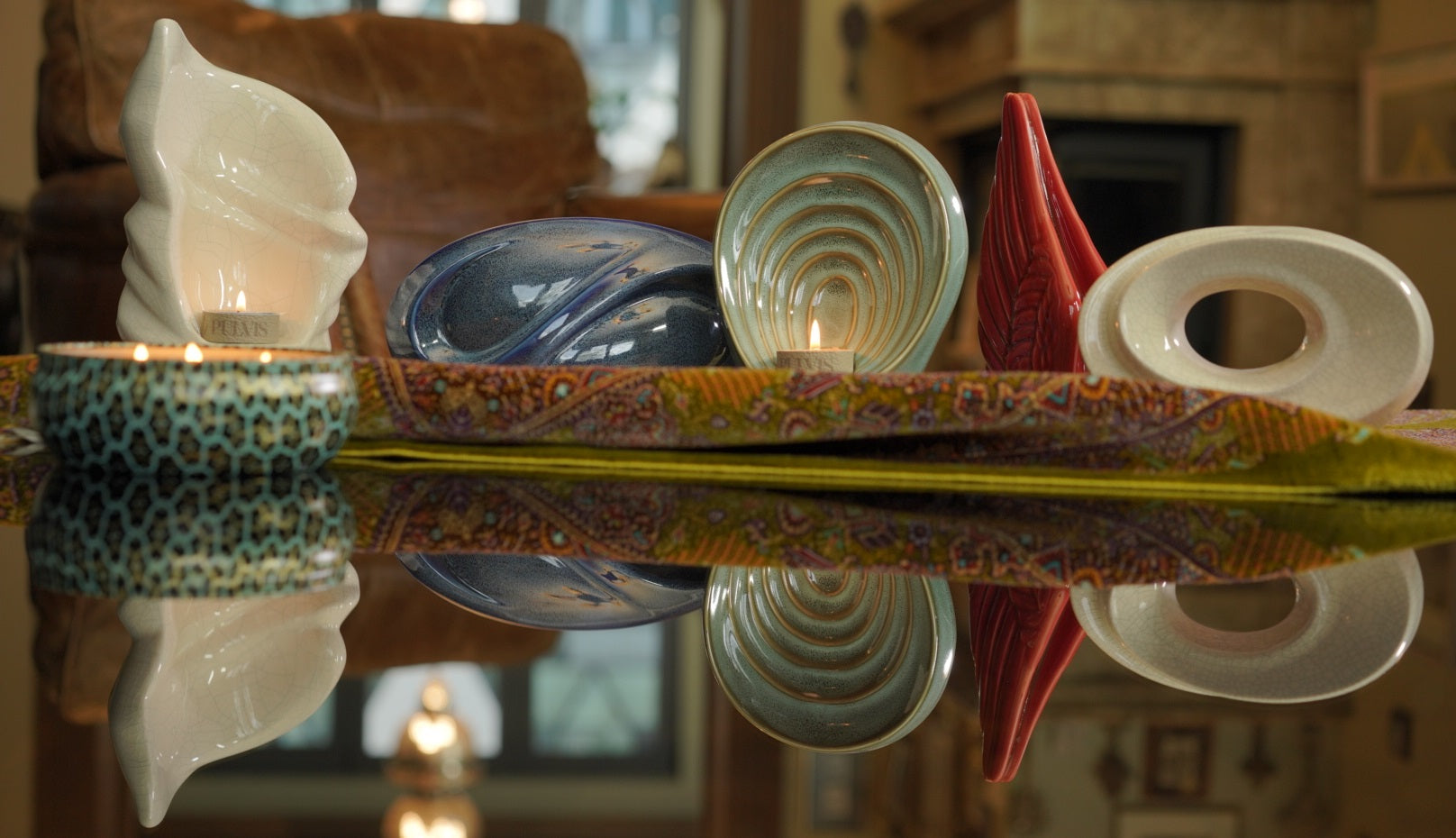
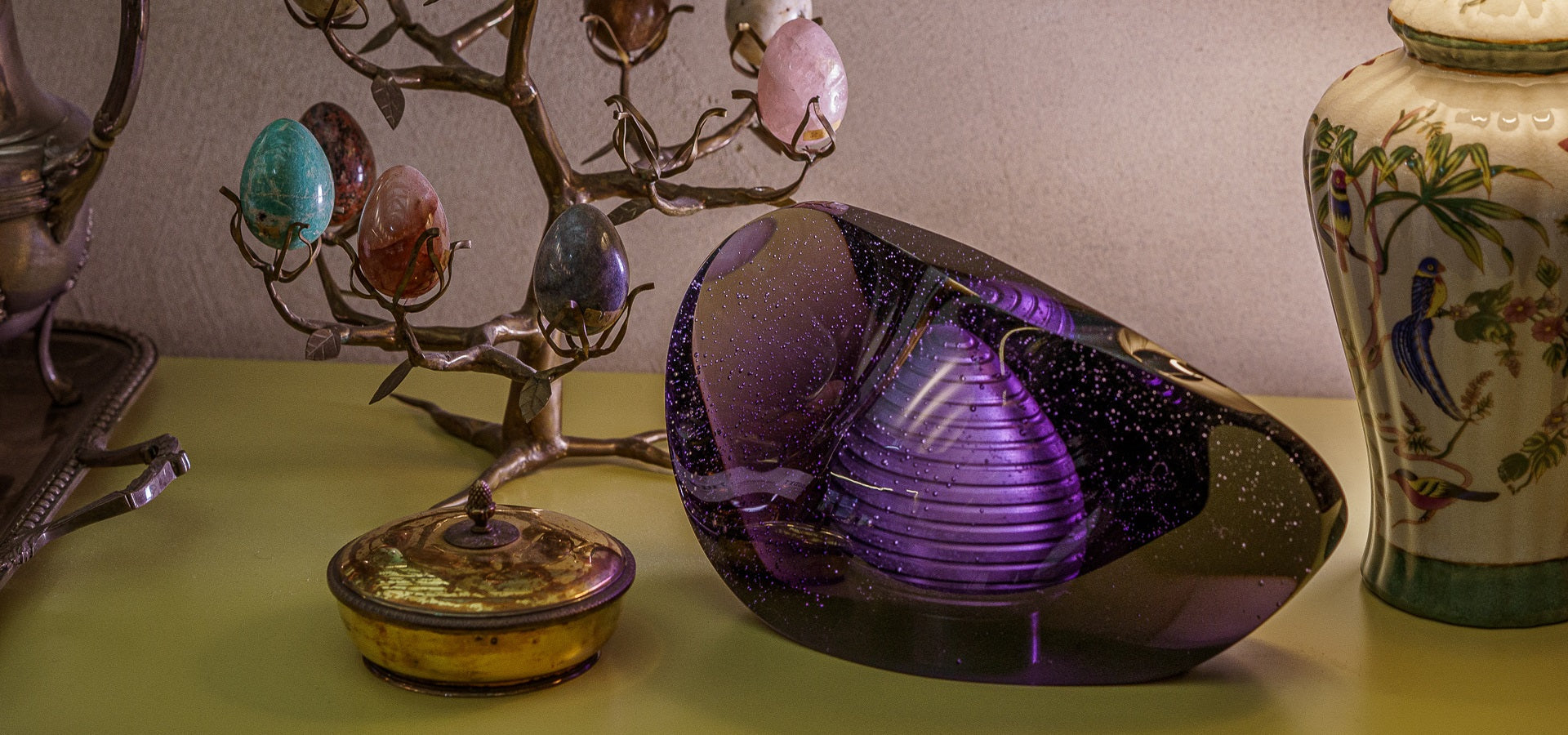
If you want a memorial for your home that still reflects the uniqueness and beauty of your loved one, ceramic art urns might be a better choice. Not only are they durable and long lasting, as opposed to eco urns, they’re also made of natural clay, so caring for the environment won’t be a worry.

Biodegradable urns come in a wide range of shapes, sizes, and materials, including recycled paper, salt, sand, and plant fibers. This provides a range of options to choose from, depending on personal preferences and the intended use of the urn.
Many cremation urns are designed to be easily transported and used in a variety of settings, such as scattering ceremonies, burial, or water immersion.
Biodegradable cremation urns are made of materials that break down over time and do not harm the environment. This is particularly important for those who are environmentally conscious and want to minimize their impact on the planet.
Ceramic can be an eco-friendly material, depending on how it is produced and used. Here are some factors to consider buying a ceramic urn:
Ceramic urns are made from natural materials such as clay, sand, and water. These materials are abundant and renewable, making ceramic a sustainable choice.
Ceramic products are often durable and long-lasting, which means they don't need to be replaced as frequently as other materials.
The production of ceramic typically requires less energy than the production of other materials, such as plastic or metal.

Overall, biodegradable cremation urns offer a range of benefits, including environmental benefits, versatility, affordability, and convenience. However, it's important to consider their limitations and suitability for individual needs and preferences before making a decision to buy a biodegradable cremation urn.
Join us in helping families honor the memory of their loved ones and pets through art!
Our Affiliate Program is now available at https://www.pulvisurns.com/pages/affiliate-program-by-pulvis-art-urns

Ways to Honour a Loved One Without Visiting a Cemetery
Honouring a loved one doesn't have to be limited to visiting a cemetery. Discover meaningful and heartfelt ways to celebrate their life through personal traditions, living memorials, keepsakes, charitable acts and beautiful remembrance ideas that keep their memory alive every day.
The Emotional Weight of “Lasts”: The Last Conversation, Last Hug, Last Goodbye
The last conversation, last hug, and last goodbye are some of the most emotionally powerful experiences a person can carry. These final moments transform ordinary interactions into lifelong memories, revealing the depth of love, connection, grief, and human attachment. This article explores why we remember final moments so vividly, how they shape the way we process loss, and why appreciating everyday connections matters before they become memories.
The First Holiday Without Someone: Why It Feels So Different
The first holiday after losing someone we love can feel completely different from any celebration before it. The traditions remain, the decorations appear, and families gather together, but the absence of one important person changes everything. This article explores why holidays intensify grief, how memories are triggered through traditions and senses, and how families learn to honour loved ones while creating new ways to remember.
Discover why everyday sounds can become powerful reminders of the people we love. From familiar voices and favourite songs to simple household noises, sound has the ability to preserve memories, awaken emotions, and maintain a connection with those who are no longer physically present.

After losing someone we love, ordinary belongings can become some of the most meaningful reminders of their life. A favourite sweater, handwritten note, piece of jewellery, or family recipe can carry memories, emotions, and a sense of connection that goes far beyond the object itself. This article explores why we keep the things left behind, the psychology behind emotional attachment to personal belongings, and how these objects help us preserve love, identity, and family stories after loss.
Share:
Scattering Ashes in Europe - Complete Guide 2023
Best Ideas for Keeping Ashes at Home - 2023 Guide