In recent years, cremation has emerged as a popular choice for final disposition, offering families a versatile and customizable alternative to traditional burial. However, amidst its rising popularity, misconceptions and myths about cremation abound. Today, we embark on a journey to demystify nine of the most prevalent cremation myths, shedding light on the truth behind the ashes.
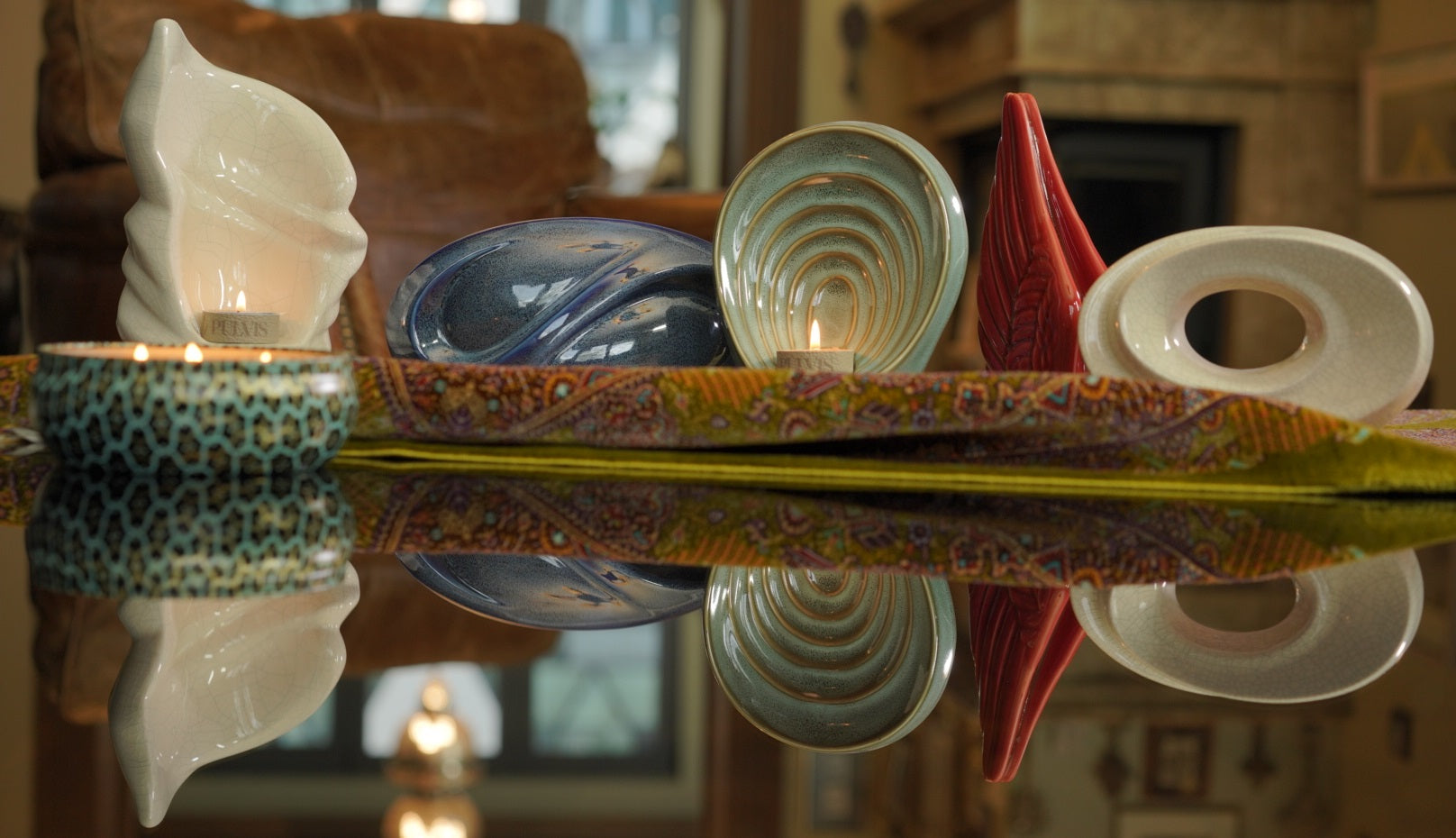
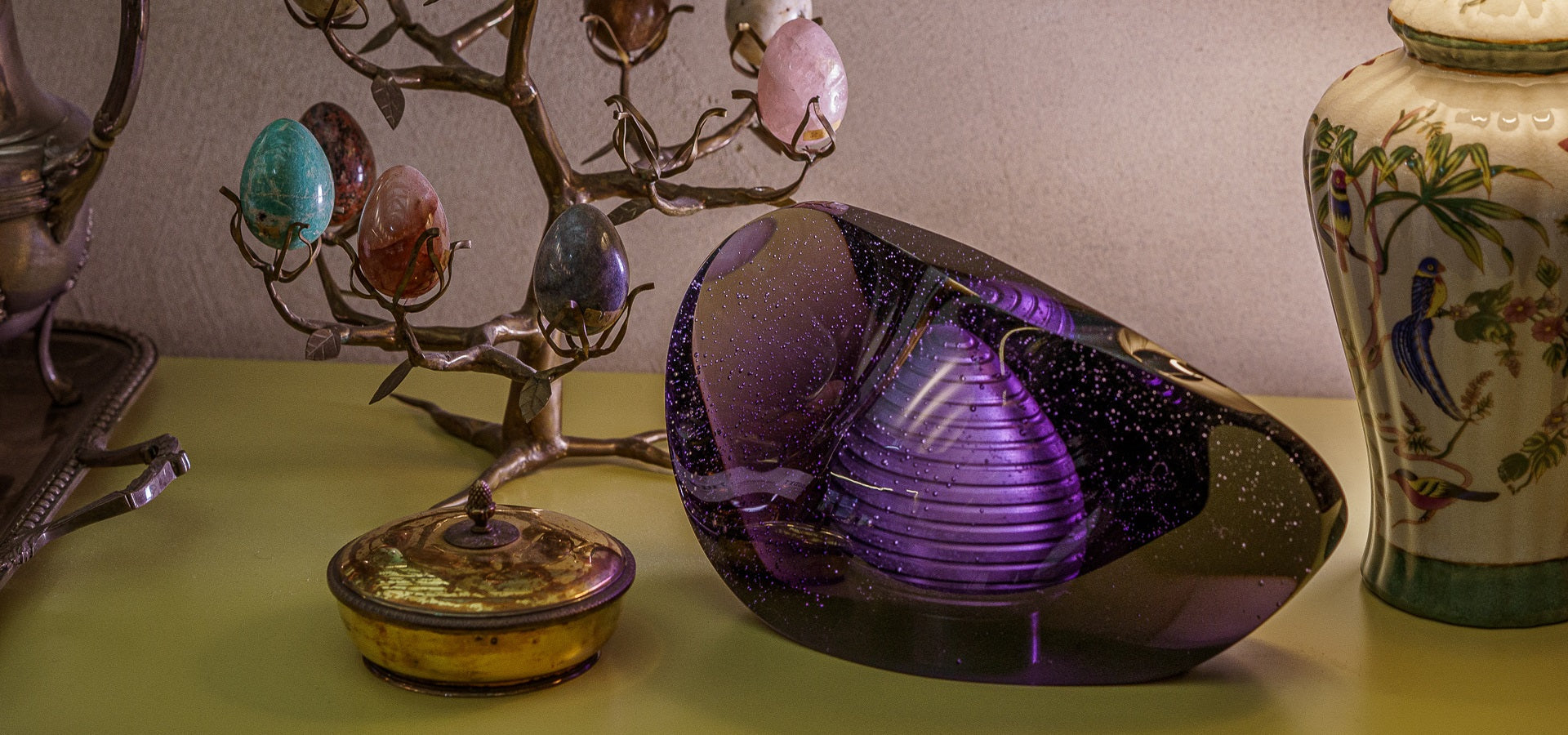
While it's true that cremation often carries a lower price tag compared to traditional burial, the notion that it is inherently cheaper is a myth. The cost of cremation can vary widely depending on factors such as location, service options, cremation urn type and personal preferences. By forgoing certain services and exploring cost-effective alternatives, burial can be equally affordable or even more so than cremation. From homemade coffins to DIY memorial services, there are numerous ways to tailor funeral arrangements to suit your budget without compromising on dignity or reverence. Note that urns for ashes and keepsakes vary in price, however they are usually much cheaper than a traditional casket.
 Myth #2: Cremation Results in Ashes
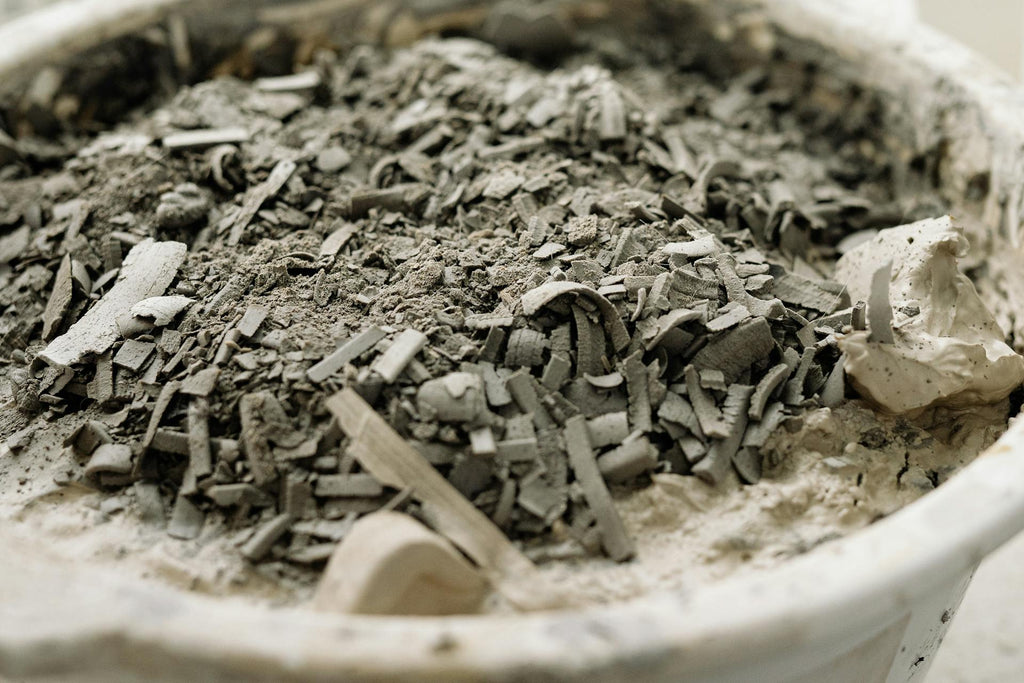
Contrary to popular belief, the term "ashes" used to describe cremated remains is a misnomer. Following the cremation process, what remains are not ashes but rather cremated remains consisting of pulverized bone matter. While the term may evoke imagery of fine dust or ash, the reality is a coarse, grainy powder resembling sand. Understanding the true nature of cremated remains can help dispel misconceptions surrounding the cremation process and its aftermath.
 Myth #3: Risk of Receiving Incorrect Remains
A common concern among individuals considering cremation is the fear of receiving incorrect remains or having their loved one's ashes mixed with those of another. While instances of such occurrences are exceedingly rare, stringent protocols and regulations govern the cremation process to ensure the integrity and identity of each individual's remains. By engaging with reputable funeral homes and crematoriums and exercising due diligence, families can mitigate any concerns and ensure peace of mind throughout the cremation process.
While cremation is often touted as an eco-friendly alternative to traditional burial, the reality is more nuanced. While the cremation process itself emits harmful chemicals and consumes significant energy, it offers secondary environmental benefits such as land conservation and reduced use of resources. However, concerns remain regarding carbon emissions and the ecological impact of cremation. Alternative methods such as bio-cremation offer emission-free alternatives, highlighting the ongoing conversation surrounding environmental sustainability in funeral practices.
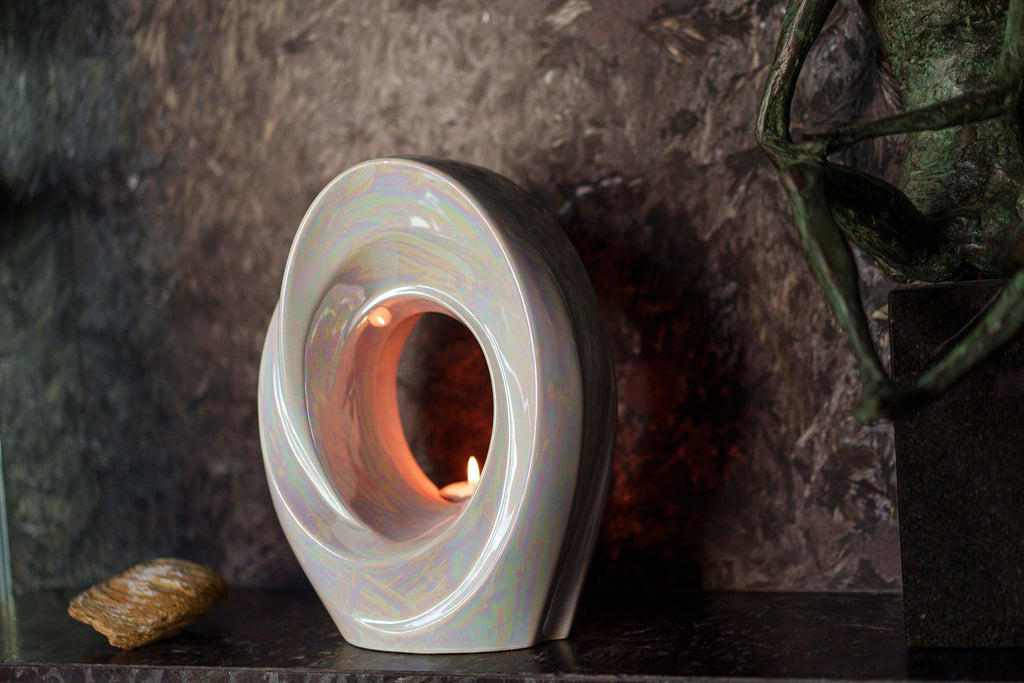
While scattering cremated remains may seem like a fitting tribute to a loved one's memory, it's essential to understand the legalities and regulations governing such practices. Laws regarding scattering vary by location and may restrict or prohibit scattering in certain areas. From private property to designated scattering gardens, exploring legal options for scattering can ensure compliance with local regulations while honoring the wishes of the deceased and their family.
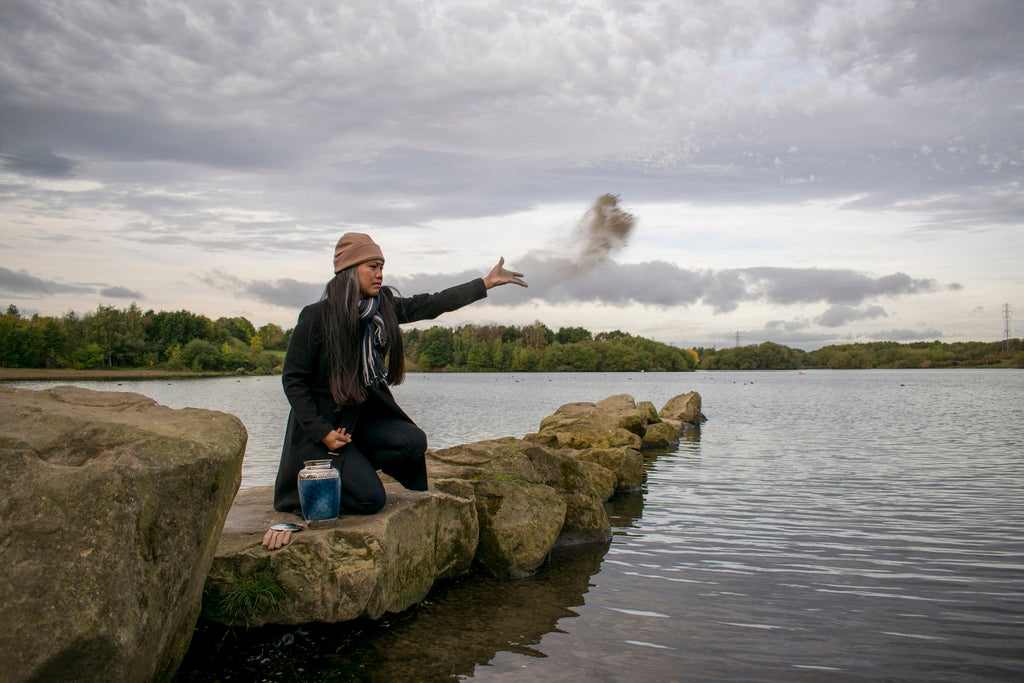 Myth #6: Cremation is Irreversible
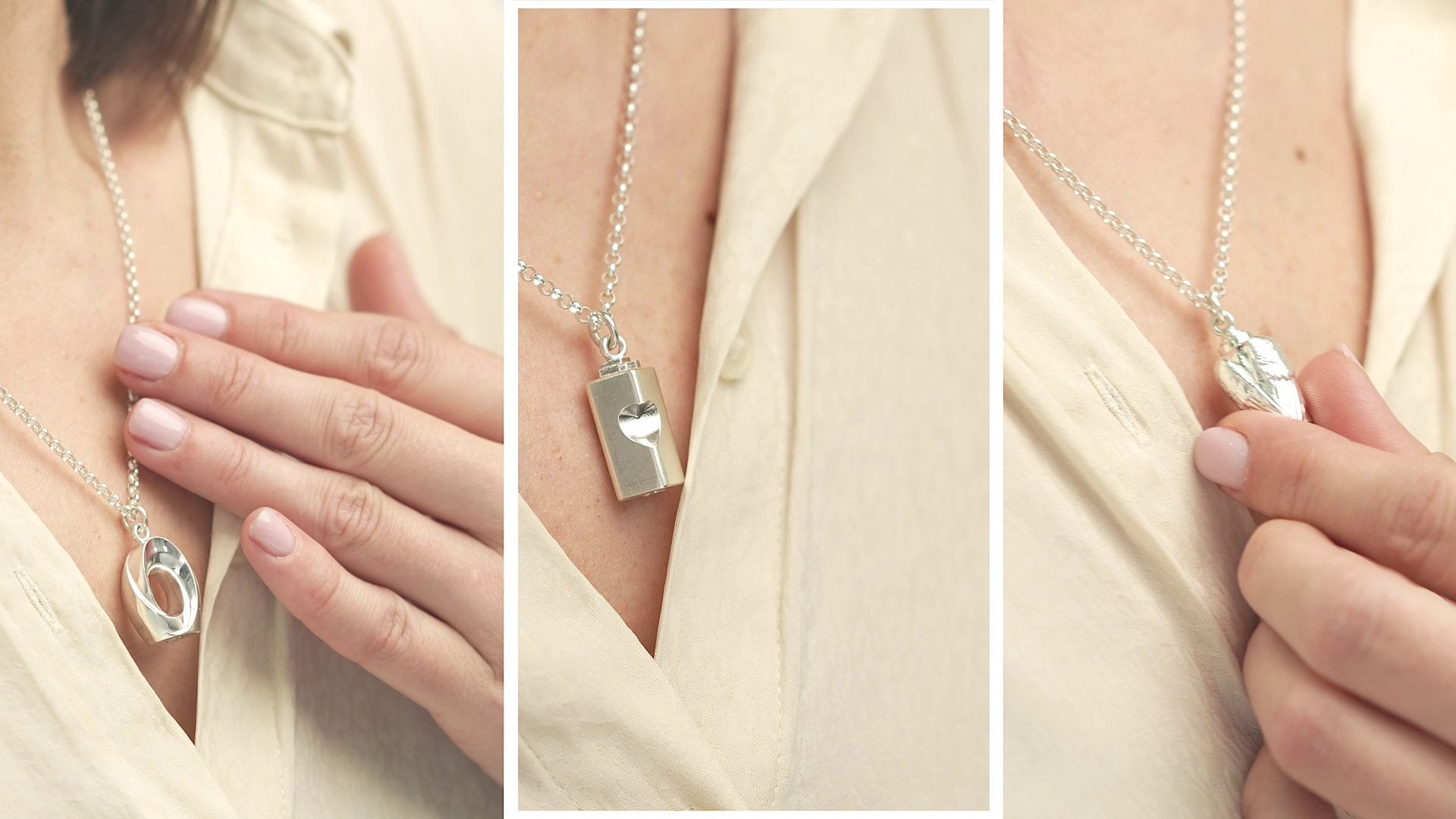
Despite the irreversible nature of cremation, families may express concerns regarding the finality of the process. However, advancements in memorialization options offer families the opportunity to commemorate their loved one's memory in meaningful and enduring ways. From personalized urns to memorial jewelry, there are countless avenues for preserving and honoring the legacy of the deceased following cremation, providing solace and comfort to grieving families.
While certain religious traditions may discourage or prohibit cremation, attitudes towards cremation vary widely across different faiths and cultures. Many religious institutions accommodate cremation as a valid form of final disposition, offering guidance and support to adherents navigating end-of-life decisions. By consulting with religious leaders and practitioners, individuals can ensure that funeral arrangements align with their spiritual beliefs and cultural traditions, fostering a sense of continuity and reverence in honoring the deceased. Storing the ashes in a cremation urn is also forbidden in some religions.
 Myth #8: Cremation Precludes Traditional Funeral Services
One misconception surrounding cremation is the notion that it precludes traditional funeral services. In reality, cremation can be seamlessly integrated into various funeral rituals and ceremonies, allowing families to honor their loved one's memory in a manner that reflects their unique preferences and traditions. From visitations and viewings to memorial services and interment ceremonies, cremation offers families the flexibility to customize funeral arrangementswhile preserving the dignity and solemnity of the occasion.
 Myth #9: Cremation is a Growing Trend
As cremation continues to gain popularity as a preferred method of final disposition, the notion that it is a modern phenomenon is a myth. Cremation has deep historical and cultural roots dating back centuries, with traditions and practices evolving over time. While contemporary attitudes towards cremation may differ from those of previous generations, the practice itself remains a timeless and enduring tribute to the deceased, offering families a timeless means of honoring their loved one's memory with reverence and respect.
In conclusion, dispelling myths and misconceptions surrounding cremation is essential in fostering a deeper understanding and appreciation of this time-honored practice. By embracing knowledge and transparency, families can navigate the cremation process with confidence and clarity, ensuring that their loved one's memory is honored with dignity and reverence for generations to come.
-----------------------------------------------------------------------------------------------------------------------------------
Join us in helping families honor the memory of their loved ones and pets through art!
Our Affiliate Program is now available at https://www.pulvisurns.com/pages/affiliate-program-by-pulvis-art-urns
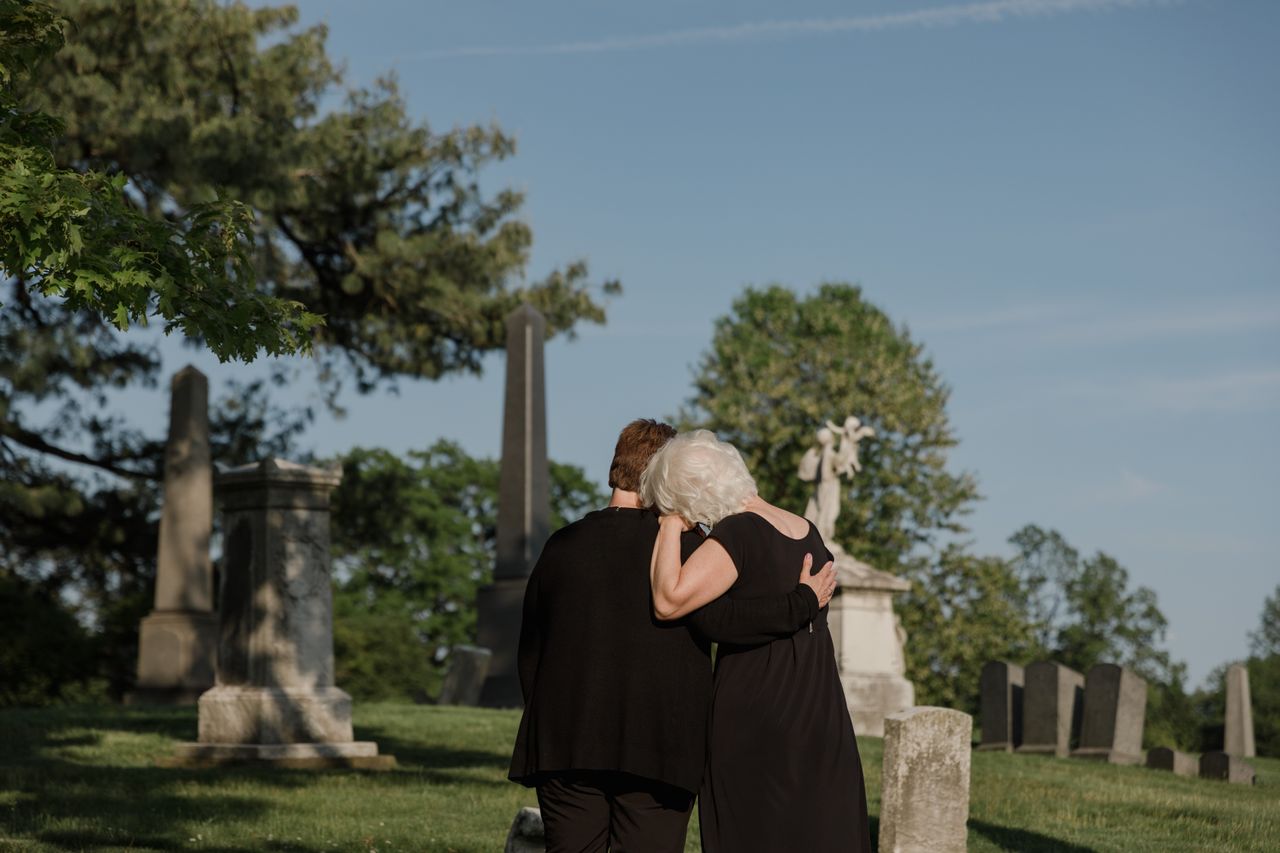
Ways to Honour a Loved One Without Visiting a Cemetery
Honouring a loved one doesn't have to be limited to visiting a cemetery. Discover meaningful and heartfelt ways to celebrate their life through personal traditions, living memorials, keepsakes, charitable acts and beautiful remembrance ideas that keep their memory alive every day.
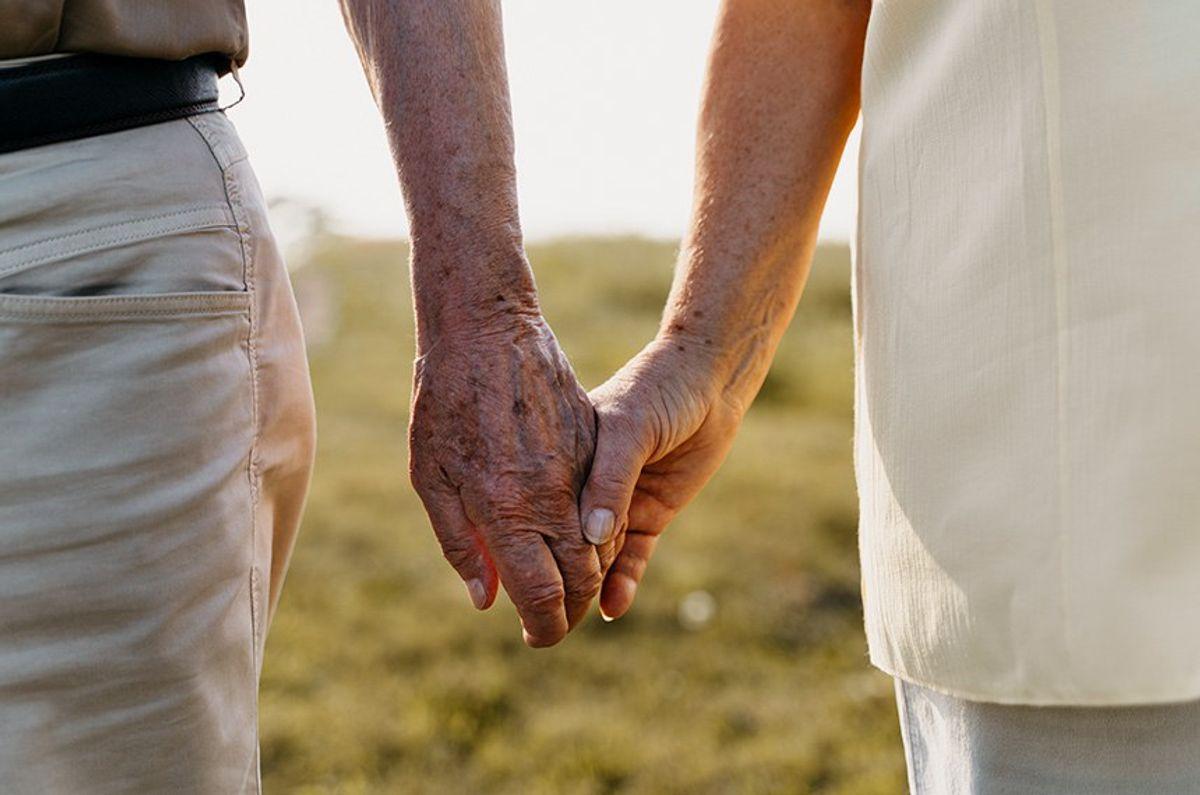
The Emotional Weight of “Lasts”: The Last Conversation, Last Hug, Last Goodbye
The last conversation, last hug, and last goodbye are some of the most emotionally powerful experiences a person can carry. These final moments transform ordinary interactions into lifelong memories, revealing the depth of love, connection, grief, and human attachment. This article explores why we remember final moments so vividly, how they shape the way we process loss, and why appreciating everyday connections matters before they become memories.
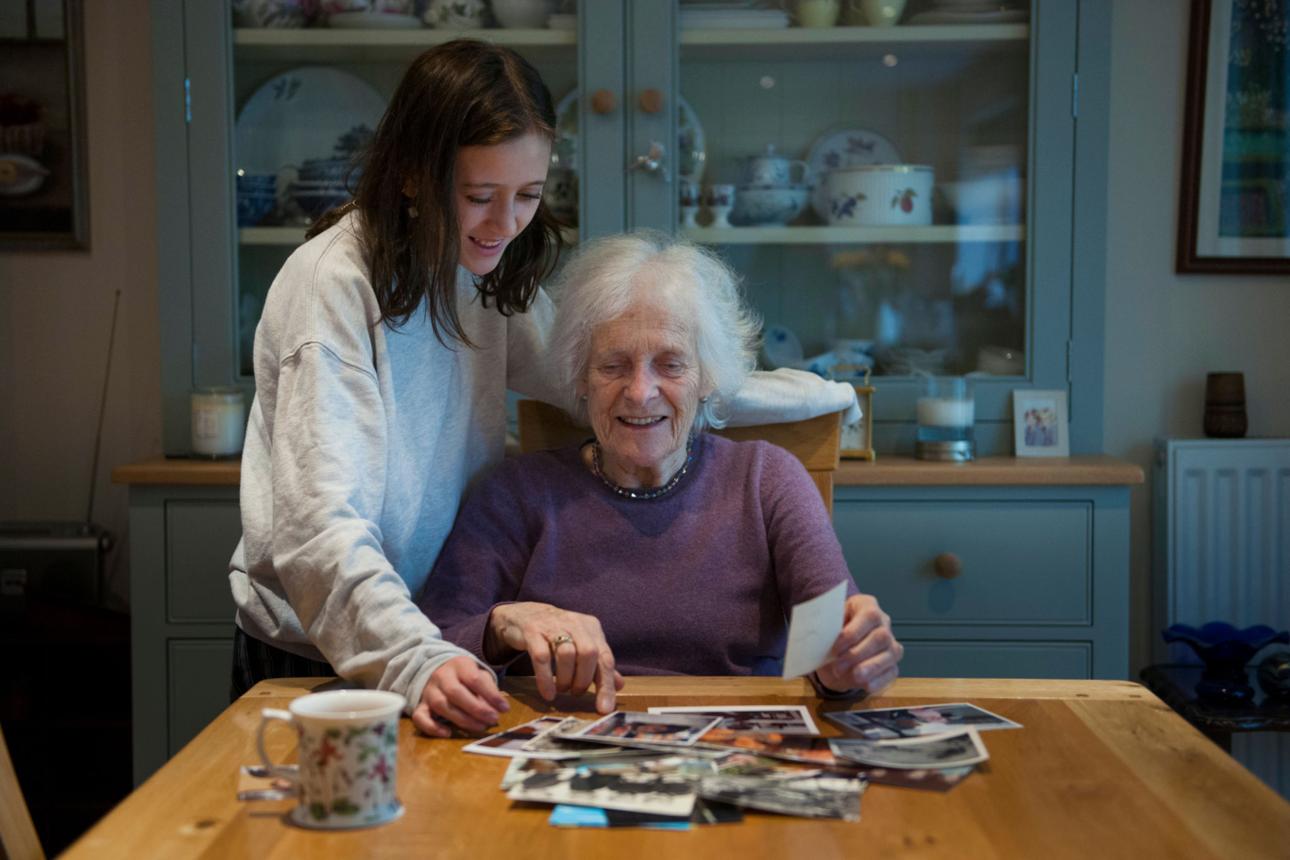
The First Holiday Without Someone: Why It Feels So Different
The first holiday after losing someone we love can feel completely different from any celebration before it. The traditions remain, the decorations appear, and families gather together, but the absence of one important person changes everything. This article explores why holidays intensify grief, how memories are triggered through traditions and senses, and how families learn to honour loved ones while creating new ways to remember.
Discover why everyday sounds can become powerful reminders of the people we love. From familiar voices and favourite songs to simple household noises, sound has the ability to preserve memories, awaken emotions, and maintain a connection with those who are no longer physically present.
After losing someone we love, ordinary belongings can become some of the most meaningful reminders of their life. A favourite sweater, handwritten note, piece of jewellery, or family recipe can carry memories, emotions, and a sense of connection that goes far beyond the object itself. This article explores why we keep the things left behind, the psychology behind emotional attachment to personal belongings, and how these objects help us preserve love, identity, and family stories after loss.
Share:
Pet Loss And How to Honor Your Furry Friend. What We Need to Know?
Letting Go with Love: A Guide to Deciding the Fate of a Loved One's Belongings