
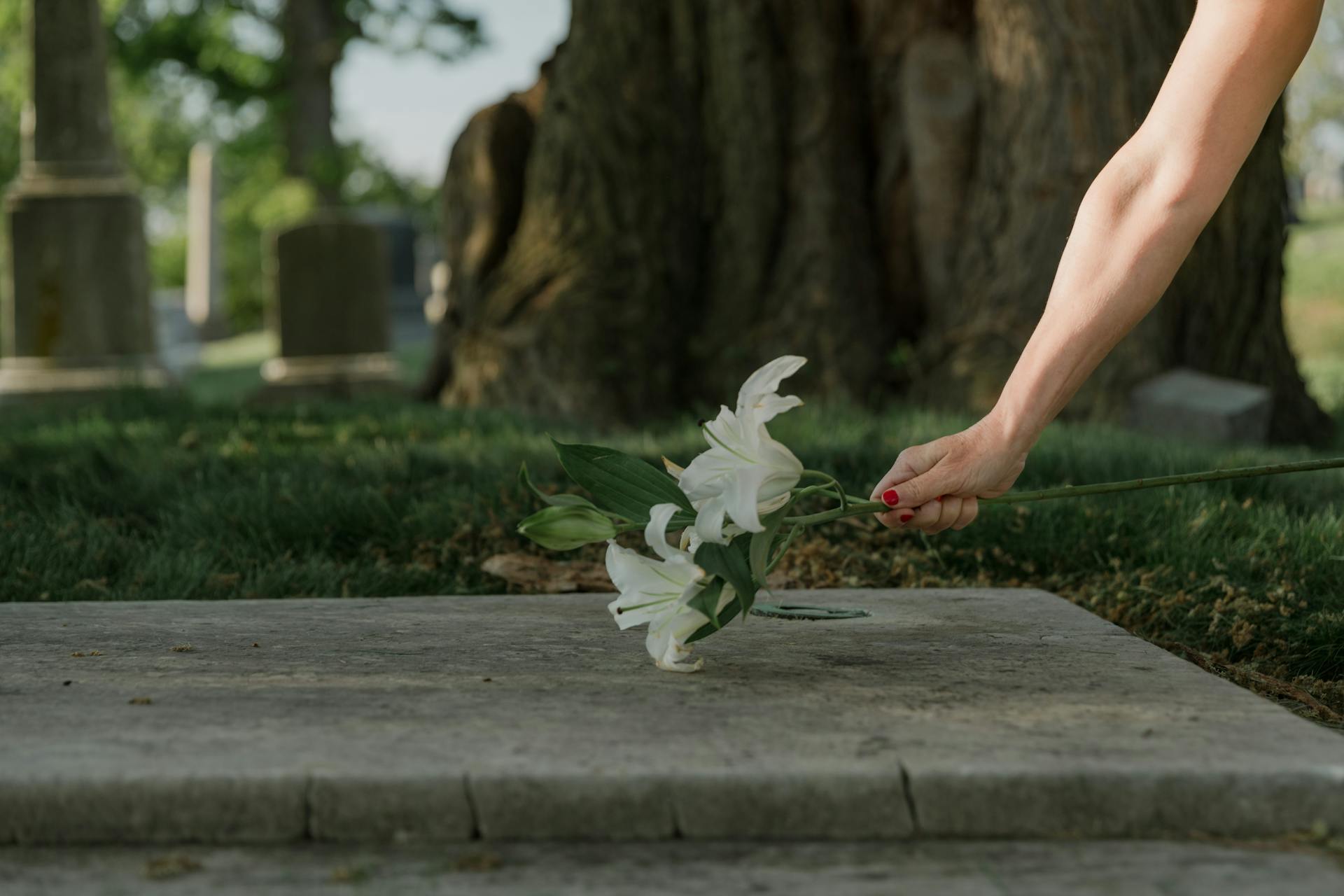
For people who hold traditional religious beliefs, the topic of death can be a tricky conversation to have with others. Not only do religious beliefs about the afterlife vary from faith to faith, but they’re also different for those who do not believe in a god-like figure, atheists.
If you’re not sure what to say to a grieving family but don’t want to cause offense, you can often find yourself at a loss for words. This guide provides a simple approach that can help you gain a deeper sense of understanding – and avoid putting your foot in your mouth at an atheist funeral service.

For those who are unfamiliar with atheism, it’s easy to make faulty assumptions about death – for example, folks think that the idea of death must be depressing if you don’t believe in god or an afterlife. But many atheists would disagree! The lack of an afterlife can also provide a sense of solace and peace. For atheists, the finite nature of life can actually spark wonder and awe at the gift of life itself, inspiring action and motivation to seize the day.
It’s also important to note that not all atheists hold the same beliefs about what happens when a person dies. While some may veer toward a scientific philosophy, others may believe in an undefined communal consciousness that is possible after death. This can still carry deep meaning and significance.
The takeaway? Don’t assume that the concept of death is a sterile idea for atheists. While atheist beliefs may differ from religious ideas, death is still a time of mourning an individual’s loss, learning to get through grief, and finding closure. This is a pretty universal experience for families – regardless of philosophy.
It is common for atheists to hold funeral services, and you do not have to be an atheist in order to attend. Also referred to as Humanist funerals, these services do not have religious undertones – so there’s no mention of god, prayers, or the person’s spirit finding its way in the afterlife. Instead, atheist memorial services are often focused on the remembrance of the person who has passed.
While atheist funeral services can have a lot of variation, there are often elements that are recognizable. If there’s a visitation, there will most likely be a casket and a gathering of loved ones. There may be flower arrangements, photos, candles, or a non-religious reading to cause reflection.
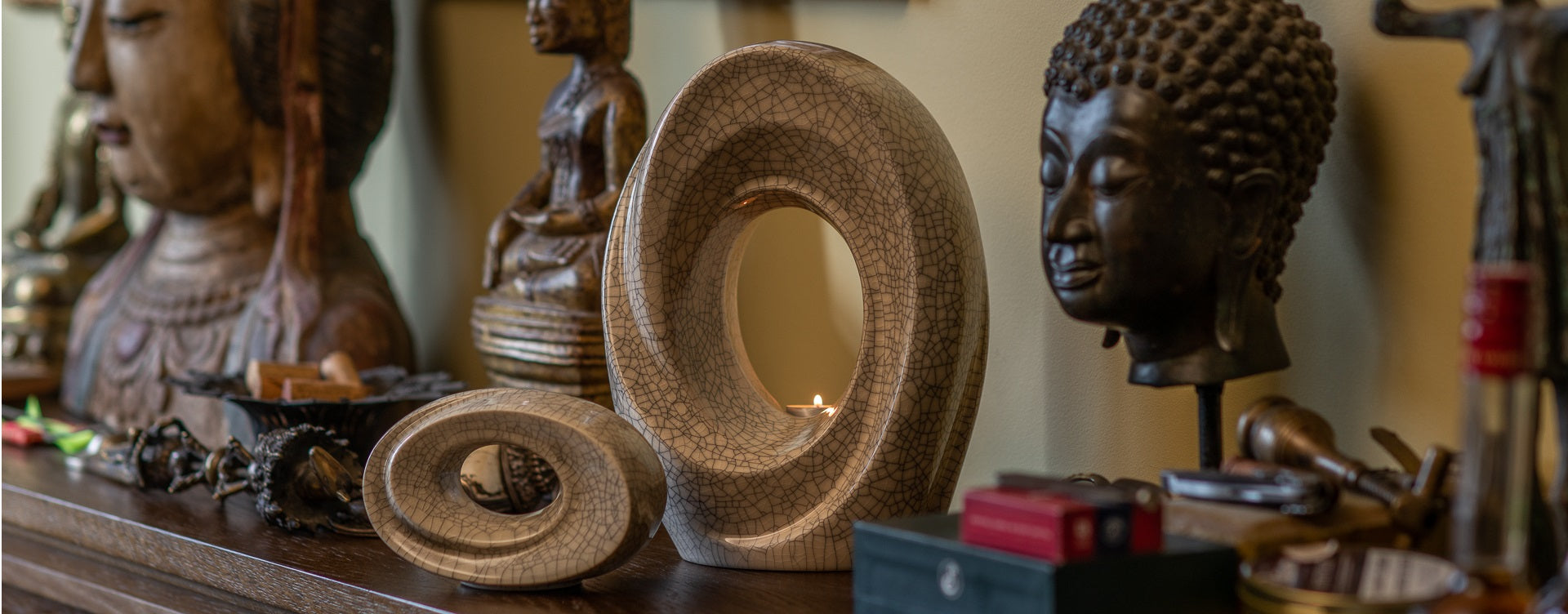
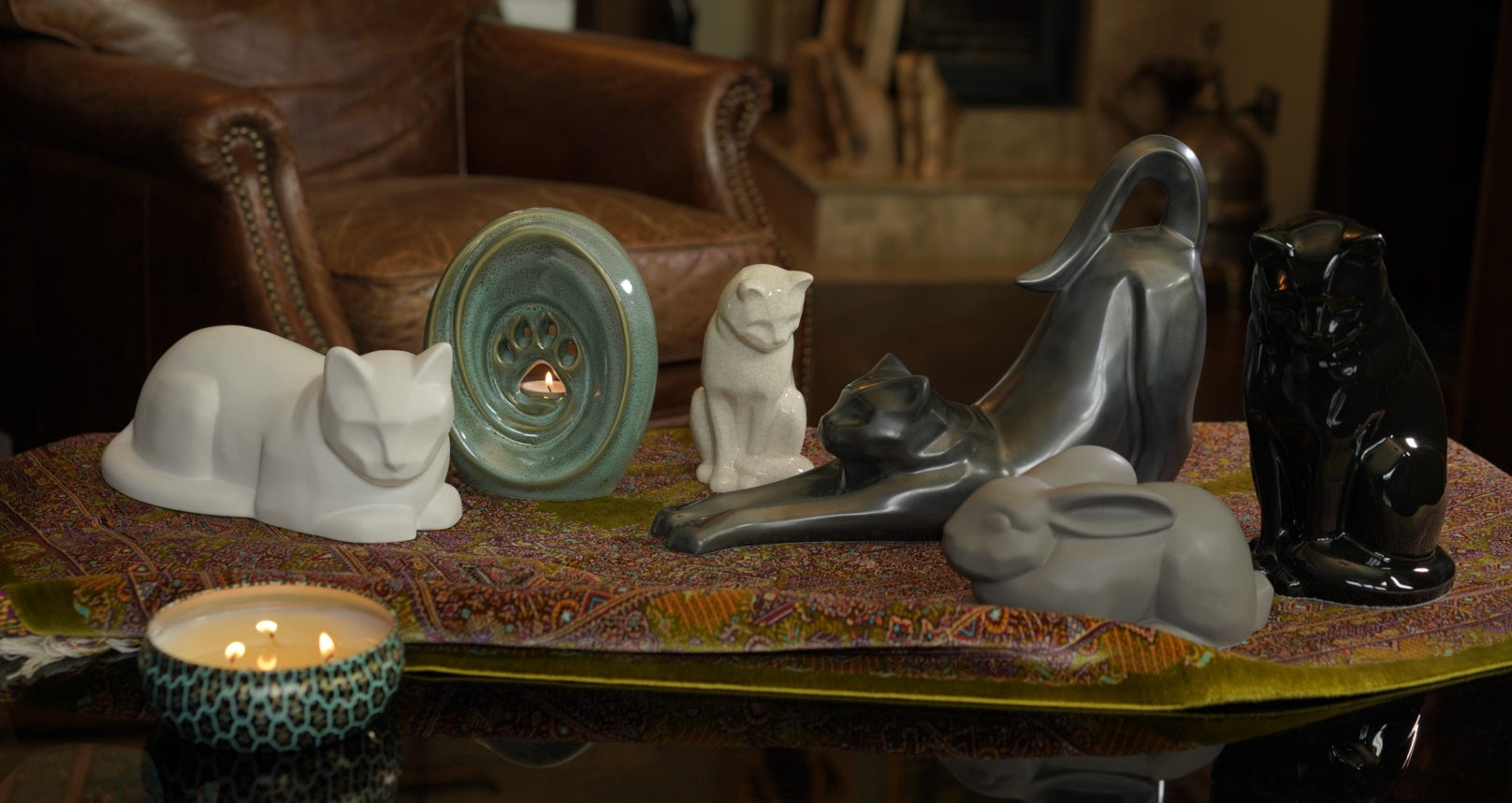
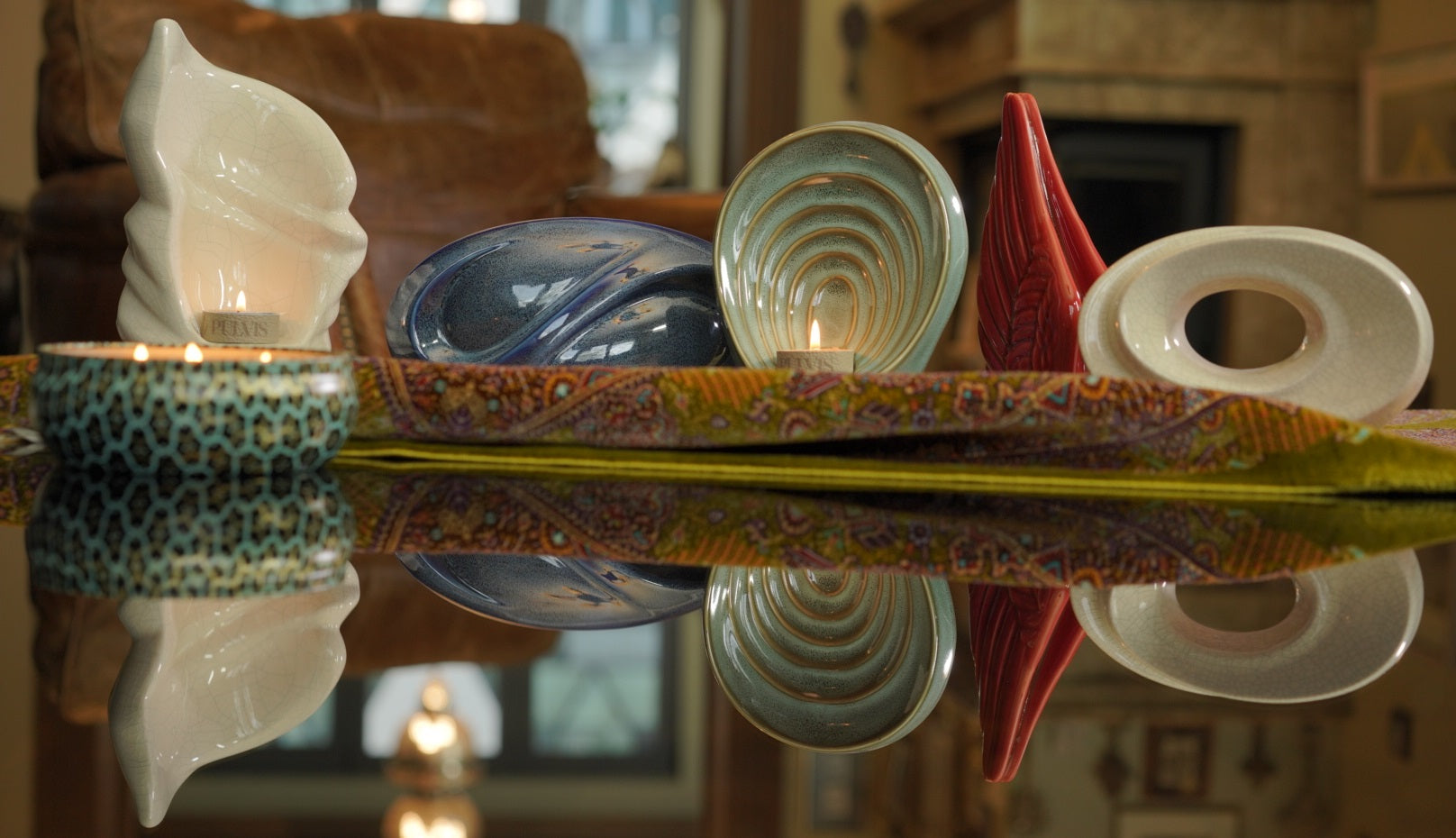
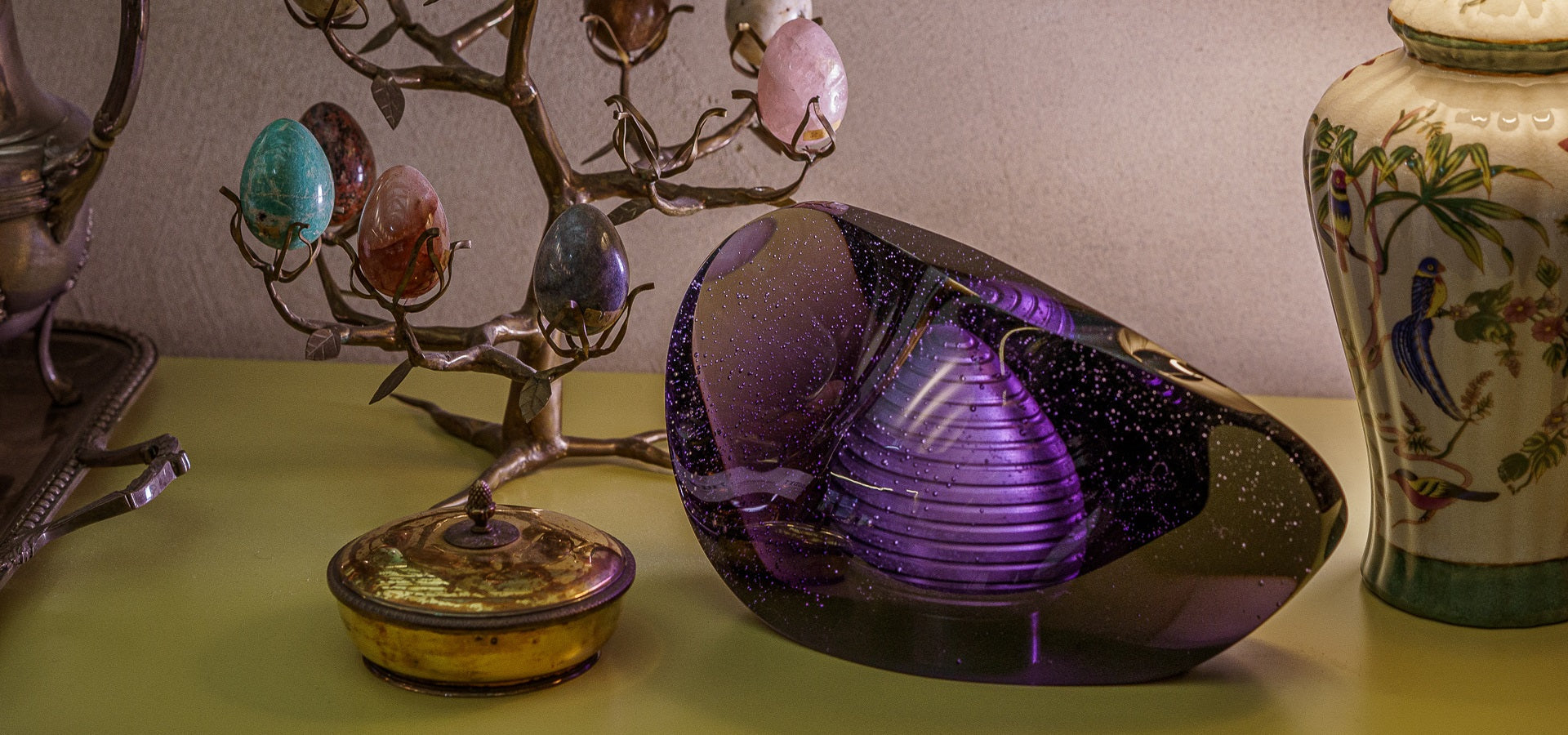
Atheists may choose to have a traditional burial, but cremation tends to be more common since there aren’t any religious doctrines that dictate burial. Keeping the loved one’s ashes in a cremation urn or ceramic keepsake is also common. Artisan urns with handcrafted features are ideal, since there are many modern and abstract cremation urn designs that don’t have religious connotations.

Here are a few things to keep in mind when attending an atheist or Humanist funeral service.
With a little compassion and thoughtful etiquette, it’s possible to pay your respects appropriately – even if a person’s beliefs are different from your own.
------------------
Our Affiliate Program is now available. at https://www.pulvisurns.com/pages/affiliate-program-by-pulvis-art-urns
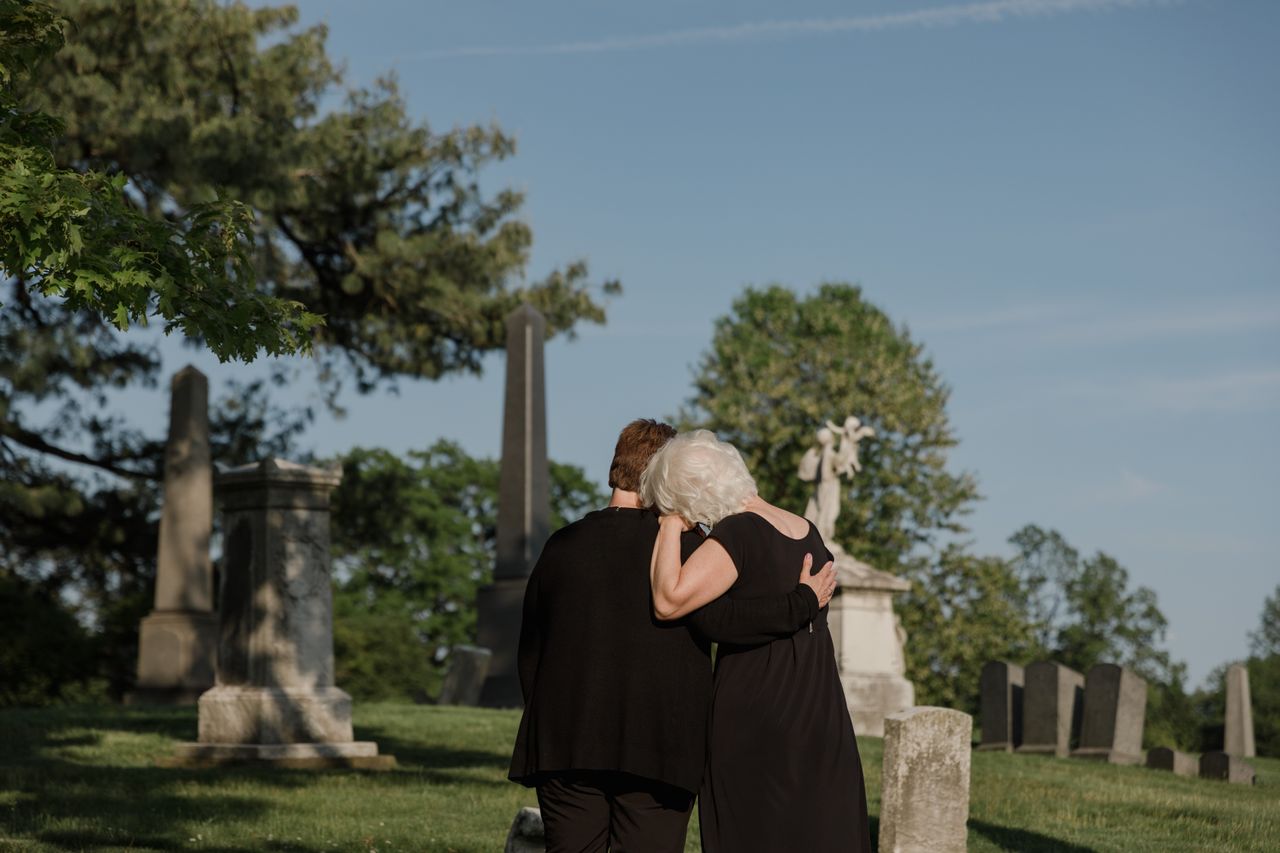
Ways to Honour a Loved One Without Visiting a Cemetery
Honouring a loved one doesn't have to be limited to visiting a cemetery. Discover meaningful and heartfelt ways to celebrate their life through personal traditions, living memorials, keepsakes, charitable acts and beautiful remembrance ideas that keep their memory alive every day.

The Emotional Weight of “Lasts”: The Last Conversation, Last Hug, Last Goodbye
The last conversation, last hug, and last goodbye are some of the most emotionally powerful experiences a person can carry. These final moments transform ordinary interactions into lifelong memories, revealing the depth of love, connection, grief, and human attachment. This article explores why we remember final moments so vividly, how they shape the way we process loss, and why appreciating everyday connections matters before they become memories.
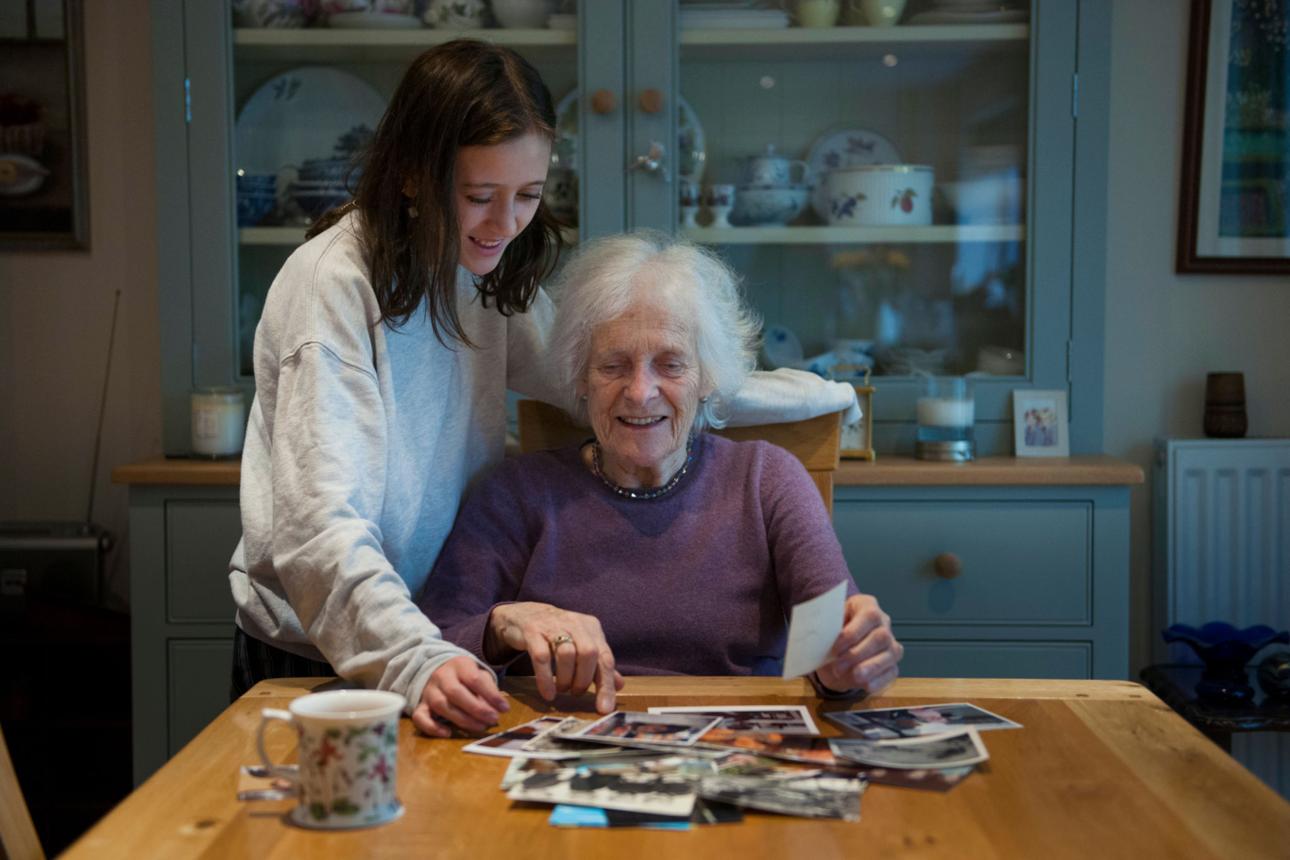
The First Holiday Without Someone: Why It Feels So Different
The first holiday after losing someone we love can feel completely different from any celebration before it. The traditions remain, the decorations appear, and families gather together, but the absence of one important person changes everything. This article explores why holidays intensify grief, how memories are triggered through traditions and senses, and how families learn to honour loved ones while creating new ways to remember.

Discover why everyday sounds can become powerful reminders of the people we love. From familiar voices and favourite songs to simple household noises, sound has the ability to preserve memories, awaken emotions, and maintain a connection with those who are no longer physically present.
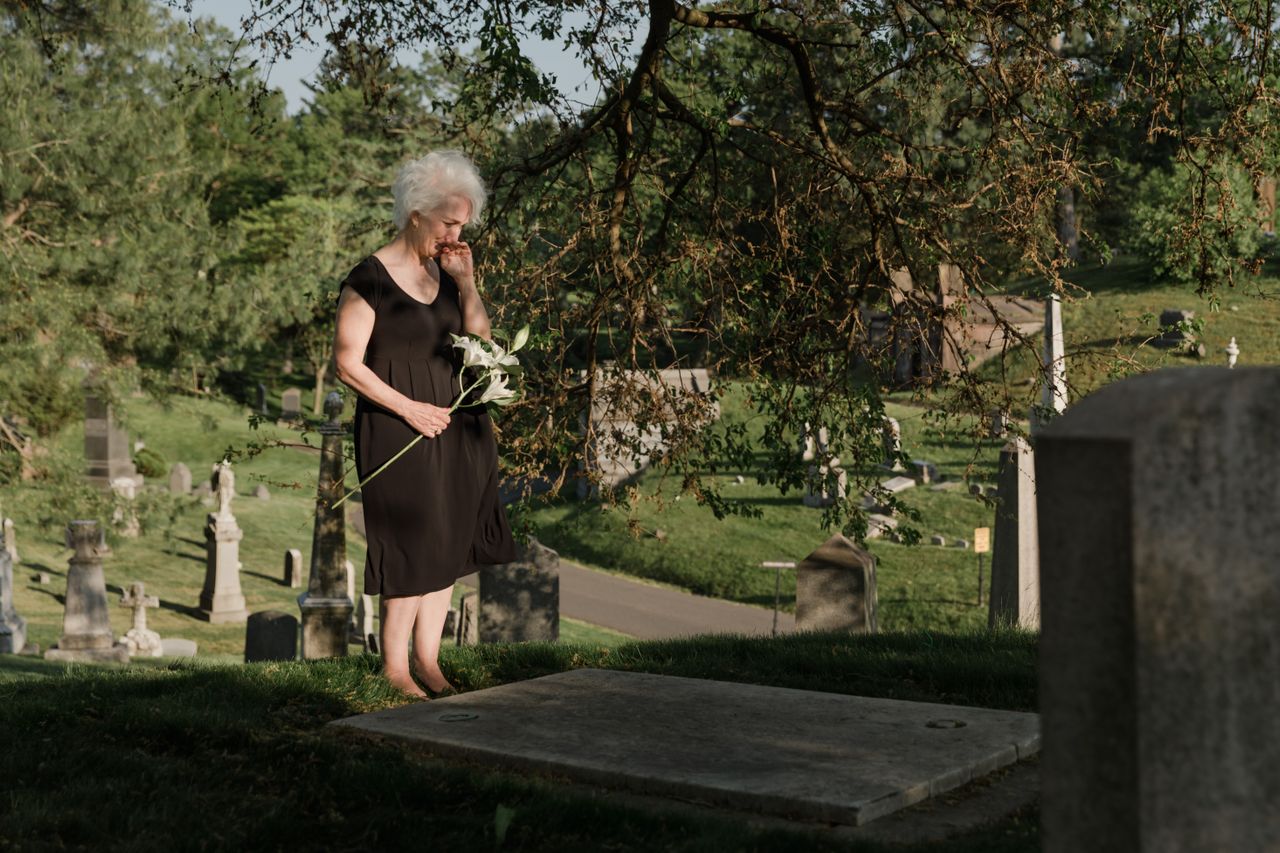
After losing someone we love, ordinary belongings can become some of the most meaningful reminders of their life. A favourite sweater, handwritten note, piece of jewellery, or family recipe can carry memories, emotions, and a sense of connection that goes far beyond the object itself. This article explores why we keep the things left behind, the psychology behind emotional attachment to personal belongings, and how these objects help us preserve love, identity, and family stories after loss.

Share:
How Much Does It Cost to Cremate a Rabbit?
Get Inspired by These Beautiful Cremation Traditions