
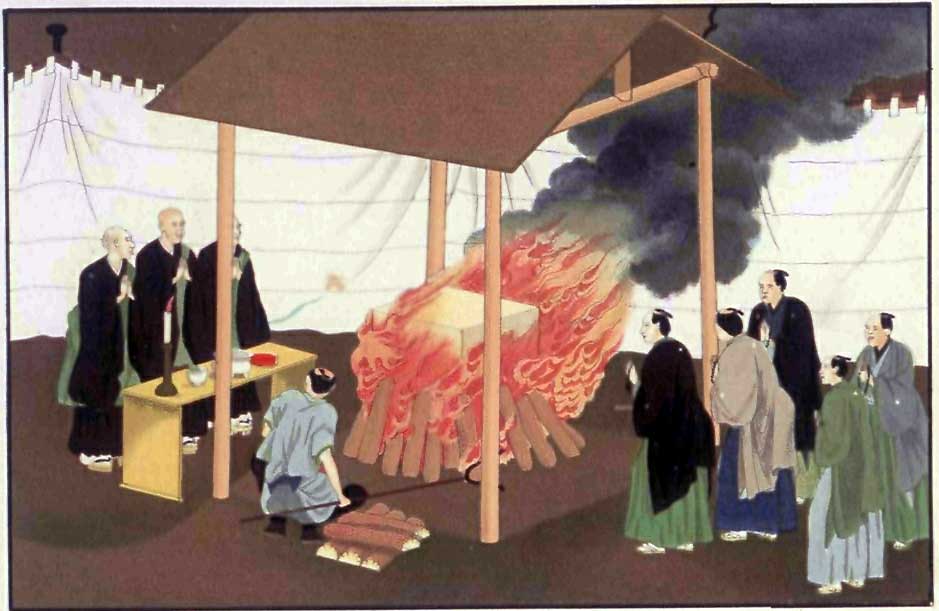
While cremation may not be the most comfortable topic to talk about, there’s no need to shy away from the facts. After all, keeping urns at home can be a powerful way to feel close to a loved one. It’s time to clear up some misconceptions about cremation.
There are several myths about cremation that can cause confusion and misunderstanding about the process.
It’s any grieving person’s worst nightmare – receiving ashes that may not belong to the person you knew and loved. While it seems like this could happen often (after all, most ashes look the same, right?), there are specific protocols in place so that the identity of ashes are never called into question.

Professional associations have established clear-cut rules, including identification before cremation, only cremating one individual at a time, and immediately marking all remains. So you can rest assured that you’re displaying cremation urns for ashes that belong strictly to your loved one.
While some religions forbid cremation, there are many, including the Roman Catholic Church and the Protestant Church, who have expanded teachings on this topic to allow for cremation. As is the trend with many traditions, some faiths have adapted their teachings over time to become more inclusive towards various social practices, including cremation. Consult the leadership in your congregation to learn more about your faith’s specific perspectives.
Cremation is accepted by most major religions, including Christianity, Judaism, and Hinduism. However, some religions do have specific guidelines or preferences regarding cremation.

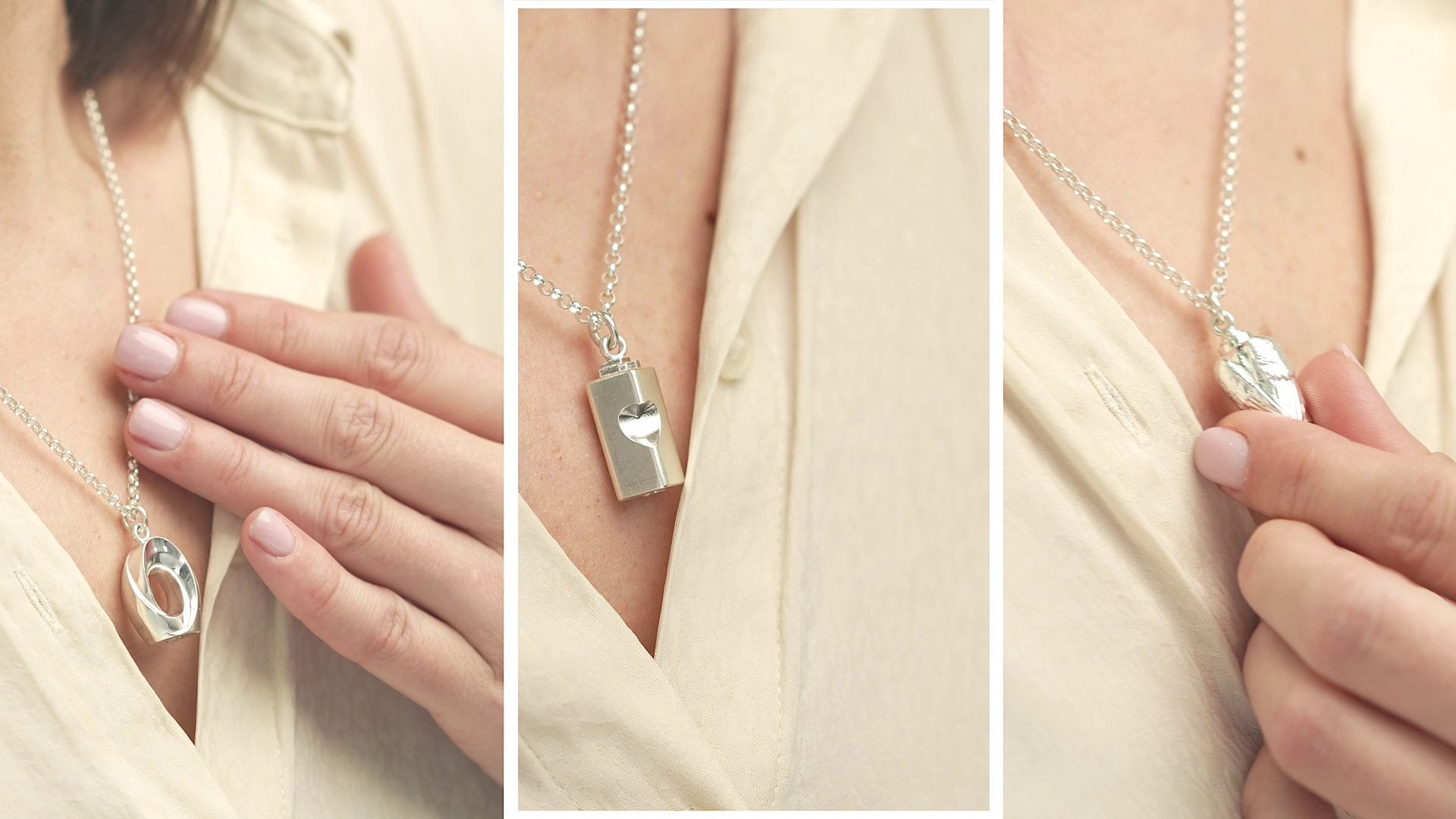
While the cremation process does rely on the use of a furnace, the body is never set on fire. Instead, the body is reduced to gases and small pieces of bone by contained exposure to intense heat, not fire. The remains are then further processed to result in ashes. The family of the deceased individual can then go on to honor the loved one’s memory by scattering the ashes, keeping urns at home, selecting from keepsakes for ashes, or remembering them in another meaningful way.
There are many options for holding a traditional funeral service and performing a cremation. Some families choose to hold a wake before the cremation is performed so that friends and family can have closure. Others prefer to perform the cremation before holding a funeral service, during which they can choose to bury the urn with ashes or display it at the service before taking it home.
Choosing cremation does not limit your options for holding a beautiful funeral or memorial service.
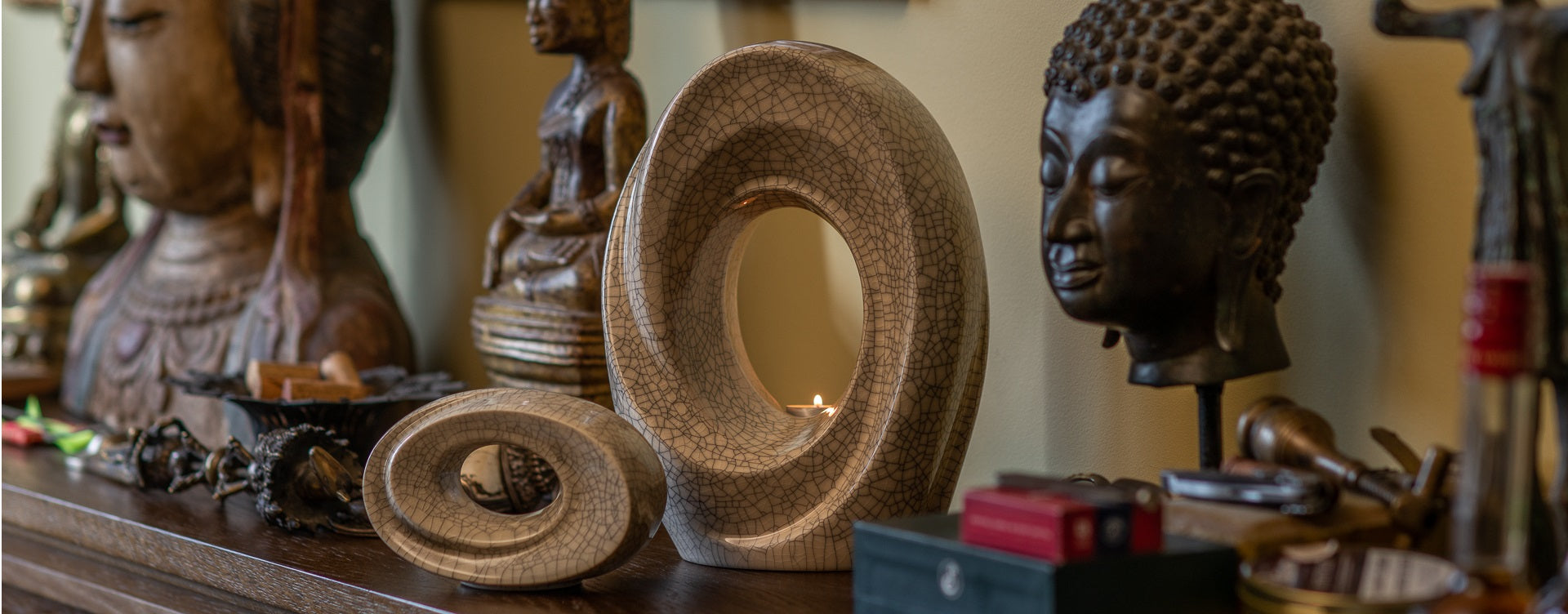
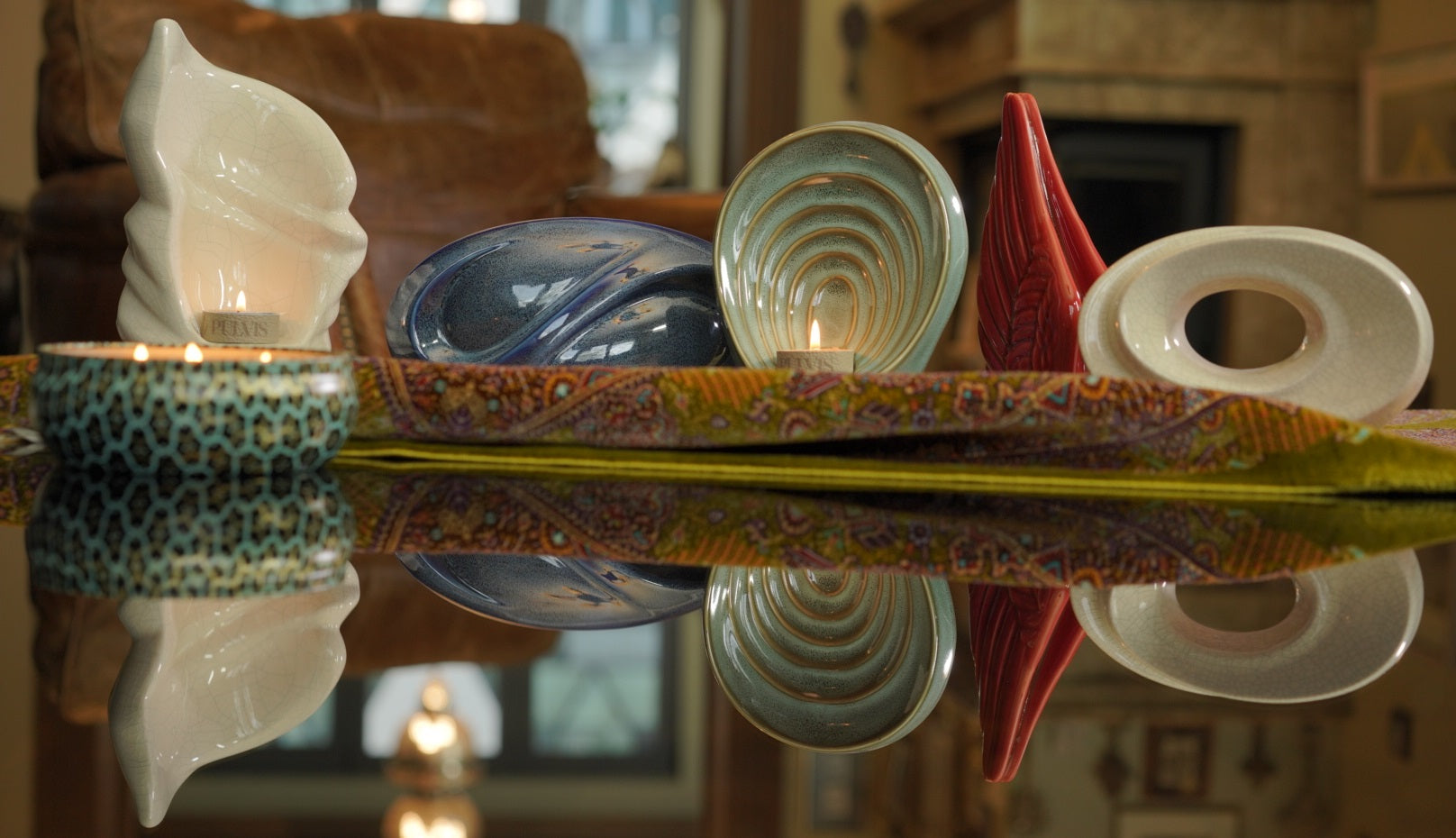
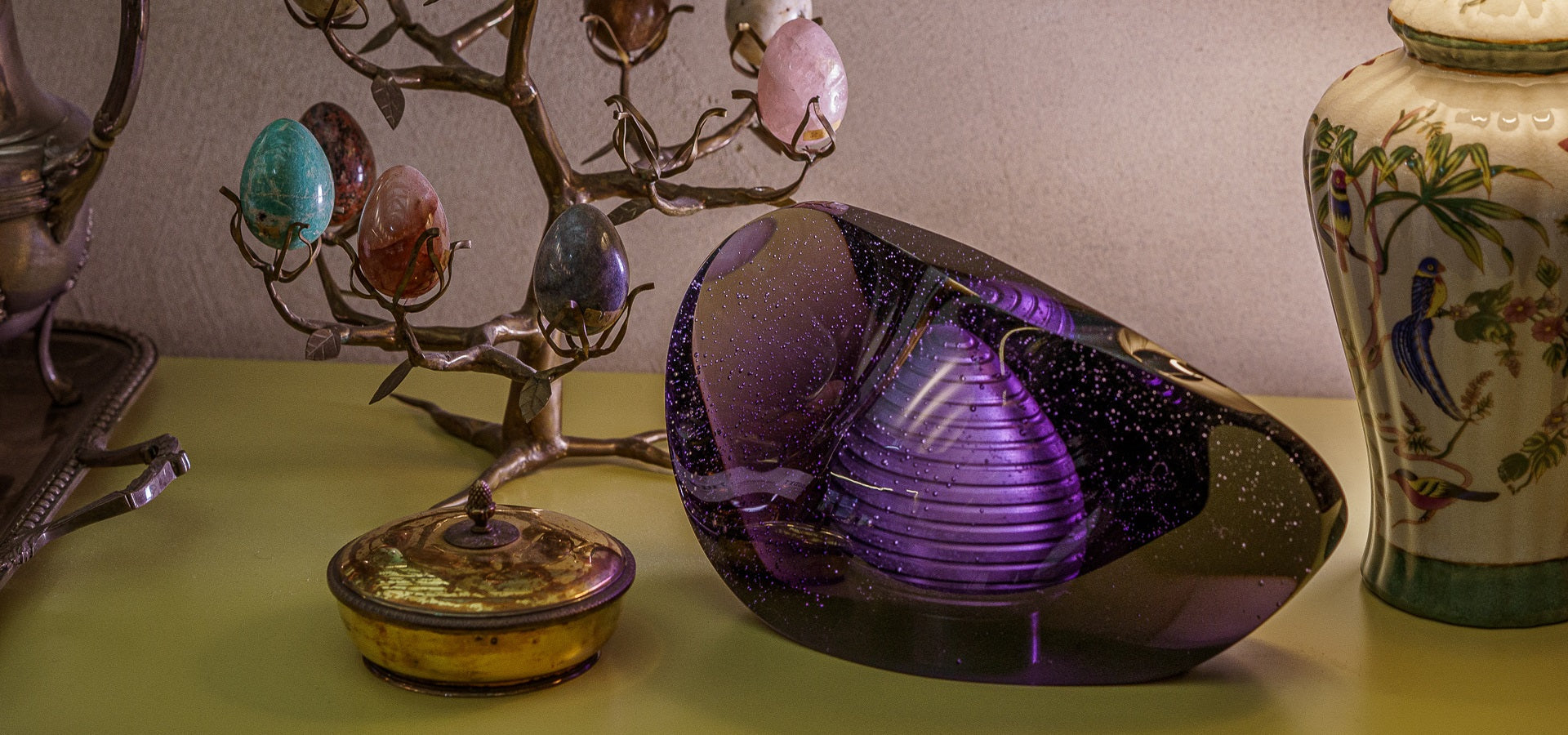
While cremation may seem ‘strange’ for those who have only attended traditional burial services, it’s actually quite common. The benefit of cremation is that it provides many options for laying a loved one to rest. Some are attracted to the idea of scattering ashes over a park, while others want to keep their loved one close by selecting from handcrafted urns that make for meaningful home displays.
While cremation can be a more affordable option than traditional burial, the cost can vary depending on a variety of factors, such as the type of urn or memorial chosen, the location of the cremation, and any additional services requested.

This array of options is particularly helpful when families disagree on how best to honor the deceased, because the ashes can be divided into smaller portions for each family member to remember them in a special way.
Cremains are the fine pieces of bone fragments that remain after cremation. They resemble coarse, grayish sand. While cremated remains are commonly referred to as ‘ashes,’ they are not technically ash, as the body is not exposed to fire during the cremation process.
Cremation is a more environmentally friendly option than traditional burial in many ways. For example, cremation does not require embalming or the use of chemicals that can harm the environment.
It's important to research and understand the facts about cremation in order to make informed decisions about end-of-life arrangements.
Join us in helping families honor the memory of their loved ones and pets through art!
Our Affiliate Program is now available at https://www.pulvisurns.com/pages/affiliate-program-by-pulvis-art-urns
Ways to Honour a Loved One Without Visiting a Cemetery
Honouring a loved one doesn't have to be limited to visiting a cemetery. Discover meaningful and heartfelt ways to celebrate their life through personal traditions, living memorials, keepsakes, charitable acts and beautiful remembrance ideas that keep their memory alive every day.
The Emotional Weight of “Lasts”: The Last Conversation, Last Hug, Last Goodbye
The last conversation, last hug, and last goodbye are some of the most emotionally powerful experiences a person can carry. These final moments transform ordinary interactions into lifelong memories, revealing the depth of love, connection, grief, and human attachment. This article explores why we remember final moments so vividly, how they shape the way we process loss, and why appreciating everyday connections matters before they become memories.
The First Holiday Without Someone: Why It Feels So Different
The first holiday after losing someone we love can feel completely different from any celebration before it. The traditions remain, the decorations appear, and families gather together, but the absence of one important person changes everything. This article explores why holidays intensify grief, how memories are triggered through traditions and senses, and how families learn to honour loved ones while creating new ways to remember.
Discover why everyday sounds can become powerful reminders of the people we love. From familiar voices and favourite songs to simple household noises, sound has the ability to preserve memories, awaken emotions, and maintain a connection with those who are no longer physically present.
After losing someone we love, ordinary belongings can become some of the most meaningful reminders of their life. A favourite sweater, handwritten note, piece of jewellery, or family recipe can carry memories, emotions, and a sense of connection that goes far beyond the object itself. This article explores why we keep the things left behind, the psychology behind emotional attachment to personal belongings, and how these objects help us preserve love, identity, and family stories after loss.
Share:
Common Questions on Pets Cremation in 2023
Transporting Cremation Ashes. Here is What You Should Know. 2023 Guide