
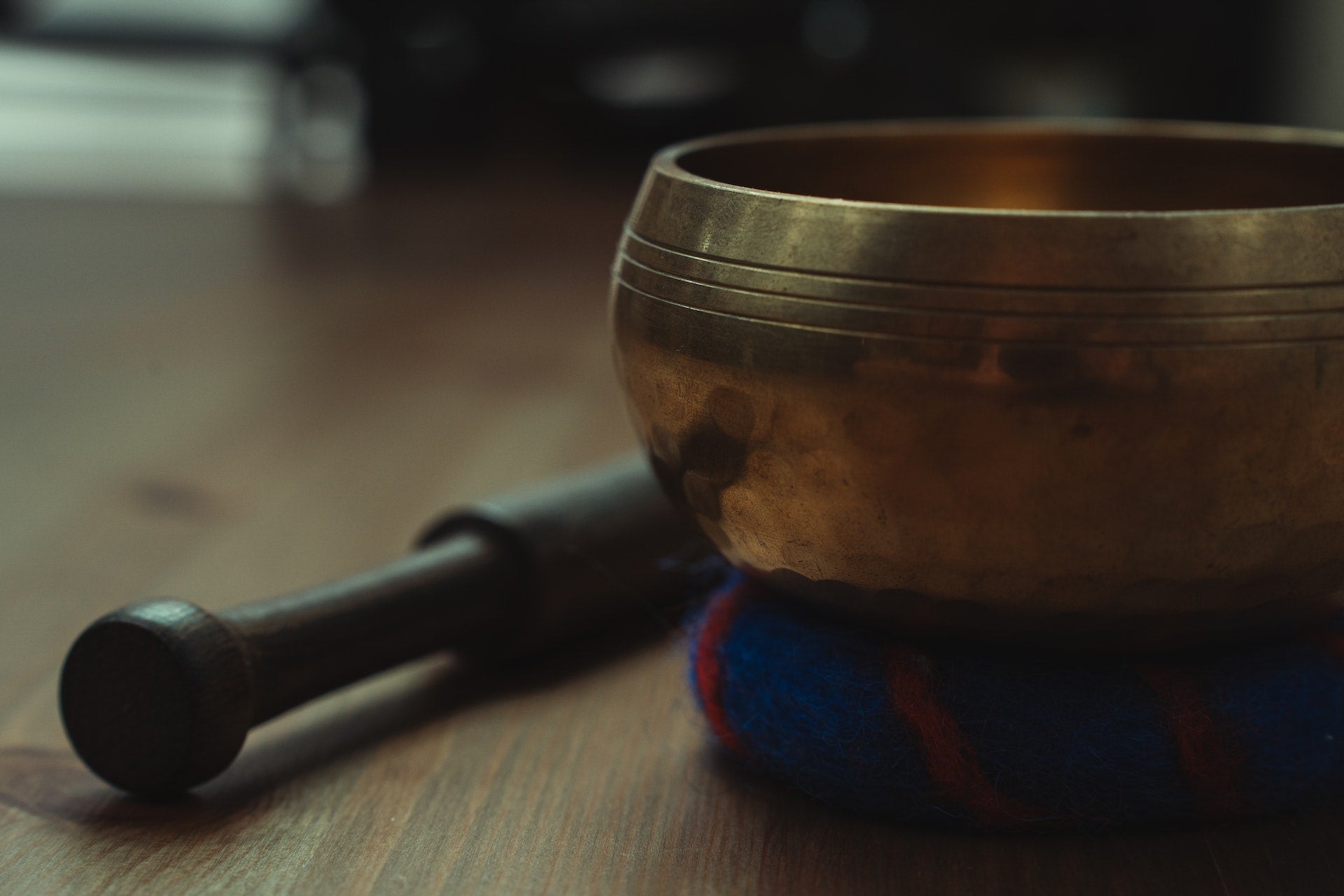
Funeral rituals have been a part of human life since ancient times and they have been widely accepted by a variety of religions around the world. There is evidence that people cremated bodies in China as early as 7000 B.C., while monks in Tibet have a quite different approach when it comes to funeral rituals.
Funeral rituals vary greatly around the world, and some of them may seem strange or unusual to people from other cultures. Here are some examples of strange funeral rituals from around the world:
Sati or Sutee is a Hindu funeral, which is very popular in India. The ritual dates back to 2nd century BC. During the ritual the widow immolates herself on her husband’s pyre or commits suicide shortly after her husband’s death. This ritual was prominent in during the British era in India, but today it is illegal since Queen Victoria banned it in 1861. Some believe it is still practiced in small rural villages.

In mythology, Sati was the name of the wife of Shiva. Her father never respected Shiva and often despised him. To protest against the hatred that her father held for her husband, she burned herself. While she was burning, she prayed to be reincarnated as Shiva’s wife again. This happened, and she was called Parvati.
Sati is considered to be the greatest form of devotion of a wife towards her deceased husband. With time, this practice became a forced one and many women were forced to commit suicide in different ways.
Women who committed sati were said to have died chaste, which, many believed, meant they would have a better karma and a better life in her next birth.

The extent to which Sati was practised in history is not very clear, however, during the modern Mughal period, it was closely associated with Hindu Rajput clans in India.
Sati was at its peak between the early 16th and the late 18th centuries. During this days, more than 900 widows were burned alive every year, most commonly in India and Nepal.
Even though it is not considered a cremation ritual, the so-called Sky Burial with all of its bizarreness is in our list. This form of burial involves placing the body of the deceased on the mountain hills. The body is left exposed as the scavengers and birds feed on it. This way of burial is believed to help for the easy departing of the soul, among the locals.

Due to the fact that birds (vultures) consume the remains of the body, this type of burial is also called “bird burial”. In Tibet, there are other ways to bury bodies after death, including water burial and cremation.
Tibetan Buddhists believe that the body is nothing but a discarded shell. The spirit of the dead has already moved on, through death and toward a new way of reborn. For Buddhists in Tibet and Mongolia, offering their bodies to vultures is the last great hing to do. It is believed that the vultures will carry the person's spirit to the afterlife.
The most notorious places for sky burials are the monasteries of Ganden and Drigung in Tibet.
With sky burial, there is no need to use the land to bury the body. This also a sort of environmental protection.
China is one of the countries with the oldest cremation rituals. The rituals often involve various ceremonies before cremating and burying the dead.

For example, the rich families in China often hire professional mourners since they are too busy in other arrangements. Usually they are young women and they are paid well for their mourning, not only by the family, but also by people who are too busy to attend the funeral.
An absence of tears indicates the deceased was not loved, and disgraces the family.
Clients typically pay around $450 for the service, involving around seven professional mourners.

In some cultures around the world, people do not simply accept that someone has lived and died, but their life was truly a celebration. Funeral rituals from around the world show us that people honour the memory of their loved ones in different ways.
These are just a few examples of the strange funeral rituals practiced around the world. While they may seem unusual to outsiders, they are an important part of the cultural traditions of the communities that practice them.
Find more interesting articles at our blog or contact us for more information at art@pulvisurns.com
Join us in helping families honor the memory of their loved ones and pets through art!
Our Affiliate Program is now available at https://www.pulvisurns.com/pages/affiliate-program-by-pulvis-art-urns
Ways to Honour a Loved One Without Visiting a Cemetery
Honouring a loved one doesn't have to be limited to visiting a cemetery. Discover meaningful and heartfelt ways to celebrate their life through personal traditions, living memorials, keepsakes, charitable acts and beautiful remembrance ideas that keep their memory alive every day.
The Emotional Weight of “Lasts”: The Last Conversation, Last Hug, Last Goodbye
The last conversation, last hug, and last goodbye are some of the most emotionally powerful experiences a person can carry. These final moments transform ordinary interactions into lifelong memories, revealing the depth of love, connection, grief, and human attachment. This article explores why we remember final moments so vividly, how they shape the way we process loss, and why appreciating everyday connections matters before they become memories.
The First Holiday Without Someone: Why It Feels So Different
The first holiday after losing someone we love can feel completely different from any celebration before it. The traditions remain, the decorations appear, and families gather together, but the absence of one important person changes everything. This article explores why holidays intensify grief, how memories are triggered through traditions and senses, and how families learn to honour loved ones while creating new ways to remember.

Discover why everyday sounds can become powerful reminders of the people we love. From familiar voices and favourite songs to simple household noises, sound has the ability to preserve memories, awaken emotions, and maintain a connection with those who are no longer physically present.
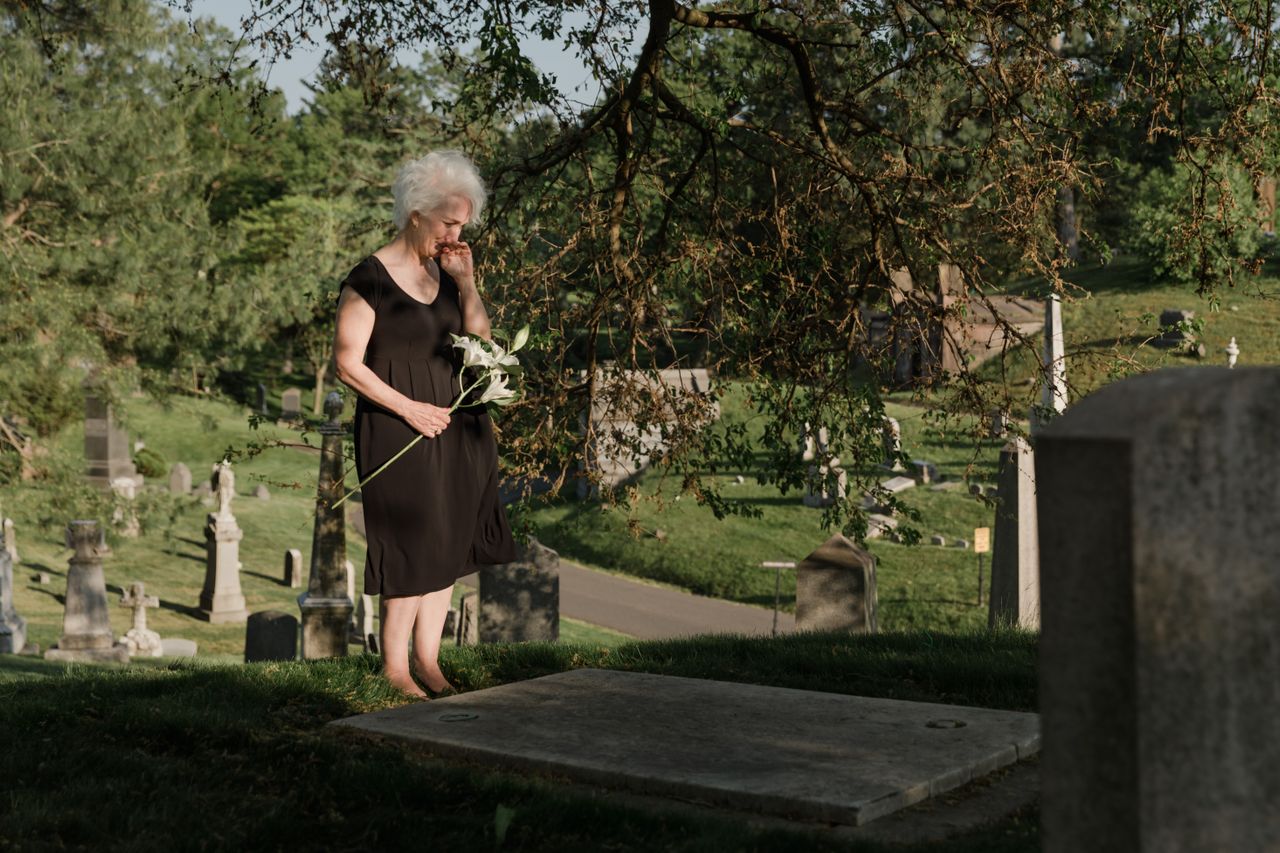
After losing someone we love, ordinary belongings can become some of the most meaningful reminders of their life. A favourite sweater, handwritten note, piece of jewellery, or family recipe can carry memories, emotions, and a sense of connection that goes far beyond the object itself. This article explores why we keep the things left behind, the psychology behind emotional attachment to personal belongings, and how these objects help us preserve love, identity, and family stories after loss.
Share:
"Light" Cremation Urn for Ashes - Product Review 2023
7 Things about Cremation Urns You Probably Didn’t Know